






 Trips curated by the world’s top destination experts
 Concierge-level service leading up to and during your trip
 Unique, exclusive experiences and insider
access
Unique, exclusive experiences and insider
access


Kenya Travel FAQs
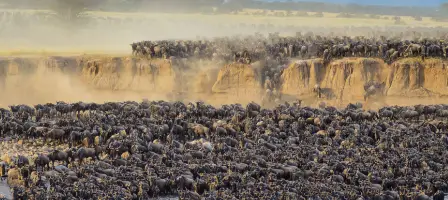
The most reliable period is June to October, when rainfall is low and wildlife concentrates around water sources. This is also when the Great Migration reaches the Maasai Mara. January and February are drier and quieter. April and May bring heavier rains, fewer visitors and lower lodge rates.
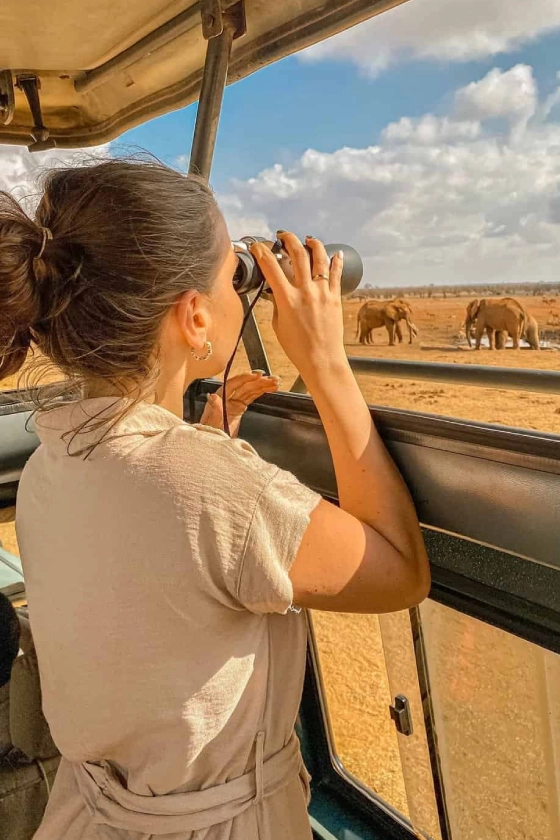
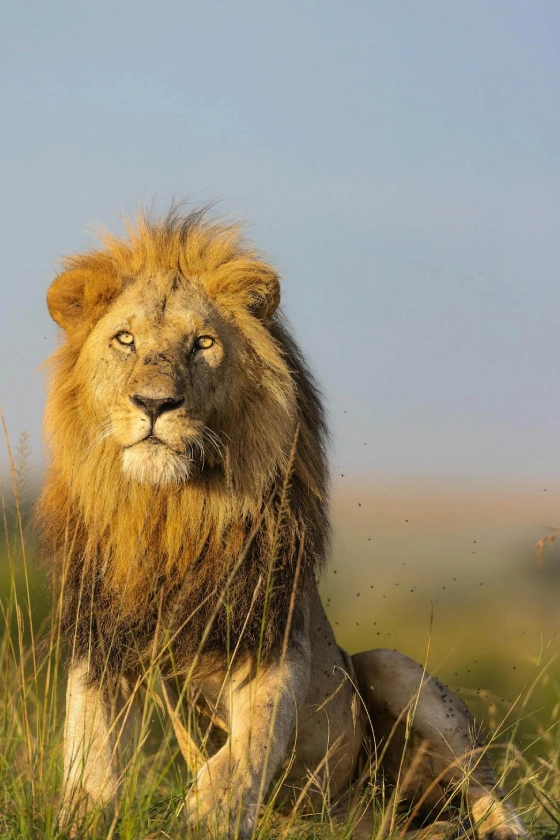
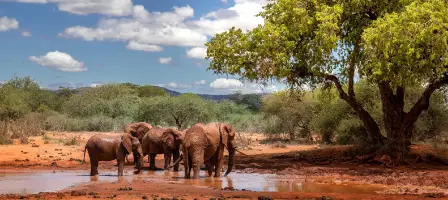
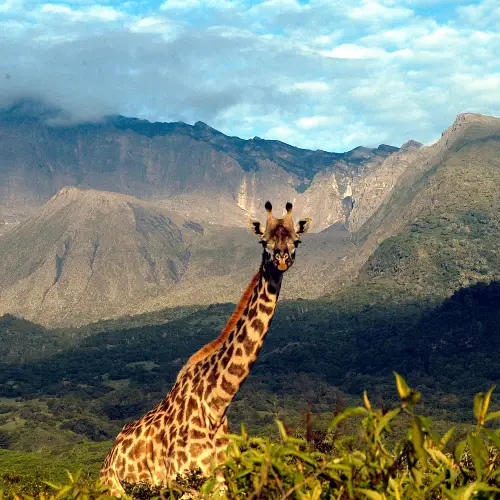
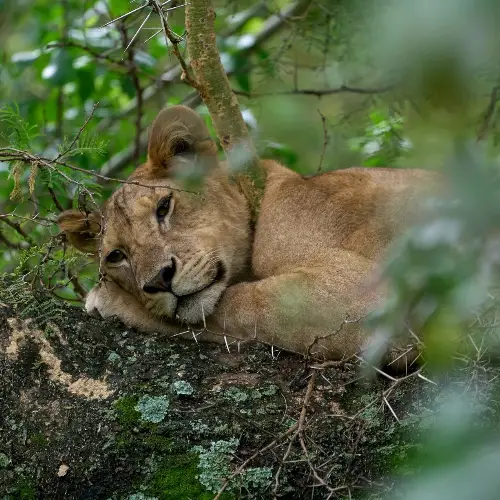
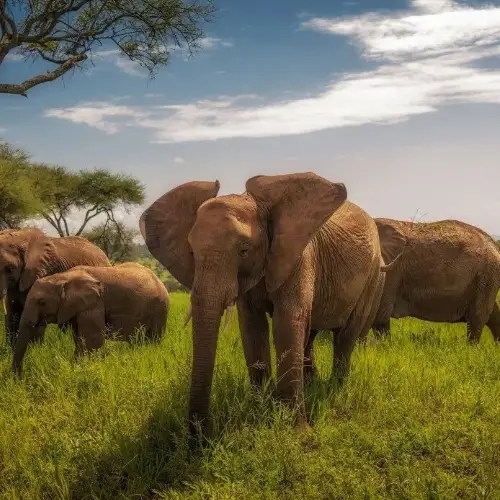
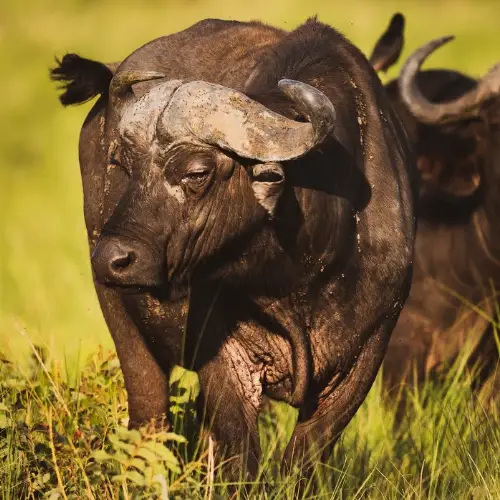
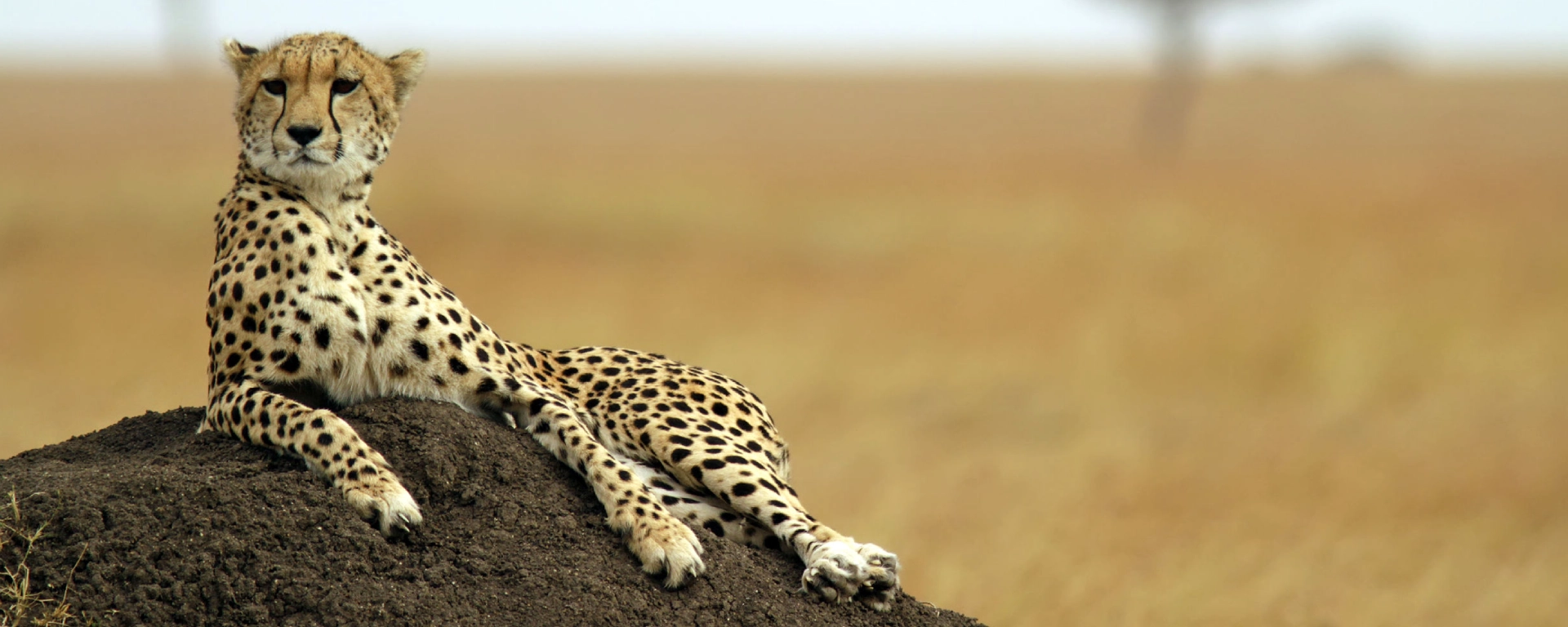
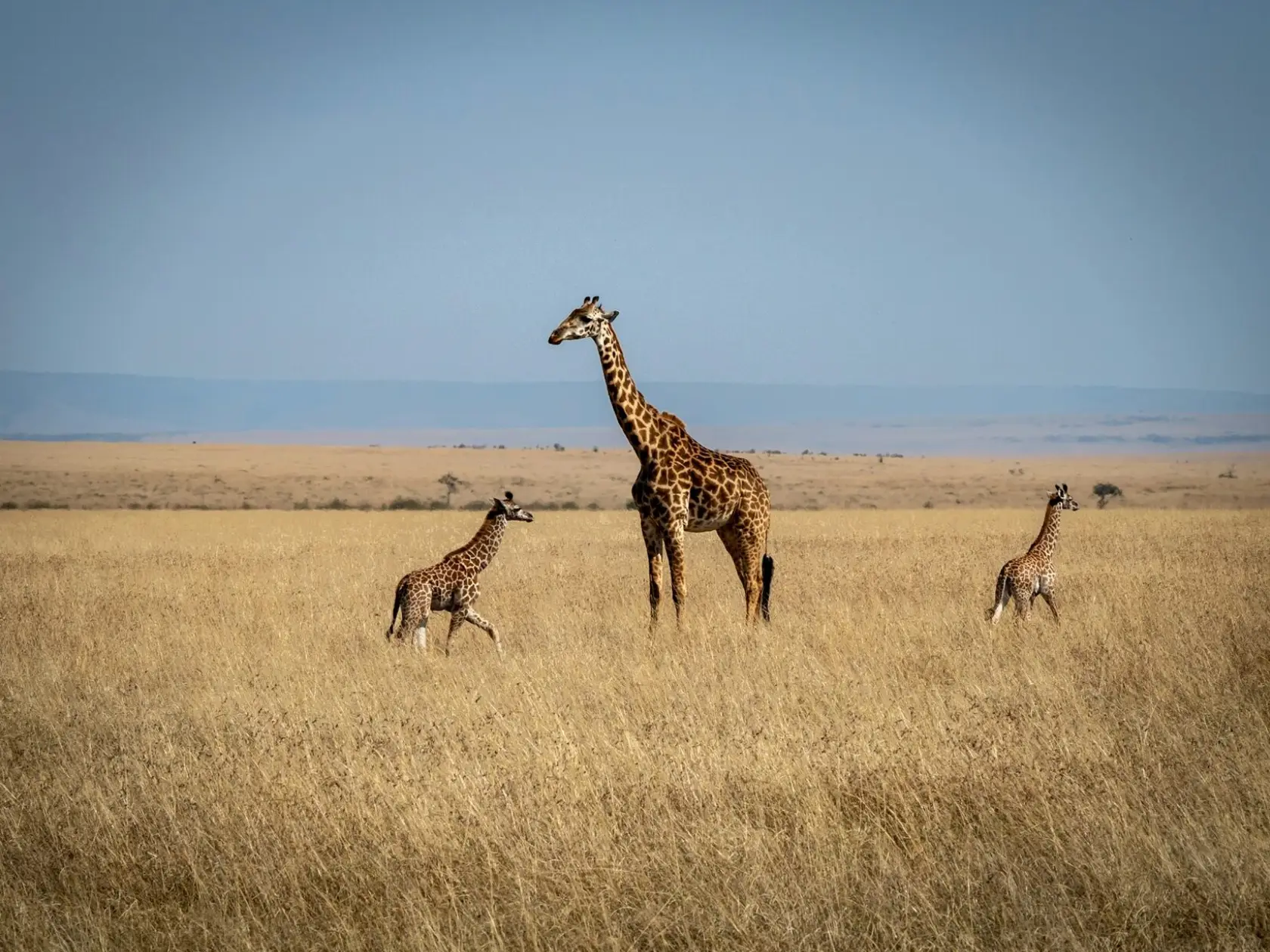
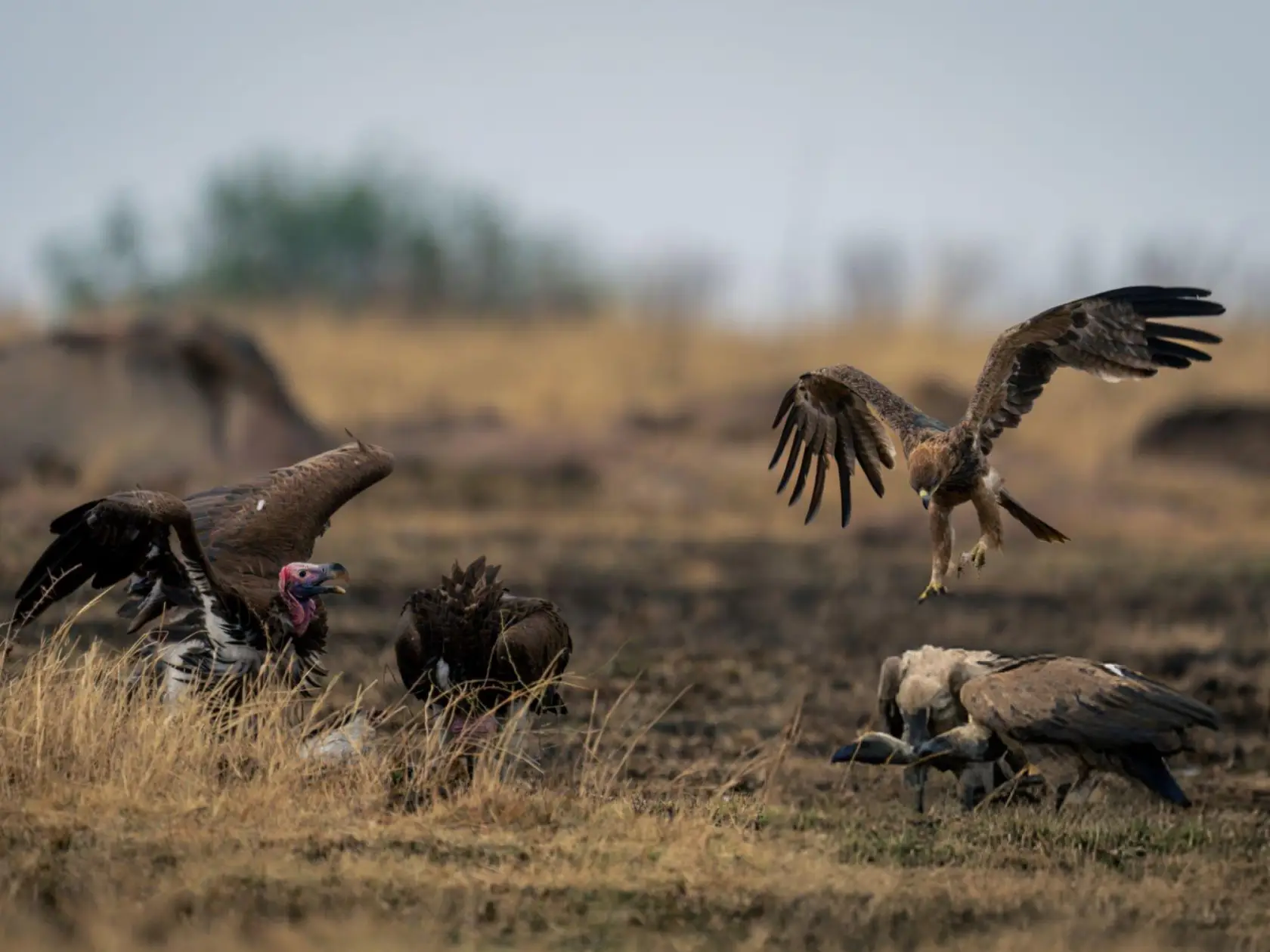
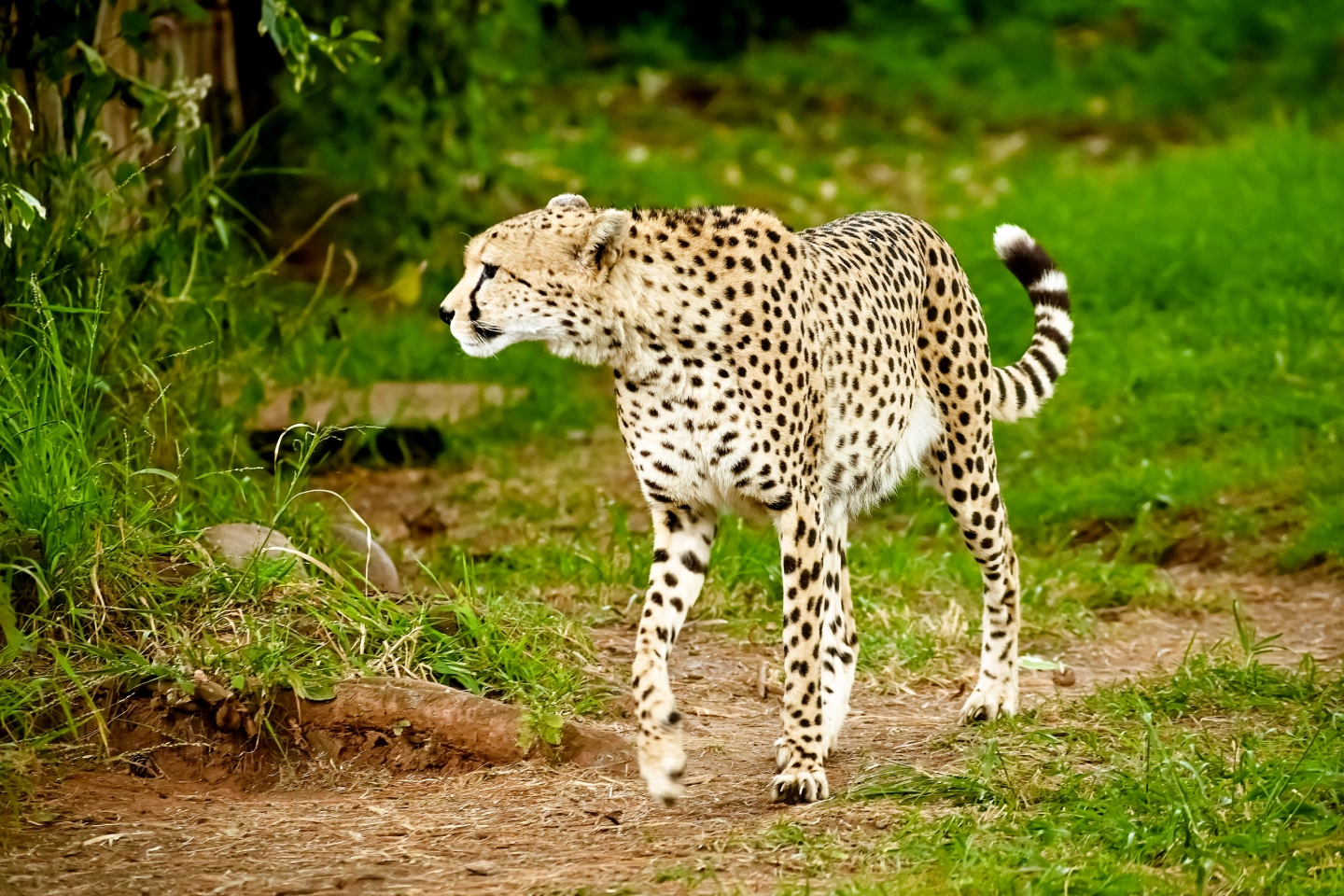
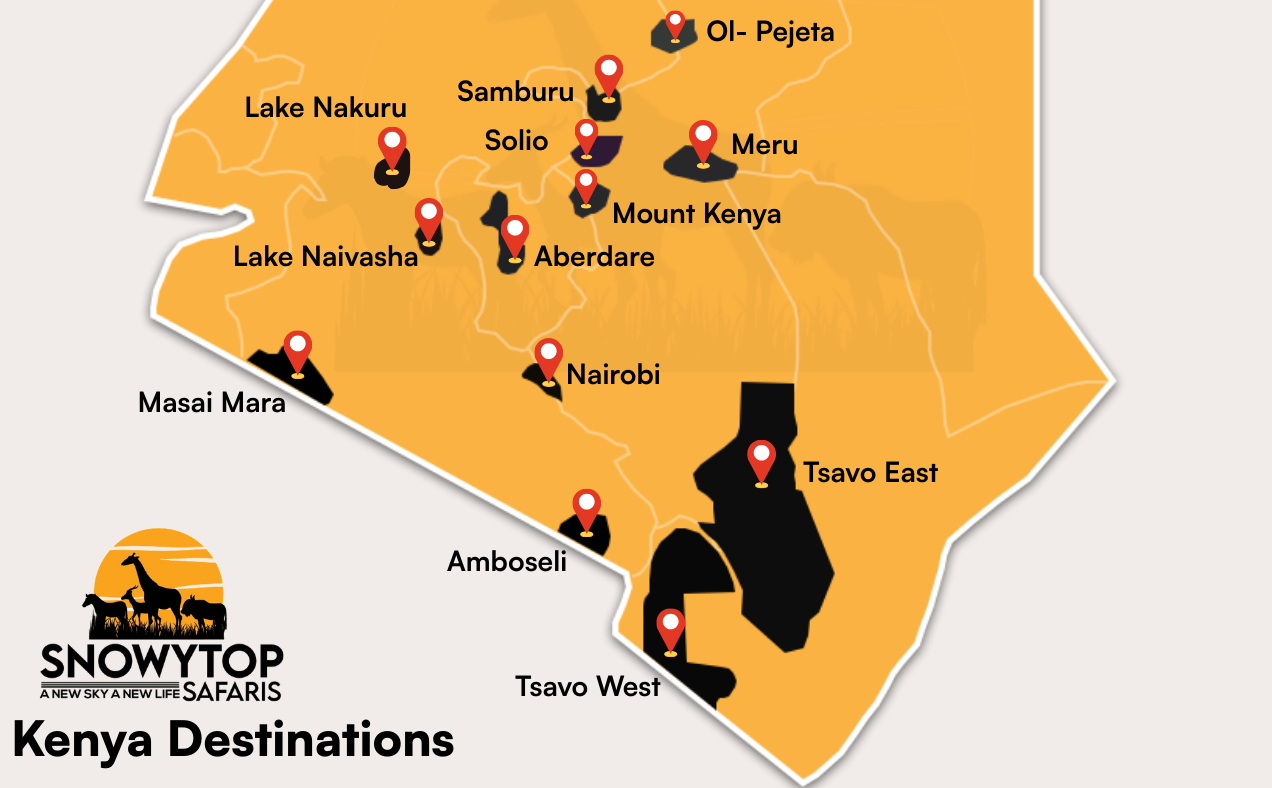
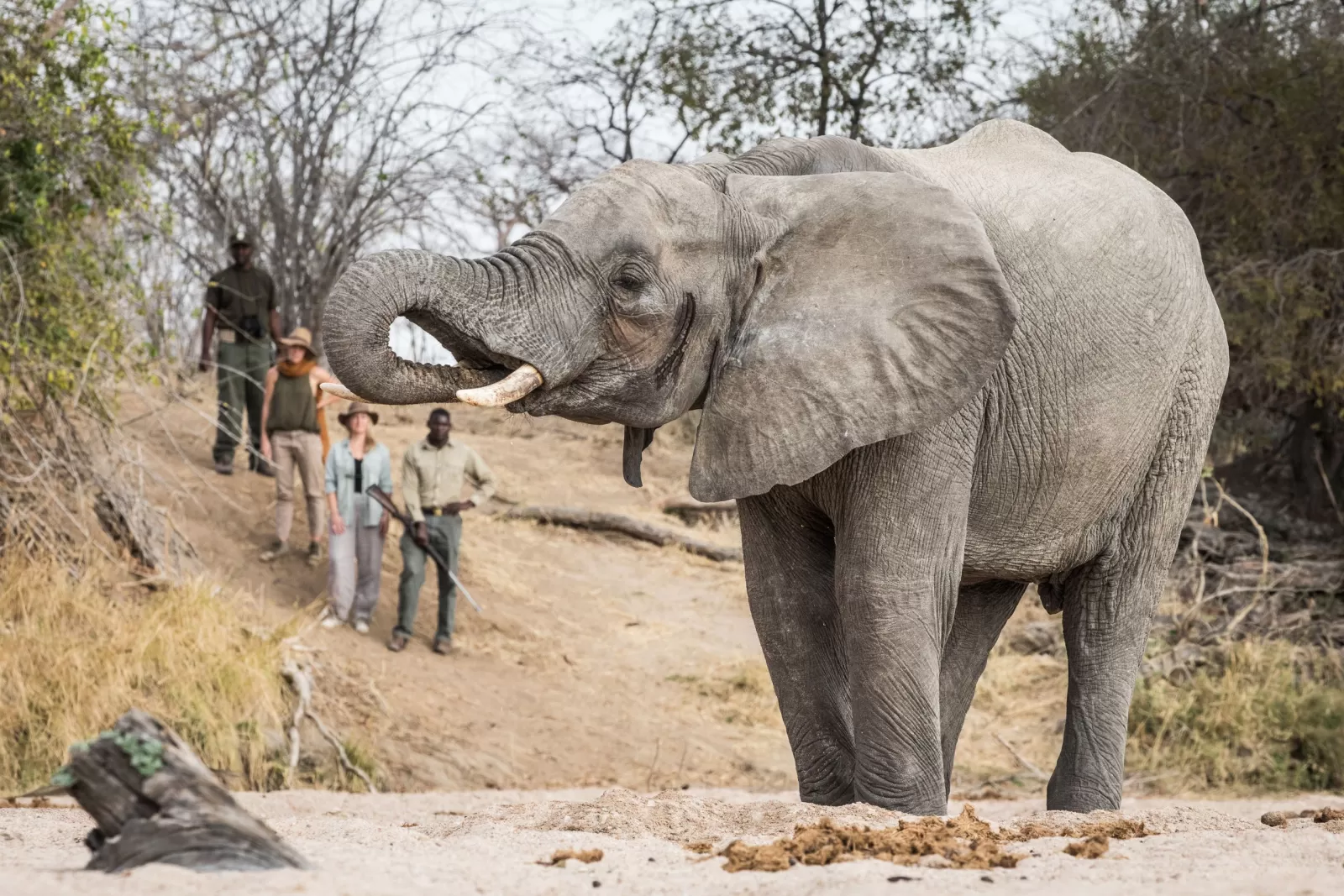
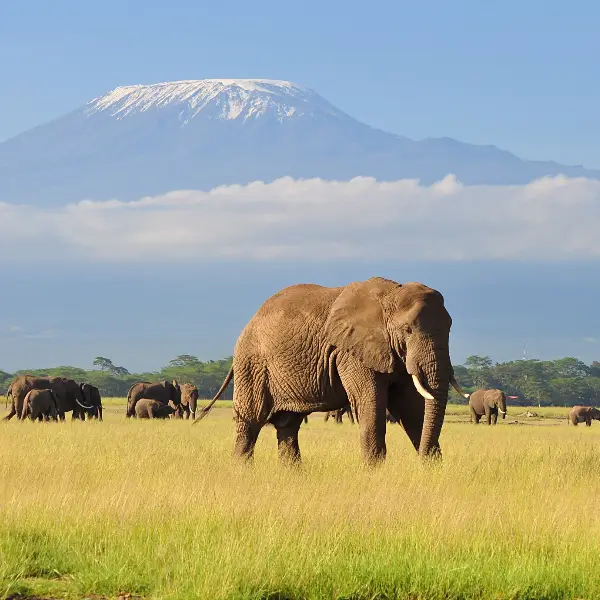
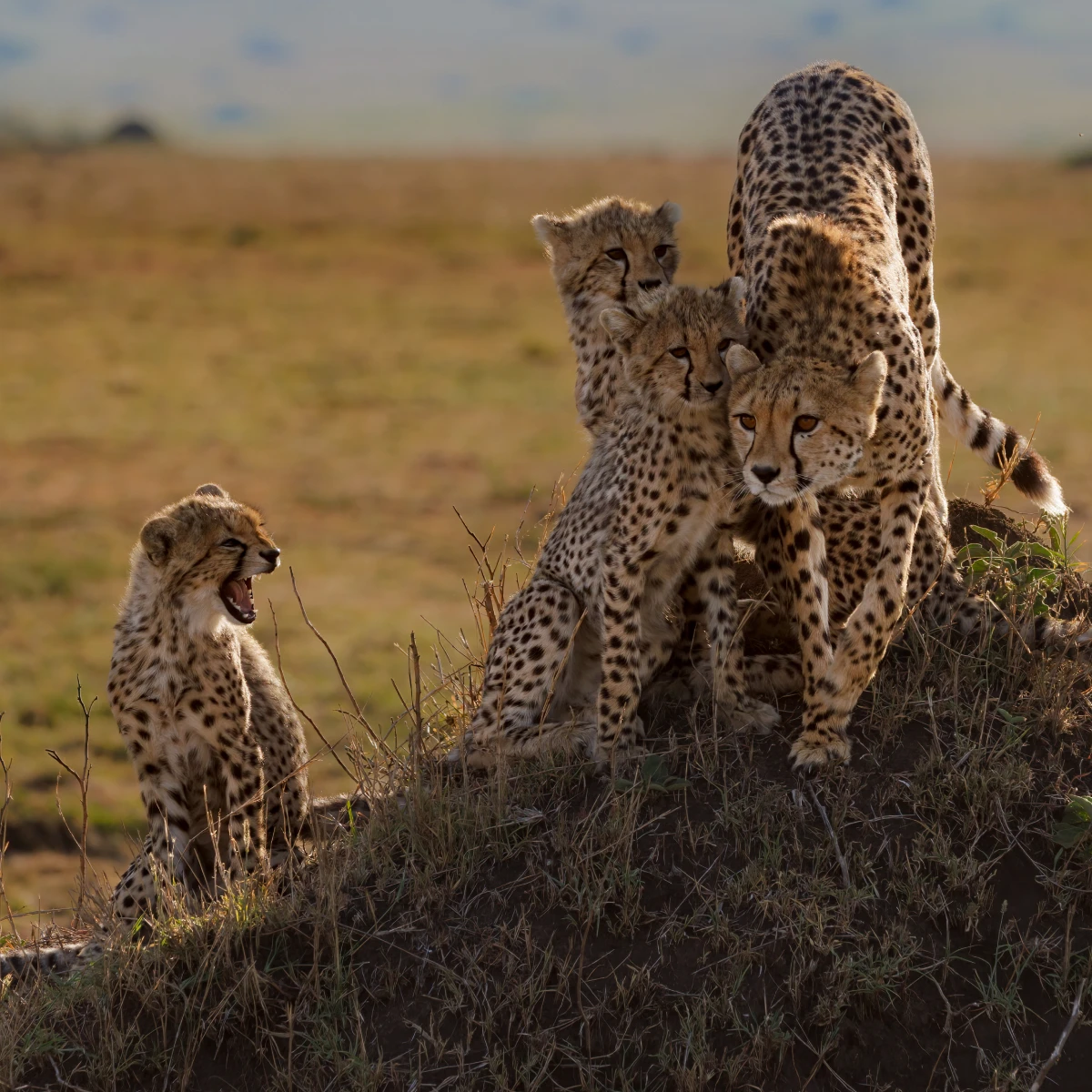
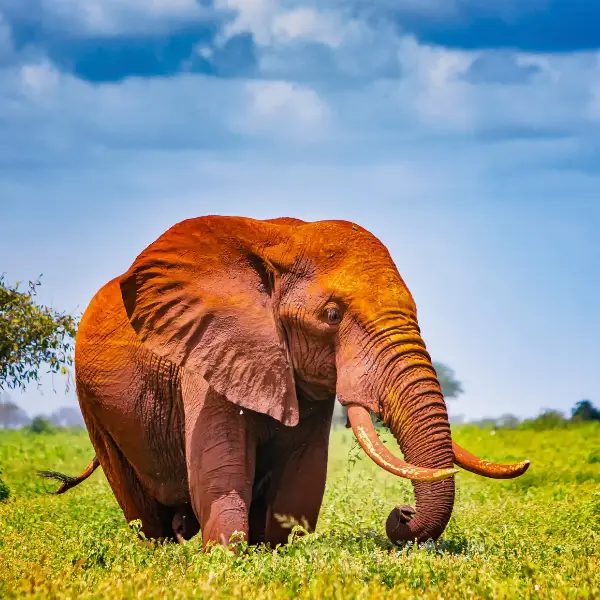
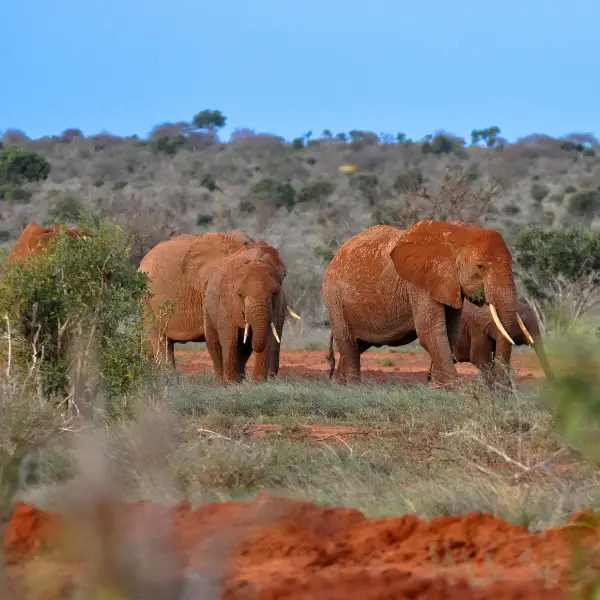
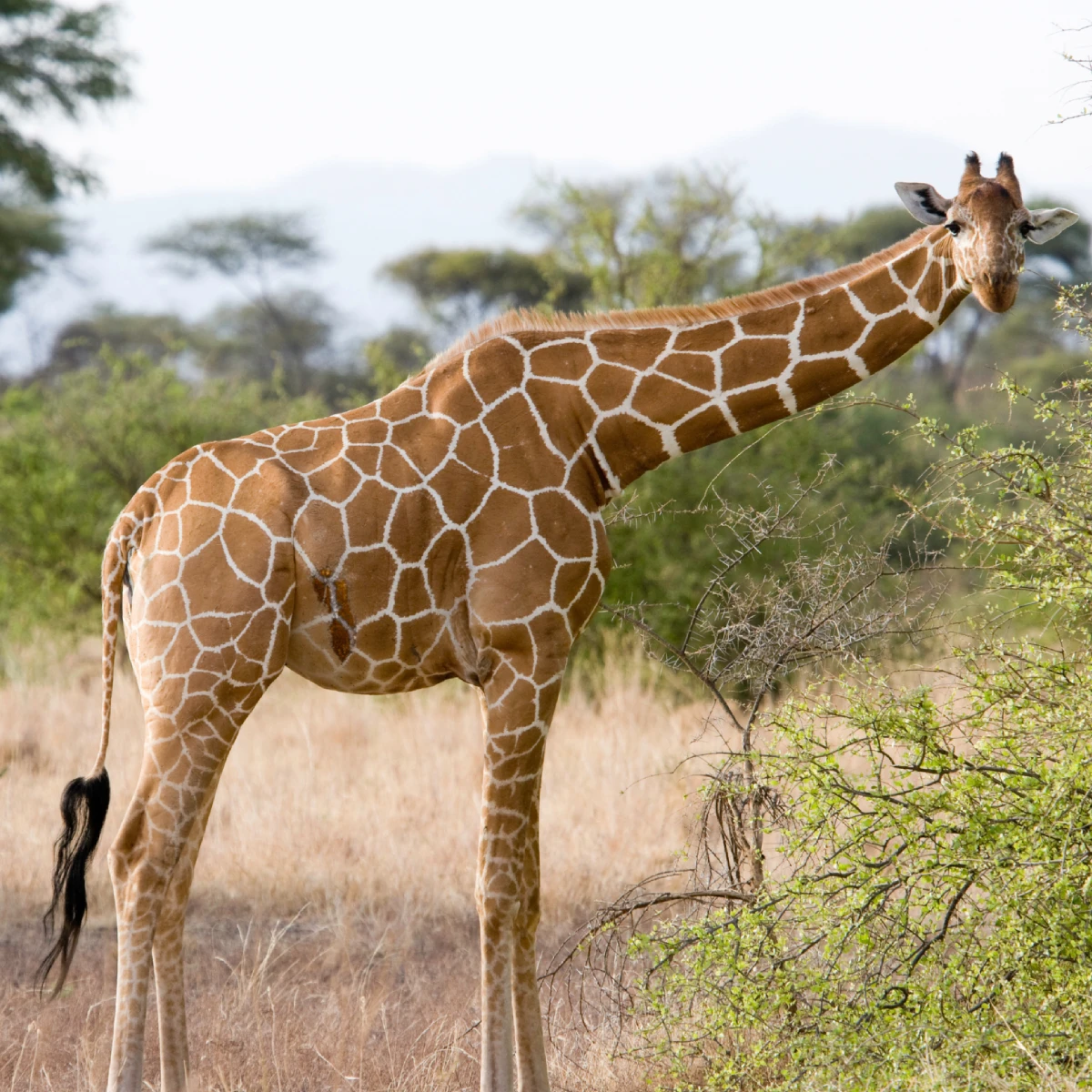
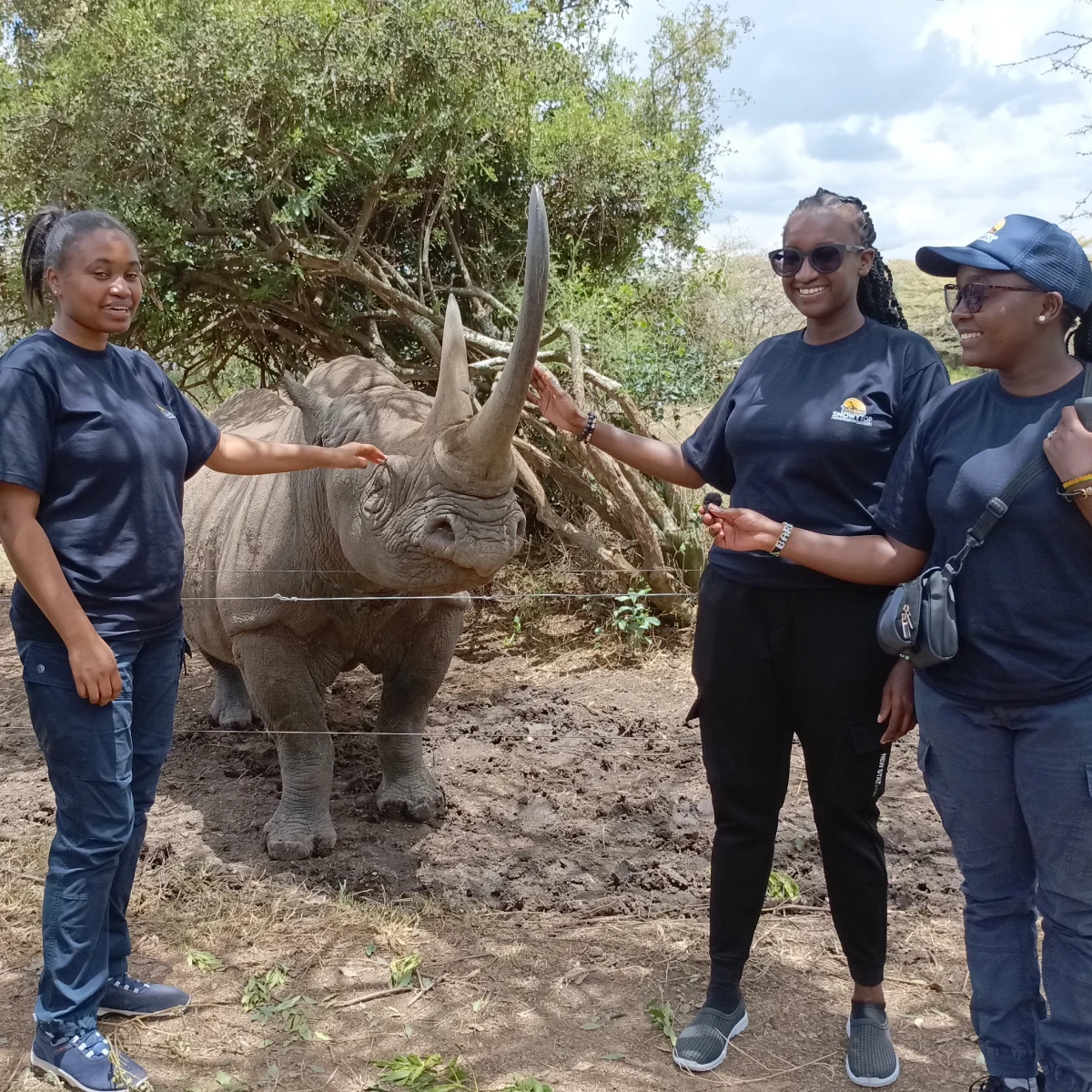
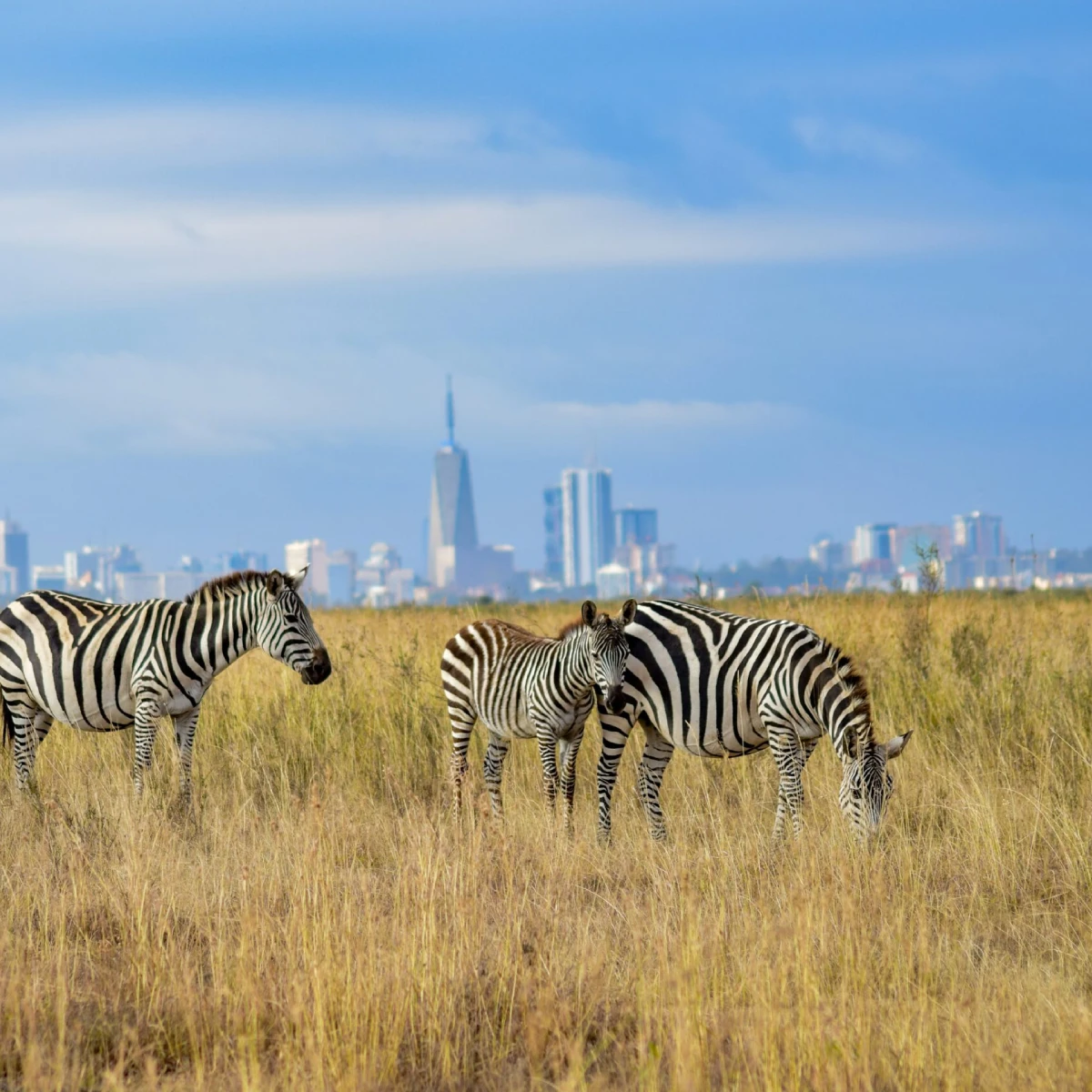
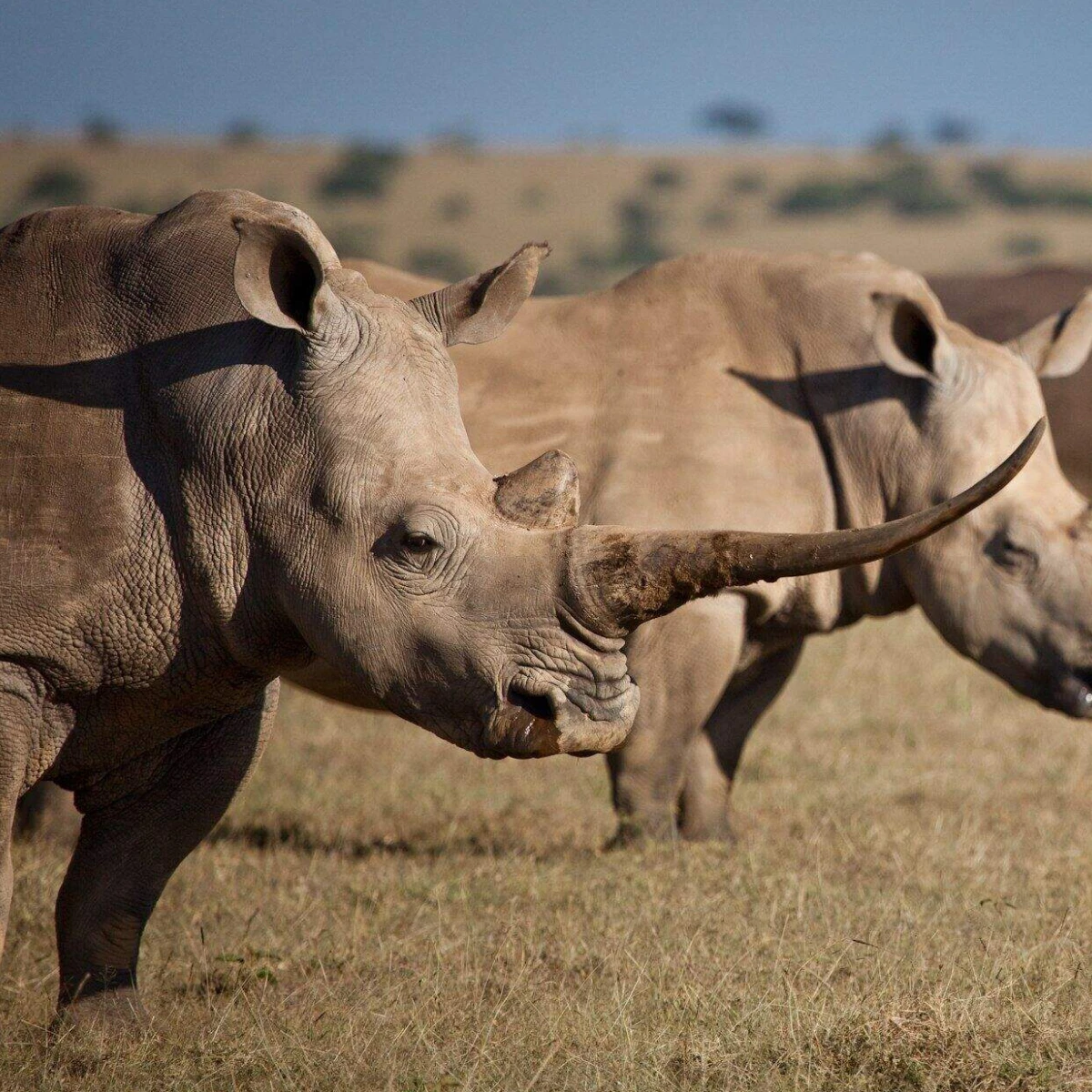
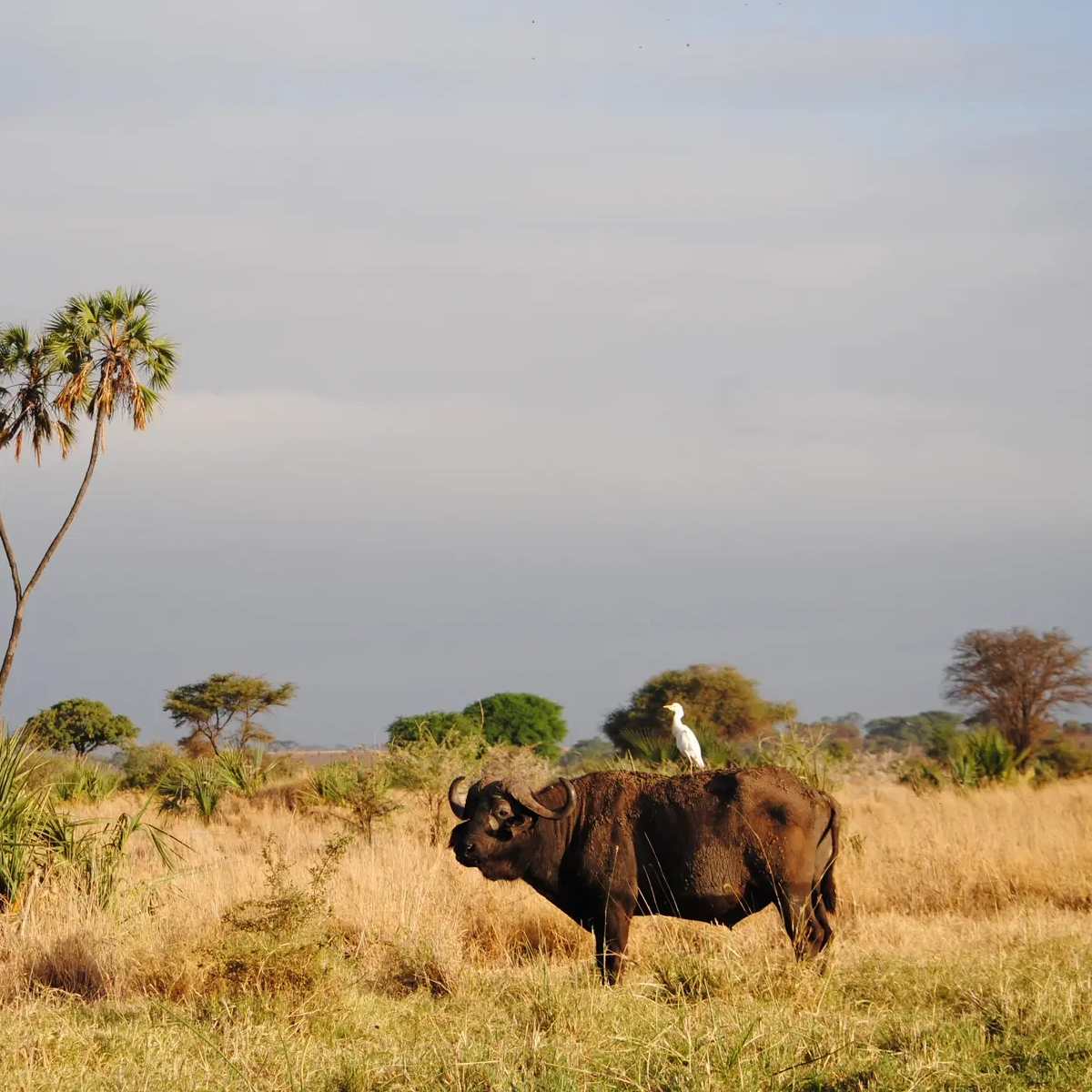
Kenya supports healthy populations of lion, elephant, buffalo, giraffe, zebra and antelope. Leopards and cheetahs are common in open plains. A Big Five safari in Kenya is achievable, especially in the Maasai Mara and select conservancies with strong guiding.
Yes and that’s one of its strengths. Road access is good, flights between regions are frequent and lodges are experienced with international travellers. Kenya safari holidays are often recommended for first-time visitors who want reliable wildlife viewing without complex logistics.
Very easily. Daily flights connect safari regions with the coast. Many travellers finish inland before moving to Diani or Watamu. This approach works well for couples, families and honeymoon travellers looking for contrast without changing countries.
Seven days' work for a focused safari. Ten to twelve days allows for two regions or a safari-and-beach combination. A thoughtful Kenya safari itinerary avoids long driving days and limits park hopping, which improves overall experience quality.