

Ngorongoro Crater

Living Basin Inside Crater Walls

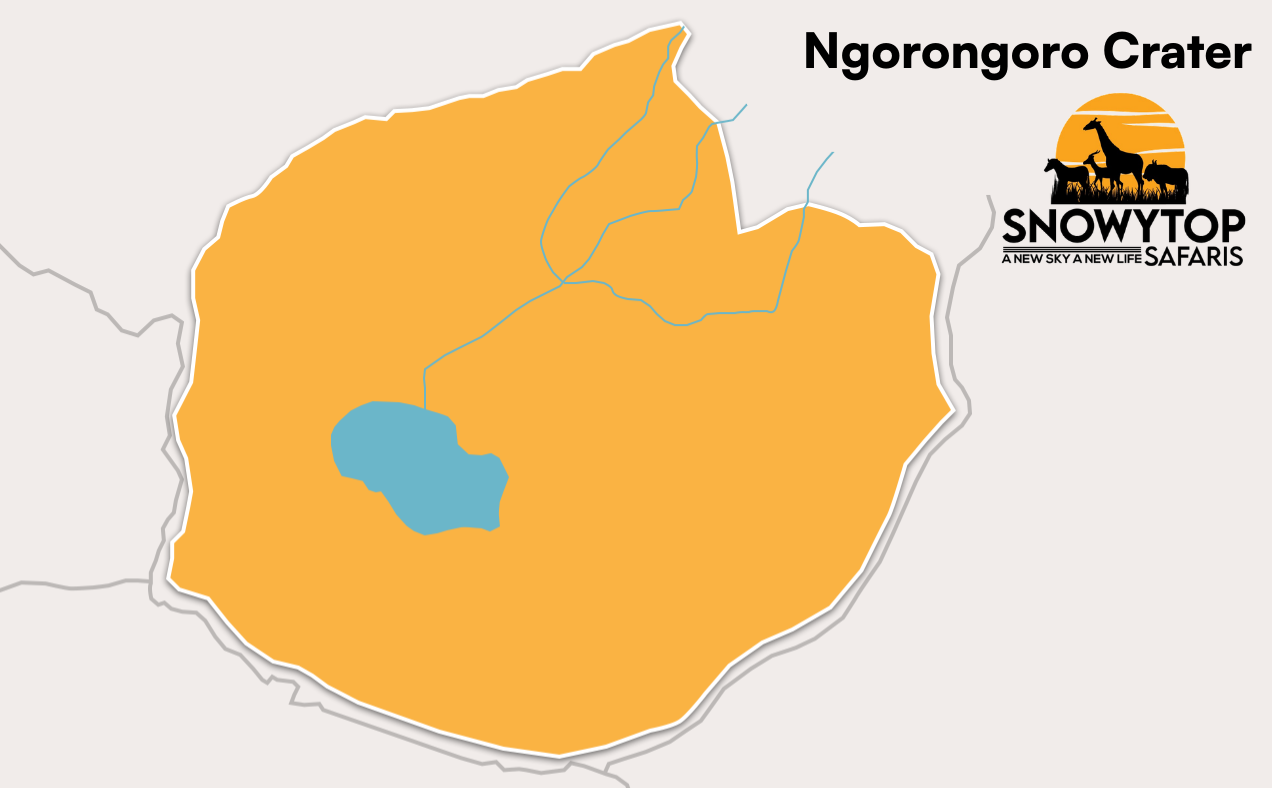
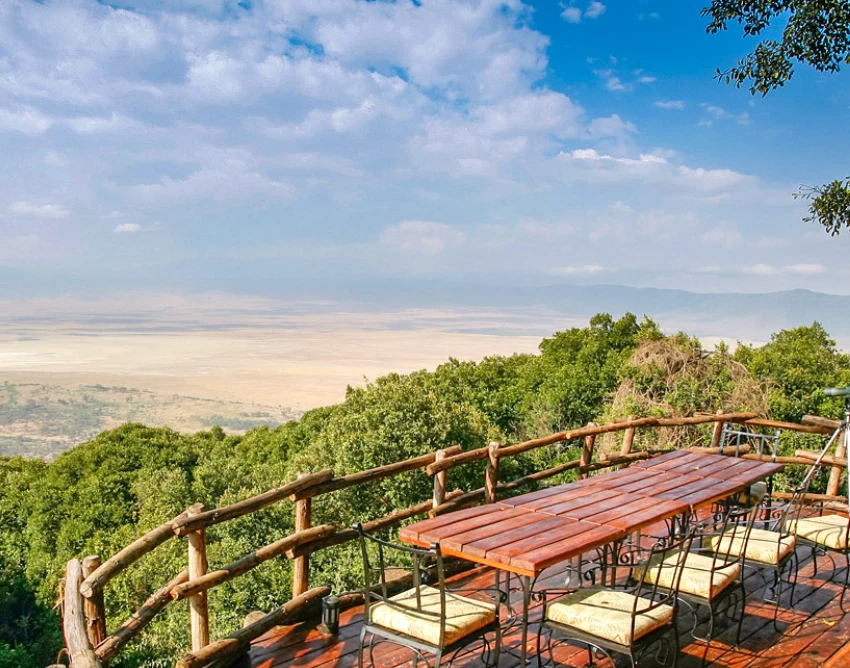
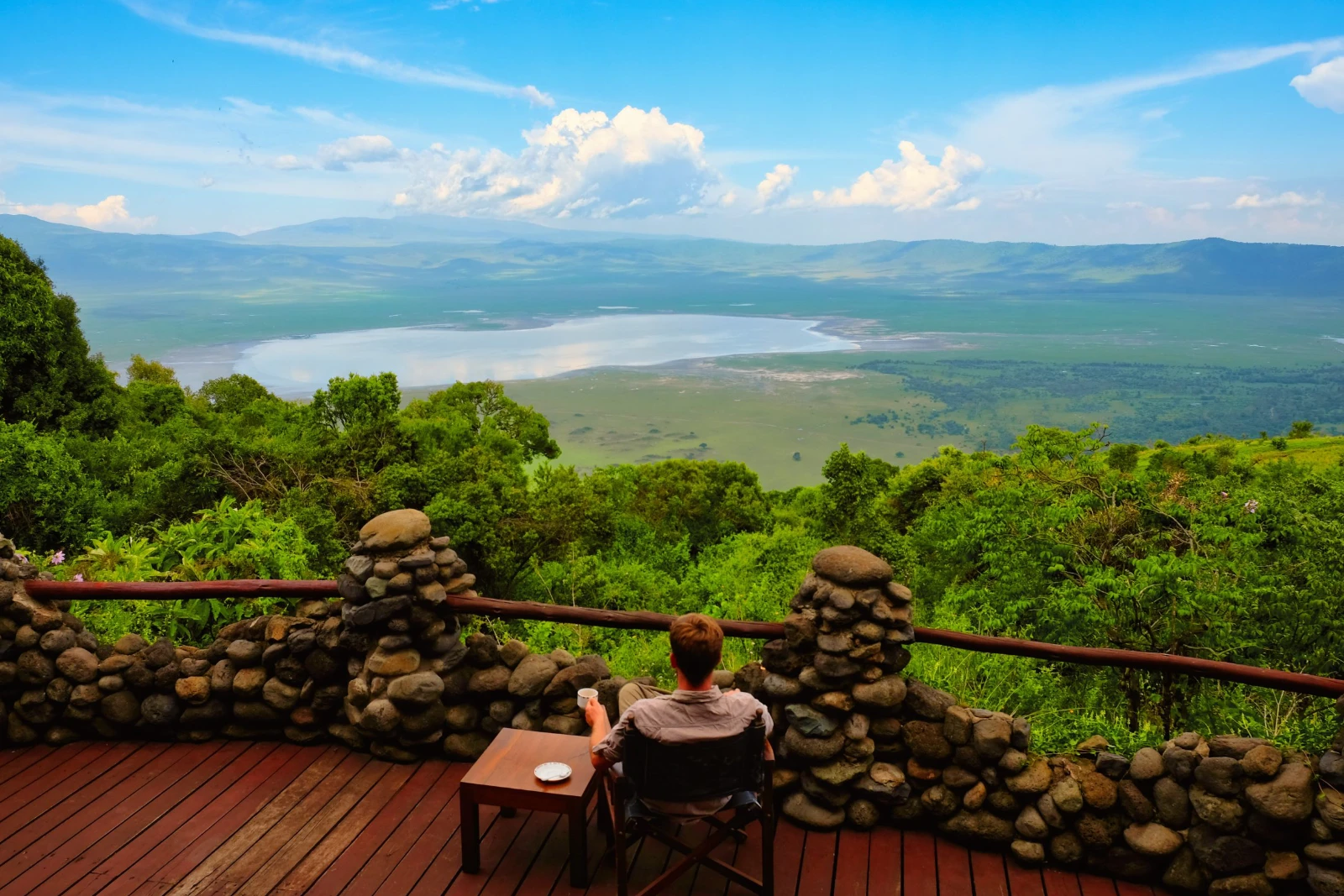
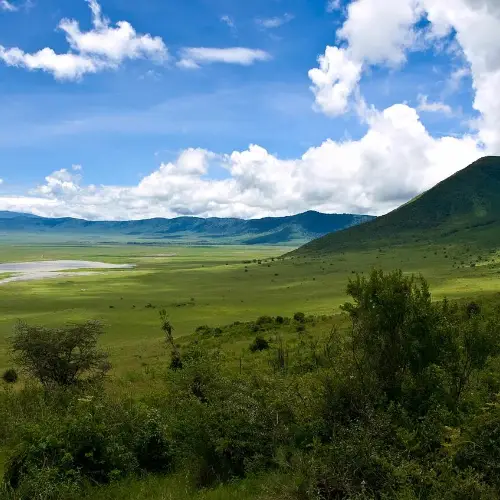
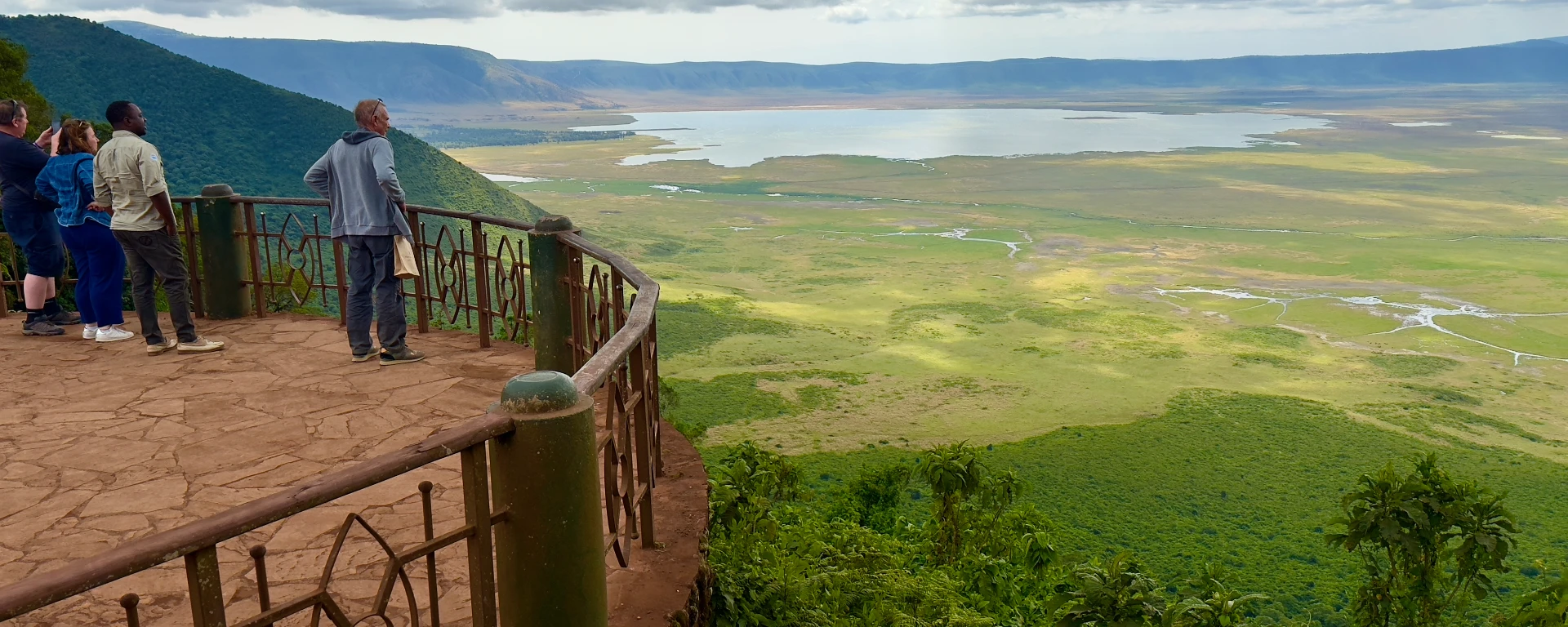
Ngorongoro Crater sits within the Ngorongoro Conservation Area, formed when a volcano collapsed and left a vast bowl. From the rim, you look down on grassland, swamp, and a shallow soda lake all packed into one view. Once you descend, distances shrink, and sightings come fast, which is why it pairs so well with a Tanzania Safari.

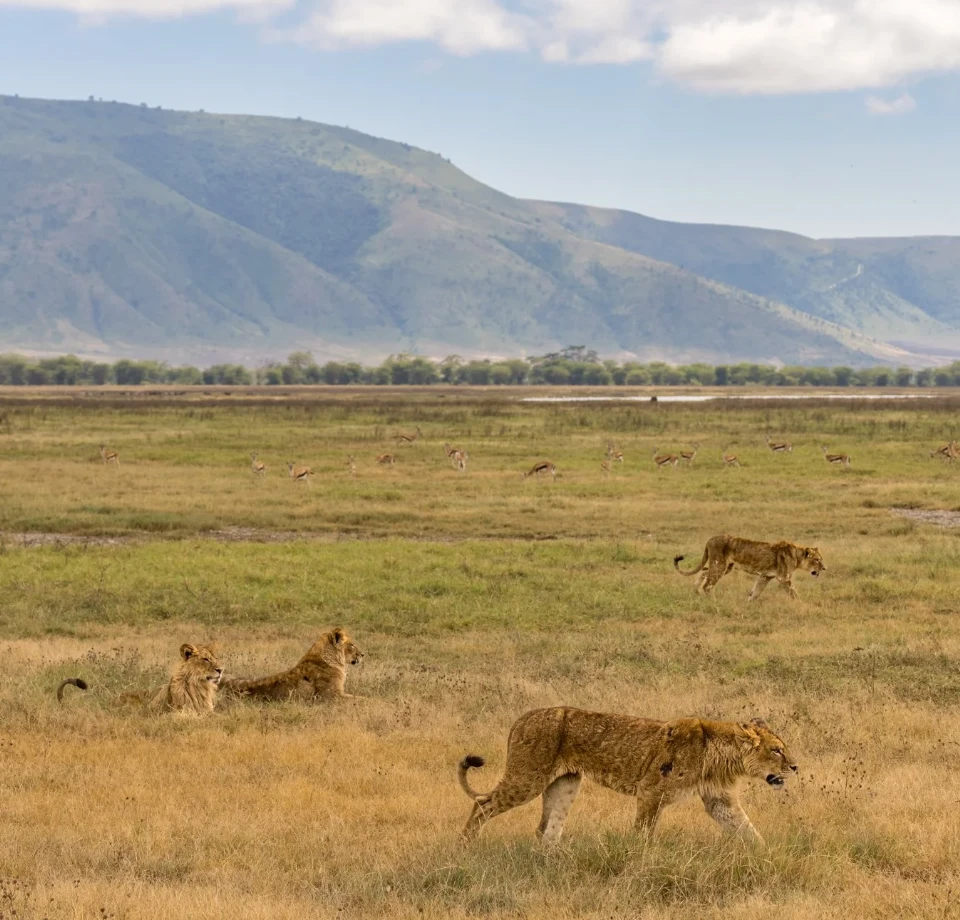
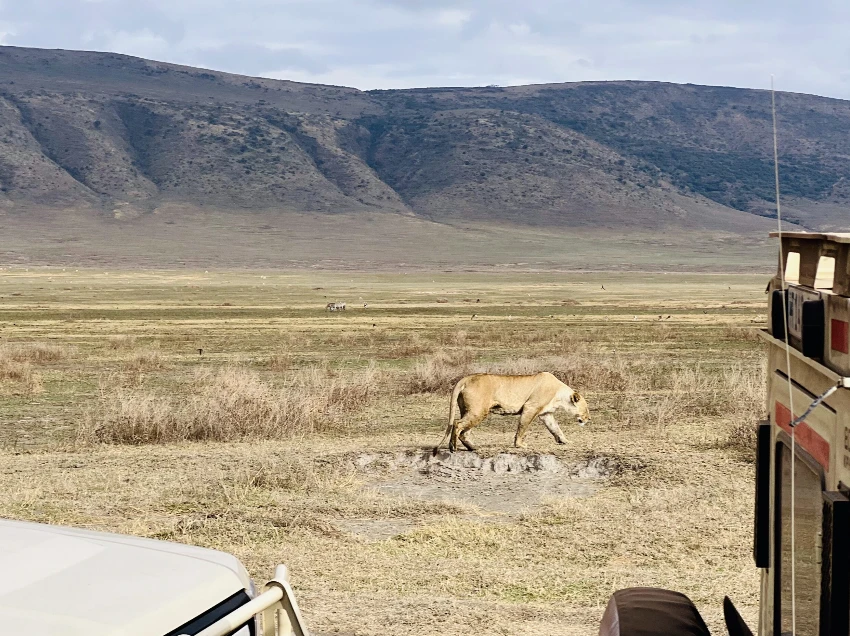
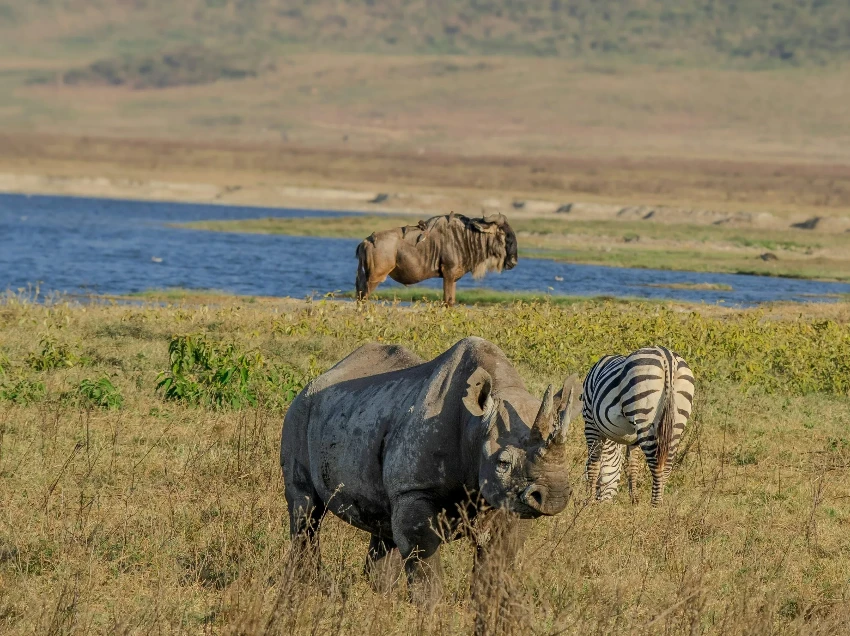
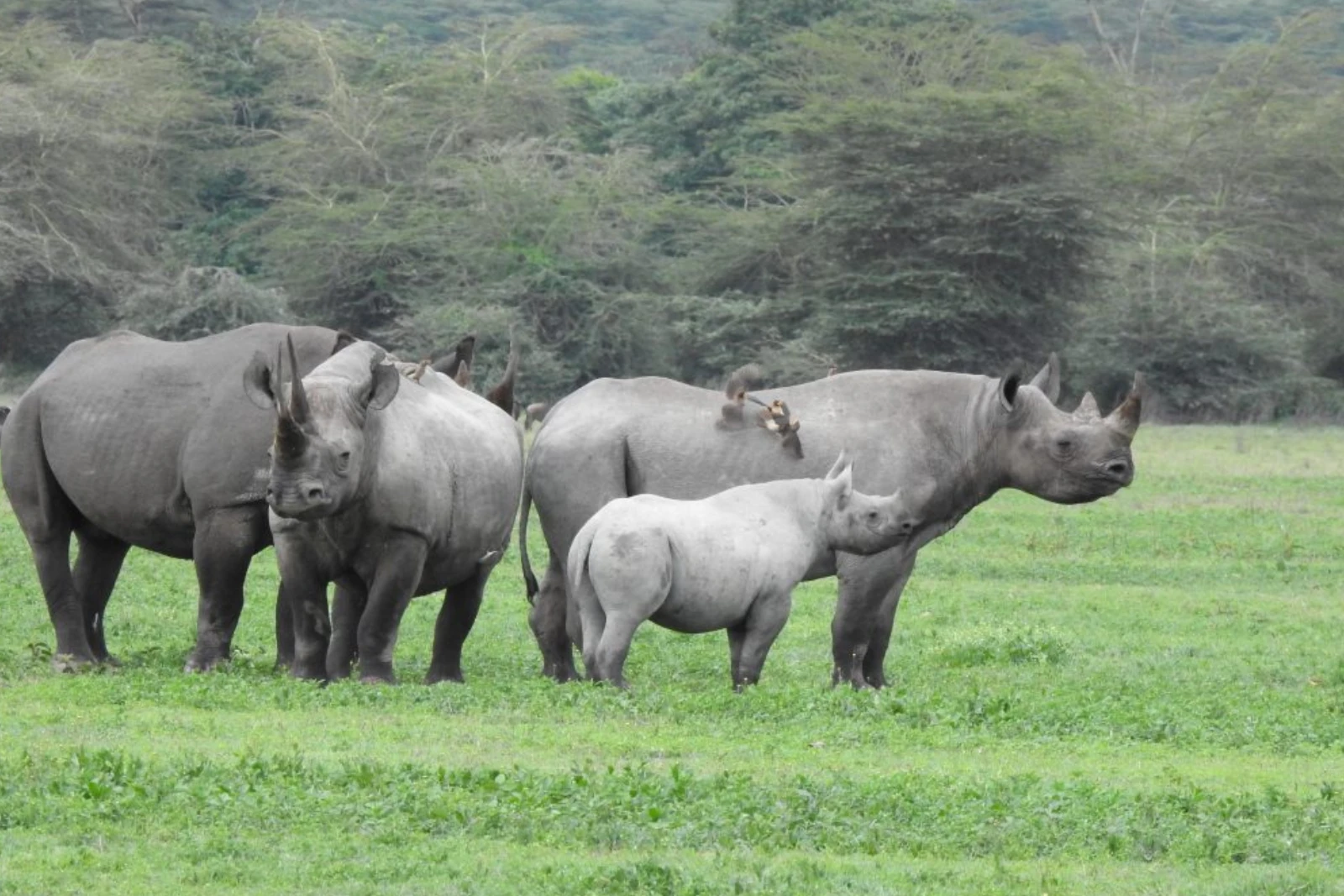
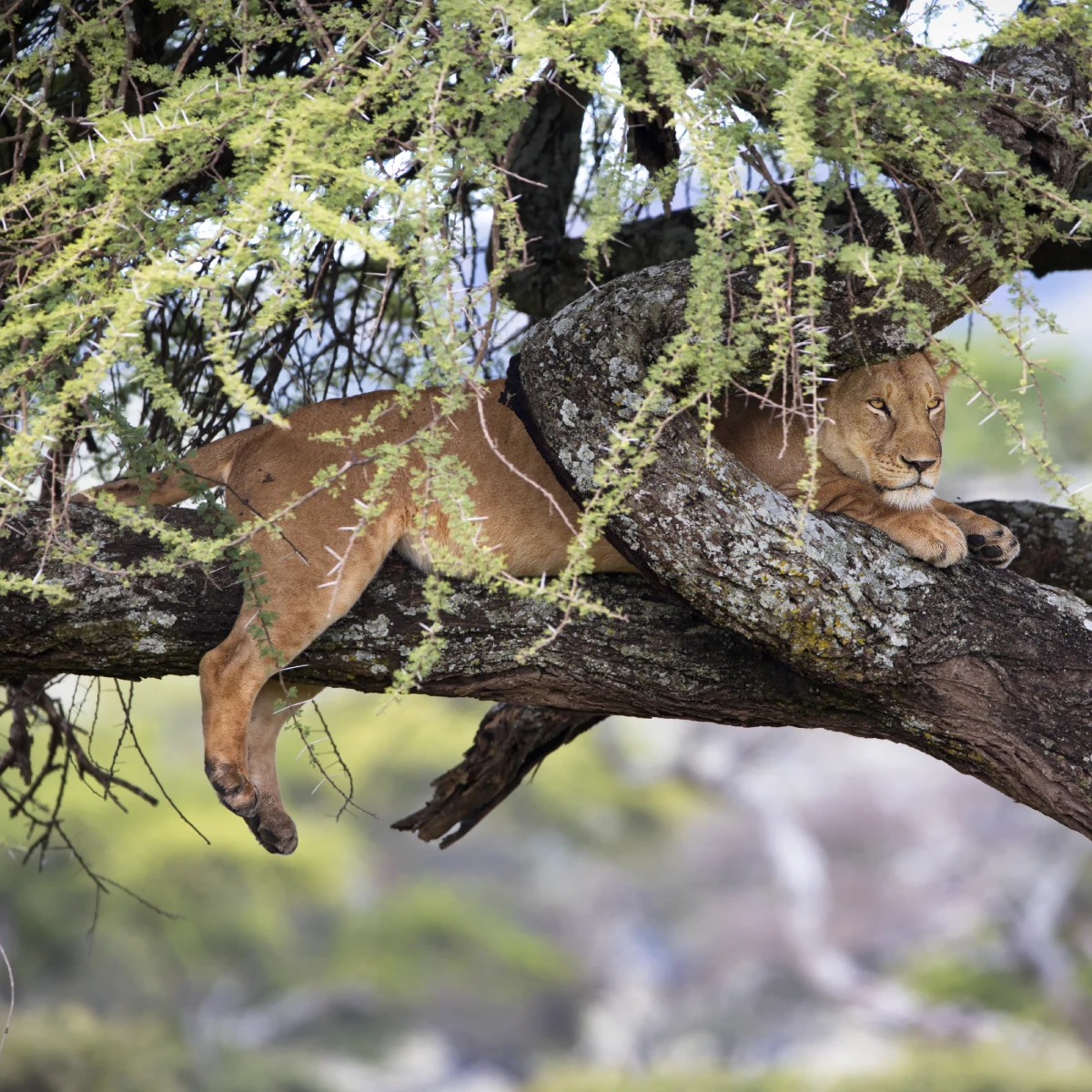
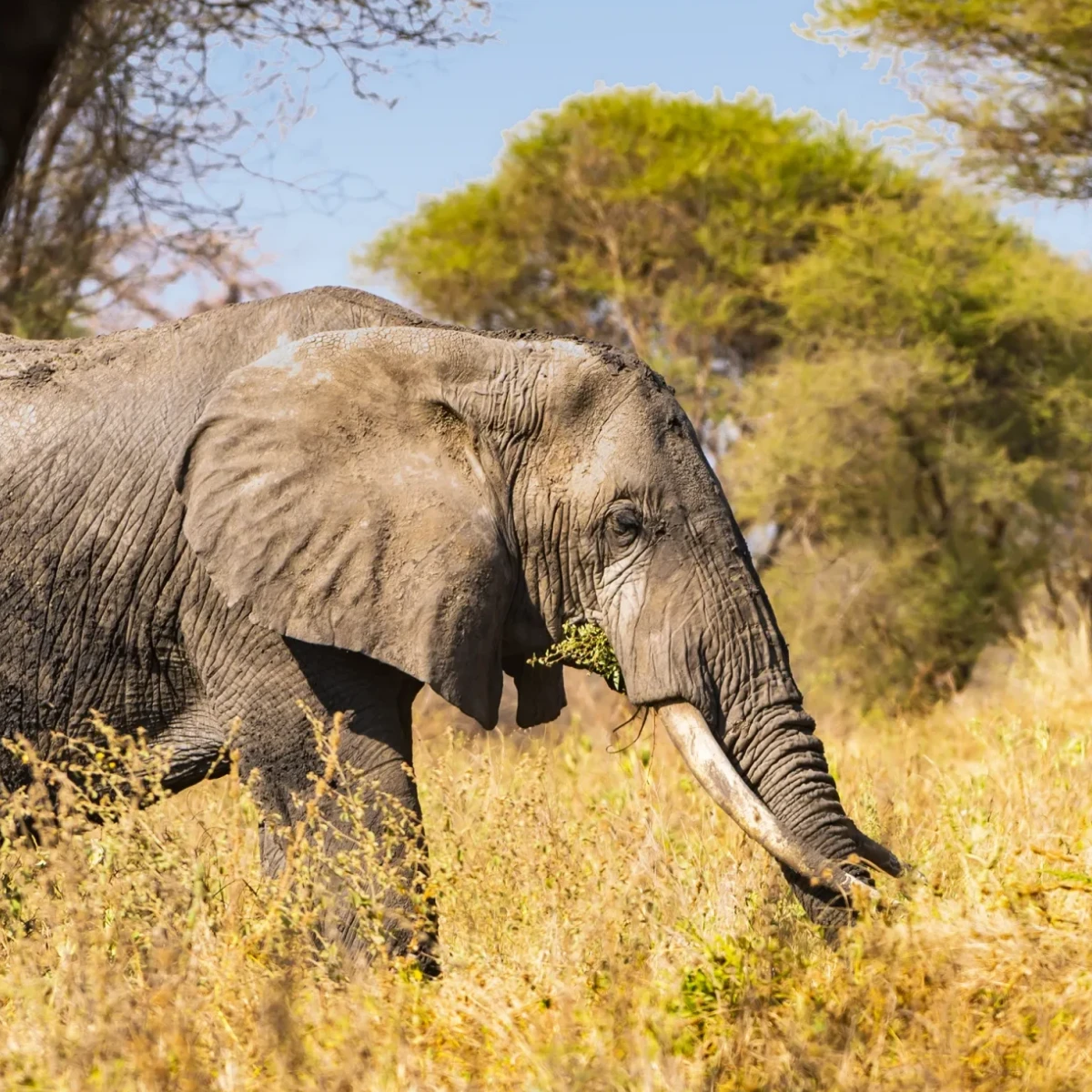
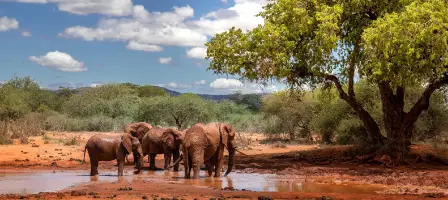
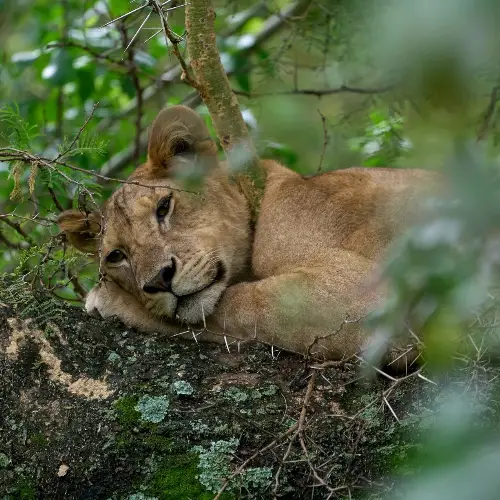
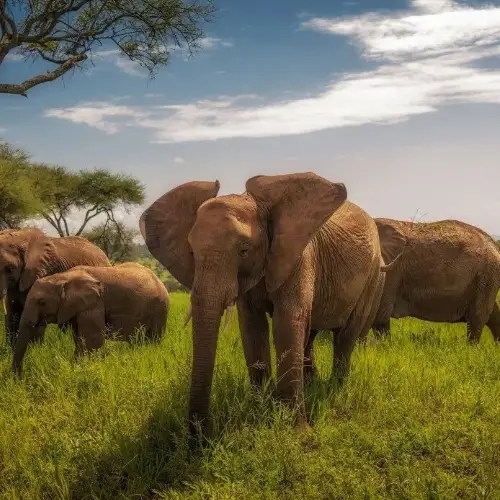
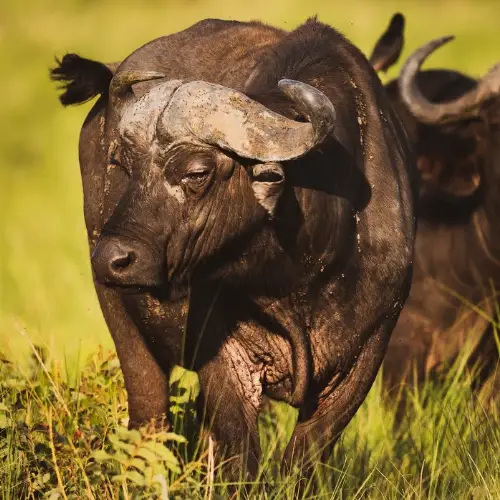
Wildlife is resident because water and grazing are usually available. Lions are often seen, buffalo herds fill the plains, and hippos crowd the pools. Elephants move between the forest edge and the open ground. Black rhinos are protected here too, so a Ngorongoro Safari can include a rare Big Five moment in a single, well-timed descent drive.

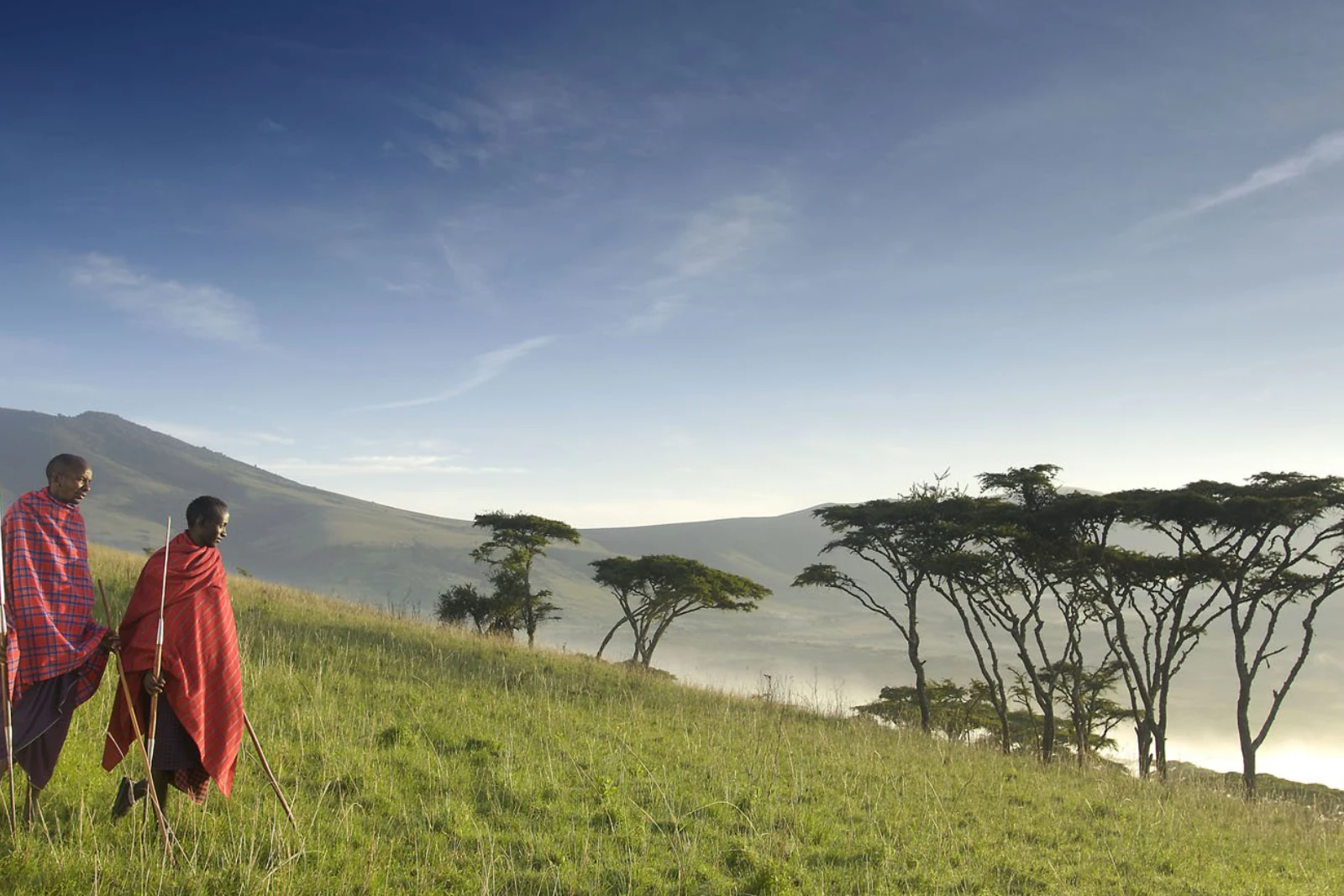
It’s also a lived-in landscape. Maasai communities remain in the wider area, and land-use rules try to balance grazing, tourism, and wildlife. That balance is sometimes messy, but it’s real, and it’s central to Ngorongoro Conservation today.

Get Started

Life-Enriching Travel

Designed Just for You

  • Trips curated by the world’s top destination experts
  • Concierge-level service leading up to and during your trip
  • Unique, exclusive experiences and insider access


500+ Verified Traveler Reviews

Snowytop Safaris LTD

Why Visit
Ngorongoro Crater

Ngorongoro is the place you use when time is tight, but standards are not. You can cover several habitats in hours, not days, and the animal density stays high in every season. The crater’s open floor helps with visibility, so guides spend less time searching and more time positioning. Rhino sightings aren’t guaranteed, but the chance exists. For many Tanzania Safari Tours, this is the reliable “big day” that anchors the route. And the rim views are worth the start.

Ngorongoro Crater

Understanding Ngorongoro at A Glance

Five quick tabs that explain what you’ll actually see, feel, and do in the crater.

Contained Natural Drama

Contained Natural Drama

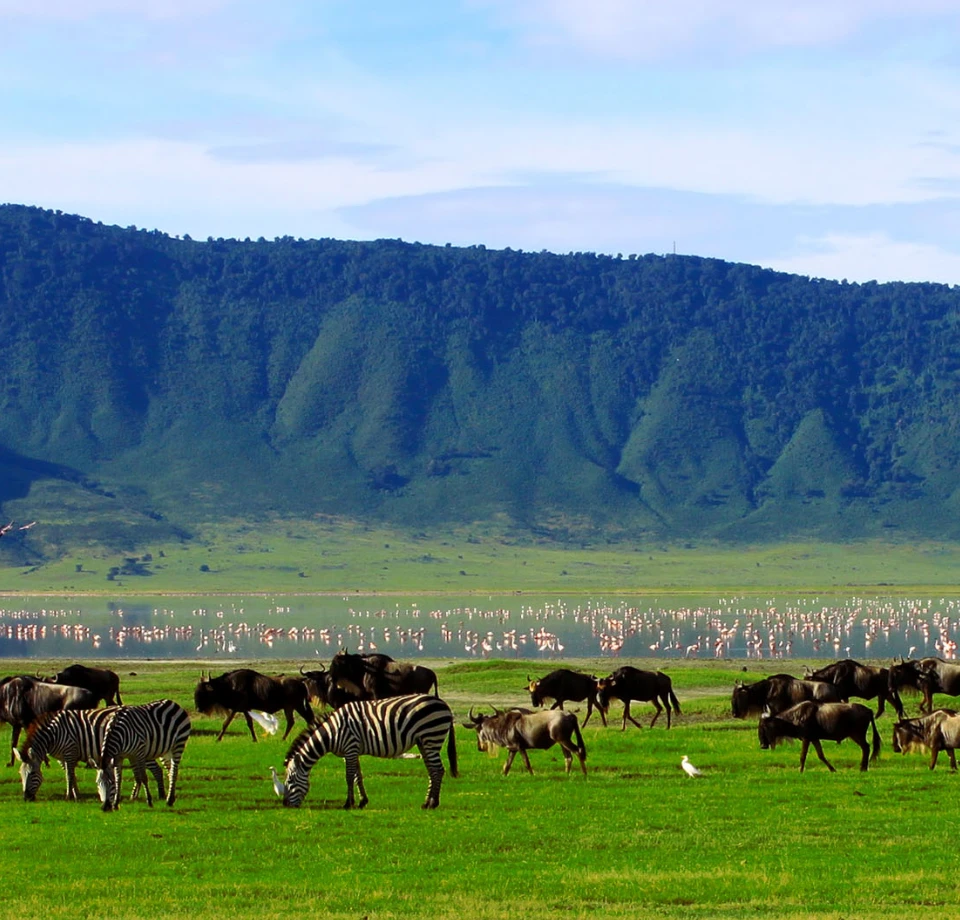
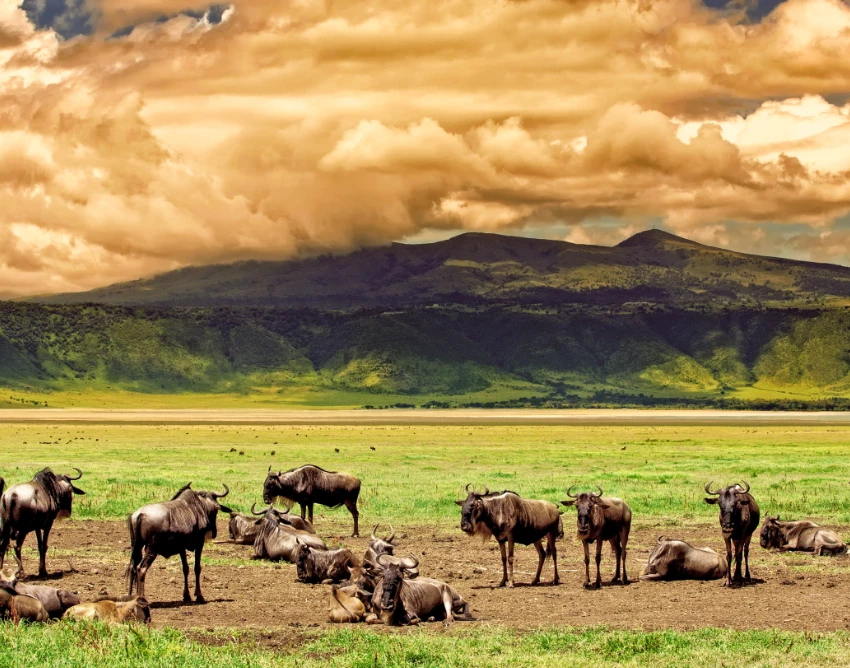
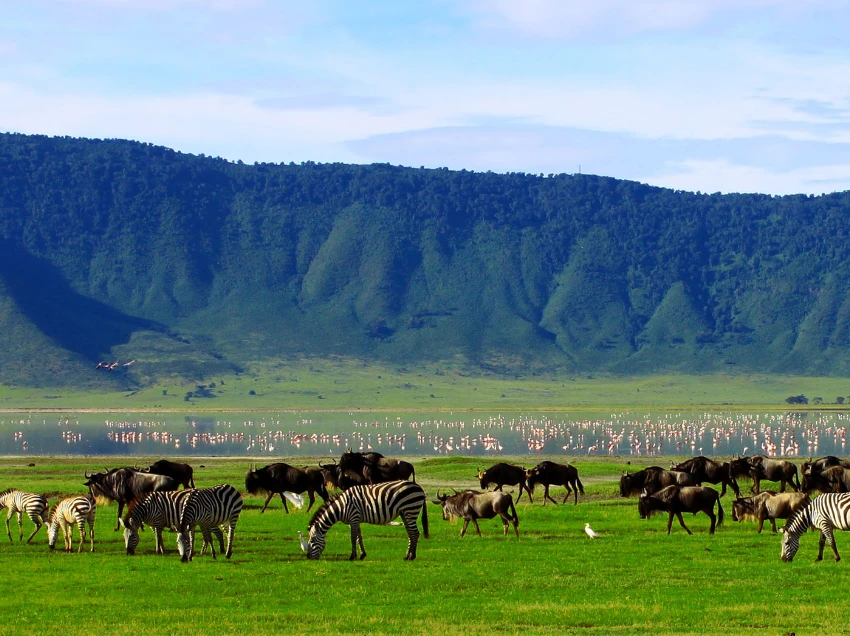
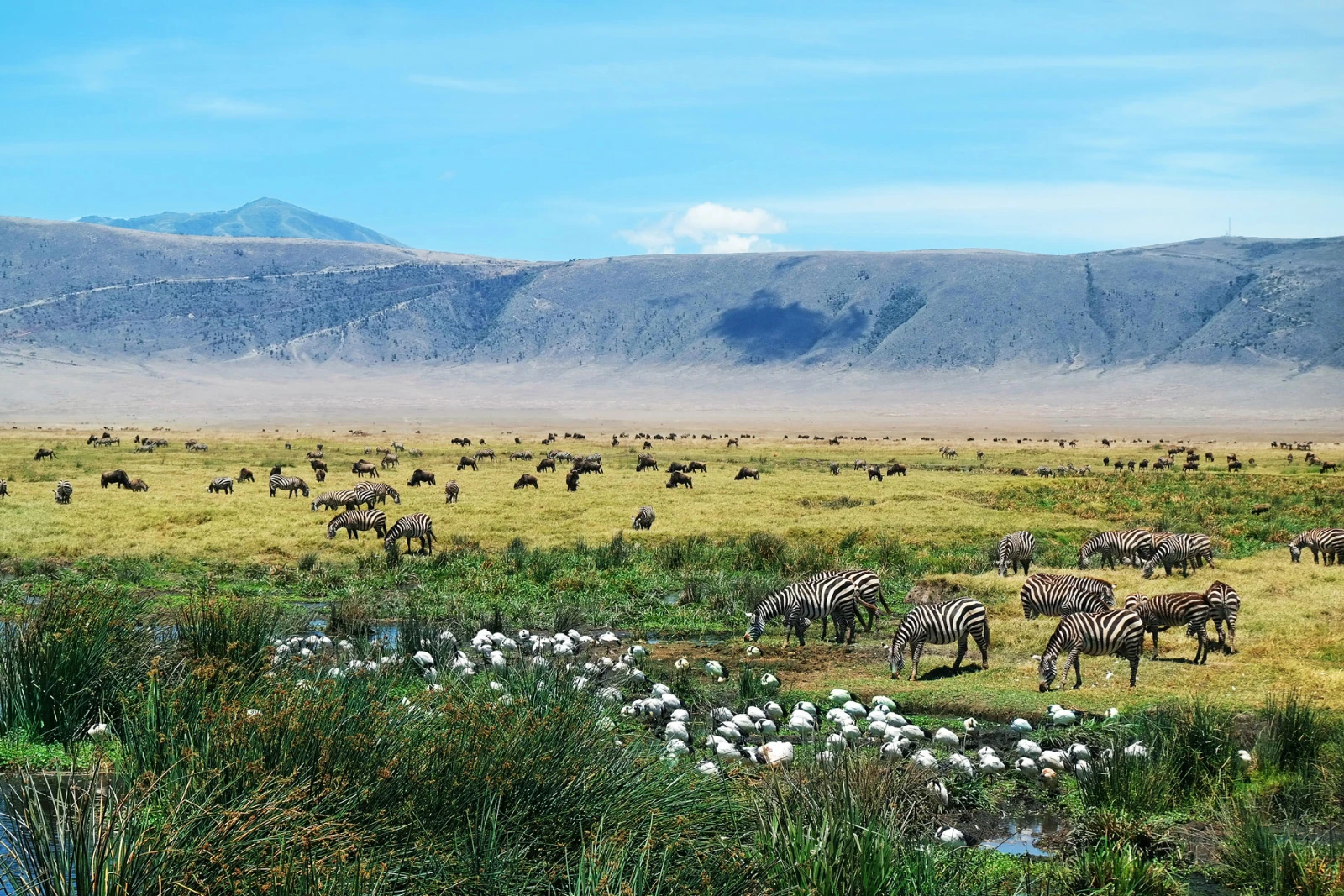
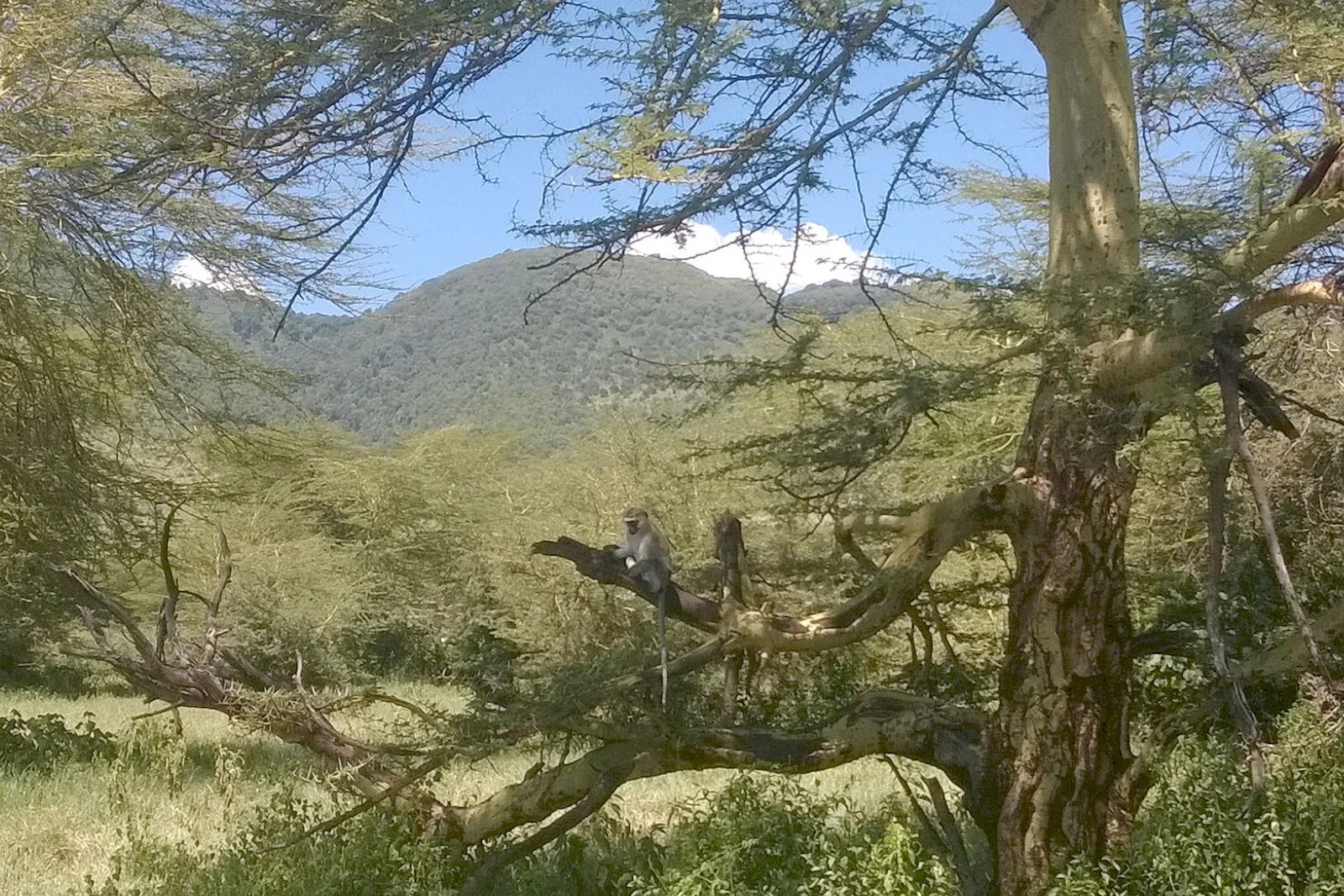
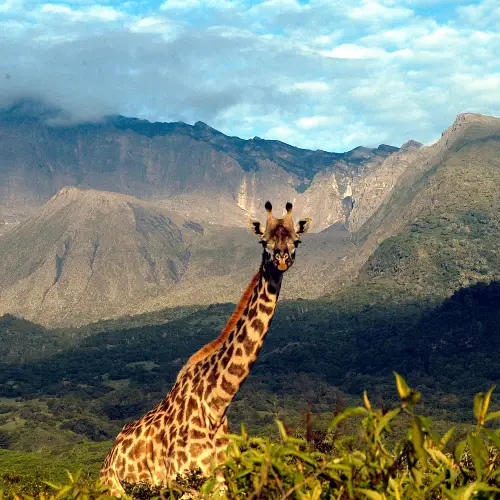
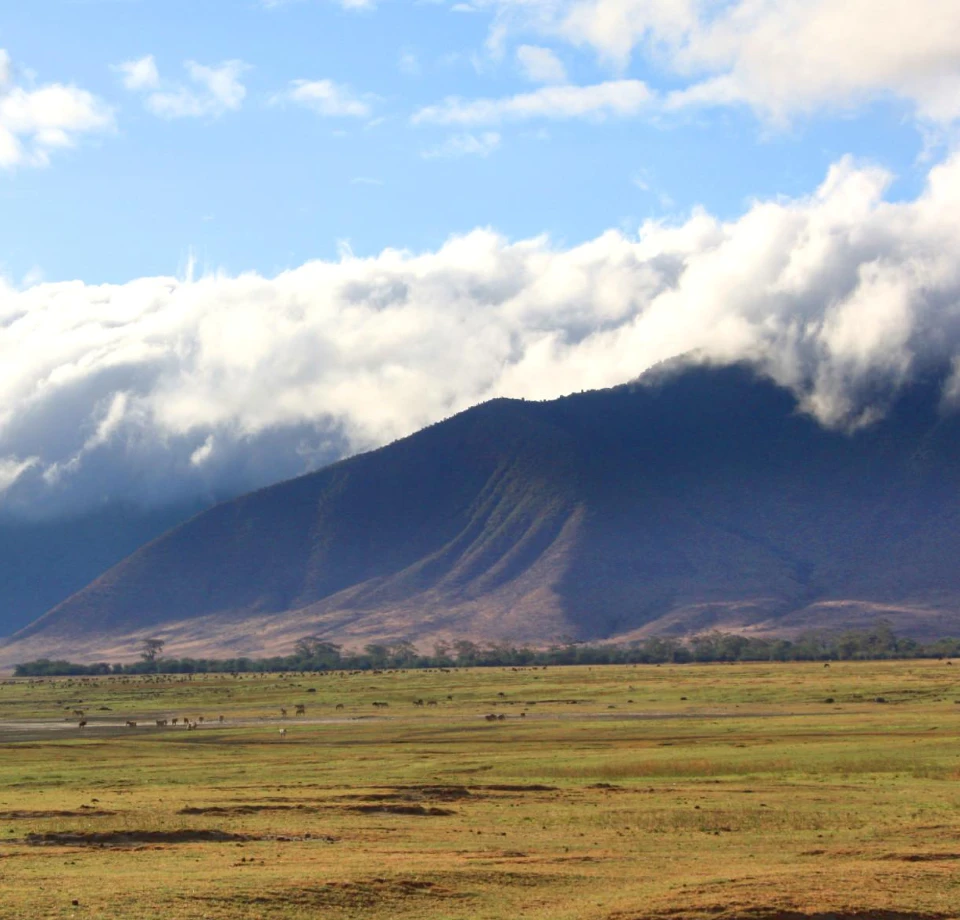
The crater walls are steep and forested, and they change the light all day. On the floor, short grasslands open out around Lake Magadi, with swamps and springs feeding pockets of green even in dry months. Lerai Forest feels cooler and holds elephants and birds. Because everything is contained, your view stays close, not distant, and navigation is simple today.
High-Density Sightings

High-Density Sightings

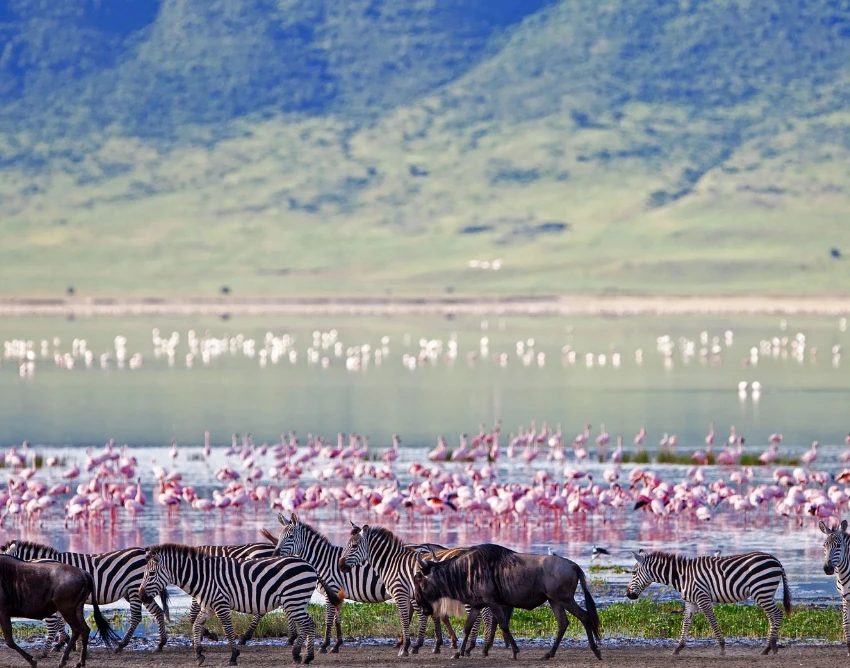
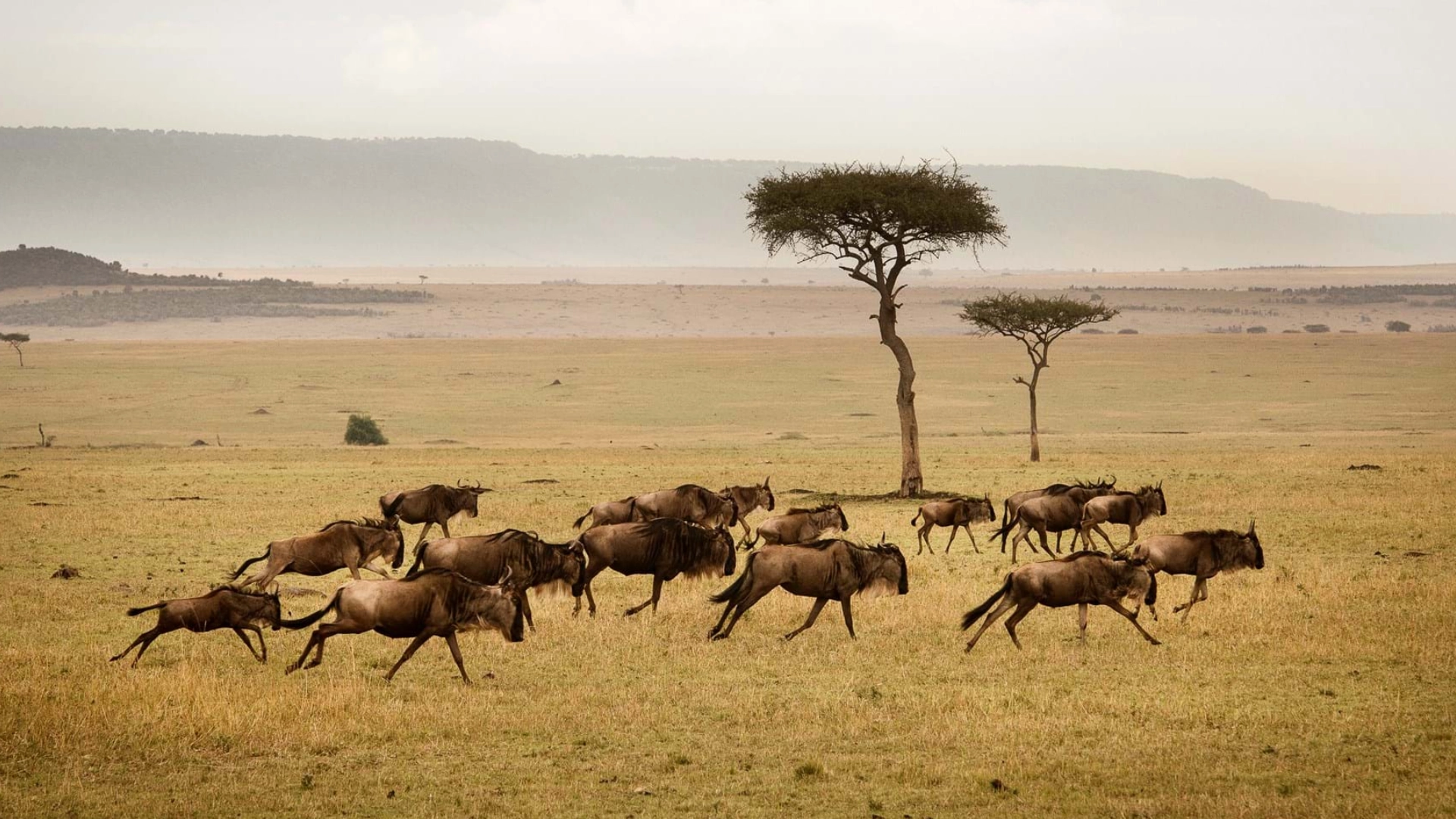
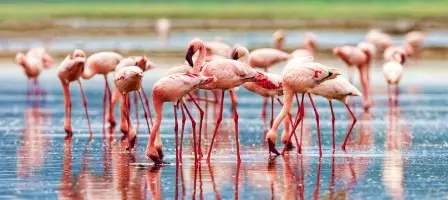
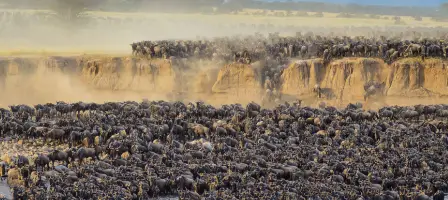
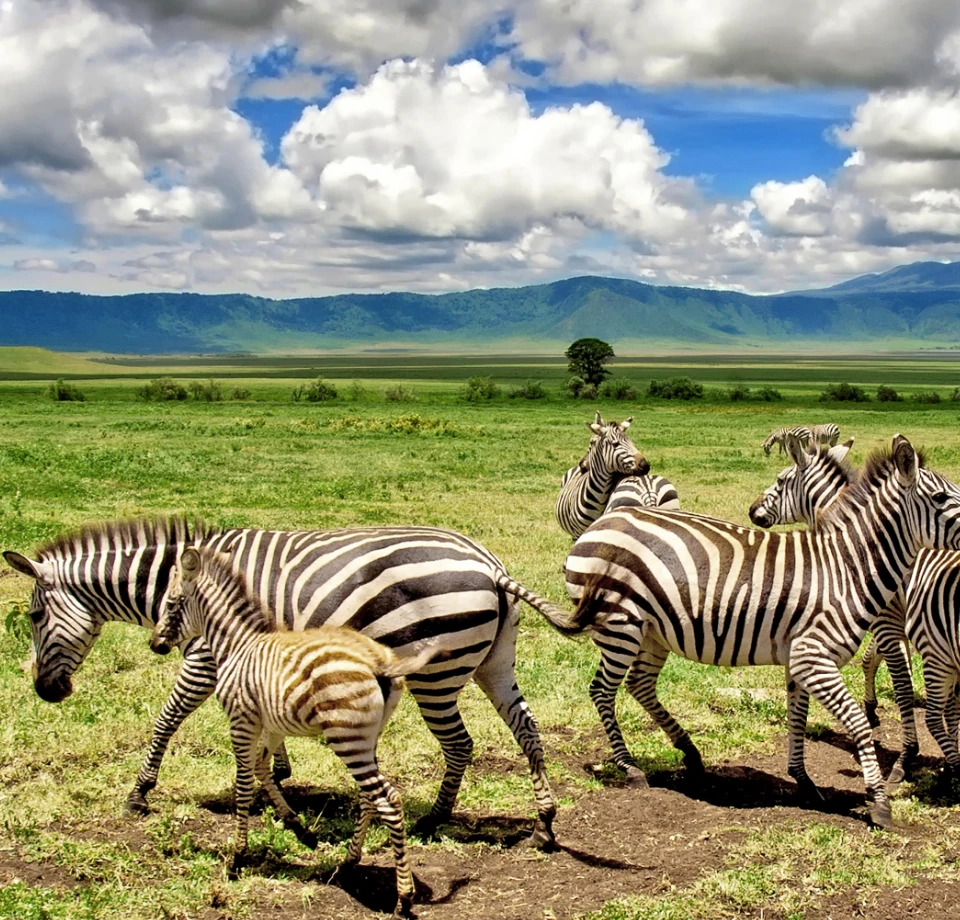
Expect heavy concentrations: buffalo herds, zebra, wildebeest, and plenty of lions that don’t have to range far. Hyenas patrol the flats, hippos stay in the permanent pools, and elephants drift between forest edge and open ground. Black rhinos are present under protection, so sightings depend on timing and luck. Birding includes flamingos, cranes, and raptors. This density suits visitors too.

Changing Daily Conditions

Changing Daily Conditions

The rim is cooler and often misty at dawn, while the crater floor stays mild by midmorning. Dry season runs roughly from June to October, with clearer skies and easier driving. Rains are more likely from November to May; March and April are the wettest. Even then, wildlife remains inside. Pack layers for early starts and wind on viewpoints most days.

Compact Iconic Highlights

Compact Iconic Highlights

The main attraction is the caldera itself, but the highlights have names. Lake Magadi can turn pink with flamingos when conditions suit. Gorigor Swamp holds hippos and often draws lions in the dry months. Lerai Forest is your best elephant zone. From the rim, viewpoints show the whole system in one sweep before you descend. It’s compact sightings stack quickly.

Easy Planned Access

Easy Planned Access

Most routes start in Arusha and drive via Karatu to the crater rim. The trip is usually four to five hours, longer if you stop at viewpoints. You can also fly to nearby airstrips and connect by road. Entry and descent follow timed permits, so your guide plans carefully. Many Tanzania Safari Packages pair the crater with the Serengeti for balance.

When to Go to Ngorongoro Crater

The best months are June to October for clear skies, plus January and February for green views and strong wildlife too.

  • Best
  • Good
  • Mixed

January is a comfortable mix of green ground and good access. Wildlife stays inside the bowl, so game drives feel busy without chasing distances. Mornings can be chilly on the rim, then warmer below. Flamingos may appear at Lake Magadi. Good month for Safaris in Tanzania with fewer peak-season crowds.

February keeps the crater floor productive and easy to read. Grass is still short enough for visibility, and lions are regularly found near open plains. Birdlife is active around wetlands. Roads are fine, with showers possible. Works well if your Tanzania Safari Experience needs strong sightings without long travel days.

March signals the start of longer rains. The rim can be foggy at sunrise, and tracks may feel slick after downpours, but wildlife stays put. Vehicle numbers drop, so sightings feel less crowded. Bring a light rain layer. If you’re watching budgets, Tanzania Holiday Package pricing often softens noticeably now.

April is the wettest period and the quietest. The crater turns green, and animal viewing remains strong, but visibility can dip in mist. Some roads get muddy, so driving is slower. Rates are lower. For flexible travelers, this can be a way to do a Safari In Tanzania without pressure.

May starts damp and gradually dries. The floor stays lush, and wetlands hold hippos and many birds. Because traffic is light, guides can wait for behavior instead of rushing between radios. Nights on the rim still feel cold. May fits well into Tanzania Safari Packages that prioritize space and value.

June marks the dry season shift. Skies clear, roads firm up, and wildlife is easier to spot against shorter grass. Morning temperatures on the rim can surprise you, so pack a warm layer. Crowds begin building. Many Tanzania Safari Tours use June to link Ngorongoro with Serengeti smoothly, by road.

July is classic crater weather: dry, clear, and cool early. Sightings are consistent, especially lions and large buffalo herds. The crater floor can get busy mid-morning, so an early descent helps. Expect sharp light for photos. This month is a favorite in Best Safari Tours in Tanzania itineraries for families.

August stays dry and in-demand. Wildlife viewing is steady, and the floor makes tracking straightforward. Because more vehicles are around, good guiding is about timing and etiquette, not speed. The rim nights are cold. If you want Best Safari in Tanzania conditions, August disappoints less. Book permits early and wisely.

September keeps dry-season benefits but feels less pressured. Light is good, grass is short, and animals stay visible across the plains. You can see hippos, elephants, and big cats in a single circuit. Camp rates may ease. September suits Safari Tour in Tanzania plans that want comfort and more room.

October warms up and gets a bit dusty, but the crater stays productive. Wildlife concentrates around swamps and shaded edges, and lions remain easy to find. Crowds start thinning later in the month. It’s a good shoulder-season choice for Tanzania Safari Tour Packages that want dry access with fewer bottlenecks.

November brings short rains, often as quick storms. The rim can be cloudy, then the crater floor clears and looks fresh again. Wildlife doesn’t leave, so viewing remains strong. Prices may soften, and traffic drops. When building routes with a Ngorongoro Conservation Area Map, November is flexible and very practical.

December is greener and busier because of holiday travel. Rain can arrive in bursts, but roads are workable, and wildlife remains concentrated. Book early if you want specific lodges on the rim. For many Safaris To Tanzania, December fits well when paired with Serengeti or Lake Manyara, keeping drives realistic.

Ngorongoro Travel Questions

Ngorongoro is officially the Ngorongoro Conservation Area, not a typical park with exclusive wildlife-only land use.

The crater is one part of the wider zone; Ngorongoro Crater Conservation Area rules cover people, wildlife, and grazing.

Yes, it’s possible, especially with rhino presence, which is why many call it a Best Safari in Tanzania day.

Most visitors do 5–7 hours on the floor, depending on permits and route, within Ngorongoro Park schedules.

Yes. Many Tanzania Safari Tour Packages use Ngorongoro for density and Serengeti for scale.

Crater Safari Experiences

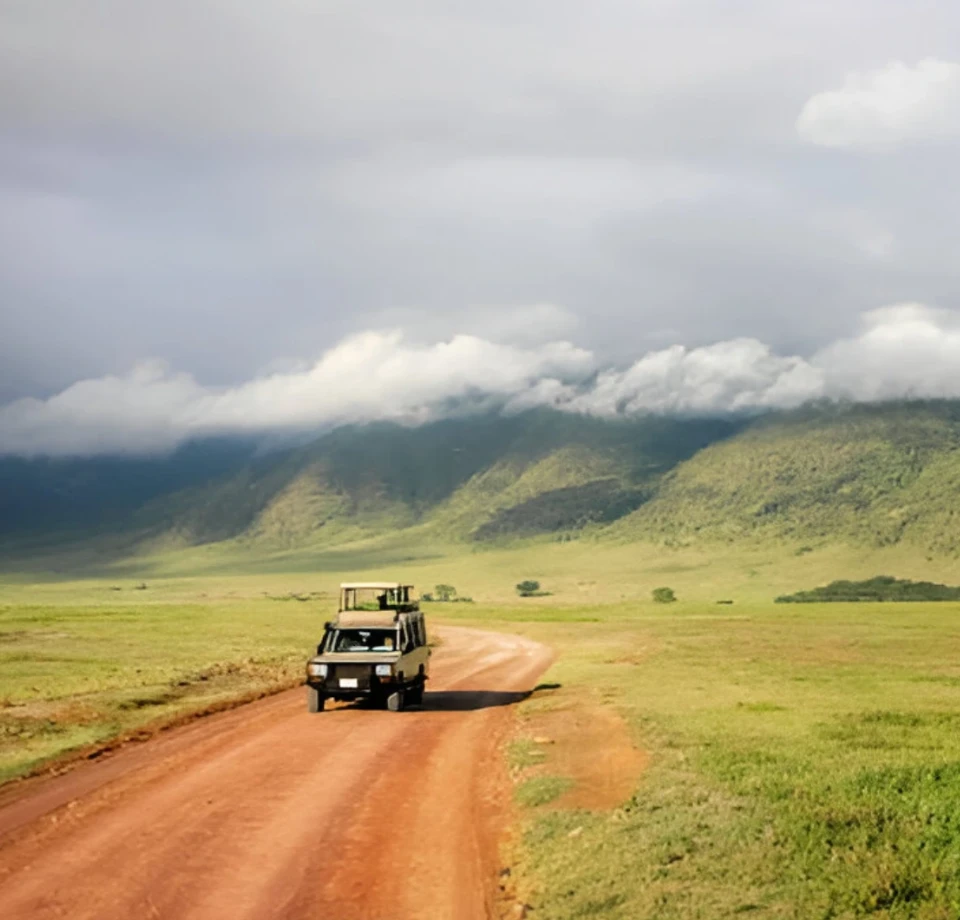
Most Ngorongoro Safari time is spent on the crater floor, because that’s where the density is. A half-day descent works if you’re connecting onward, but a full day gives you breathing room for behavior and better positioning. Walking isn’t allowed inside the crater, so the experience is vehicle-based. Outside, cultural visits can add context without overcomplicating the day for many.

Talk to a Safari Specialist Today

and design your travel plans.

Call +254 723 619669

OR

Enquire Now
  • Lawrence

  • Margaret

  • Mugambi

Our Safari Experts

Safaris You Can Book

Browse all our safari options designed around realistic travel days, trusted guides, and comfortable stays across East Africa.

Experience the Spirit of Tanzania

Journey through iconic parks, abundant wildlife, scenic mountains, and sunlit beaches throughout Tanzania unforgettable adventures.

Get Started On Your Trip

You can contact us anytime, and we’ll support your
planning from early ideas to final details.

Get in touch

What Travellers Say

Real feedback from guests who have traveled with SnowyTop Safaris LTD across East Africa.

Local Team Insight

Our guides and planners work in Kenya and nearby parks year-round. You get route advice that matches road conditions, seasons and lodge standards, not generic online suggestions for your dates.

Clear Trip Planning

We keep planning simple: quick replies, clear inclusions, and realistic drive times. If something won’t fit, we say so early and suggest a better option without pushing upgrades or extras.

Support Throughout Travel

From airport pickup to your last game drive, we stay reachable. You get help with permits, timing and small changes, so the trip keeps moving smoothly even when plans shift.