



Kibale National Park

Forest Trails & Close Primates

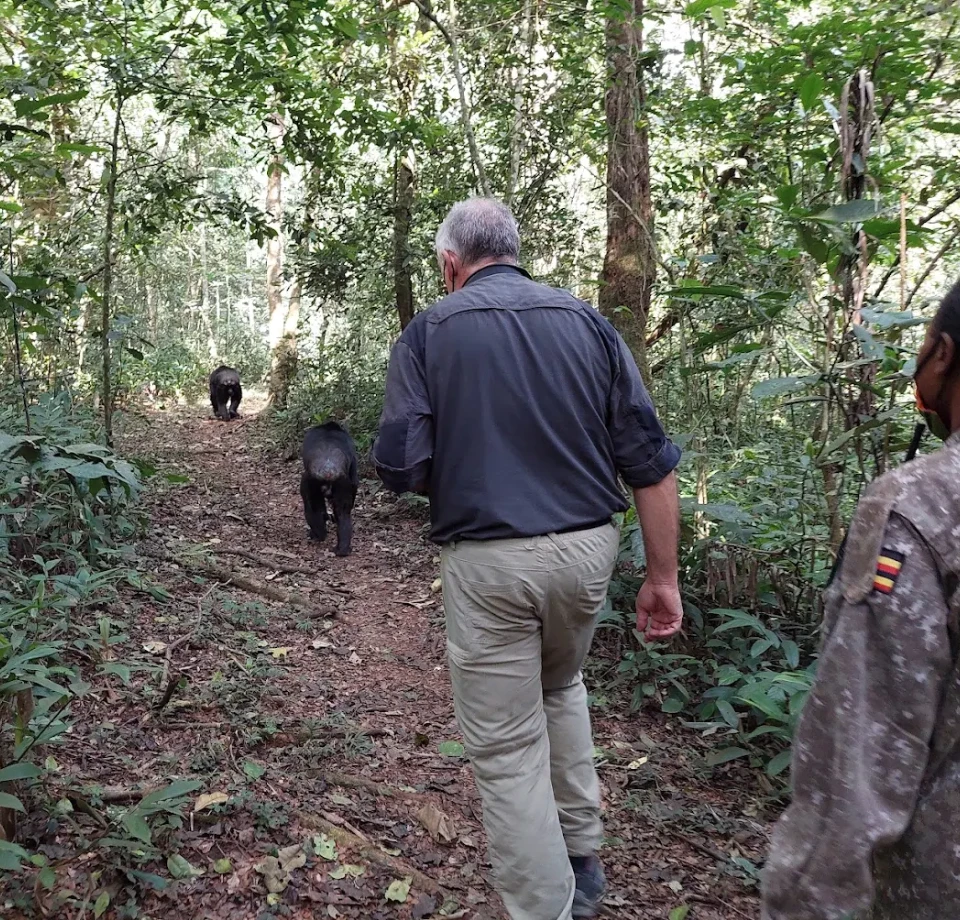
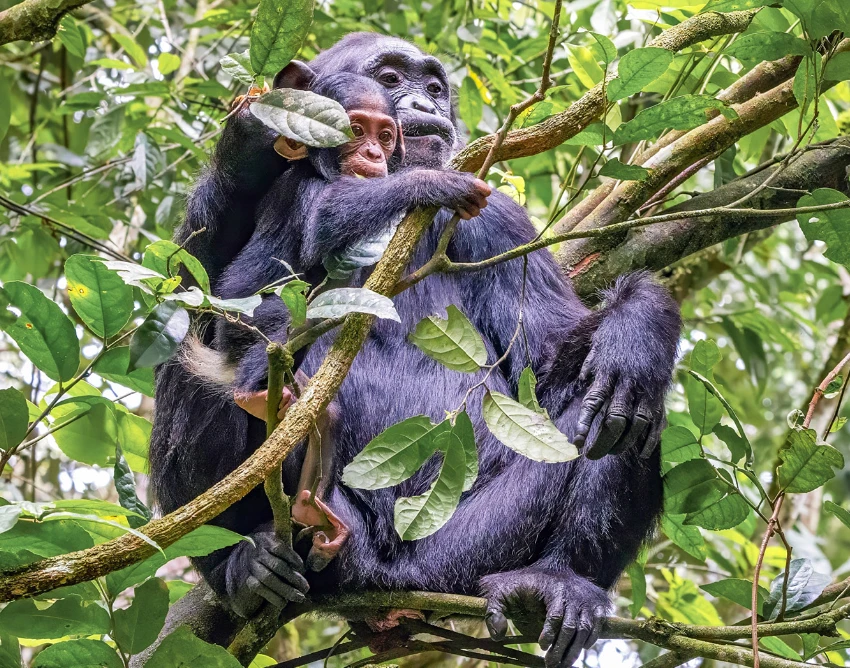
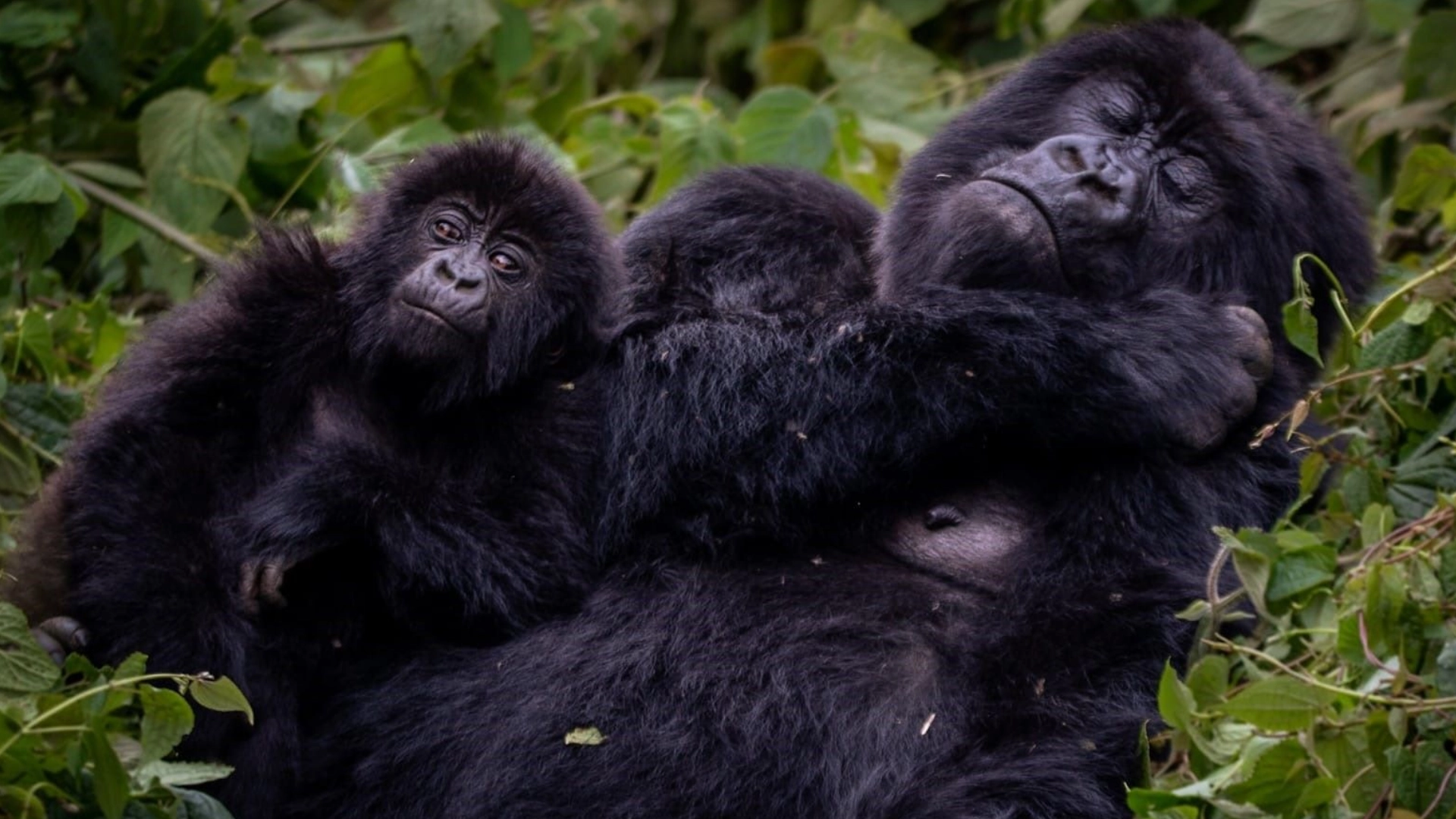
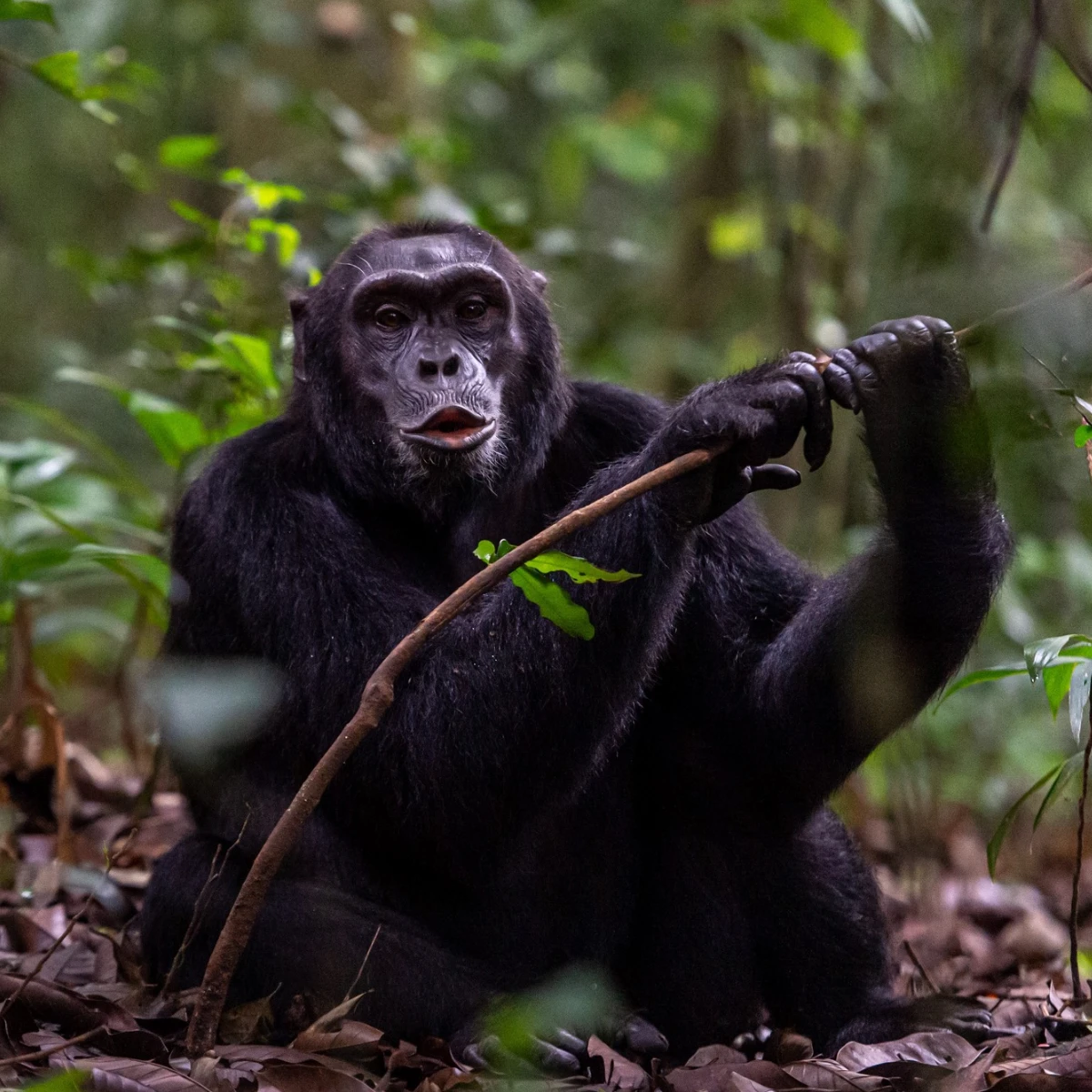
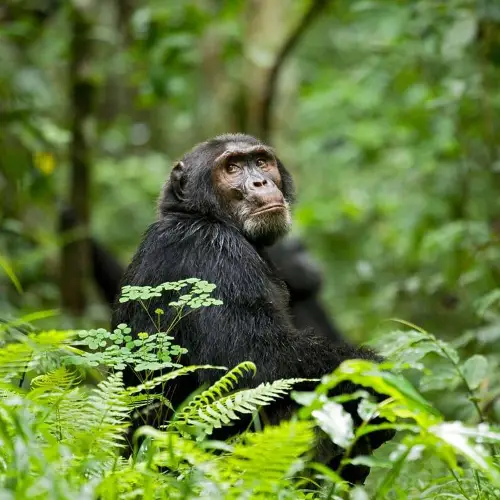
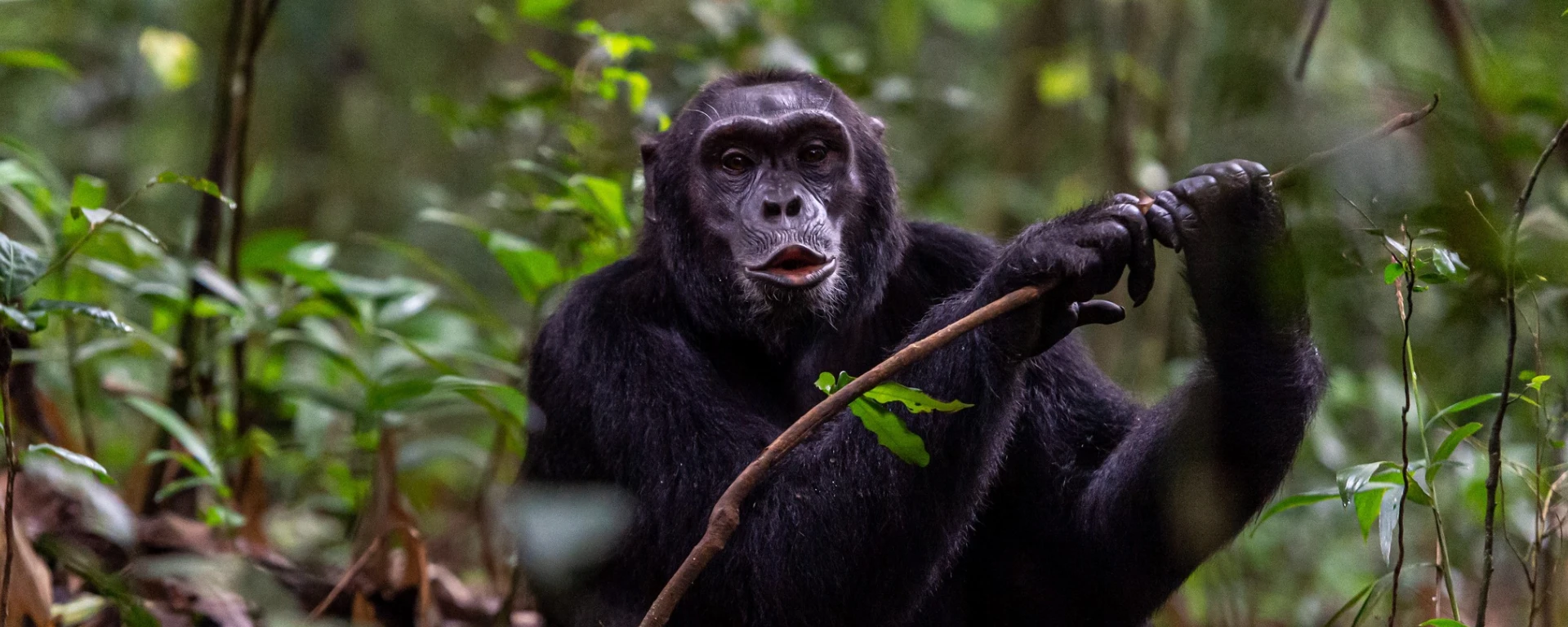
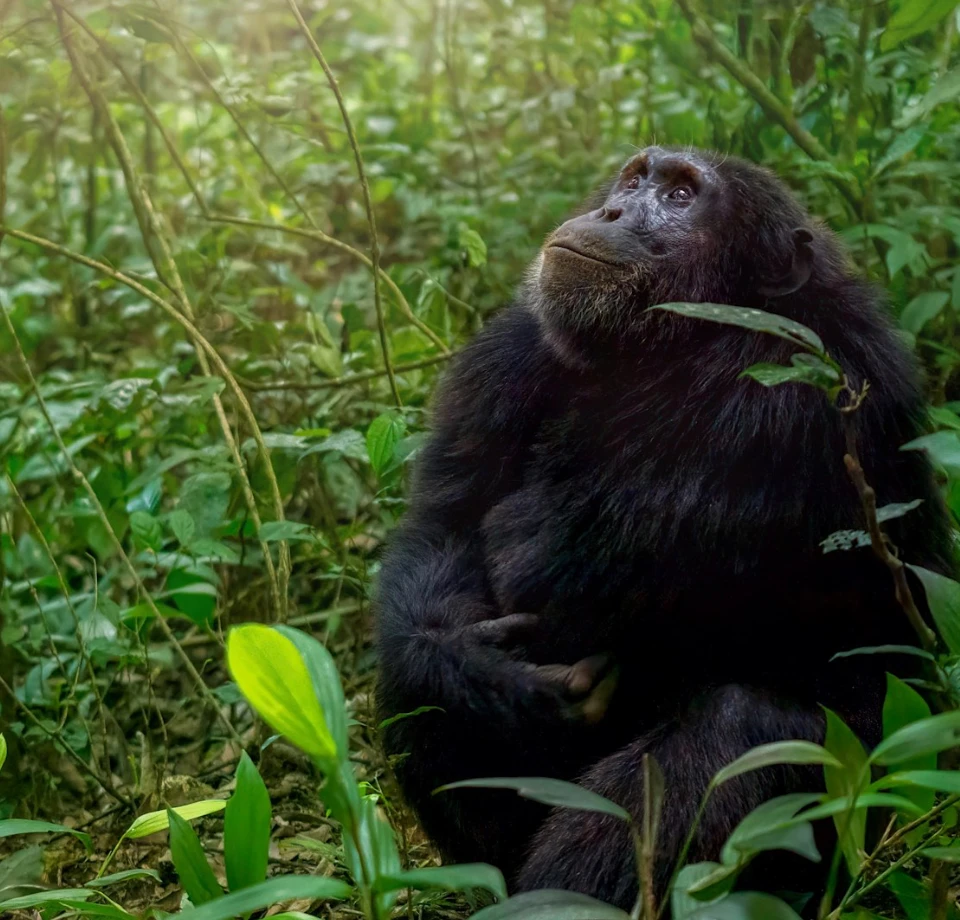
Kibale Forest National Park is Uganda’s primate capital, and it feels that way the moment you step onto the trail. The forest is thick, the air is damp, and sounds come from every direction—branches cracking, distant calls, birds you can’t place. Kibale holds 13 primate species, the highest number in any protected area in Uganda, and it’s the country’s most popular place for chimp trekking.

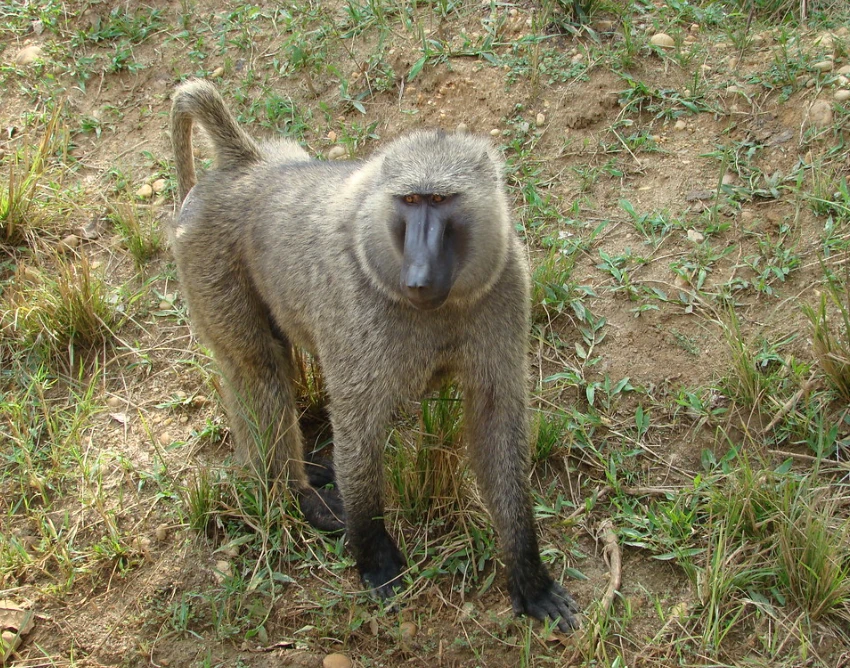
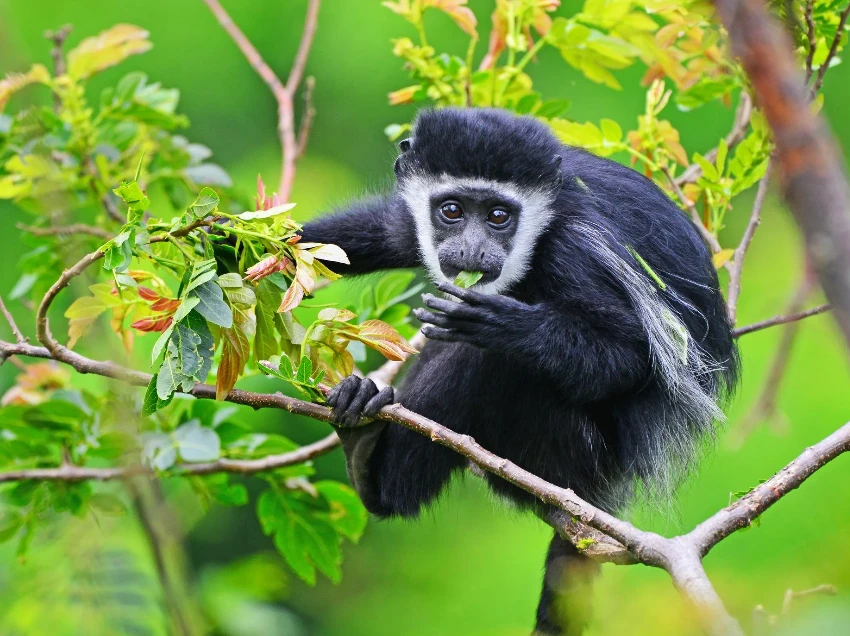
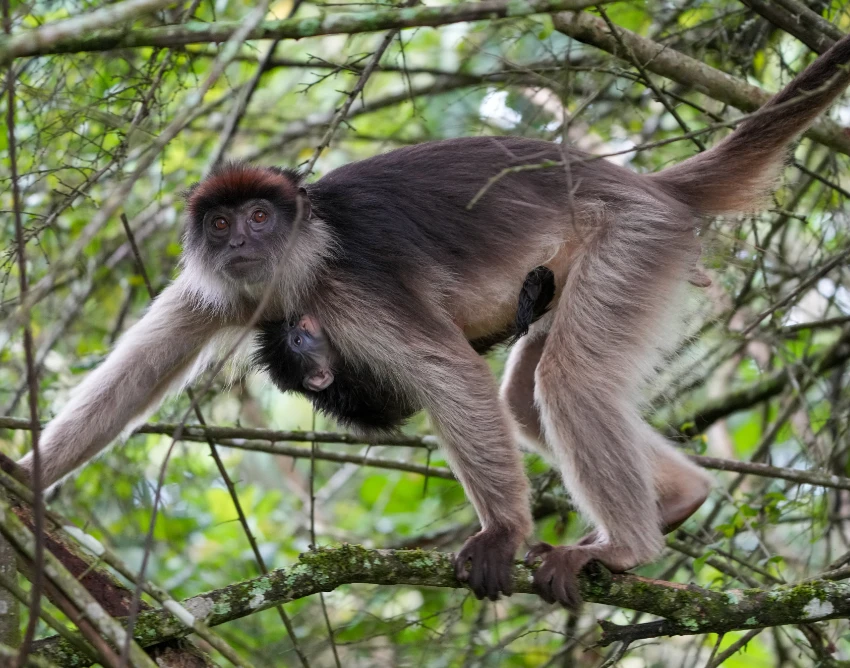
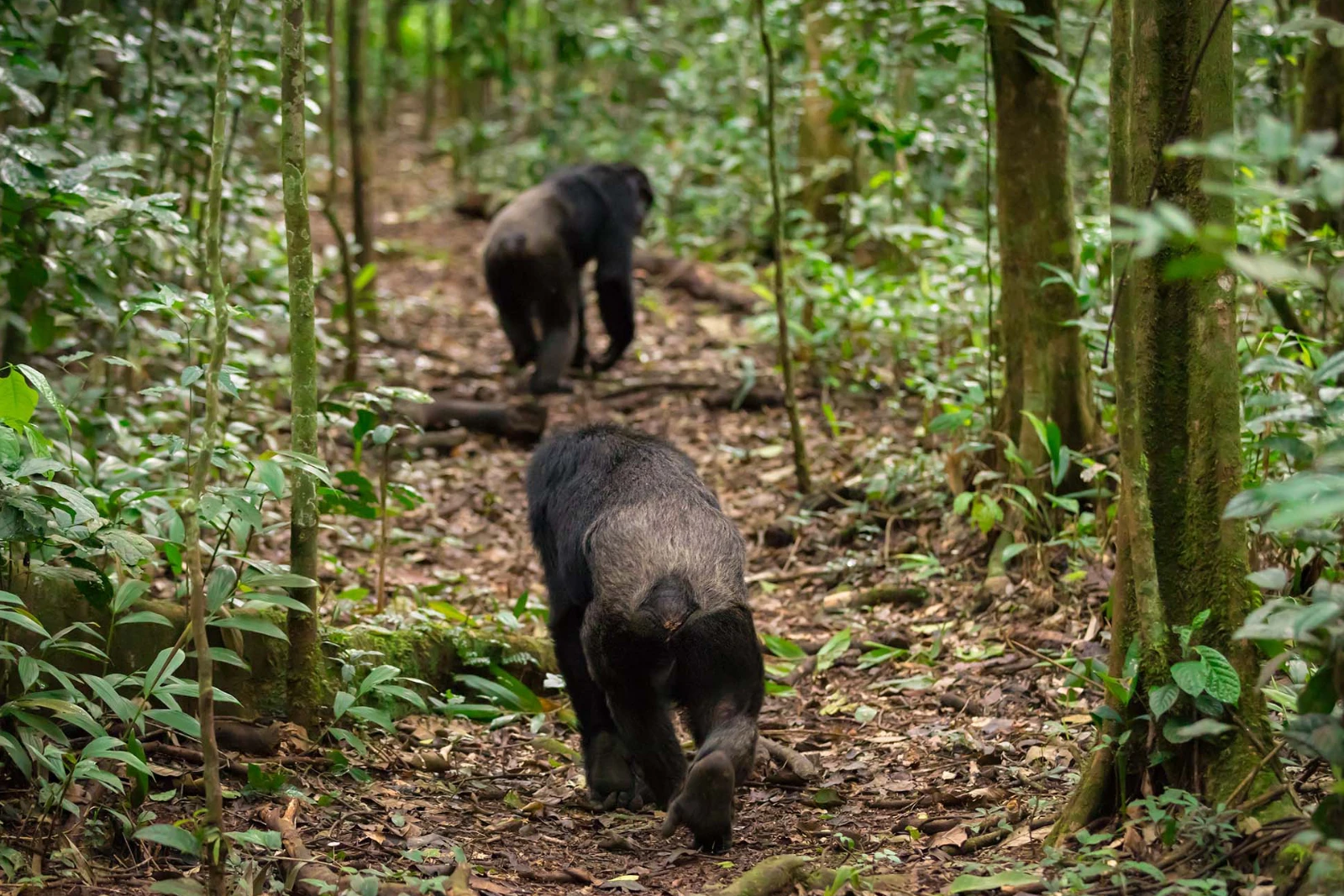
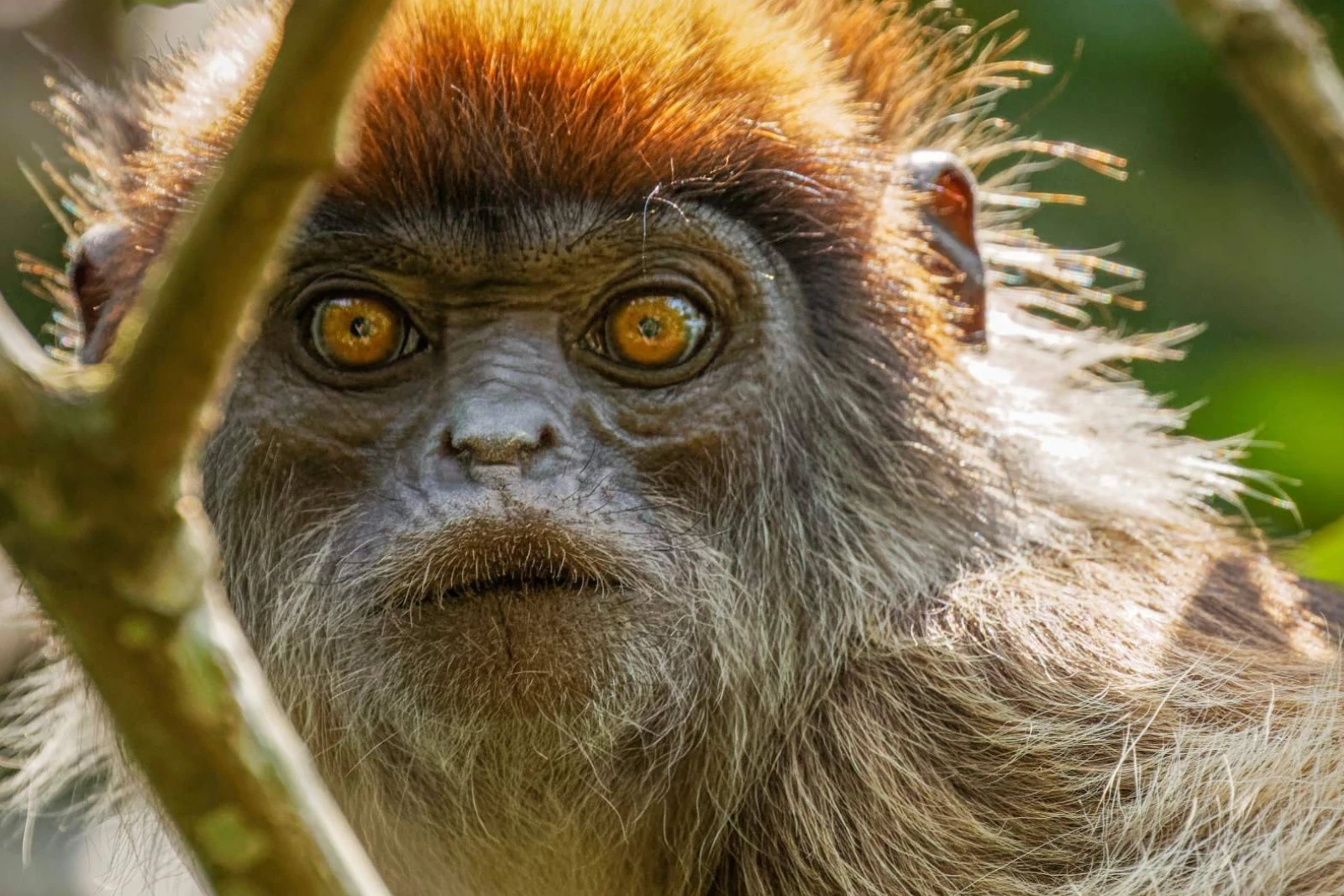
Chimp tracking here isn’t a “maybe.” The main community visited from Kanyanchu is highly habituated, so sightings are often excellent. You’ll usually see several monkey species too—black-and-white colobus in the canopy, red-tailed monkeys moving fast, baboons on the edges, and Uganda mangabey if you’re paying attention. This park is a key part of many Uganda safaris because its primate population is consistently reliable.

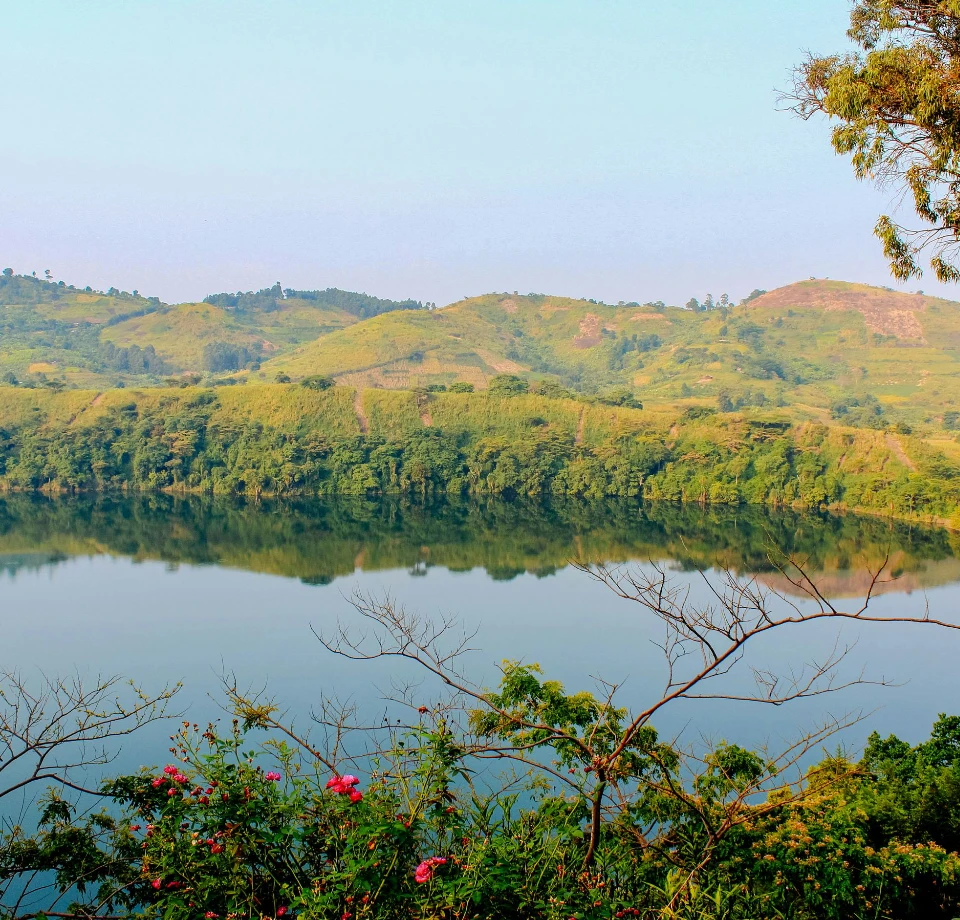
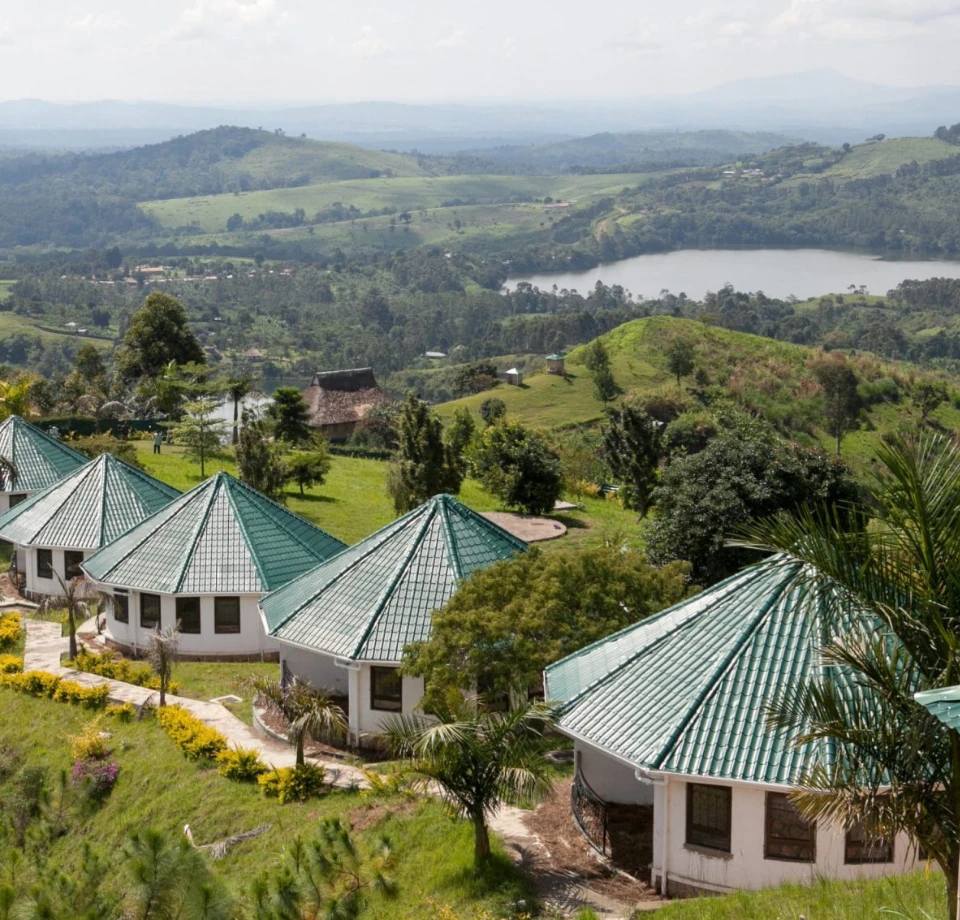
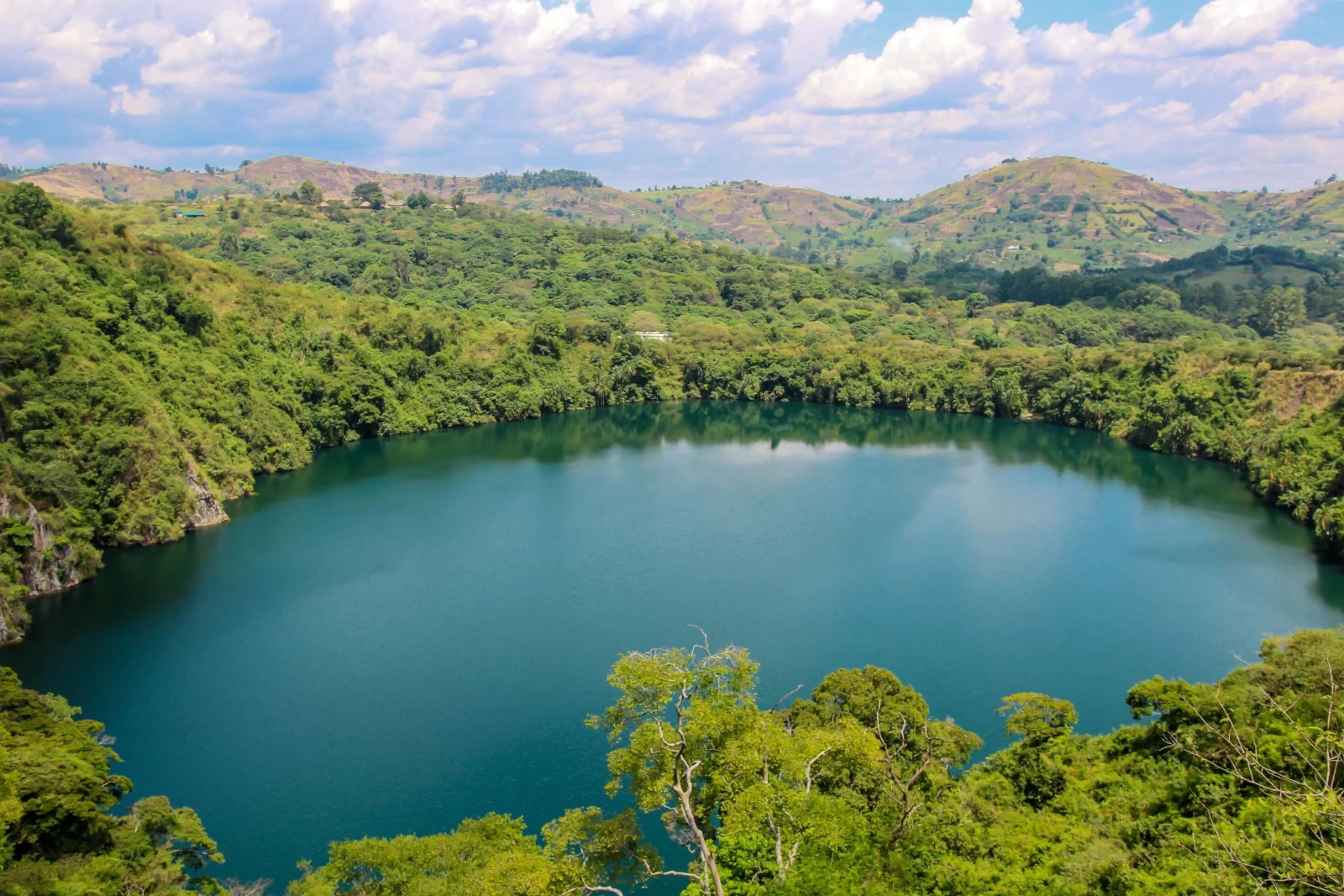
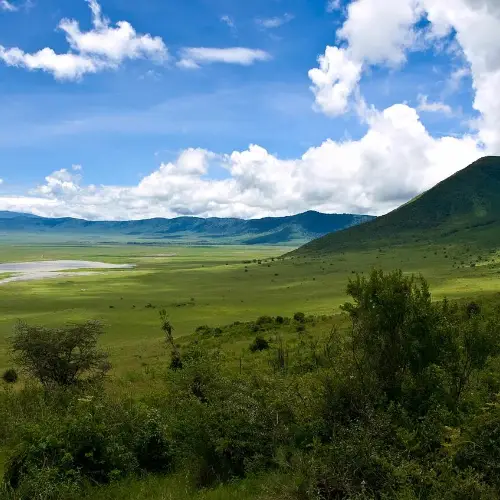
Outside the forest, the surrounding area is dotted with crater lakes and quiet countryside. Some lodges look out over those lakes, and that matters after a humid walk. It gives you space to slow down without “leaving” the experience.

Get Started

Life-Enriching Travel

Designed Just for You

  • Trips curated by the world’s top destination experts
  • Concierge-level service leading up to and during your trip
  • Unique, exclusive experiences and insider access


500+ Verified Traveler Reviews

Snowytop Safaris LTD

Why Visit
Kibale National Park

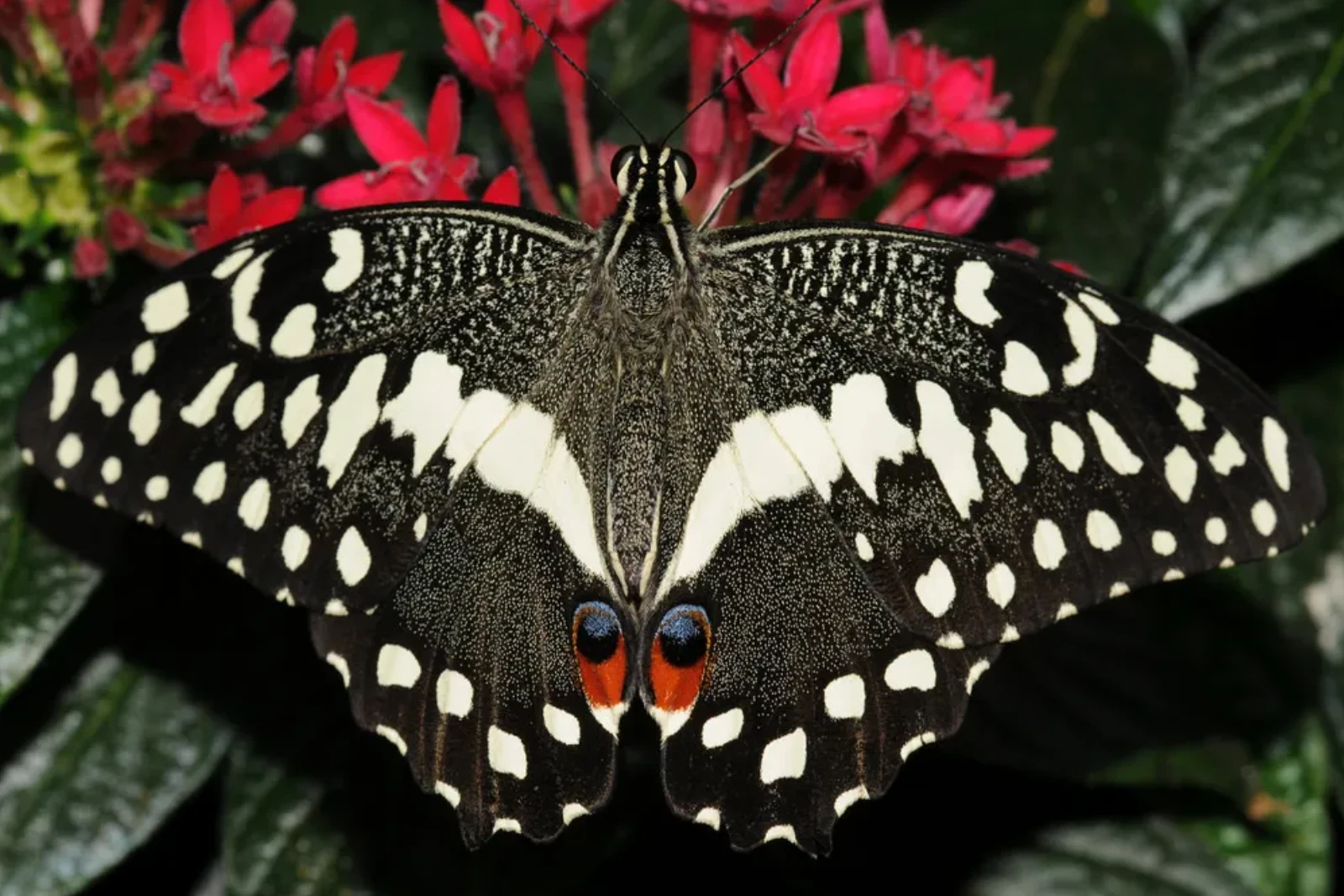
Kibale is one of those parks where you don’t need to chase too many activities to feel satisfied. A single good chimp trek can carry your day. Add forest birds, butterflies, and the Bigodi Wetland Sanctuary nearby, and you have a full, layered visit without constant driving. For anyone planning Uganda safari tours that combine primates with classic savanna wildlife, Kibale is the simplest way to secure ample time with chimps before moving on.

Kibale National Park

Understanding Kibale at a Glance

Key details to help plan a smooth Uganda safari experience in Kibale, without guesswork.

Moist Forest with Crater Lakes

Moist Forest with Crater Lakes

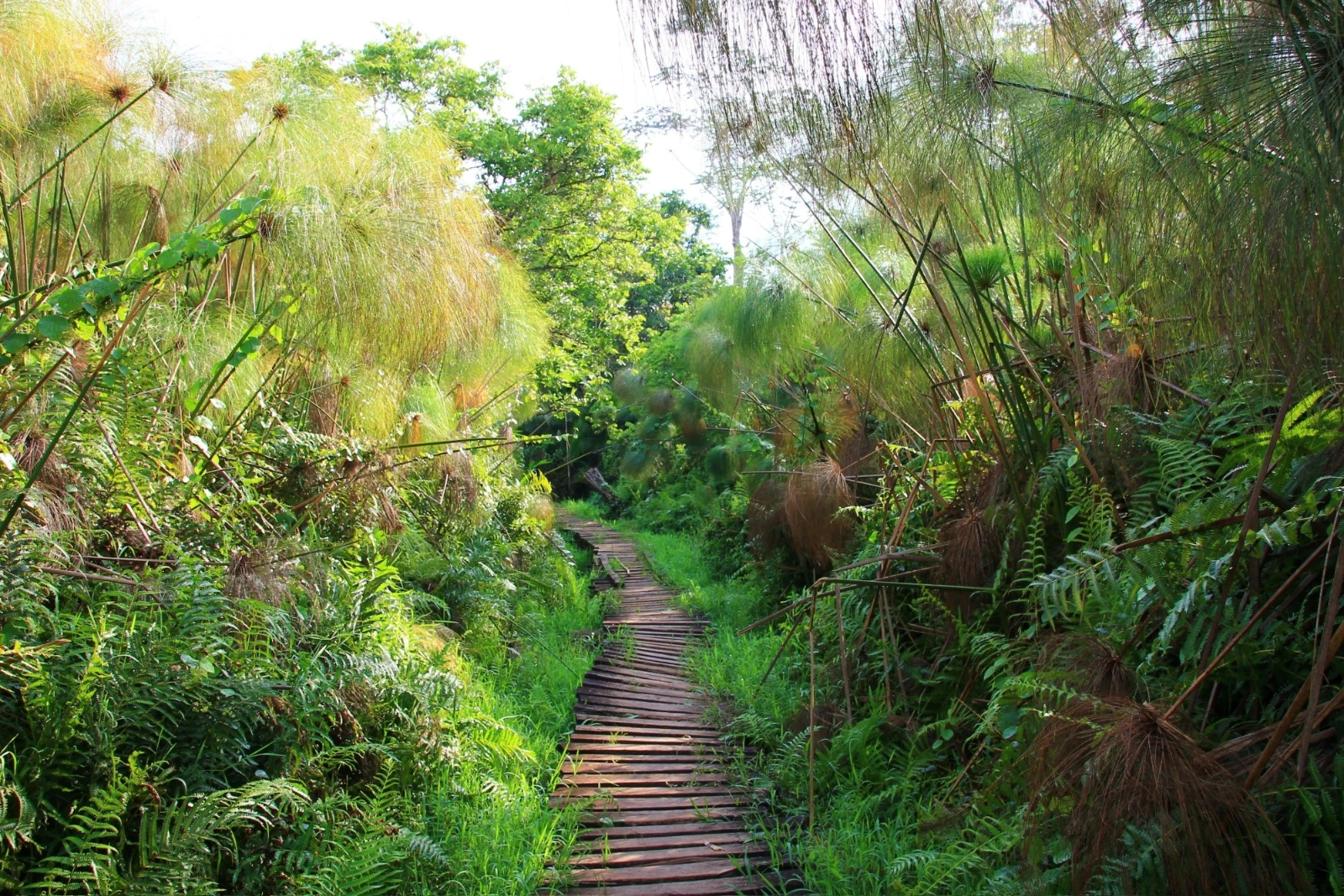
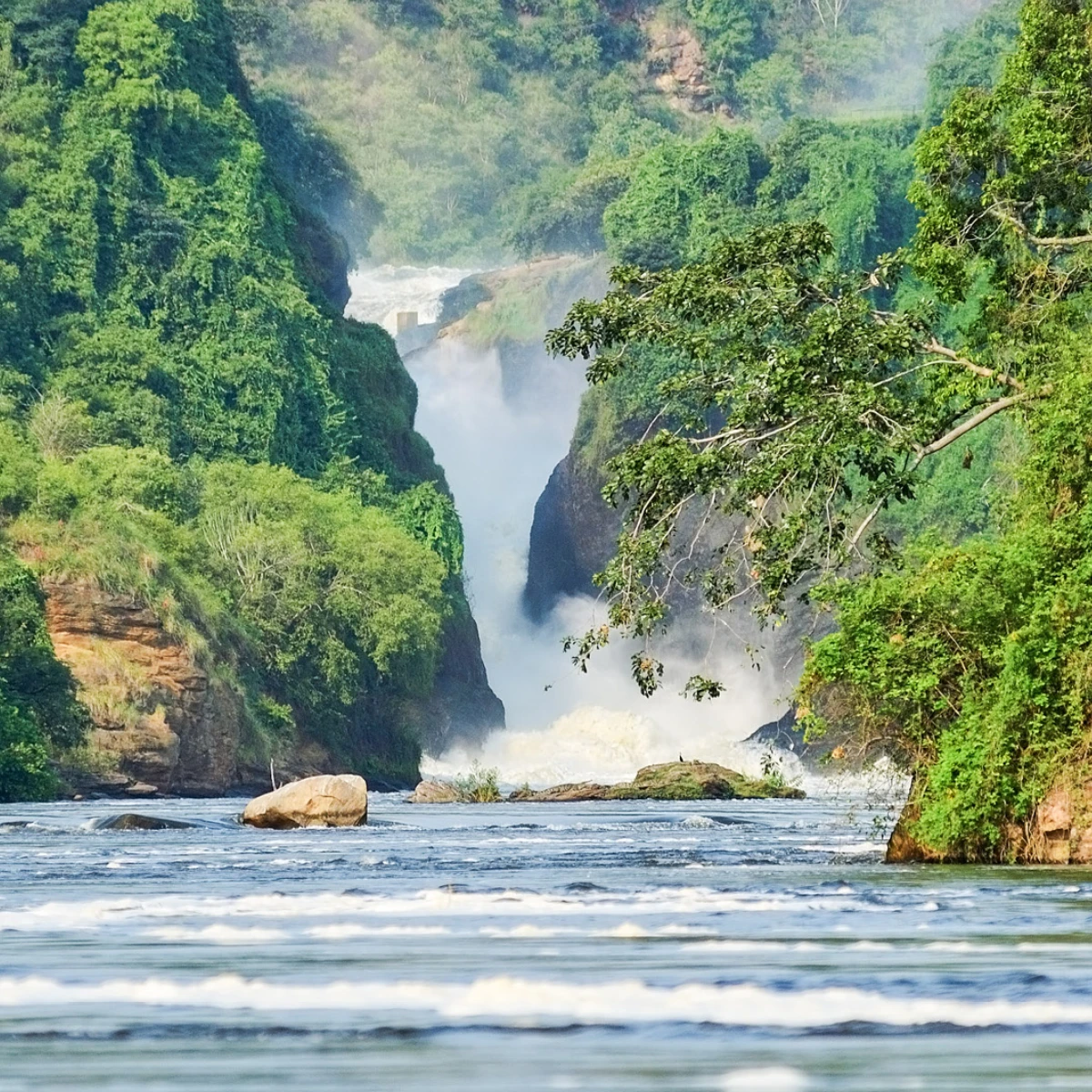
Kibale is a dense tropical forest with a canopy that blocks harsh sunlight but keeps humidity high. Trails run through tall trees, thick undergrowth, and pockets where you can see movement above you, not just at eye level. The countryside around the park is famous for crater lakes and gentle farmland, and many Uganda safari lodges use those views as a calm base for forest visits.
Primates Lead Here

Primates Lead Here

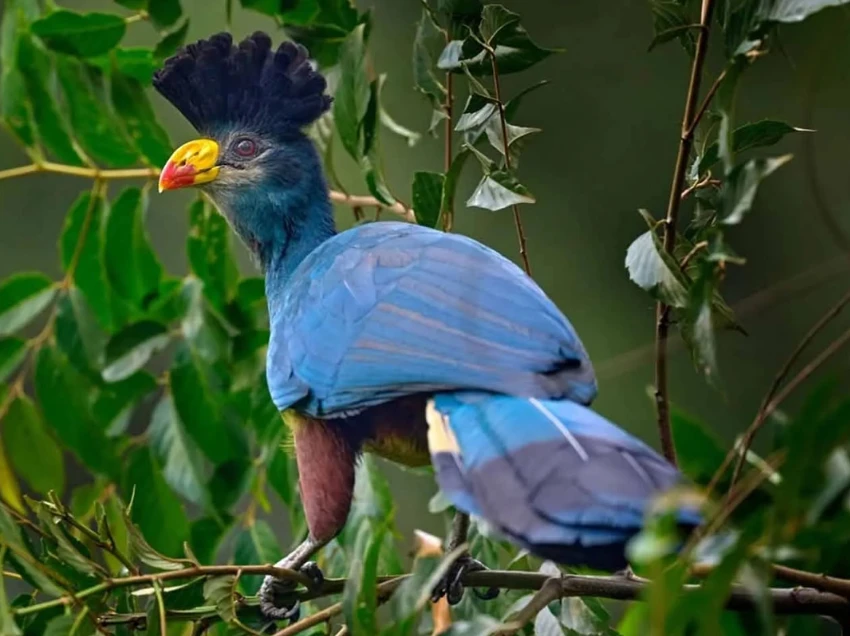
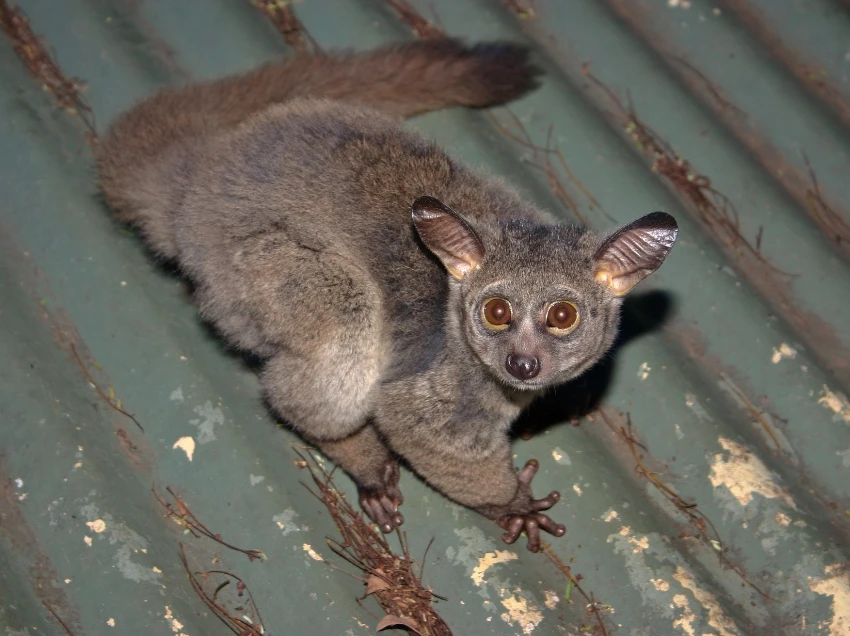
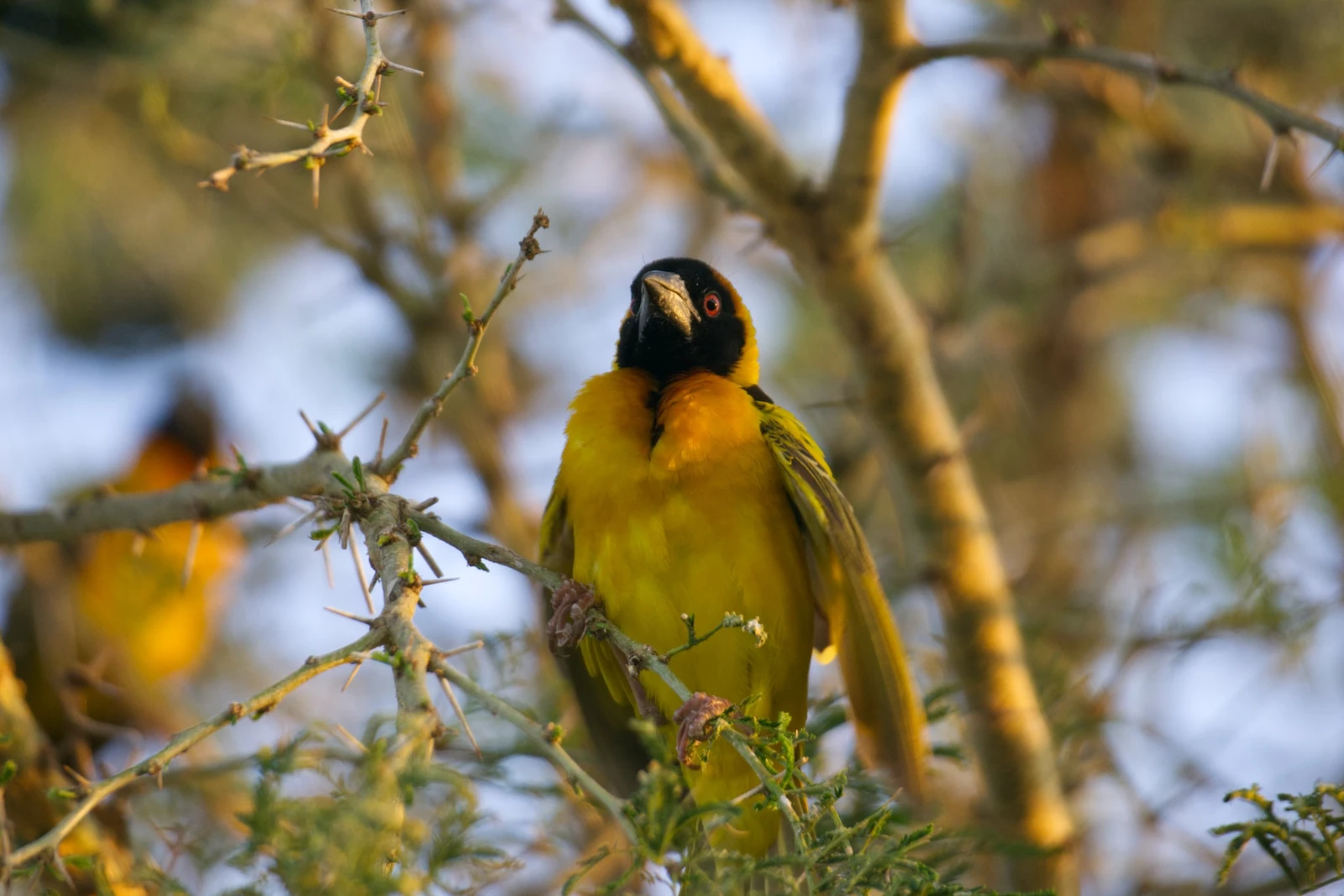
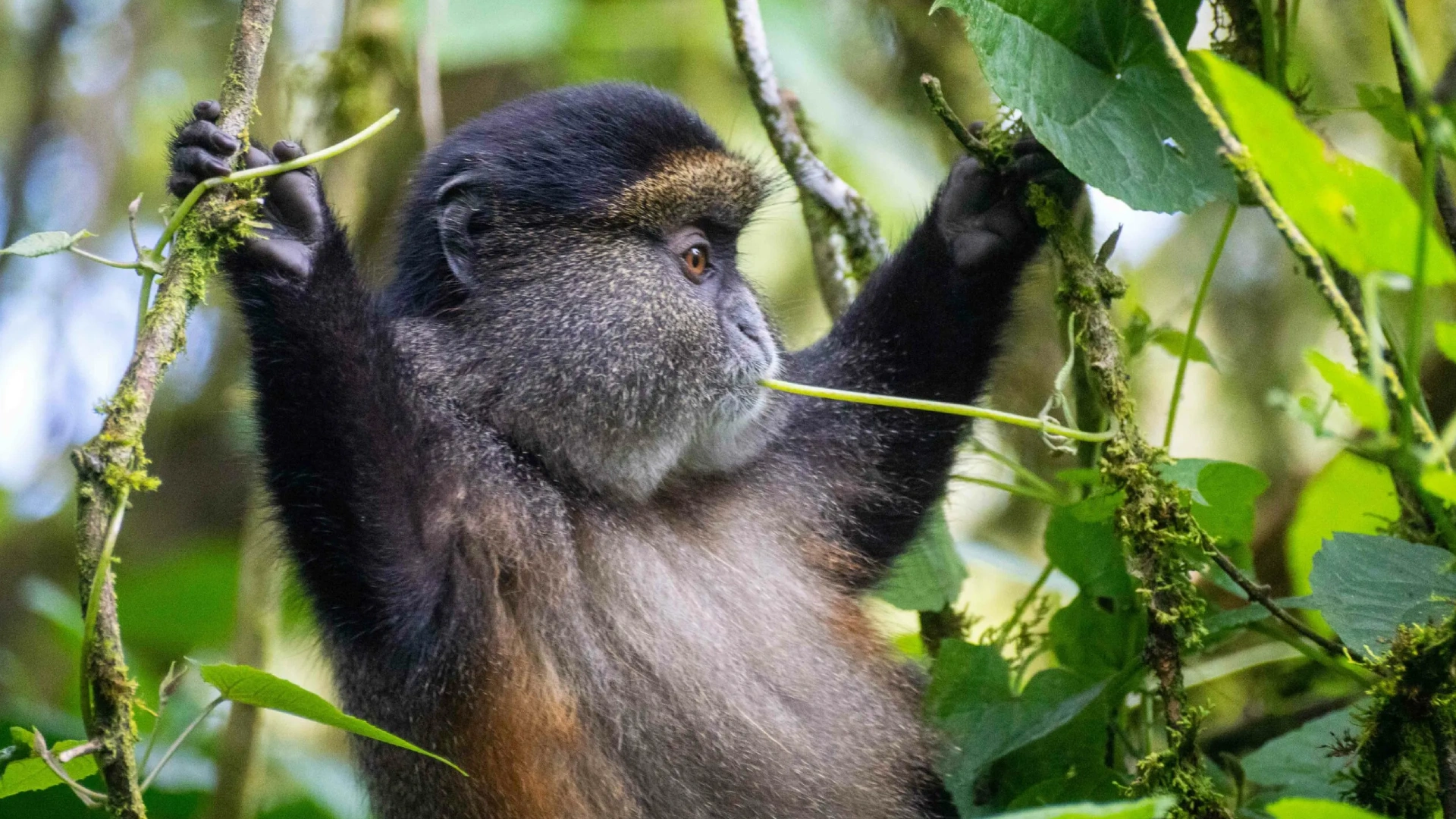
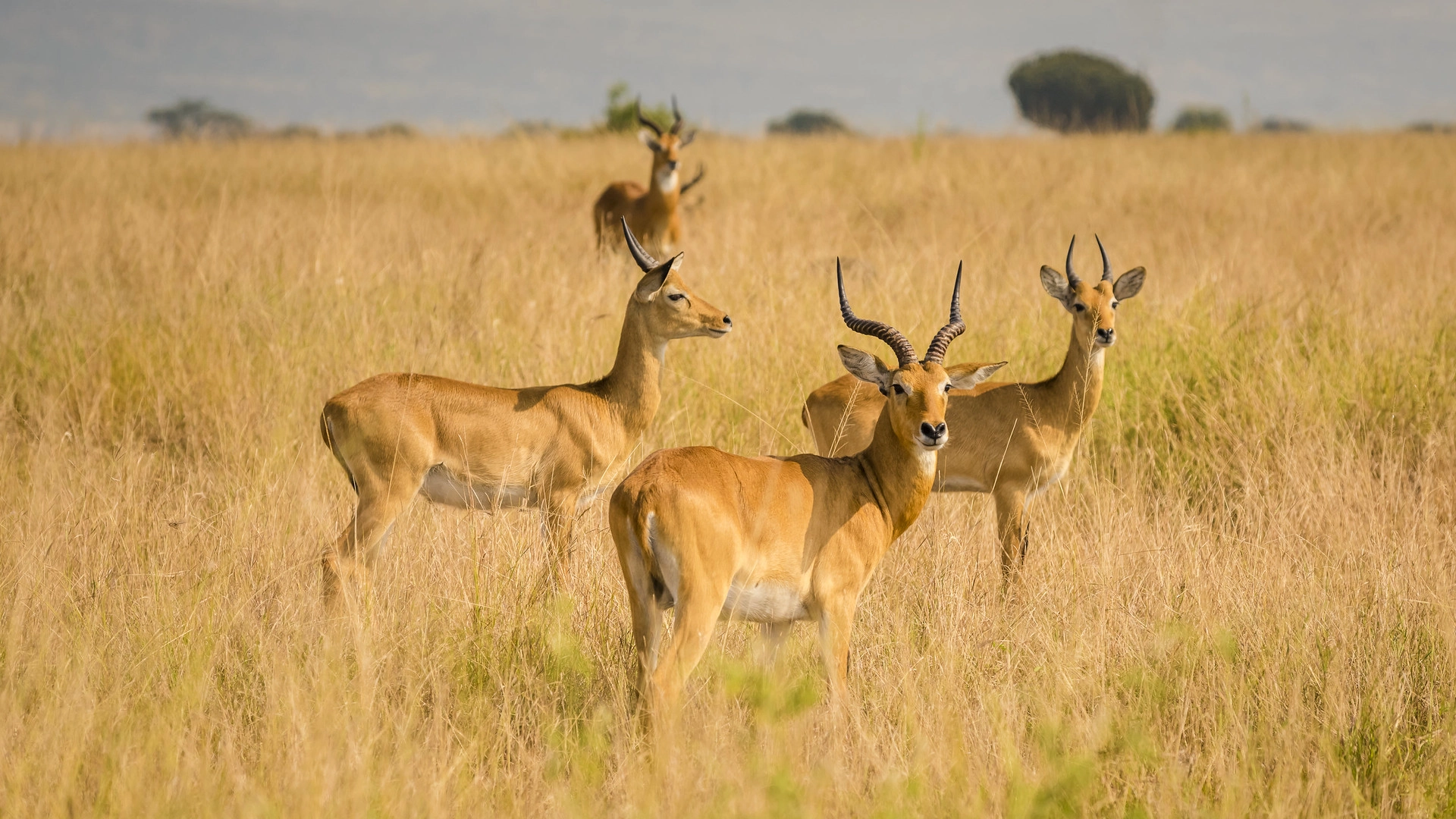
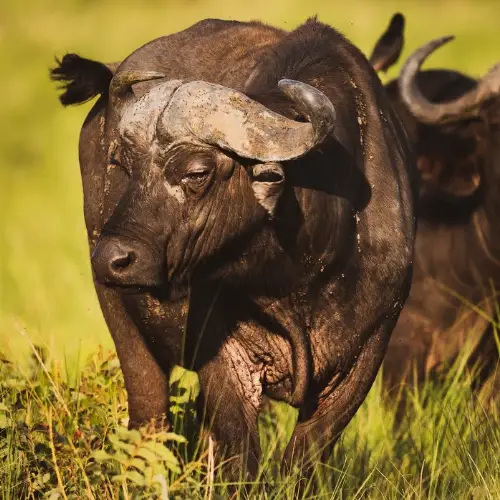
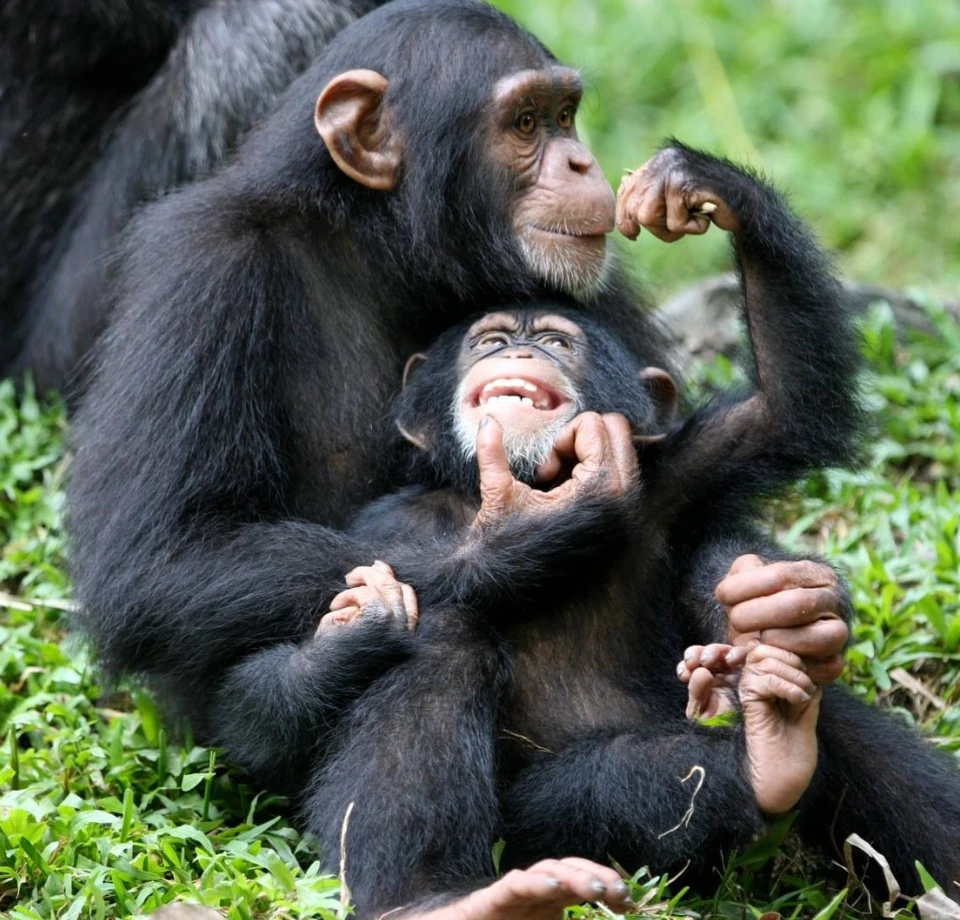
Primates are the headline: chimps, olive baboon, black-and-white colobus, red-tailed monkey, Ugandan red colobus, and Uganda mangabey are regularly seen. Nocturnal species include potto and several bush babies. Kibale also supports forest mammals like elephant, buffalo, bushbuck, giant forest hog, and different duikers, though these are harder to spot. Birding is strong with 370+ species, and Uganda chimpanzee tracking often pairs naturally with forest bird walks.

Always Cool with Rains

Always Cool with Rains

The climate is moist and temperate. Daytime temperatures sit around 26°C, and nights can cool to about 16°C, which feels pleasant after walking. Rain can happen any time, so waterproof gear is never a bad idea. The wettest months are typically April, September, October, and November. Even then, trekking still runs, though trails can get slippery.

Trek, walk and watch

Trek, walk and watch

The main attraction is chimp trekking from Kanyanchu, with a habituated community and strong success rates. For birders and people who like slower walks, Bigodi Wetland Sanctuary is a must nearby—community-run, productive, and good for forest-edge birds and primates. If you’re building a broader Uganda travel guide, Kibale is also a useful base for crater lake day trips and relaxed cultural add-ons..

Easy From Fort Portal

Easy From Fort Portal

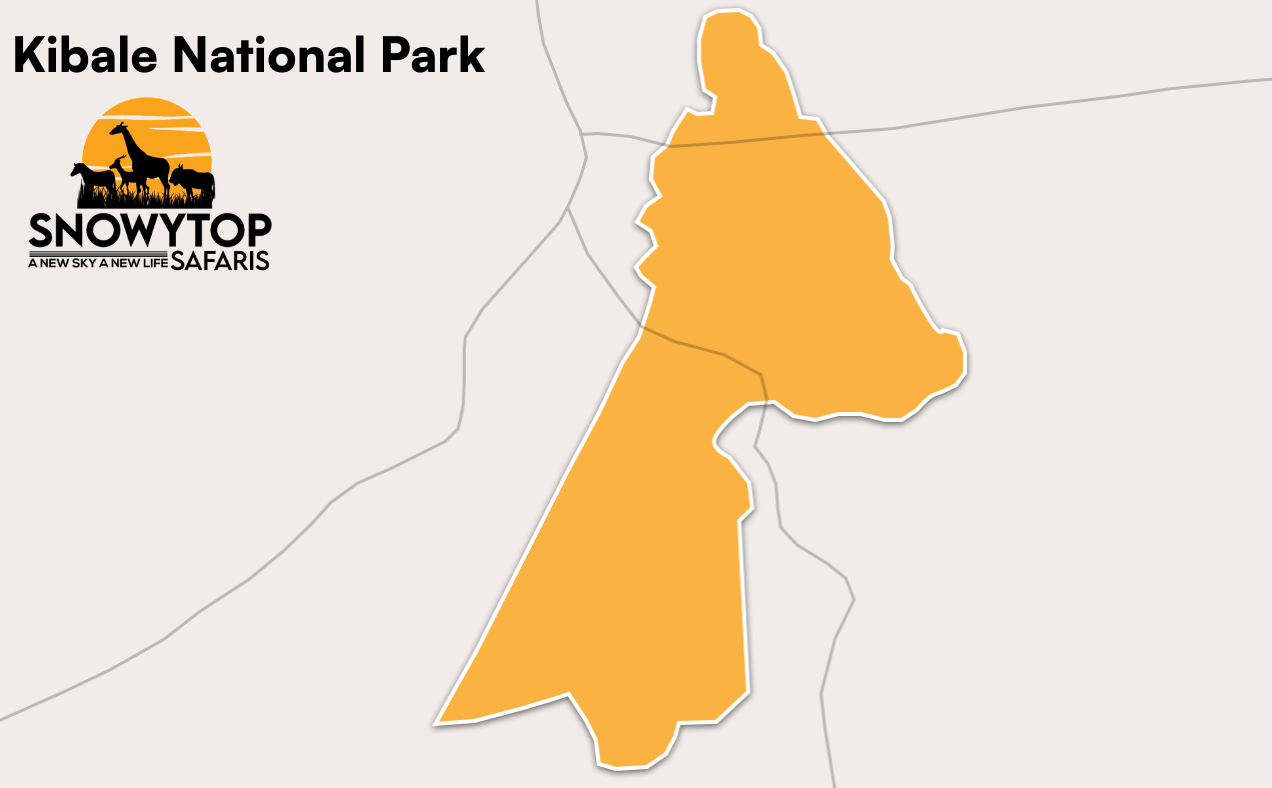
Kibale sits in western Uganda. The Kanyanchu trailhead is about 33km southeast of Fort Portal—around 40 minutes on a good surfaced road. From Kampala, it’s roughly 330km and at least six hours by road, depending on traffic and stops. Many travelers combine Kibale with other national parks in Uganda as part of longer itineraries. International arrivals come via Entebbe (EBB), then connect by road.

When to Go to Kibale

January, February, June, and July are the driest months and the easiest for chimp trekking and forest walking.

  • Best
  • Good
  • Mixed

January is one of the driest months, so trails are easier underfoot, and you spend less time fighting mud. Chimp trekking tends to feel smoother because guides can move faster, and visibility is slightly better. Pack a light rain jacket anyway. Great month for Chimpanzee trekking in Kibale and relaxed bird walks.

February stays relatively dry and is another strong month for chimp trekking. Forest walks feel less humid than later in the year, and the experience is more comfortable for families or first-time trekkers. Sightings remain excellent because the chimp community is well habituated. rs.

March begins shifting toward wetter conditions. You can still trek successfully, but expect more damp air and occasional rain on the trail. Waterproof shoes matter more now. Birding stays interesting, especially along roads where canopy views are open. If your schedule is fixed, March still fits a solid Uganda safari itinerary.

April is one of the wettest months, so the forest can feel heavy, and trails may be slippery. Chimp trekking still runs, and sightings often remain good, but the walk can be slower and messier. If you don’t mind rain, it can be quieter. Good time to focus on Uganda birdwatching tours too.

May is often a decent middle ground—still moist, but not always as intense as April. Treks can be comfortable if rain falls in short bursts. It’s a good time to combine chimp trekking with Bigodi Wetland for variety without long drives. Works well for flexible Guided safaris in Uganda with extra walking.

June is a dry-season favorite for Kibale. Trails are easier, temperatures are comfortable, and trekking feels less physically draining. It’s also a strong month to add a dedicated birding walk, because you can spend longer in the forest without constant rain breaks.

July continues the drier pattern and is one of the best months for chimp trekking. Forest walks feel cleaner, and the overall experience is more enjoyable because you can move without slipping. Expect more visitors, so book permits early. Great month for Uganda safari holidays that focus on primates.

August can start bringing more rain back, though it varies. Treks still run well, but you may get damp afternoons. If you like cooler forest conditions and don’t mind a bit of mud, it can still be rewarding. Pair Kibale with Queen Elizabeth next for contrast.

September is wetter, and trails can become slick. Chimp sightings remain strong, but the walk can feel slower because guides and trackers need to navigate carefully. Roadside birding becomes a practical strategy because it offers canopy views without deep-forest pushing. If you’re watching Uganda safari cost, some rates can soften now.

October is typically wet, with higher rainfall and humid days. The forest looks fresh and green, but you’ll want waterproof clothing at all times. Trekking is still possible, and success rates usually stay high, though comfort drops a bit. It’s a good month to add Bigodi for easy walks. Works for Uganda nature safaris.

November stays on the wetter side, but birdlife can be lively and forest sounds feel more active. Trekking still runs, and chimps are often found, but trails can be tiring. If you’re combining parks, this month can still fit well in a western circuit. Useful for Custom Uganda safari tours with flexible pacing.

December can be a good month, and it’s often recommended alongside May as a solid alternative to peak dry months. Rain is possible, but trekking remains enjoyable when showers are brief. Because it’s a travel-heavy season, permits and lodges book out early. Strong pick for Uganda safari trips that include primates.

Kibale Travel FAQs

For most people, yes. Kibale has Uganda’s most habituated chimp community and strong success rates. It’s the classic base for Uganda chimpanzee tracking.

It’s moderate. Some walks are short, some longer, depending on where chimps move. Trails can be slippery in wet months. Good boots help. It suits Adventure Safaris Uganda travelers, but families can do it with pacing.

Common sightings include colobus, red-tailed monkeys, baboons, Uganda mangabey, and red colobus. Kibale is strong for Primate safaris in Uganda because the variety shows up naturally, not only on “special” walks.

Yes. It’s community-run, easy to access, and productive for birds and monkeys. It rounds out your day without extra driving. Great for Uganda wildlife safari travelers who want more than one habitat.

Two nights is comfortable: one morning trek, one extra walk or Bigodi. One night can work, but it feels rushed. Two nights also fits well in a longer 7 days Uganda safari itinerary.

Ways to Experience Kibale

Kibale is less about driving and more about walking and listening. Do your main chimp trek when you’re fresh, then keep the rest of the day slower—Bigodi, a forest bird walk, or even just crater lake views from your lodge. It’s a good park for people who like movement, not just sitting in a vehicle. That’s why it fits Walking safaris Uganda so naturally.

Talk to a Safari Specialist Today

and design your travel plans.

Call +254 723 619669

OR

Enquire Now
  • Lawrence

  • Margaret

  • Mugambi

Our Safari Experts

Safaris You Can Book

Browse all our safari options designed around realistic travel days, trusted guides, and comfortable stays across East Africa.

Uganda’s Natural Wonders Await

Explore diverse landscapes, vibrant cultures, primate safaris, and serene lakes in unforgettable journeys.

Get Started On Your Trip

You can contact us anytime, and we’ll support your
planning from early ideas to final details.

Get in touch

What Travellers Say

Real feedback from guests who have traveled with SnowyTop Safaris LTD across East Africa.

Local Team Insight

Our guides and planners work in Kenya and nearby parks year-round. You get route advice that matches road conditions, seasons and lodge standards, not generic online suggestions for your dates.

Clear Trip Planning

We keep planning simple: quick replies, clear inclusions, and realistic drive times. If something won’t fit, we say so early and suggest a better option without pushing upgrades or extras.

Support Throughout Travel

From airport pickup to your last game drive, we stay reachable. You get help with permits, timing and small changes, so the trip keeps moving smoothly even when plans shift.