

Lake Manyara National Park

Green Forest, Open Lake

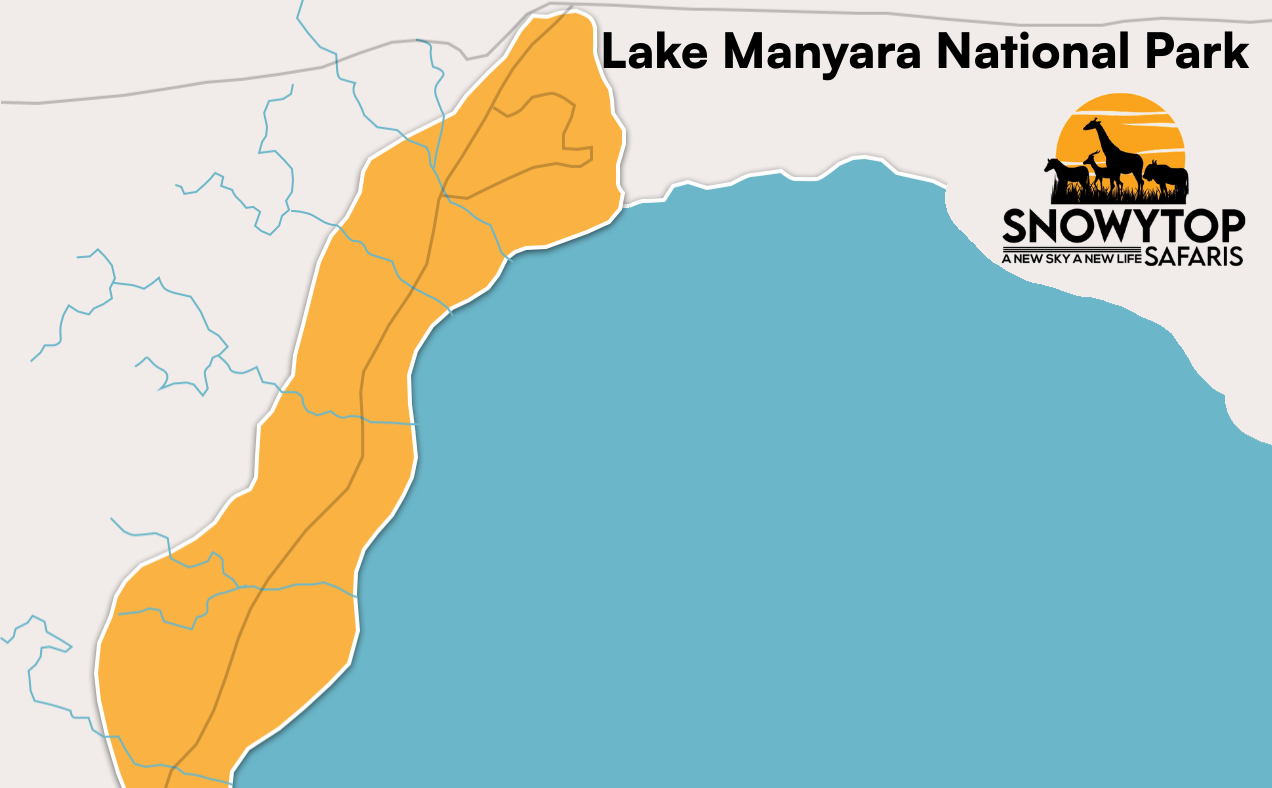
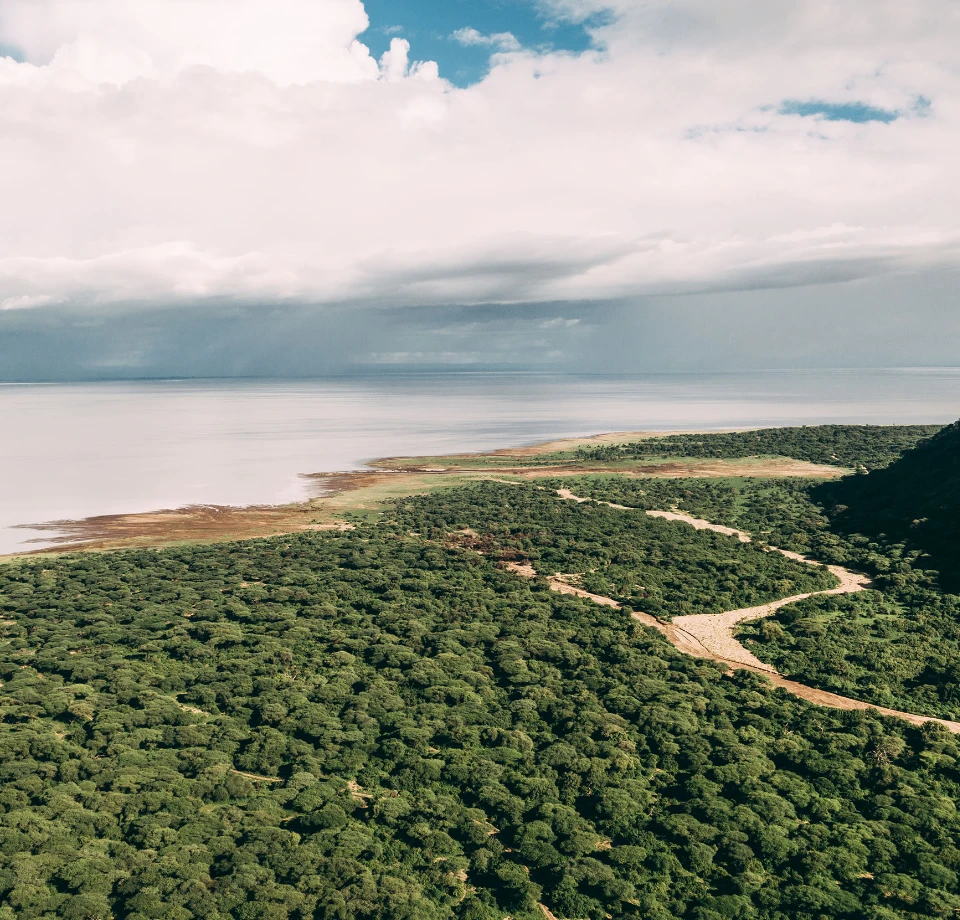
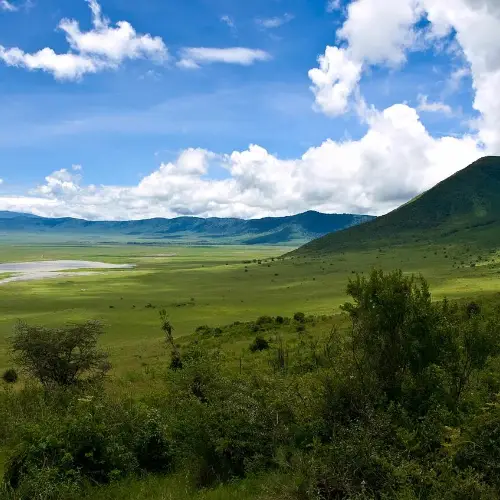
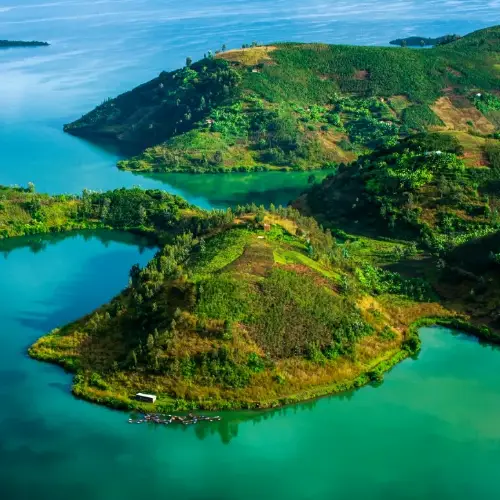
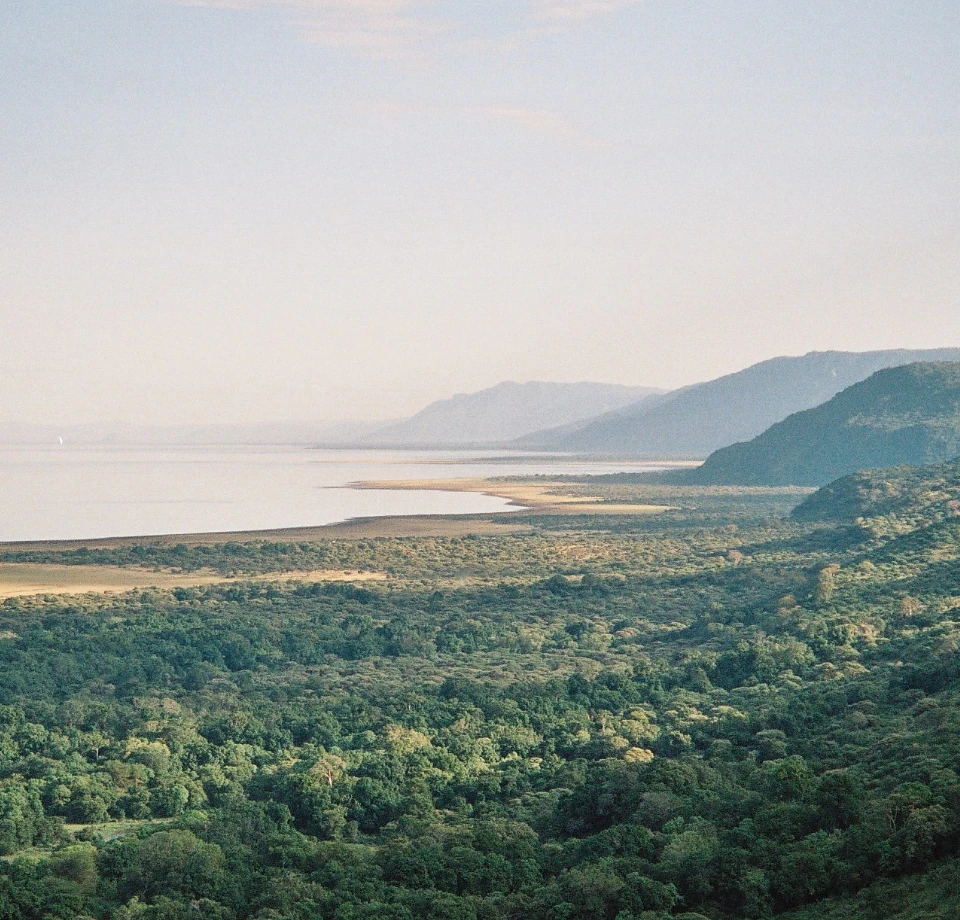
Lake Manyara National Park sits between the Rift Valley Escarpment and the alkaline lake, so the scenery flips quickly. You start in a groundwater forest, then roll out to open plains and lake views. It’s compact and close to Arusha, which is why many itineraries begin with a Tanzania Safari here.

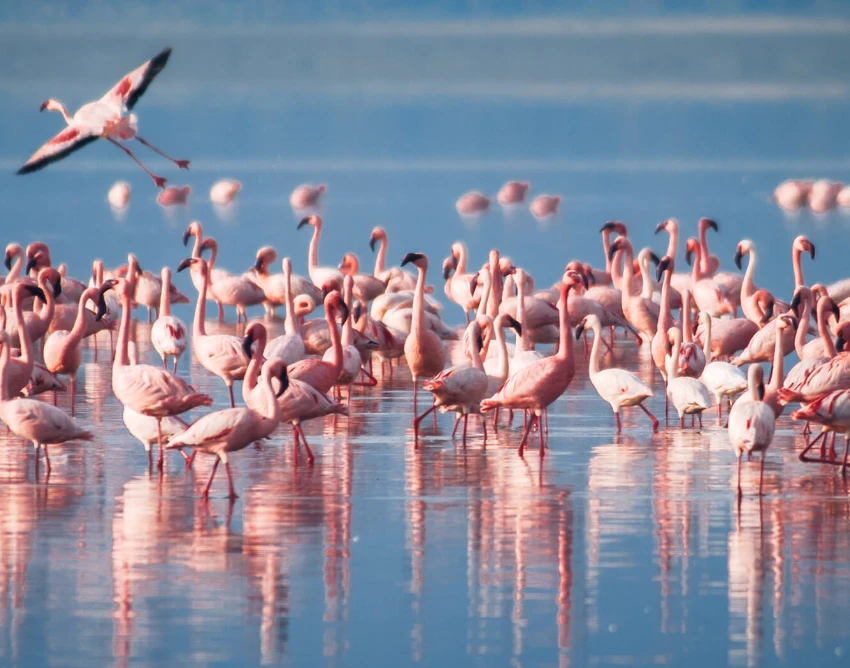
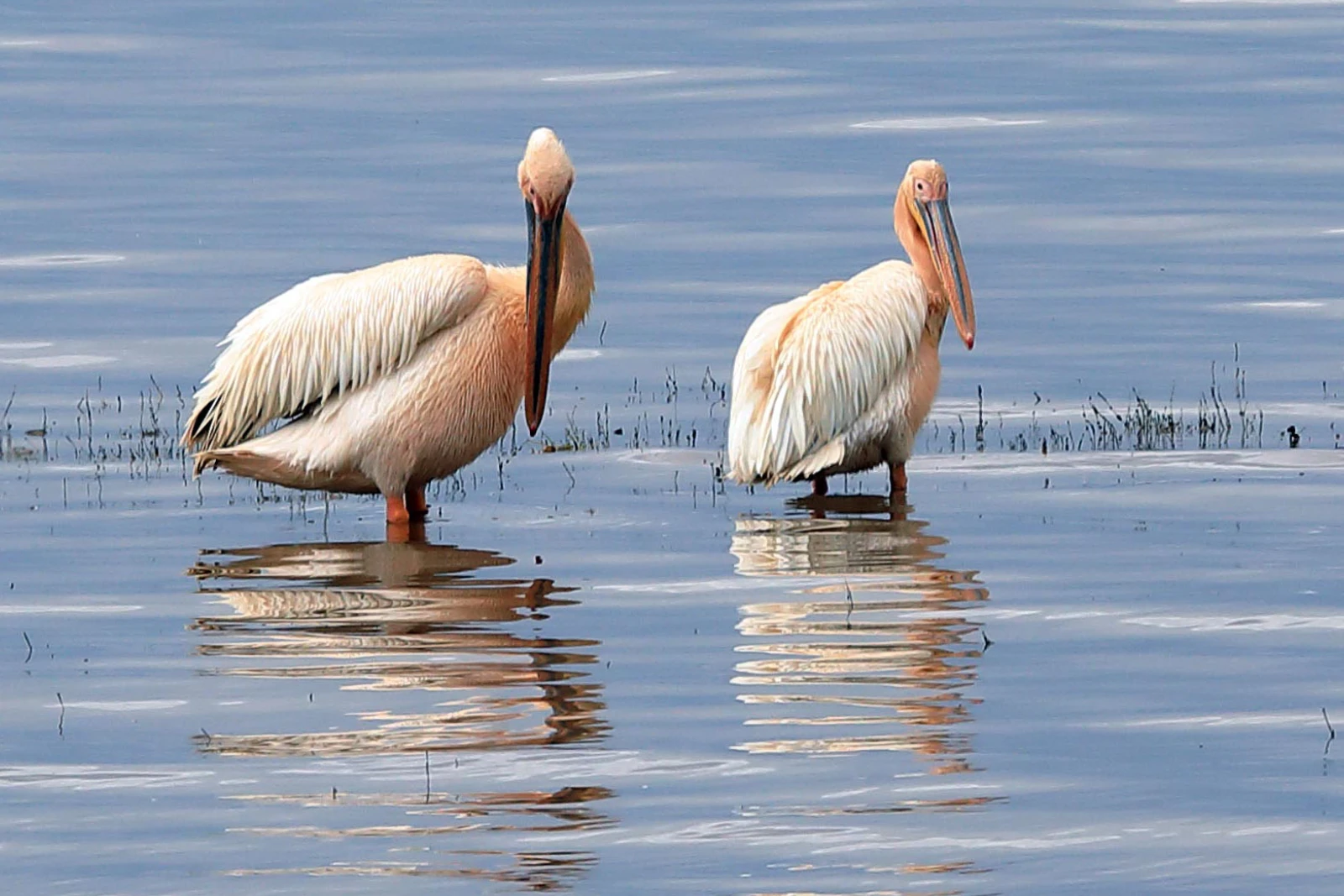
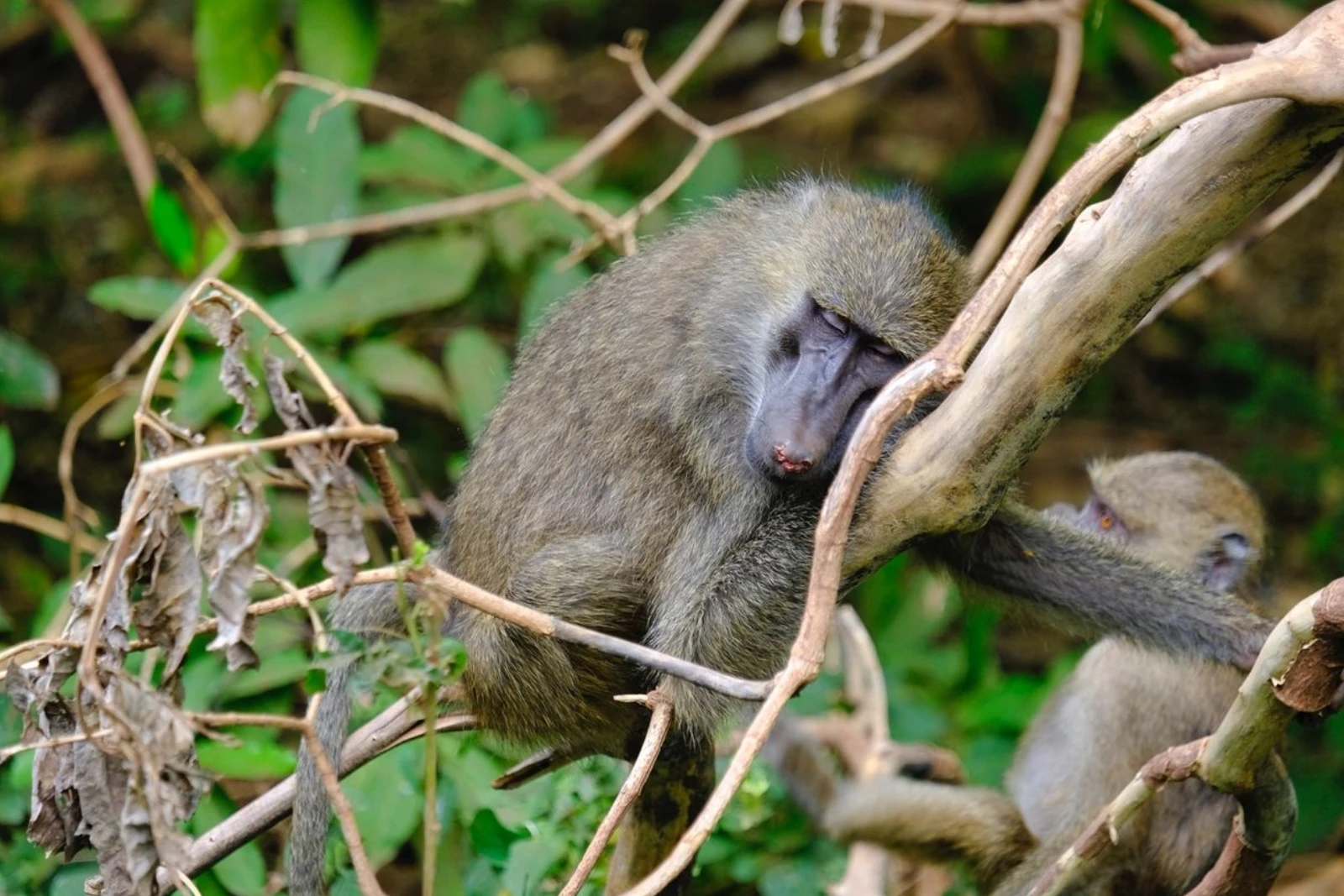
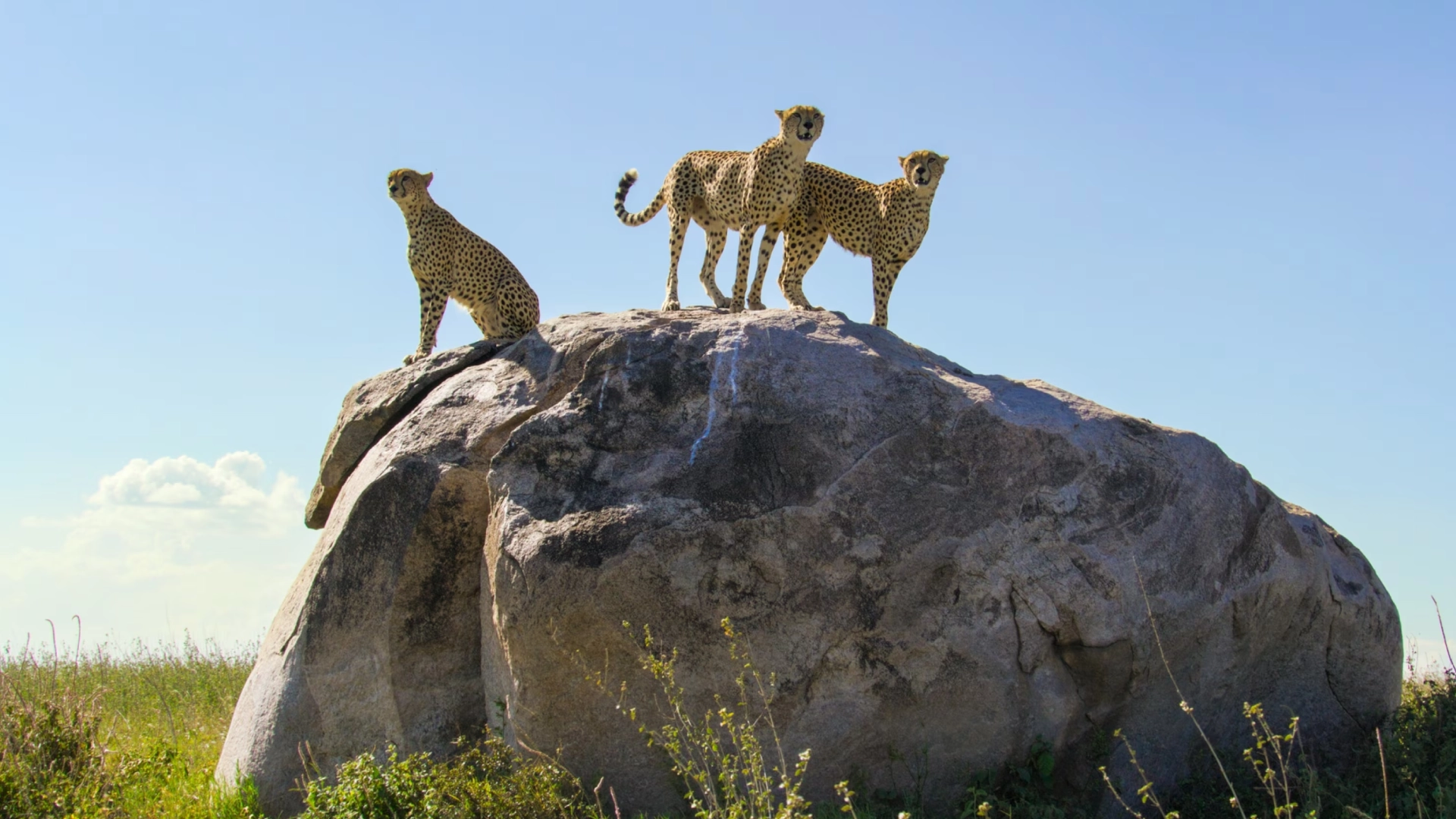
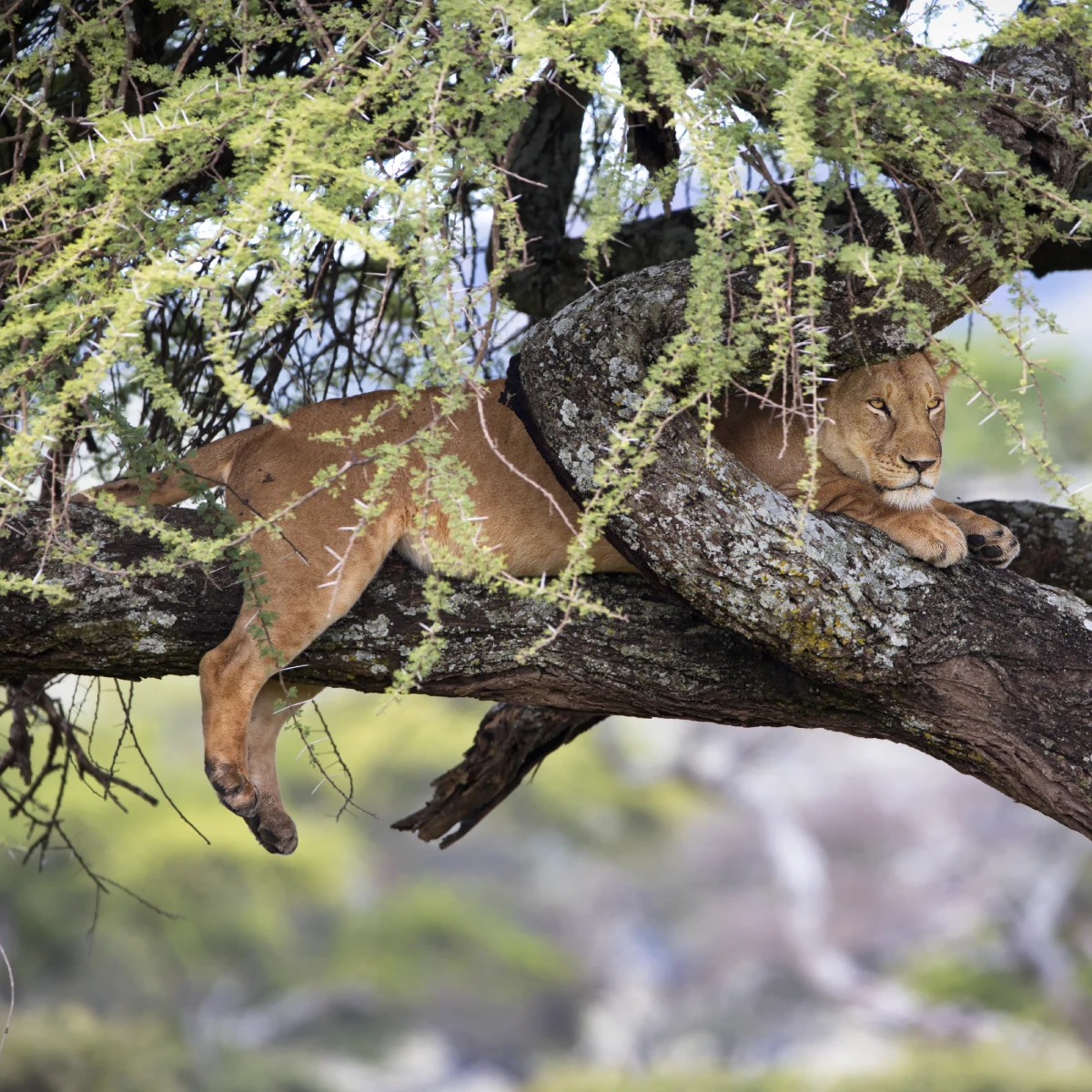
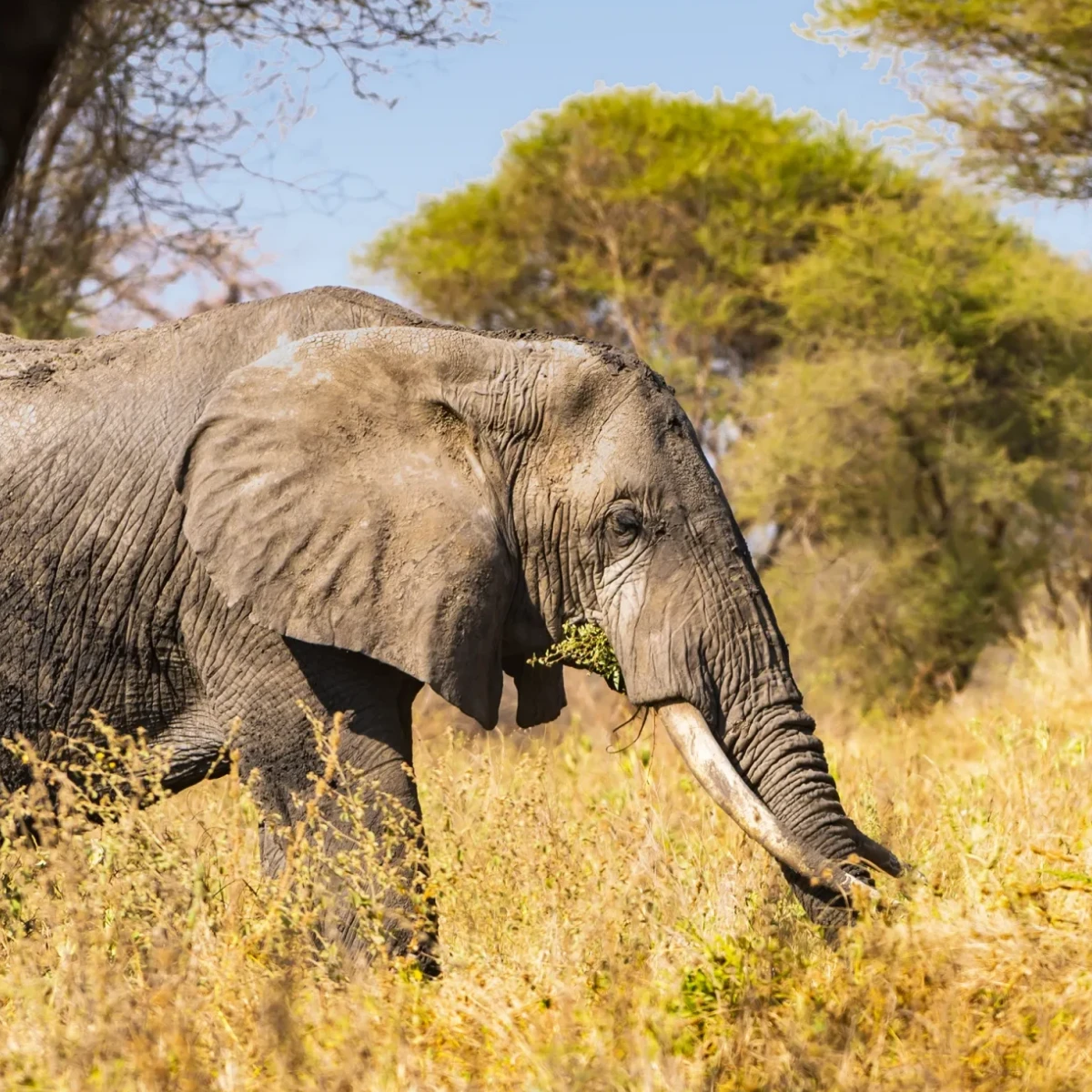
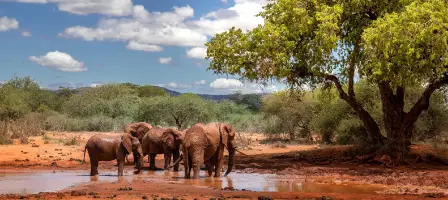
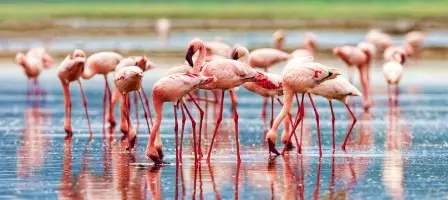
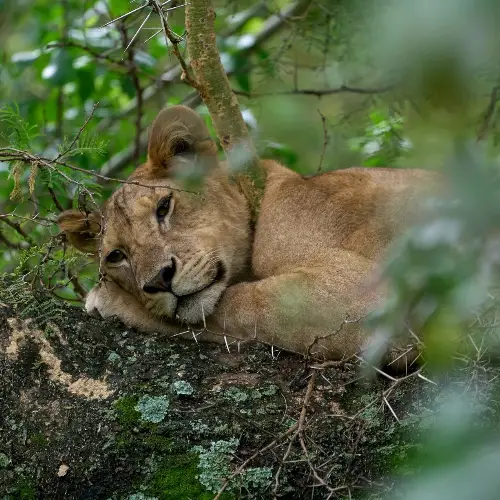
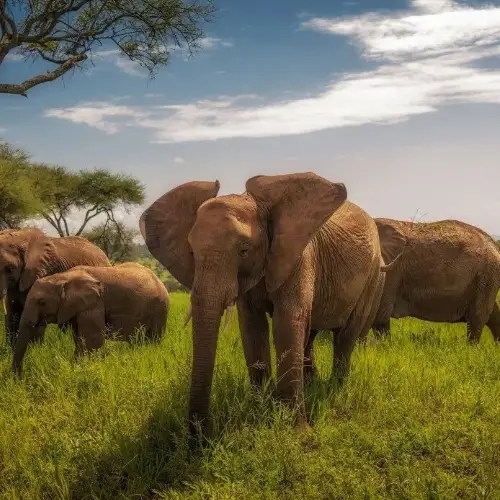
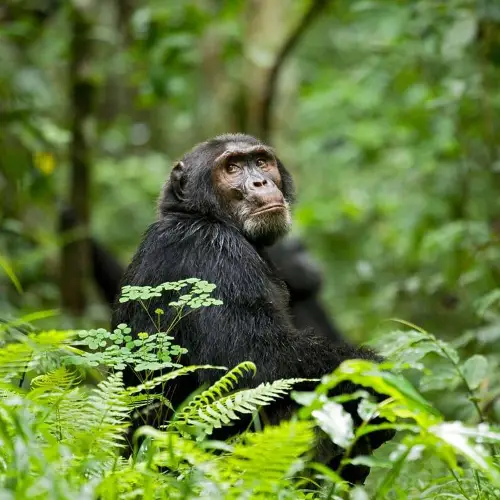
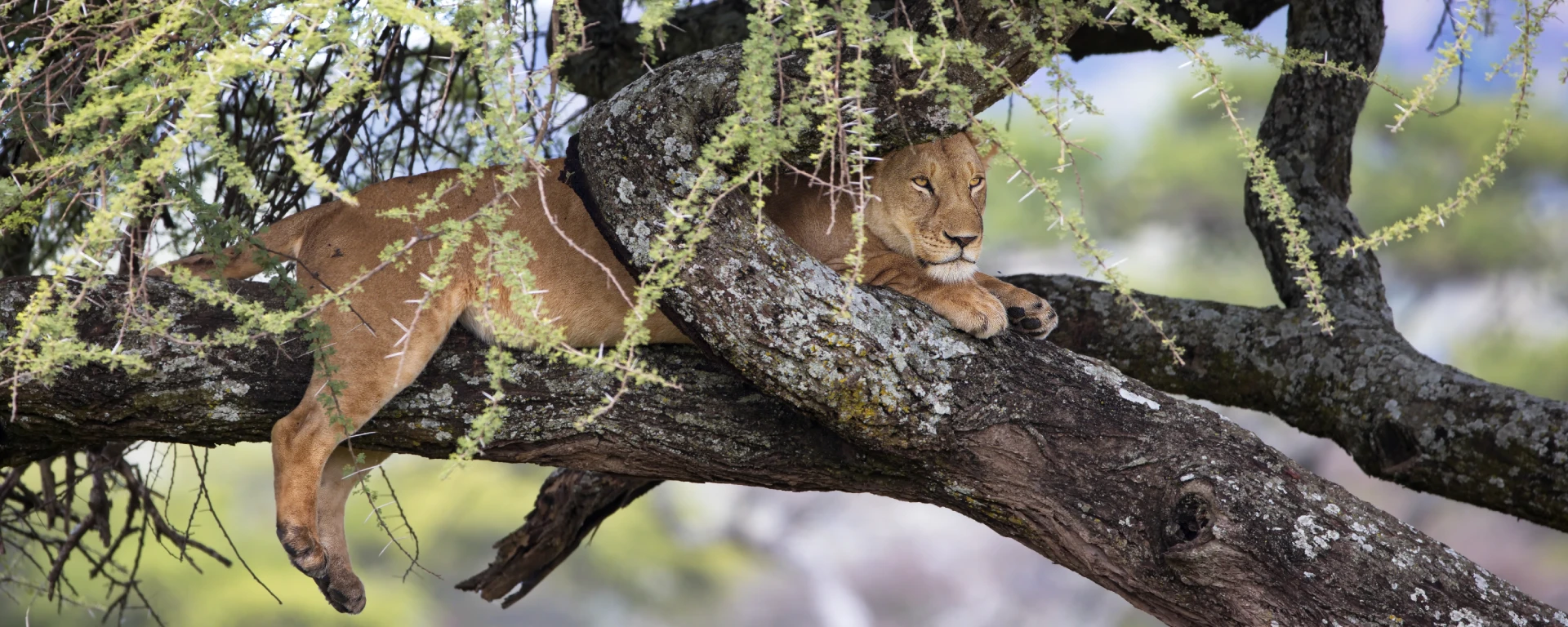
Manyara is known for elephants, big baboon troops and excellent birding. Pelicans and flamingos show up when water levels suit them. Lions are present too; tree sightings happen, but they’re not a promise. What feels special is the mix of forest shade, grassy clearings and the lake edge, all in one Lake Manyara National Park drive.

Because distances are short, the park fits neatly into tight plans. You can do a strong morning loop, then continue to Karatu or onward toward Ngorongoro. For travellers weighing Safaris in Tanzania, Manyara adds a greener, softer-feeling stop that still delivers wildlife and a change of pace.

Get Started

Life-Enriching Travel

Designed Just for You

  • Trips curated by the world’s top destination experts
  • Concierge-level service leading up to and during your trip
  • Unique, exclusive experiences and insider access


500+ Verified Traveler Reviews

Snowytop Safaris LTD

Why Visit Lake Manyara National Park

Lake Manyara is a smart choice when you want variety without long driving hours. In one visit, you can move from thick forest to open plains and the lake shore. Elephant sightings are common, baboons are everywhere and birdlife can be outstanding. The park also fits neatly between Arusha and Karatu, making it easy to combine with Tanzania Safari Tours. For many itineraries, it’s the “refreshing green” stop that keeps the circuit from feeling repetitive. And it’s great for first-timers.

Lake Manyara National Park

Lake Manyara at a Glance

Quick tabs covering landscapes, wildlife, weather, highlights and access for planning a safari in Tanzania.

Forest, lake, and cliffs

Forest Lake Escarpment

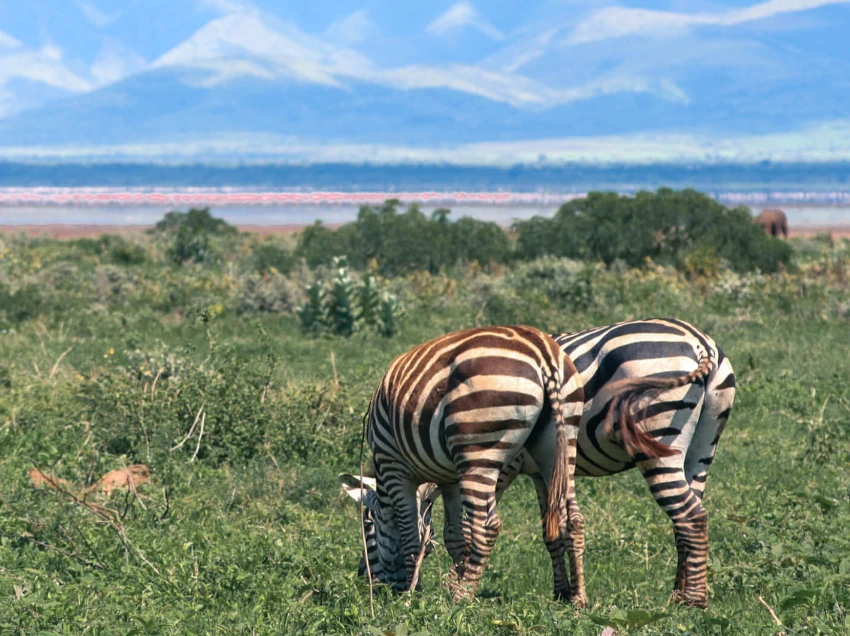
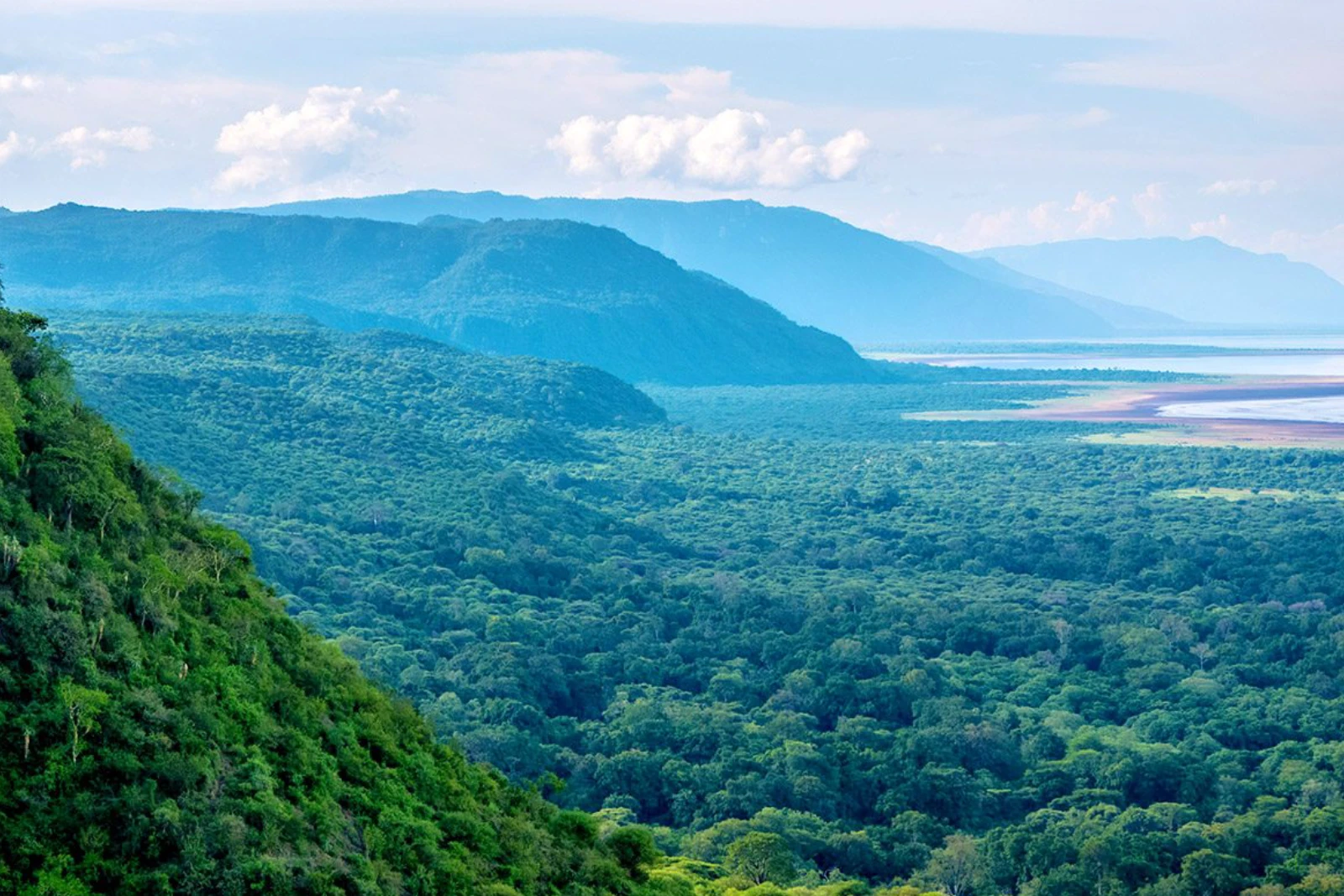
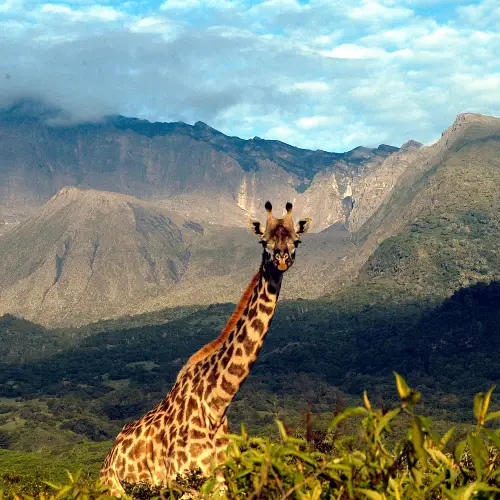
Manyara’s scenery packs in more than you expect for a small park. The groundwater forest stays cool and green, fed by springs, with fig trees and dense undergrowth. Then the track opens to floodplains and the lake edge, where the horizon feels wide. Behind you, the Rift Valley wall rises sharply, changing light and shade all day.
Elephants, baboons, and birds

Forest Plains Wildlife

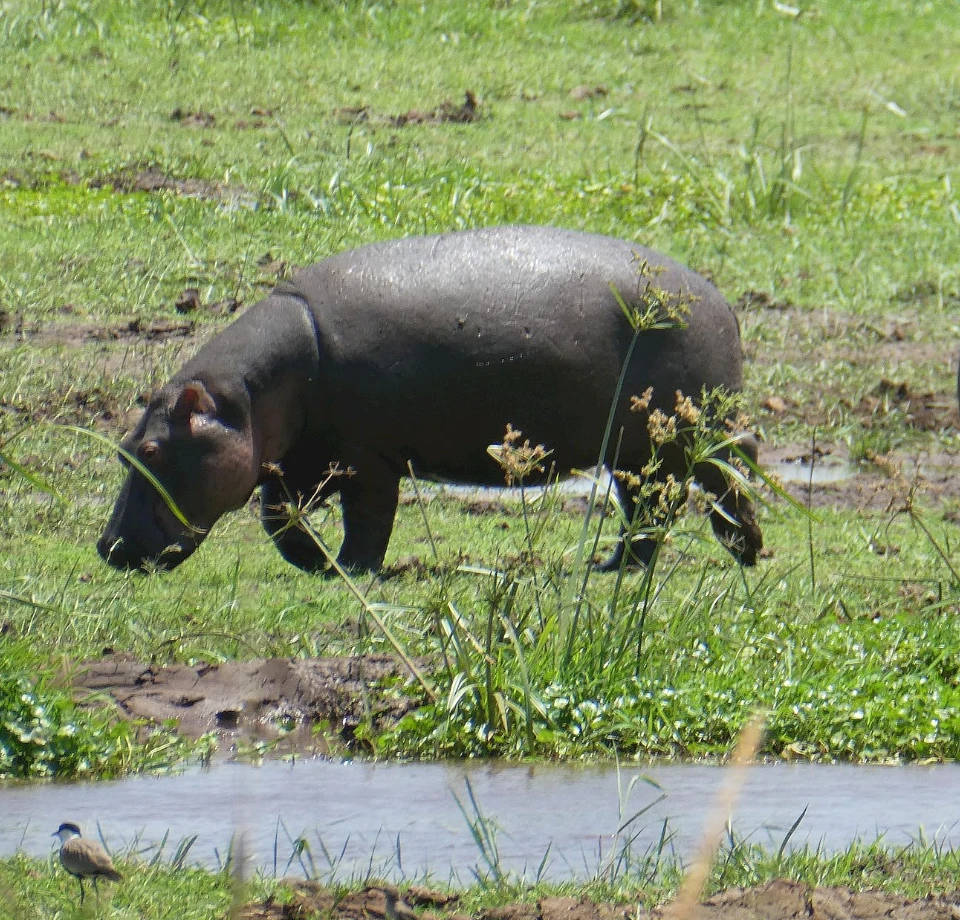
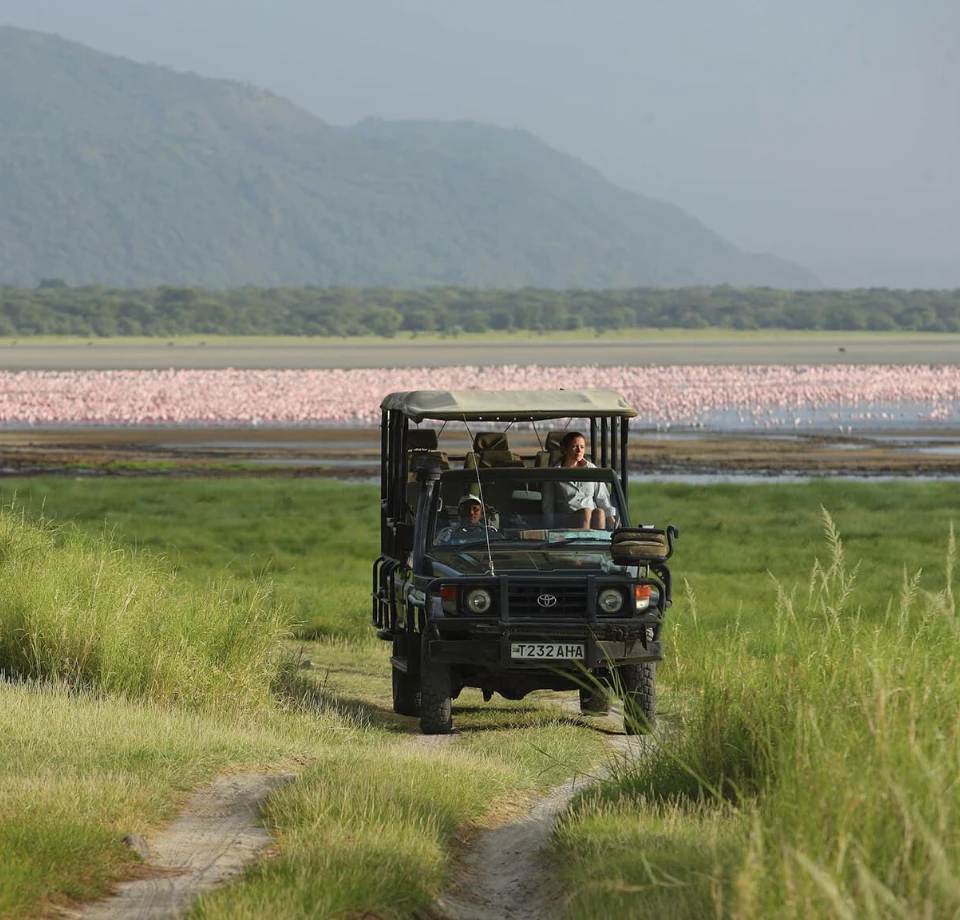
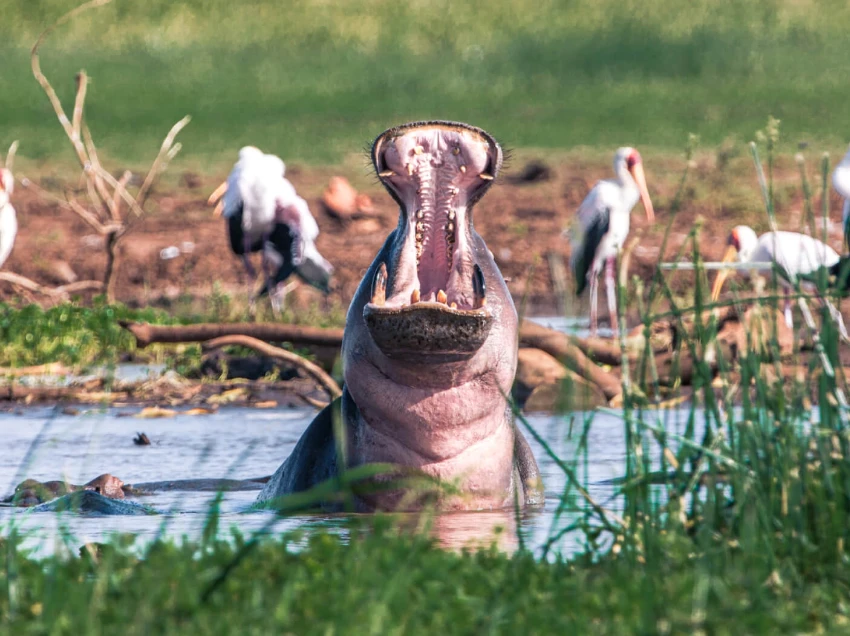
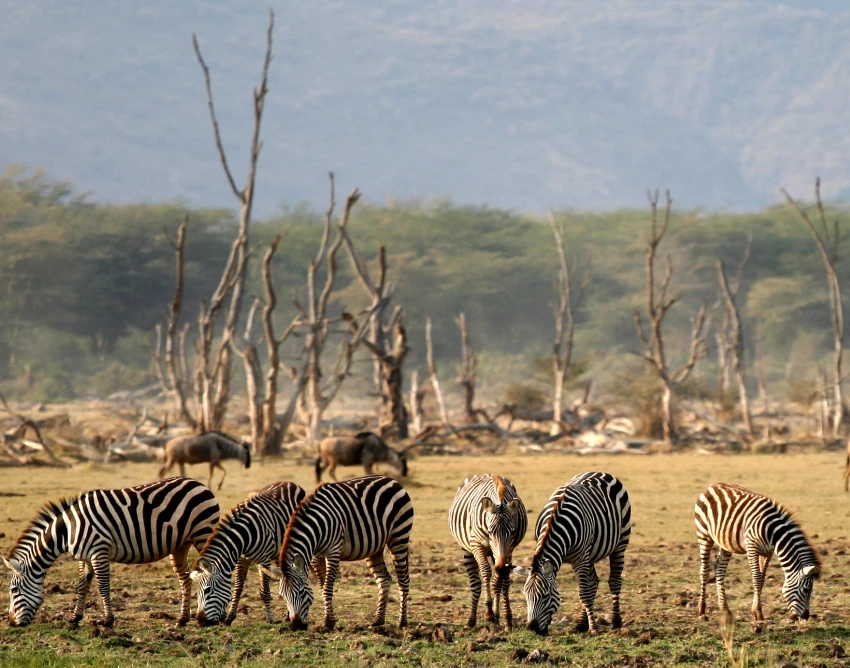
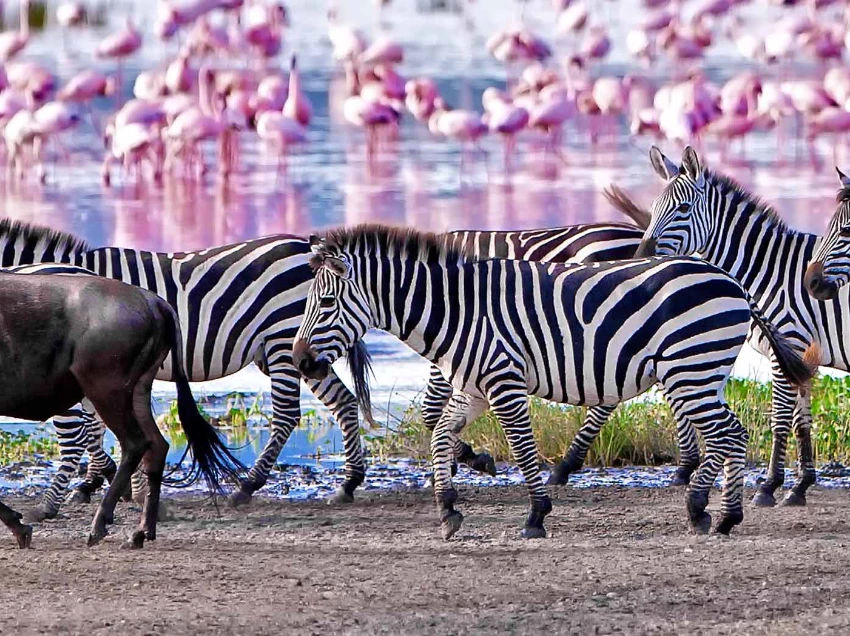
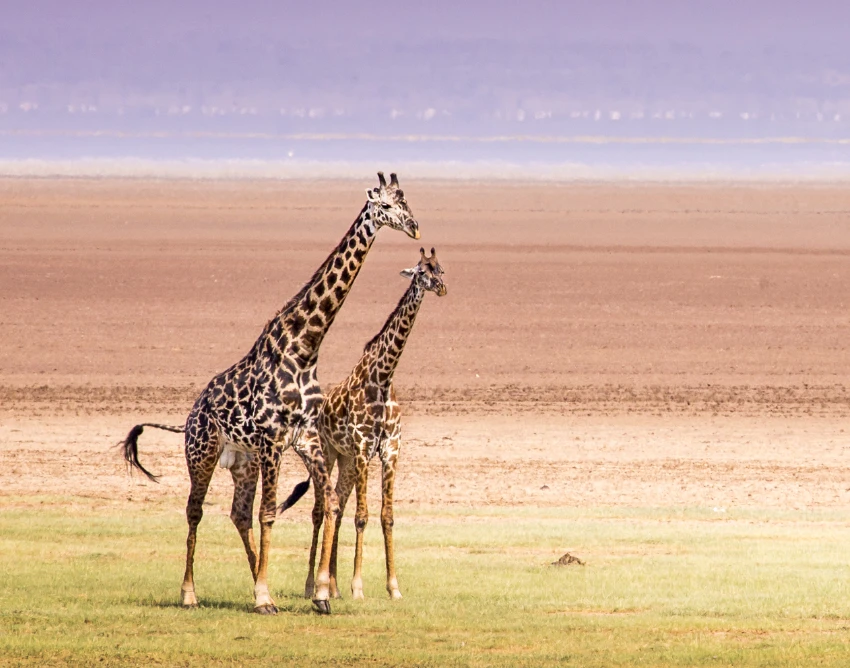
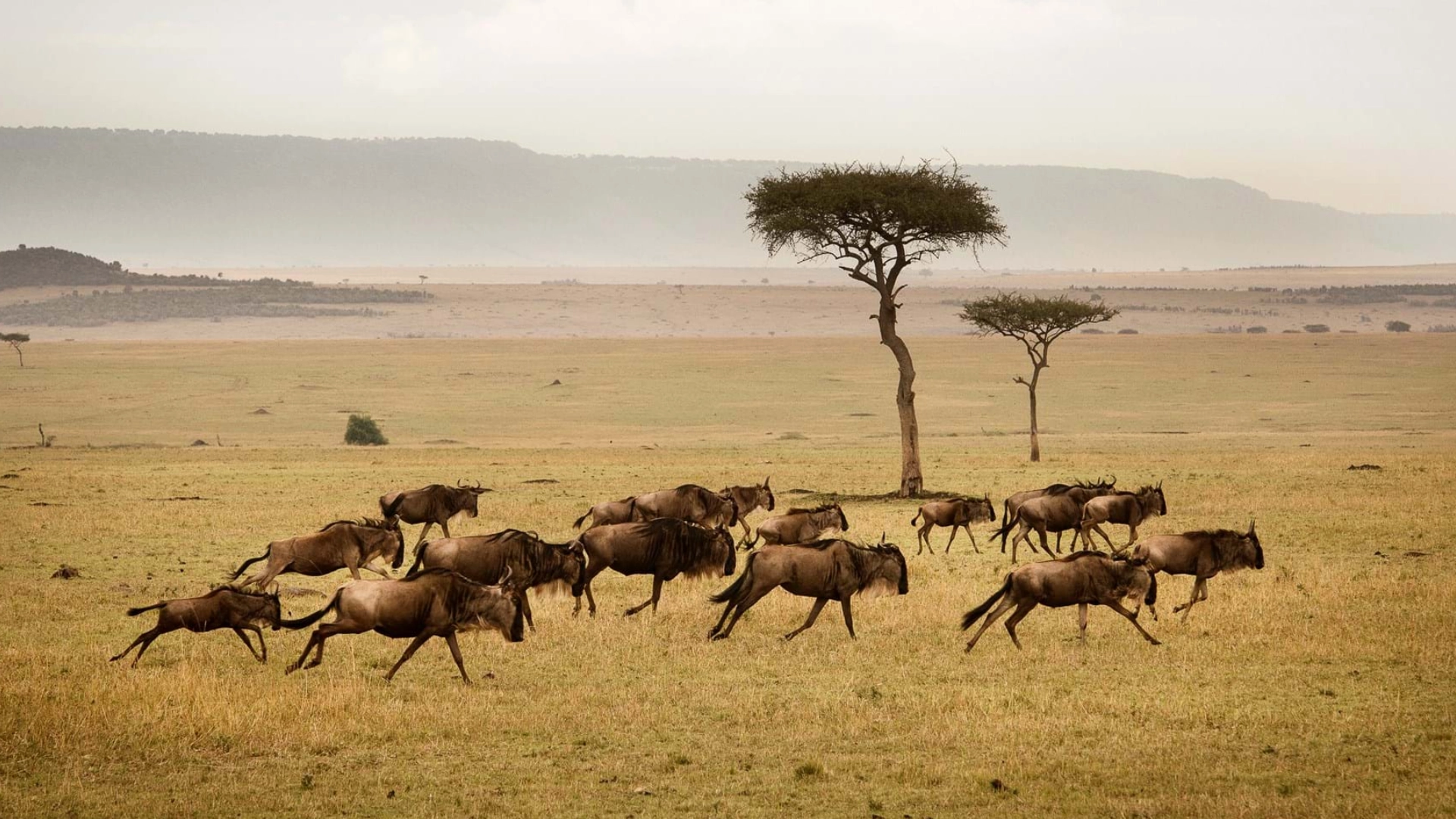
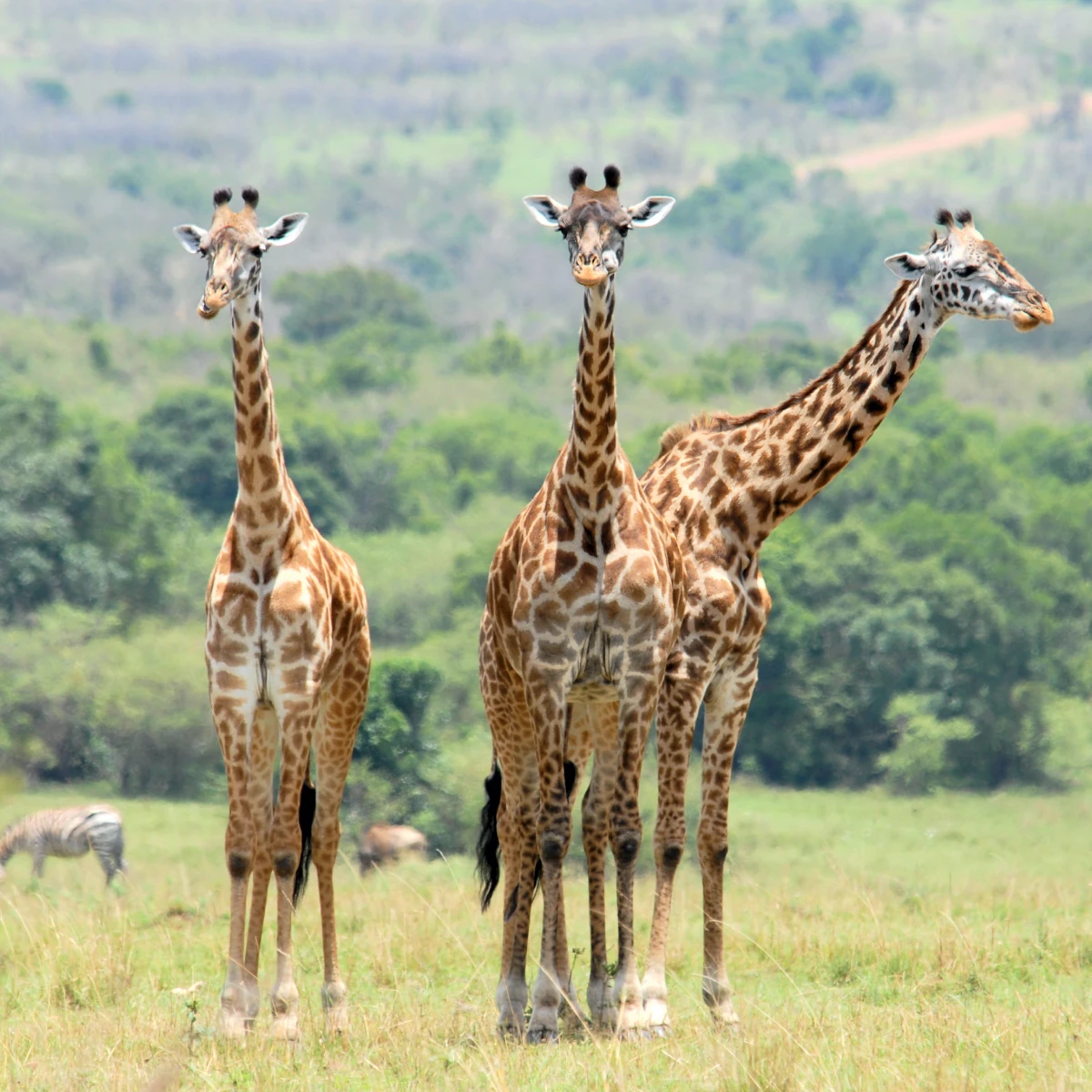
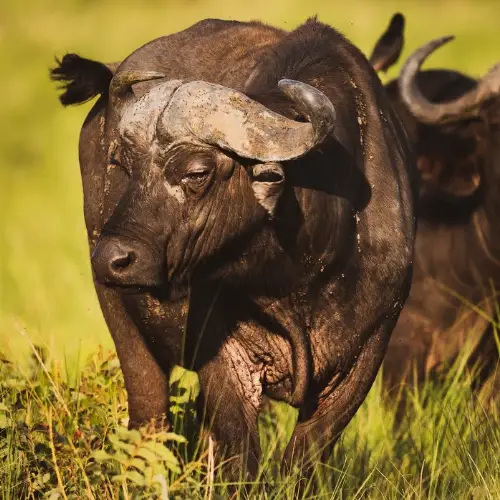
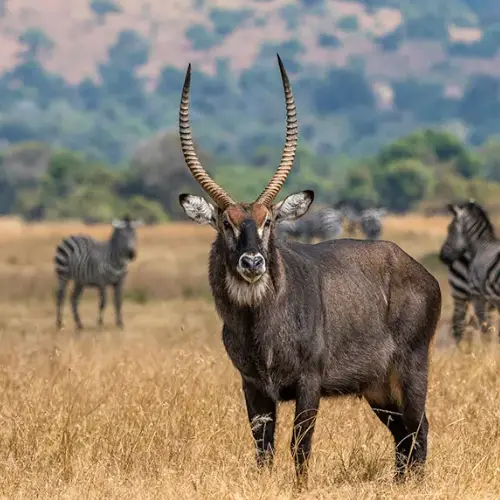
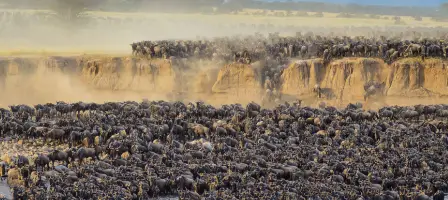
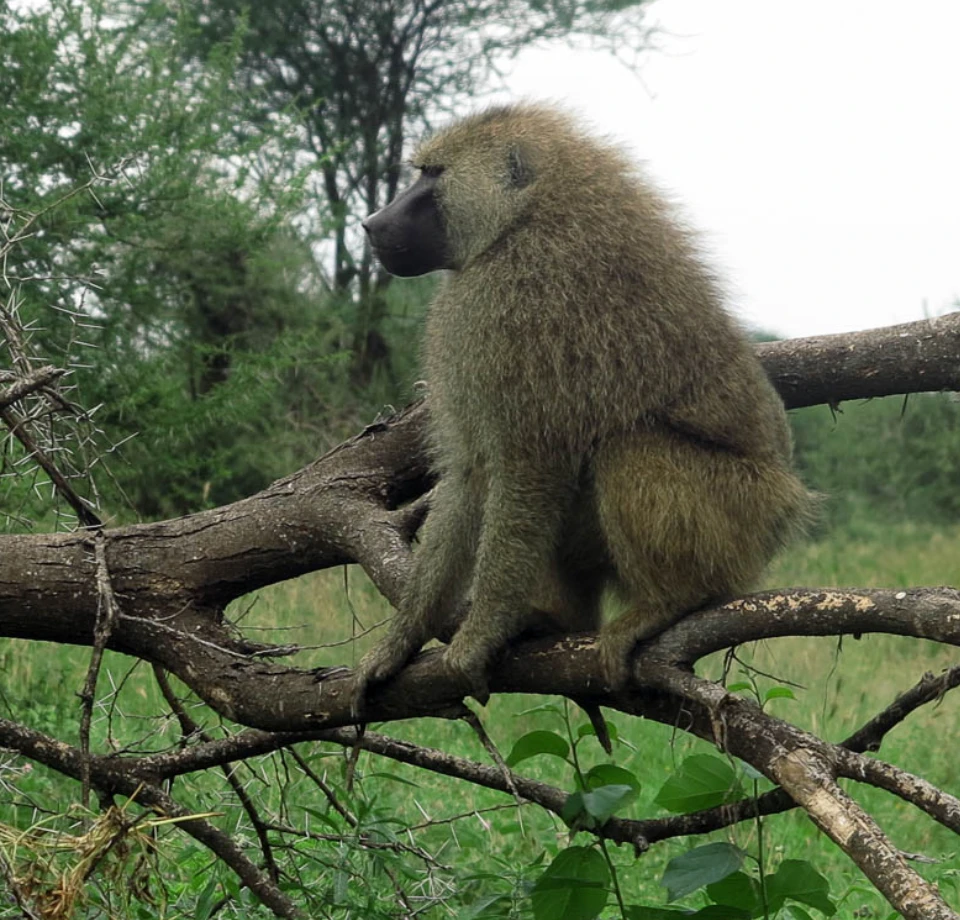
The park’s wildlife is a mix of big and busy. Elephant families feed through the forest edges, while baboon troops can stretch across the road like a moving crowd. Giraffes, buffalo and hippo are regular and lions are around, though not always visible. Birding is a highlight with pelicans, storks and often seasonal flamingos fueling a Lake Manyara Safari.

Warm Days & Cool Mornings

Warm Seasonal Climate

Manyara’s weather is pleasant, but the forest can feel humid after rain. The dry season, roughly June to October, brings clearer skies and easier driving. The wet season, November to May, turns greener and boosts birdlife; March and April are the wettest. Pack layers for early drives, plus a rain cover if you’re on Tanzania Safari Packages.

Hot Springs & Hippo Pools

Springs Forest Shore

The park’s attractions are memorable. The lake shore draws waterbirds and hippos gather where channels hold water. In the south, Maji Moto hot springs add a steamy feel. The groundwater forest is an attraction too—thick, green and full of sound. Escarpment viewpoints are worth stopping. These Lake Manyara National Park Facts help make the park stand out.

Easy Road Access

Easy Road Access

Lake Manyara is easy to reach by road from Arusha, about two hours, which makes it ideal as a first stop. Many routes overnight in Karatu, then continue to Ngorongoro. Fly-in options exist via nearby airstrips, but driving is common. Plan for park paperwork and the Lake Manyara National Park Entrance Fee at the gate on arrival.

When to Go to Lake Manyara

June–October is the easiest time for game viewing; January–February stays green and lively, making it a good fit for a Best Safari in Tanzania plan for families.

  • Best
  • Good
  • Mixed

January is green and comfortable. Birdlife is active and the forest feels cooler than you expect. Elephants remain a good bet and baboons are everywhere. Flamingos can appear when lake levels suit them. For a shorter Tanzania Safari Tour Packages itinerary, January gives variety without peak crowds and rushed driving.

February stays warm with clear mornings and good visibility on the open plains. Wildlife spreads out, but sightings remain steady, especially elephants and buffalo. Birding continues to shine along the shore. It’s a practical month to pair Manyara with Karatu or Ngorongoro without weather complications or heavy traffic most days.

March starts leaning into the long rains. Some afternoons bring showers and the forest can feel humid, but drives still work. The landscape turns green and bird activity lifts. Crowds drop and prices often soften, which helps a Tanzania Holiday Package feel better value if you can handle wet patches.

April is the wettest stretch. Expect muddy sections, slower driving and more clouds on the escarpment. Wildlife is still present, but it spreads wider and hides in thicker cover. The upside is quiet roads and lush scenery. If you enjoy birds and don’t mind rain, April can still be rewarding.

May begins to dry out, but the park stays green. Roads improve week by week and mornings feel crisp on the rim. Wildlife sightings pick up as grass lowers and birding stays strong. For a calmer Tanzania Safari Experience, May is a good compromise between weather comfort and lower crowds.

June marks the start of drier, clearer days. The forest is less humid, tracks firm up and visibility improves across the floodplains. Animals begin using water sources more predictably, so planning is easier. It’s a reliable month to combine Manyara with other northern parks without weather interruptions or slippery roads.

July is dry, with cool early mornings and bright afternoons. Wildlife viewing is steady and the open areas are easier to scan. Baboons and elephants remain consistent and birds stay active. It’s a time to slot Manyara into Tanzania Safari Tours, especially if you prefer clear roads and drive times.

August stays dry and busy. The park can see more vehicles, but it still feels calmer than its bigger neighbors. Visibility is high and animals tend to linger near shade and water. Photographers like clean light. Start early to enjoy quieter tracks, then break for lunch outside the hottest hours.

September remains dry, with slightly warmer afternoons. Manyara’s forest edge is productive for elephants, while the plains stay open for scanning. Crowds can be eased compared to August. This month suits travelers who want a varied Safari In Tanzania, stopping before heading to Karatu or continuing toward the crater, most weeks.

October is warm and dry and the afternoon heat can push animals toward shade. Early mornings are the best window for movement. Birdlife remains good around the lake, though water levels shift. The park feels less crowded toward the end of the month, making drives relaxed and easier to pace.

November brings short rains and fresh growth. The forest looks greener and birds become more active, including migrants. Wildlife spreads out, but you can still find elephants and buffalo with patient driving. Visitor numbers drop and rates may soften. For Safaris To Tanzania with flexibility, November gives space and atmosphere.

December is greener and busier around holidays. Rain comes in bursts, so some mornings start clear and change fast. Wildlife viewing stays worthwhile, especially in forest edges and open clearings. If you want specific lodges, book early. Manyara fits well as a first day before driving deeper into the circuit.

Lake Manyara Travel FAQs

Yes. It’s compact, close to Arusha and fits neatly into a half-day or full-day Safari Tour In Tanzania.

Elephants, baboons, giraffes, buffalo, hippos and many birds—those are the reliable Lake Manyara National Park Facts.

No. Lions live in the park, but tree sightings depend on timing, weather and luck during your Lake Manyara Safari.

Costs vary by residency and season; your operator confirms the latest Lake Manyara National Park Entrance Fee before travel.

Most guests sleep in Karatu or near the escarpment, with choices across budgets for Lake Manyara Accommodation.

Lake Manyara Safari Experiences

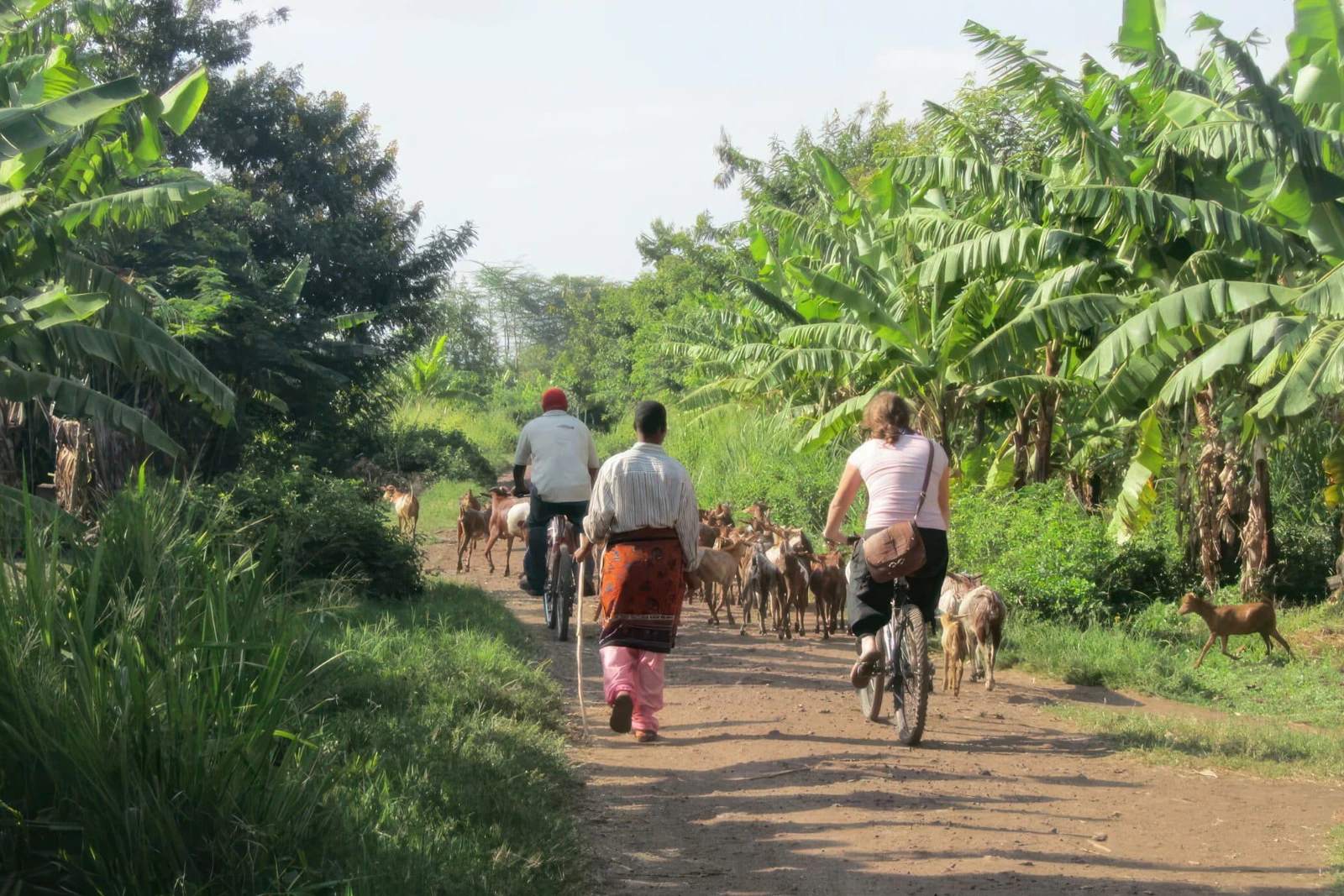
Lake Manyara works best with simple plans: one drive, a few stops and time to watch behavior. Morning and late afternoon game drives are most productive. Birding adds depth along the lake edge. Some trips add a picnic stop or a cultural visit nearby. In many of the best safari tours in Tanzania, Manyara is the short day that refreshes the circuit.

Talk to a Safari Specialist Today

and design your travel plans.

Call +254 723 619669

OR

Enquire Now
  • Lawrence

  • Margaret

  • Mugambi

Our Safari Experts

Safaris You Can Book

Browse all our safari options designed around realistic travel days, trusted guides, and comfortable stays across East Africa.

Experience the Spirit of Tanzania

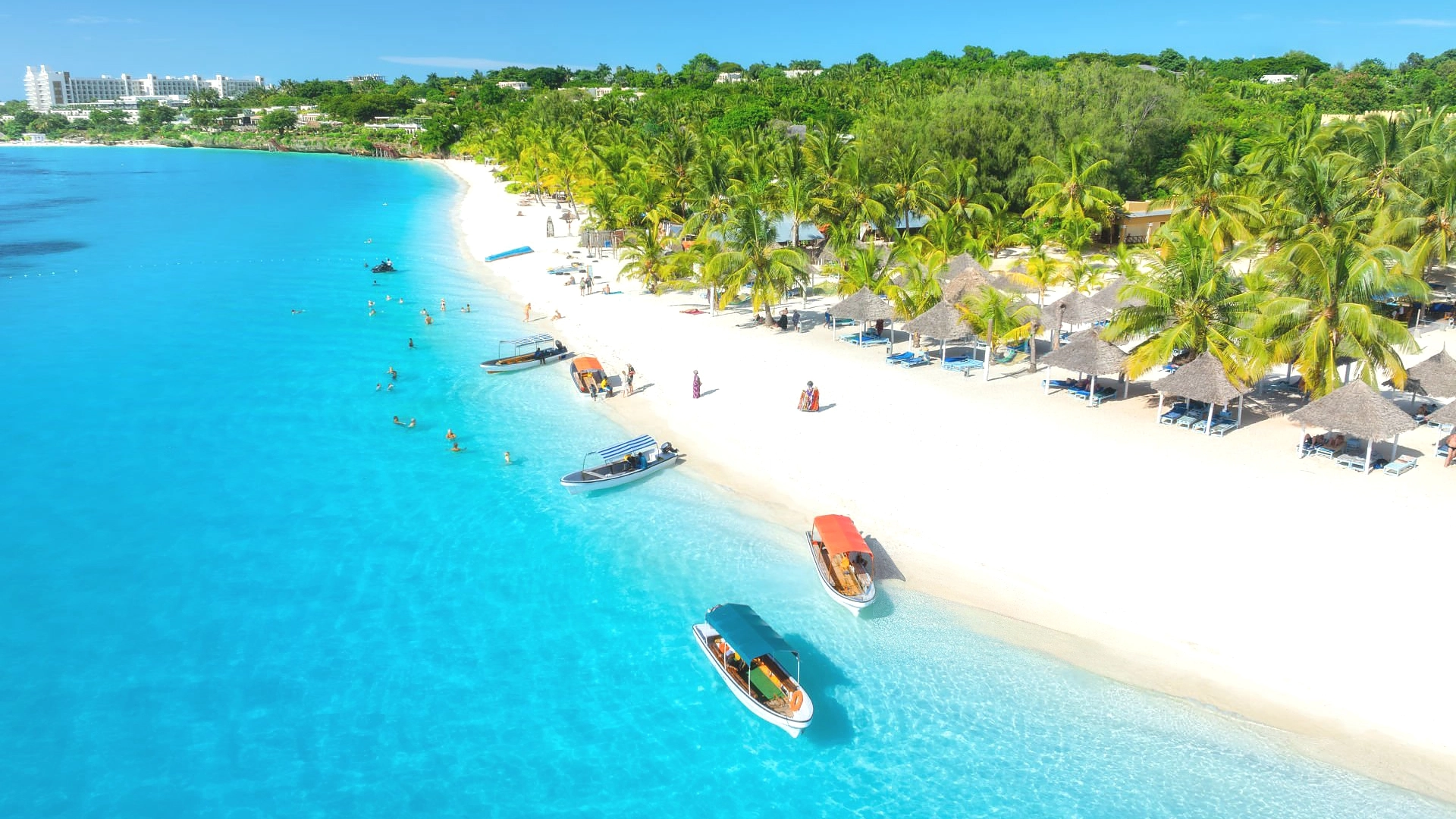
Journey through iconic parks, abundant wildlife, scenic mountains, and sunlit beaches throughout Tanzania unforgettable adventures.

Get Started On Your Trip

You can contact us anytime, and we’ll support your
planning from early ideas to final details.

Get in touch

What Travellers Say

Real feedback from guests who have traveled with SnowyTop Safaris LTD across East Africa.

Local Team Insight

Our guides and planners work in Kenya and nearby parks year-round. You get route advice that matches road conditions, seasons and lodge standards, not generic online suggestions for your dates.

Clear Trip Planning

We keep planning simple: quick replies, clear inclusions, and realistic drive times. If something won’t fit, we say so early and suggest a better option without pushing upgrades or extras.

Support Throughout Travel

From airport pickup to your last game drive, we stay reachable. You get help with permits, timing and small changes, so the trip keeps moving smoothly even when plans shift.