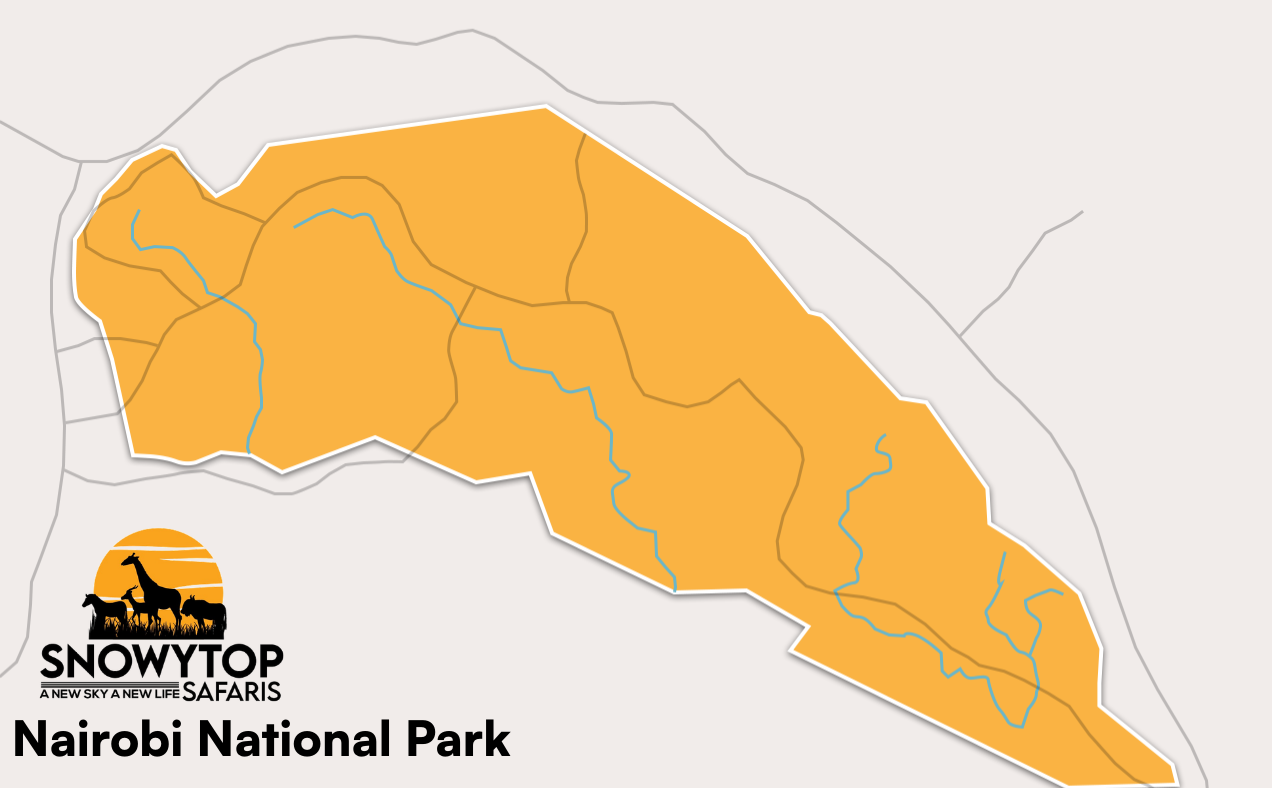






Nairobi National Park

Wildlife Beside the City

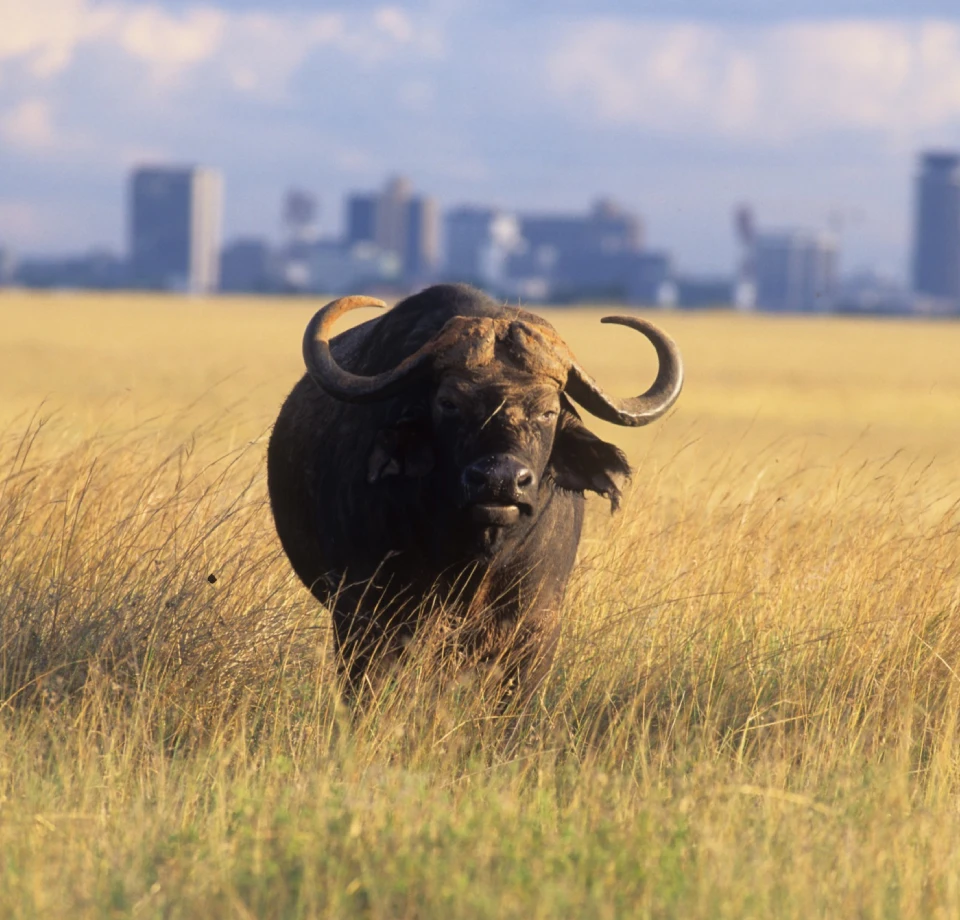
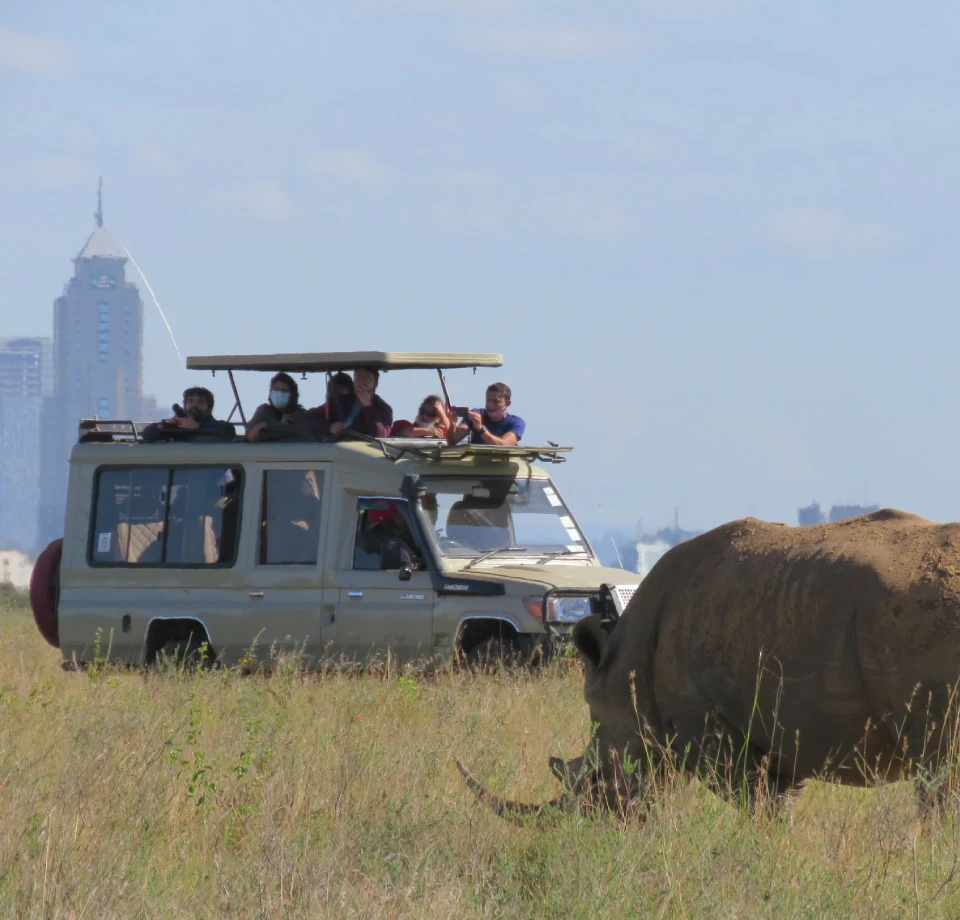
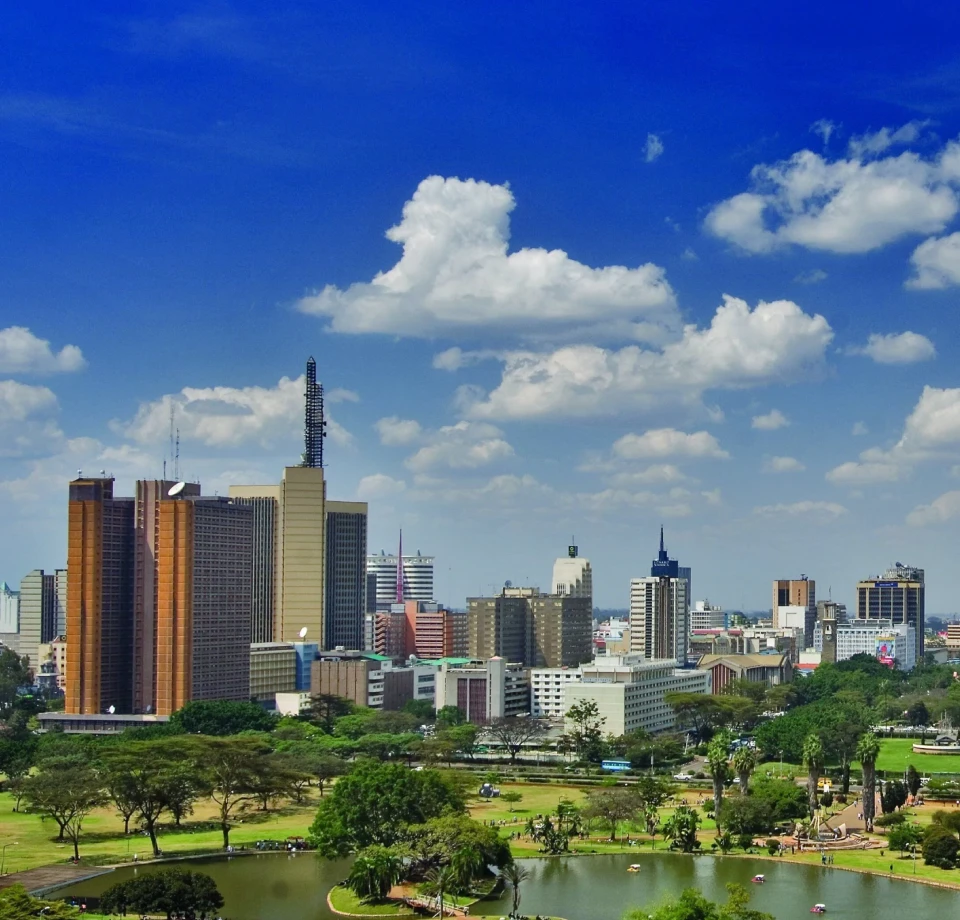
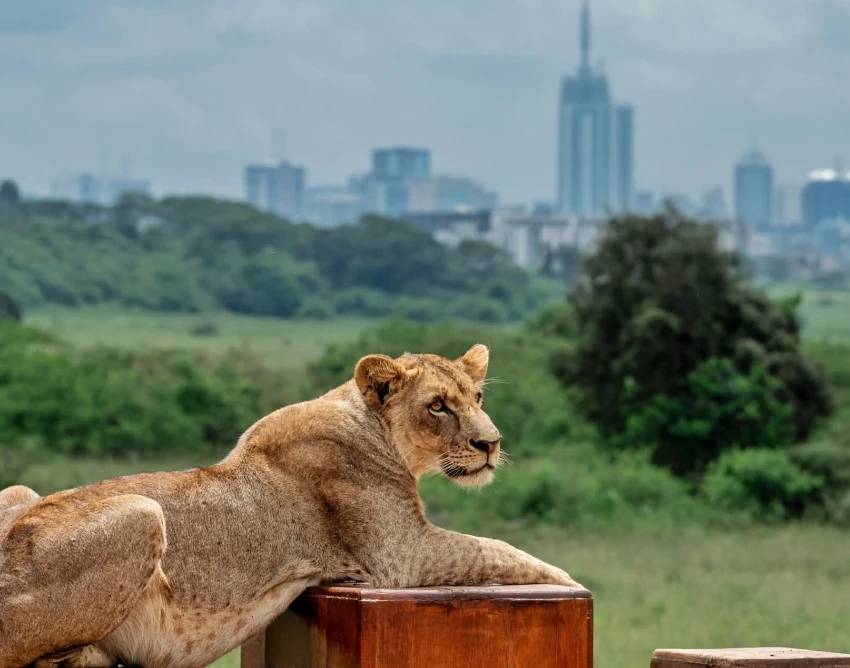
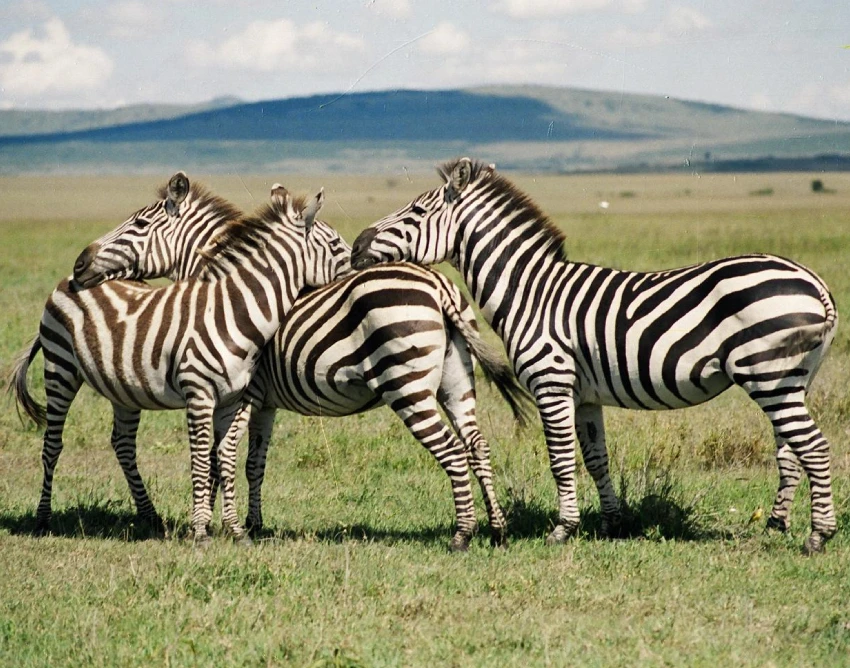
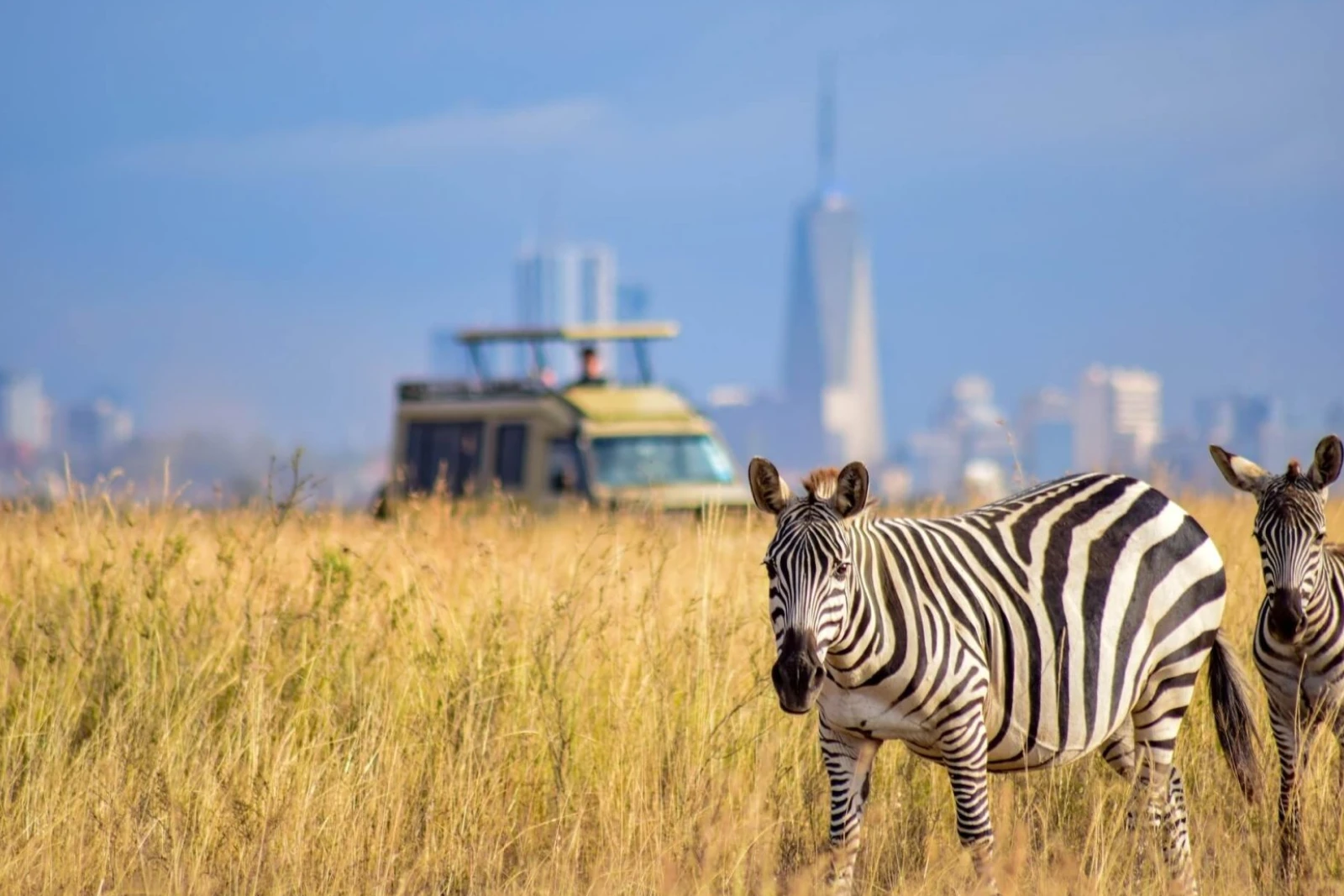
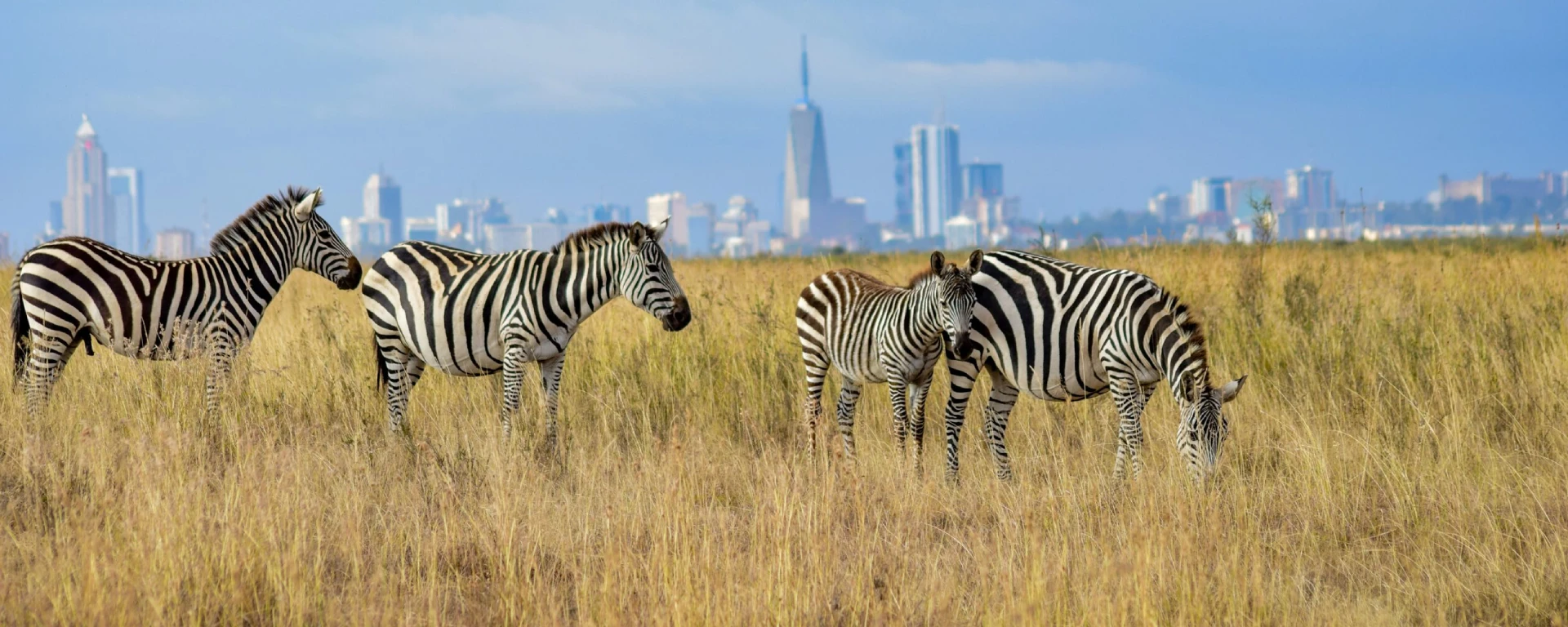
Nairobi National Park sits just south of the capital, so close that glass towers often appear behind grazing zebras. It’s a rare mix: real savannah, real predators and a city soundtrack in the distance. Many travellers use it as a first taste of Kenya safari tours, or as a last stop before flying out.

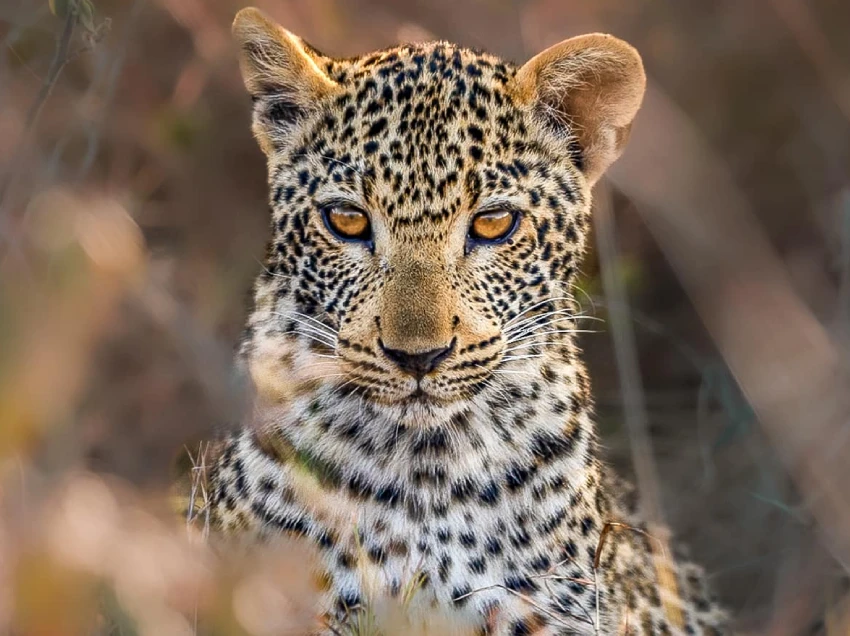
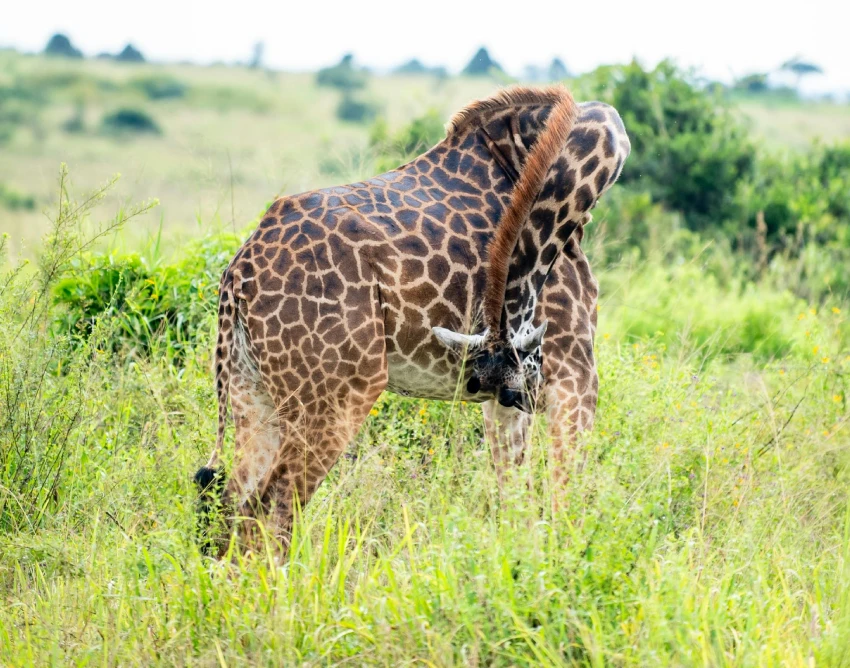
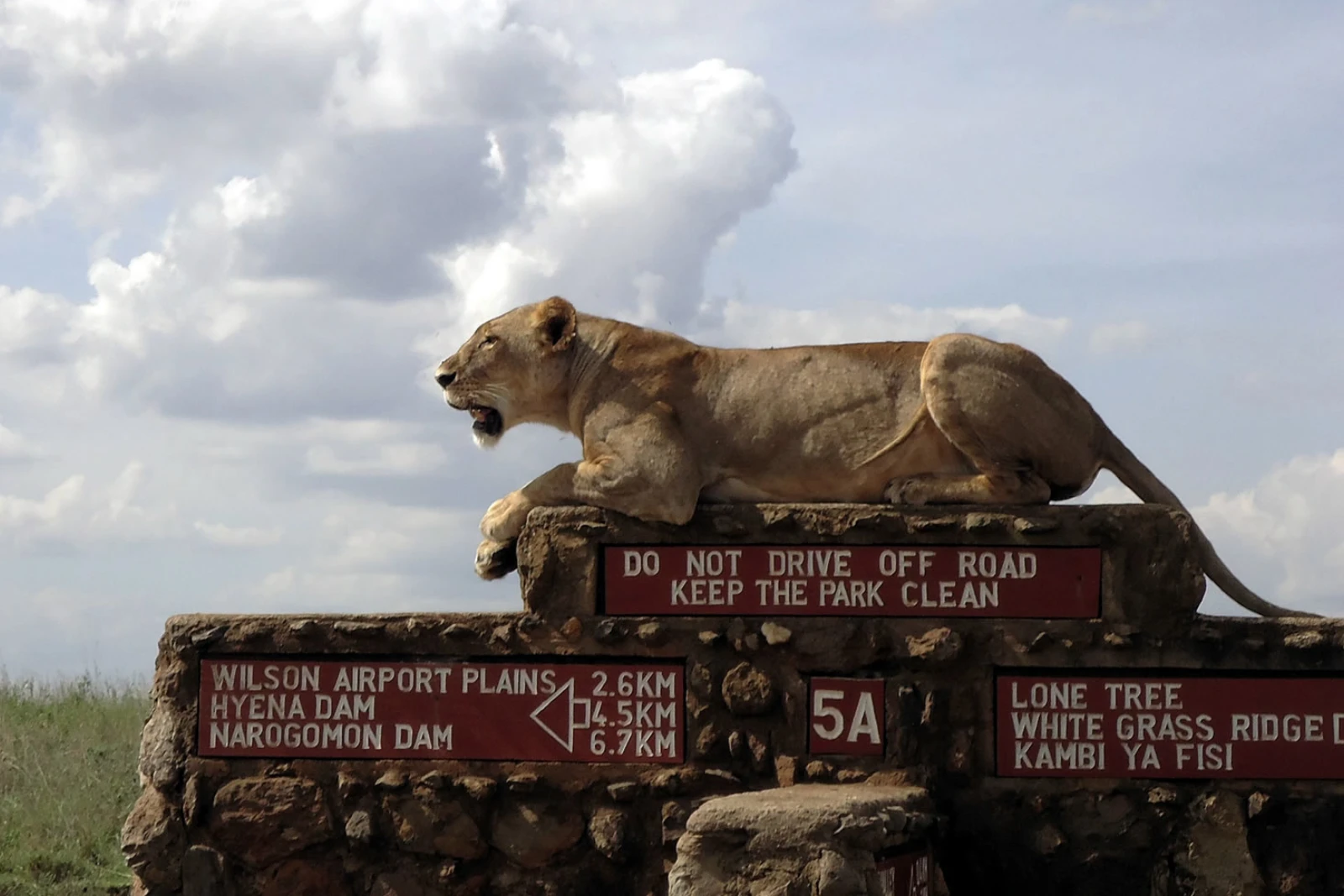
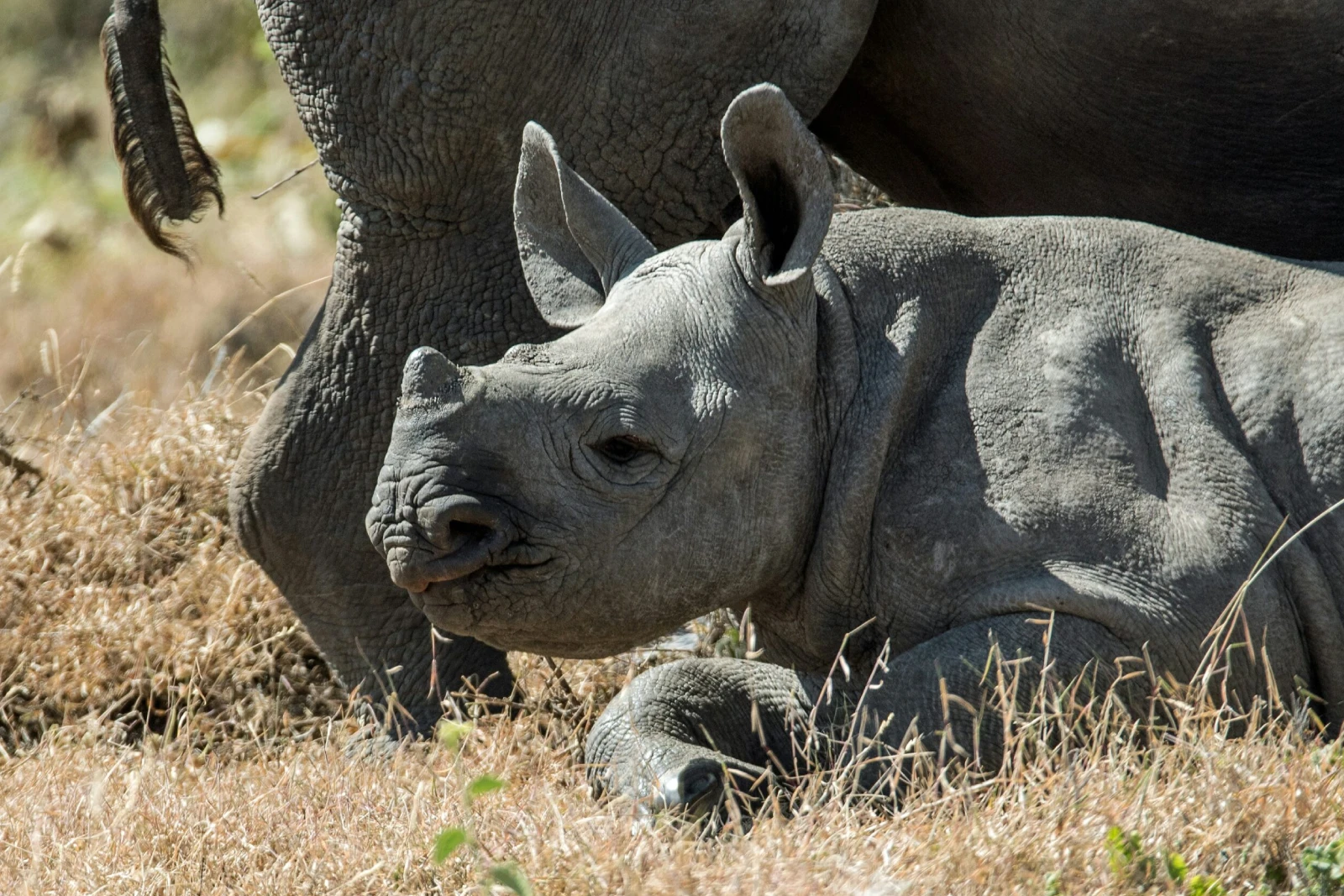
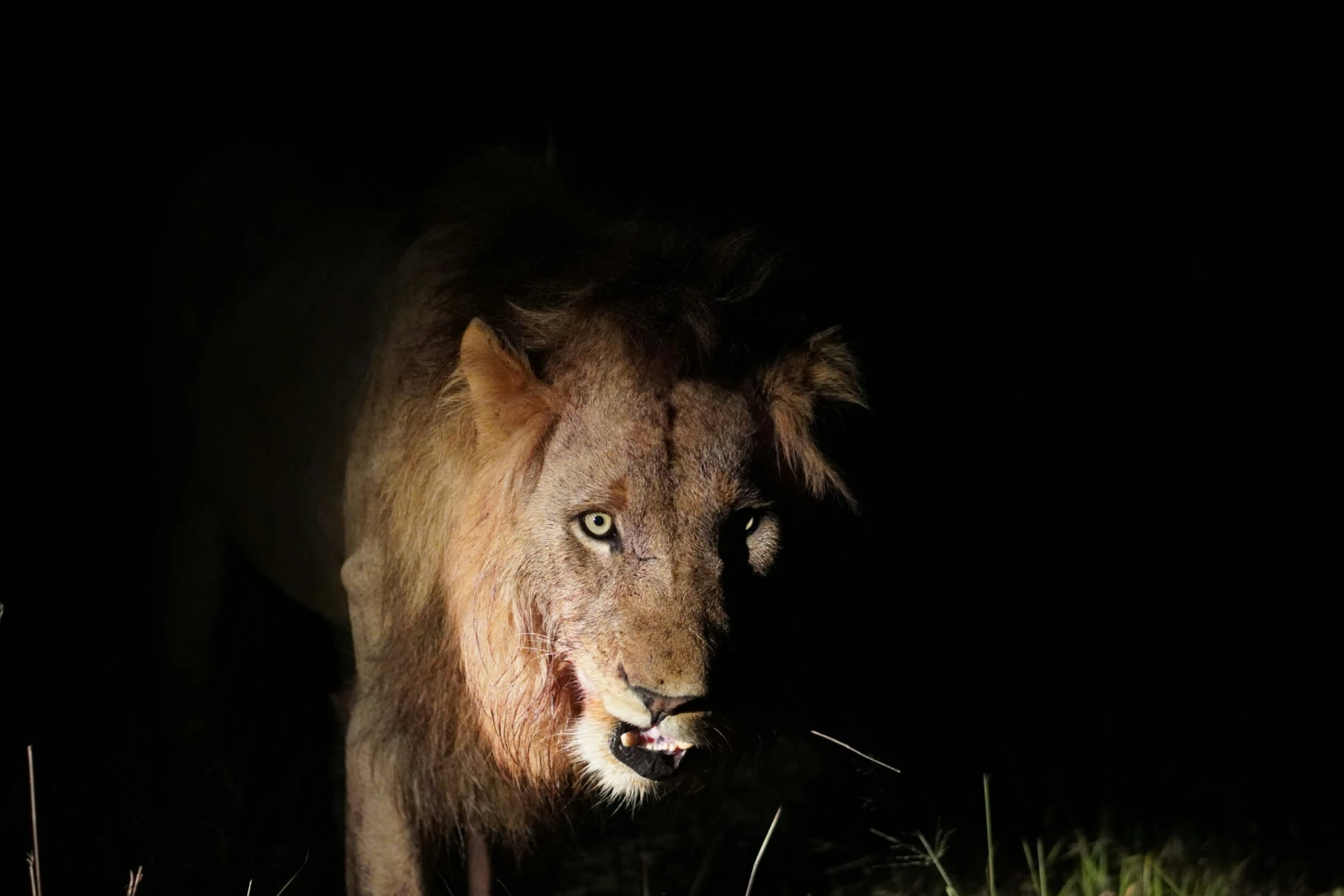
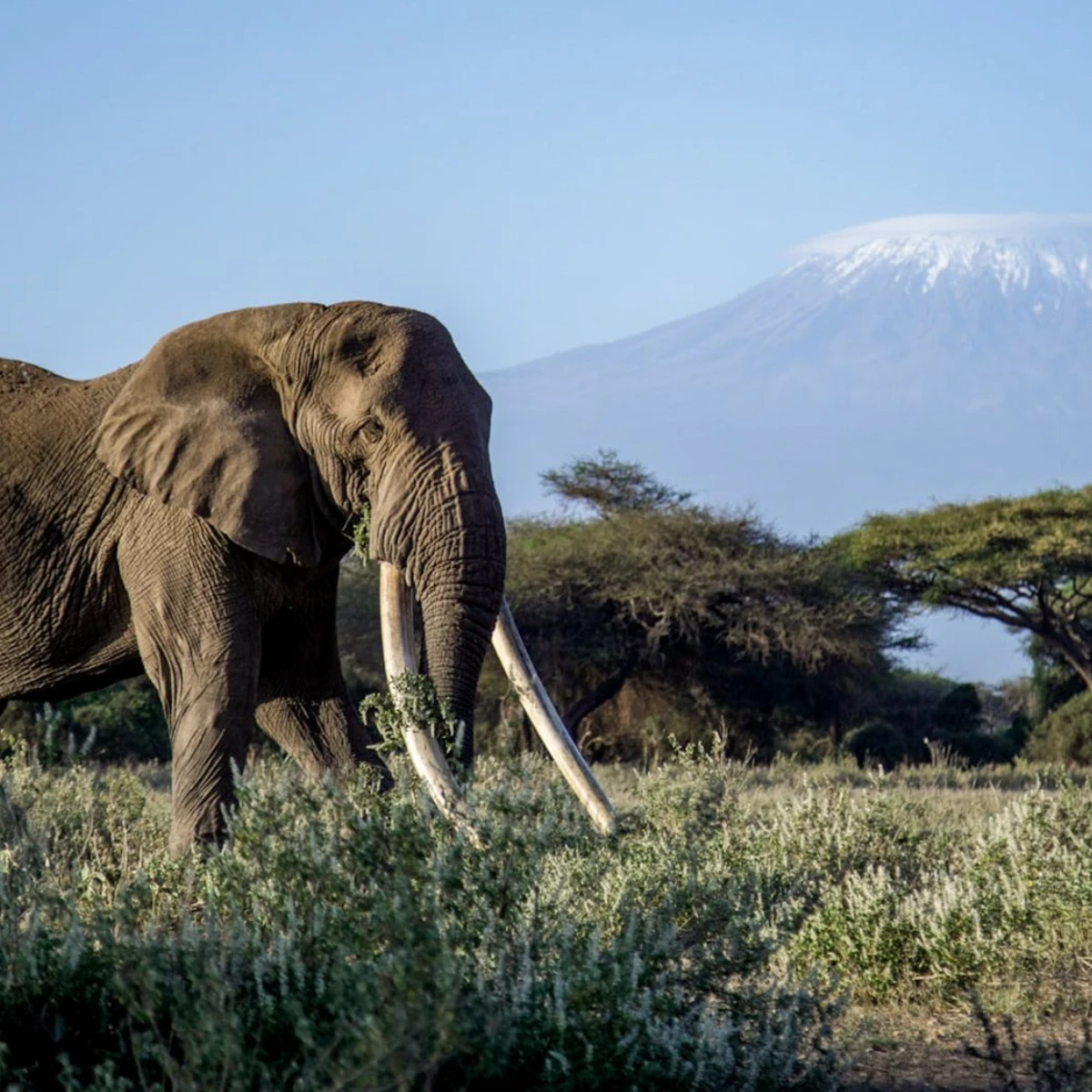
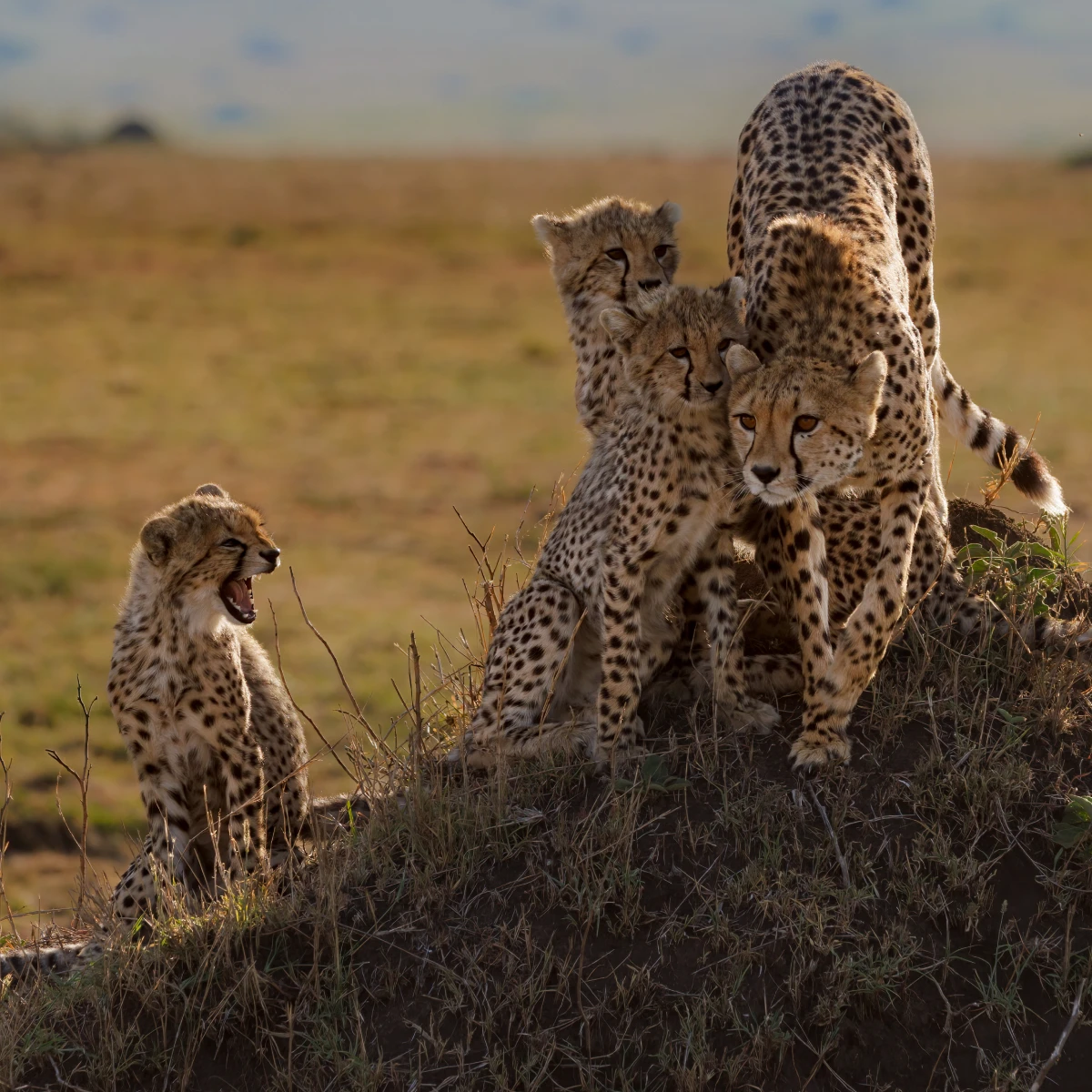
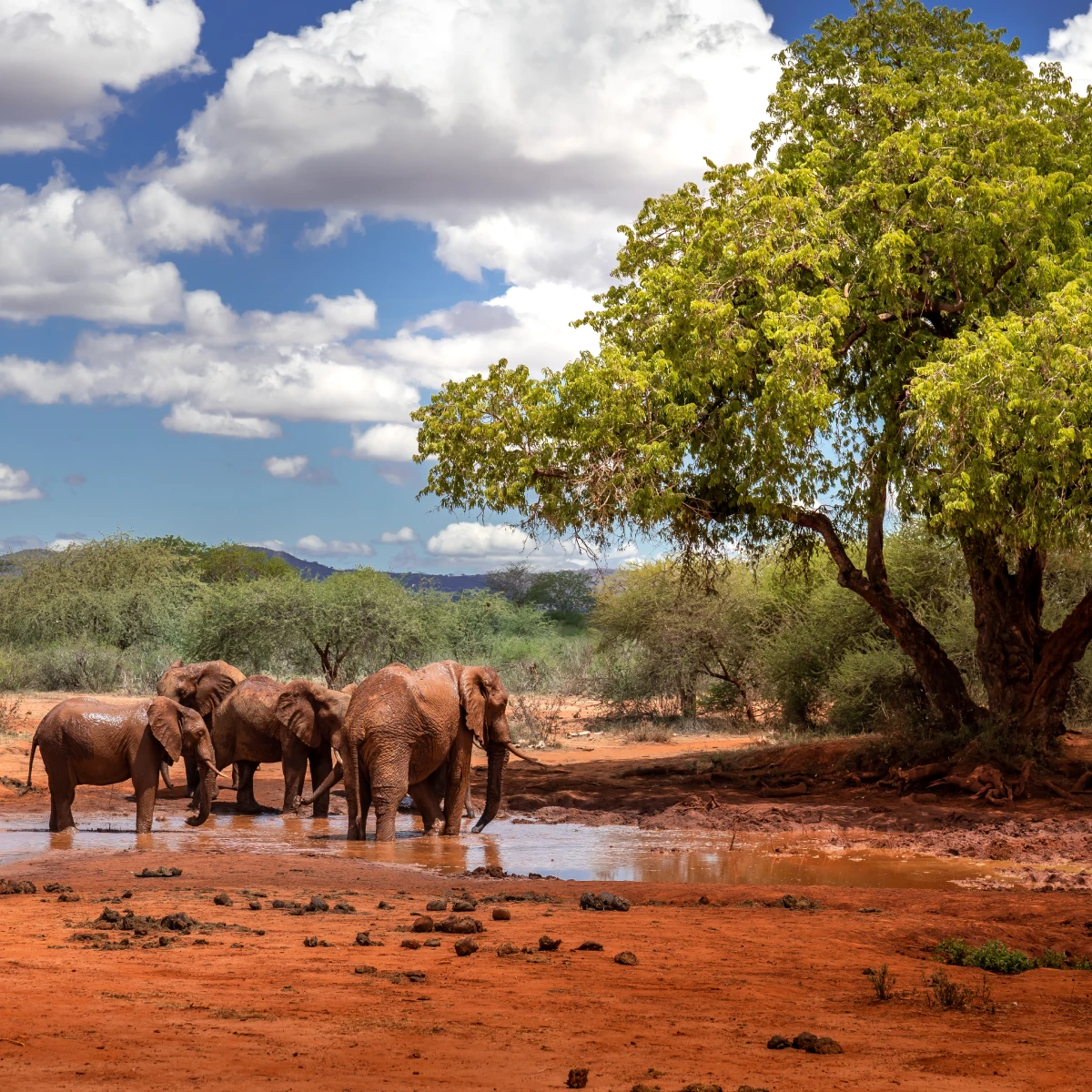
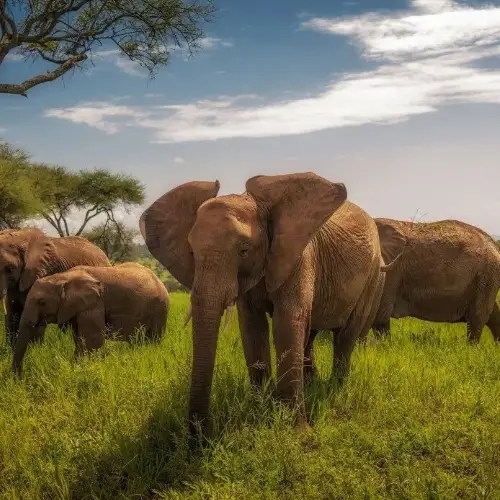
The park has open plains, riverine woodland, small dams and dry forest near the gates. Elephants aren’t here, but most other headline species are, including strong black and white rhino populations. Lions are regularly seen, while leopards and cheetah require patience and luck quite often.

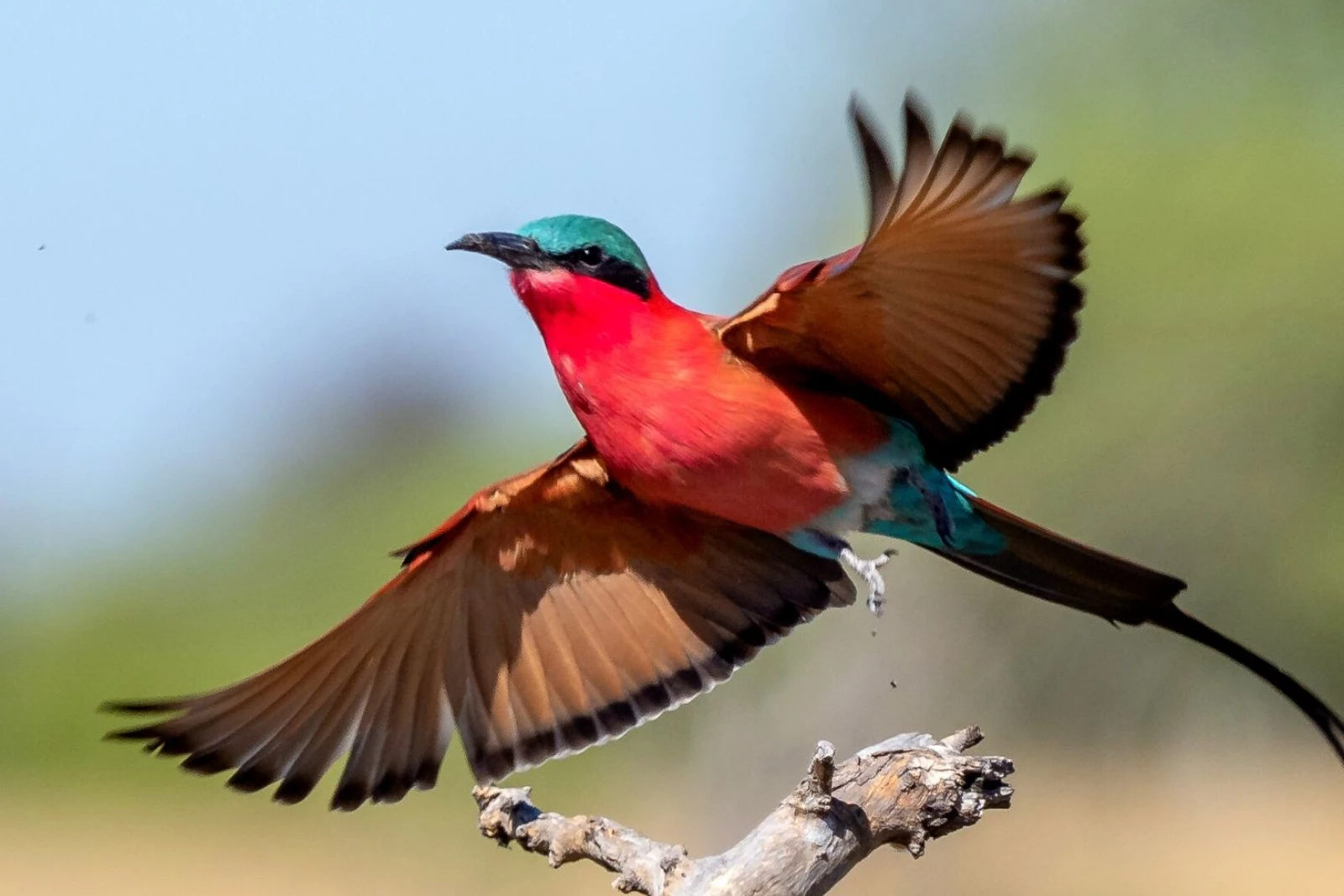
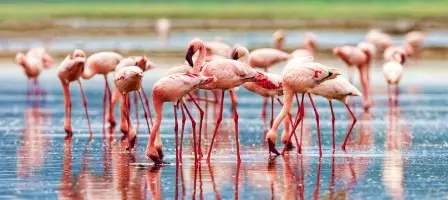
Because it’s compact and well-roads, a half-day drive can still feel busy with sightings and birds. More than 520 bird species have been recorded, which surprises visitors on short visits. If you’re building a Kenya travel itinerary, this is one of the easiest Kenya national parks to add without extra flights.

Get Started

Life-Enriching Travel

Designed Just for You

  • Trips curated by the world’s top destination experts
  • Concierge-level service leading up to and during your trip
  • Unique, exclusive experiences and insider access


500+ Verified Traveler Reviews

Snowytop Safaris LTD

Why visit
Nairobi National Park

Nairobi National Park is perfect when time is tight, but you still want a proper wildlife morning. It’s also a smart buffer day if international flights arrive late or onward drives start tomorrow. Guides can focus on rhino tracking, predator routes and seasonal bird spots, instead of covering huge distances. For families, it keeps travel light. For business travellers, it turns a free afternoon into a real Kenya wildlife safari moment. It pairs well with museums, markets and food stops.

Nairobi

Nairobi National Park at a Glance

Quick tabs cover landscapes, animals, weather, key sights and the simplest routes into the park.

Mixed Savanna Habitats

Mixed Savanna Habitats

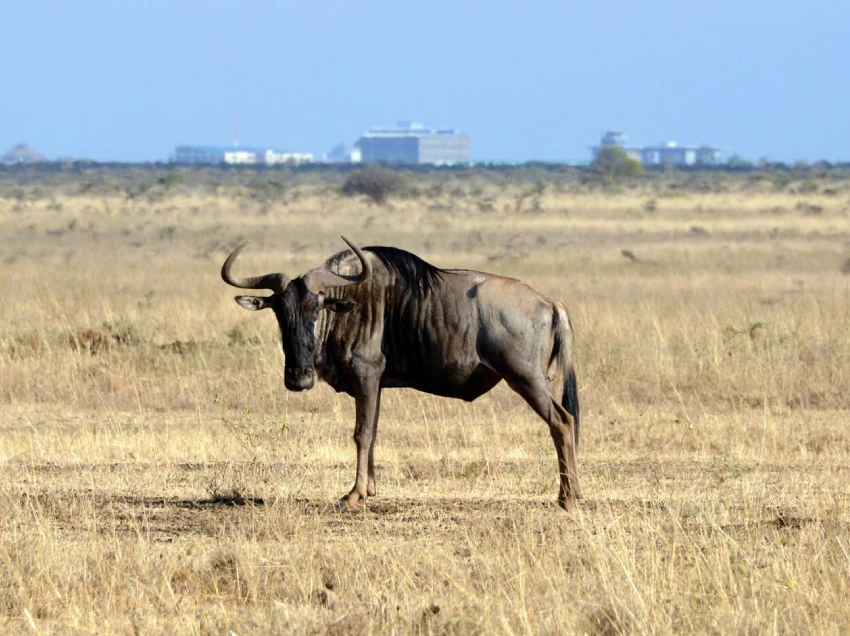
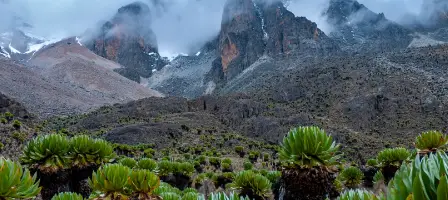
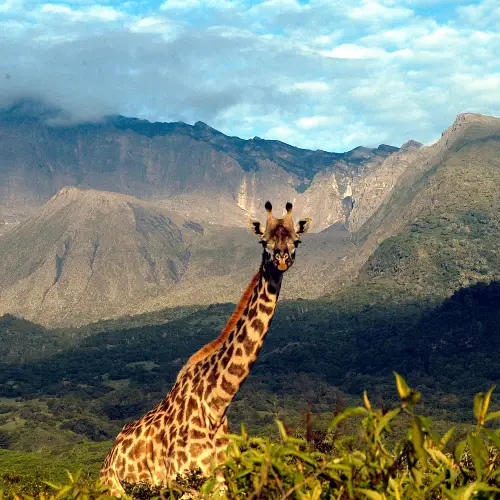
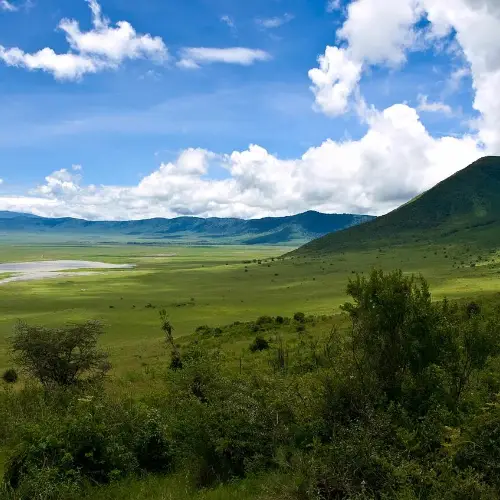
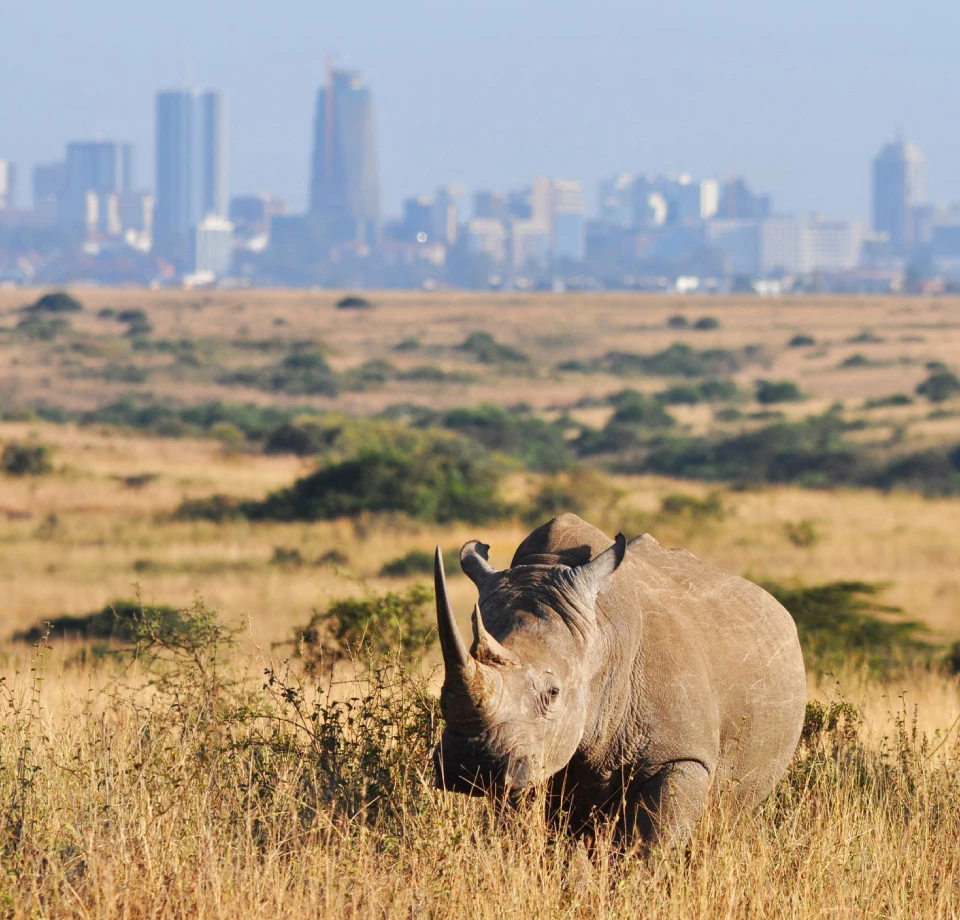
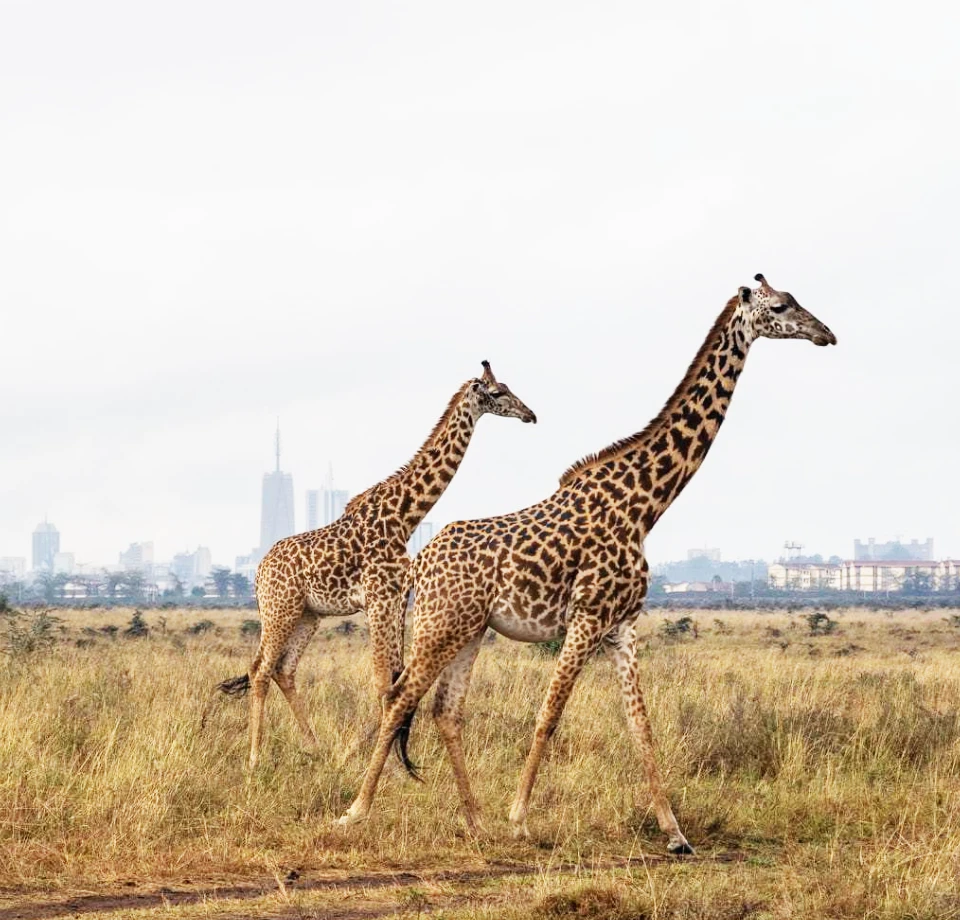
Nairobi National Park feels like a sampler of Kenya’s habitats: open grassland, pockets of acacia woodland and river edges. Near the entrance, the track drops through dry forest before the plains open wide. Hyena Dam and other waterholes draw animals and waterbirds. The skyline on the horizon looks odd at first, then becomes a photo bonus on clear mornings, especially.
Rhino Rich Park

Rhino Rich Park

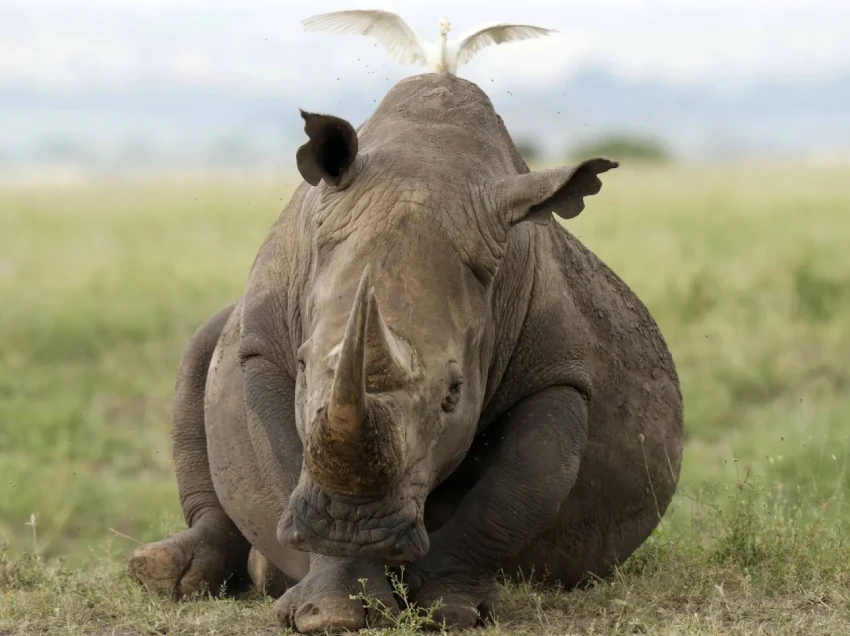
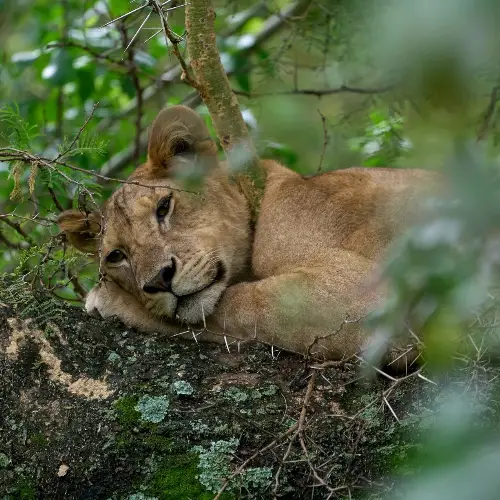
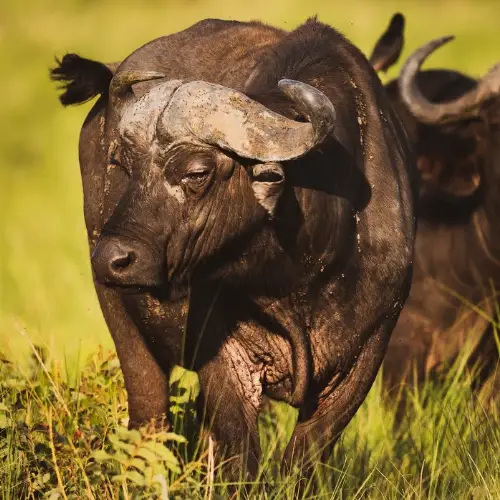
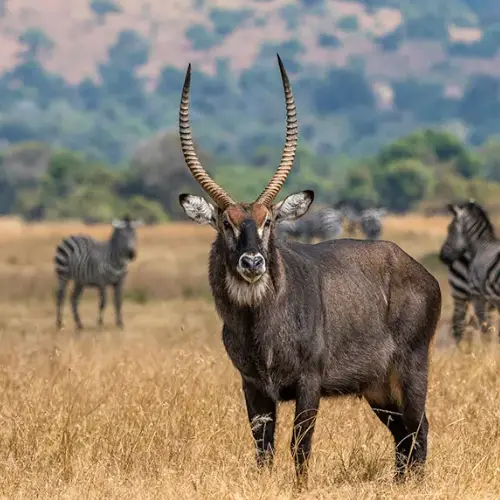
Elephants are missing, but the park still carries most of the Big Five, with rhino the headline. White rhinos often graze in open plains, while black rhinos hide in thicker cover. Lions are commonly seen; leopards are shy and cheetah sightings are rare. Antelope variety is excellent and birders can log 520+ species. That diversity makes Kenya's wildlife feel close.

Kenya Weather

Cool Highland Climate

Nairobi sits at a higher altitude, so evenings and early drives can feel cool even when days are sunny. The Dry season runs from June to October with little rain and good visibility. The Wet season has two rainy periods: March to May and November to December. Rains have become less predictable lately and some tracks can turn muddy after heavy storms.

Accessible Urban Safaris

Accessible Urban Safaris

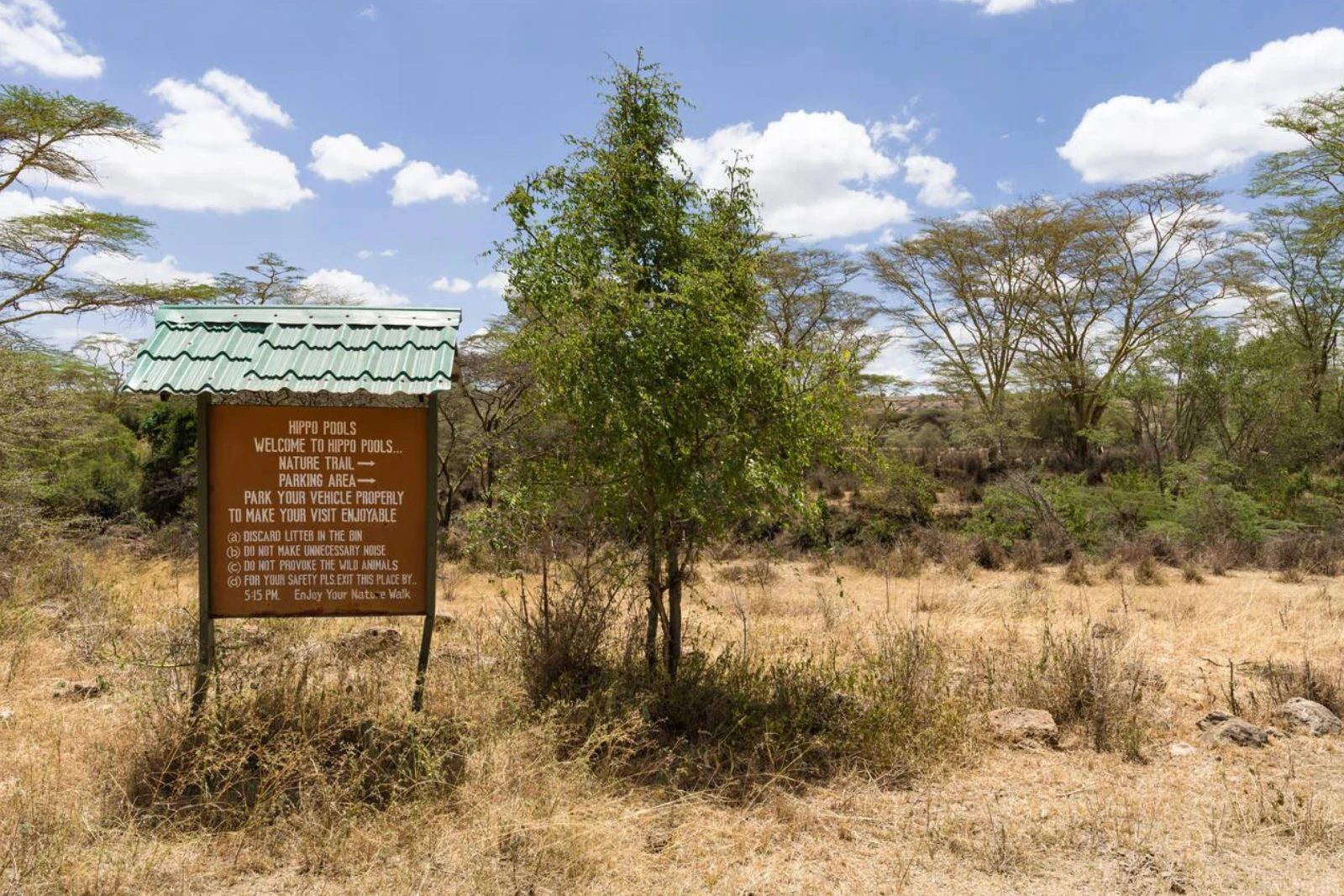
Most visitors come for guided game drives, usually half-day or full day, with stops at approved picnic sites. Self-driving is possible if you have your own vehicle, but you must stay inside except at designated areas. The guided Hippo Pool Trail is a safe place to walk. Some operators offer night drives with dinner through Kenya guided tours nearby.

Nairobi National Park

City Edge Access

Nairobi National Park is about 9km south of downtown Nairobi, so most visits start from a city hotel. International flights arrive at Jomo Kenyatta International Airport (NBO), roughly 15km from the centre. Many travellers book a driver-guide pickup, which simplifies timing and permits. It’s an easy add-on to Kenya tour packages. Traffic can be heavy, so leave early for dawn.

When to Go to Nairobi National Park

Best wildlife viewing is June to October; greener months bring birds and babies, but tall grass can hide animals sometimes.

  • Best
  • Good
  • Mixed

January is usually warm and fairly dry. Roads are manageable and morning drives feel cool. Rhinos often feed in open areas, so sightings can be quick. Birding stays strong around dams. It fits well into Kenya travel guide plans for short city-based safaris. Add a picnic stop if time allows.

February stays mostly dry, with clear skies and good visibility across the plains. Lions are easier to track in the cooler hours, then they disappear into shade. Antelope numbers look healthy and giraffe sightings are common. For quick escapes, this month suits compact half-day drives. It’s popular with photographers too.

March shifts toward the long rains. Early weeks can still feel dry, but grasses start rising and animals spread out. You can still see rhino and buffalo, just with more searching. Pack a light rain layer. Many travellers pair a drive with Kenya cultural festivals in the city later on.

April is often the wettest month. Tracks can get slick and some areas turn muddy, so drives may stay on firmer routes. The upside is clean air, greener views and excellent bird movement after showers. If wildlife feels harder to spot, mix your day with indoor Kenya adventure activities planning.

May usually starts damp and then eases. As rains taper, animals begin using clearer paths again, and visibility improves week by week. It’s quieter in the park, which helps you linger at sightings without vehicle crowds. Bring warm layers for early mornings; nights can feel surprisingly cold in the city.

June marks the start of the main dry season. Grass shortens, water points matter more and tracking becomes easier. Rhino sightings improve and lions show up more often near open areas. Temperatures are pleasant, but dawn drives are chilly. This is a strong month to compare Kenya safari packages online.

July is dry and busy. Wildlife gathers around remaining water, so game drives are productive in a short window. White rhino grazing on plains are easy to see and lion sightings remain likely. Because it’s peak travel time, book early, especially if your trip continues to Kenya safari lodges upcountry.

August keeps the dry-season rhythm, with mornings that start cool. Visibility stays high and antelope herds are easier to scan across the grass. Birding is steady, though migratory peaks come later. For many travellers, this park is one of the Best places to visit in Kenya near a city today.

September is still dry, but the park feels less crowded than mid-year. Wildlife viewing remains reliable, especially around dams and open plains. It’s a good month for relaxed pacing: longer stops, more patience for leopard tracks and quieter birdwatching sessions. Pack a fleece for dawn; the air stays crisp outside.

October closes the dry season. Game drives still work well, but you may feel the heat build toward midday. Early mornings remain best for predators and rhino grazing continues on open grass. If you’re planning routes across Kenya national parks, this month is a time to Book Kenya safari dates.

November brings the short rains, usually as afternoon showers. The park turns greener and the roads calm. Wildlife is still present, but animals can be harder to pick out in taller grass. Birding improves with migrants returning. It’s practical if you want city time plus a stay at Kenya beach resorts.

December mixes warm days with scattered rain. When showers ease, the light is good and the city skyline looks sharp from the plains. Roads can be patchy after storms, so a guide helps. It’s a festive month in Nairobi, so expect visitors. This works well for short Kenya family vacations.

Nairobi Travel FAQs

Almost. Elephants aren’t present, but rhino and lion sightings are strong for Kenya wildlife safaris.

Half-day works surprisingly well, but full-day gives calmer pacing and better photos—great for Kenya safari tours.

Yes, if you have a suitable vehicle and follow the rules strictly, many still prefer a guide for smoother Kenya guided tours.

Wild animals in real savannah, with skyscrapers on the horizon—one of the most unusual Kenya tourist attractions.

Add Nairobi city stops, then continue to bigger reserves using Kenya travel itineraries that match your time.

Nairobi Safari Experiences

Nairobi National Park is best enjoyed in short, well-planned blocks. A sunrise drive can deliver rhino, buffalo, giraffe, and sometimes lions before the city wakes up. If you have more time, stretch it into a full day with picnic breaks and birding around the dams. For first-timers, Kenya safari tours here feel simple and efficient. Guides know the roads well.

Talk to a Safari Specialist Today

and design your travel plans.

Call +254 723 619669

OR

Enquire Now
  • Lawrence

  • Margaret

  • Mugambi

Our Safari Experts

Safaris You Can Book

Browse all our safari options designed around realistic travel days, trusted guides, and comfortable stays across East Africa.

Explore Iconic Kenya

Witness abundant wildlife, diverse scenery, cultural heritage, and warm hospitality throughout remarkable Kenya.

Get Started On Your Trip

You can contact us anytime, and we’ll support your
planning from early ideas to final details.

Get in touch

What Travellers Say

Real feedback from guests who have traveled with SnowyTop Safaris LTD across East Africa.

Local Team Insight

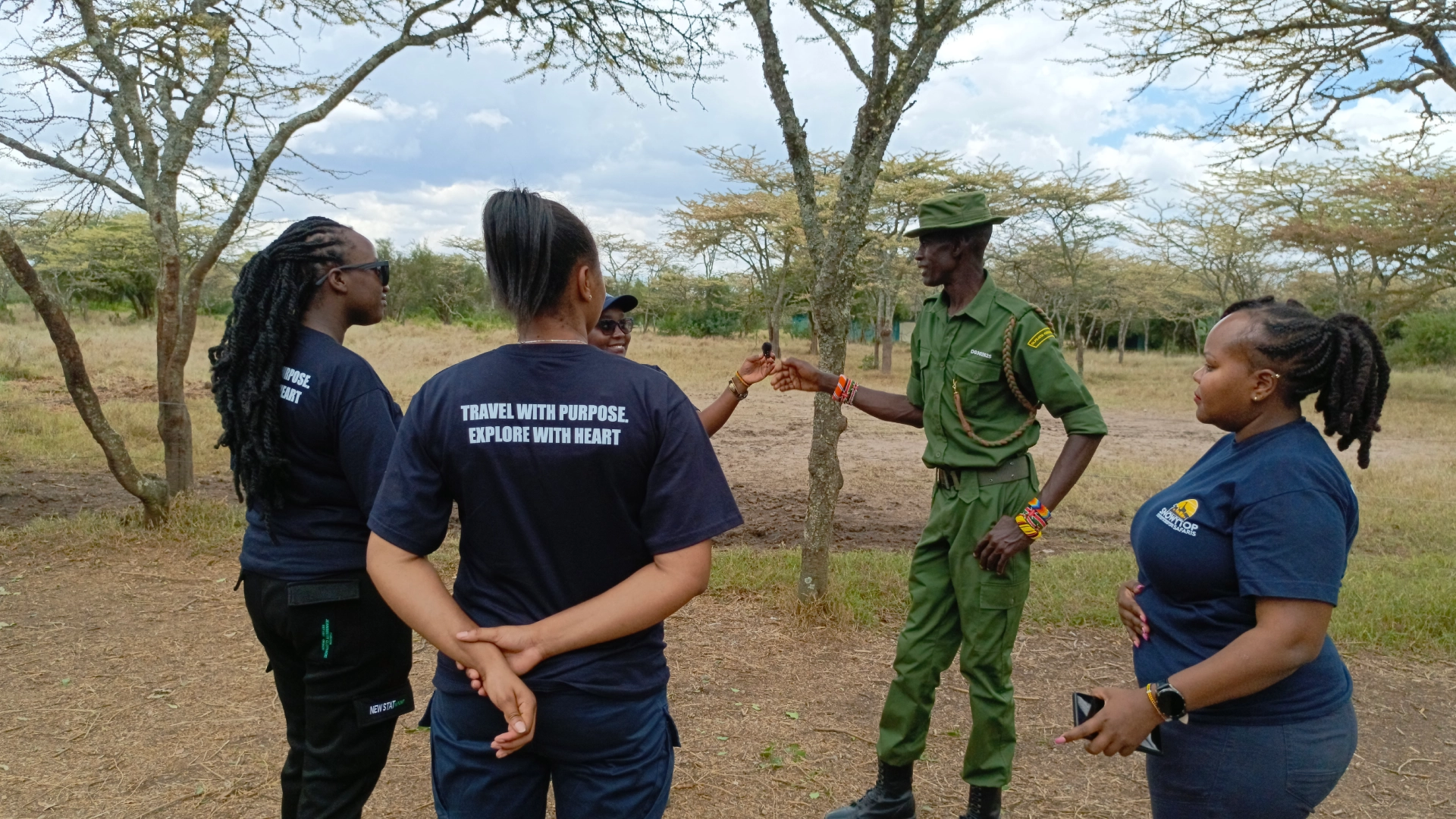
Our guides and planners work in Kenya and nearby parks year-round. You get route advice that matches road conditions, seasons and lodge standards, not generic online suggestions for your dates.

Clear Trip Planning

We keep planning simple: quick replies, clear inclusions, and realistic drive times. If something won’t fit, we say so early and suggest a better option without pushing upgrades or extras.

Support Throughout Travel

From airport pickup to your last game drive, we stay reachable. You get help with permits, timing and small changes, so the trip keeps moving smoothly even when plans shift.