


Kidepo Valley National Park

Remote Valleys with Big Sky

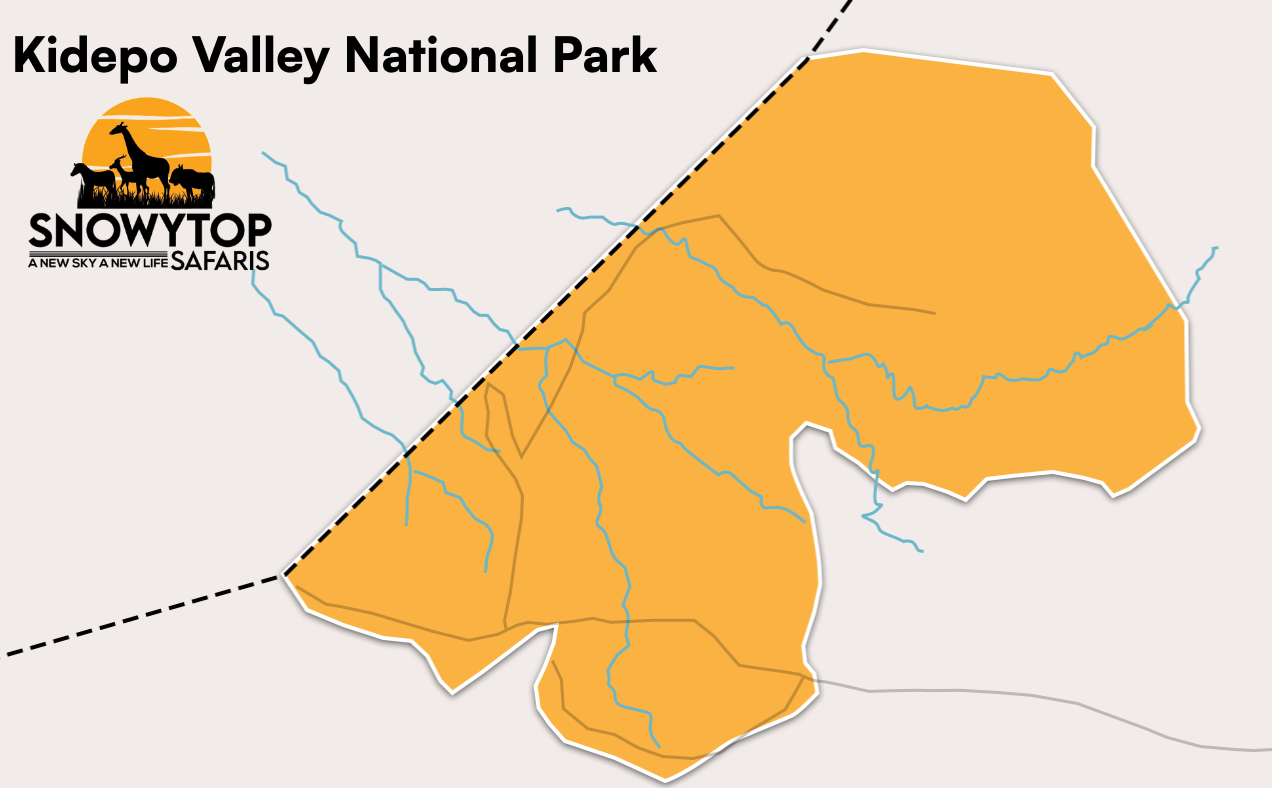
Kidepo sits in Uganda’s far northeast, close to South Sudan, and it feels properly remote. The drive in is long, the sky looks bigger, and you notice how few vehicles are around. If you want a park that doesn’t feel rehearsed, this is it for Uganda safaris.

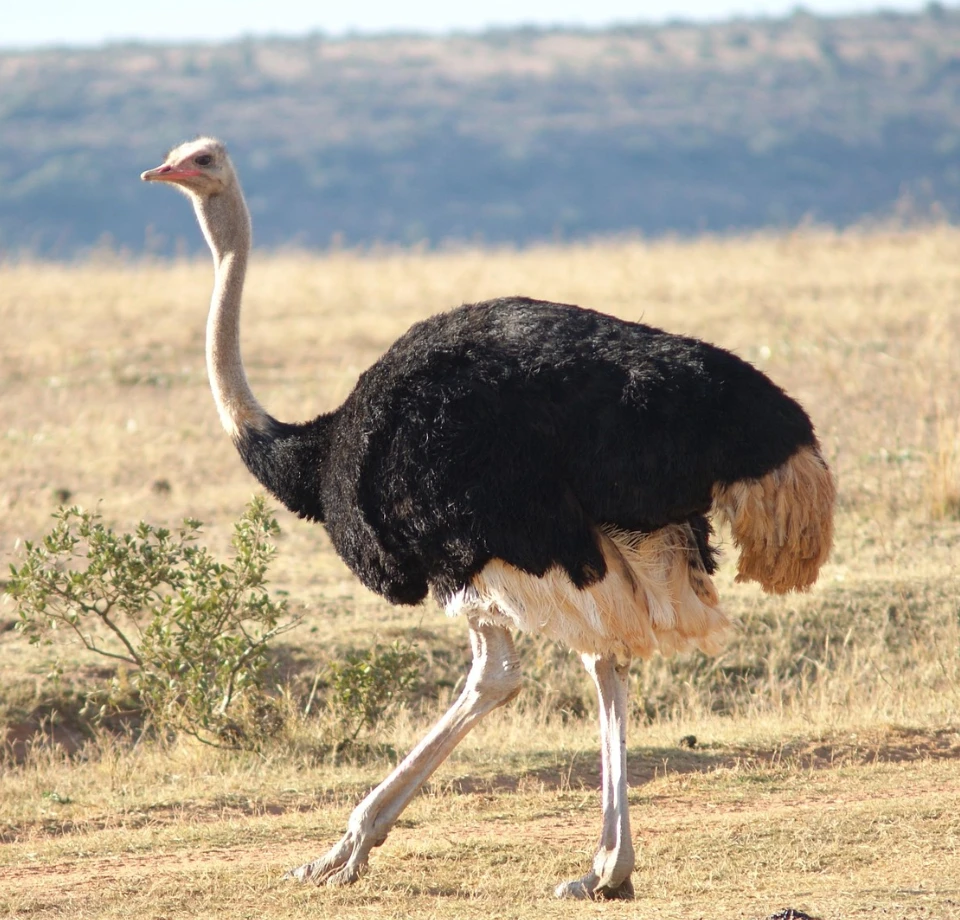
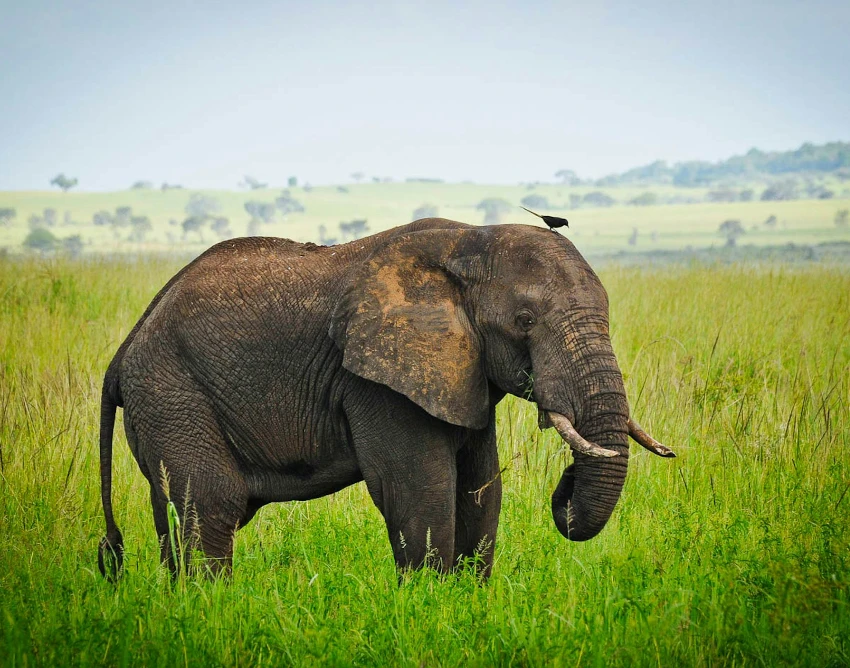
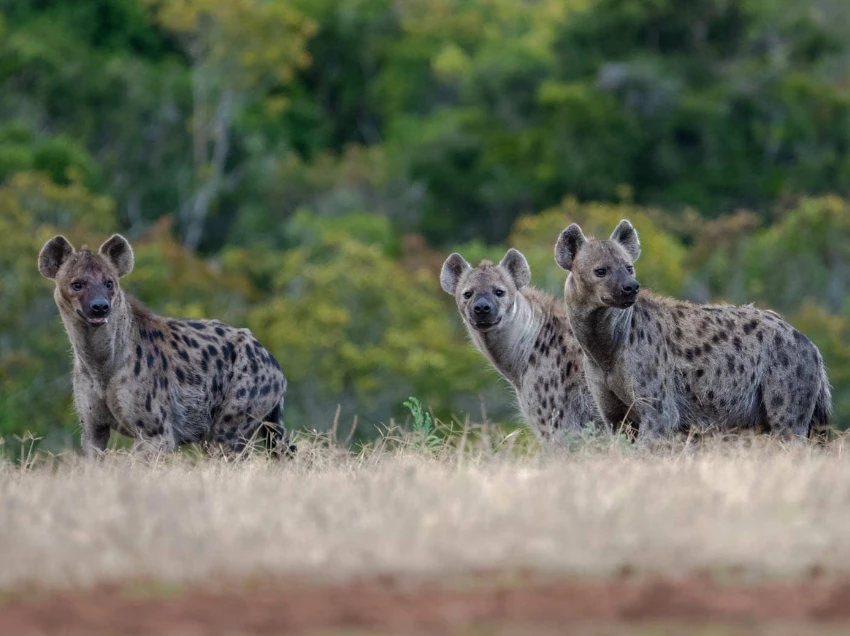
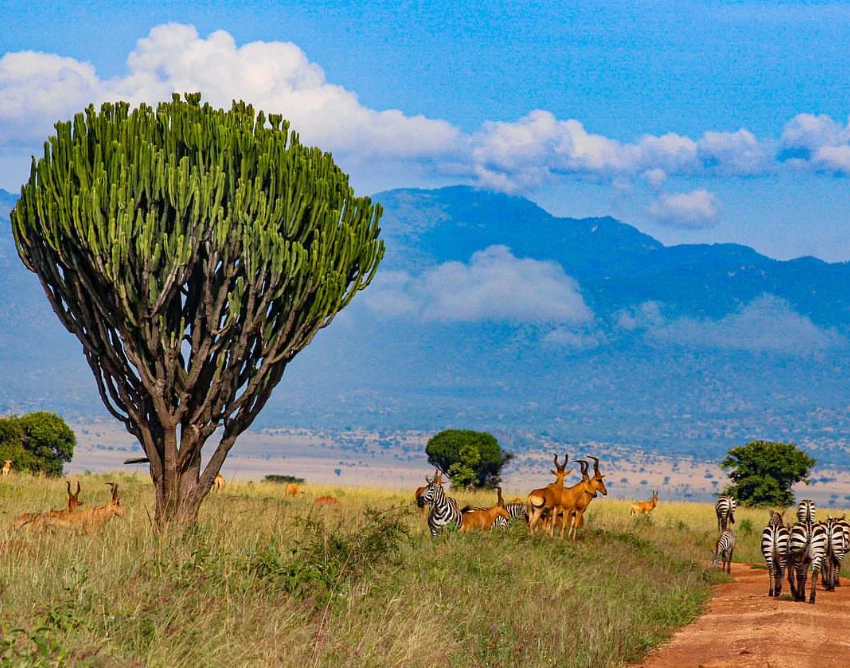
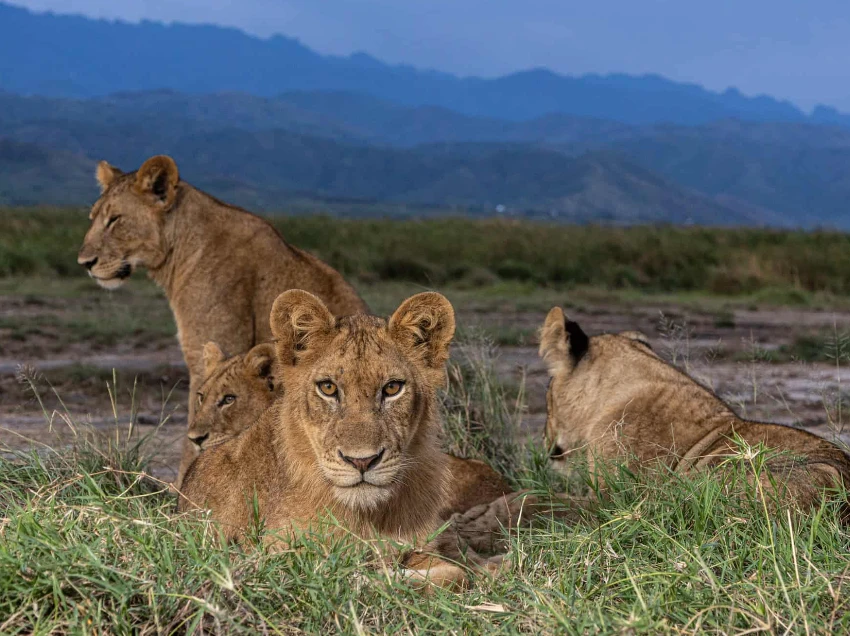
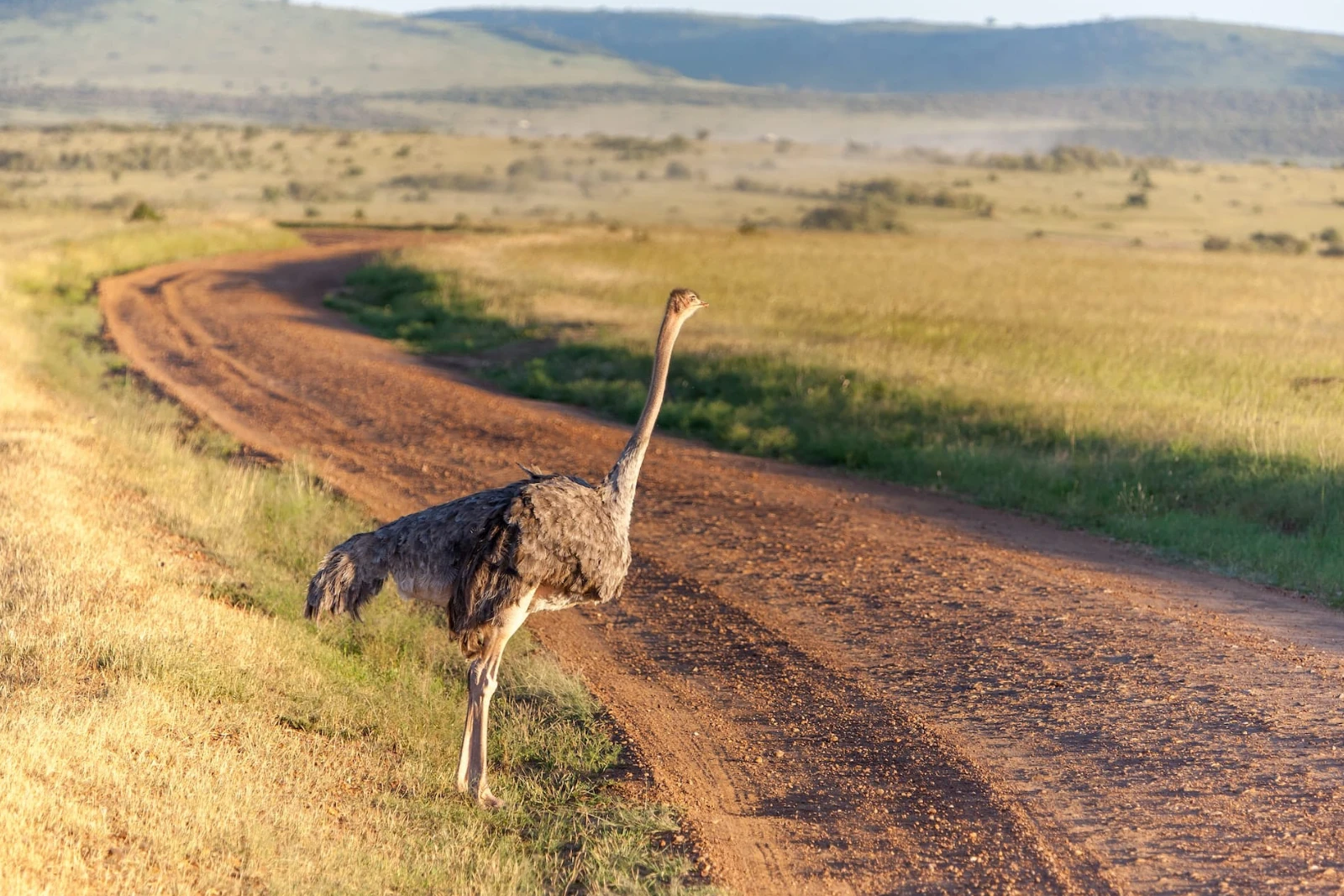
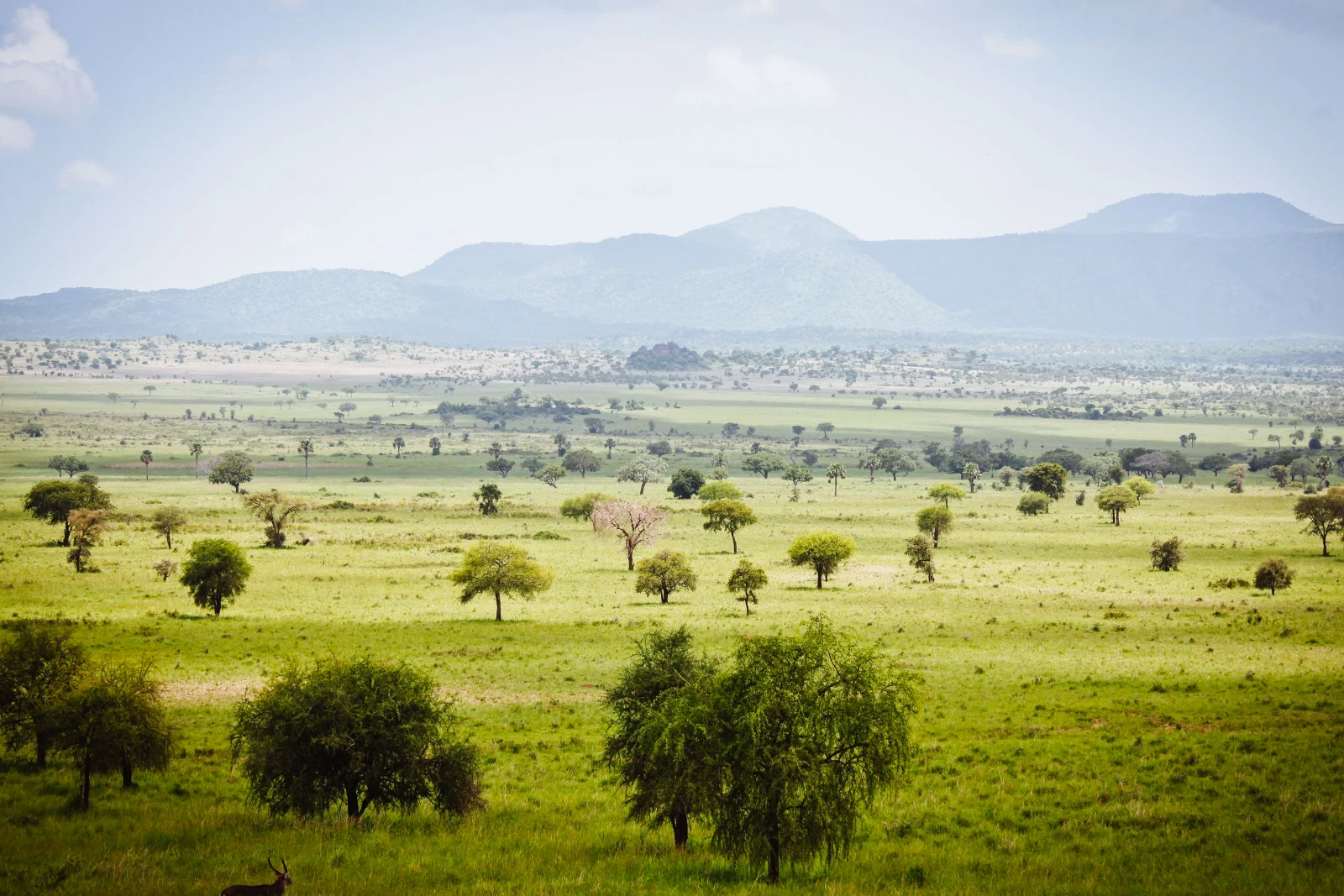
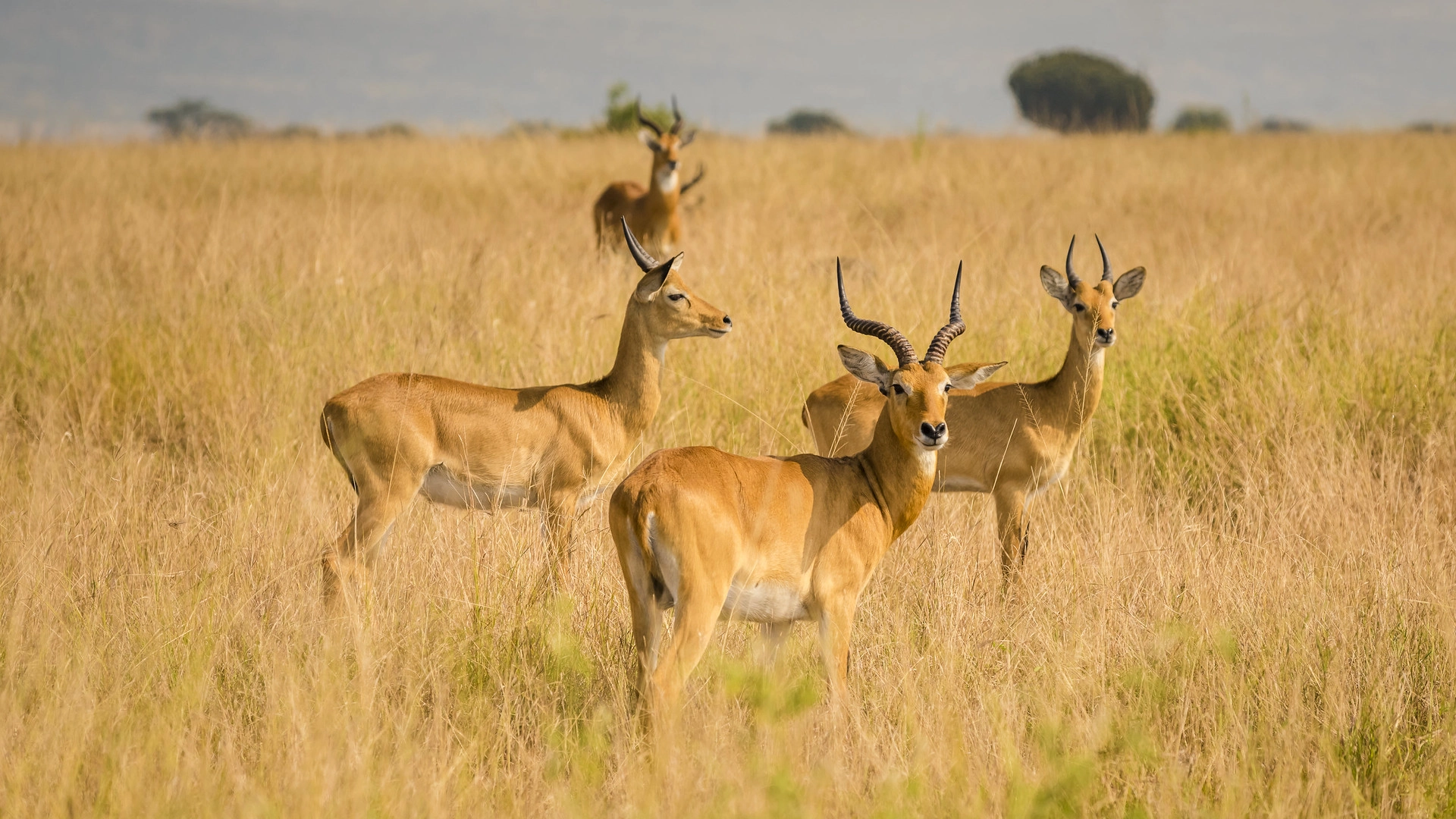
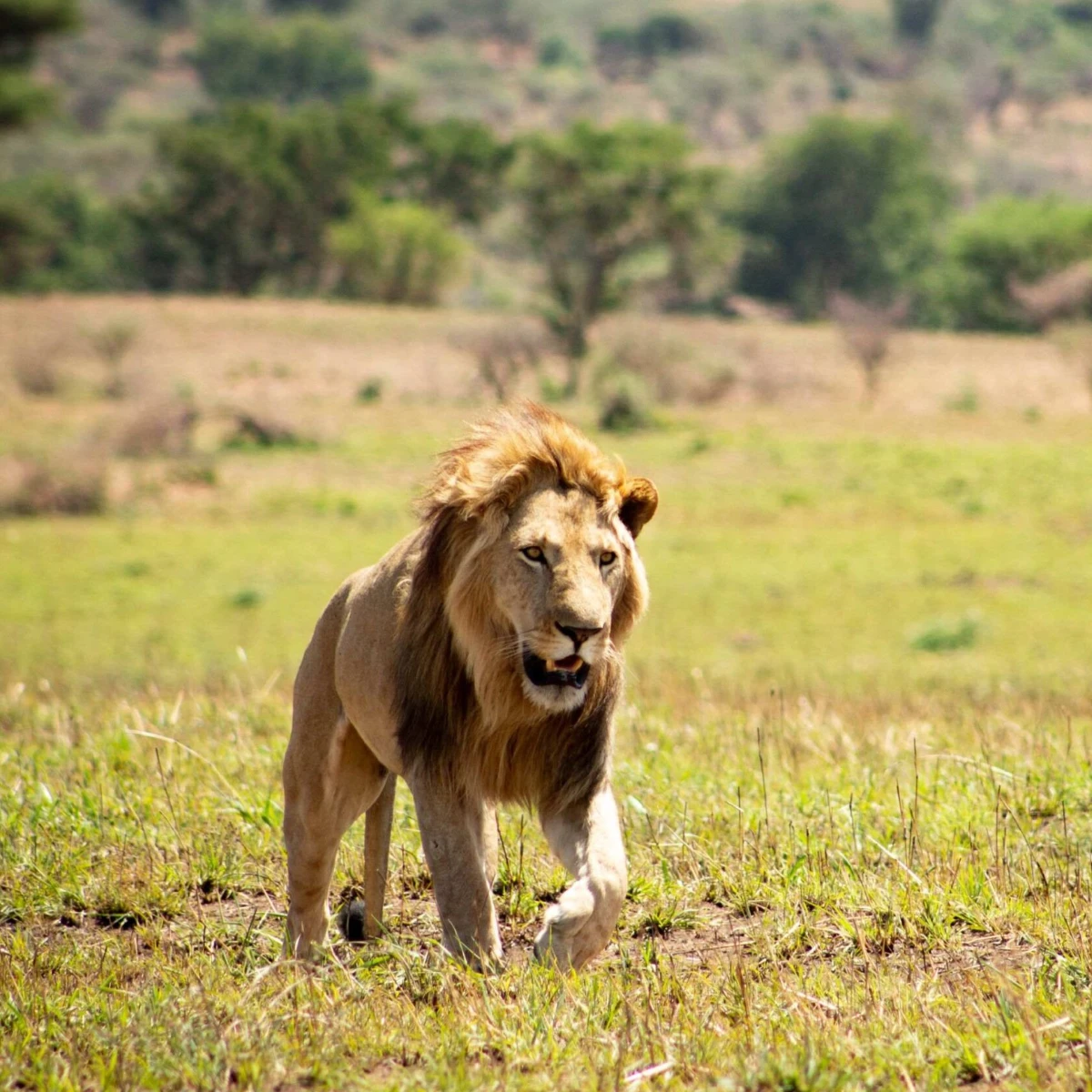
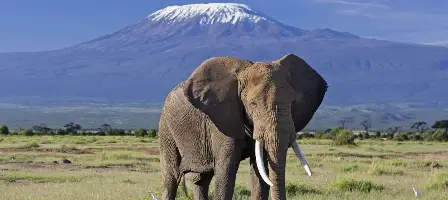
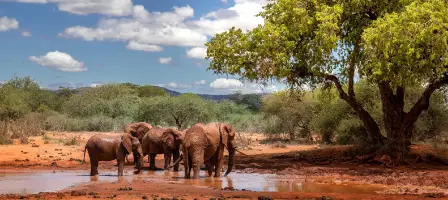
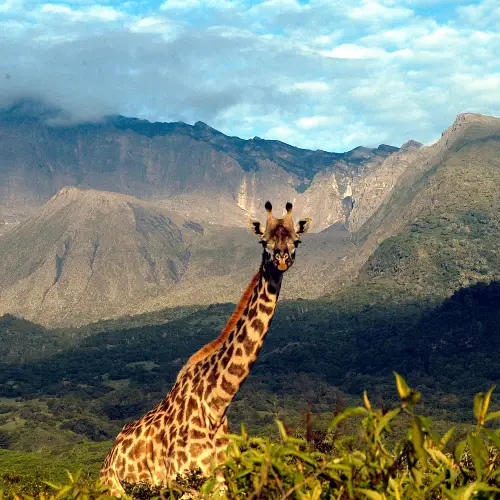
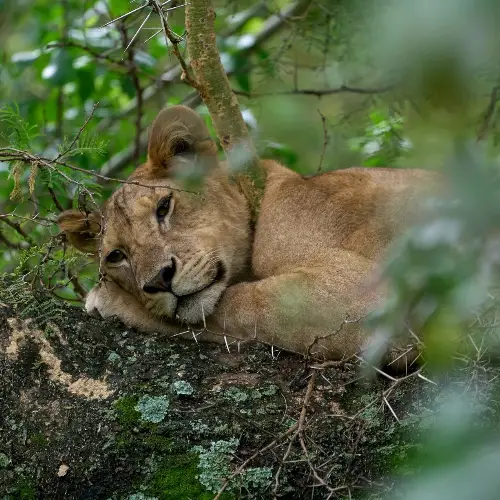
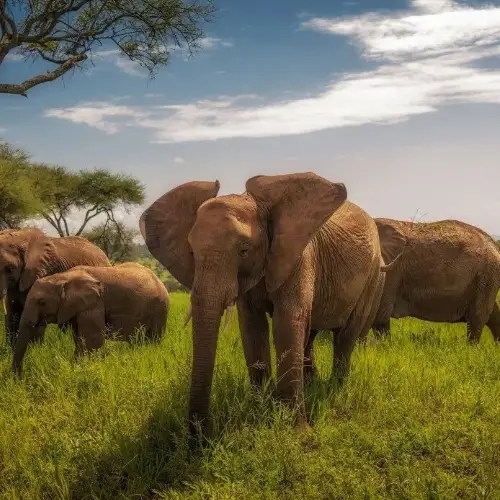
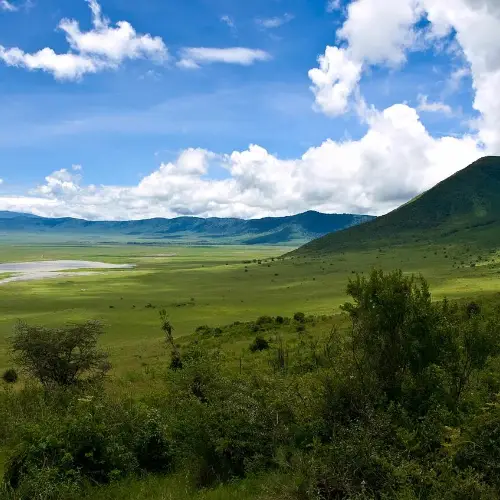
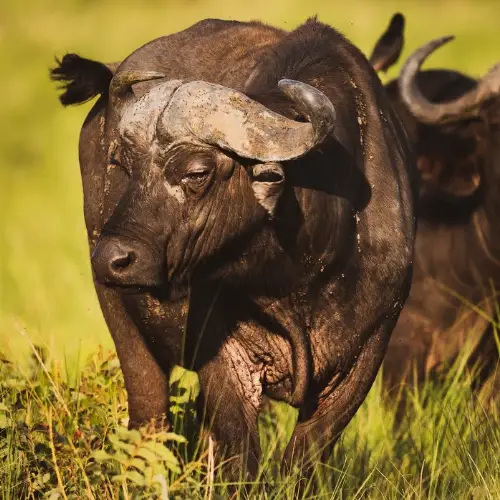
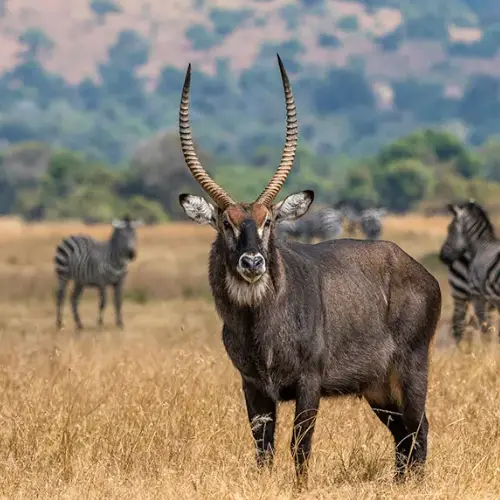
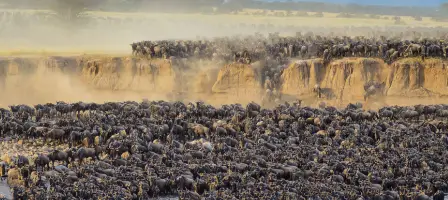
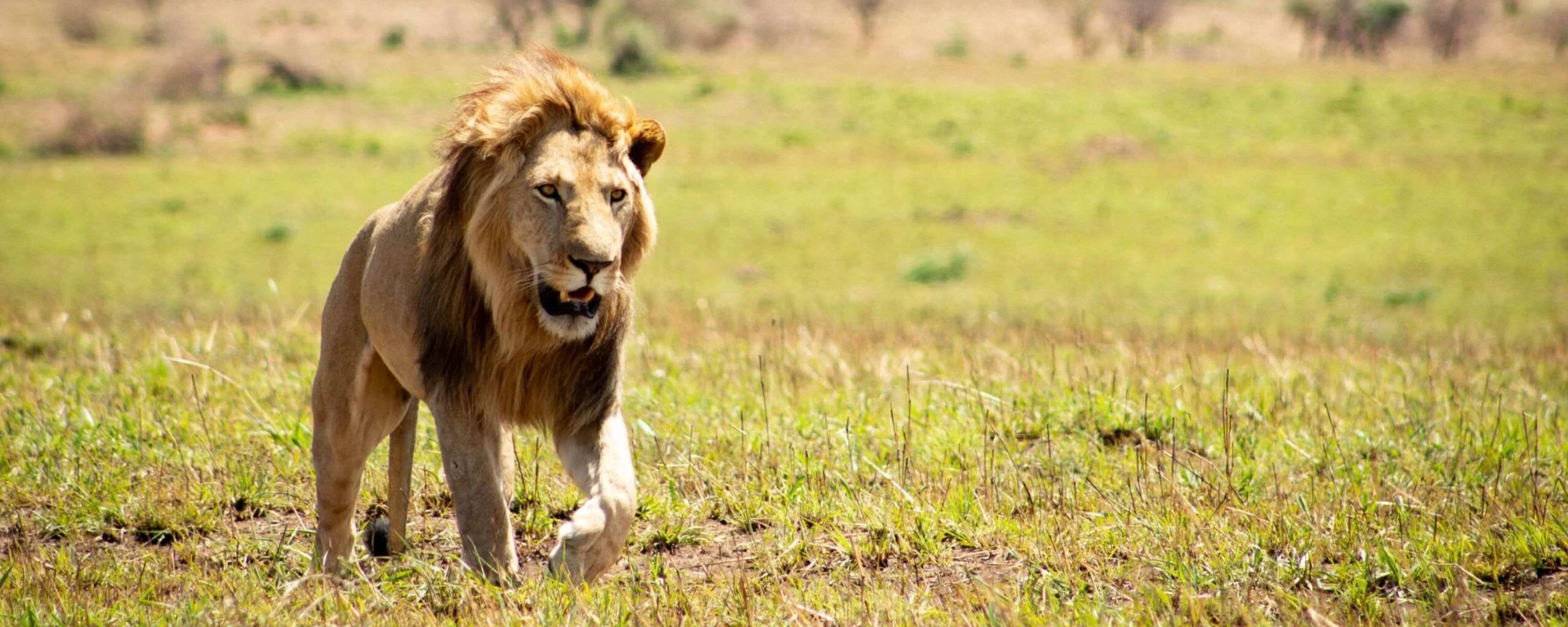
The park is built around two valleys: Narus and Kidepo. Narus has dependable water, so game viewing is usually strongest there, especially in dry months. Expect buffalo, zebra, giraffe, and elephants, plus predators like lion and spotted hyena. Kidepo Valley is drier, but it’s the best place to look for ostrich.

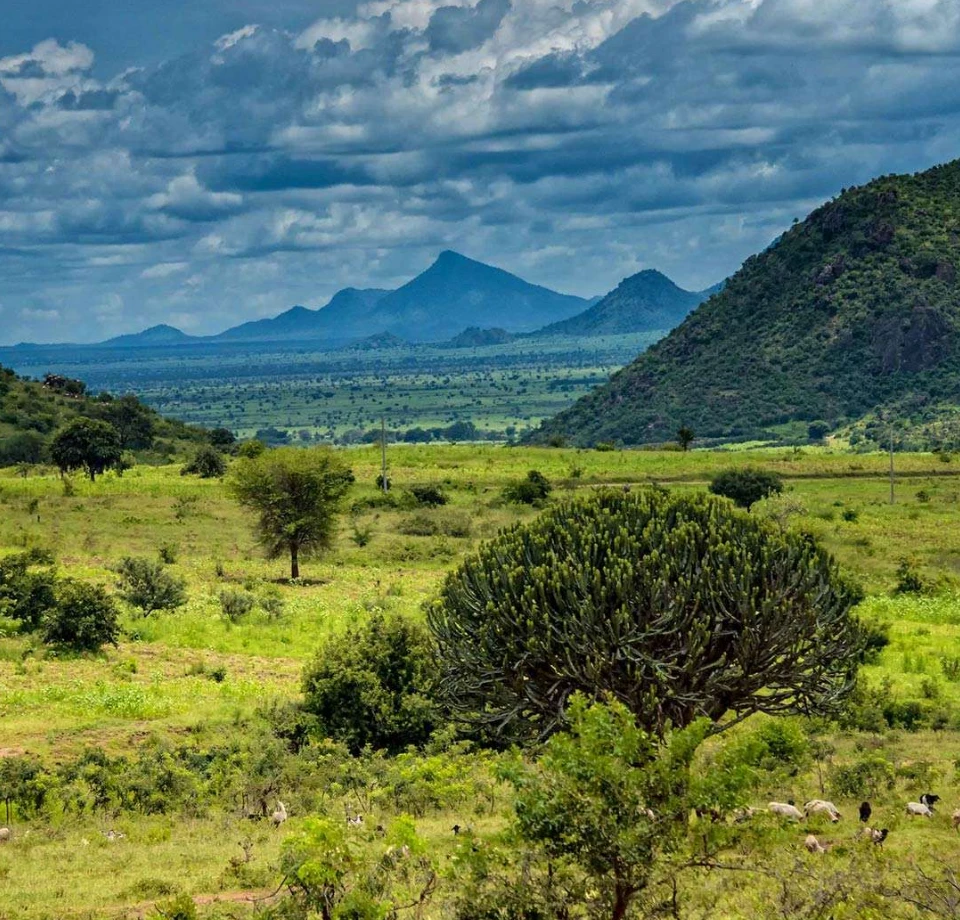
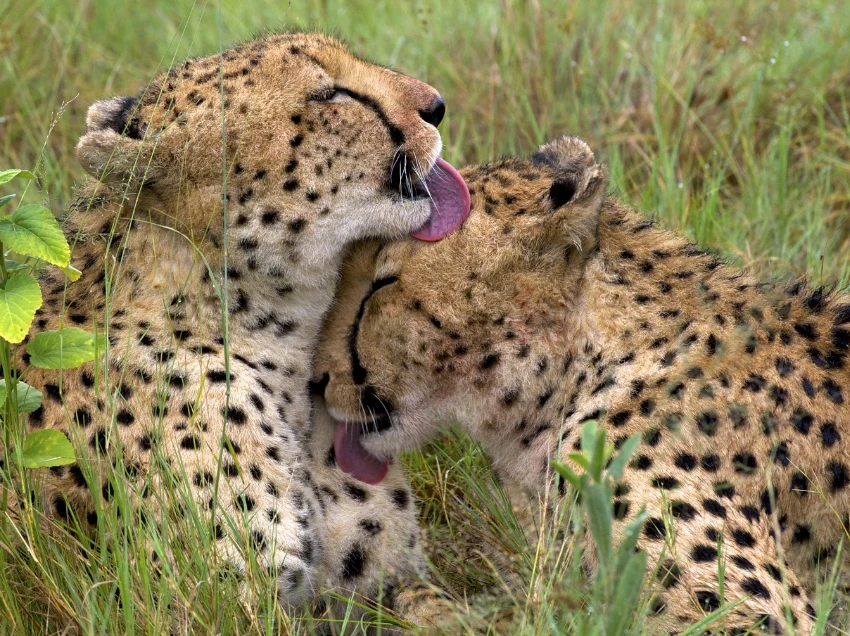
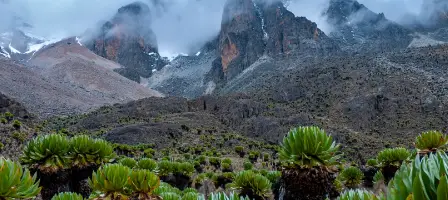
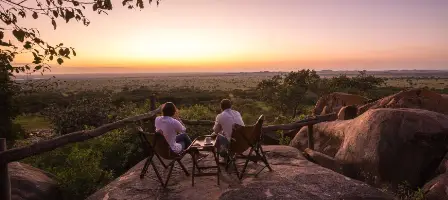
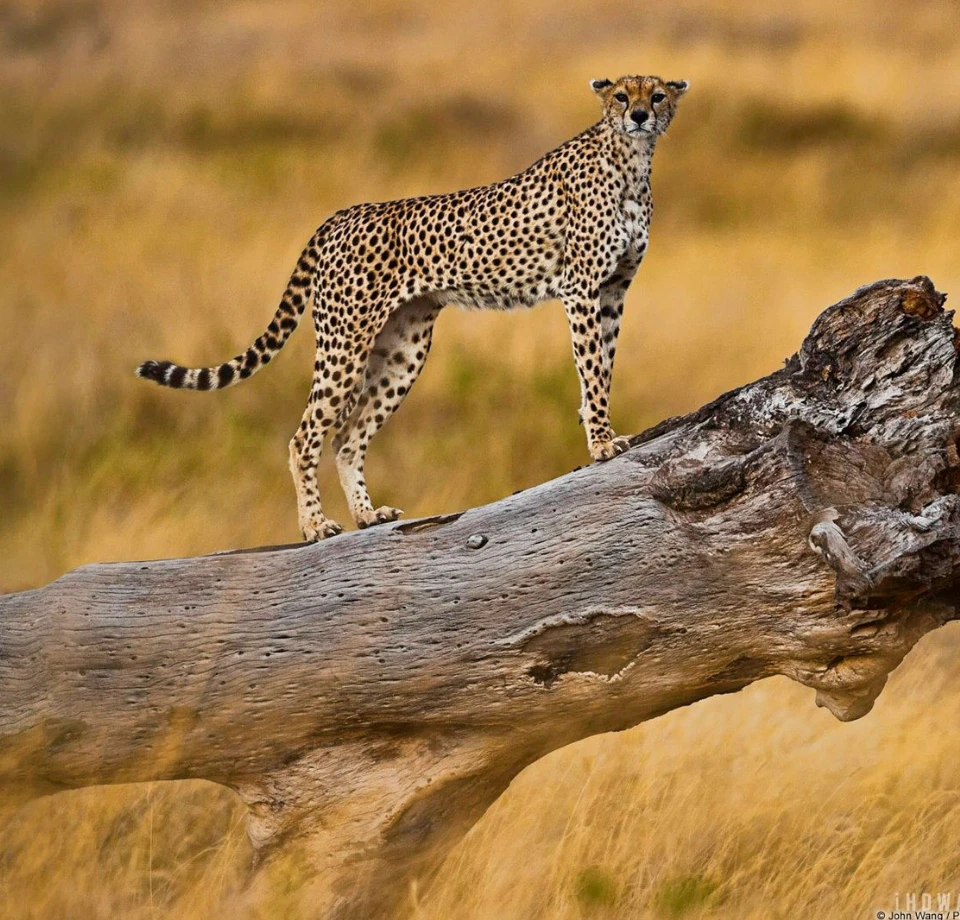
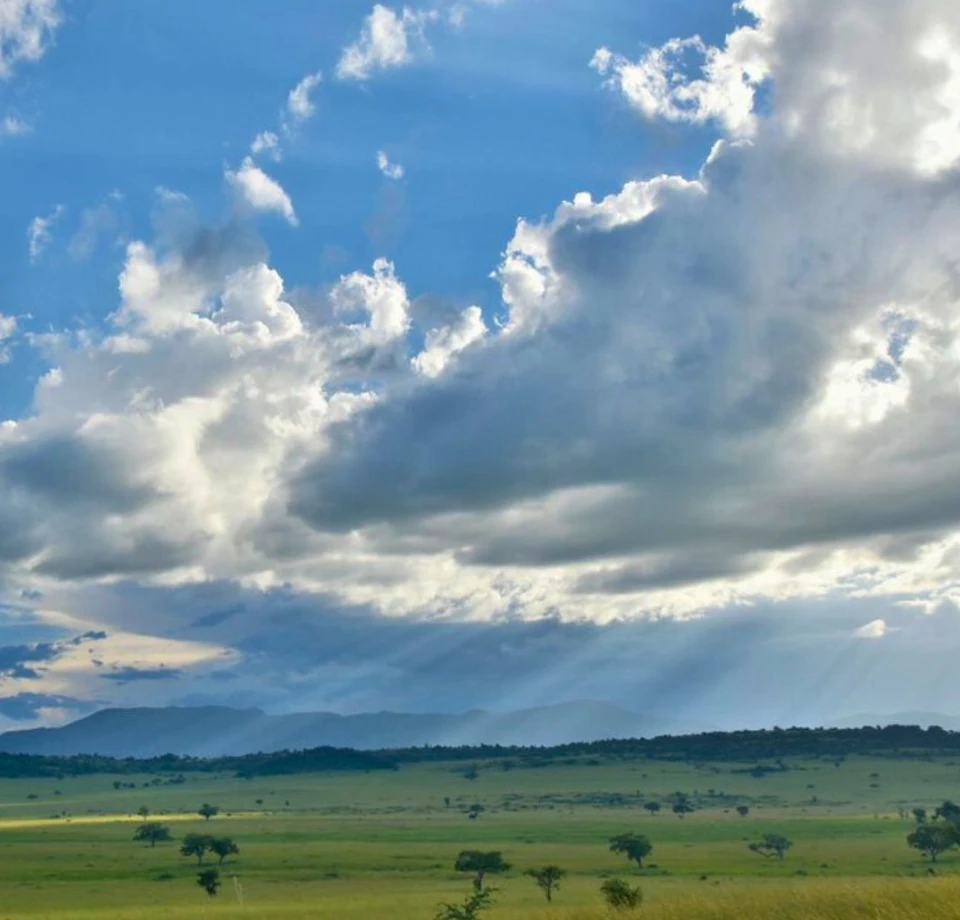
What makes Kidepo different is the dry-country mix—cheetah and black-backed jackal can show up here, unlike most other parks. Mountains frame the valleys, including Mt Morungole, and viewpoints help you scan far ahead. It’s a Safari in Uganda that asks for time, then pays you back with space and a sight of rarer dry-country species.

Get Started

Life-Enriching Travel

Designed Just for You

  • Trips curated by the world’s top destination experts
  • Concierge-level service leading up to and during your trip
  • Unique, exclusive experiences and insider access


500+ Verified Traveler Reviews

Snowytop Safaris LTD

Why Visit
Kidepo Valley National Park

Kidepo is for travelers who want distance from the busy circuits and don’t mind earning it. You get four of the Big Five (no rhino), strong predator chances, and a long list of antelope in open country where scanning actually works. The dry air keeps views clear, and the park’s quiet roads make sightings feel less crowded. Add the Karamoja culture nearby, and you have an Uganda wildlife safari with real character. Birding picks up in the rains, especially for raptors.

Kidepo Valley National Park

Understanding Kidepo at a Glance

Quick details to plan routes, seasons, and expectations for Uganda safari tours in Kidepo.

Two Valleys, Mountains

Two Valleys, Mountains

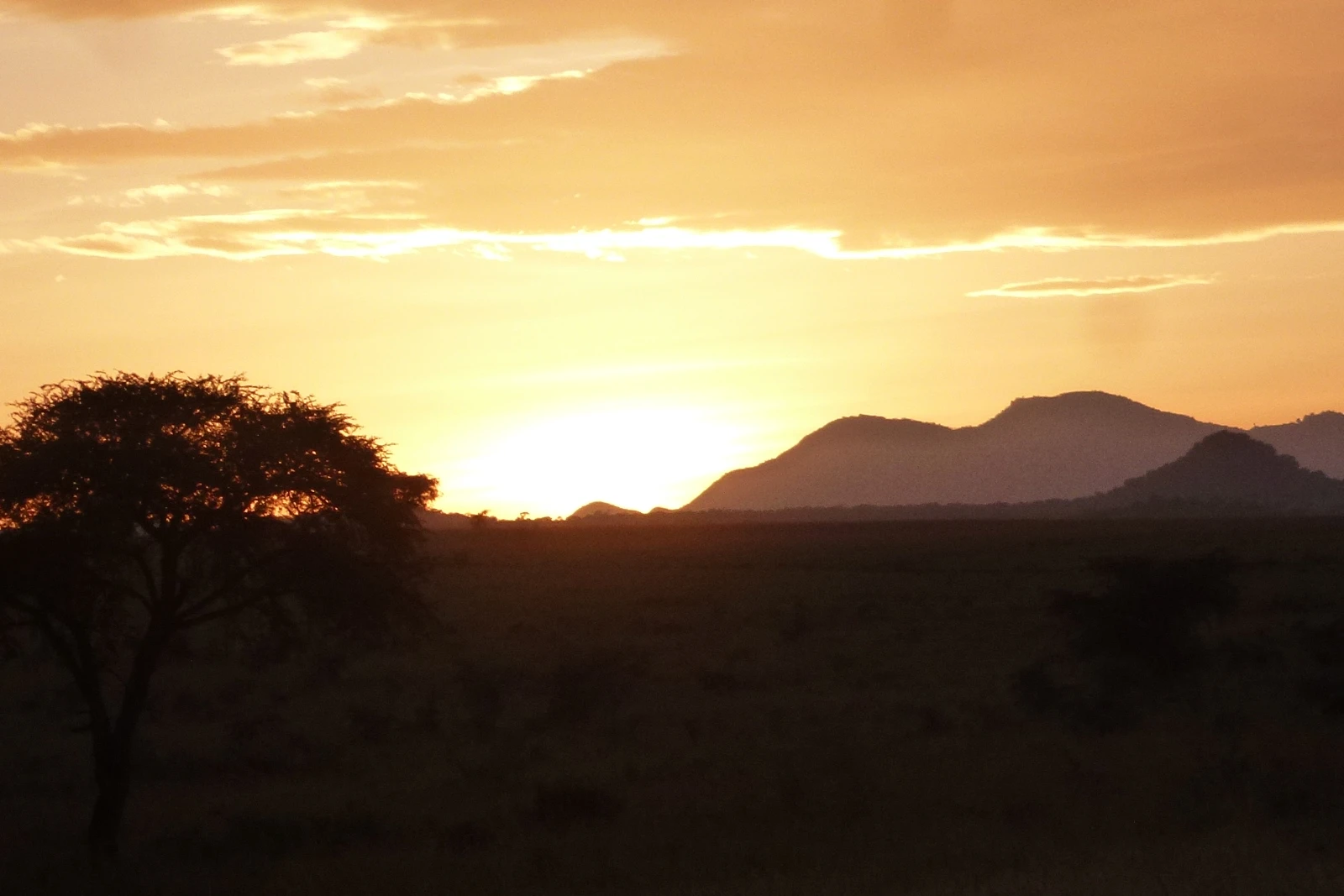
Kidepo is split by Narus Valley and Kidepo Valley, with rugged high ground between them. Narus is greener and wider, with long views from small ridges that help you spot herds early. Kidepo Valley feels harsher and more open, dotted with acacia and desert date trees, plus rocky outcrops. Mt Morungole rises to 2,750m near the border.
Dry-Country Specials

Dry-Country Specials

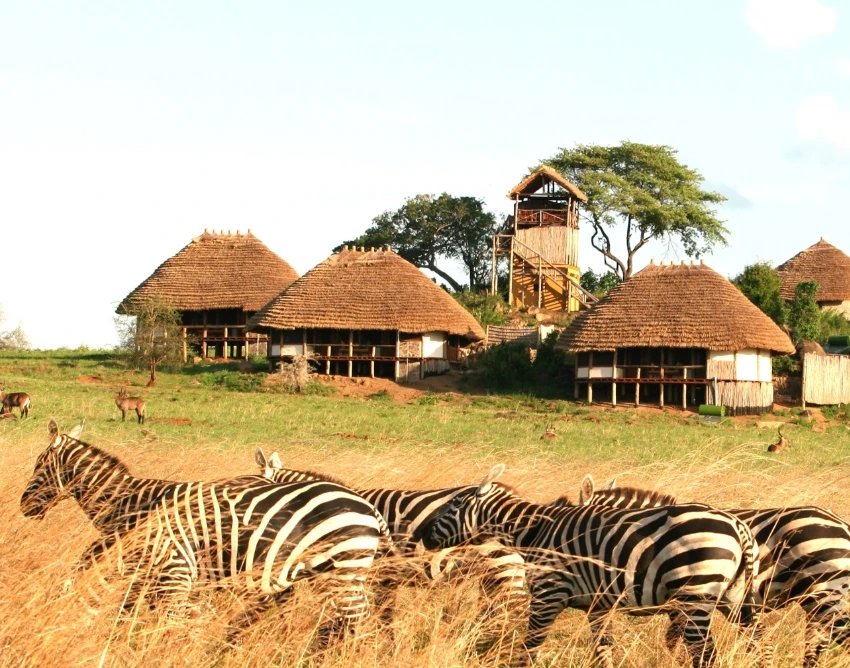
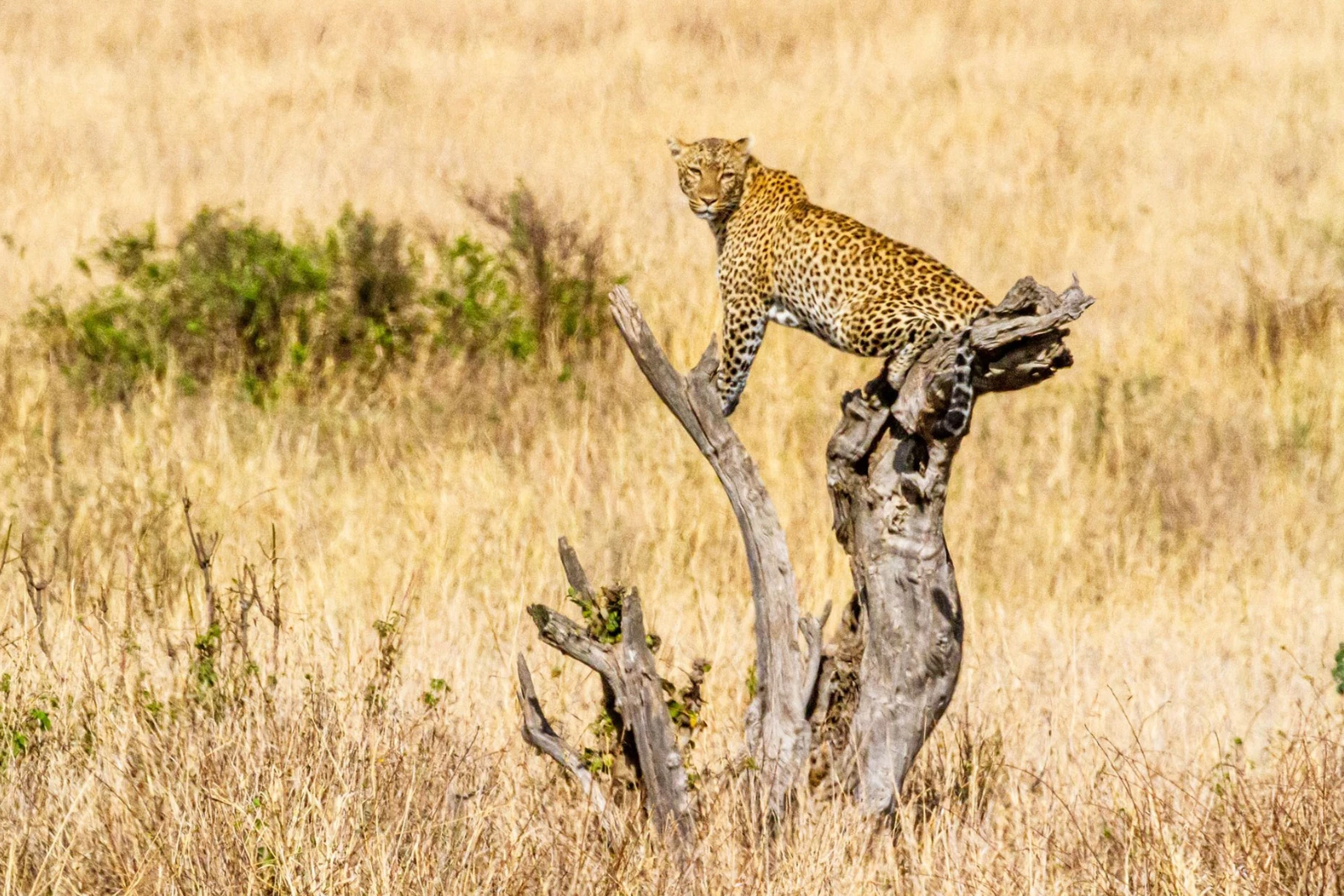
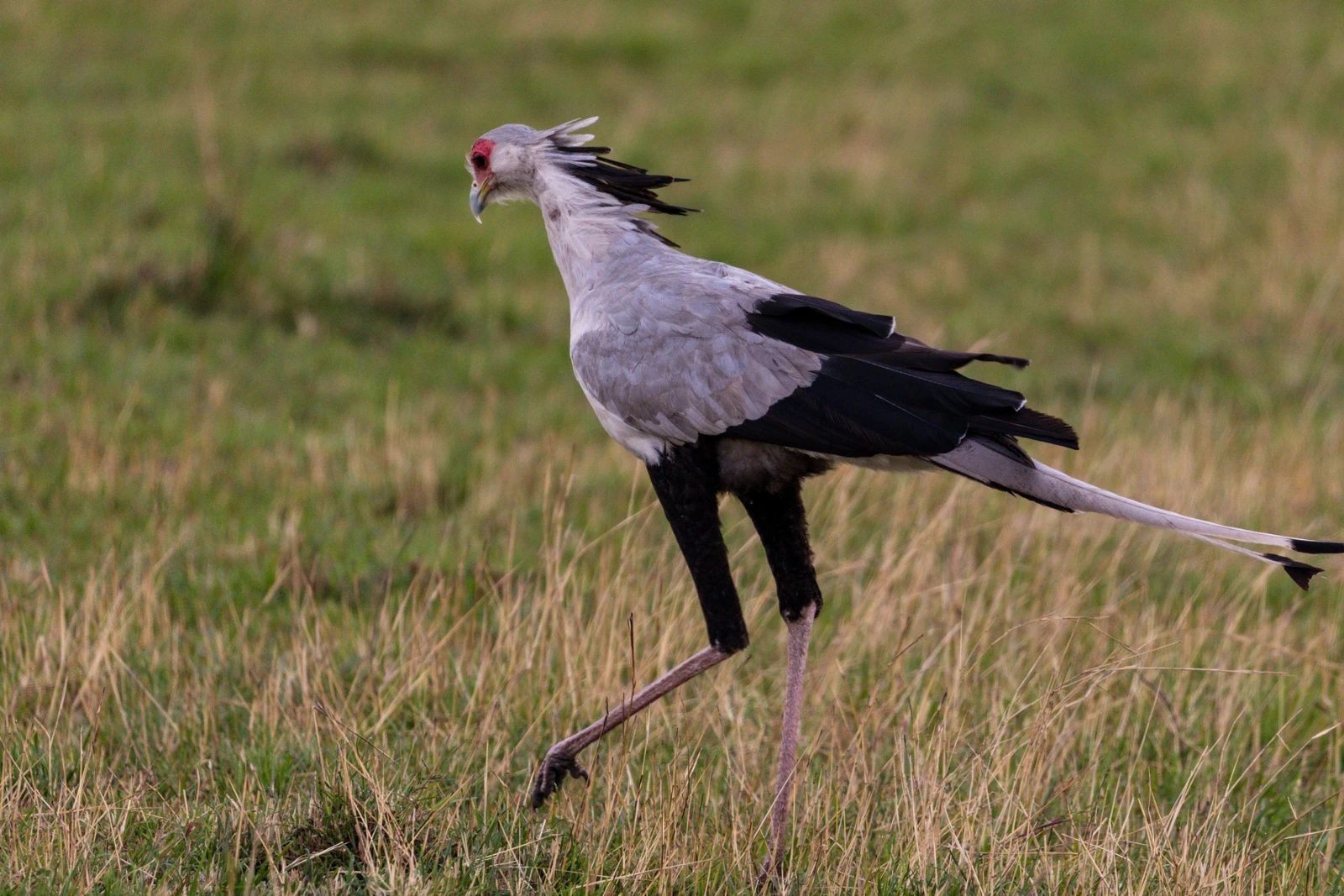
Kidepo Valley National Park has an unusually rich mammal list for Uganda. Lions, leopards, spotted hyenas, elephants, buffalo, zebras, giraffes, and warthogs are regularly seen, especially around Narus. Cheetah and black-backed jackal are possible here, a rare Uganda combo. Birdlife includes ostrich (unique in Uganda) and many raptors; wetter months lift bird activity. Patas monkeys feed on the plains.

Hot Days, Cool Nights

Hot Days, Cool Nights

Kidepo is semi-arid and can feel dry and dusty, especially from September to March. Afternoon temperatures average around 30°C, but early mornings can sit near 16°C, so layers matter on game drives. Higher areas feel cooler. The wet season runs from April to August, with short afternoon showers. When rain arrives, the heat drops, and the valleys turn greener.

Narus Valley Focus

Narus Valley Focus

Narus Valley is the main wildlife magnet because water holds animals close, even in drier weeks. Kidepo Valley is the change-up: fewer herds, more solitude, and better odds for ostrich and other dry-country species. Lookouts over the valleys make scanning easy, and the mountain backdrop adds character. For many visitors, that space is the attraction. All day.

Drives, Walks, Culture

Drives, Walks, Culture

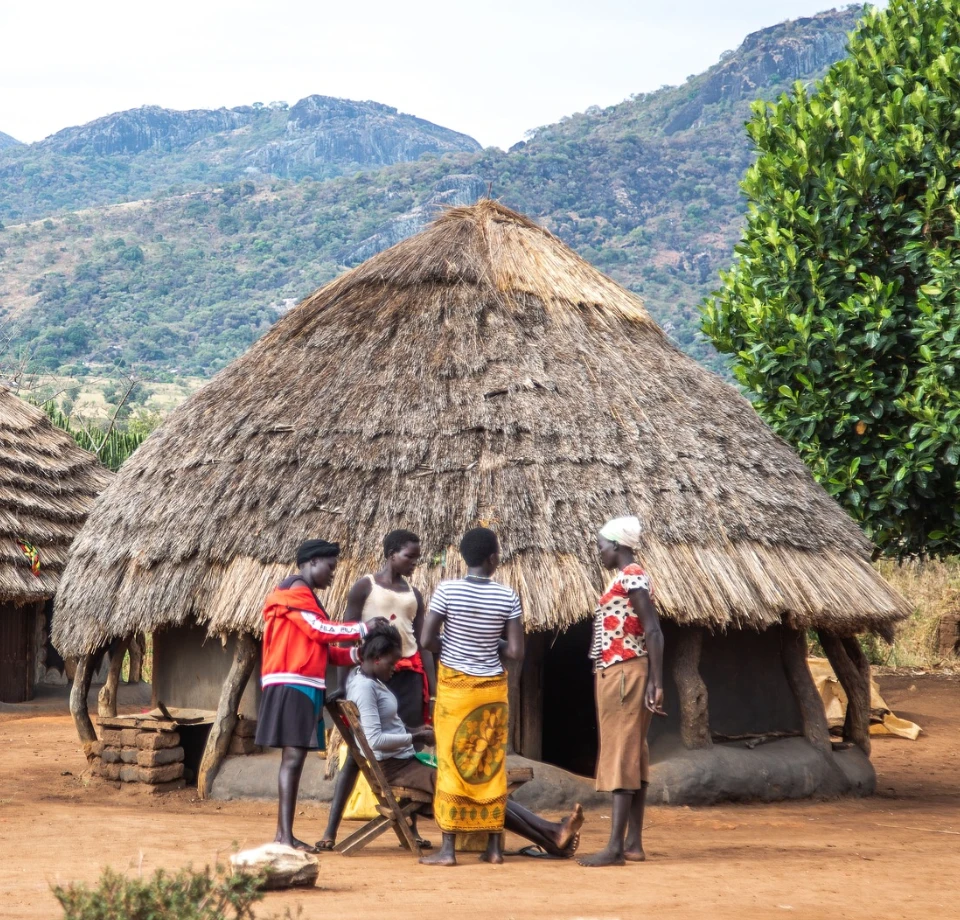
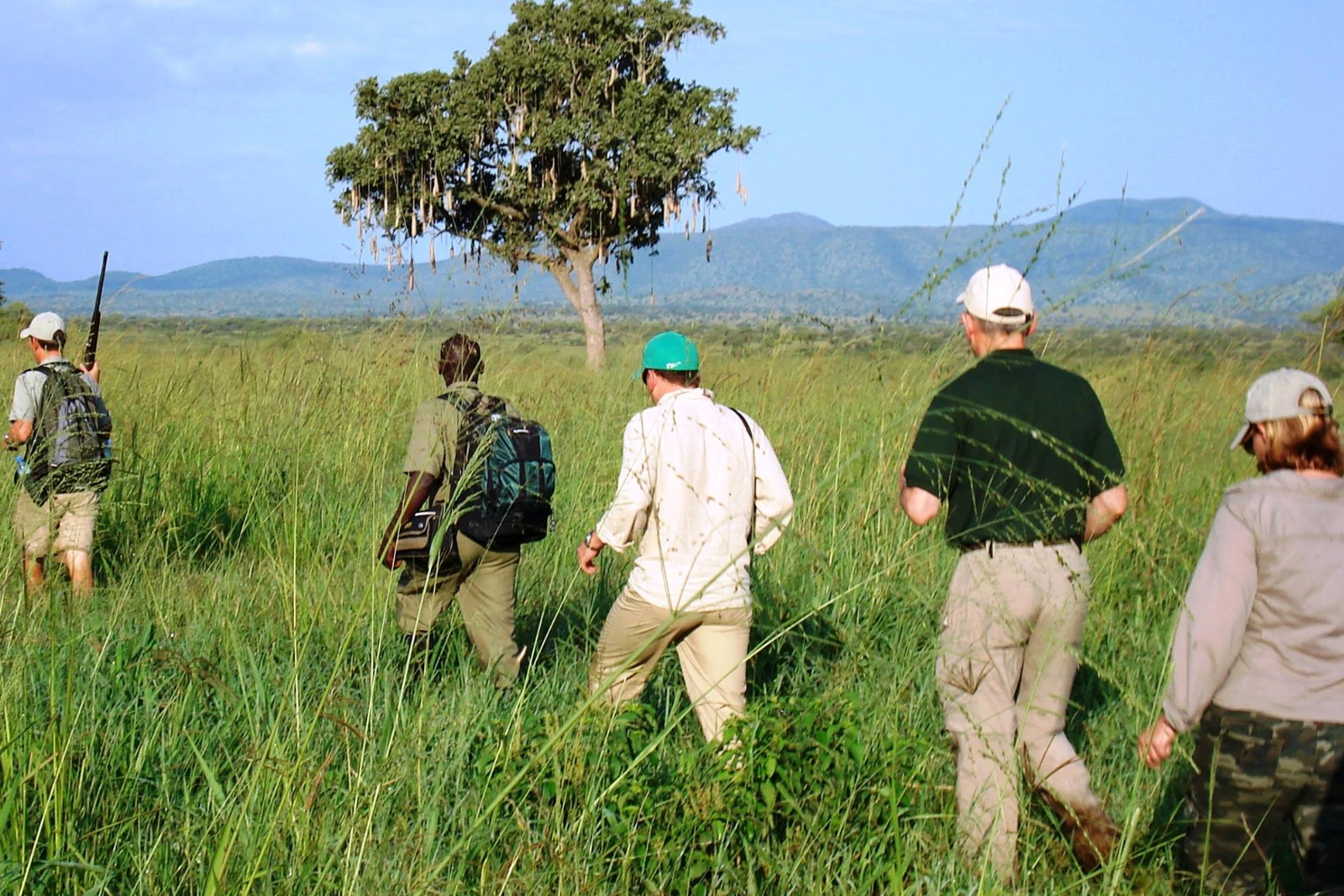
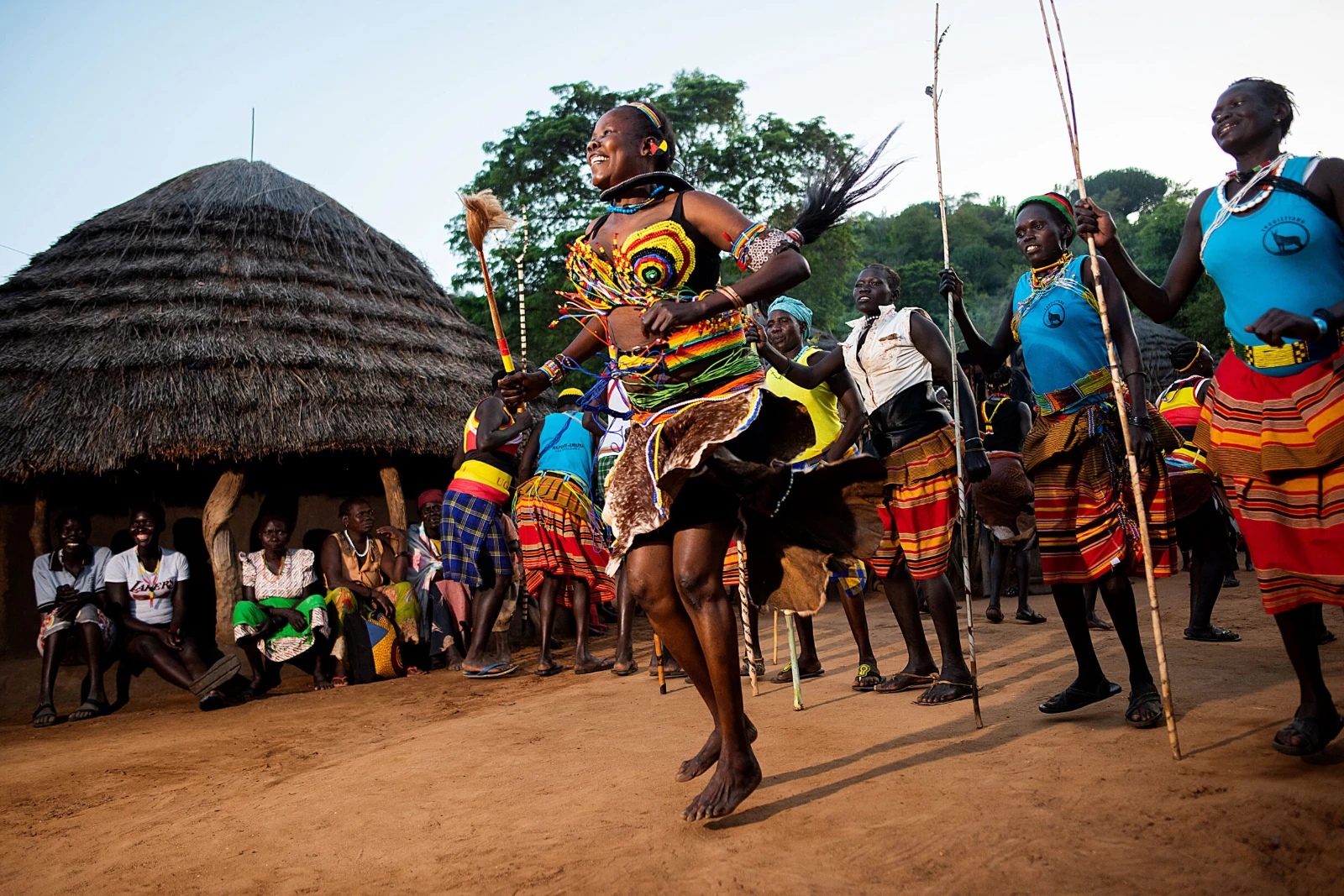
Game drives are the core, and Narus is the first stop for steady sightings. Go early for predators and cooler air, then use late afternoon for scanning runs. Guided walks start near park headquarters with an armed ranger, focusing on tracks and smaller details. Community visits in Karamoja can be added. It’s classic Game drives in Uganda.

Road or Fly In

Road or Fly In

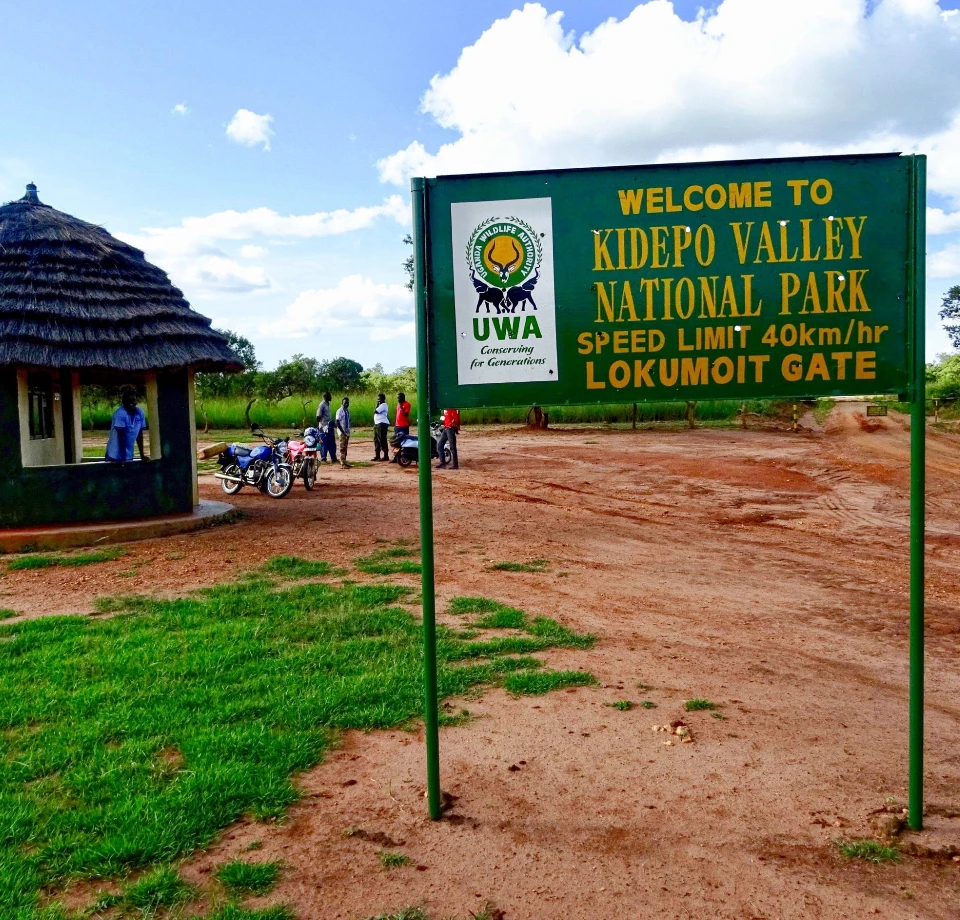
Most trips start from Kampala or Entebbe. The direct drive runs via Gulu to Lokumoit Gate (about 560km) and can take 10 hours without stops, so break it with an overnight in Gulu, Kitgum, or Ziwa. Longer routes come through Karamoja to Nataba Gate. Flights can land near the park, simplifying a Uganda safari from Entebbe.

When to Go to Kidepo

September to March is best; from November, grass drops and water gathers wildlife for the best time to visit Uganda.

  • Best
  • Good
  • Mixed

January is deep in the dry spell. Narus Valley keeps wildlife close, so game drives feel busy with buffalo, zebra, and giraffe. Predator sightings can be strong in the cooler early hours. Heat builds by midday, so plan drives at dawn and late afternoon photography.

February stays dry and clear, with easy scanning across the open plains. Wildlife still leans on Narus water, and big herds can stack up in one area. Mornings are the best window for lion movement. If you’re comparing routes for Uganda safari holidays, this month is low-risk.

March can feel hotter, and dust is common on longer drives. Wildlife viewing remains good, but animals may start ranging a bit wider late in the month. Keep early starts, carry water, and don’t skip the quieter Kidepo Valley loop for ostrich chances. Solid month for Uganda safari tours.

April brings the wet season, usually as afternoon showers that roll in and pass quickly. The air feels cleaner and the heat eases. Animals begin dispersing from the valleys toward higher ground, so you may drive more to find them. Bird activity improves noticeably, which suits Birding safaris in Uganda.

May stays greener, and roads can be slower after rain, especially on smaller tracks. Sightings are still possible around Narus, but expect wider searching and more time spent scanning hillsides. The upside is fewer visitors and softer light for photos. Good for travelers building flexible Uganda safari packages.

June sits inside the wetter season, but days can alternate between sun and short bursts of rain. Grass is up, and some wildlife stays on higher ground, so guides rely more on tracks and local knowledge. Birding remains strong. If you prefer cooler afternoons over dust, June can work well.

July is part of the wet season, yet temperatures are pleasant for drives. You may not see tight valley concentrations as in dry months, but the park looks good and feels less harsh. Keep plans loose and give your guide time to work. Great for a Uganda safari experience.

August is the tail end of the wet season. Showers still happen, but breaks of clear weather are common, and the scenery stays green. Wildlife can be spread out, so you’ll cover more ground and stop often to scan. Camps feel relaxed, and some Uganda safari lodges run good-value nights.

September starts the main dry season. Vegetation thins, roads speed up, and animals begin returning to dependable water. Narus gets more consistent each week, and predator sightings improve as prey clusters. Dust returns, so glasses and a scarf help on drives. Strong month for an Uganda wildlife safari. For families.

October is reliably dry and warm, with improving wildlife density around Narus. It’s a good month to split time: one day focused on classic game, another day pushing into Kidepo Valley for ostrich and quieter scenery. Nights can be cool, mornings crisp.

November is when the dry season often feels easiest. Water sources pull animals in, and the grass stays short enough for clean visibility. Buffalo herds can be huge, and lion sightings become more regular with patient driving. If you’re building an Uganda safari itinerary, this is a dependable anchor month.

December often stays dry and keeps wildlife concentrated in the valleys. Days are hot, but the early hours are excellent for predators, and late afternoons can bring active movement again. It’s a popular travel month, so book camps early if you want specific locations. Works well for Private Uganda safaris.

Kidepo Travel FAQs

Yes, if you’re okay with long travel time. The wildlife viewing style is simple—scan open valleys, follow water, stay patient. It suits an Uganda safari for first timers who want fewer crowds and don’t need a “busy” lodge scene.

Kidepo has four of them: lion, leopard, elephant, and buffalo. Rhino isn’t in the park, but many itineraries add Ziwa for tracking. That’s how some operators frame a Big Five safari Uganda plan without overselling it.

Narus Valley is usually the most reliable because water holds animals close. Kidepo Valley is worth a day for ostrich and dry-country species. It’s a balanced Uganda safari experience when you do both.

Yes. Walks are done with an armed ranger, usually near headquarters, and they focus on tracks, plants, and smaller wildlife signs. It’s a nice change from driving and fits Walking safaris Uganda well.

Two nights works, three is better, four feels unhurried. With more time, you can split valleys and avoid repeating the same loops. That’s also how you get more value from Uganda safari packages.

Ways to Experience Kidepo

Most days in Kidepo revolve around driving, but you can shape the rhythm. Start early when predators move and the air is cool. Use the midday break for rest, viewpoints, or a short walk with a ranger. Then head out again as light softens. Add one cultural visit if it fits your trip, and keep it respectful.

Talk to a Safari Specialist Today

and design your travel plans.

Call +254 723 619669

OR

Enquire Now
  • Lawrence

  • Margaret

  • Mugambi

Our Safari Experts

Safaris You Can Book

Browse all our safari options designed around realistic travel days, trusted guides, and comfortable stays across East Africa.

Uganda’s Natural Wonders Await

Explore diverse landscapes, vibrant cultures, primate safaris, and serene lakes in unforgettable journeys.

Get Started On Your Trip

You can contact us anytime, and we’ll support your
planning from early ideas to final details.

Get in touch

What Travellers Say

Real feedback from guests who have traveled with SnowyTop Safaris LTD across East Africa.

Local Team Insight

Our guides and planners work in Kenya and nearby parks year-round. You get route advice that matches road conditions, seasons and lodge standards, not generic online suggestions for your dates.

Clear Trip Planning

We keep planning simple: quick replies, clear inclusions, and realistic drive times. If something won’t fit, we say so early and suggest a better option without pushing upgrades or extras.

Support Throughout Travel

From airport pickup to your last game drive, we stay reachable. You get help with permits, timing and small changes, so the trip keeps moving smoothly even when plans shift.