



Lake Naivasha National Park

Freshwater Haven for Waterbirds

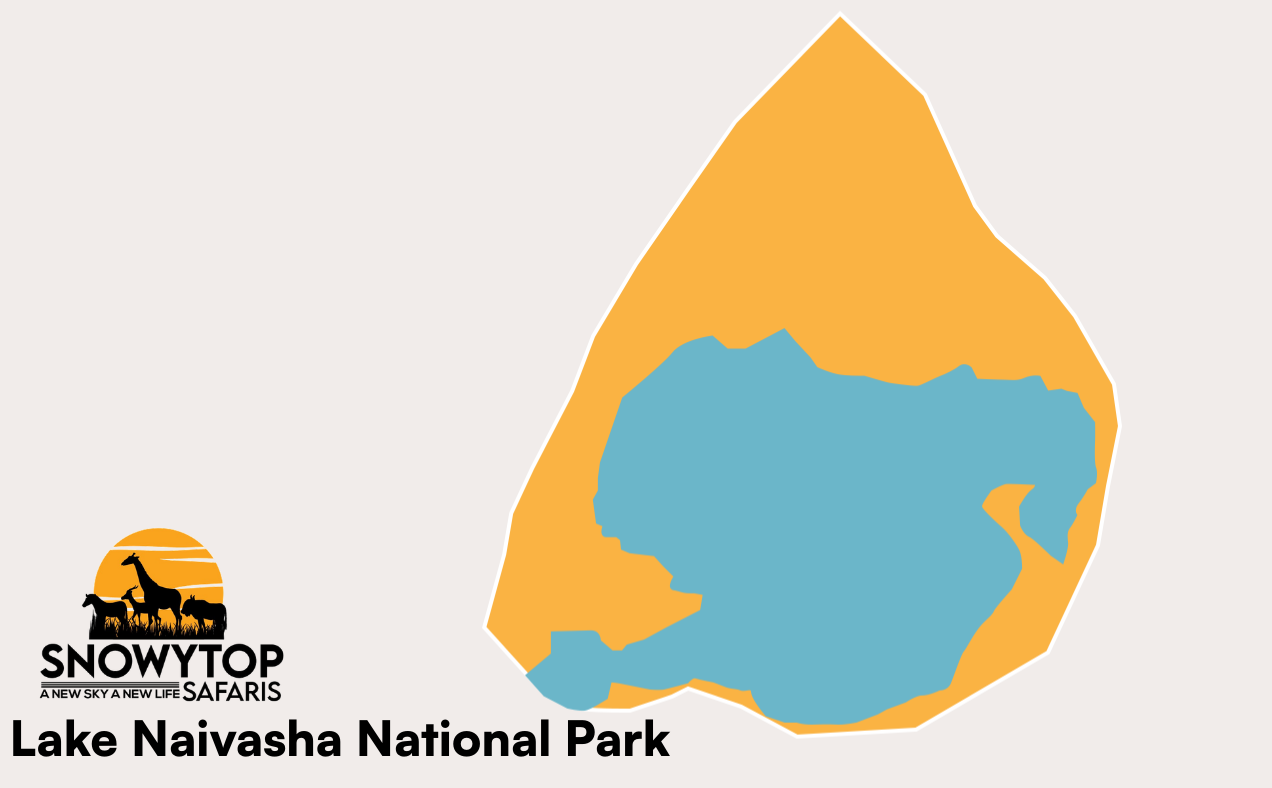
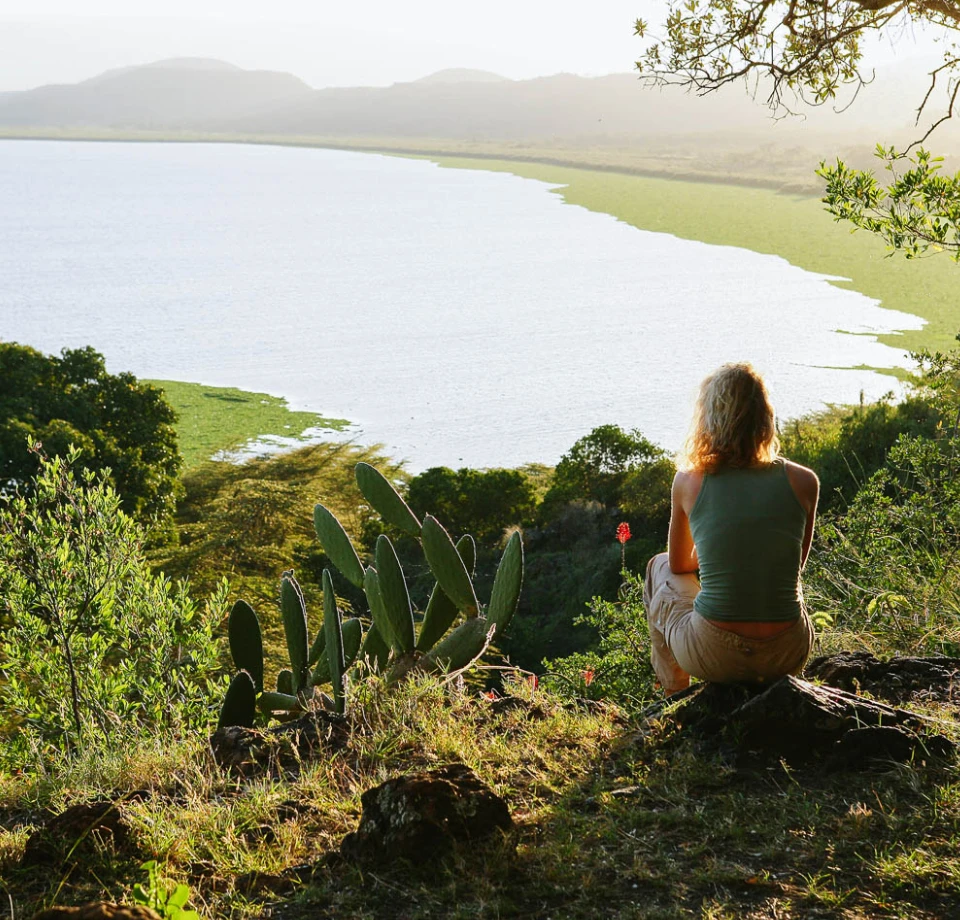
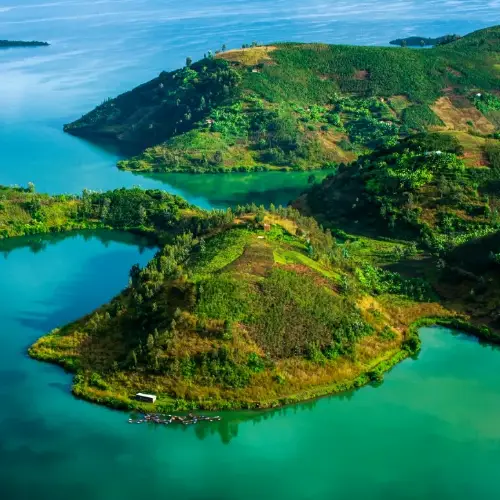
Lake Naivasha sits on the floor of the Great Rift Valley, about 80 km northwest of Nairobi, and it feels like a pause button. Freshwater, shallow, and edged by acacia woodland, it’s less about spectacle and more about steady life.

The lake is fed by the Malewa River and Gilgil River, plus seasonal flows like the Karati River, and it has no visible outlet. That detail matters because the water stays fairly fresh for a closed basin. It’s also high—around 1,880 meters—so mornings can feel crisp even when the sun gets bright. For many Kenya travel itineraries, Naivasha becomes the reset day.

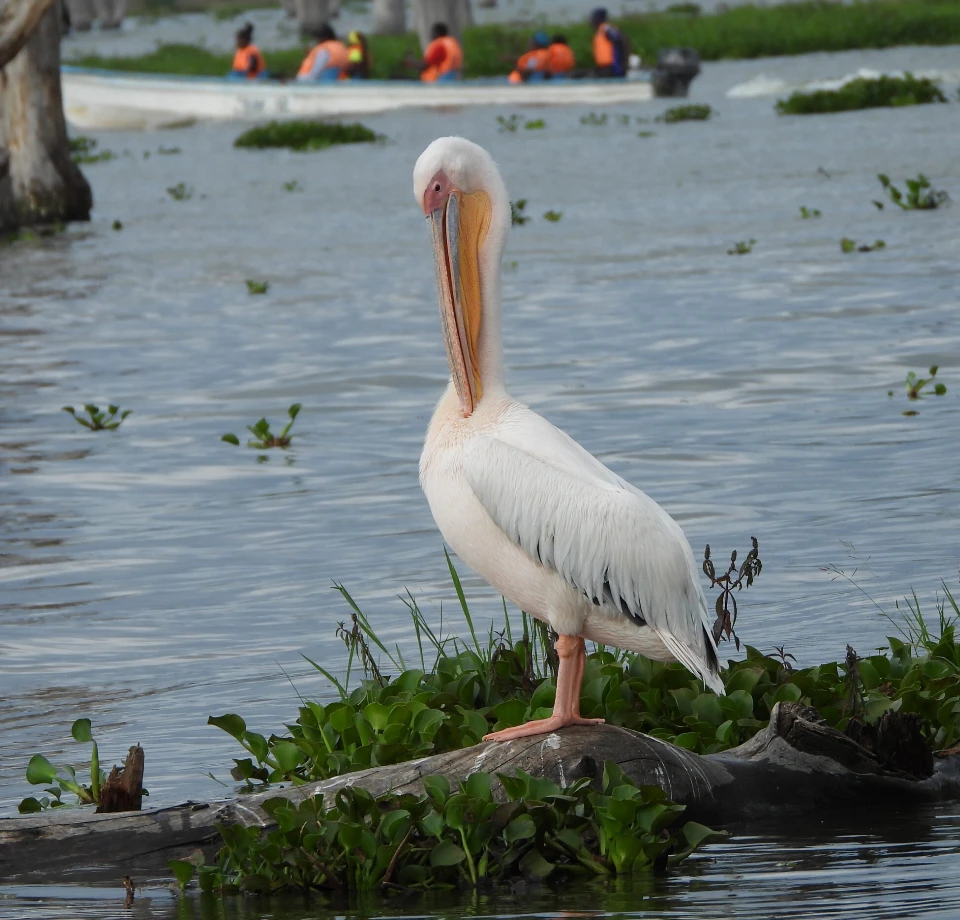
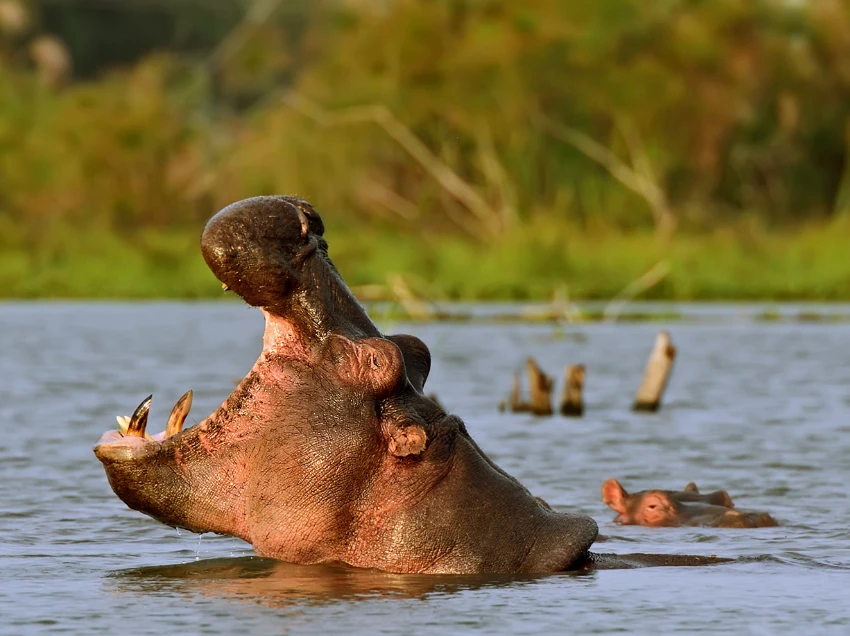
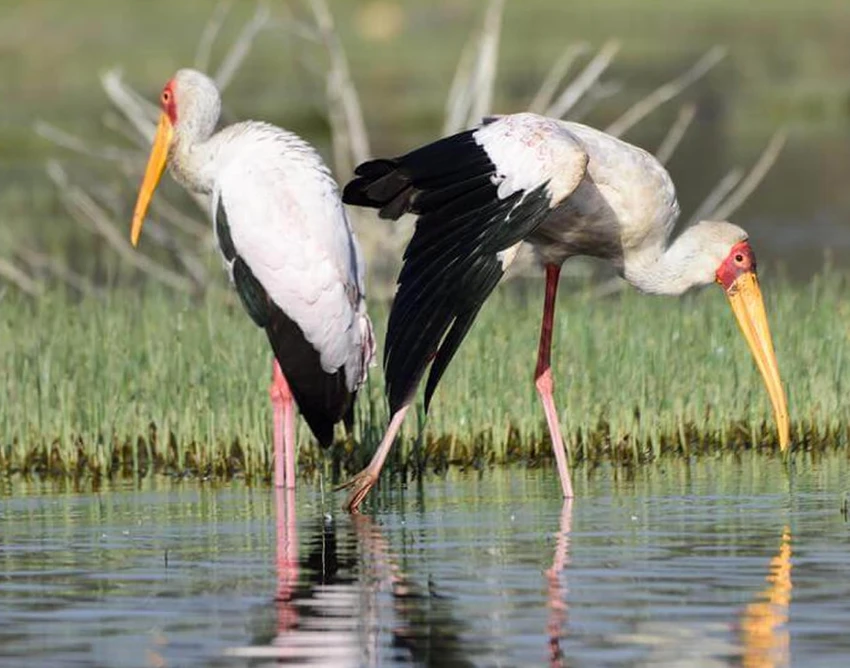
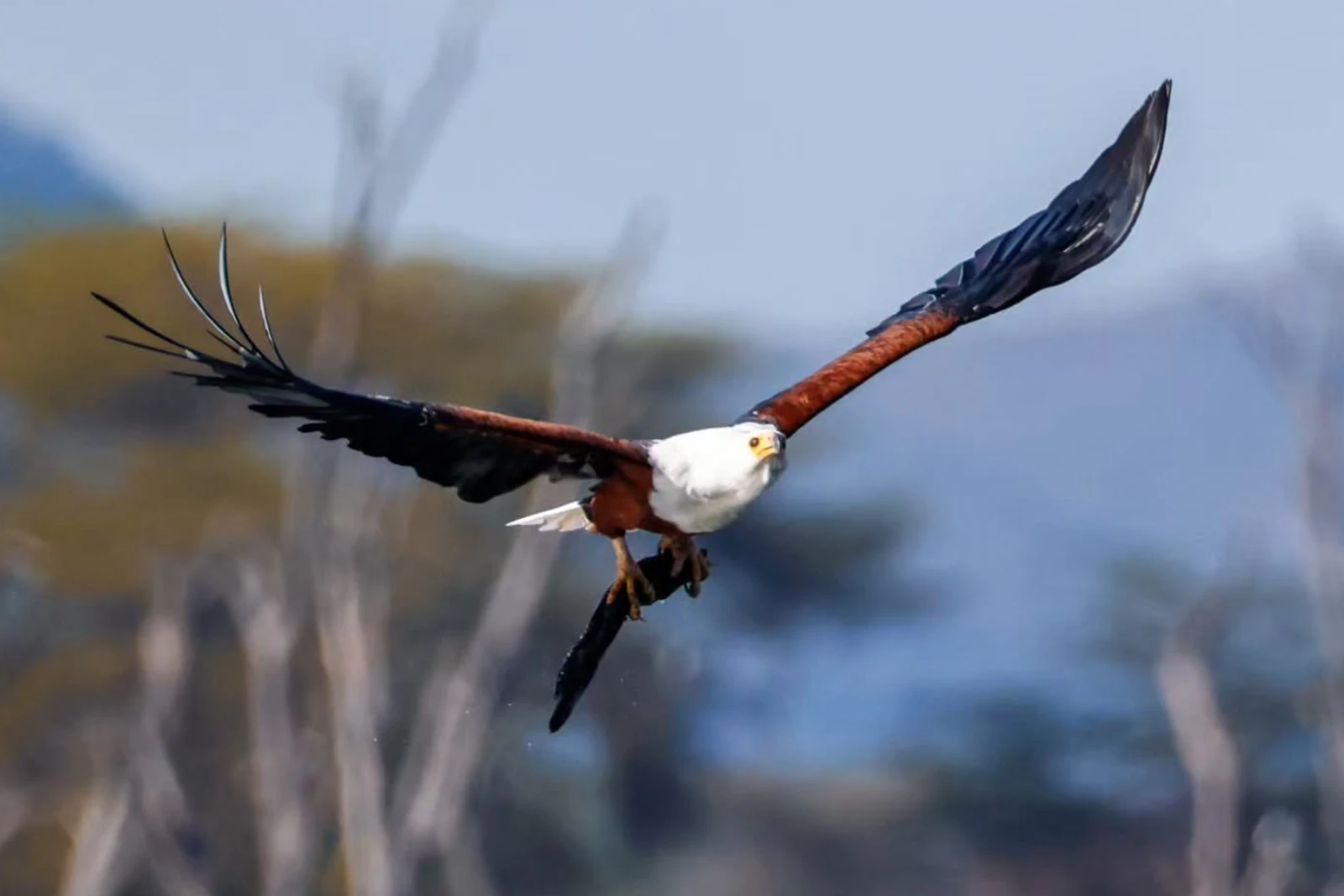
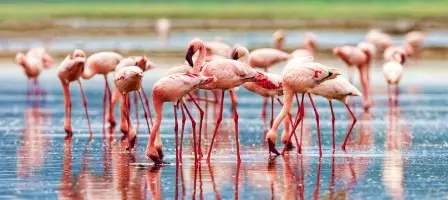
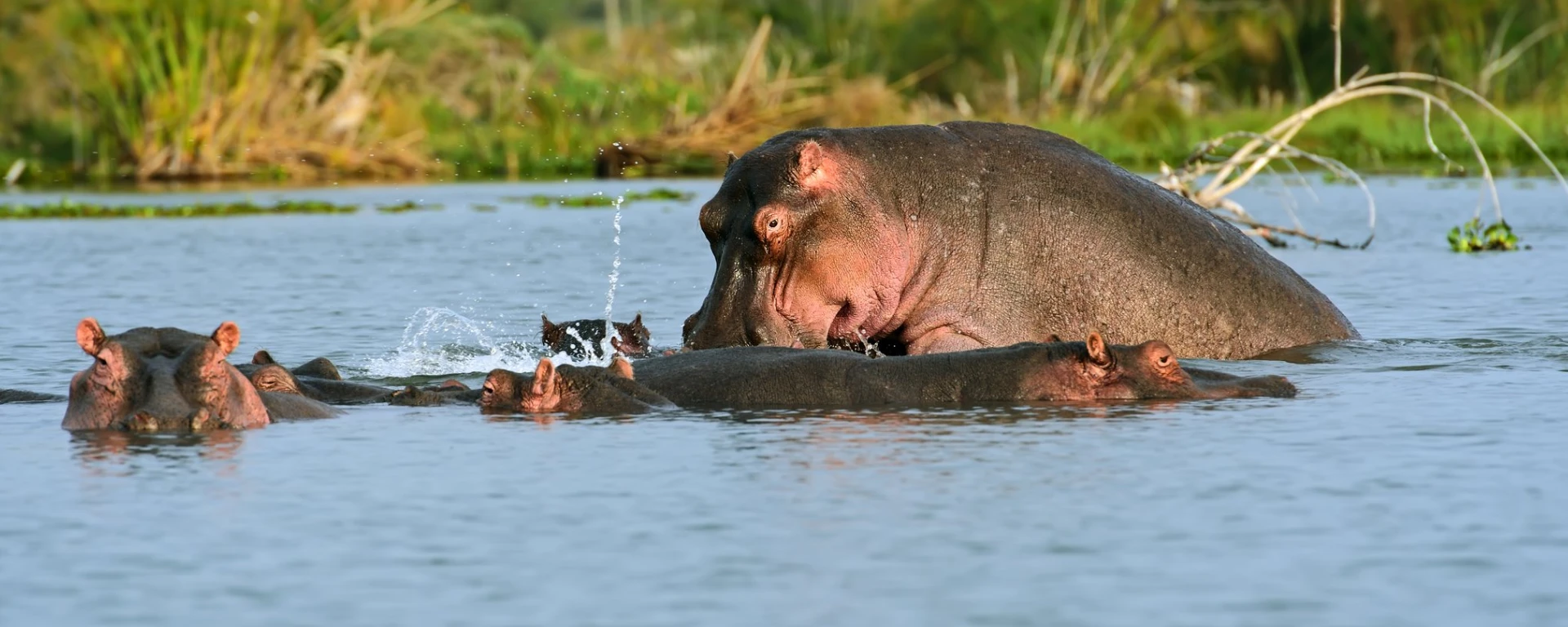
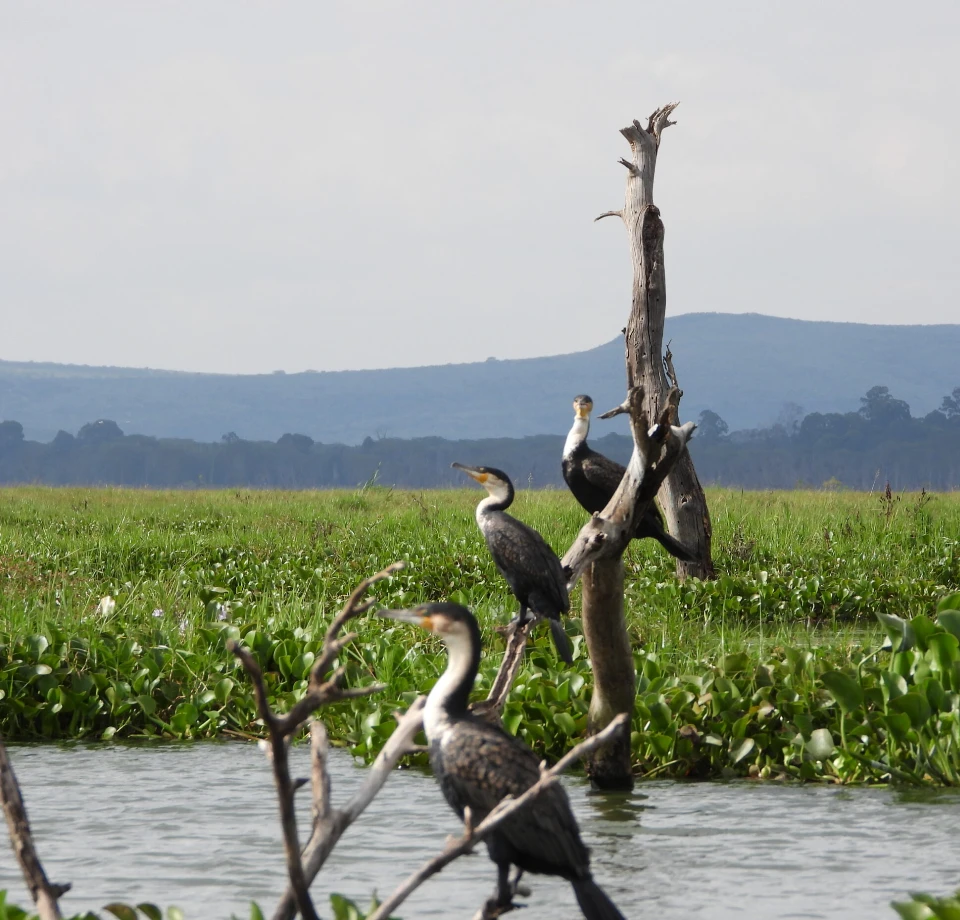
Birdlife is the headline: 350+ species around papyrus edges, river inlets, and floating mats of water hyacinth. Fish eagles call from the trees, and waterbirds crowd the shallows when conditions are right. Hippos use the lake like a daytime shelter, and you notice them by slow breaths.

Get Started

Life-Enriching Travel

Designed Just for You

  • Trips curated by the world’s top destination experts
  • Concierge-level service leading up to and during your trip
  • Unique, exclusive experiences and insider access


500+ Verified Traveler Reviews

Snowytop Safaris LTD

Why Visit
Lake Naivasha

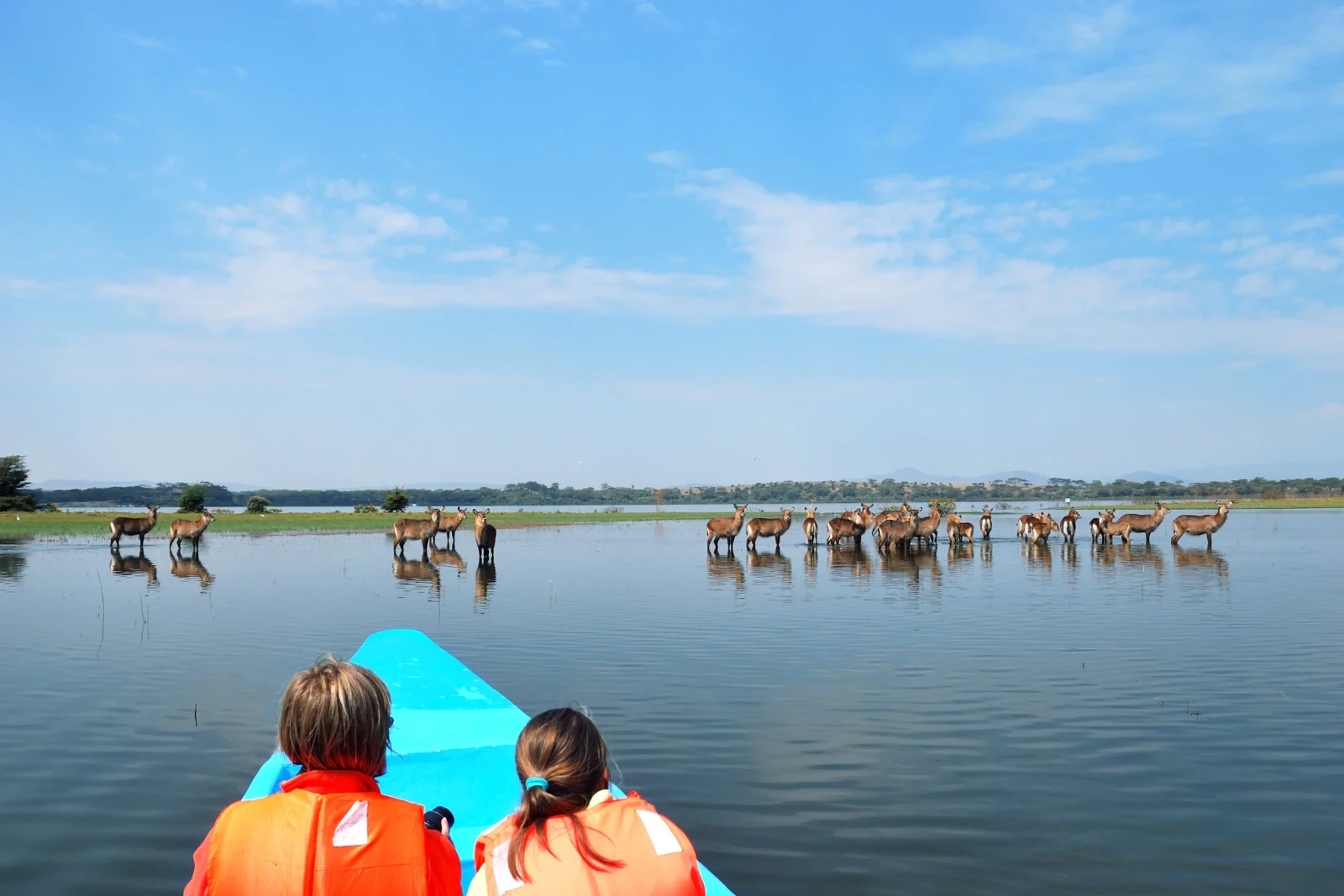
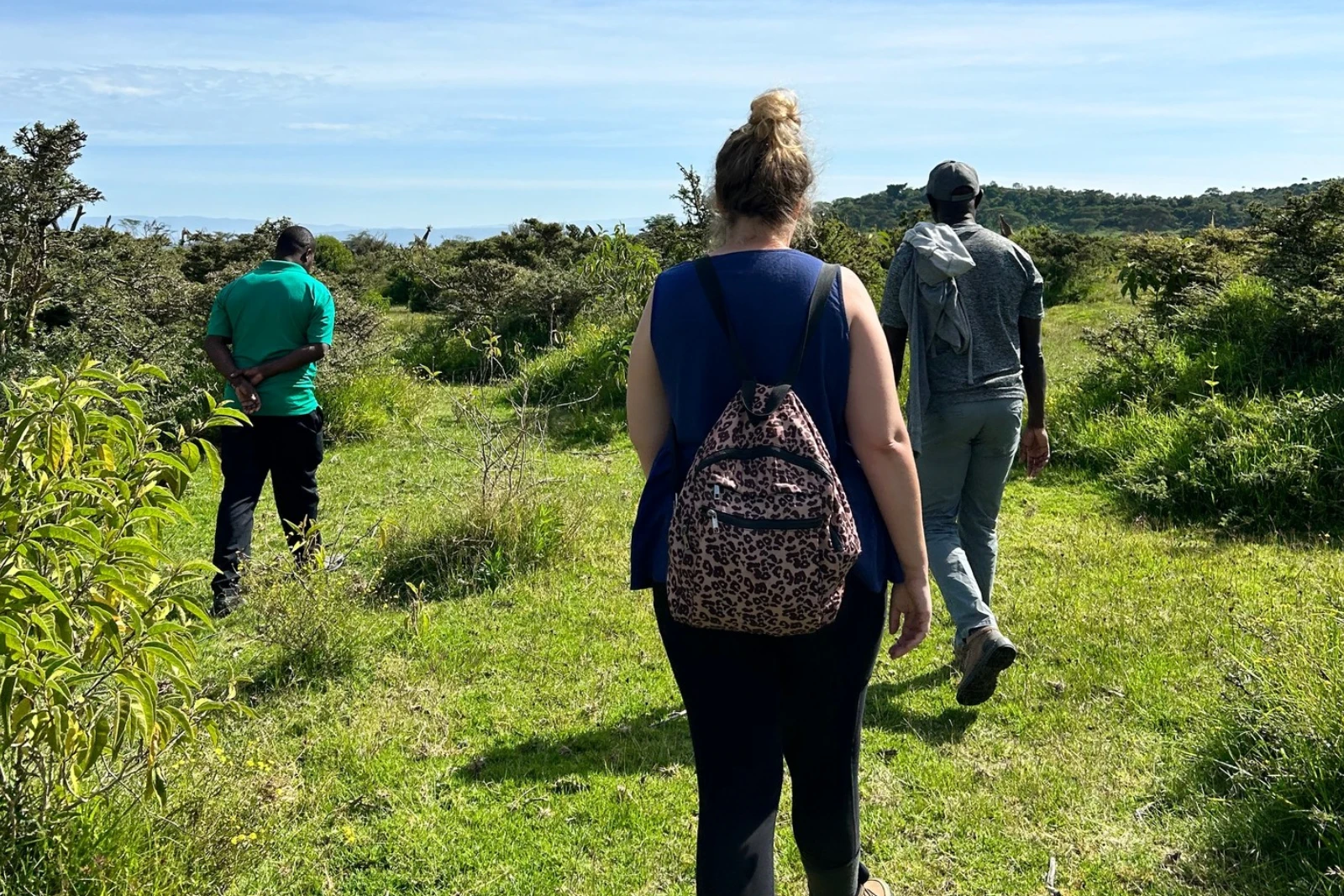
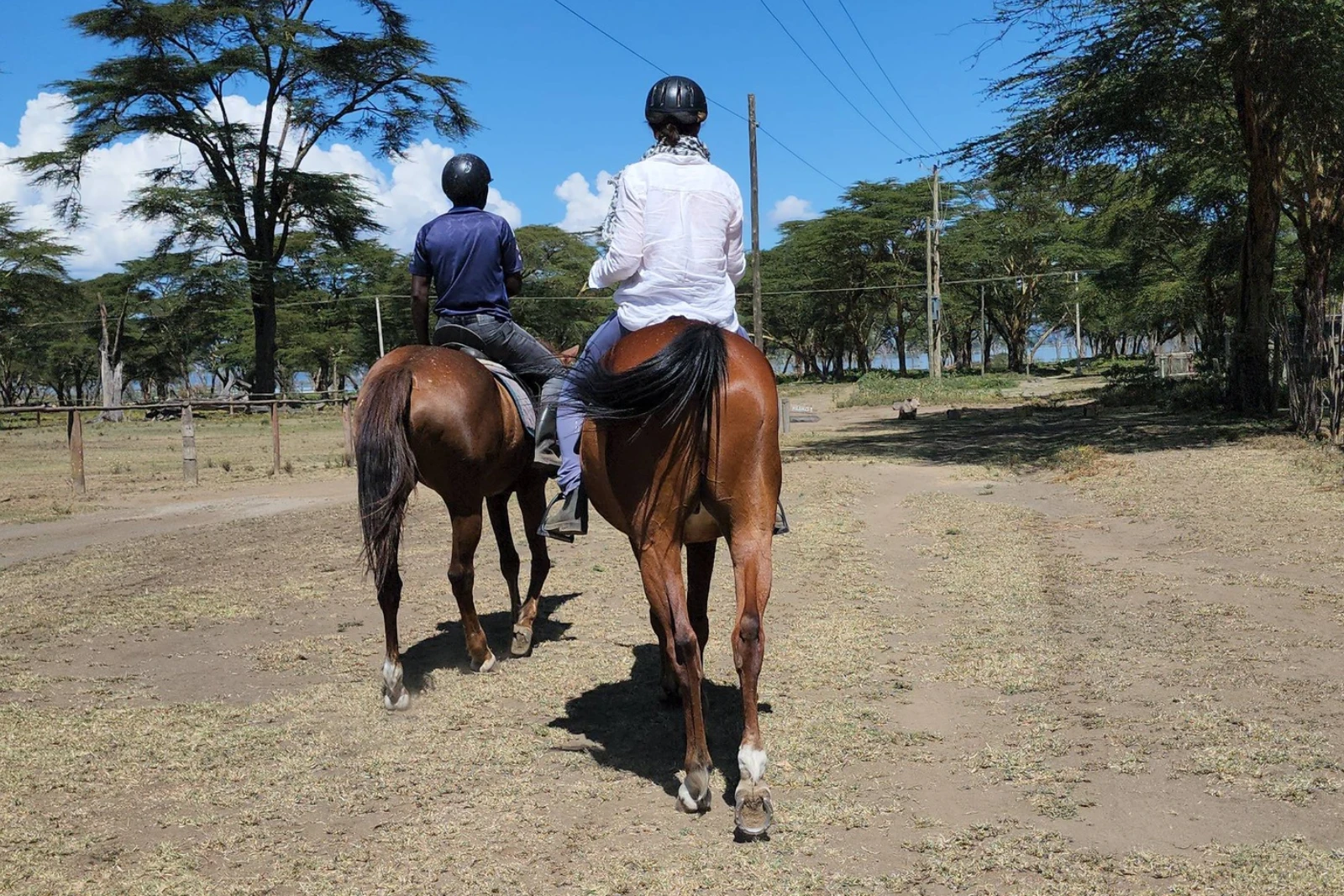
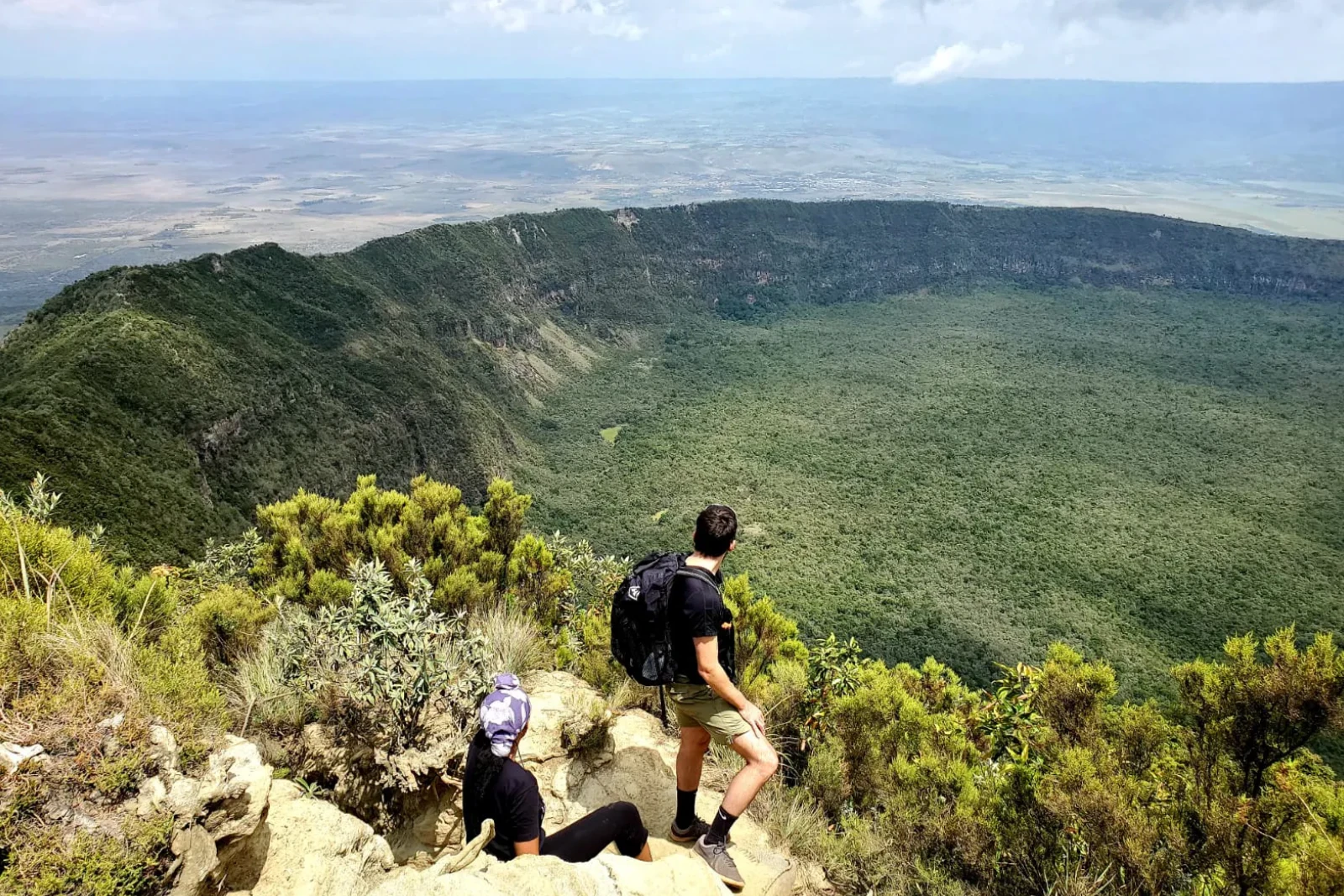
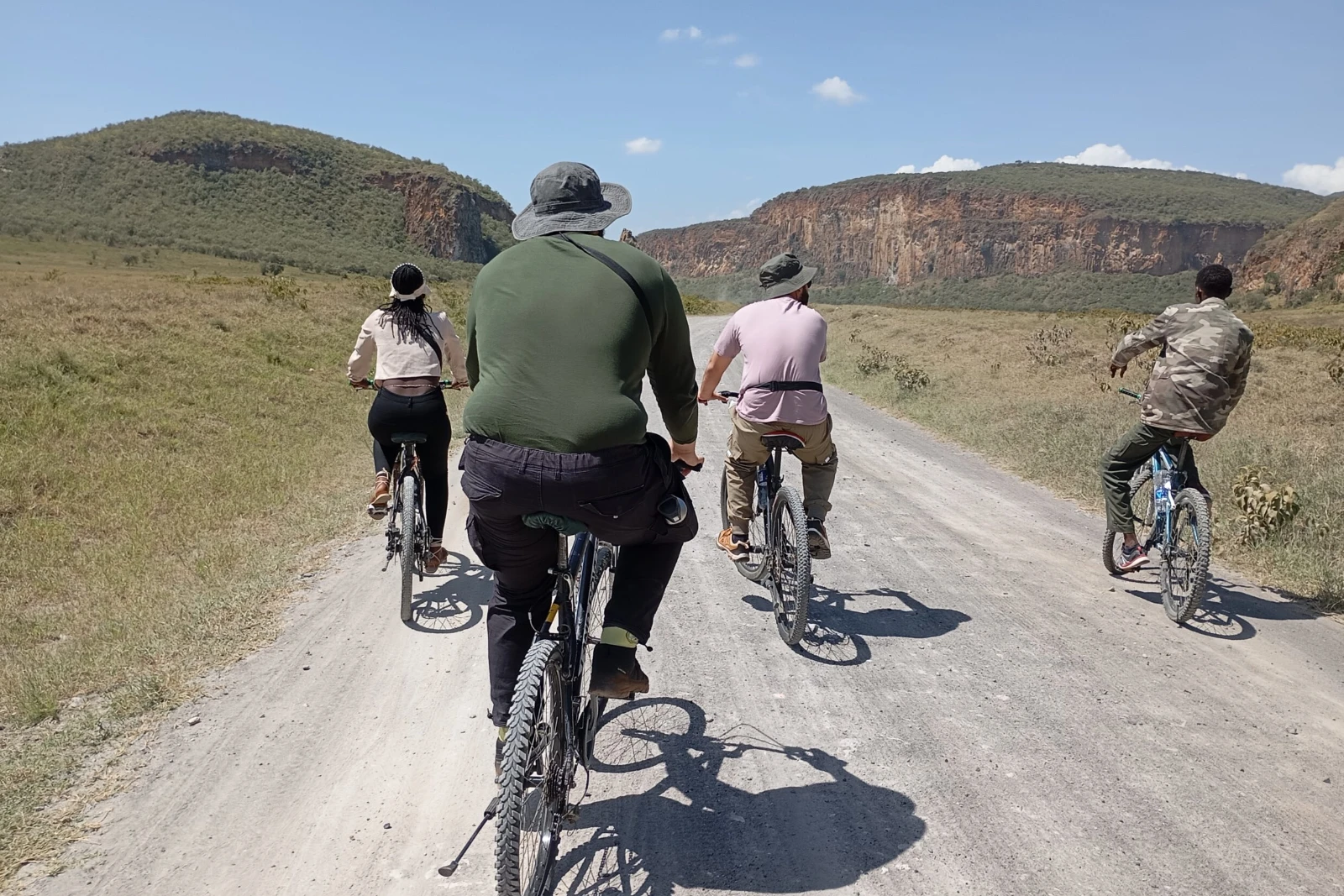
Naivasha is ideal when you want to move without long drives. You can do a boat ride for close waterbirds, then switch to a gentle walk on safe islands or lakeshore areas. It also pairs naturally with nearby parks—Hell's Gate National Park for cycling and gorges, or Mount Longonot for a crater hike. For Kenya family vacations, it’s practical: short activities, flexible timing, and a calm place to sleep, too.

Lake Naivasha

Understanding Lake Naivasha at a Glance

Use this information to plan landscapes, animals, weather, and clear routes into the park.

Rift Valley Lake

Rift Valley Lake

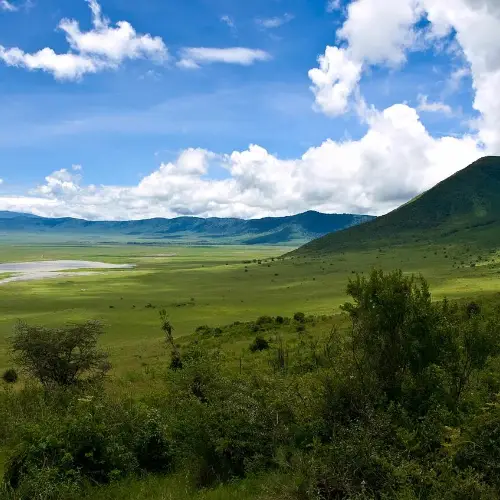
Naivasha is a high Rift Valley lake with a flat shoreline and acacia woodland behind it. Papyrus edges thicken near river inlets, and the water level can swing over years, changing what looks like ‘shore’. On a clear day, you feel the valley’s scale in the distance. Sunsets can be soft, but mornings are cleaner and cooler.
Freshwater Birdlife Focus

Freshwater Birdlife Focus

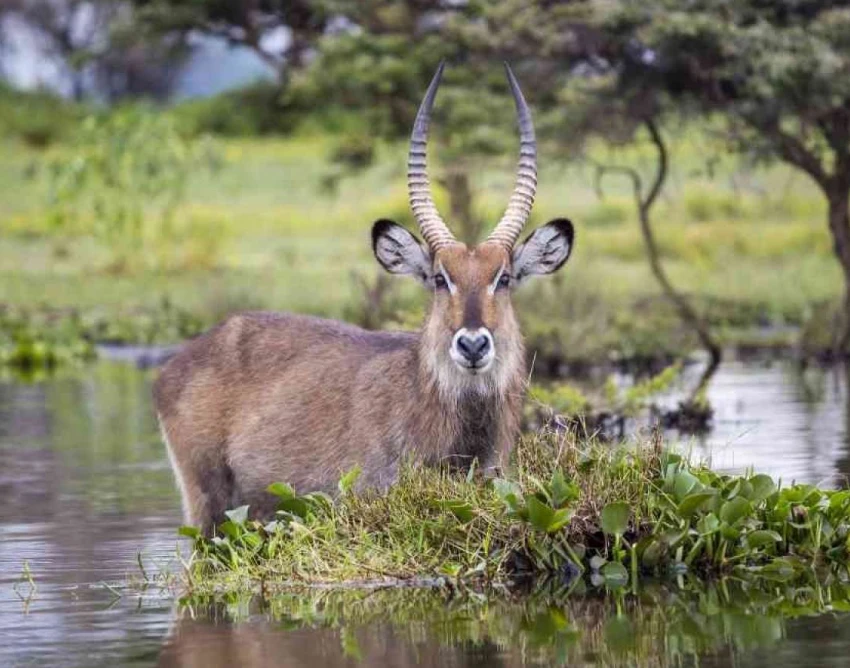
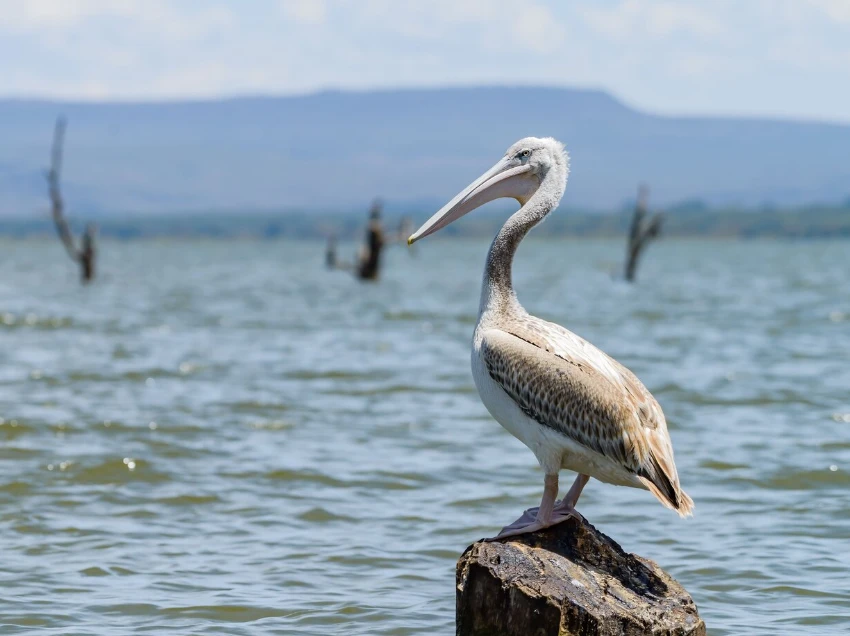
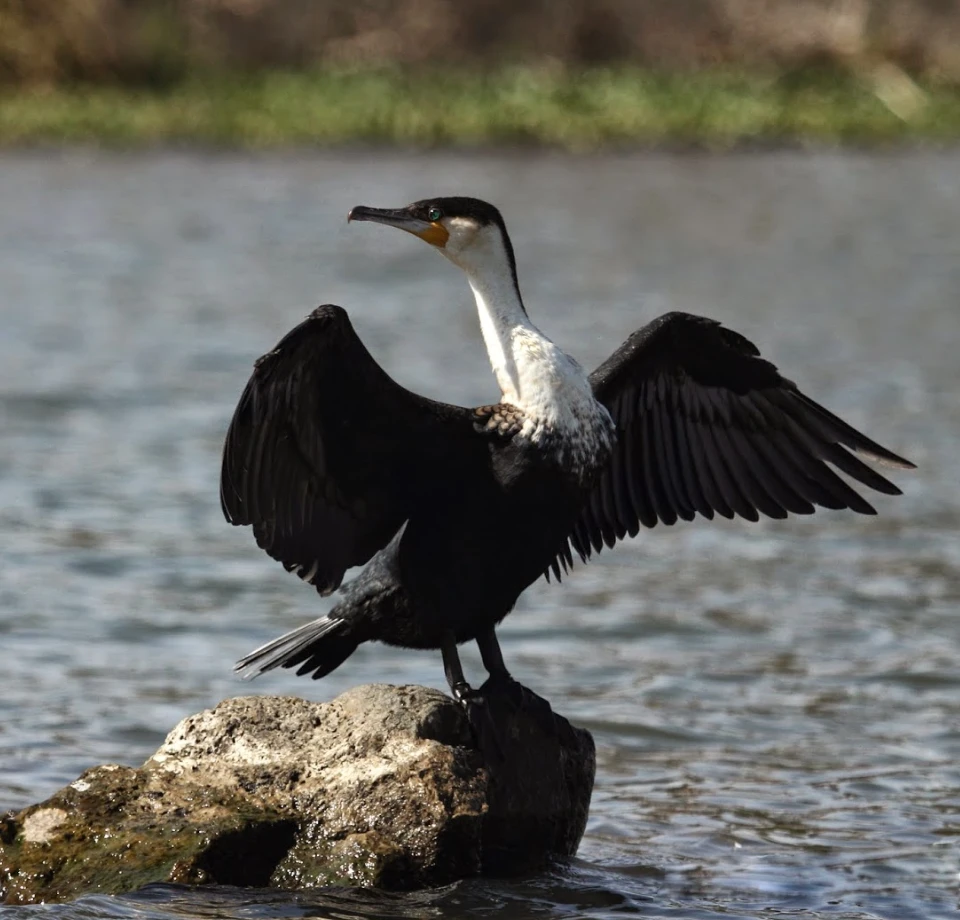
Birding is the main reason people stop: 350+ species, with fish eagles nesting in lakeside acacias. Papyrus and shallows pull in ducks, herons, pelicans, and seasonal migrants, especially from November to April. Hippos are regular, mostly resting in water by day. There’s also a Rift Valley endemic snake recorded here. For Kenya wildlife, it’s quieter, but rich anyway.

Kenya Weather

Mild Rift Climate

Naivasha is warmer than Nairobi in the afternoon, but the altitude keeps nights comfortable. June to October is usually the driest stretch and easiest for boat time and walks. Rains tend to peak around April and again near November, often as short, heavy showers. Pack for layers: a jacket at sunrise, then sun protection by morning.

Freshwater Lake Ecology

Freshwater Lake Ecology

The lake is a Ramsar wetland and one of Kenya’s rare freshwater Rift Valley lakes, with no surface outlet. That’s why it feels different from the soda lakes nearby. Watch for floating water-hyacinth rafts pushed by wind, and the way birds use them as moving platforms. For photographers, fish eagles and reflections are Kenya tourist attractions.

Nairobi

Easy Nairobi Access

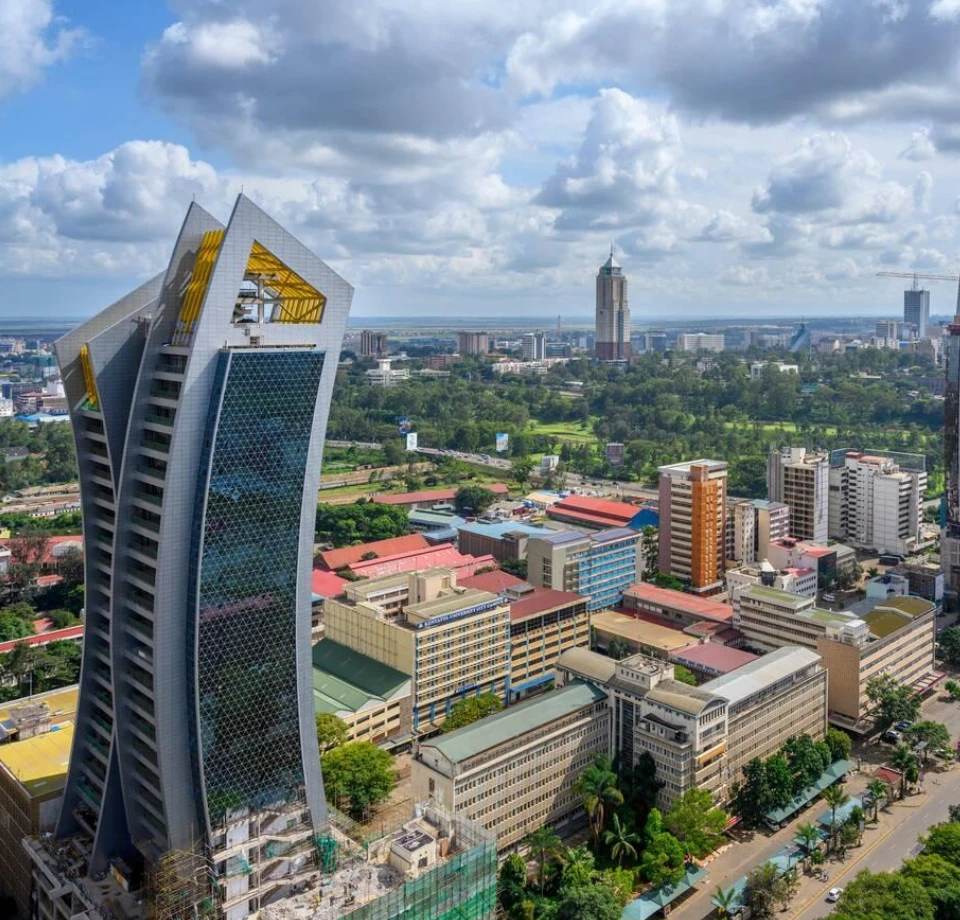
From Nairobi, it’s roughly 80 km to the Naivasha area on tarmac, then a shorter turn to lakeside gates and lodges. Most people come by private vehicle or arranged transfer; public transport gets you to Naivasha town first. If you’re stitching parks together, Naivasha is a natural stop on Kenya guided tours.

When to Go to Naivasha

June to October is driest; December to March brings strong birding, clear mornings, and easy boat time for most people.

  • Best
  • Good
  • Mixed

January is warm and dry, so the lake edge is easy to explore without mud slowing you down. Bird activity is high, and fish eagles are around acacias. Boat rides stay comfortable early and late. It’s a smart add-on month for Kenya safari packages that combine Rift Valley stops.

February can feel hotter at midday, but mornings are still pleasant because of Naivasha’s altitude. Waterbirds concentrate around papyrus edges, and the light is clean for photos. Plan your walk first, then save the boat for late afternoon. This rhythm suits Kenya family vacations when you want short, easy activities.

March begins the shift toward wetter weather. You might get a shower, then sun again, which freshens the air. Birding stays strong, and hippos remain predictable in the water. If you’re linking parks, keep travel buffers for slow traffic. Many Kenya travel itineraries use March as a quieter shoulder month.

April is one of the wetter peaks. Shoreline paths can be soft, and water level changes become obvious near inlets. That said, the lake looks greener, and bird lists can feel endless. Go with waterproof shoes and a light jacket. For Kenya guided tours, April works best with flexible timing.

May often settles after heavier rain, but the landscape stays lush. Boats still run, and the papyrus zones feel busy with calls and wingbeats. Walking conditions improve week by week as tracks dry. If you like quieter lodges and softer prices, May can suit Kenya tour packages very nicely too.

June is usually dry and crisp at dawn. The lake edge is easy underfoot, and boat time feels smoother without storms. Birding remains excellent, especially near river mouths. It’s also a practical month to pair Naivasha with nearby cycling or gorges. Many people book it inside the Kenya safari tour routes.

July stays dry, with cool mornings that make you glad you carried a layer. Days are bright and comfortable for boat rides and birding stops. If you add a hike or cycling day nearby, you won’t fight muddy tracks. This is time for Kenya adventure activities around the Rift Valley.

August is similar to July: dry, clear, and easy for planning. Birders can take their time and still see plenty because shoreline vegetation stays manageable. Evenings cool fast, so dinners by the lake feel comfortable. If you want a quieter stay in Kenya luxury resorts, August can deliver very well.

September stays mostly dry, though afternoons can warm up. Boat rides are still reliable, and hippo pods remain in their usual zones. Birding is steady rather than explosive, so it suits patient watchers. For travellers on Kenya wildlife safaris, Naivasha is a calm break between bigger parks with less driving.

October is a shoulder month. Some days stay dry, others hint at coming rains. Light can be beautiful in the mornings, and the lake often feels quiet. Plan activities early, then keep afternoons flexible. It’s a useful stop if you’re looping through Kenya national parks before heading elsewhere later on.

November often brings the short rains. Expect downpours, then clear skies that make the lake look freshly washed. Migratory birds are back in numbers from now into April. Road travel can slow after showers, so leave extra time. If you’re mixing nature with Kenya cultural tours, this month still works.

December is warm with scattered showers, and the lake edge stays active with birds. It’s a time for boat rides because winds can be gentler early. If you’re travelling with kids, keep plans short and relaxed. Naivasha remains one of the Best places to visit in Kenya for wildlife time.

Naivasha Travel FAQs

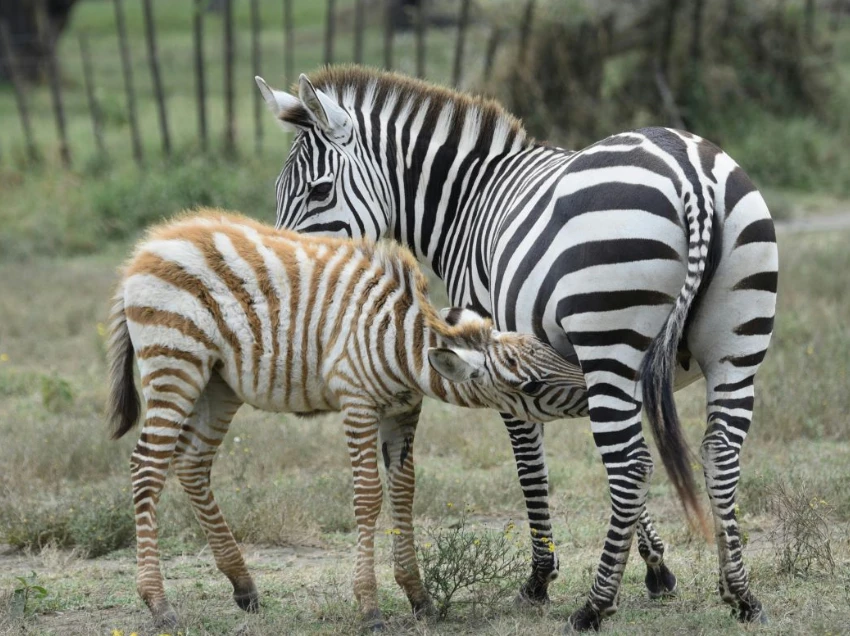
Not really. It’s better for birds, hippos, and relaxed viewing—perfect as a softer day inside Kenya safari tours.

A morning boat ride. You cover waterbird zones fast and still have time for a walk later—great for Kenya wildlife safaris.

Only in approved areas with guides/rangers. Hippos are real hazards, so follow the rules on Kenya guided tours.

One or two. Enough for birds + a boat, and maybe a nearby hike—fits many Kenya tour packages.

Yes—Hell’s Gate, Longonot, Nakuru, or even onward to Mara. It’s a flexible connector in Kenya travel itineraries.

Things to Do Here

Naivasha experiences are small-scale and close-up. You’re not chasing distance; you’re watching details—bird flights, hippo yawns, the way papyrus parts when a boat glides through. Most days combine two short activities and plenty of downtime at the water’s edge. If you stay in Kenya safari lodges, early starts are simple, and you’re back for lunch without stress.

Talk to a Safari Specialist Today

and design your travel plans.

Call +254 723 619669

OR

Enquire Now
  • Lawrence

  • Margaret

  • Mugambi

Our Safari Experts

Safaris You Can Book

Browse all our safari options designed around realistic travel days, trusted guides, and comfortable stays across East Africa.

Explore Iconic Kenya

Witness abundant wildlife, diverse scenery, cultural heritage, and warm hospitality throughout remarkable Kenya.

Get Started On Your Trip

You can contact us anytime, and we’ll support your
planning from early ideas to final details.

Get in touch

What Travellers Say

Real feedback from guests who have traveled with SnowyTop Safaris LTD across East Africa.

Local Team Insight

Our guides and planners work in Kenya and nearby parks year-round. You get route advice that matches road conditions, seasons and lodge standards, not generic online suggestions for your dates.

Clear Trip Planning

We keep planning simple: quick replies, clear inclusions, and realistic drive times. If something won’t fit, we say so early and suggest a better option without pushing upgrades or extras.

Support Throughout Travel

From airport pickup to your last game drive, we stay reachable. You get help with permits, timing and small changes, so the trip keeps moving smoothly even when plans shift.