

Amboseli National Park

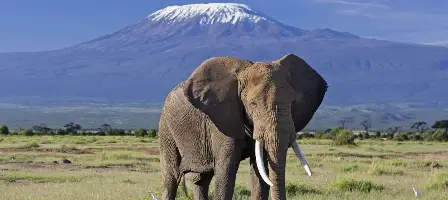
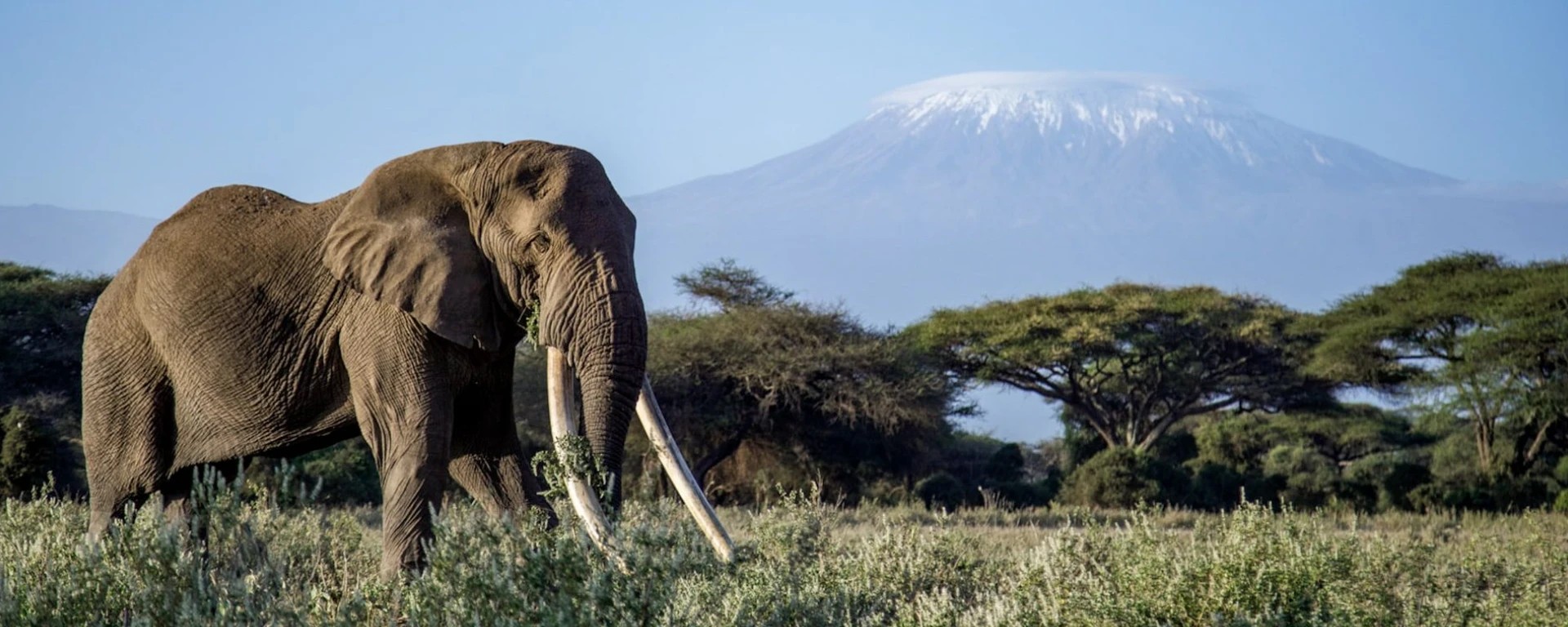
Elephants Below Mount Kilimanjaro

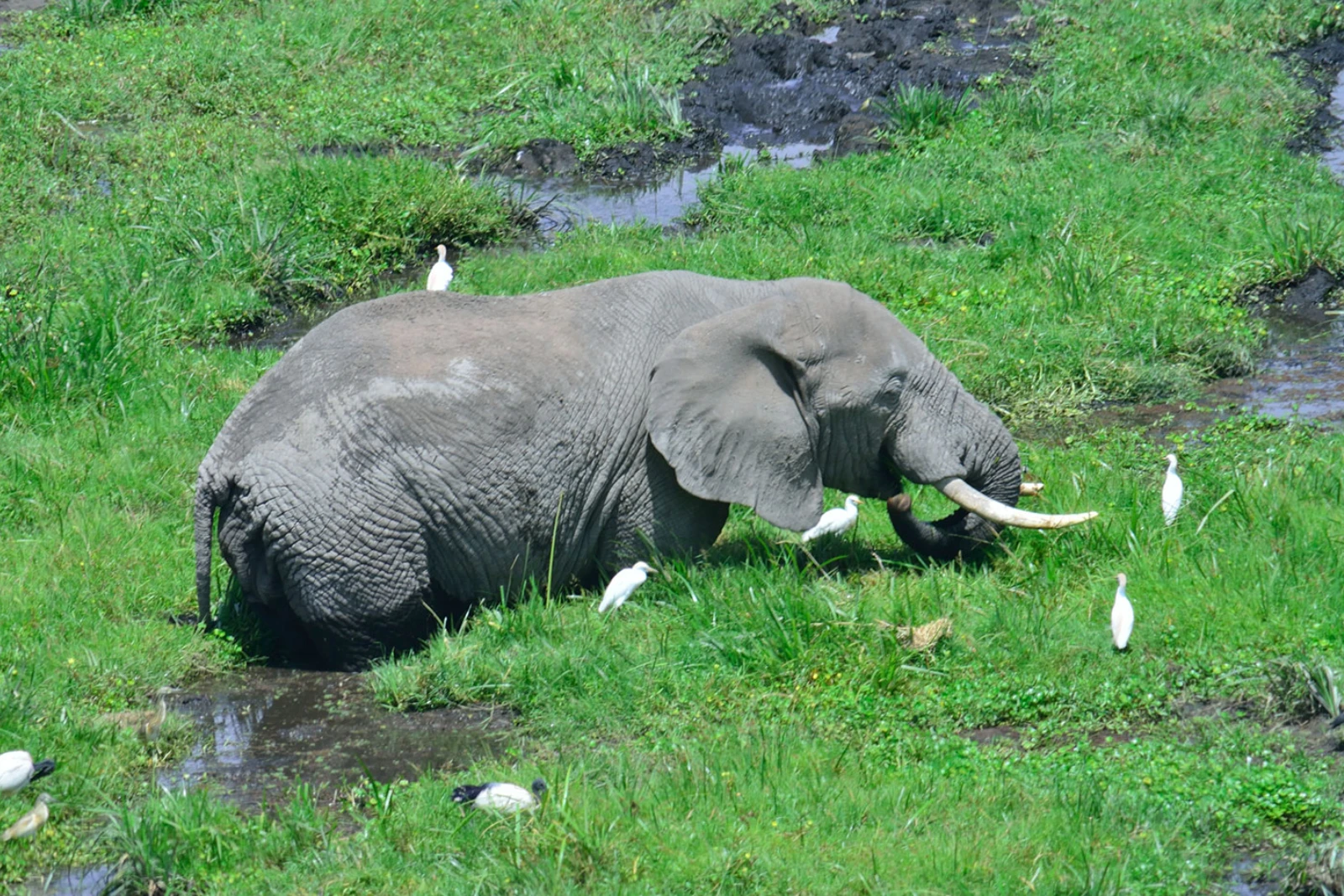
Amboseli looks compact on a map, but it opens up the moment you drive in. Dusty flats run to the horizon, and then you hit bright green swamps sitting in the middle, as if they belong somewhere else. Underground water from Kilimanjaro keeps them alive, so wildlife keeps returning.

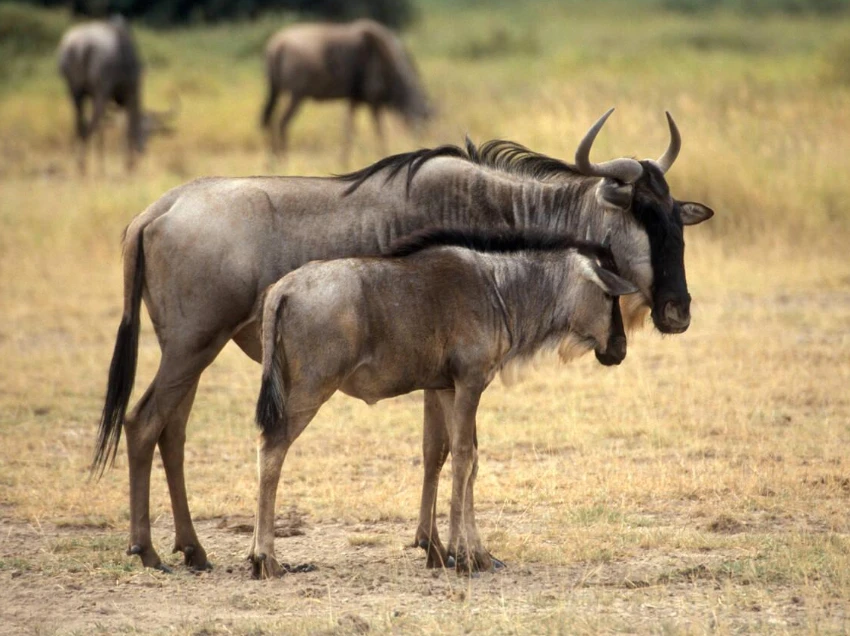
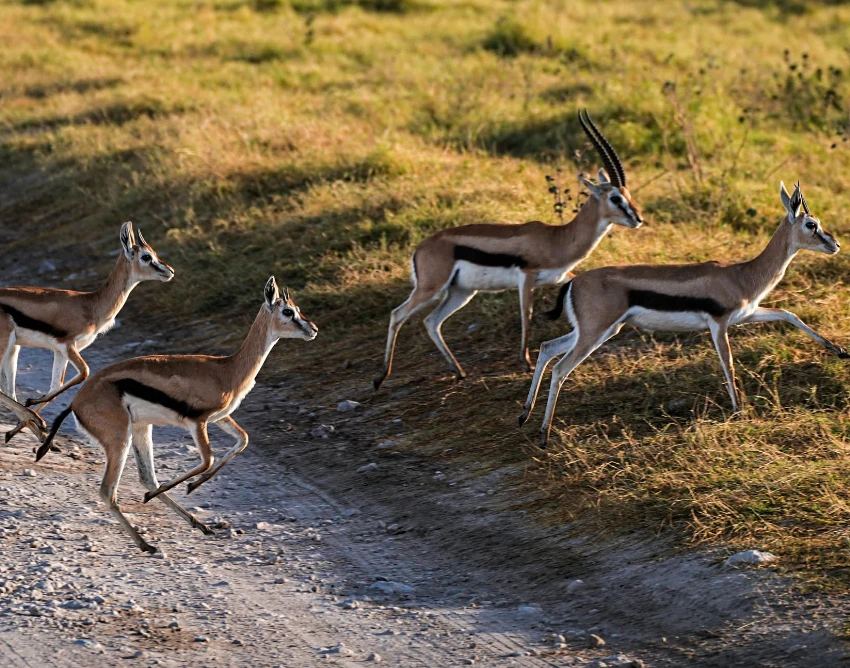
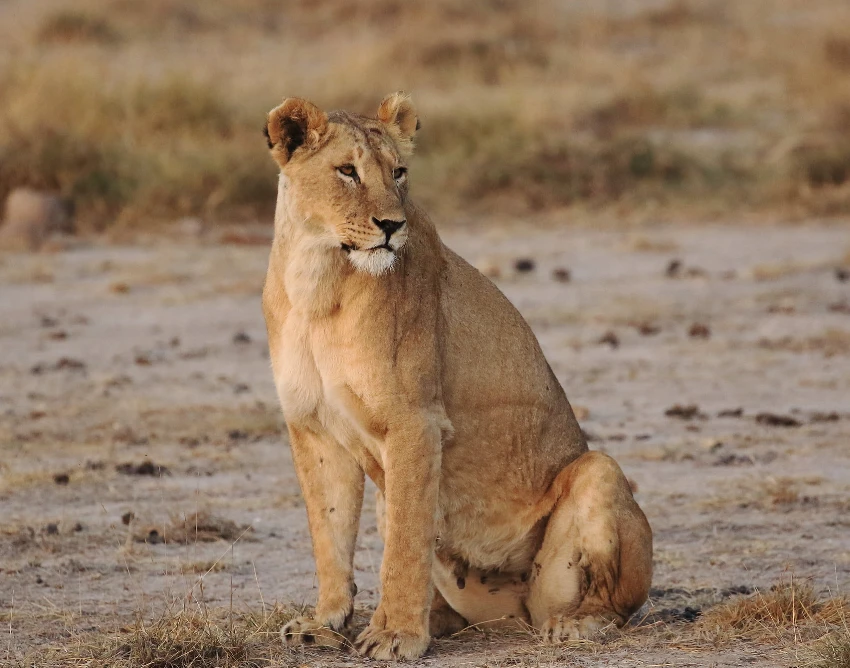
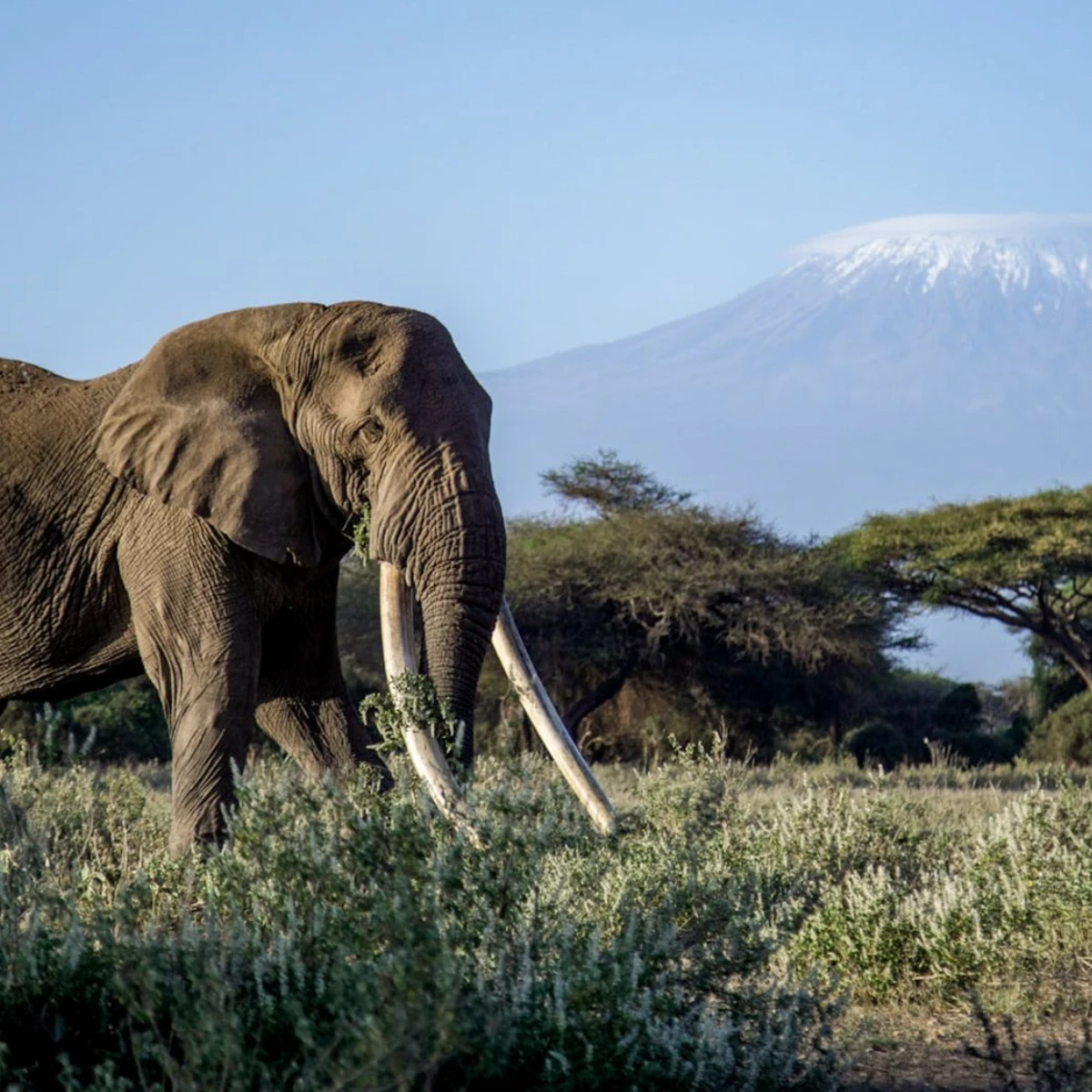
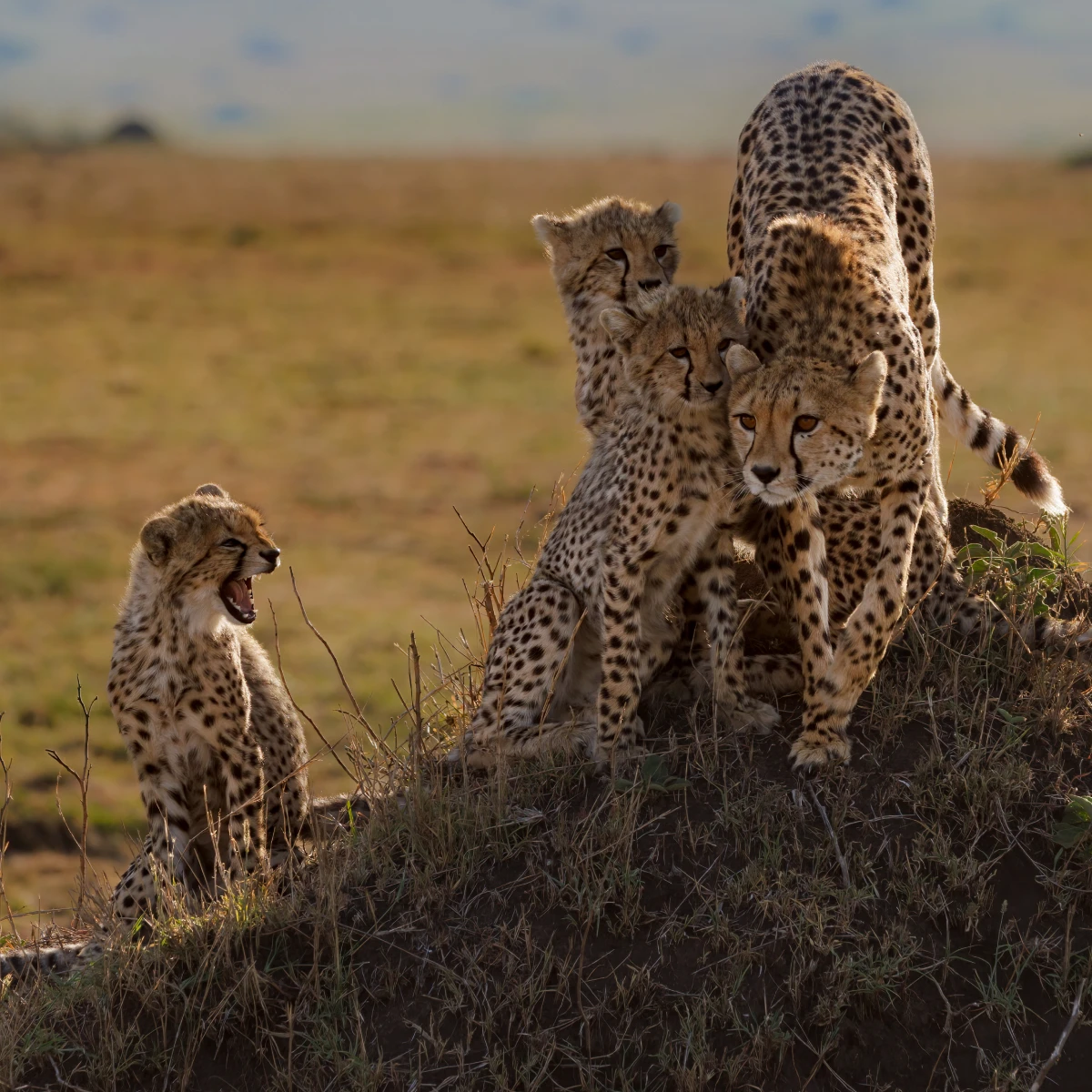
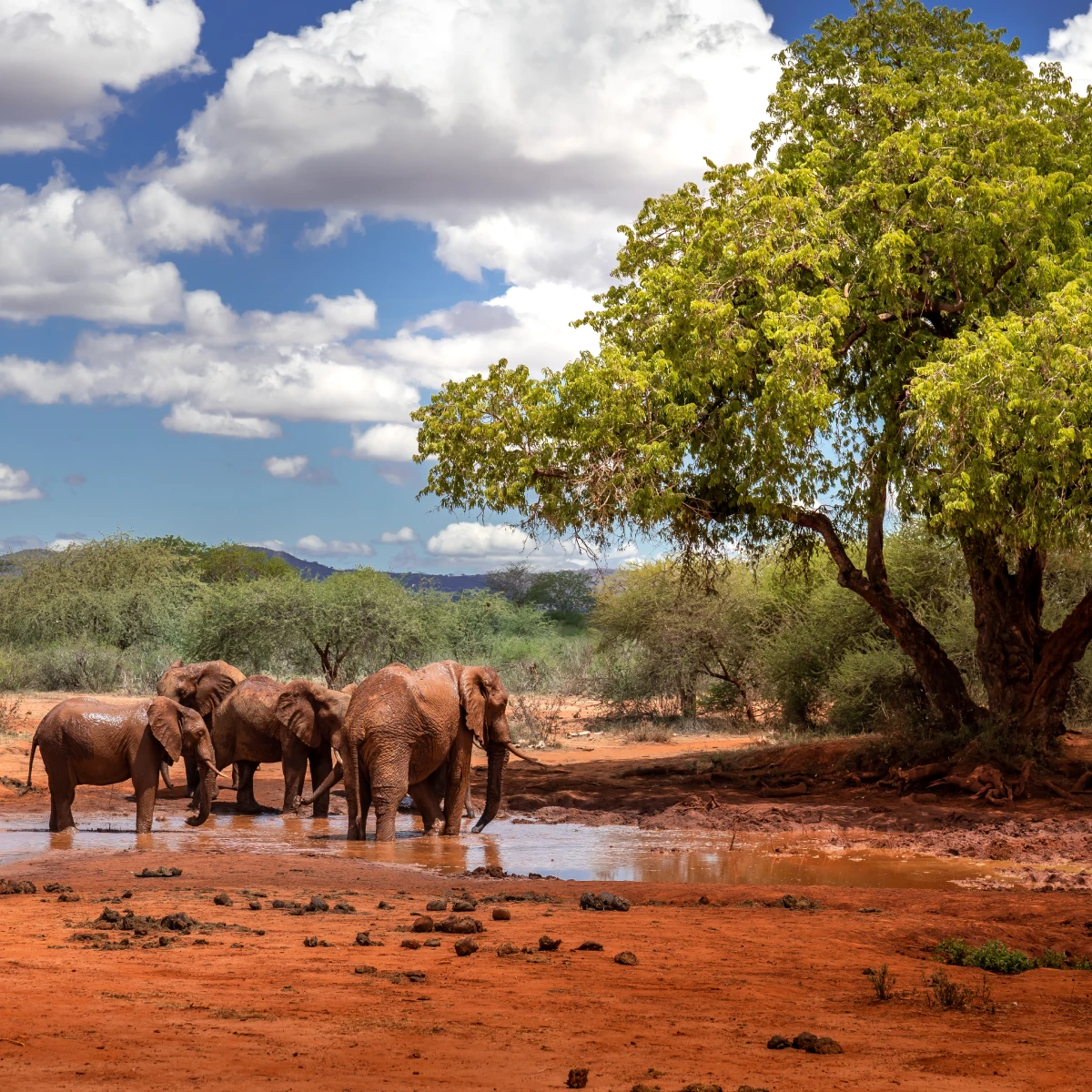
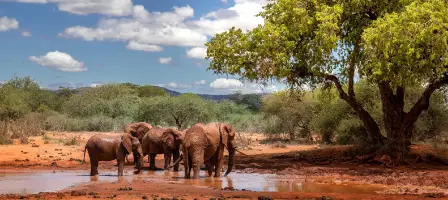
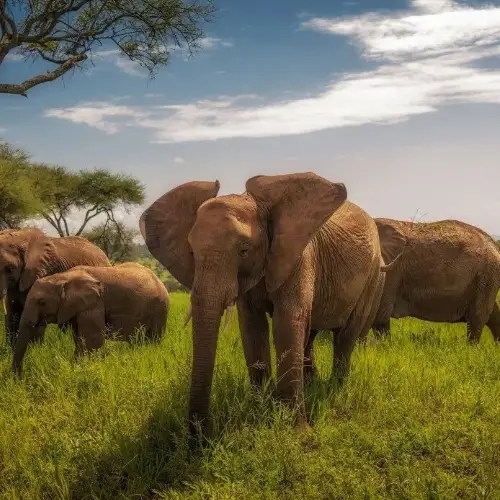
People come for elephants, and they deliver. Families move between plains and marshes daily, close enough to notice torn ears and mud-stained tusks. Lions are common, cheetahs are possible, and zebra, wildebeest, and gazelles fill the gaps. It’s steady Kenya wildlife viewing without endless hours in the car.

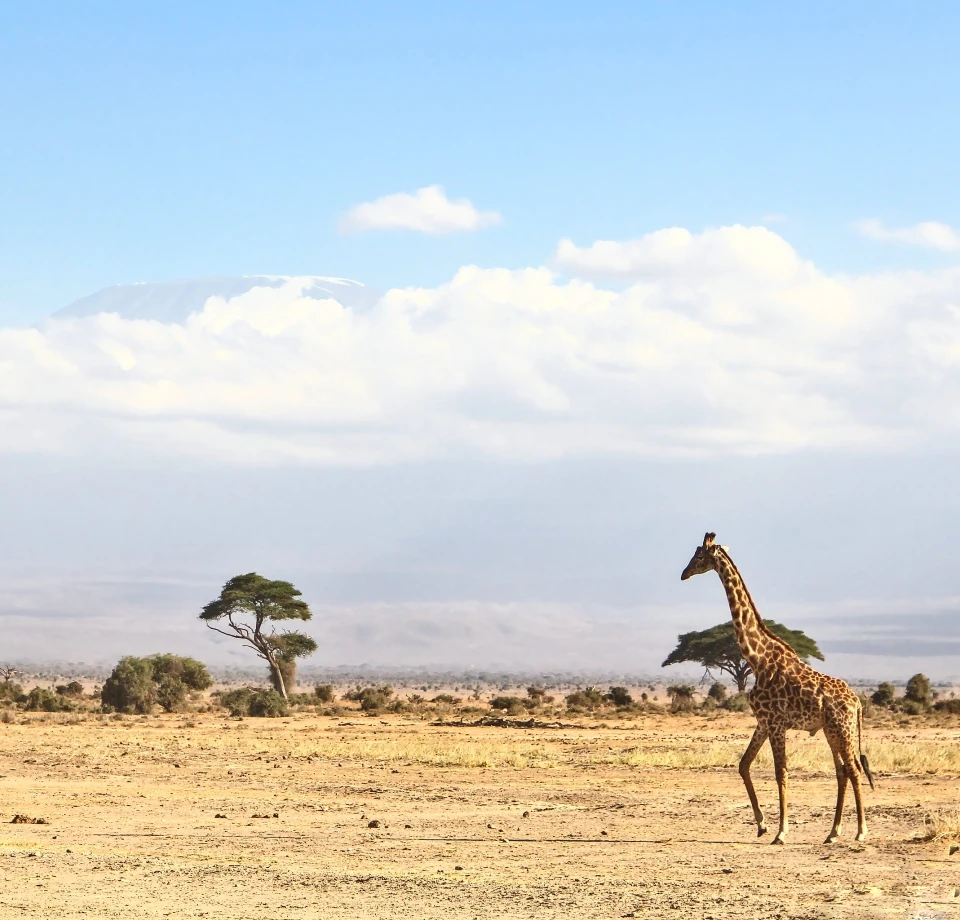
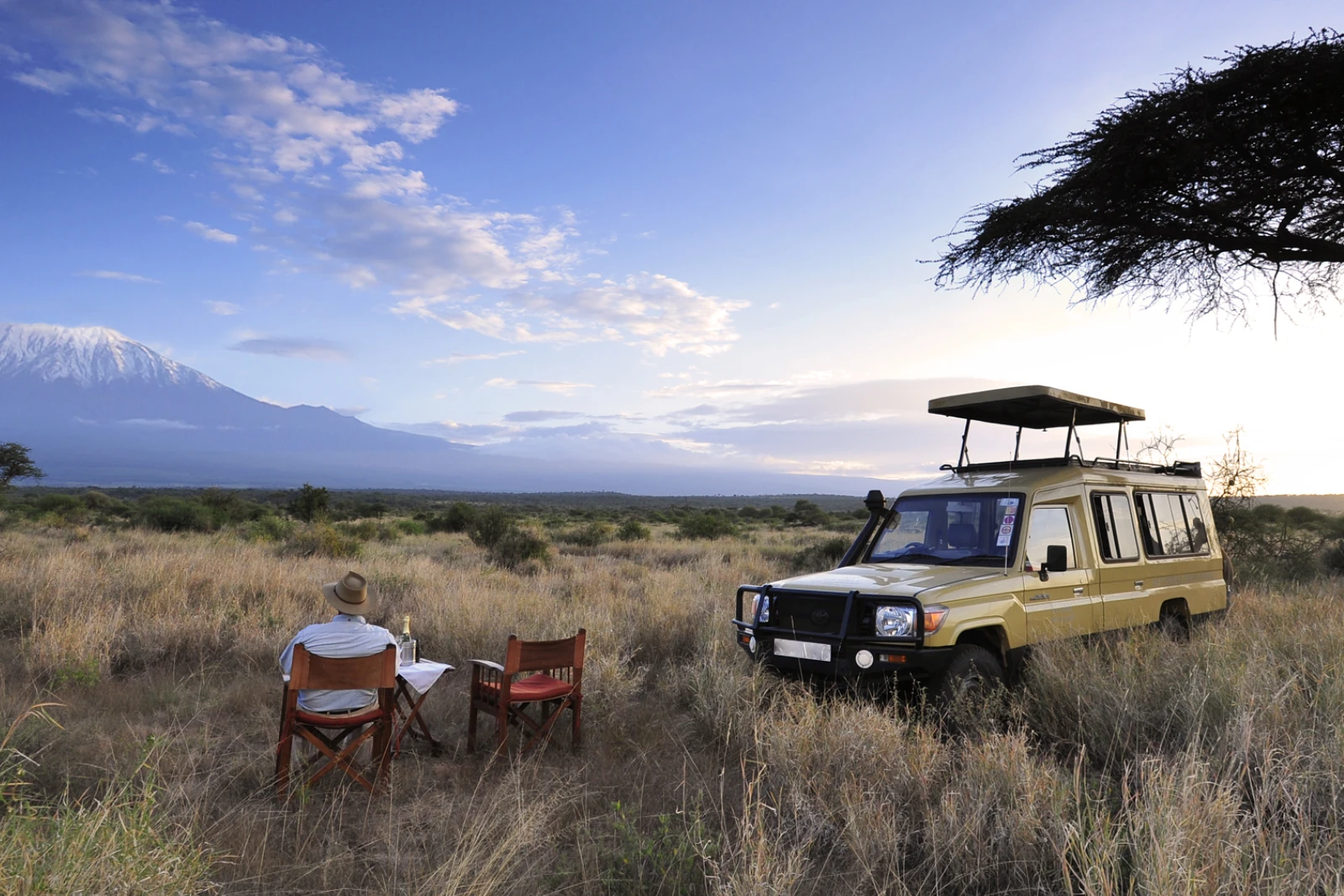
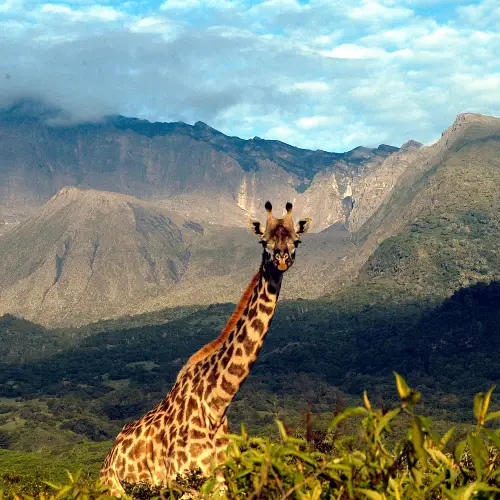
Kilimanjaro is technically in Tanzania, which trips people up, but the backdrop is still the park’s signature. Clear views usually happen early or late in the day, when the air cools, and dust settles. That reliability is why Amboseli stays near the top of Kenya's national parks for first-timers and repeat visitors.

Get Started

Life-Enriching Travel

Designed Just for You

  • Trips curated by the world’s top destination experts
  • Concierge-level service leading up to and during your trip
  • Unique, exclusive experiences and insider access


500+ Verified Traveler Reviews

Snowytop Safaris LTD

Why Visit
Amboseli National Park

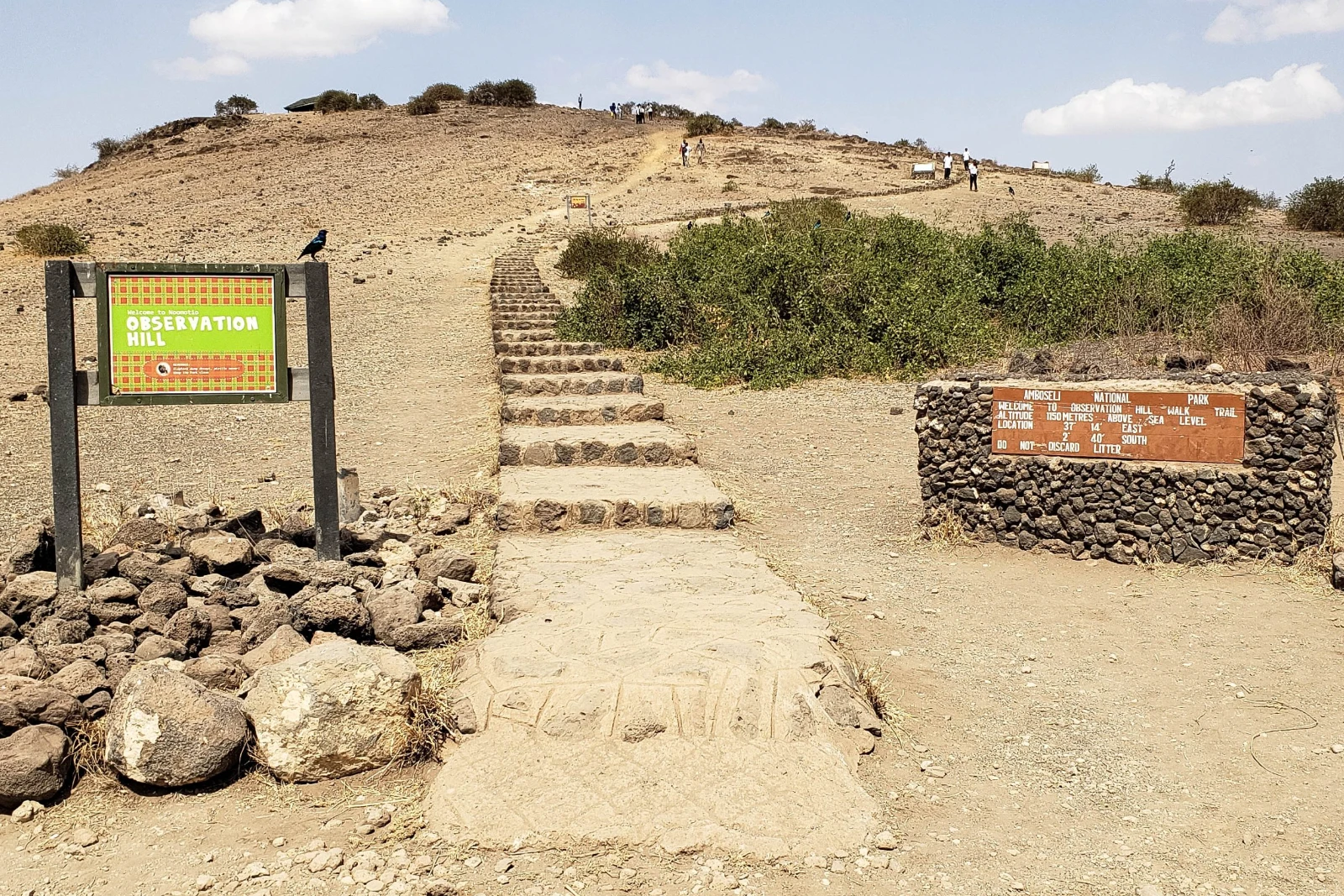
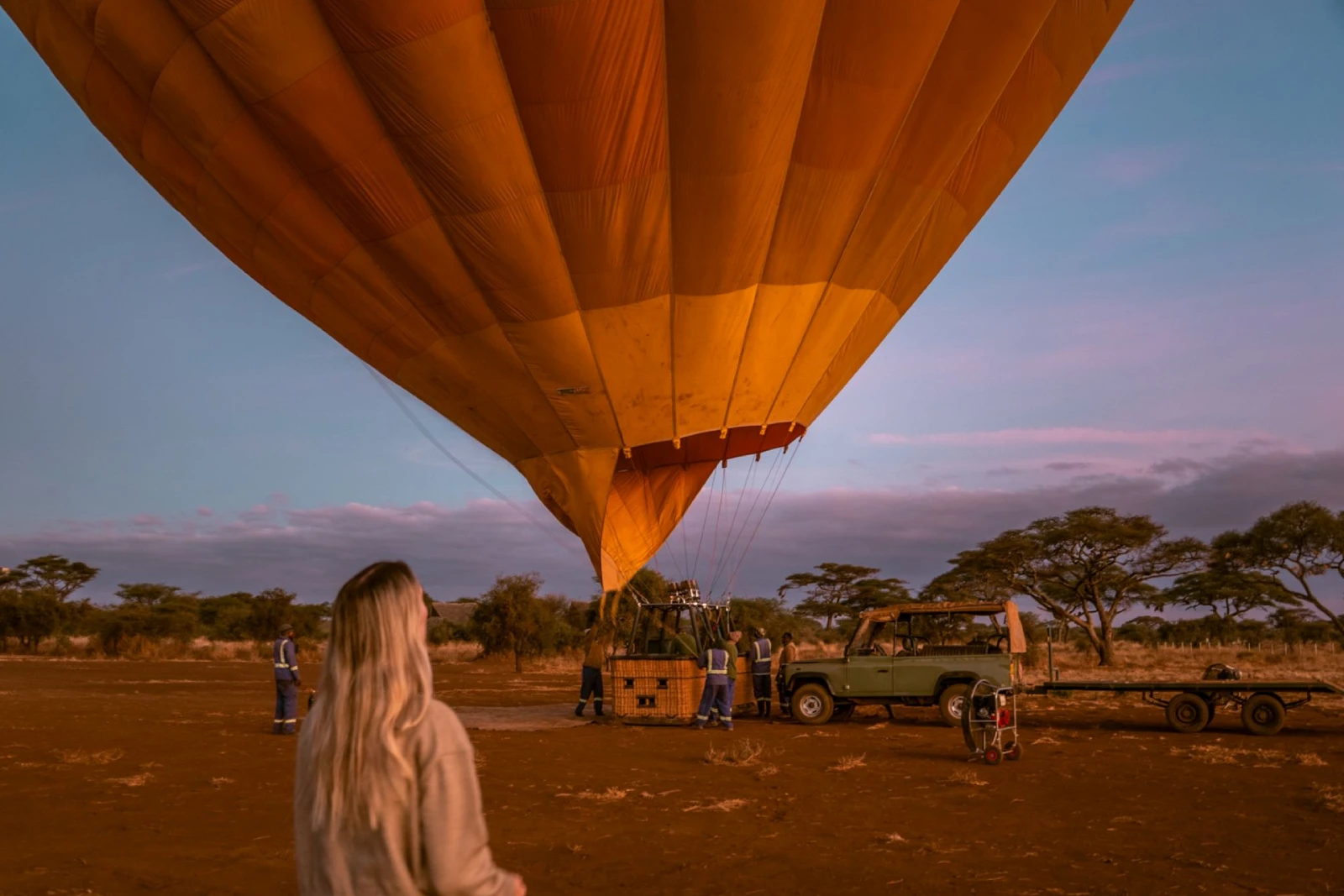
Amboseli suits travellers who want a clear, efficient safari rather than a long road adventure. The terrain is open, so sightings come quickly, and drive times within the park are short. Elephant encounters are consistent, not a lucky bonus. Observation Hill gives an easy viewpoint without extra trekking, and balloon flights add variety if you budget for them. It also pairs neatly with Nairobi or Tsavo in Kenya safari tours. Even when Kilimanjaro hides, the animals don’t care much.

Amboseli National Park

Understanding Amboseli at a Glance

Use this information snapshot to match scenery, wildlife, weather, and routes to days.

Amboseli Plains

Open Plains Swamps

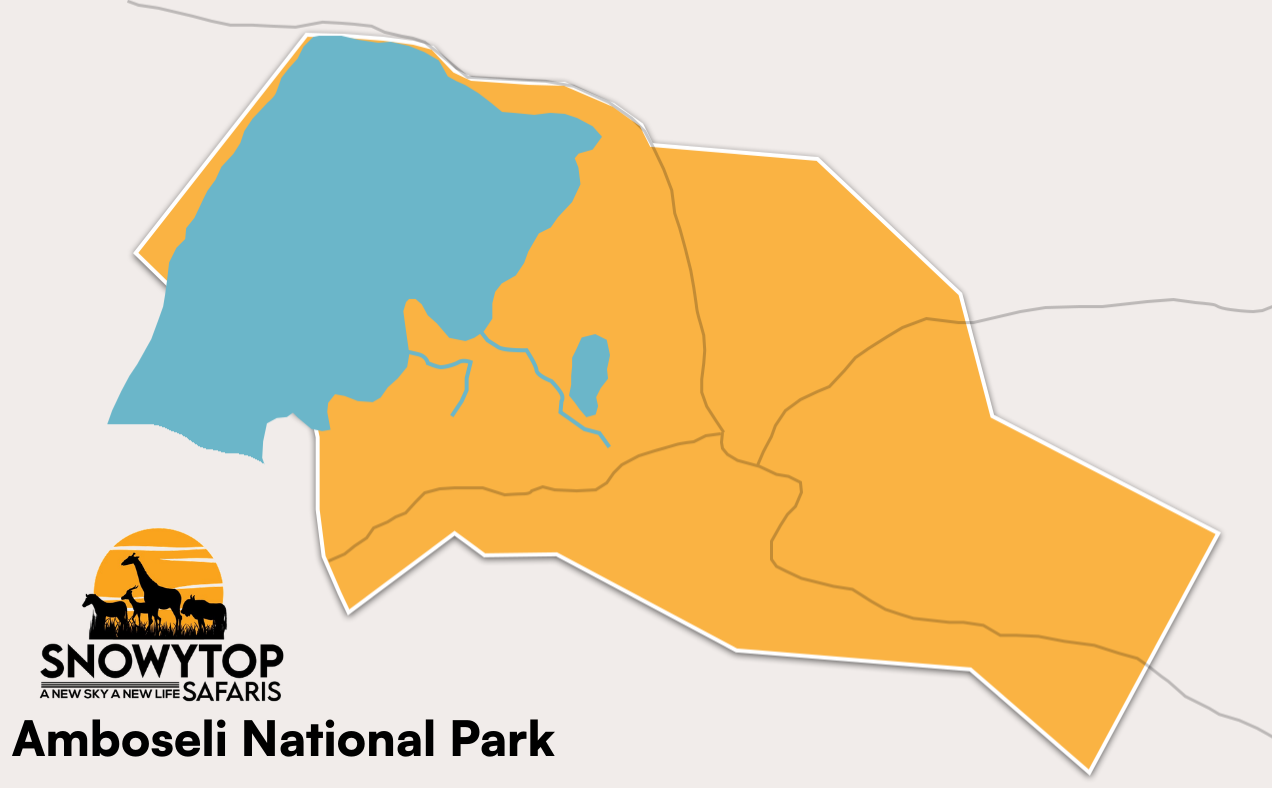
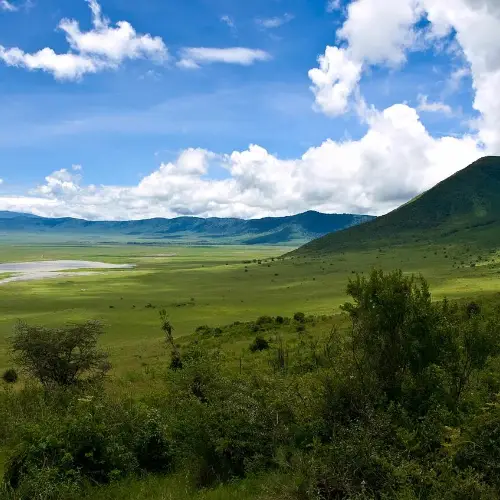
Amboseli is a basin of contrasts: dry, pale plains, then sudden marsh-green swamps fed by springs. In the east, you’ll find acacia woodland that gives shade and a different bird mix. The southern skyline is dominated by Mount Kilimanjaro, usually clearer at dawn and late afternoon. The flat ground also means you see the weather rolling in from far away.
Amboseli Wildlife

Elephant-Dominated Ecosystem

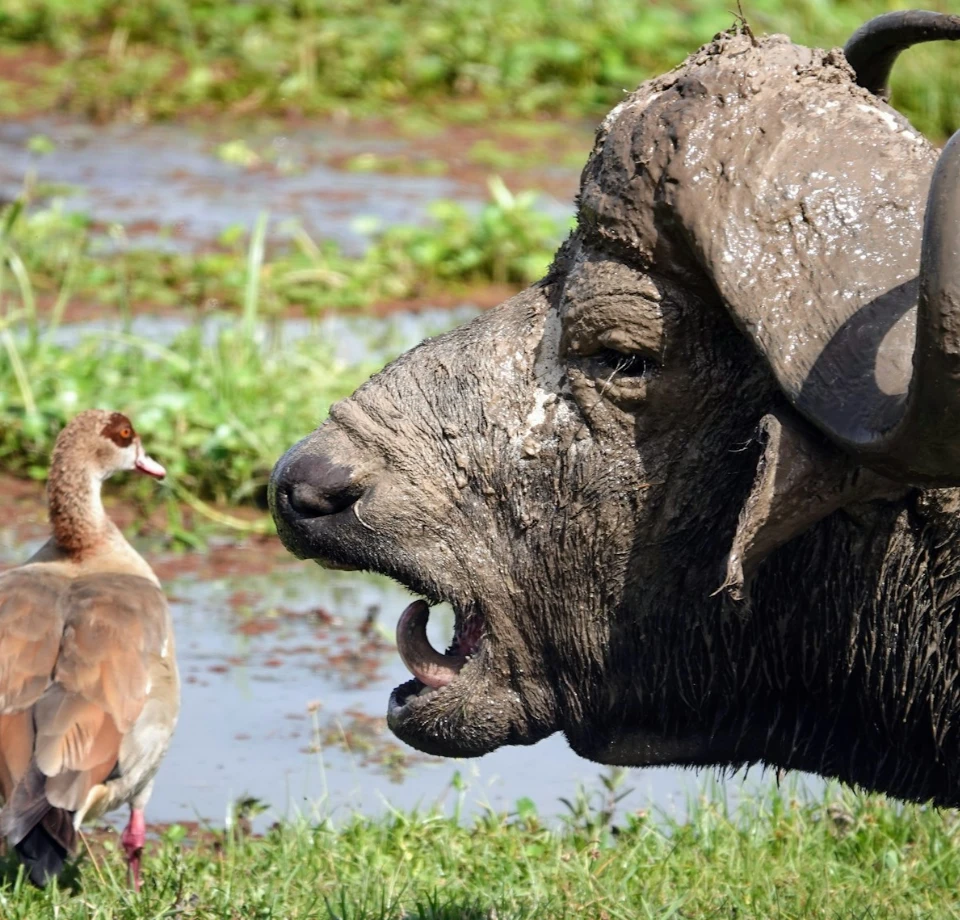
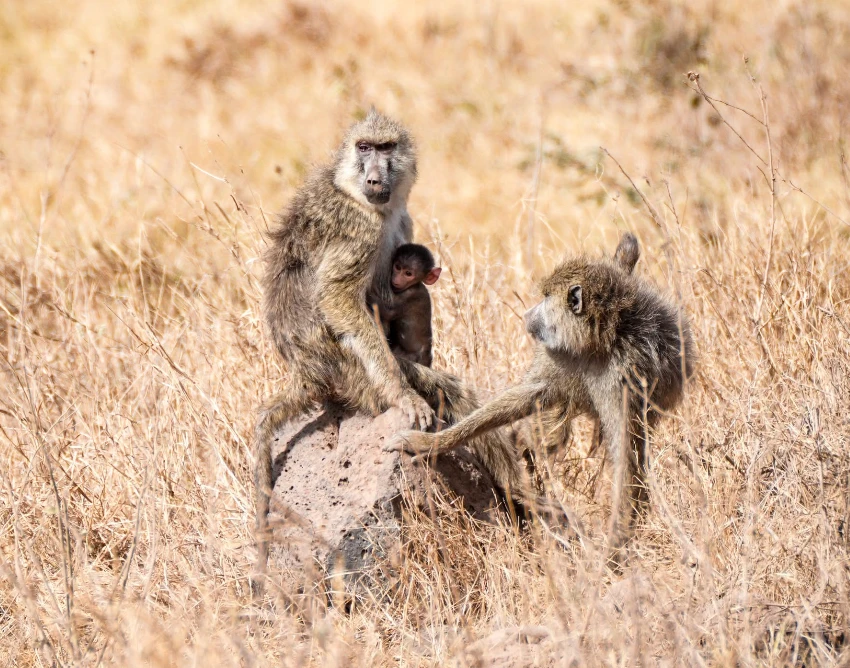
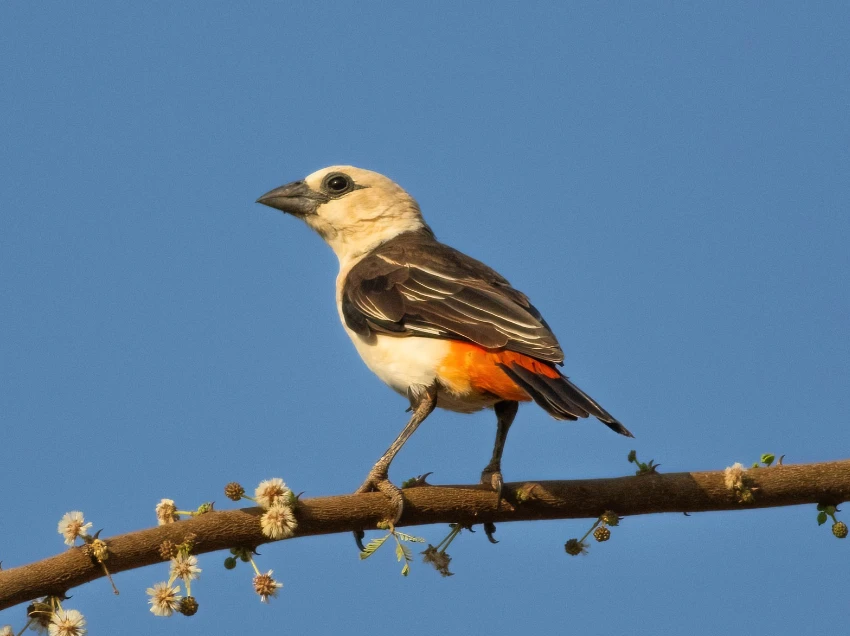
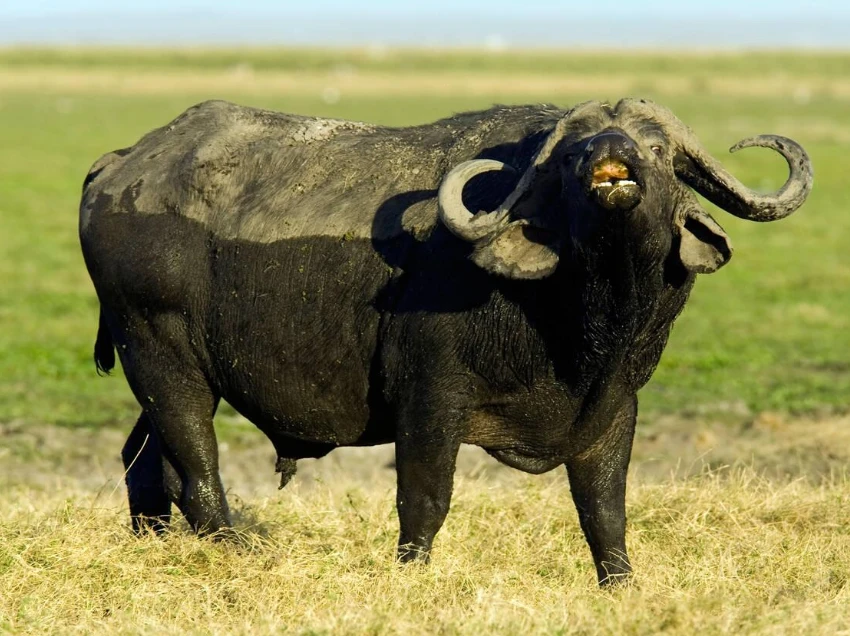
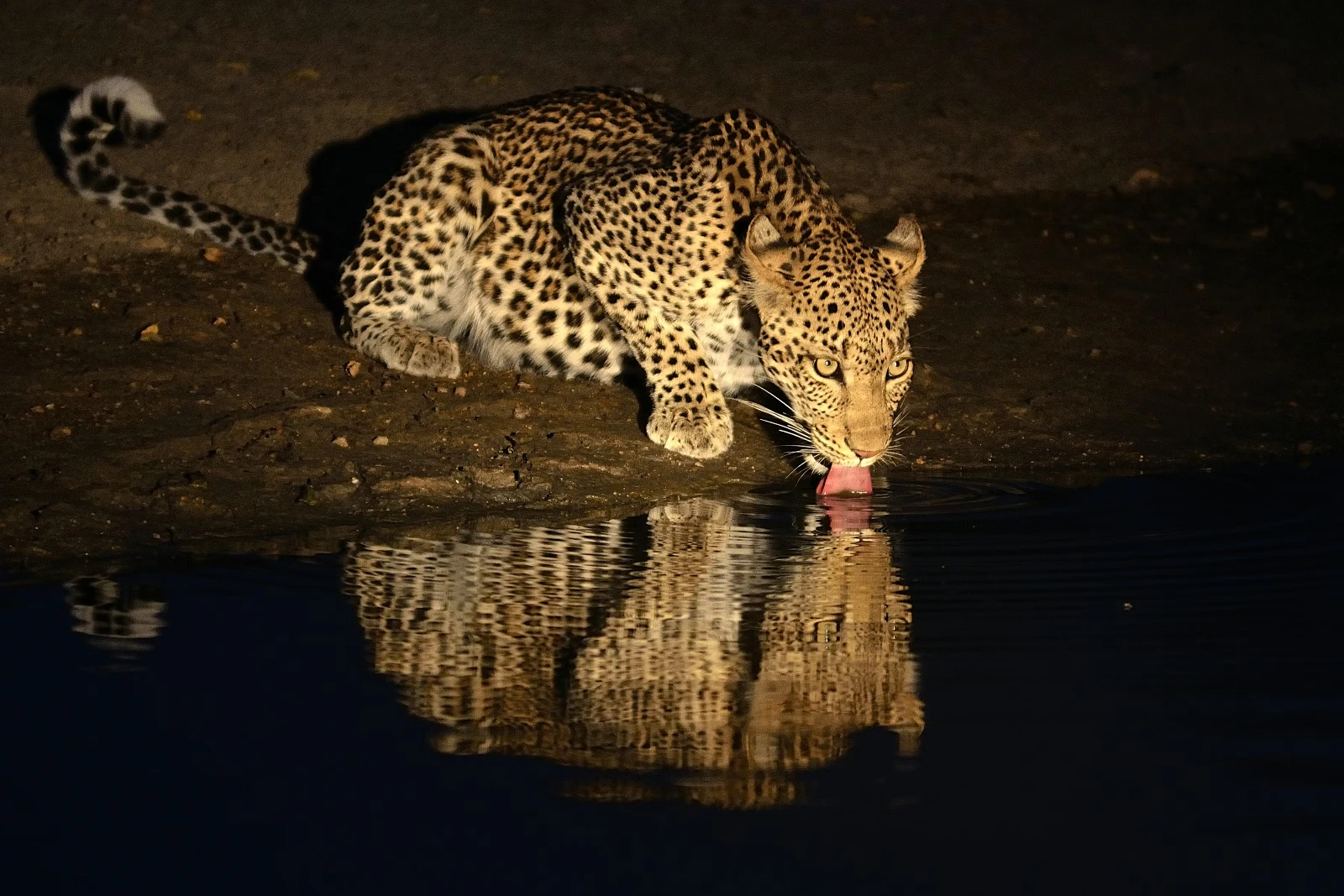
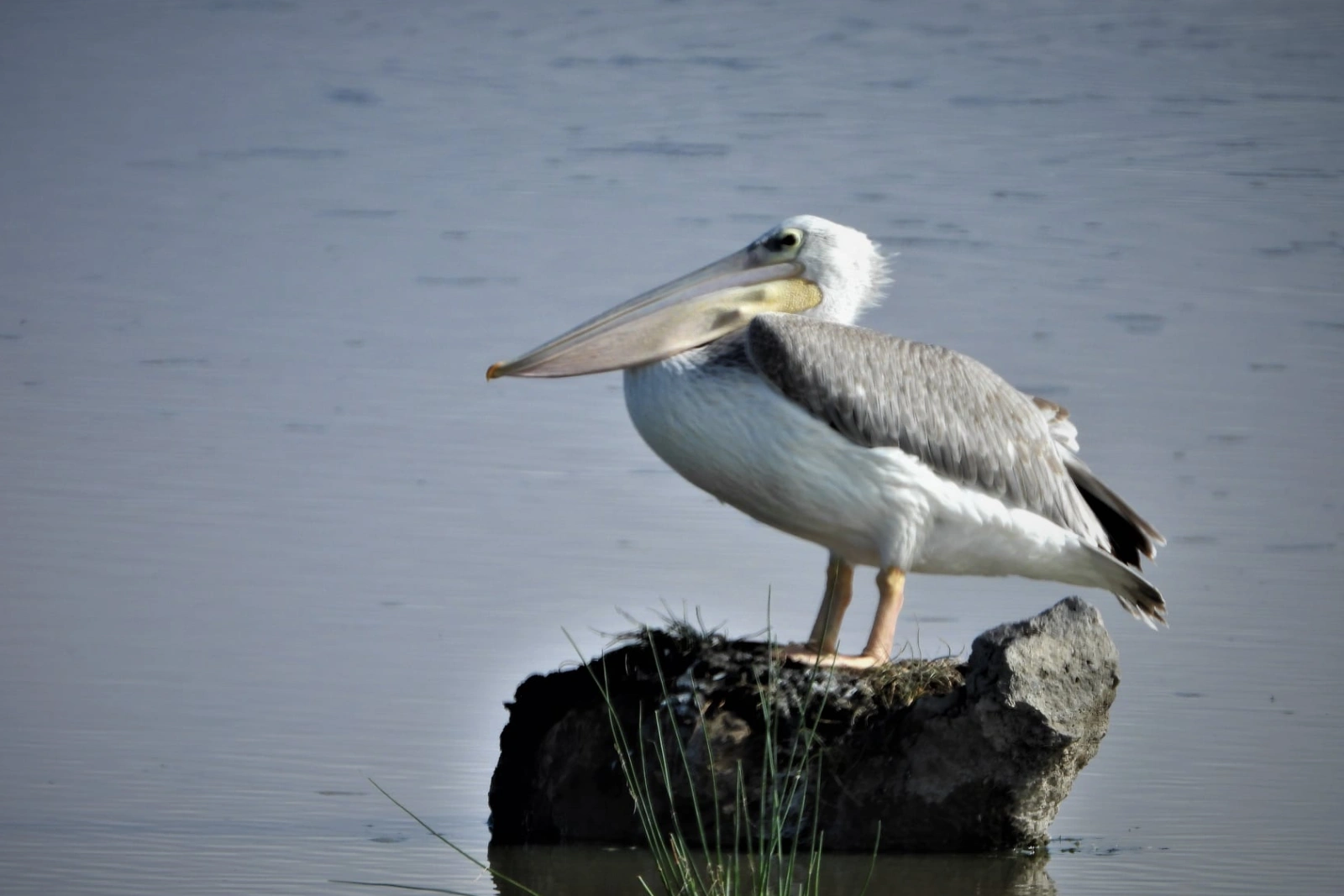
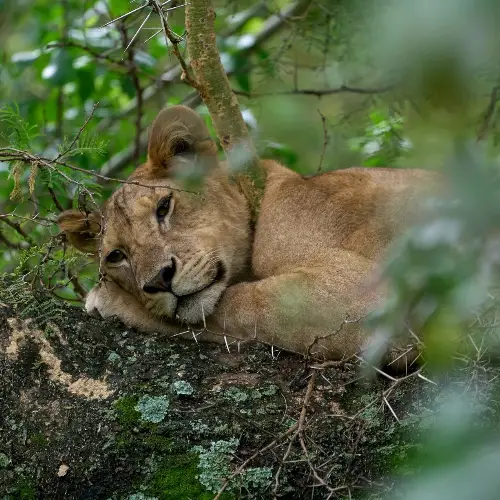
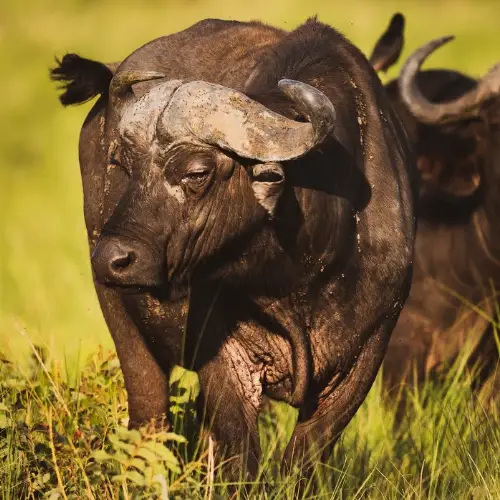
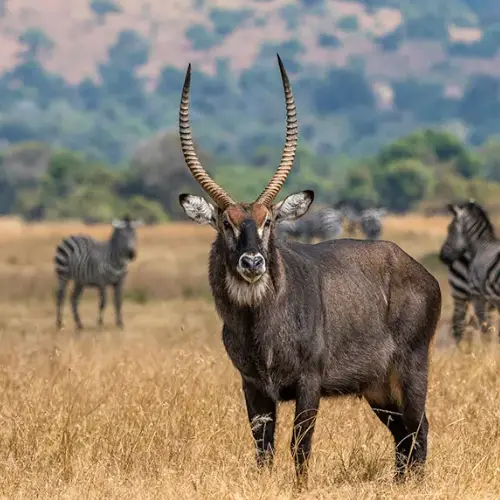
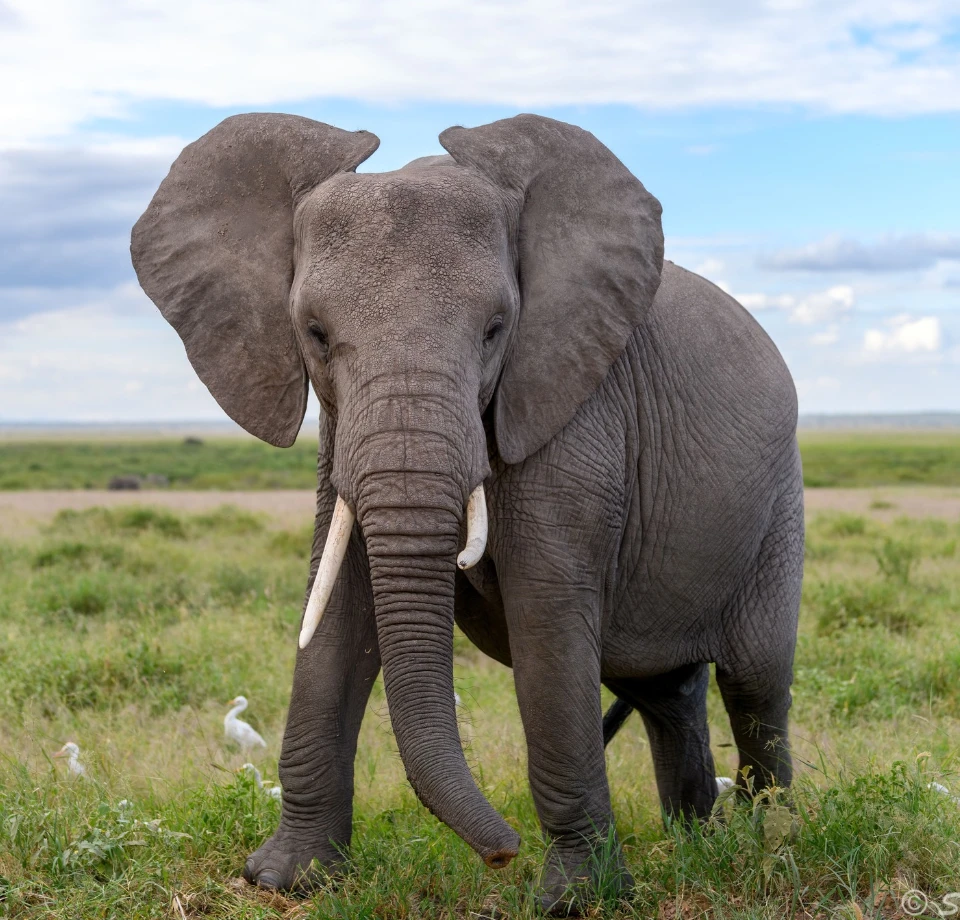
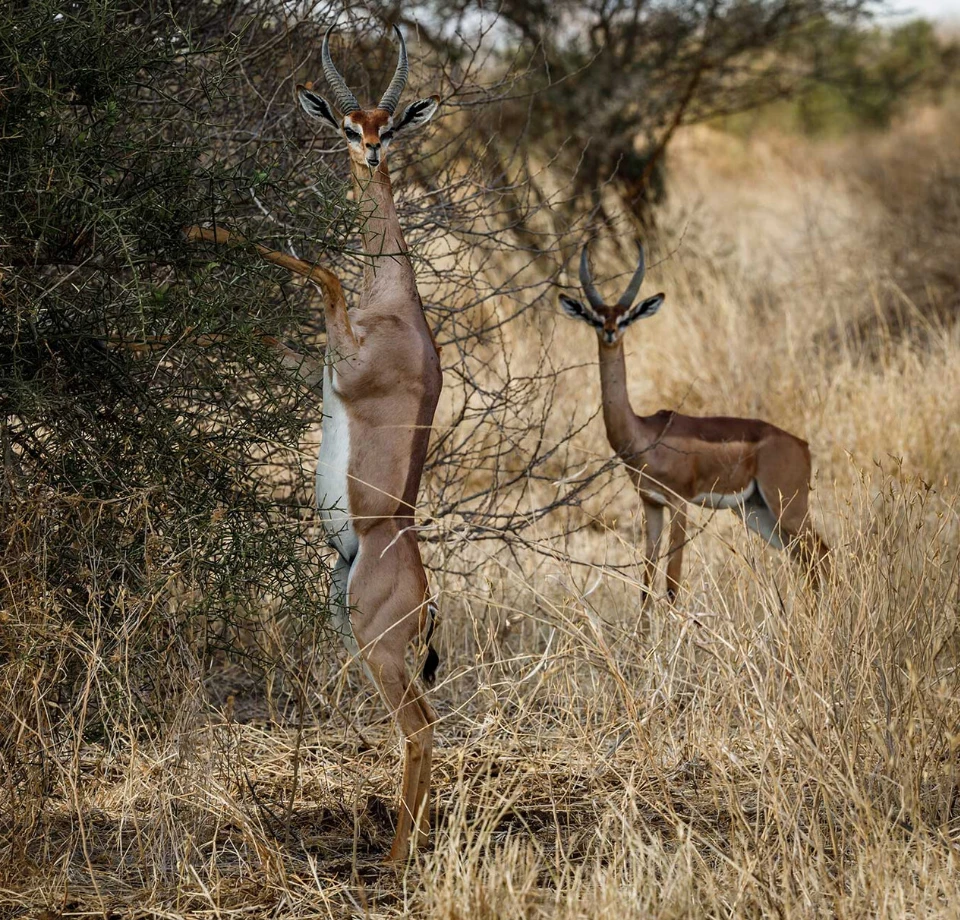
Four of the Big Five are present; the rhino is absent, and leopard sightings are rare. Elephants are the headline, with big herds moving to and from the swamps every day. Buffalo, zebra, wildebeest, and gazelles are common. Lions are regularly seen, and cheetahs are possible on open plains. With around 500 species recorded, birding supports strong Kenya wildlife safaris too.

Kenya Weather

Hot Dry Conditions

Amboseli runs hot and dry most days. Average daytime temperatures sit near 28°C, while nights hover around 15°C, though early drives can feel cooler in wind. The wet season is roughly November to May, with heavier long rains mid-March to mid-May. The dry season is from June to October. February can be the toughest month for heat.

Amboseli Wildlife

Swamp Centered Highlights

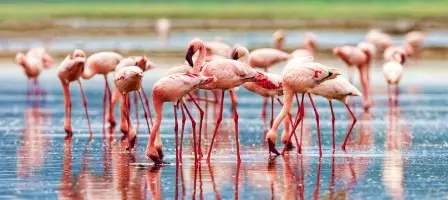
The central swamps are the park’s daily meeting point for elephants, buffalo, and plenty of birds. Observation Hill doubles as a practical landmark for understanding where you are in the basin. A signposted hyena den sits northeast of the airstrip. In wetter periods, flamingos may gather in flooded areas like Enkongo Narok. These are compact, high-value Kenya tourist attractions.

Jomo Kenyatta International Airport

Nairobi Southern Access

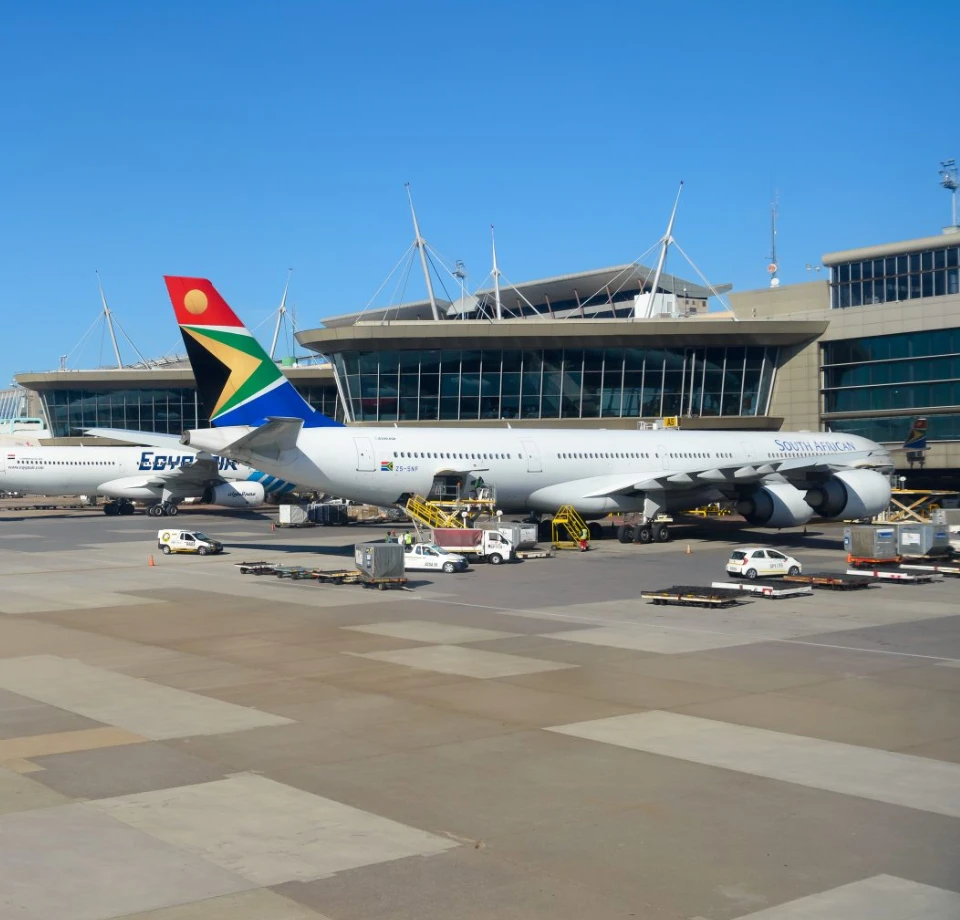
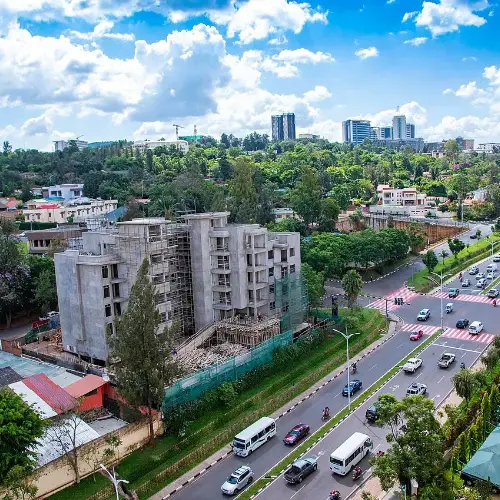
Most visitors route through Nairobi via Jomo Kenyatta International Airport. By road, Iremito Gate is about 215km from Nairobi and takes roughly four hours via Emali; Kimana Gate is farther and slower. You can also take the Nairobi–Mombasa train to Emali and arrange pickup. Flights use nearby airstrips. Amboseli links well with Tsavo West for longer Kenya travel itineraries.

When to Go to Amboseli

Best wildlife viewing comes in June–October and January–February, when roads are dry, and animals stay near central swamps.

  • Best
  • Good
  • Mixed

January is warm and mostly dry, so the park feels straightforward to read. Elephants commute between plains and water, and the dust makes afternoon photos punchy. It’s a strong time for short trips because drives stay quick. Many Kenya safari packages place Amboseli here to start a circuit without rushing.

February can be fierce for heat, but wildlife viewing stays excellent because animals still depend on the swamps. Lions are often seen early, before the day breaks. Cheetahs are possible on open flats; visibility stays high. Pack more water than you think, and keep a light layer for windy dawns.

March shifts toward the long-rain period, so skies can look heavier and the air feels cooler. Showers tend to arrive fast, then disappear. Wildlife still shows well because permanent water holds animals in the same core areas. If you like quieter roads and flexible planning, this is a month.

April is wetter, and road sections can get messy after a heavy shower. But the park also feels calm, private, and the mountain backdrop can look clear when the dust settles. Elephants remain easy to find near the marshes. Some Kenya safari lodges offer green-season rates, which helps longer stays.

May is a transition month. Grass can be higher, so guides work harder for cats, but the big herds still show. Birdlife stays strong around wetlands. This is a good time if you prefer space and don’t mind a few puddles on the tracks. Days stay warm, nights feel softer.

June brings the dry season back in a way. Roads firm up, visibility improves, and animals lean toward predictable water. Mornings can be cool, especially with wind across the flats, so a light jacket helps. Kilimanjaro shows more often at dawn. It’s an easy month for pairing Amboseli with Tsavo.

July is dry, comfortable, and busy, but manageable. Wildlife gathers around the swamps, so you can spend a day without chasing radio calls. Elephant herds are constant, and lions are easier in the cooler hours. Photographers like the light. It’s peak-season Kenya wildlife viewing, so book earlier than usual.

August stays dry and predictable. The park can feel crowded near popular sightings, but open visibility helps guides find space. Elephant movement remains steady. If Kilimanjaro appears, it tends to show early, before heat haze builds. This month suits travelers who want classic conditions. Families like it; drives stay short.

September stays dry, with fewer vehicles than August. Wildlife viewing remains strong around the swamps, and dust trails help late-afternoon photos. This month suits travelers who want comfort without peak crowds, with kids, too. If you’re timing costs and availability, it’s a practical window to Book Kenya safari plans.

October warms up again, but the park is still mostly dry. Animals spread a little wider, yet the swamps keep pulling elephants back daily. The mountain can be visible, though haze increases later in the day. It’s a shoulder month that can offer value if you prefer a calmer feel.

November brings short rains, usually quick storms that cool the air and settle dust. Wildlife stays easy to find because swamps don’t disappear. Bird activity increases near water. Travel feels quieter, and routes can be flexible. Many travelers pair this month with town days and Kenya cultural festivals in Nairobi.

December mixes sunshine and showers. The park greens up, but elephants and buffalo still hold to the marsh edges. Holiday travel can raise lodge prices, so early booking helps. Kilimanjaro views come and go, best at sunrise. Many people finish after Amboseli with Kenya beaches; the ocean reset is real.

Amboseli Questions Travelers Ask

Yes, it’s one of the easiest Kenya tourist attractions for clear wildlife viewing.

Two or three nights fit most Kenya tour packages without feeling rushed.

Almost always, which is why it’s popular for Kenya wildlife safaris.

A private vehicle on Kenya safari tours keeps timing flexible.

Yes, many Kenyan beach resorts pair well after a few safari nights.

Amboseli Experiences

Amboseli experiences are simple, and that’s the charm. You drive, you stop, you watch, you wait a bit, then something happens. Because distances are short, you can repeat the best areas instead of racing across the park. Add a balloon flight or the walk up Observation Hill, and it becomes one of the easiest Kenya adventure activities to pace well.

Talk to a Safari Specialist Today

and design your travel plans.

Call +254 723 619669

OR

Enquire Now
  • Lawrence

  • Margaret

  • Mugambi

Our Safari Experts

Safaris You Can Book

Browse all our safari options designed around realistic travel days, trusted guides, and comfortable stays across East Africa.

Explore Iconic Kenya

Witness abundant wildlife, diverse scenery, cultural heritage, and warm hospitality throughout remarkable Kenya.

Get Started On Your Trip

You can contact us anytime, and we’ll support your
planning from early ideas to final details.

Get in touch

What Travellers Say

Real feedback from guests who have traveled with SnowyTop Safaris LTD across East Africa.

Local Team Insight

Our guides and planners work in Kenya and nearby parks year-round. You get route advice that matches road conditions, seasons and lodge standards, not generic online suggestions for your dates.

Clear Trip Planning

We keep planning simple: quick replies, clear inclusions, and realistic drive times. If something won’t fit, we say so early and suggest a better option without pushing upgrades or extras.

Support Throughout Travel

From airport pickup to your last game drive, we stay reachable. You get help with permits, timing and small changes, so the trip keeps moving smoothly even when plans shift.