


 Trips curated by the world’s top destination experts
 Concierge-level service leading up to and during your trip
 Unique, exclusive experiences and insider
access
Unique, exclusive experiences and insider
access


Tanzania Travel Questions
The dry months from June to October are the simplest for travel and wildlife viewing, especially in the Serengeti. January and February also work well, with fewer crowds and calving season in the south. March to May brings heavier rain, but some travellers prefer this period for lower rates and greener landscapes. The best time to visit Tanzania depends on whether wildlife behaviour, weather, or budget matters most to you.
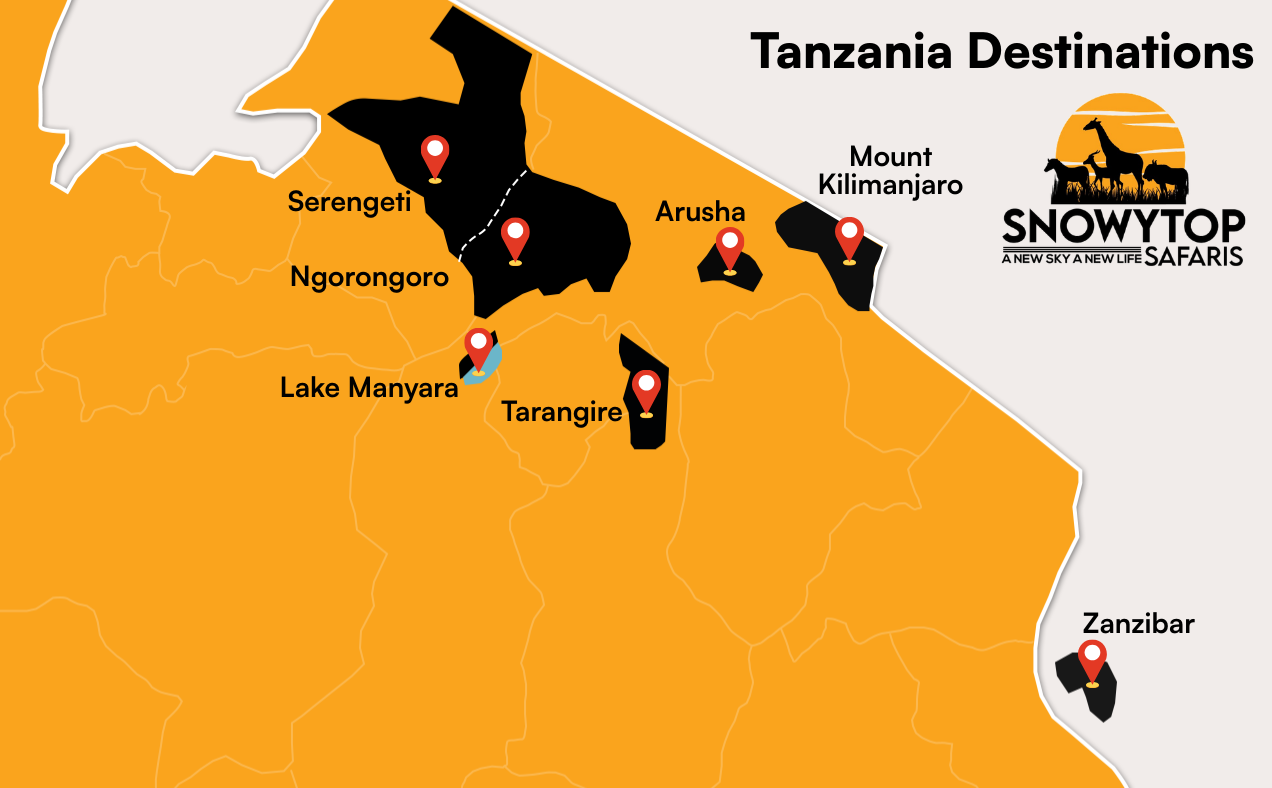
Yes, and for many people it’s the best place to start. Tarangire, Ngorongoro and the Serengeti offer different landscapes and viewing styles without long internal flights. Southern parks are excellent, but they suit longer trips or repeat visitors. For a first safari, the north keeps planning straightforward and time is well used.
Seven days can work if you stay focused. Ten to twelve days is more comfortable and allows you to slow the pace or add Zanzibar. The biggest mistake is squeezing too many parks into a short window. A strong Tanzania safari itinerary limits transfers and gives each area time to show its character.
Season, lodge category and how you move between regions have the biggest impact. Park fees are fixed, so cost differences usually come from accommodation level and flight use. Shortening stays or rushing routes rarely saves money in a meaningful way. Understanding Tanzania safari cost early helps set realistic expectations before choices narrow.
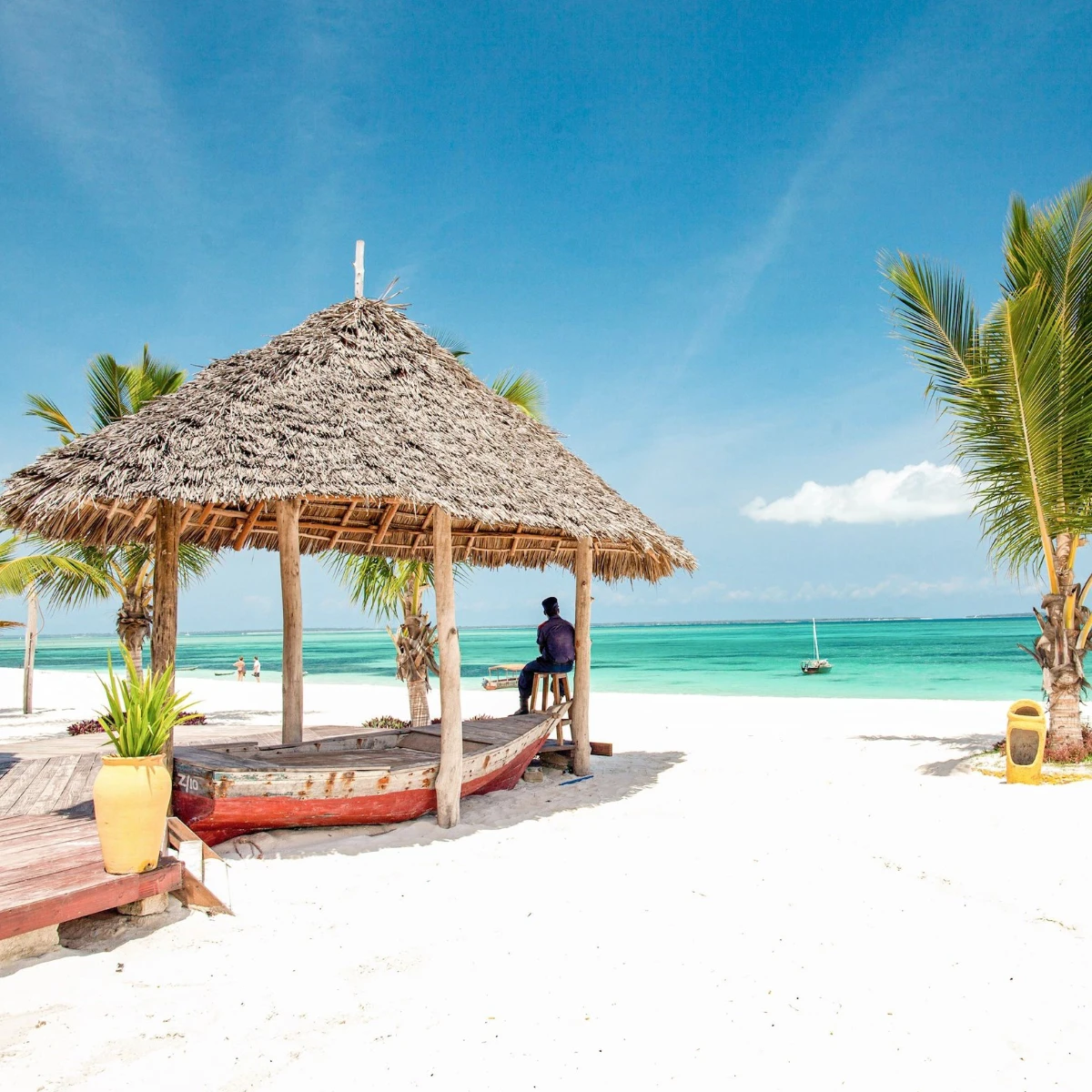
Very easily, as long as the order is right. Most travellers safari first, then fly to Zanzibar for a few slower days. Splitting safari days around the beach often feels disjointed. Done in the right sequence, the coast becomes a proper finish, not an interruption.