
 Trips curated by the world’s top destination experts
 Concierge-level service leading up to and during your trip
 Unique, exclusive experiences and insider
access
Unique, exclusive experiences and insider
access

Rwanda Travel FAQs
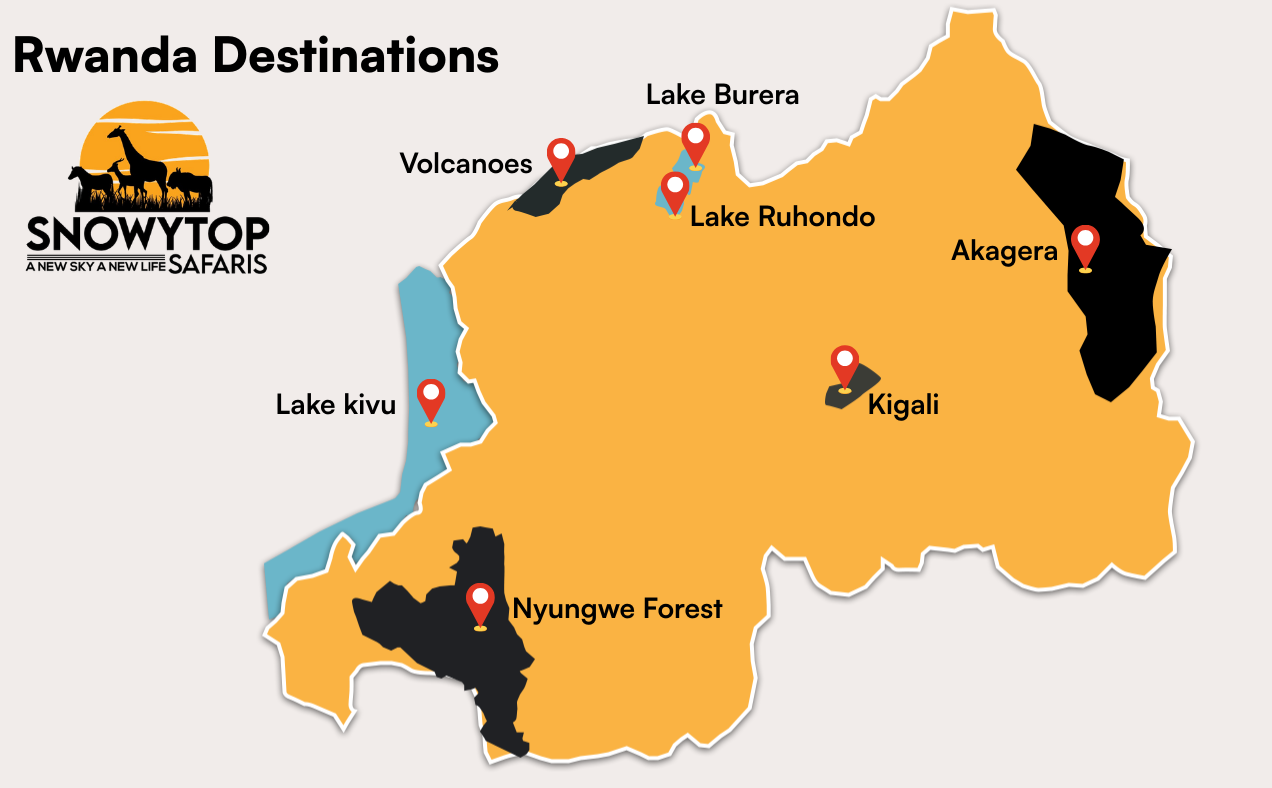
For most travellers, the drier months are easiest for hiking and tracking: mid-December to February and June to September. Trails in Volcanoes and Nyungwe are less muddy then, and road transfers are smoother. That said, Rwanda can work year-round if you plan around rain and keep your route practical. The key is matching the season to your activities and pace using the Best time to visit Rwanda.
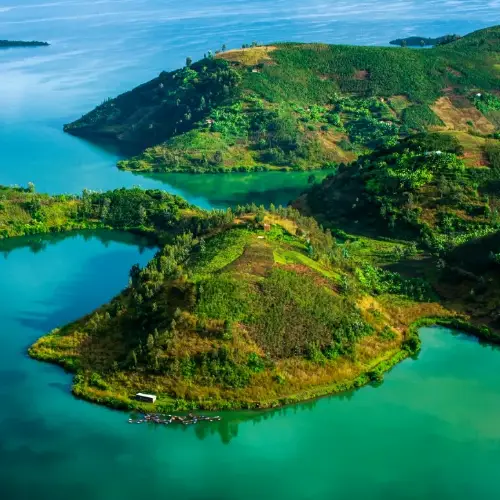
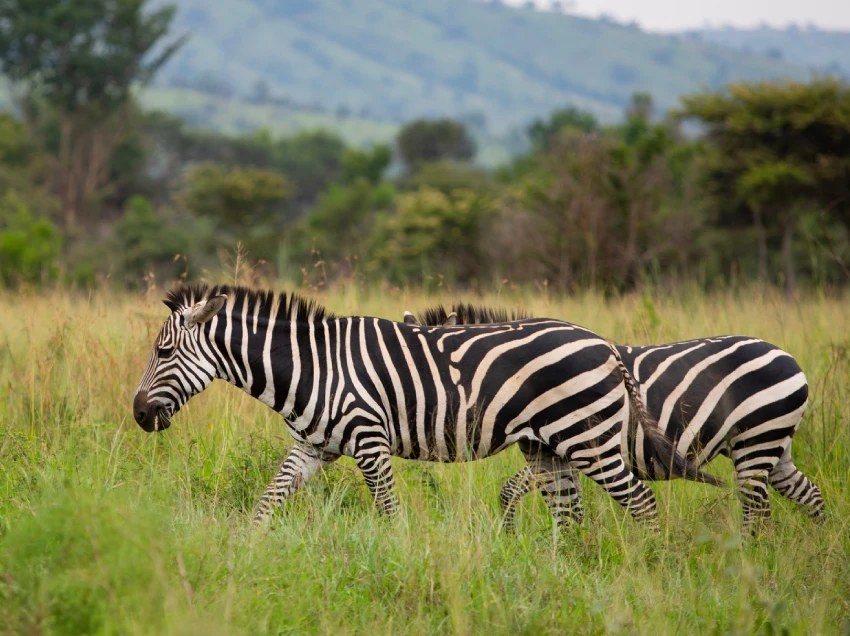
A short, high-impact trip is 4–6 nights (Kigali + Volcanoes + one extra stop). A fuller circuit is 7–10 nights so you can include Nyungwe and Akagera without rushing. If you want downtime, add 1–2 nights on Lake Kivu. This is where a clear plan helps more than “adding everything,” especially for Rwanda safari holidays.
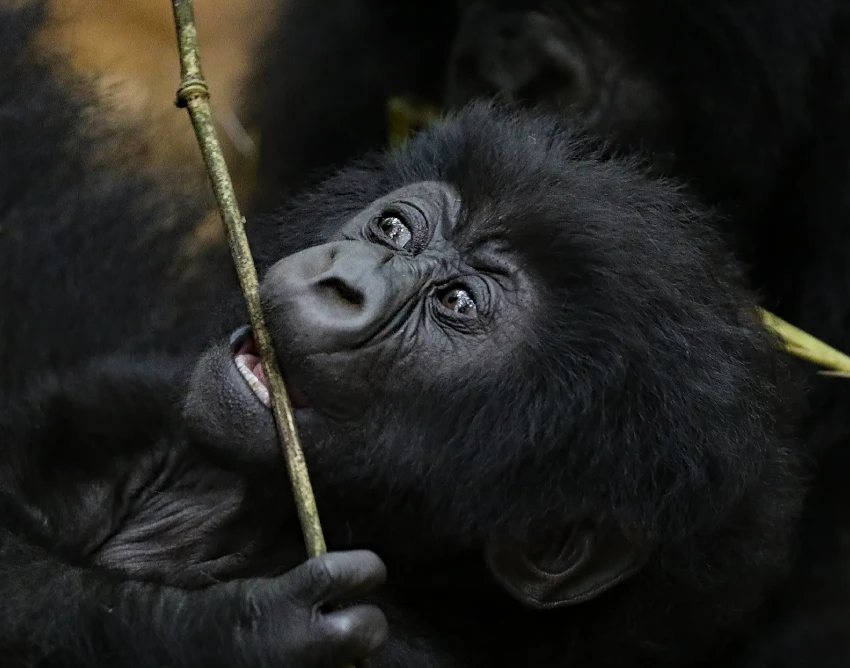
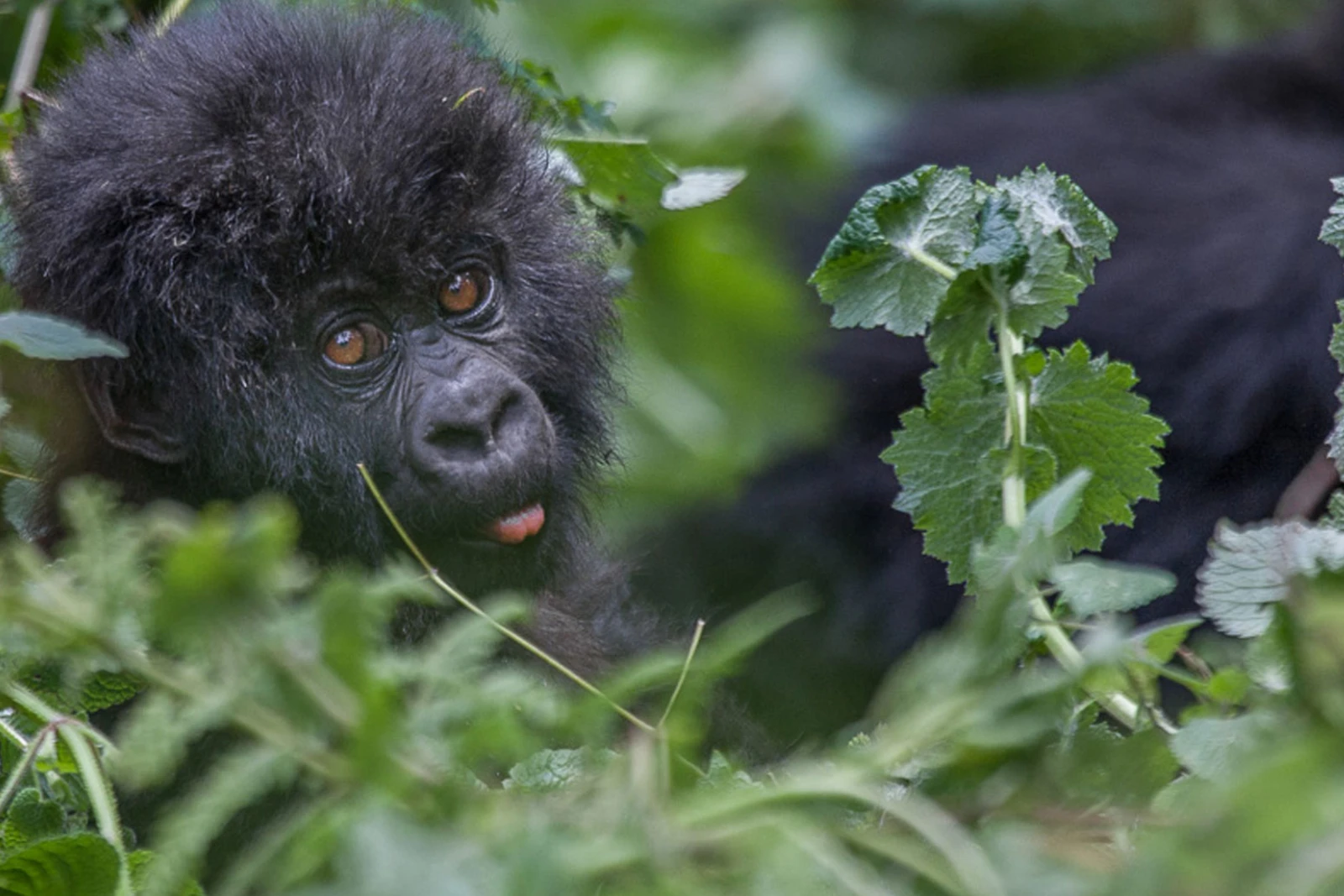
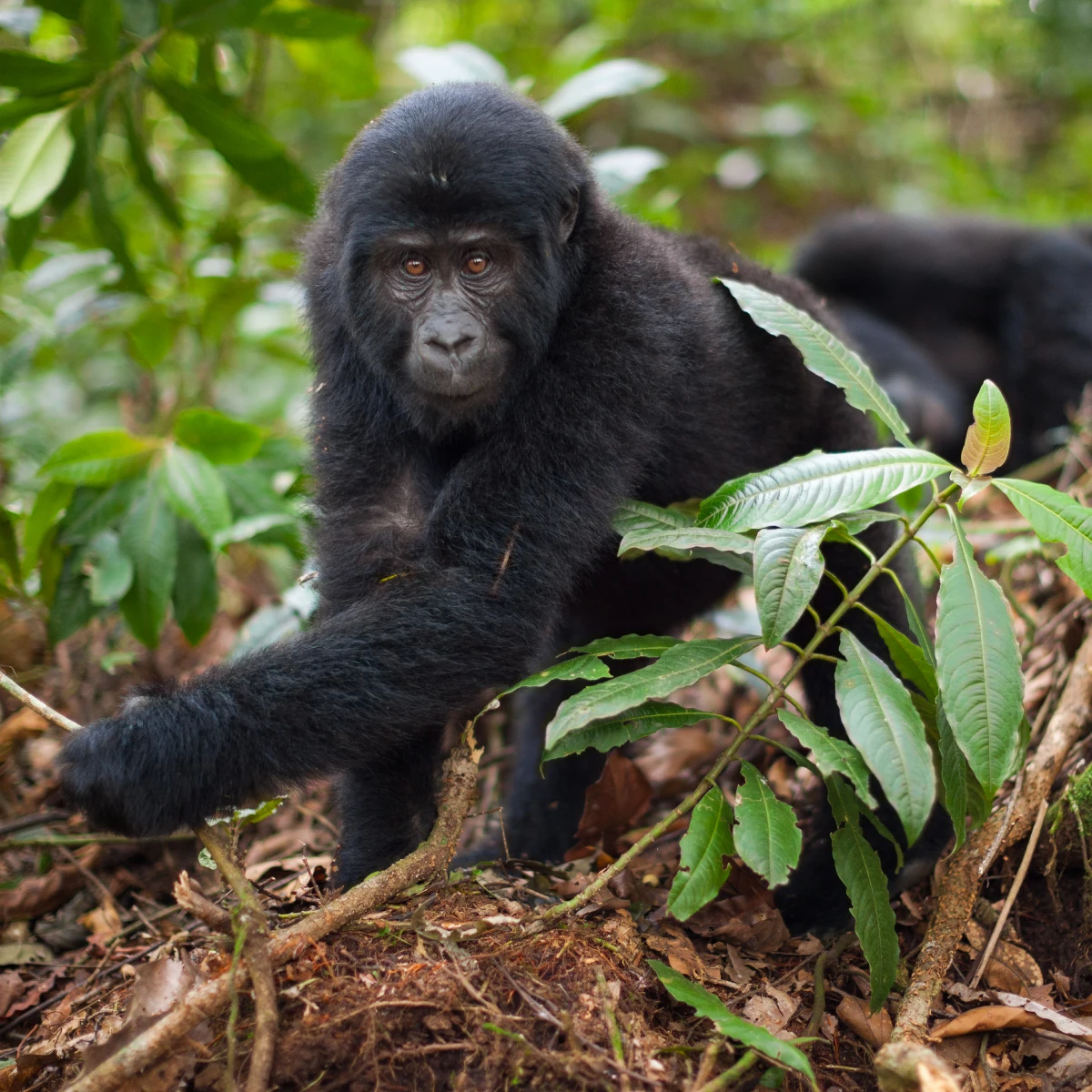
Permits are limited, and trekking starts early with a briefing at the park HQ. Group sizes are controlled, and you follow rangers to a habituated family. Trek duration varies a lot based on where the gorillas are that day, so bring proper boots, water, and a light rain layer. If gorillas are the main reason you’re coming, lock permits first, then shape the rest around Gorilla trekking Rwanda.
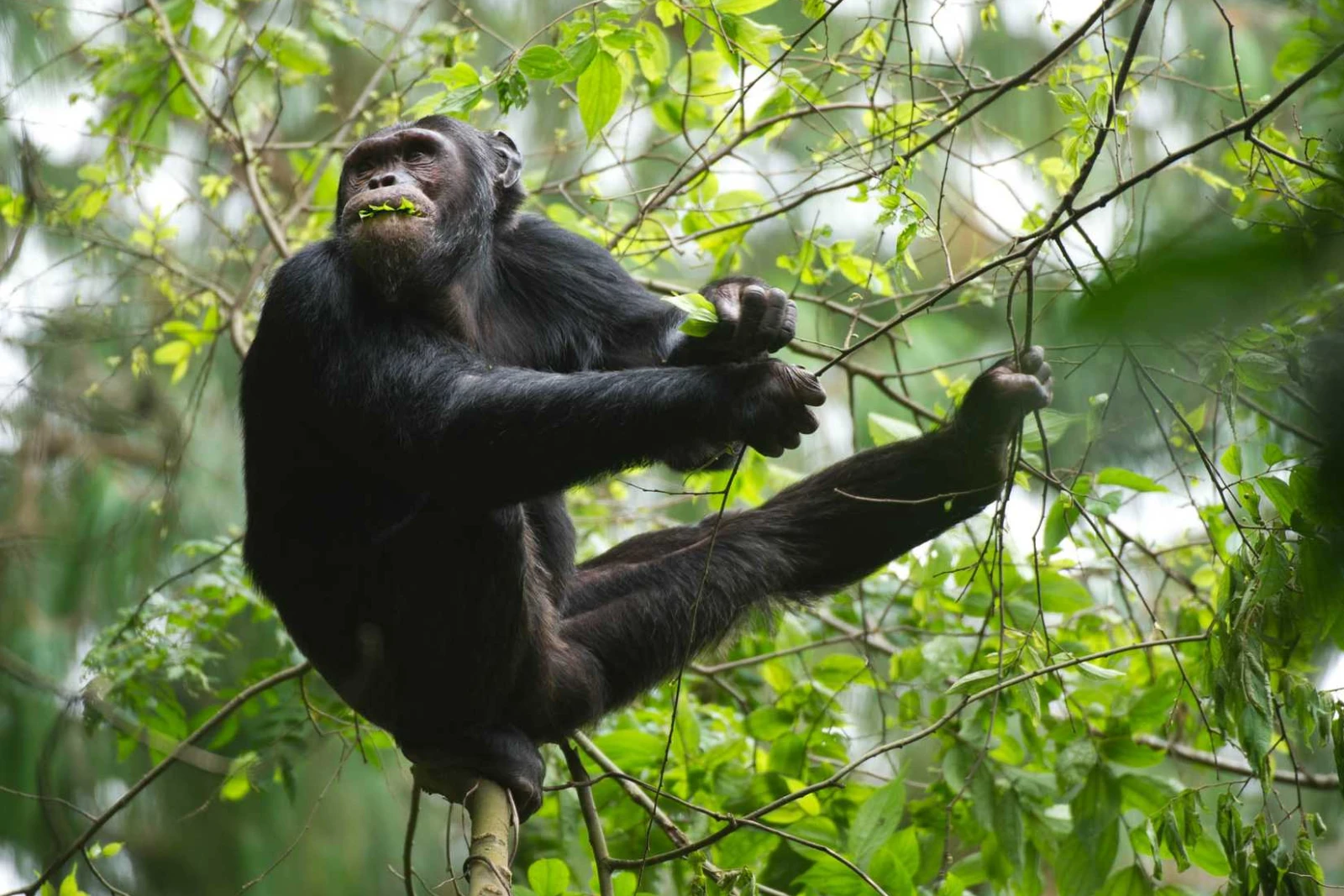
Costs depend mainly on permits (gorilla and chimp), lodge level, and whether you’re travelling privately. Rwanda is often priced higher than some safari countries because of permit demand and strong service standards. You can still control spend by shortening transfers, mixing lodge categories, and choosing one premium primate activity instead of stacking several. A good planner will keep your Rwanda safari cost aligned with your priorities.
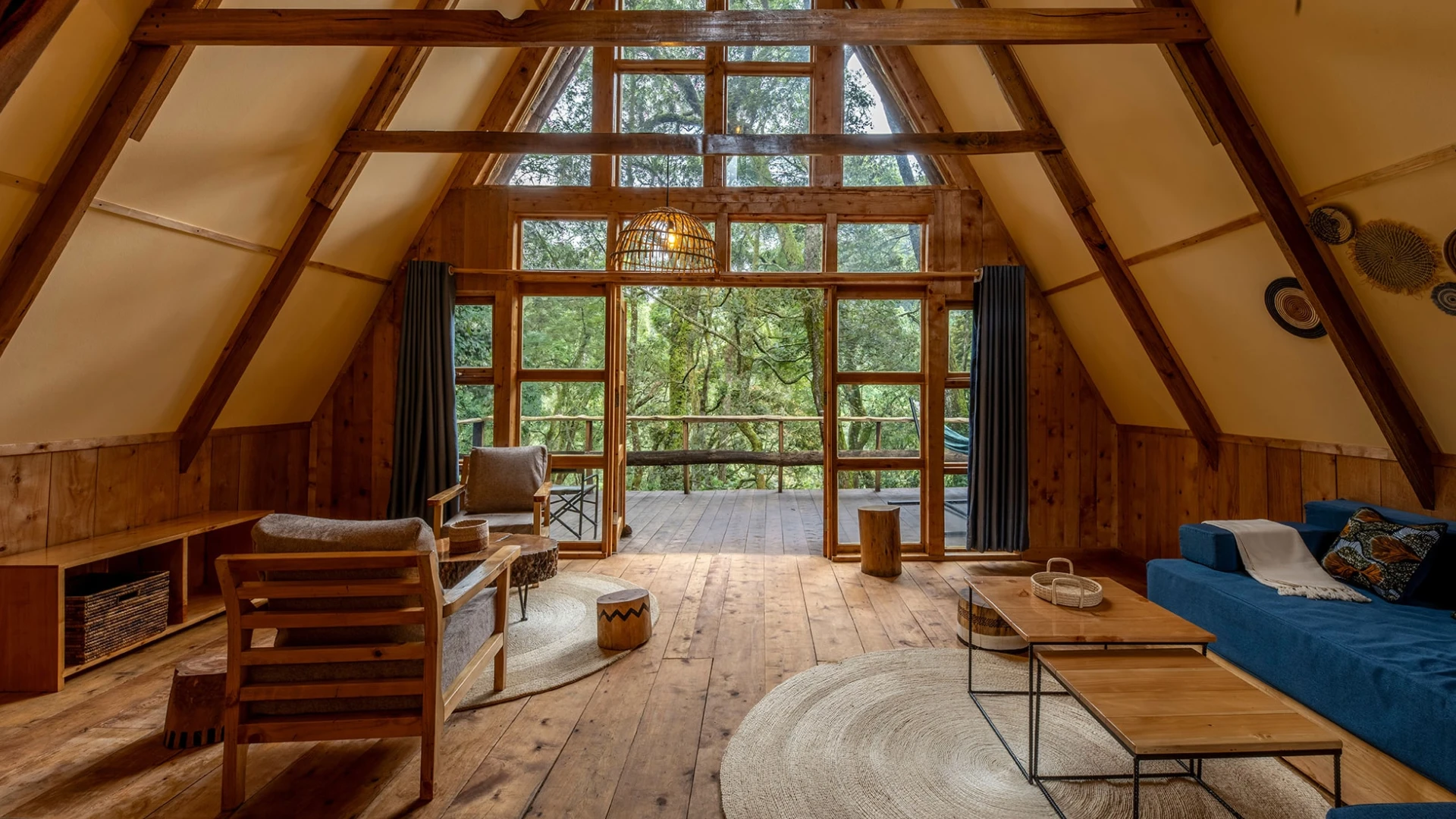
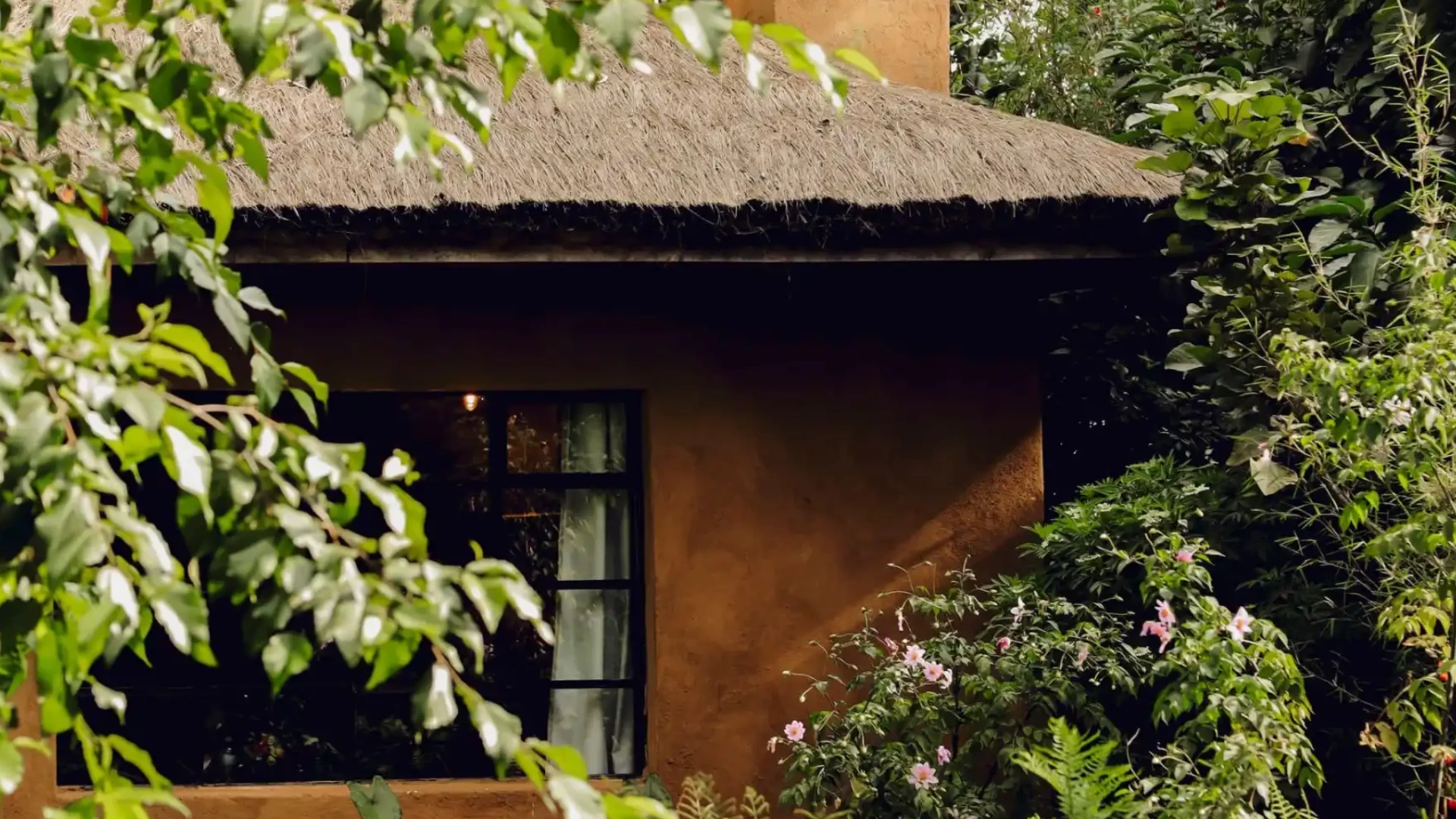
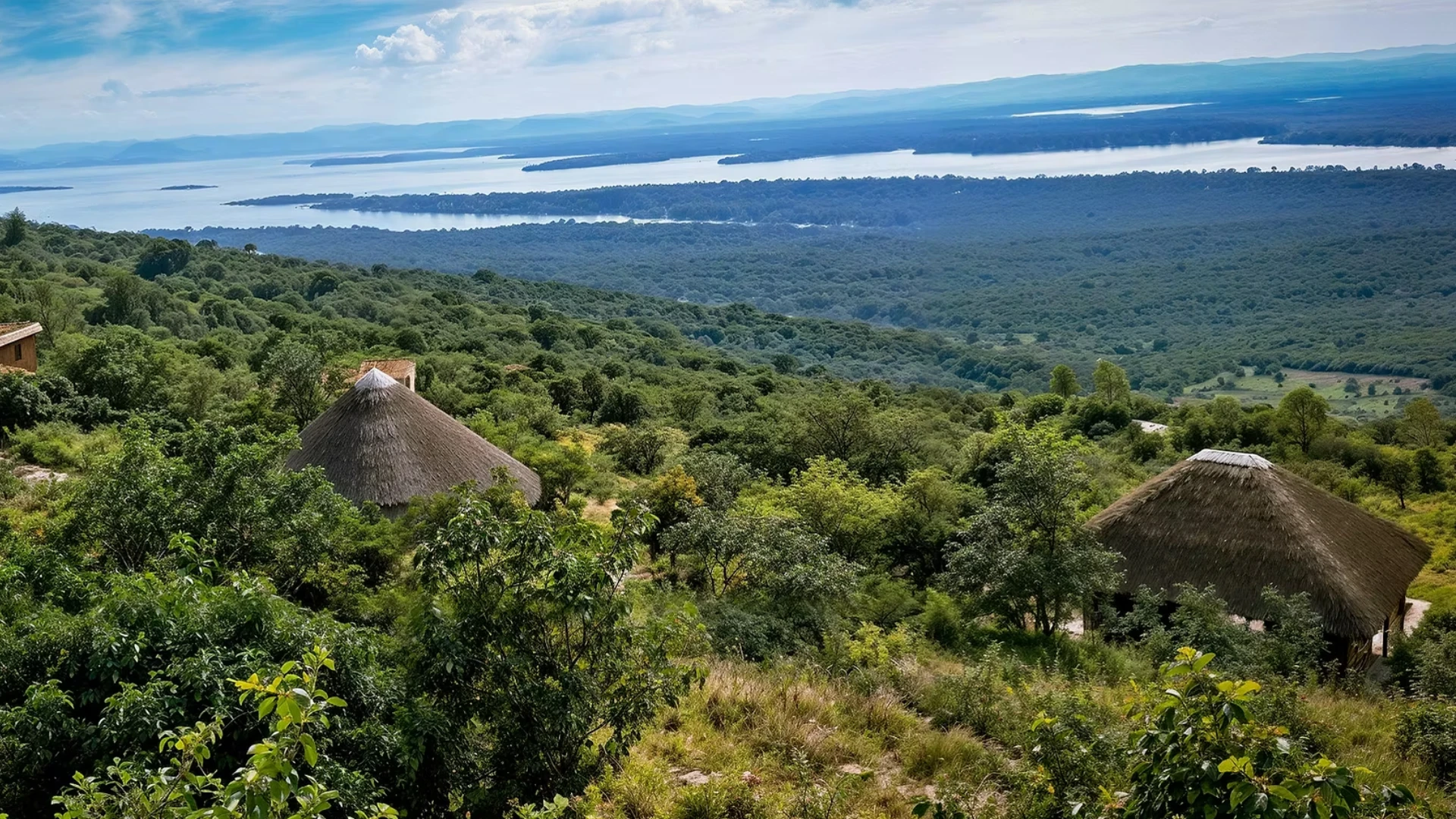
You’ll find everything from small, well-run guesthouses to high-end lodges, often with excellent guiding links and clear service standards. Around Volcanoes and Nyungwe, location matters because early starts are common. In Akagera, staying inside or close to the park saves time for morning drives. For couples and families who value privacy and timing, Private Rwanda safaris paired with the right Rwanda safari lodges make the whole trip feel easier.