



Tsavo East National Park

Red Elephants on Endless Plains

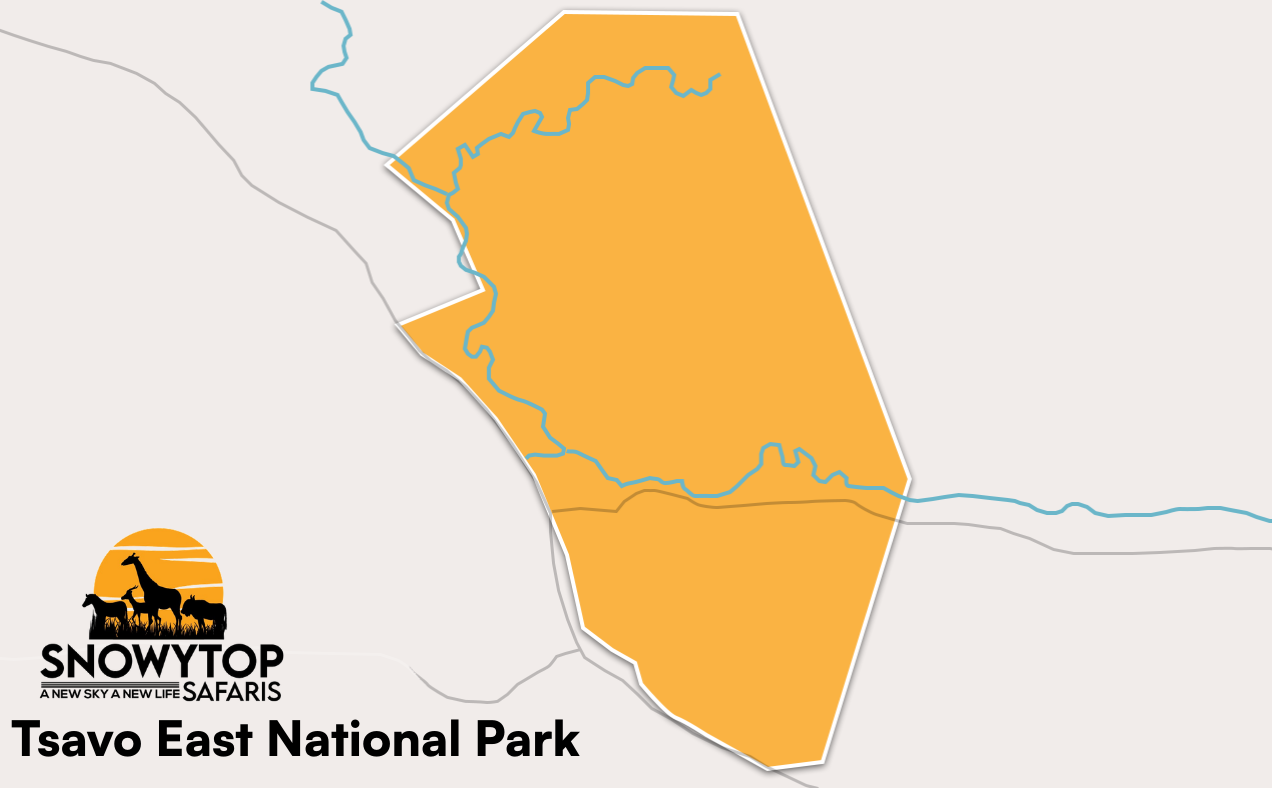
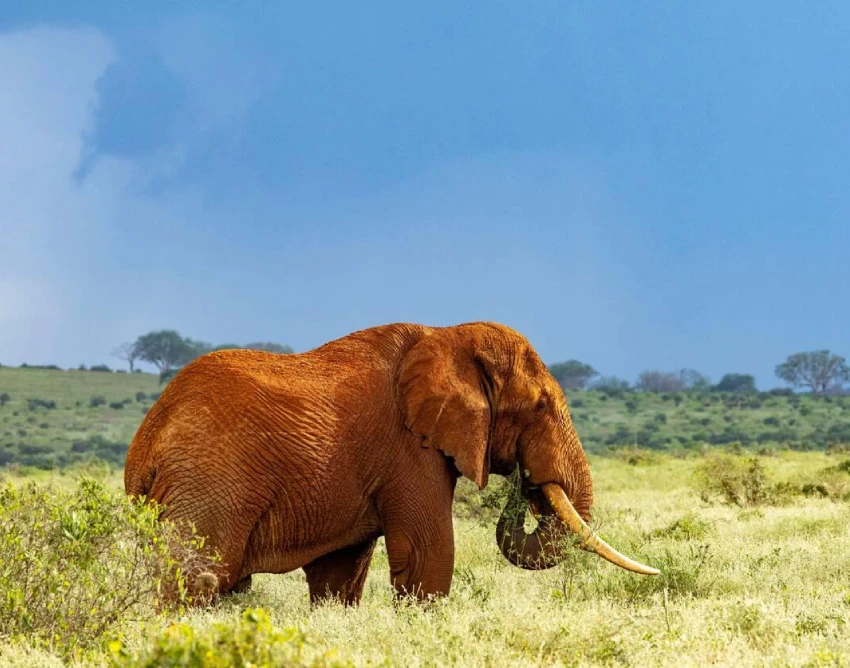
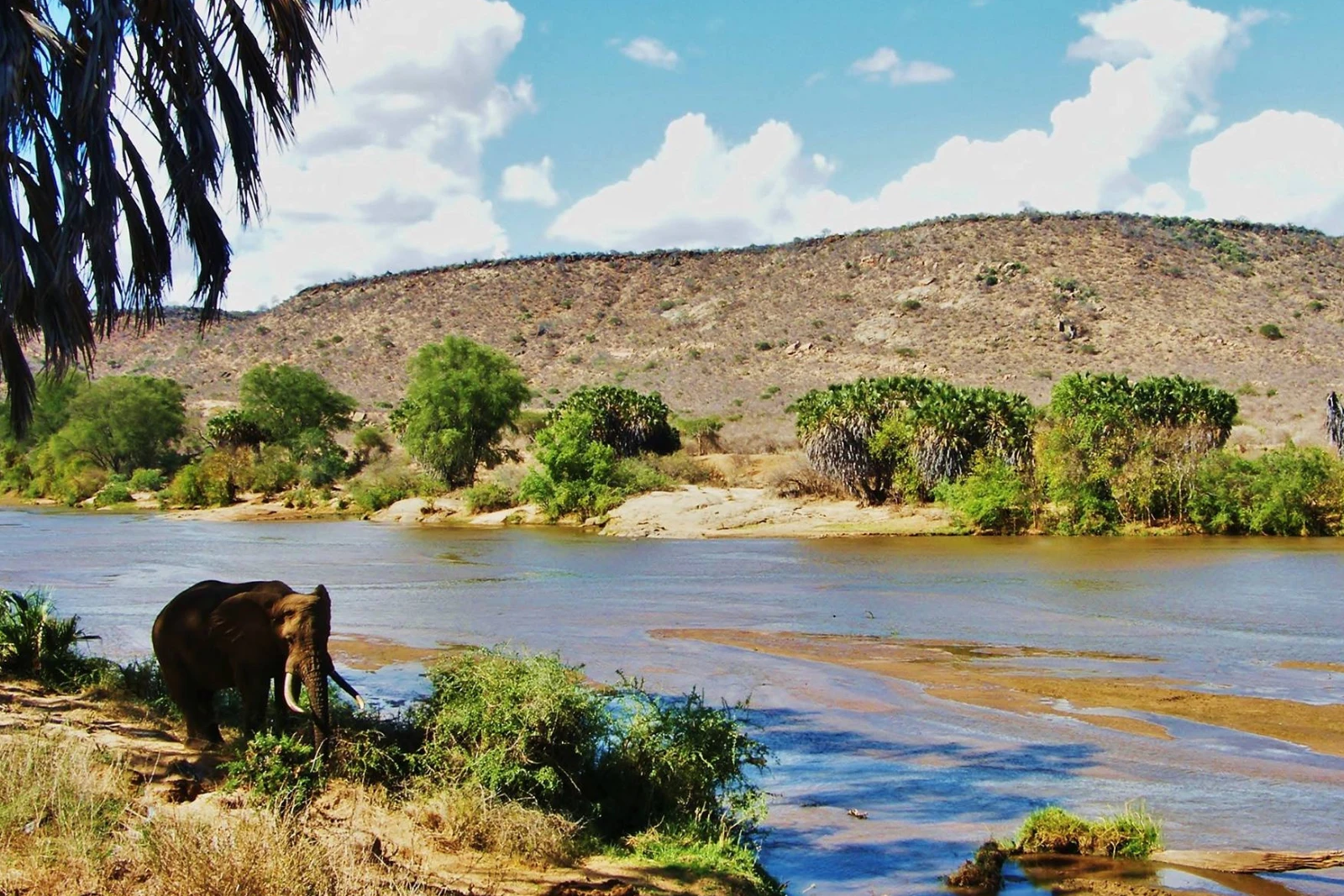
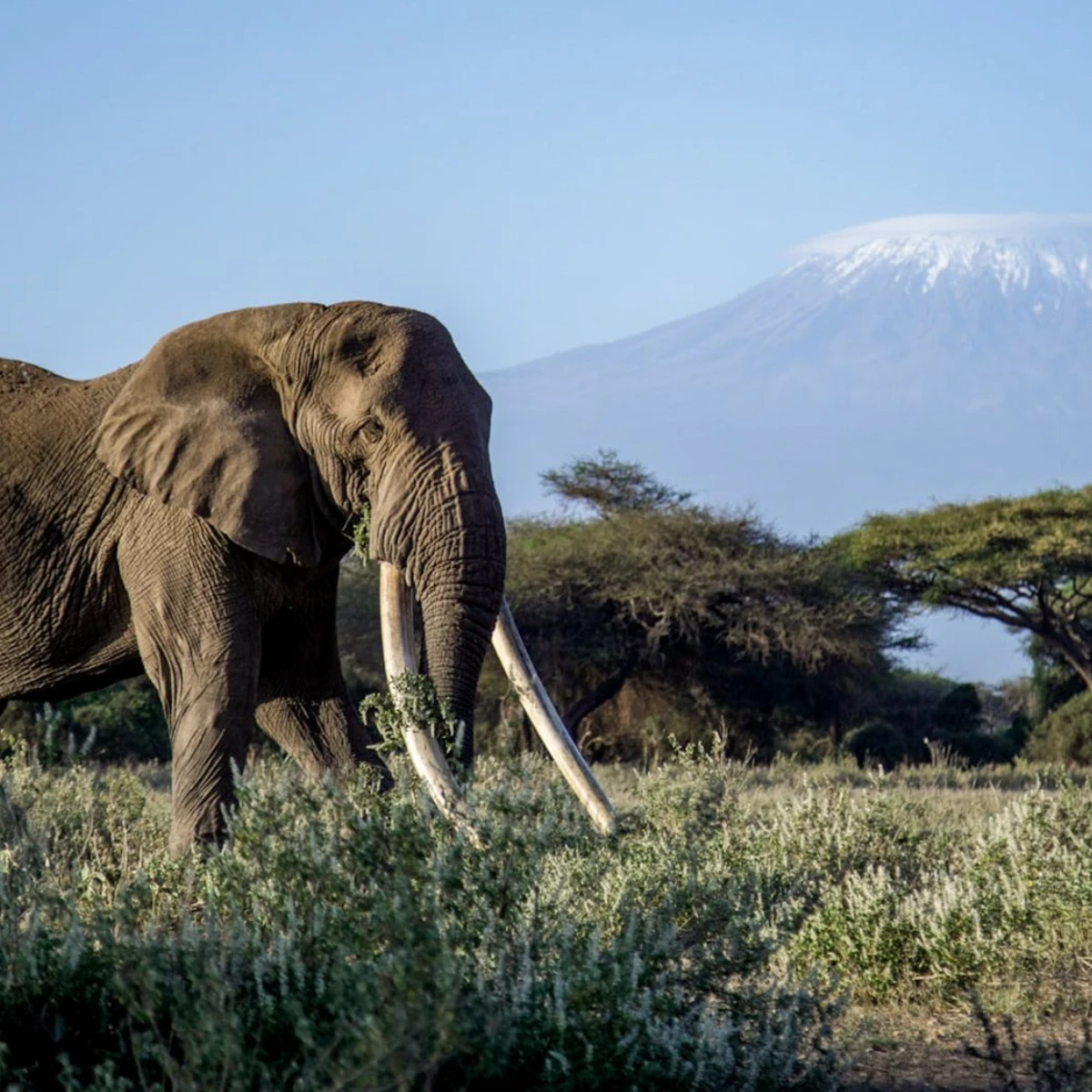
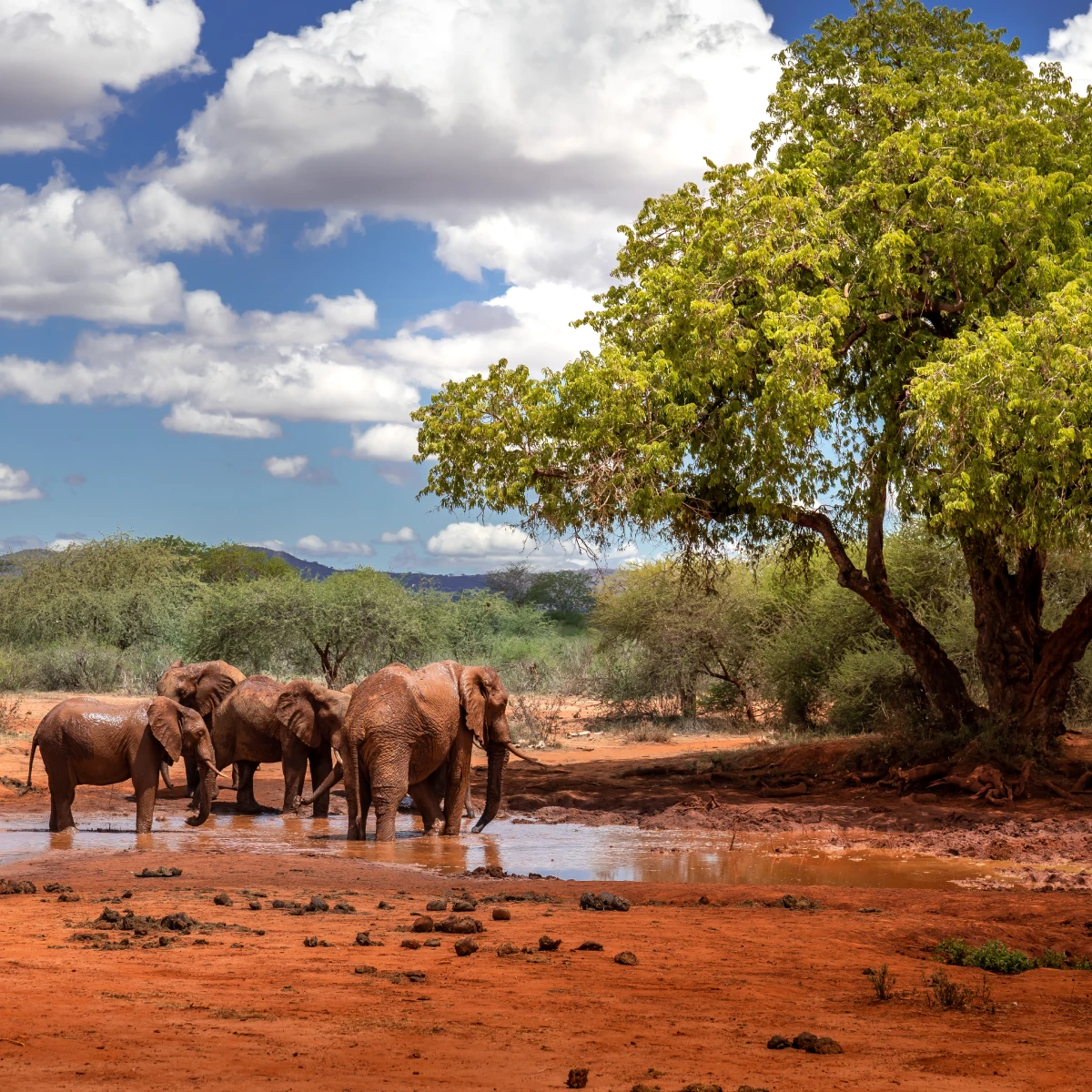
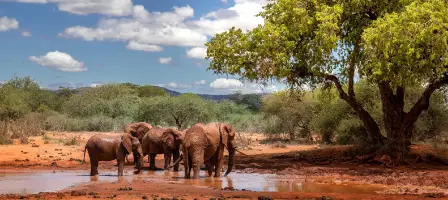
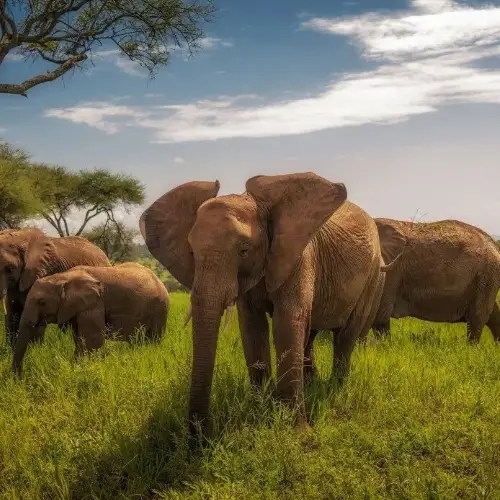
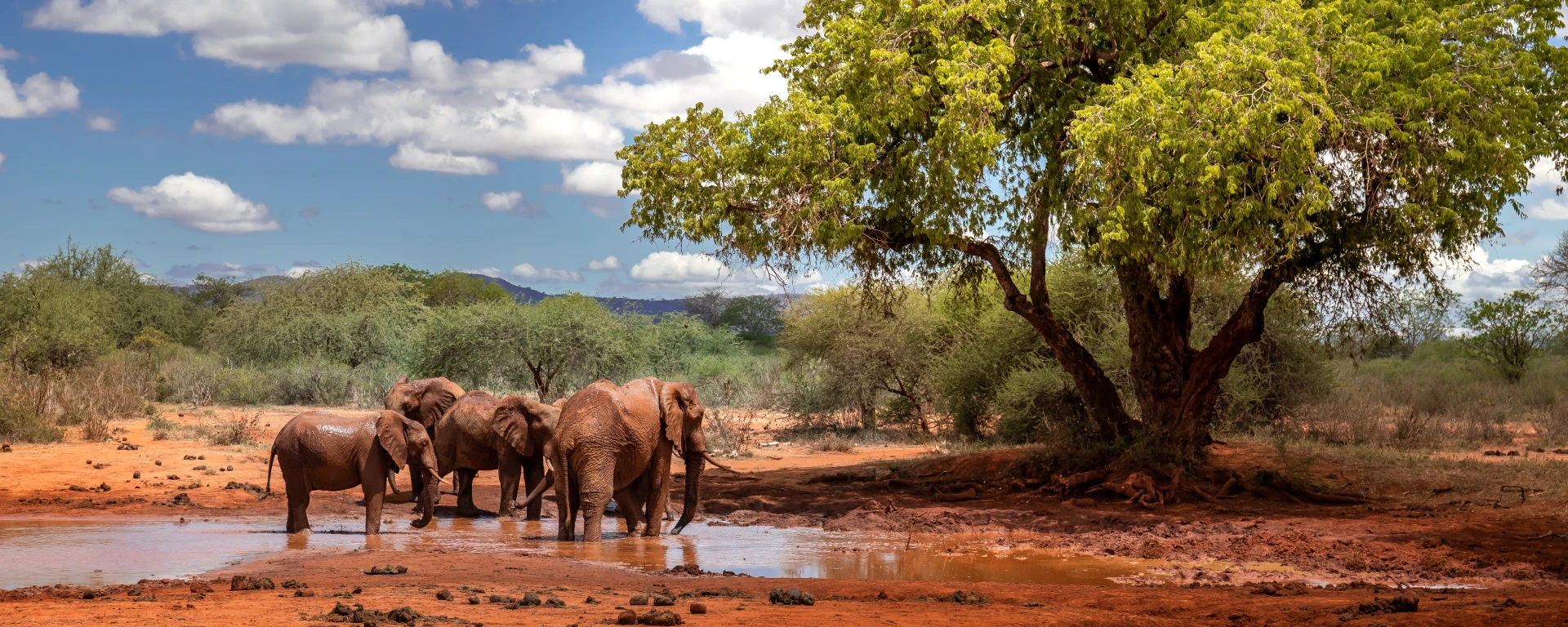
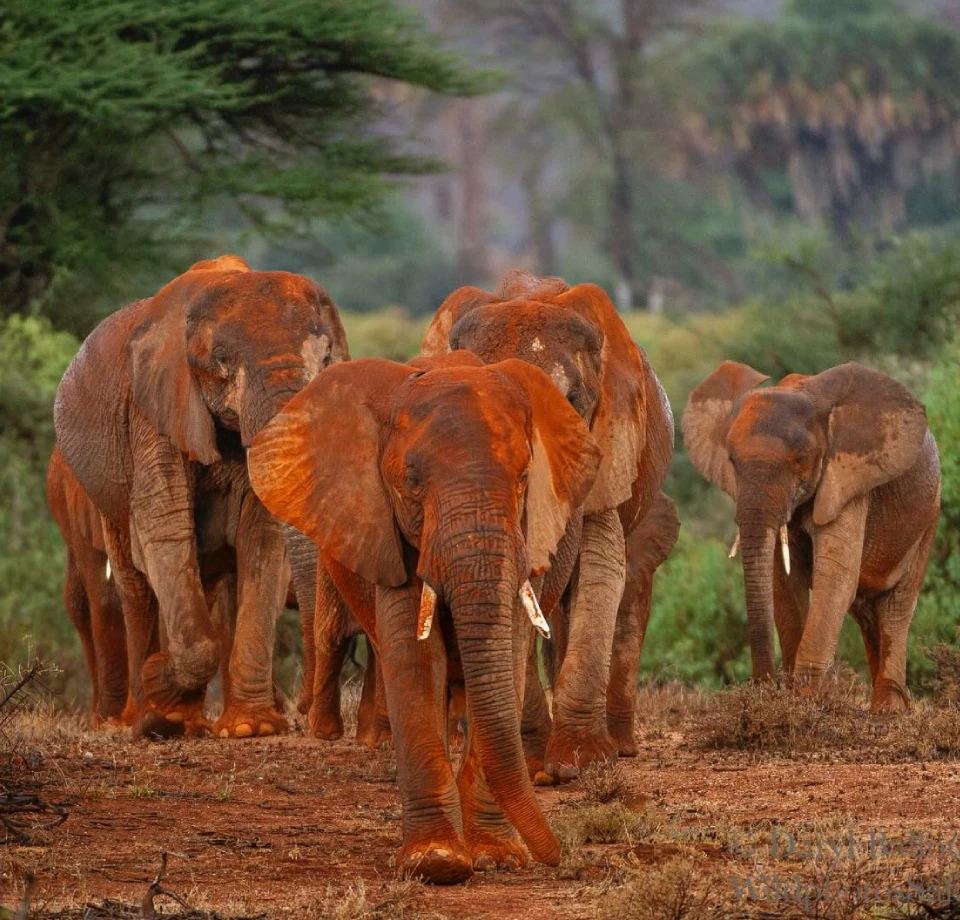
Tsavo East National Park is wide and sun-baked, where the road feels small. Plains run out to the horizon, then a river line interrupts the dust. Elephants wear the park’s red soil like a coat, and you notice it everywhere. For travelers who like open space, it’s a signature stop in Kenya's national parks.

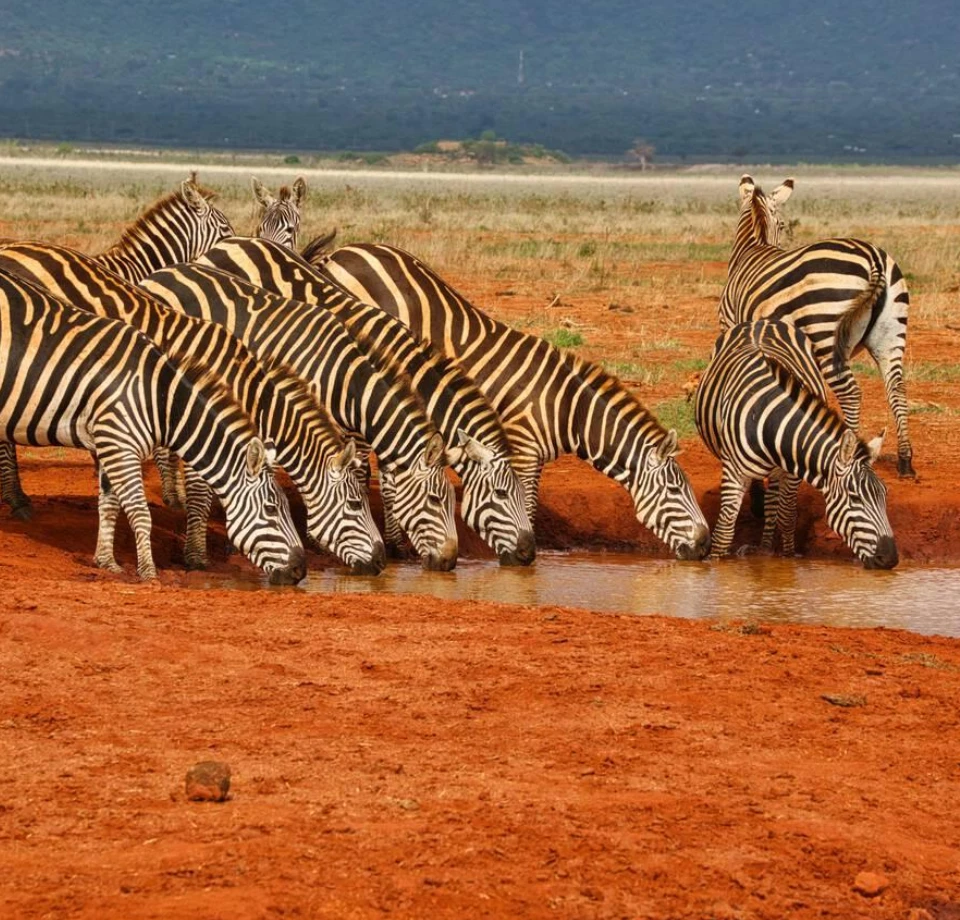
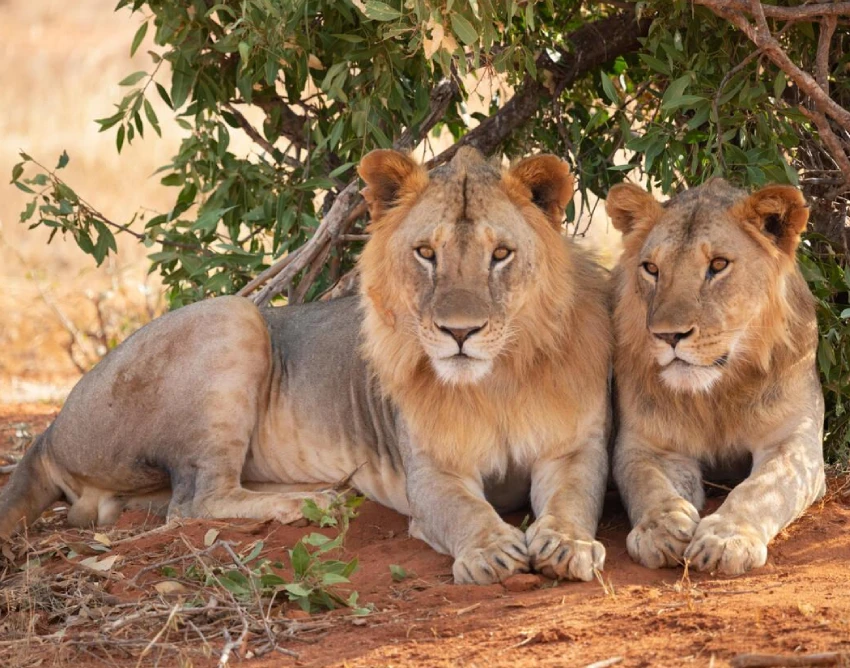
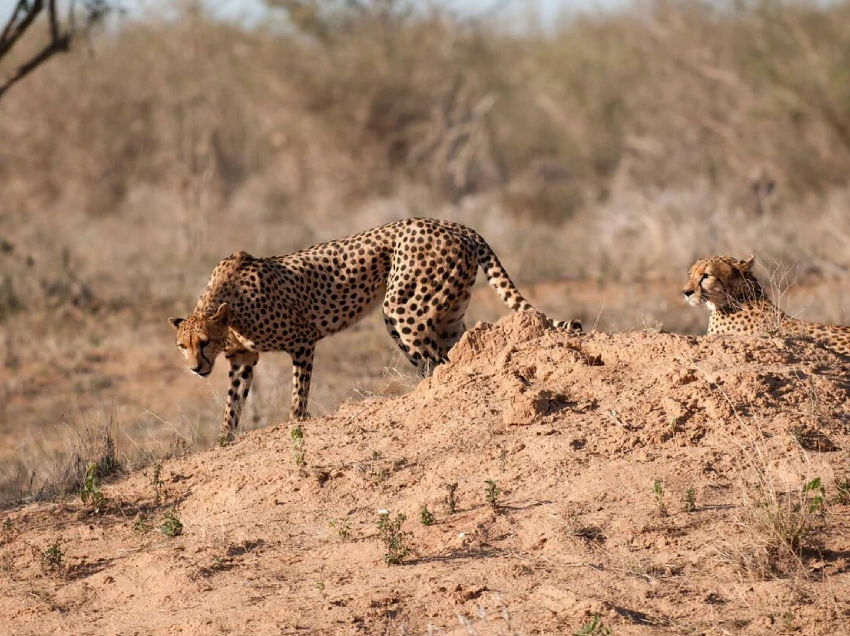
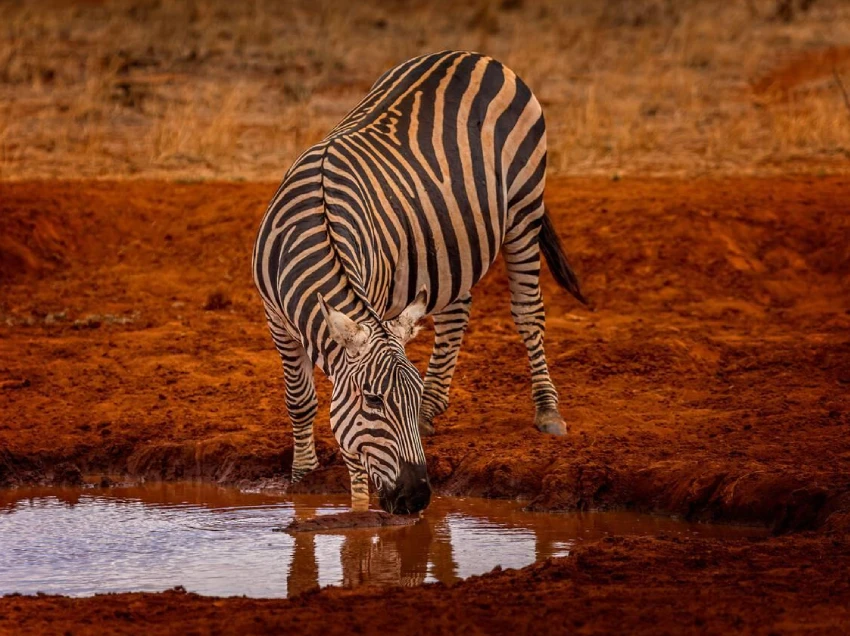
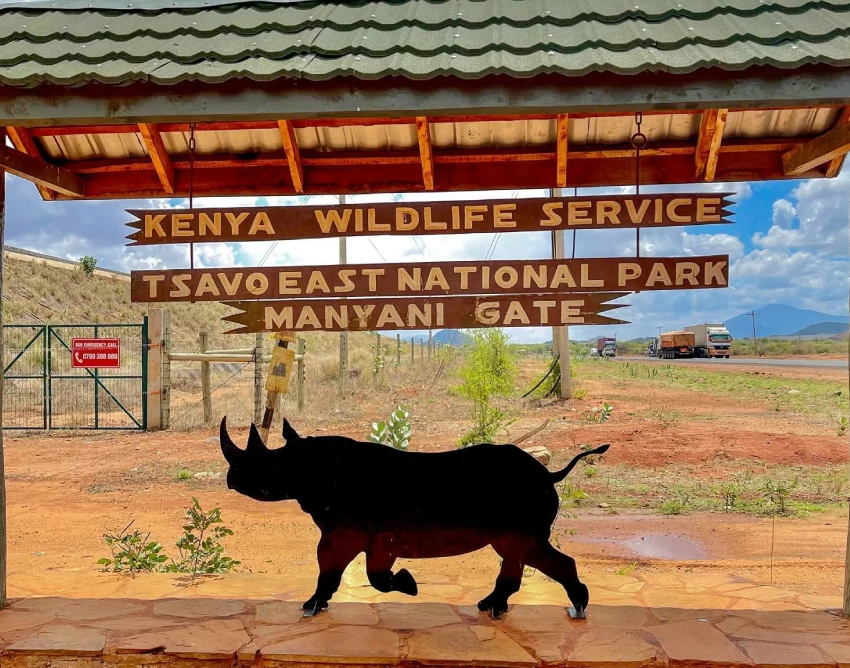
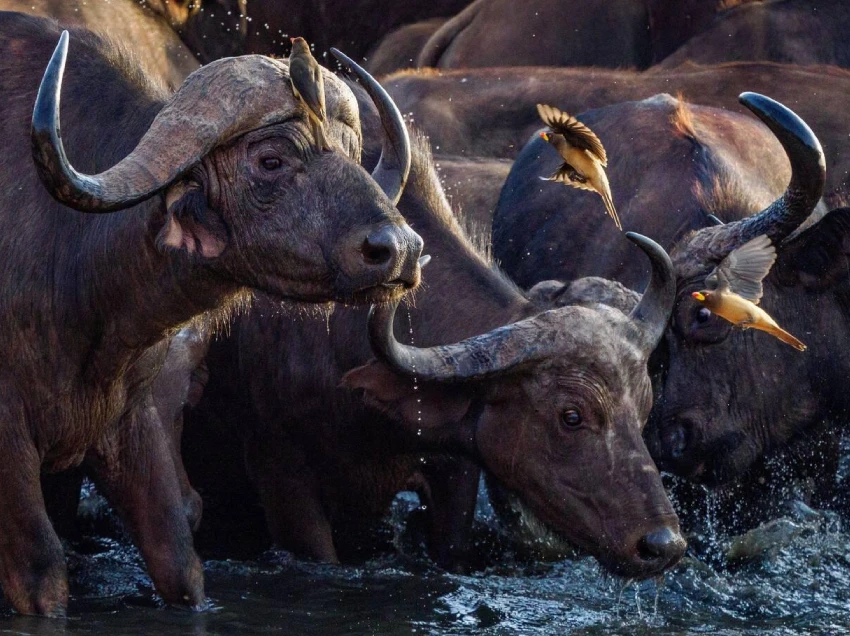
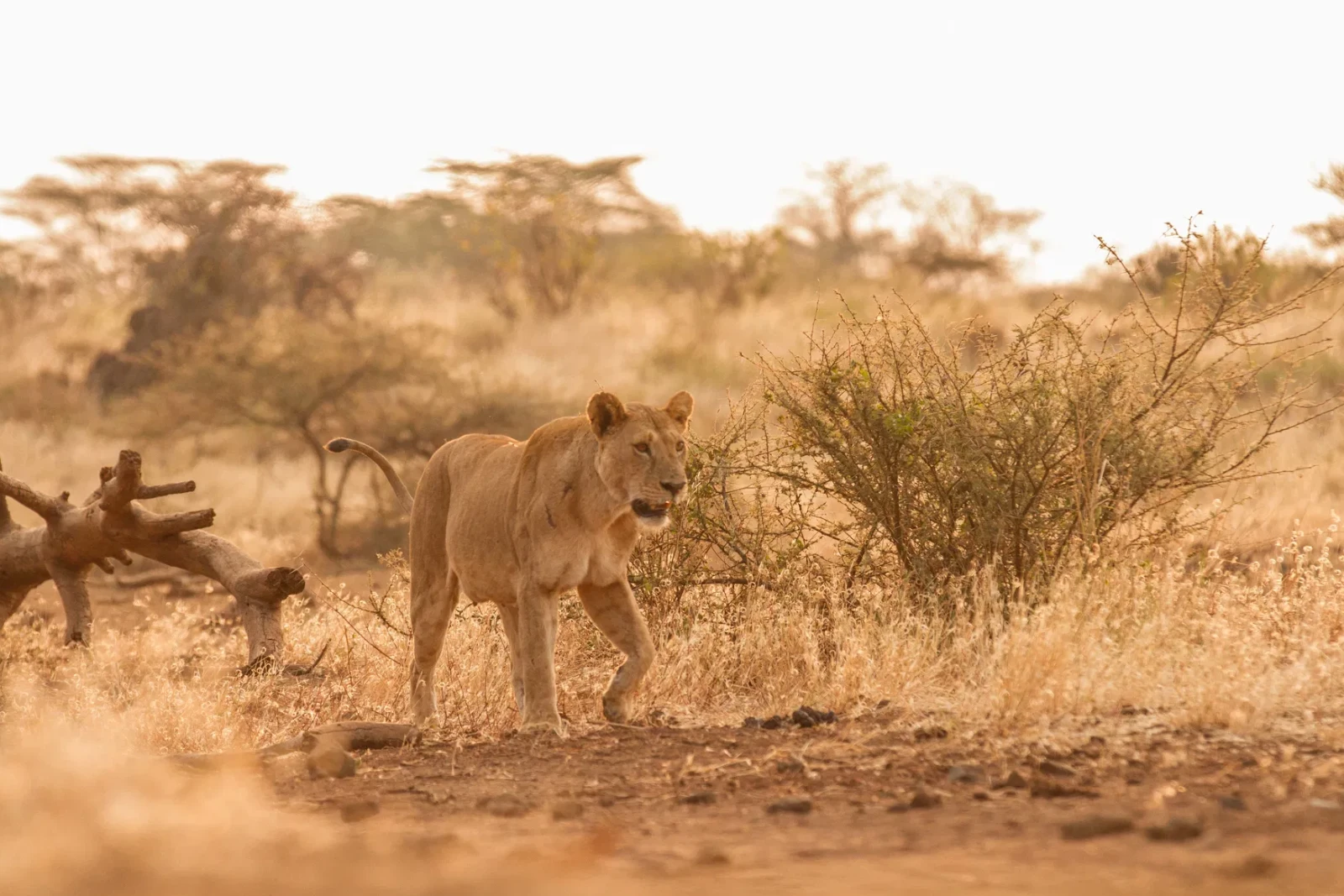
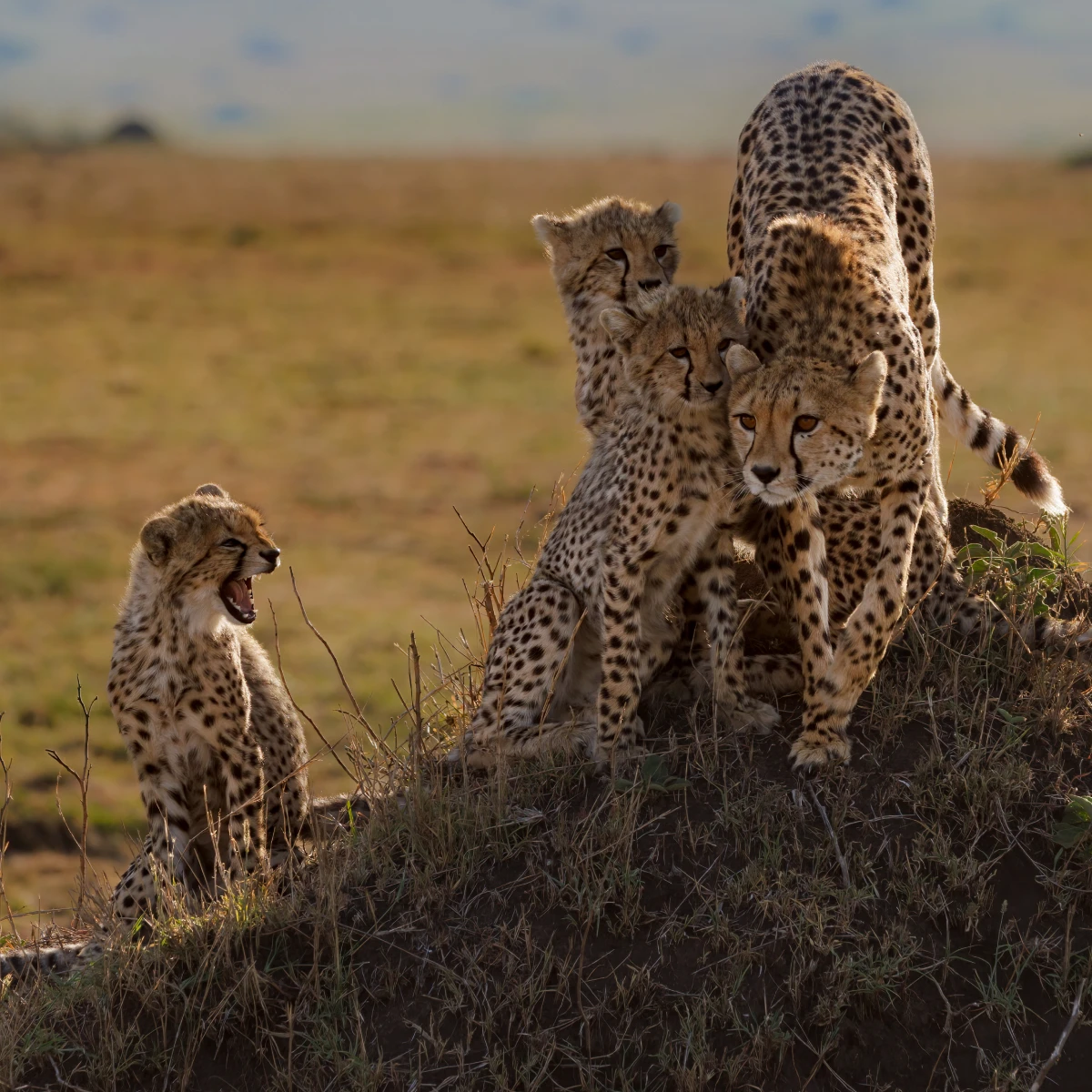
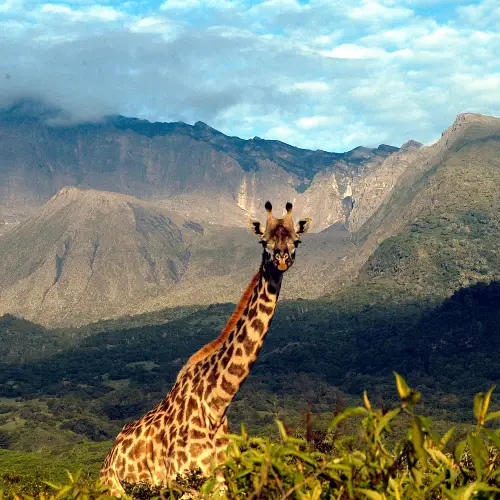
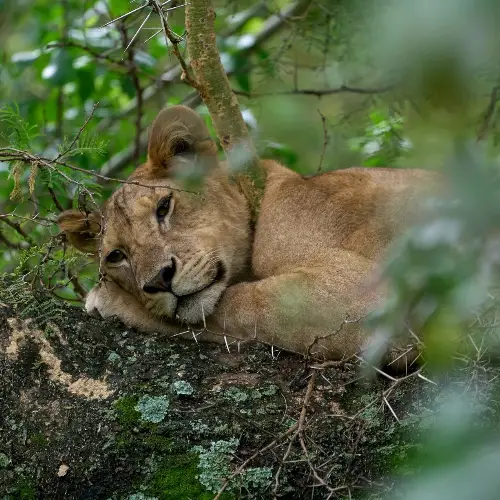
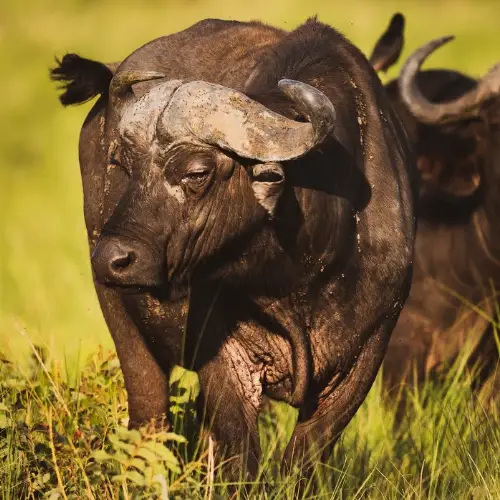
Wildlife viewing is really strong, but it takes attention. Lions are the easiest big cats to spot, and Tsavo’s maneless look surprises many people. Cheetahs work the open flats, while buffalo, zebra, and Maasai giraffes fill the gaps. Black rhinos are not usually seen, so don’t plan around them.

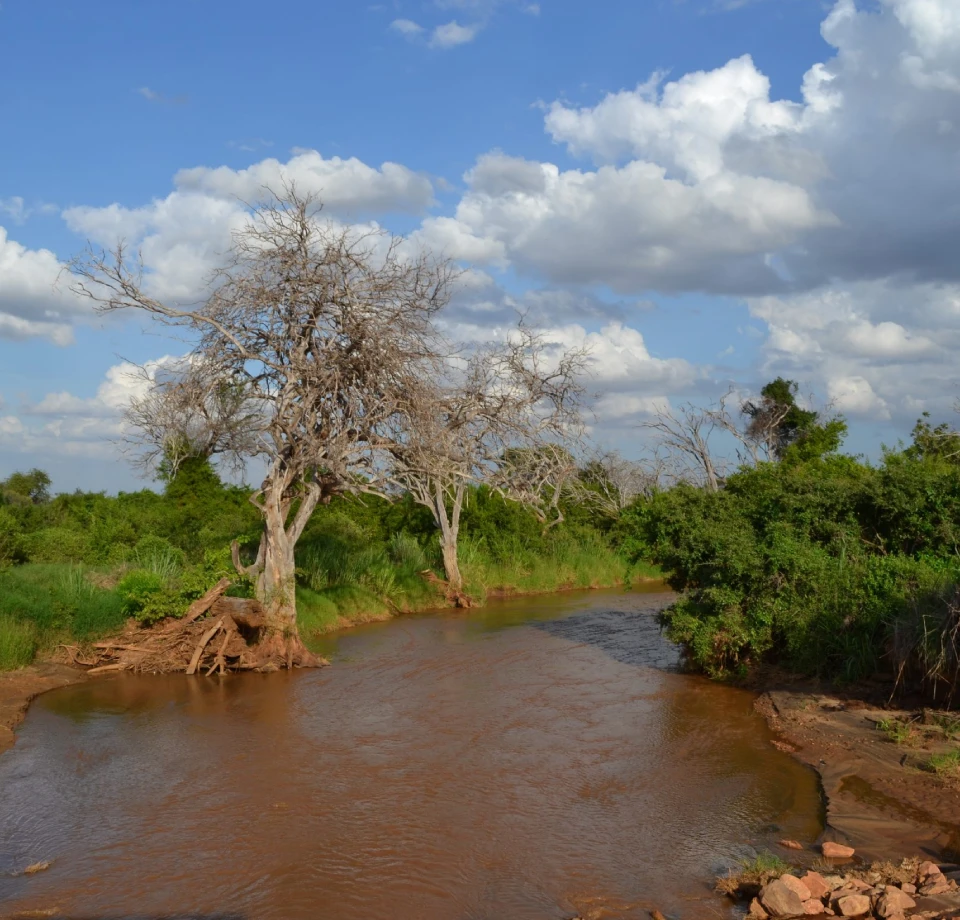
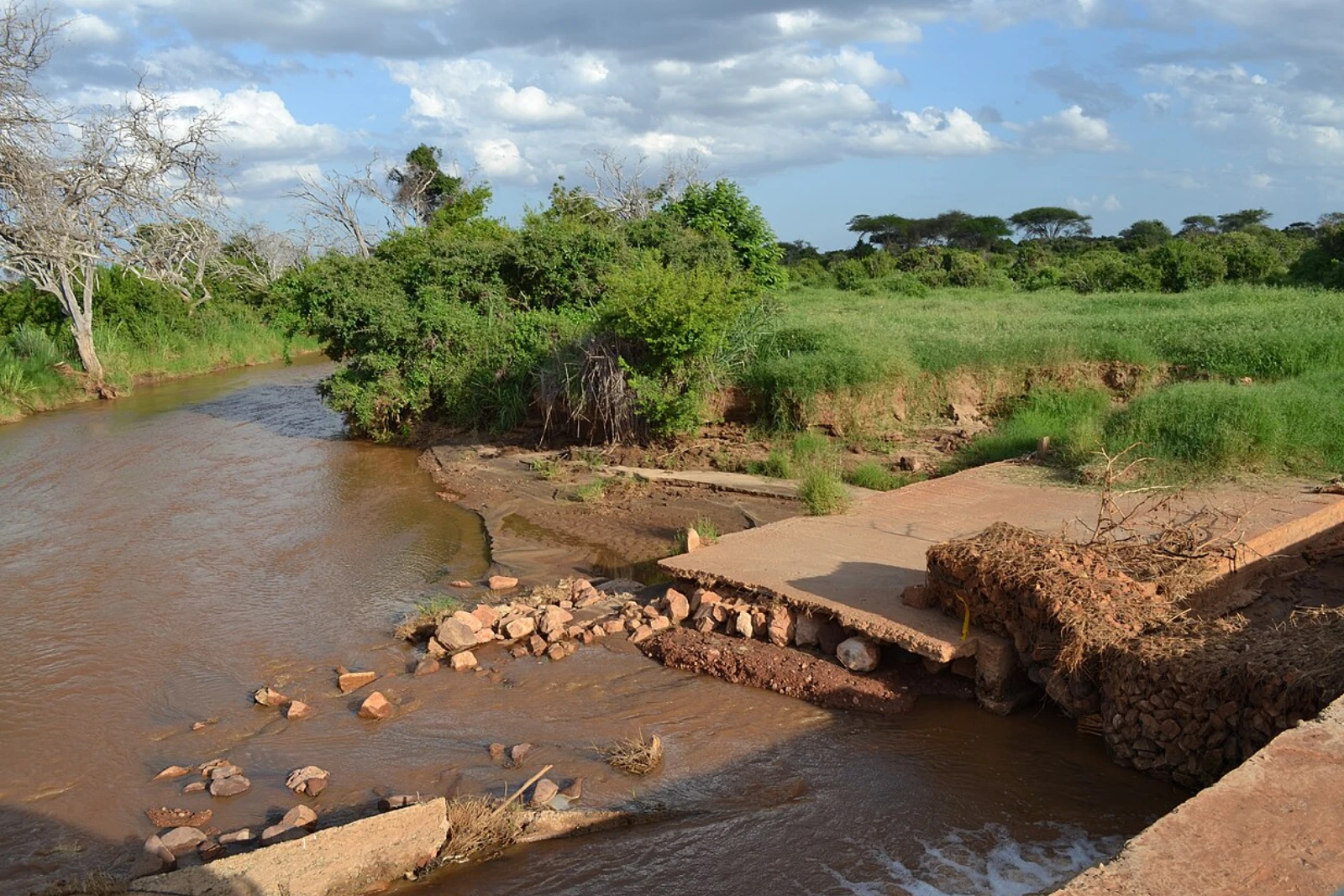
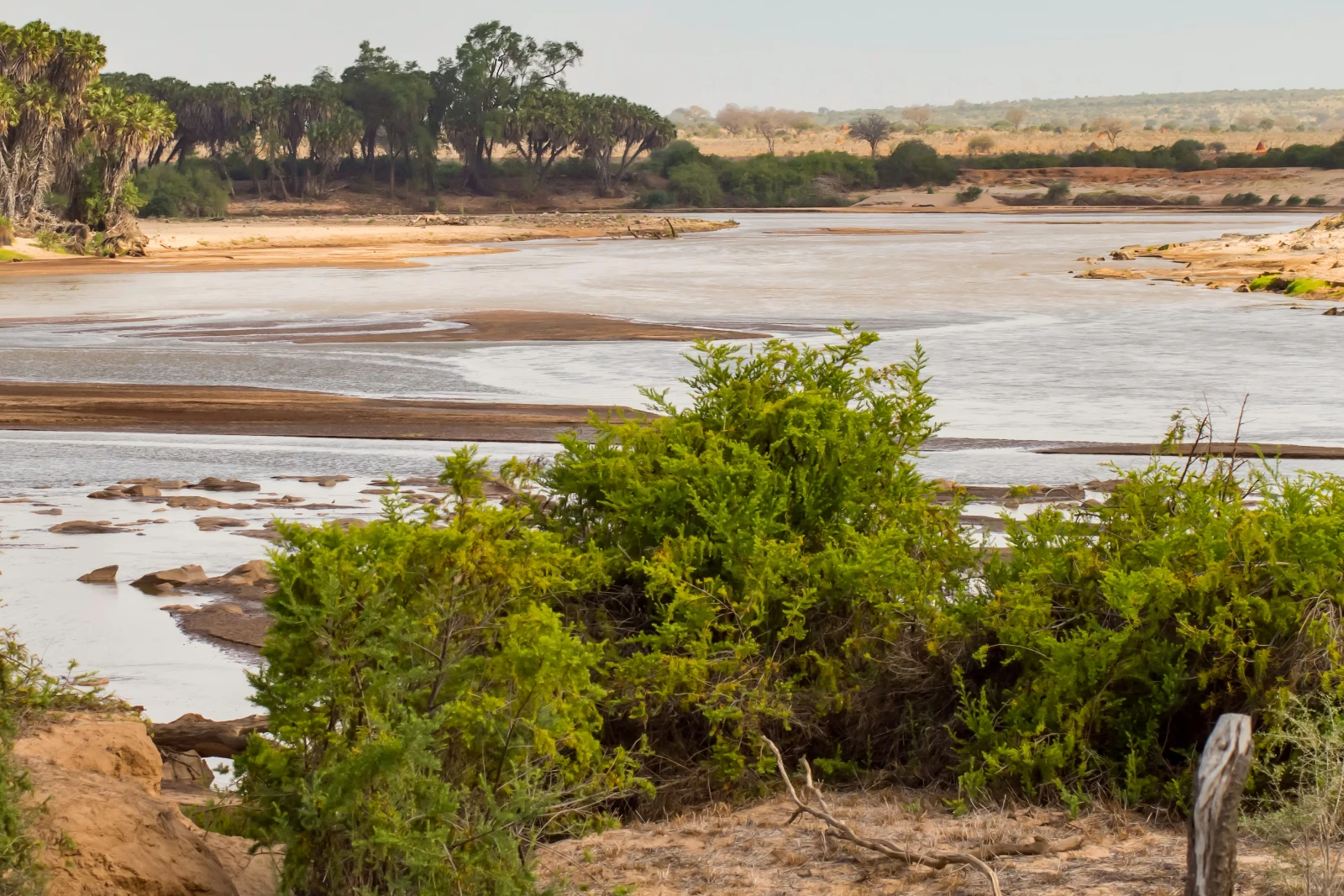
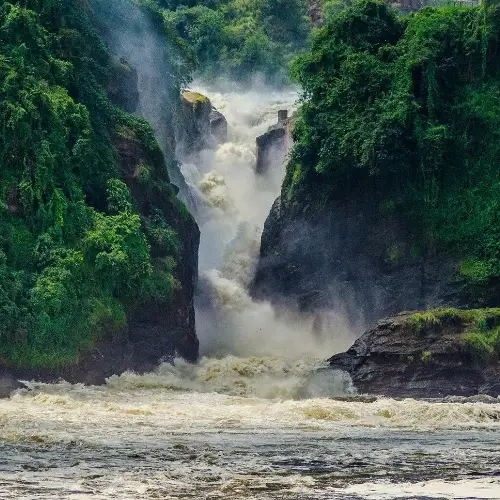
The park shifts when you leave the main track: dams, swamps, and rivers pull animals in, then it opens back into remote country. The Galana River and Lugard Falls add movement, and Mudanda Rock gives a clear, high view. It’s a straightforward Kenya safari tour experience that rewards patience.

Get Started

Life-Enriching Travel

Designed Just for You

  • Trips curated by the world’s top destination experts
  • Concierge-level service leading up to and during your trip
  • Unique, exclusive experiences and insider access


500+ Verified Traveler Reviews

Snowytop Safaris LTD

Why visit
Tsavo East National Park

Tsavo East is for travelers who want space and steady sightings without crowds. The plains around Aruba Dam can produce cheetahs, and the Kanderi Swamp and Voi River bring greener pockets when the rest feels dry. The Galana River route adds crocodiles and sharp river bends, and Mudanda Rock is a simple viewpoint stop. Birders get over 500 species, including dry-country specials. If you’re building Kenya travel itineraries, Tsavo East also links easily to the coast very well.

Tsavo East

Understanding Tsavo East at a Glance

Quick details to match routes, wildlife, weather, and drives to your day plan in advance.

Open Semi Arid Plains

Open Semi Arid Plains

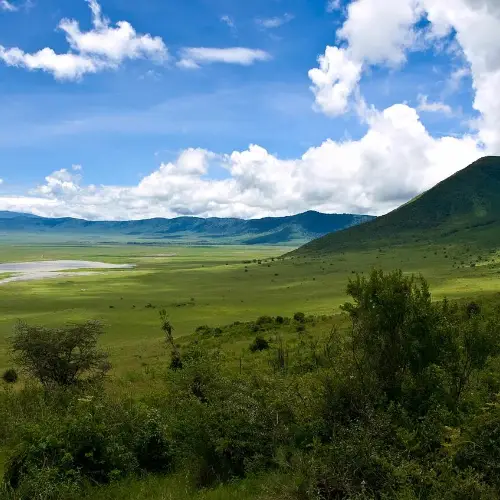
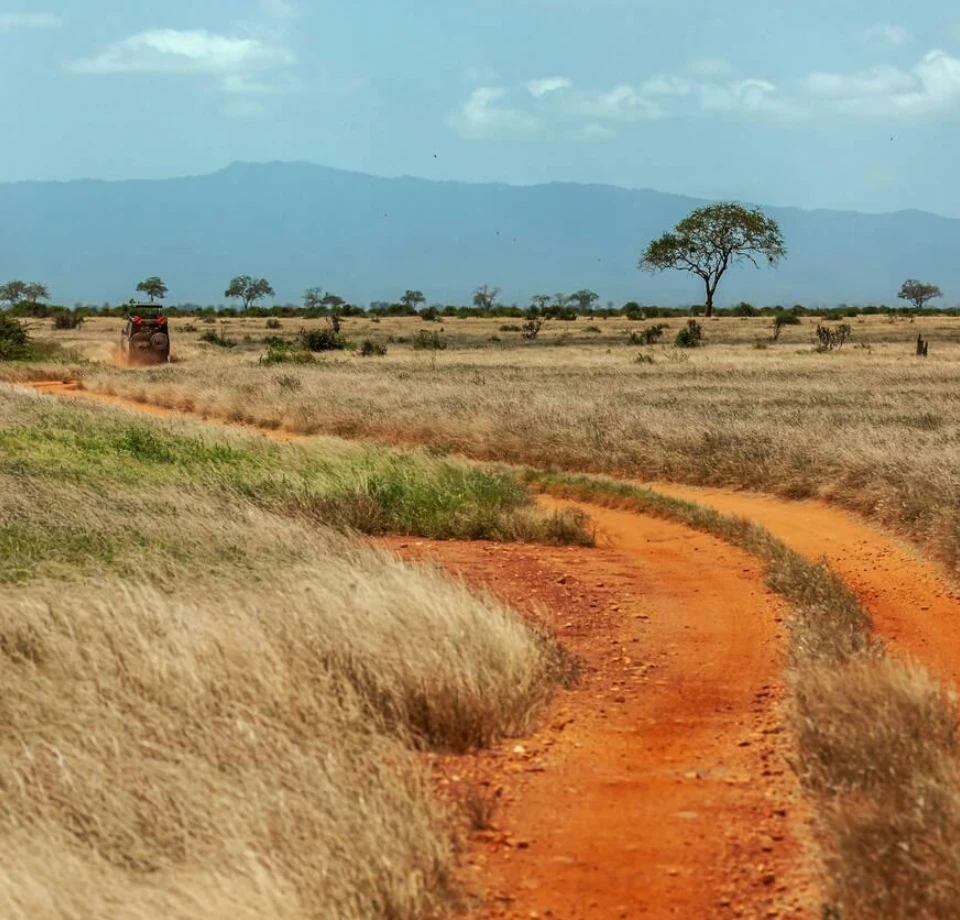
Stay near the main road, and you’ll see semi-arid shrub, grassland, and long, open plains. Around the Aruba Dam, the ground is flatter and good for scanning cheetahs. Detours change the feel: the Kanderi Swamp turns greener, and the Voi River brings riverine forest. Farther east, the Galana River cuts through, with Lugard Falls and the Yatta Plateau beyond in places.
Red Elephant Country

Red Elephant Country

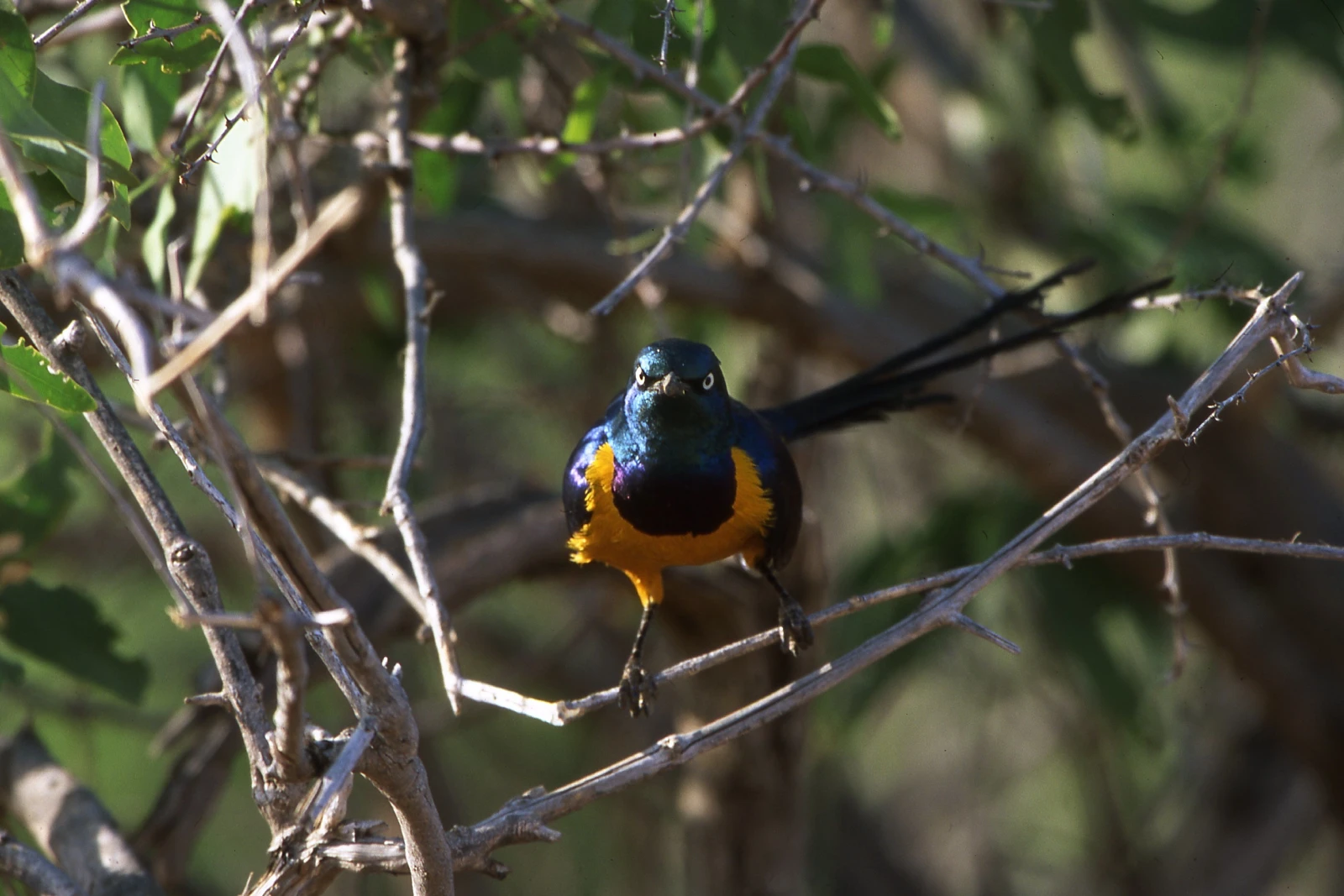
Tsavo East holds the Big Five, though black rhinos are not usually spotted. Elephants are the headline, often stained red by the soil. Lions are common, and Tsavo’s maneless look is part of the story. Cheetahs show on open flats. Unusual antelopes include fringe-eared oryx, shy lesser kudu, and long-necked gerenuk. Bird lists exceed 500 species.

Hot Dry Climate

Hot Dry Climate

Tsavo East stays hot and dry most of the year, with few breaks. The dry season runs from June to October and is the easiest period for driving and spotting animals. The wet season is roughly November to May, and it can feel especially hot between rain spells. Expect afternoon showers in wetter months and often hazy dust in dry months.

Water Viewpoints Rivers

Water Viewpoints Rivers

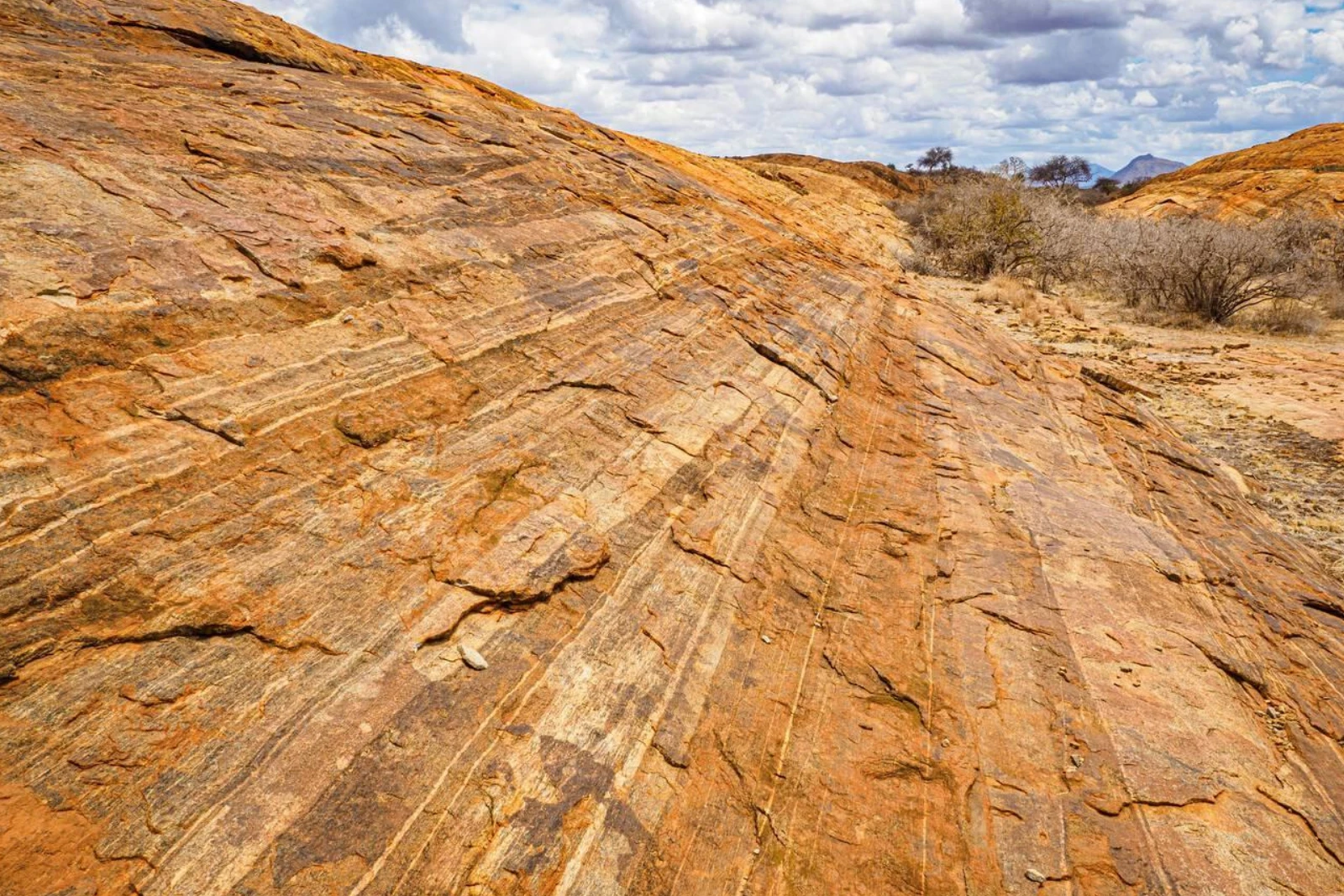
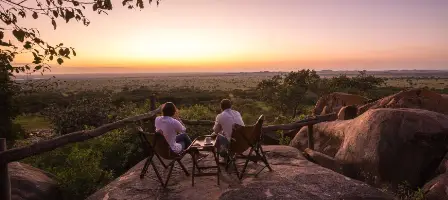
Aruba Dam matters because animals and birds cluster around water in dry periods. Kanderi Swamp is another draw for elephants, while the Voi River brings a greener corridor of trees. Mudanda Rock is the viewpoint: climb up, scan the plains, then climb down. The Galana River and Lugard Falls add crocodiles, rapids, and the Yatta Plateau.

Coast Nairobi Access

Coast Nairobi Access

Most trips start from Nairobi or Mombasa, depending on where you land. From either city, the main highway makes a straightforward road transfer and many itineraries use Tsavo East as a stop between parks and the coast. Some travelers come by train and arrange pickup. It’s often paired with Tsavo West in Kenya tour packages.

When to Go to Tsavo East

The best months for wildlife are June to October and January to February, when the grass is low, and animals gather near water.

  • Best
  • Good
  • Mixed

January is hot, dry, and good for sightings because the grass stays short. Elephants visit water often, and the red dust makes them easy to pick out on pale ground. Start driving early, rest midday, then go again late. This timing works well for Kenya safari packages and steady roads.

February stays dry and can feel sharper in the heat. Wildlife still leans on reliable water, so your guide will revisit dams, river bends, and swamp edges. Cheetahs can show on open flats when visibility is clear. Carry extra water in the vehicle; it matters more than you think today.

March starts leaning toward the wetter stretch. You might get a quick shower, then bright sun again, which can be oddly pleasant after weeks of dust. Animals spread a little, but the main waterlines still produce. If you’re following a Kenya travel guide, keep expectations flexible.

April is one of the harder months for pure wildlife viewing. Long rains can lift grass quickly, and animals don’t need to crowd water, so they spread out. Drives may feel slower, and that’s normal. Birding improves, especially with migrants around. Pack a light rain layer and patience for mornings.

May often calms down after heavier rain, though the park can stay green. You’ll see more cover, which means more scanning and more stopping to listen. Rivers and dams still anchor activity, and elephants keep showing up. If you like quiet camps and softer light, May suits without peak crowds.

June brings the dry season back, and Tsavo East feels easier to read. Vegetation thins, roads firm up, and animals return to predictable water. It’s a solid month for lions and elephants, and the plains around Aruba Dam can wake up. Great for Kenya wildlife watchers with clearer, longer views.

July is dry and steady. The sky can look hazy from dust, but spotting is strong because the grass stays low. Elephants move in groups, buffalo keep to thicker patches, and predators follow the routine. Early mornings feel cooler, so bring one warm layer. Then the day heats fast by noon.

August keeps the same dry rhythm, and long drives become comfortable because roads stay reliable. This is when many people book, so good rooms can disappear early, especially in popular Kenya safari lodges along the main route. Dust plan, charge your camera, and spend time near water late afternoon.

September is still dry, but afternoons can feel heavier as heat builds. Wildlife remains concentrated around water, which makes planning simple: start at first light, work a dam or river bend, then move slowly back. If you’re chasing a cheetah, keep scanning the flattest plains. They blend in until you spot.

October sits in a shoulder phase. Some days are dry and dusty, others bring a short shower that settles the air. Animals can start spreading again, so the best drives focus on water and shade. It’s a good month for flexible travelers on Kenya guided tours who don’t mind surprises.

November can be tricky for wildlife concentration because the rains return and the grass lifts. The upside is birding: migrants arrive, and the park gets noisy in a good way. Roads may slow after showers, so build buffer time. If your trip mixes parks and coast, Kenya adventure tours still fit well.

December brings a mix of sun and short rain. The landscape looks fresher, and river lines stay productive even when the rest greens up. It’s a comfortable time for families because the heat is broken by clouds. Many travelers pair Tsavo East with Kenya beaches, which makes the itinerary feel balanced.

Tsavo East Travel Questions

Yes—if you want space and clear plains, not constant radio-chasing. It’s among the Best places to visit in Kenya for open-country drives.

You can see most of them, but black rhinos are rarely spotted. Treat it like a bonus on Kenya wildlife safaris.

Not really. Tsavo East focuses on drives and birding, which suits most Kenya safari tour plans.

Yes, especially with shorter drive blocks and good shade breaks. It’s a solid choice for family vacations in Kenya.

Pair it with Tsavo West or the coast, then lock camps early. It’s easier to book Kenya safari trips when dates are fixed.

Tsavo East Safari Experiences

Tsavo East experiences are simple on paper, but the scale changes how they feel. Drives can run long because the park is vast, and that’s part of the charm. You scan open plains for cheetahs, then switch to rivers for crocodiles and hippos. Birding aligns with the same drives. It's a classic Kenya safari tour of territory with big skies overhead.

Talk to a Safari Specialist Today

and design your travel plans.

Call +254 723 619669

OR

Enquire Now
  • Lawrence

  • Margaret

  • Mugambi

Our Safari Experts

Safaris You Can Book

Browse all our safari options designed around realistic travel days, trusted guides, and comfortable stays across East Africa.

Explore Iconic Kenya

Witness abundant wildlife, diverse scenery, cultural heritage, and warm hospitality throughout remarkable Kenya.

Get Started On Your Trip

You can contact us anytime, and we’ll support your
planning from early ideas to final details.

Get in touch

What Travellers Say

Real feedback from guests who have traveled with SnowyTop Safaris LTD across East Africa.

Local Team Insight

Our guides and planners work in Kenya and nearby parks year-round. You get route advice that matches road conditions, seasons and lodge standards, not generic online suggestions for your dates.

Clear Trip Planning

We keep planning simple: quick replies, clear inclusions, and realistic drive times. If something won’t fit, we say so early and suggest a better option without pushing upgrades or extras.

Support Throughout Travel

From airport pickup to your last game drive, we stay reachable. You get help with permits, timing and small changes, so the trip keeps moving smoothly even when plans shift.