

Arusha National Park

Forested Slopes Around Meru

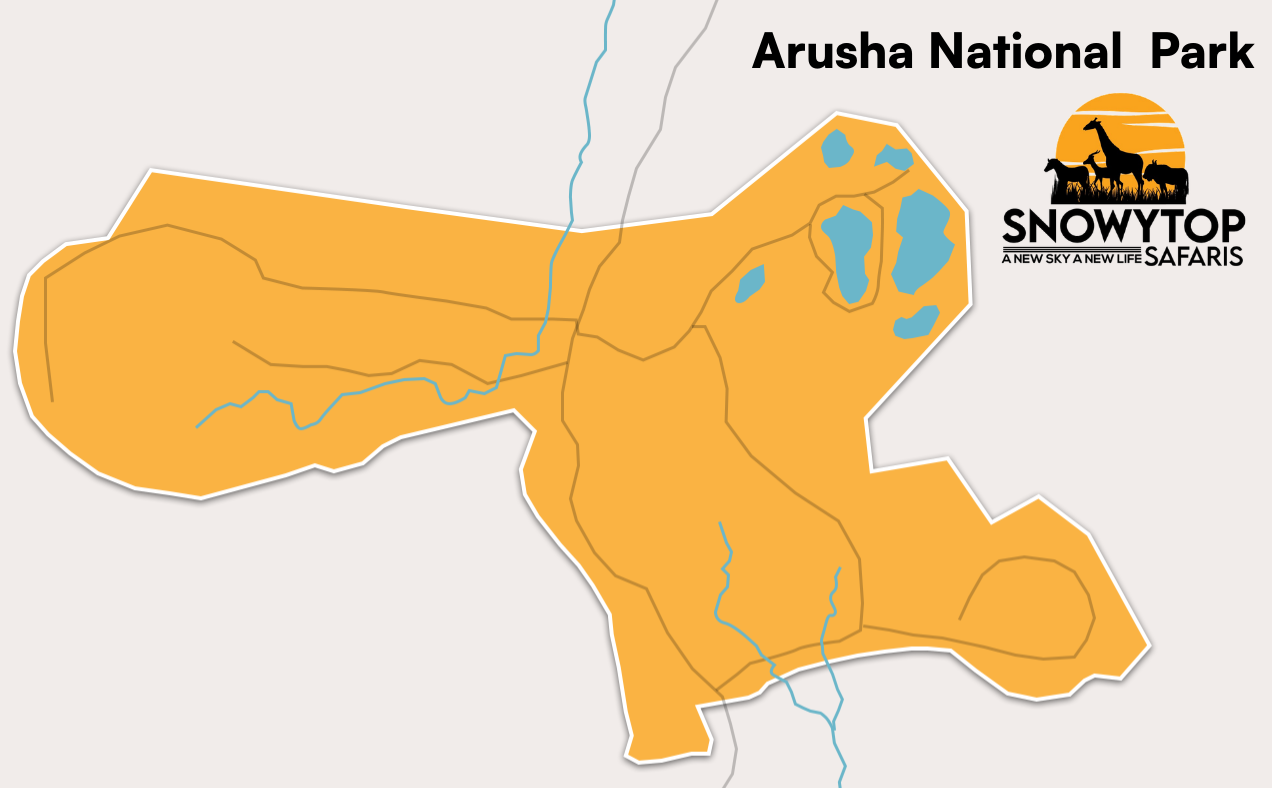
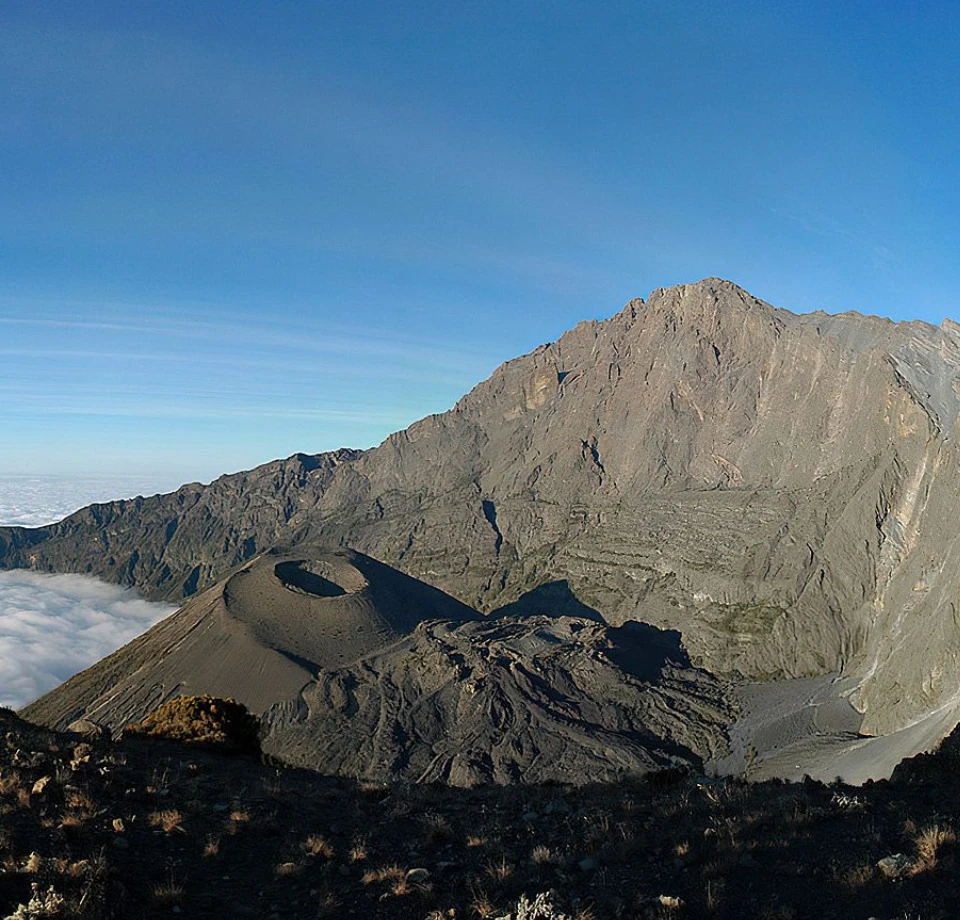
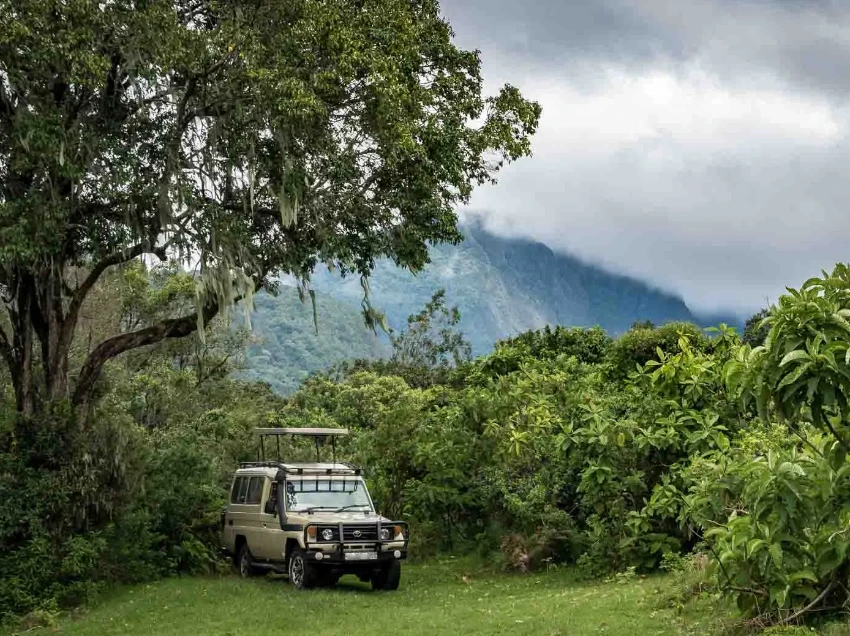
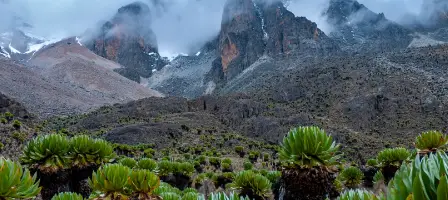
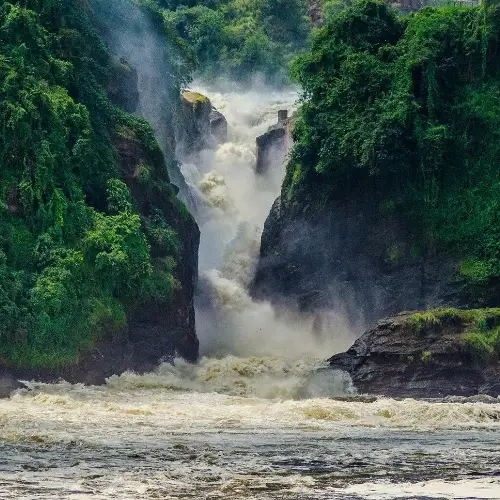
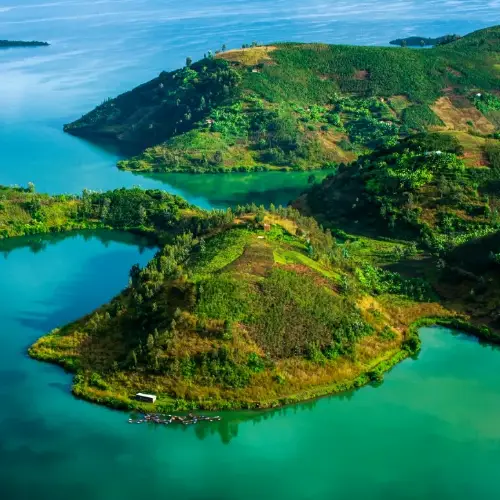
Arusha National Park circles Mount Meru, Tanzania’s second-highest peak and it’s close to town. The park is small, but scenery changes fast: cool forest, open glades, crater rims and the blue-green Momela Lakes. Many travellers start a Tanzania Safari here because the drive is short and the day still feels full.

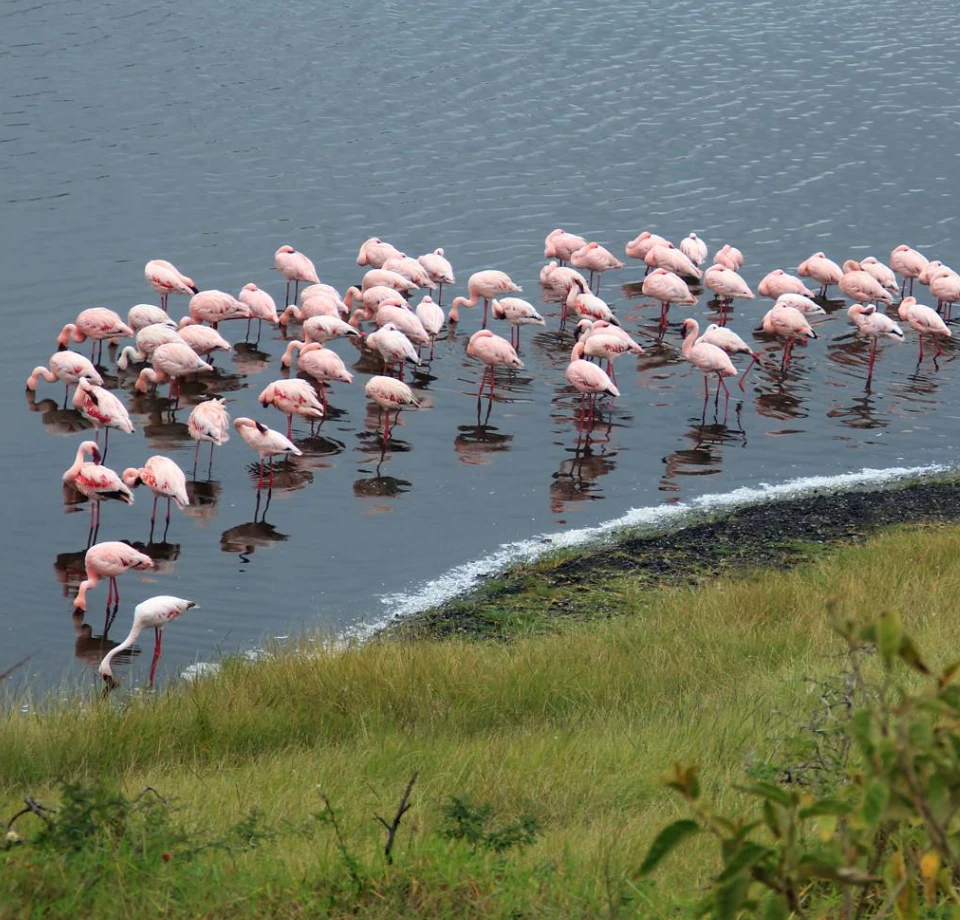
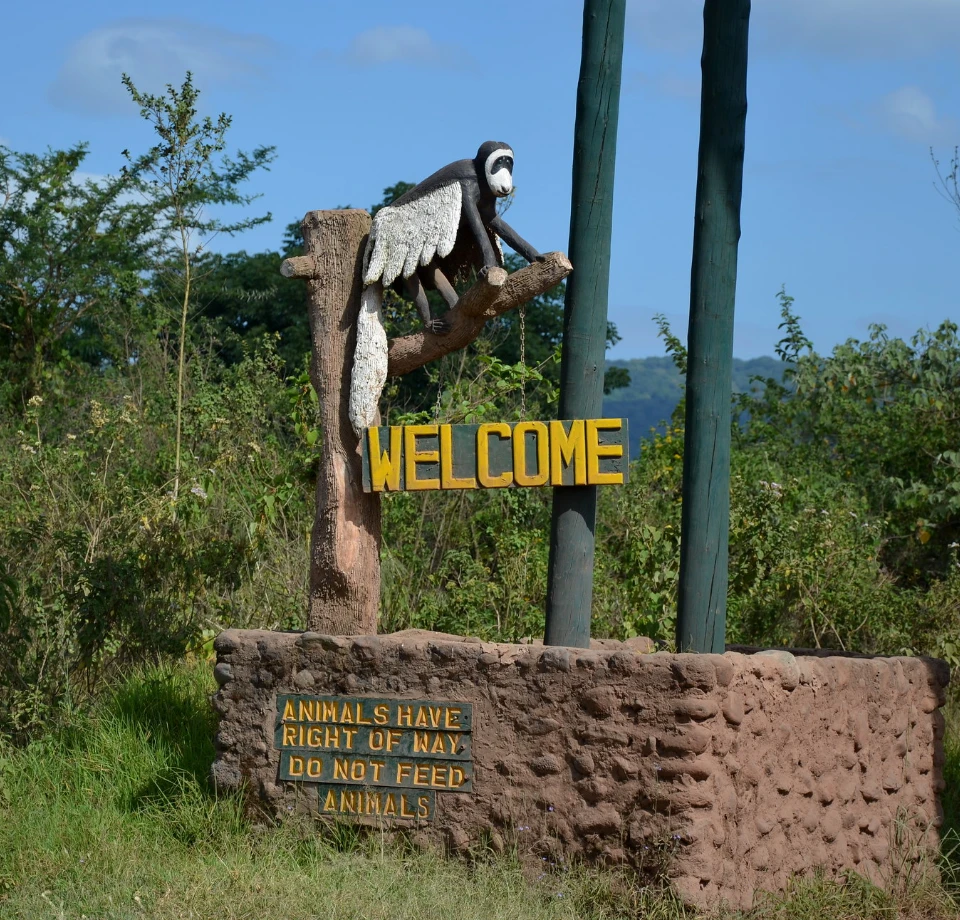
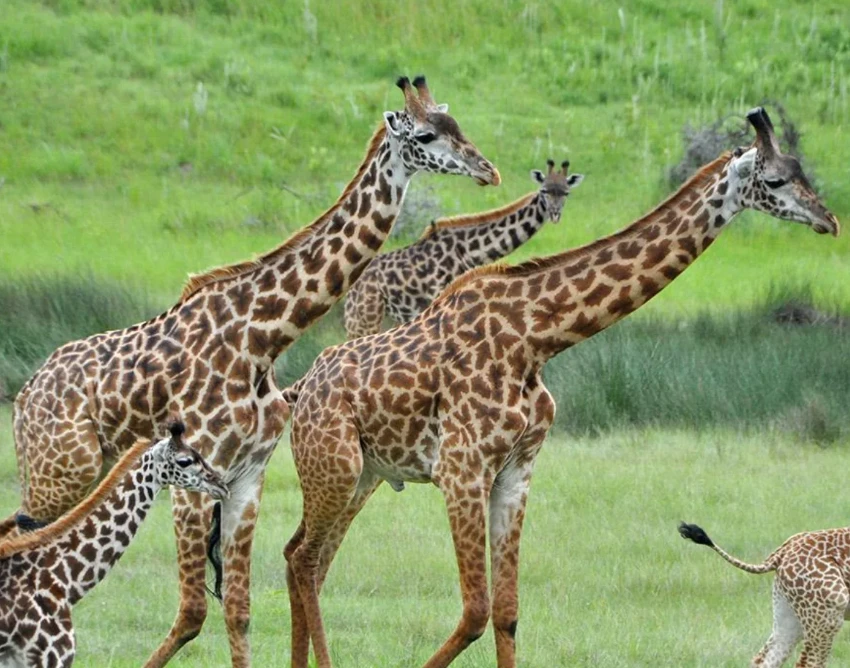
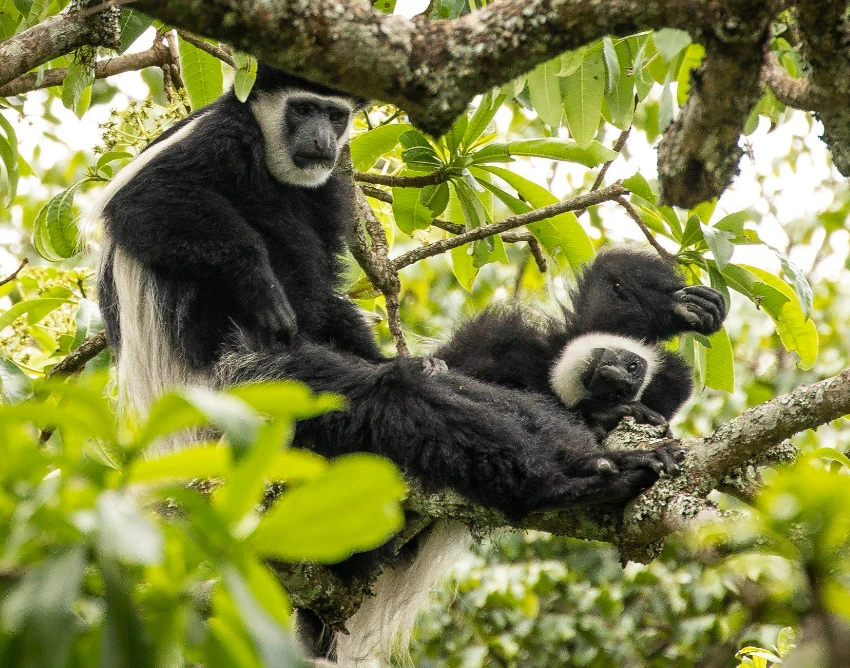
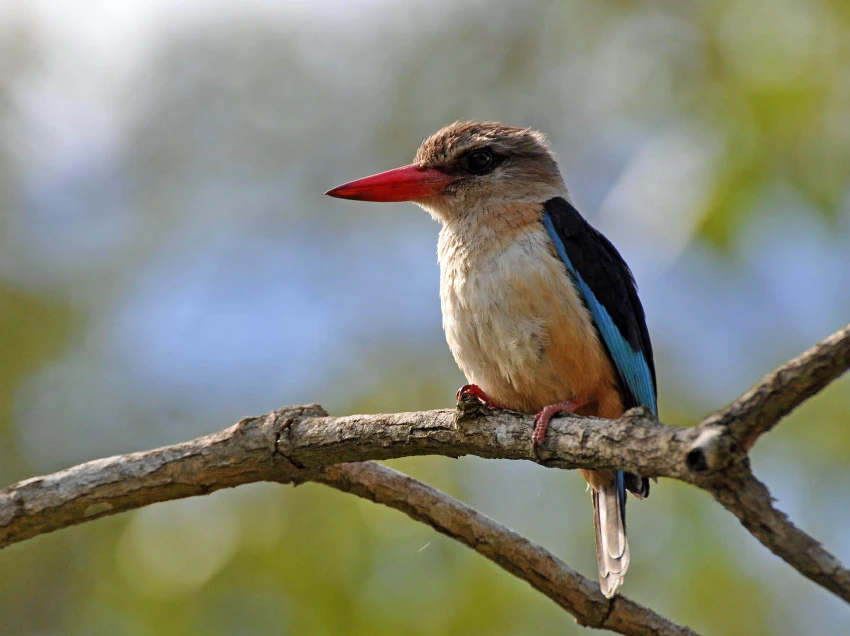
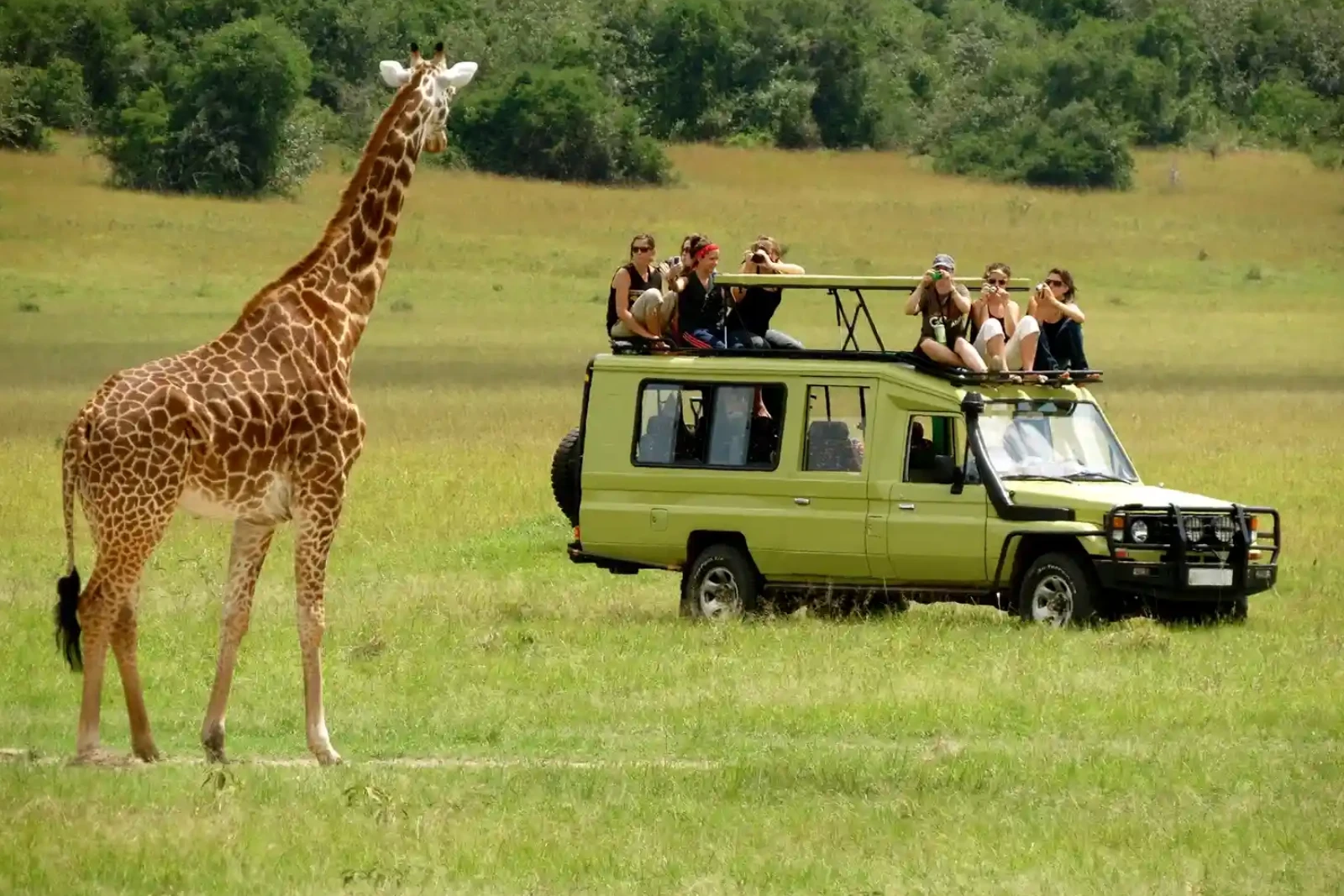
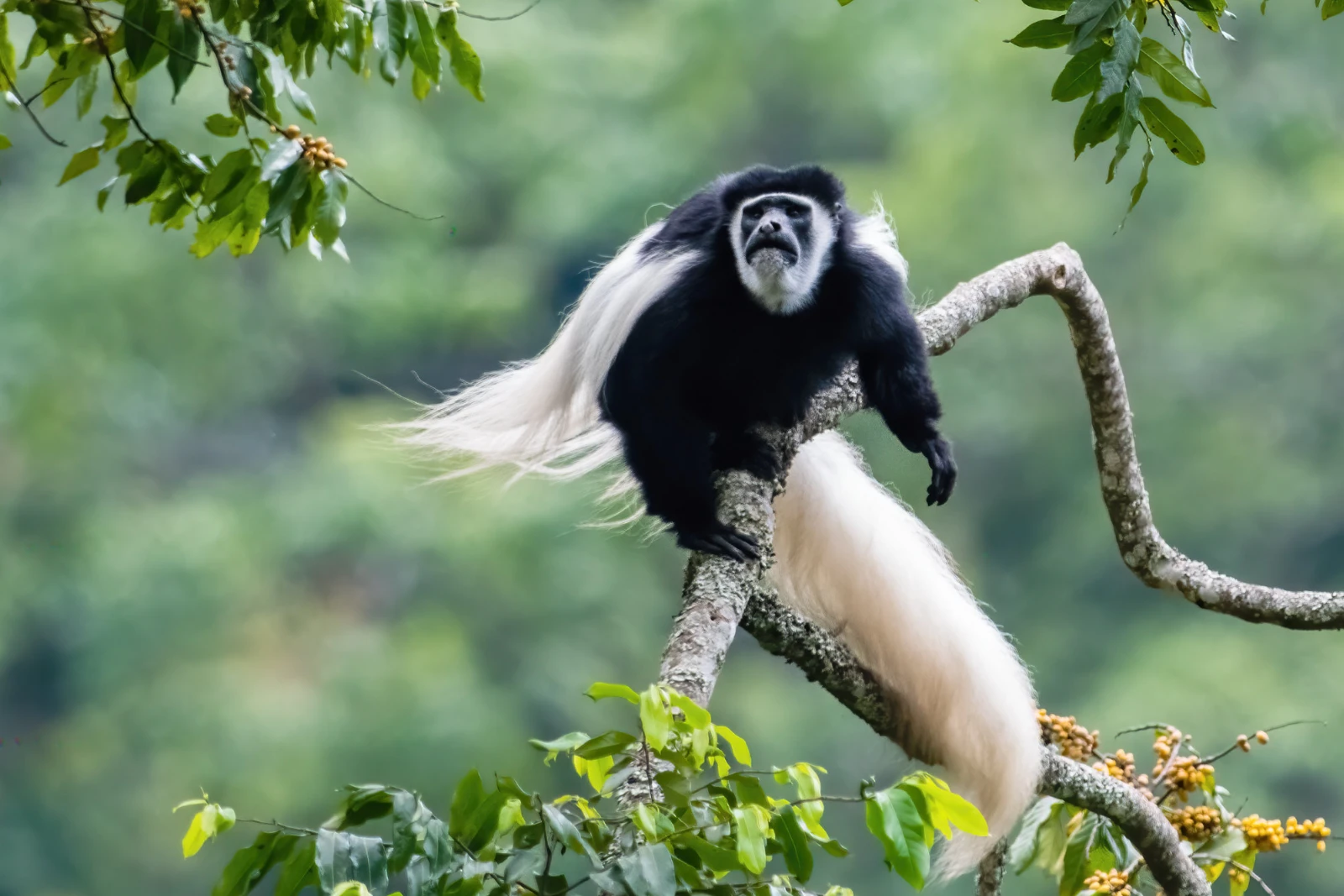
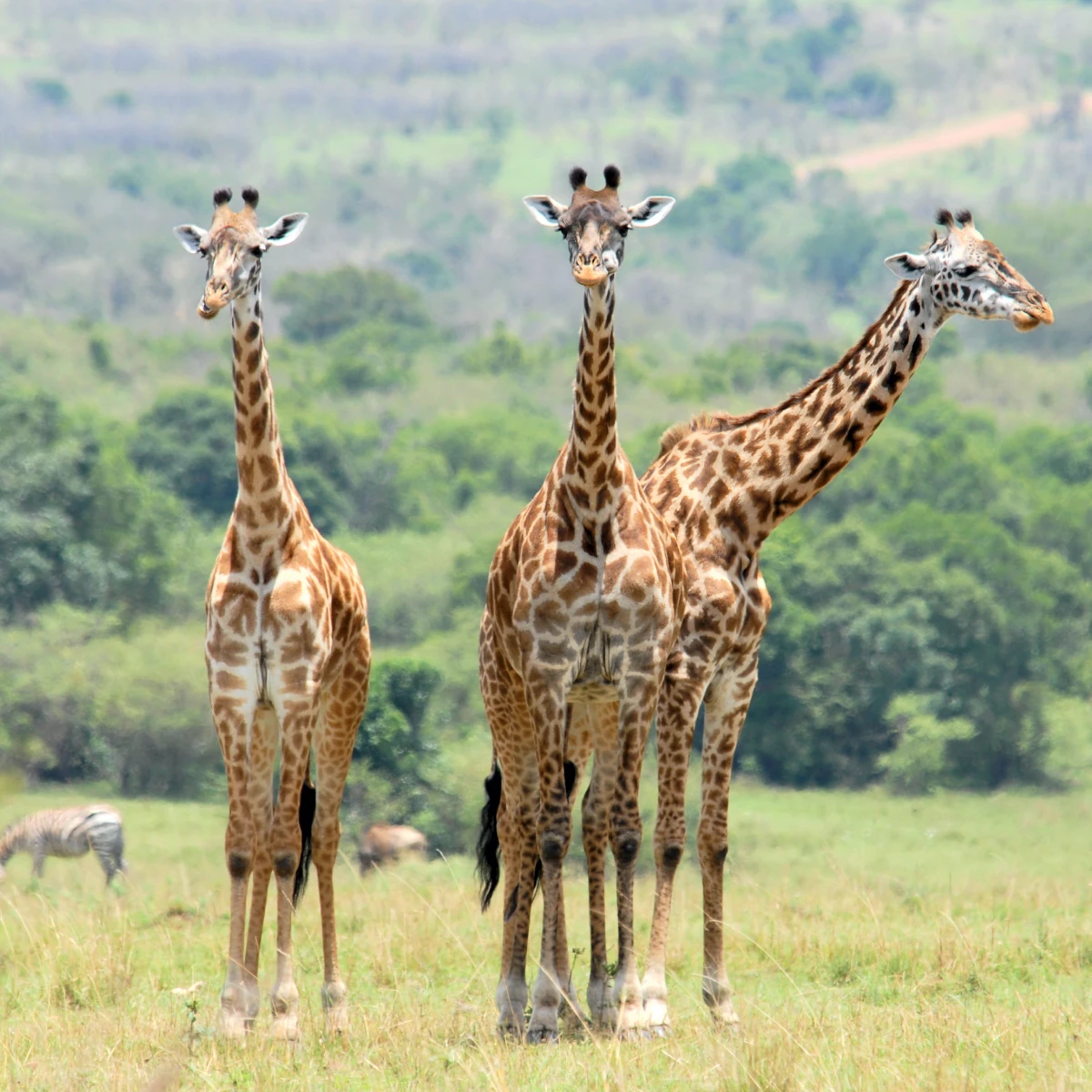
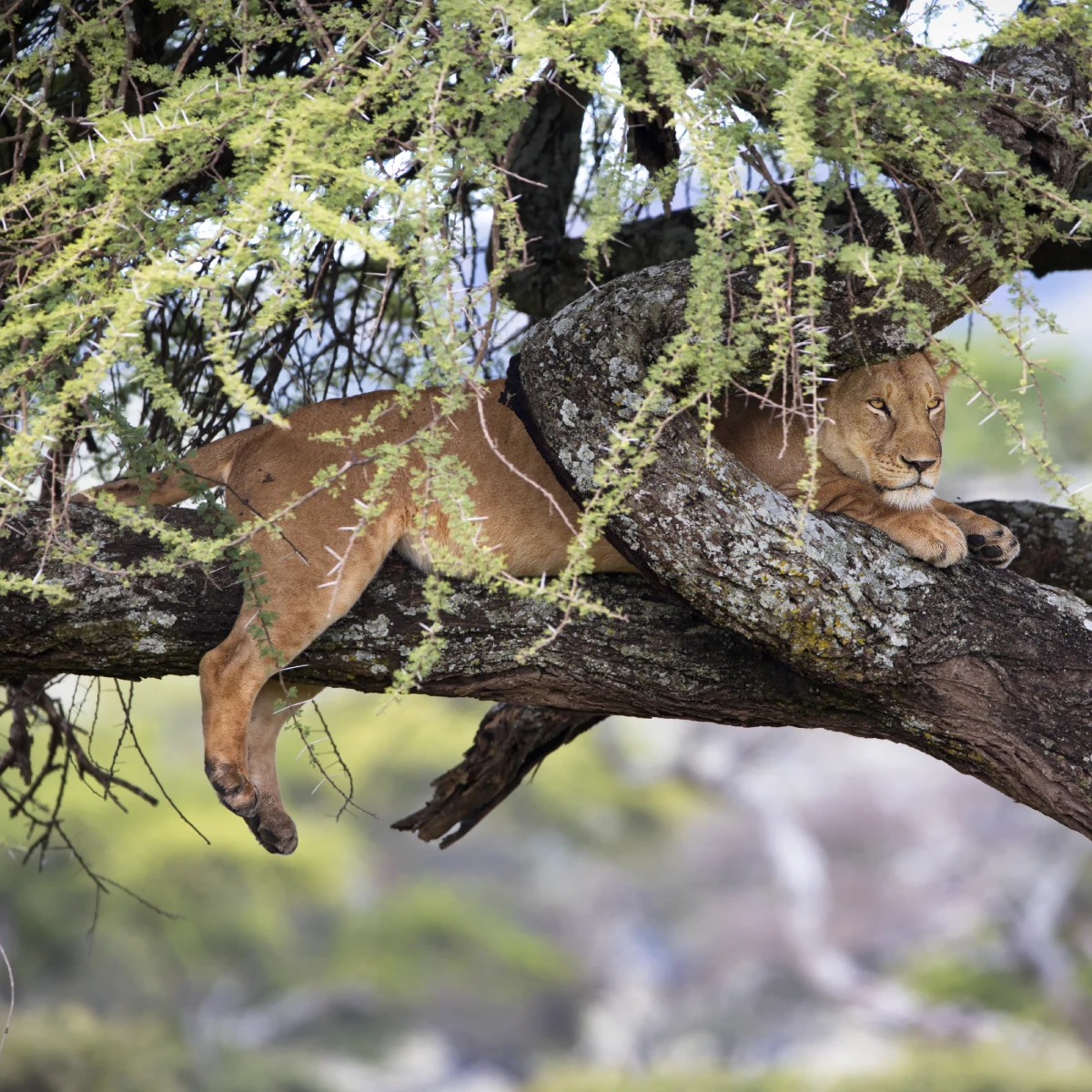
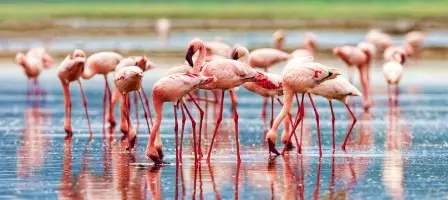
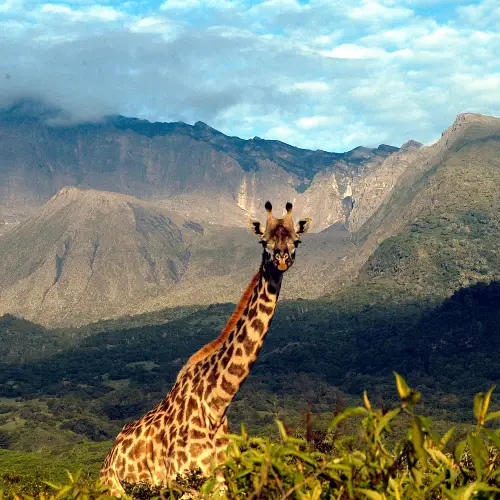
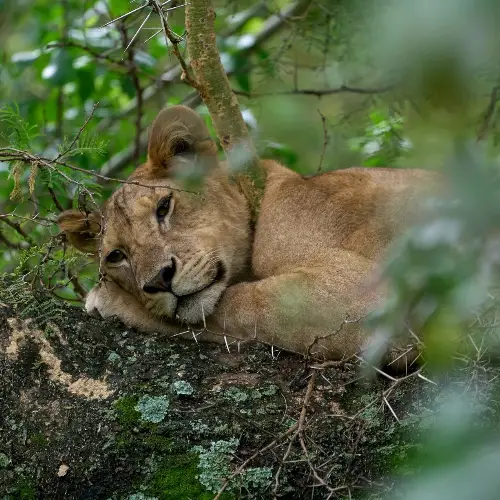
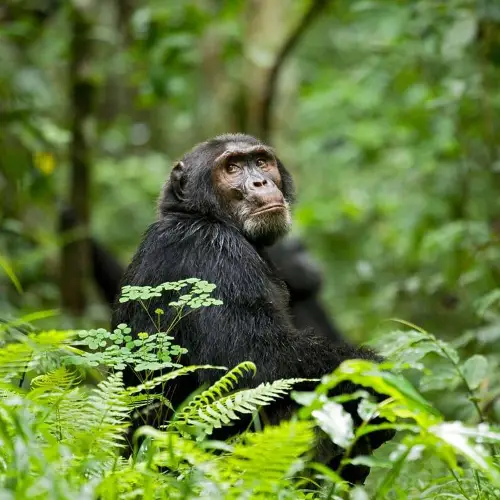
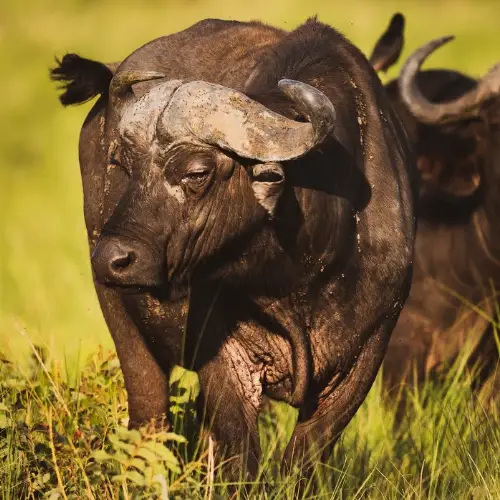
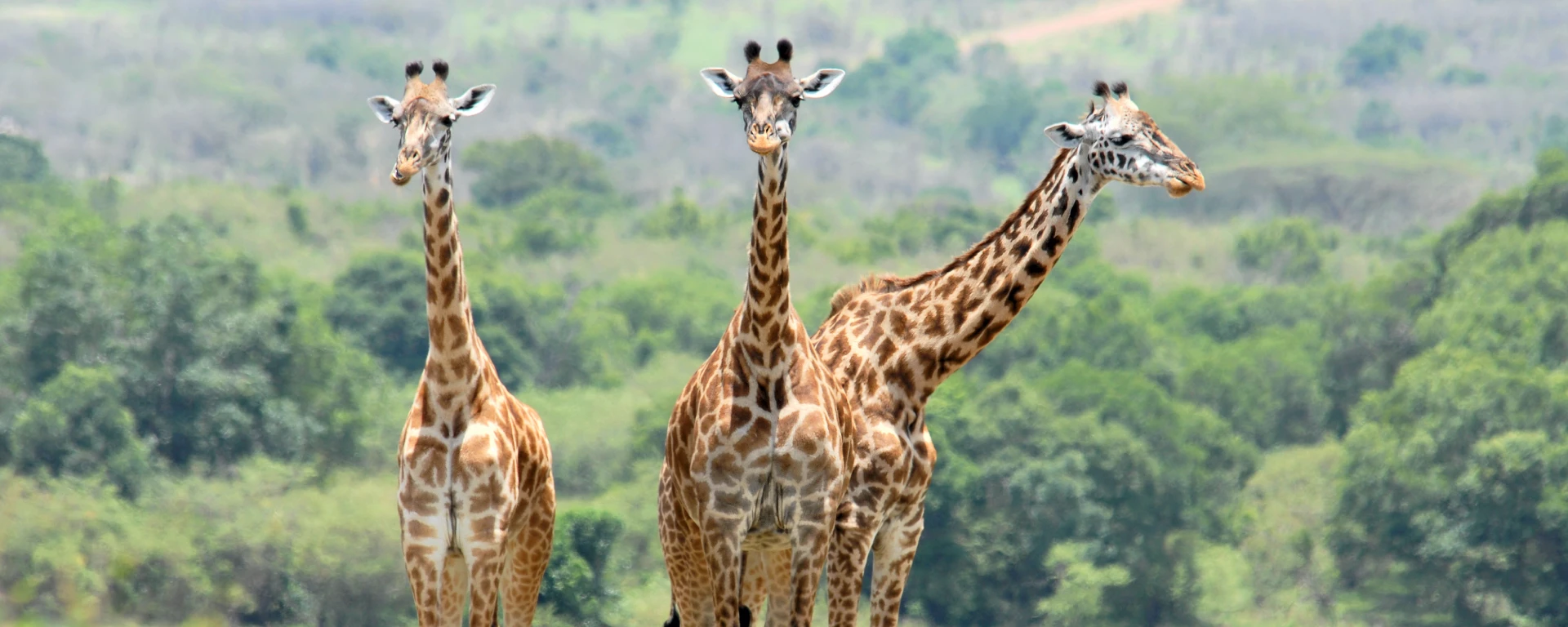
Wildlife is quieter here, and that’s part of the point. You’ll commonly see giraffes, buffalo and antelope around the Momela area, plus plenty of monkeys in the forest. The signature primate is the black-and-white colobus and birding can be excellent. On the right day, you get flamingos on the lakes with Meru behind them—simple, clean and very photogenic for Arusha Safari Tours.

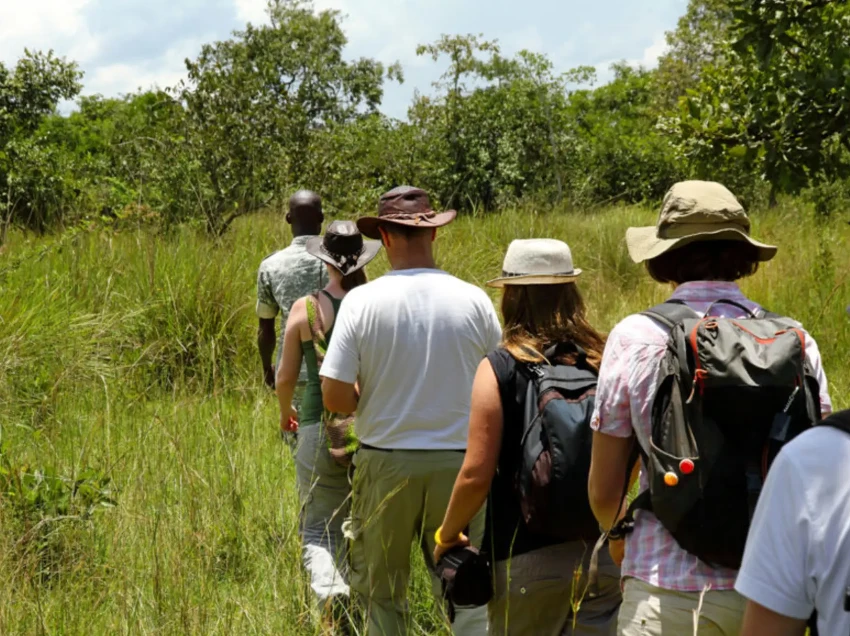
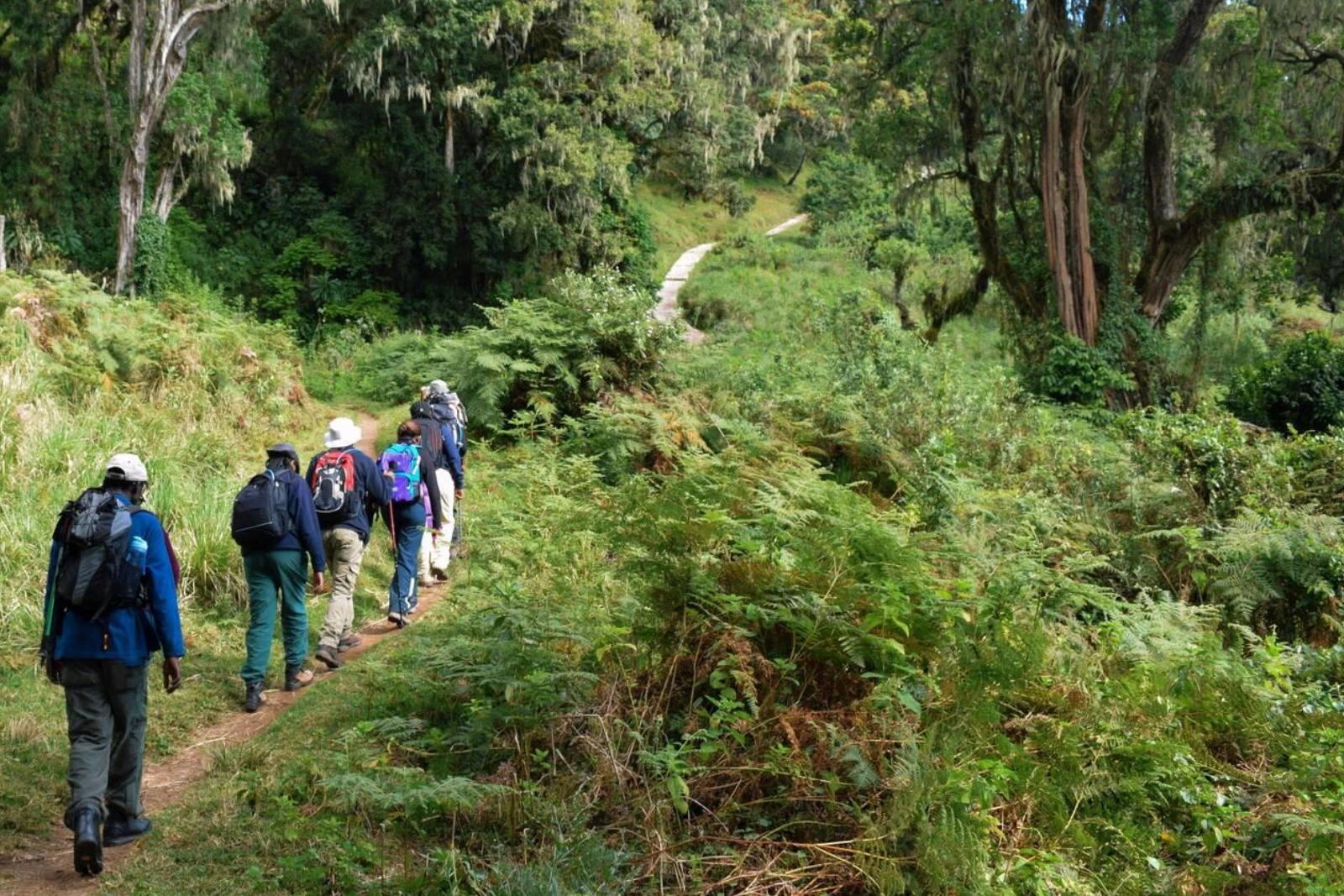
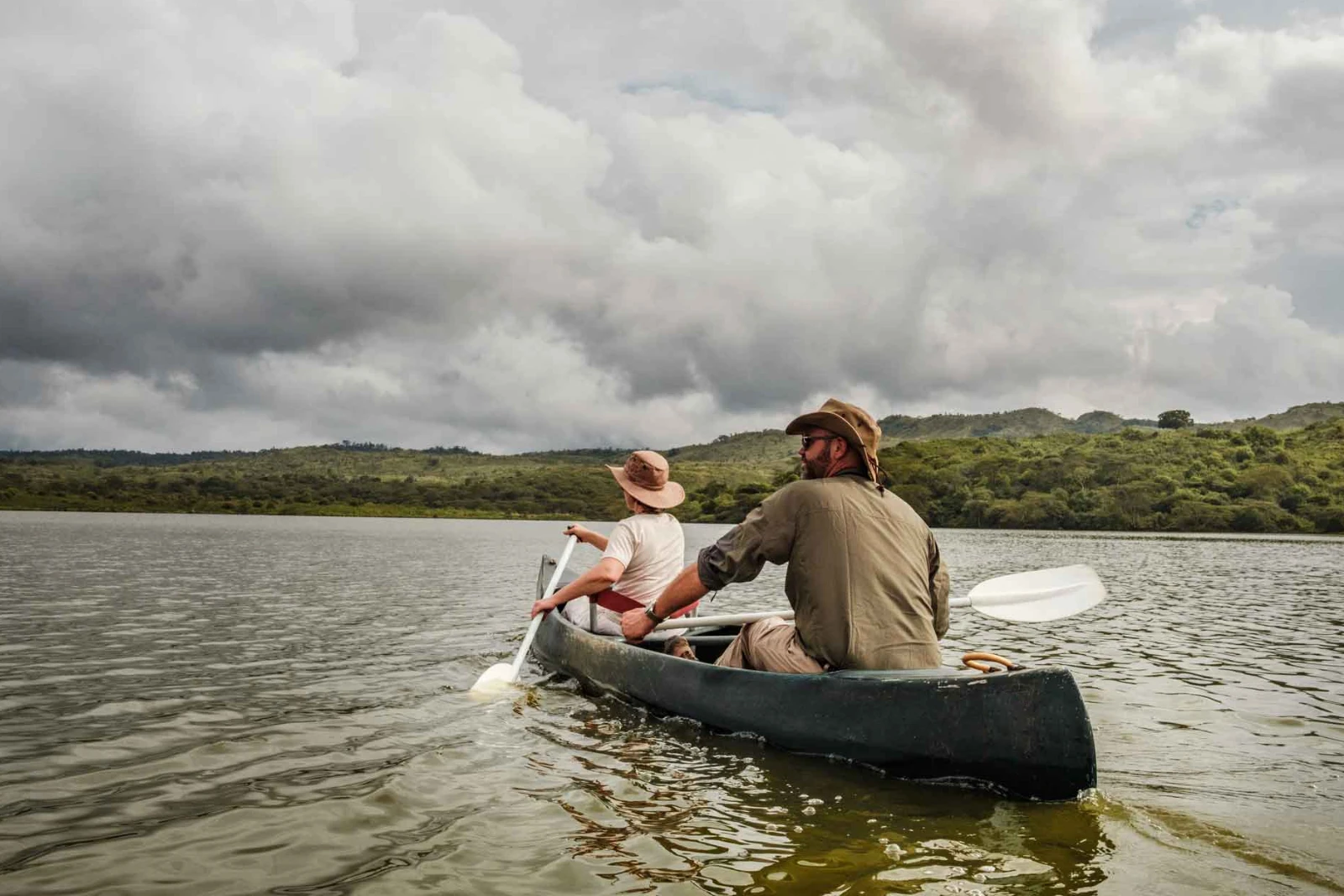
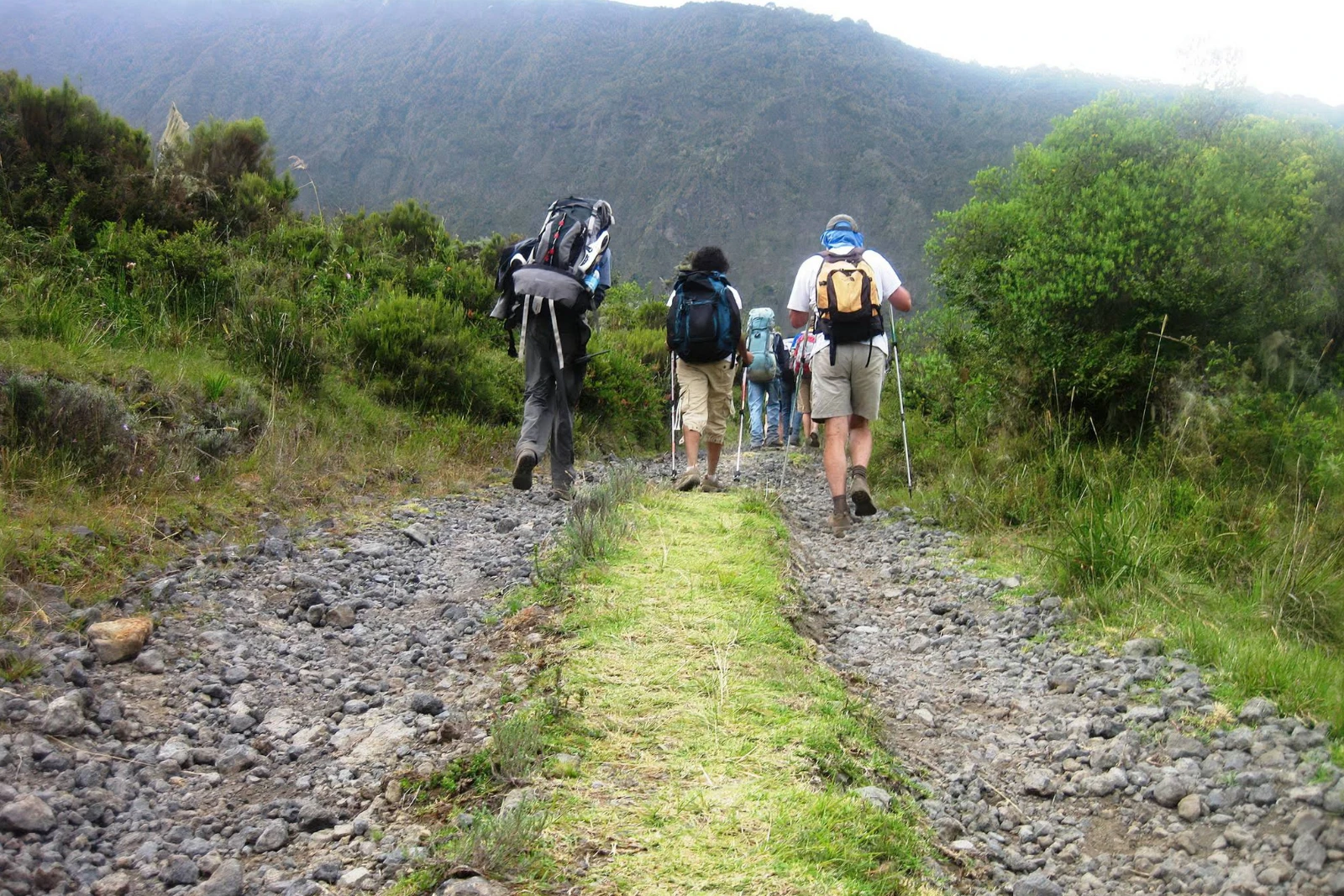
Arusha is activity-friendly. You can canoe on the lakes, walk with a ranger, or hike toward Meru Crater. Hikers climb Mount Meru in four days and many use it to prepare for Kilimanjaro. If you want variety without long transfers, Safaris to Tanzania feel smoother with this park included.

Get Started

Life-Enriching Travel

Designed Just for You

  • Trips curated by the world’s top destination experts
  • Concierge-level service leading up to and during your trip
  • Unique, exclusive experiences and insider access


500+ Verified Traveler Reviews

Snowytop Safaris LTD

Why Visit
Arusha National Park

Arusha National Park suits travellers who want scenery and activities, not just a Big Five checklist. You get Mount Meru views, the Ngurdoto Crater and the Momela Lakes in a single day. Wildlife viewing is gentle, with frequent giraffe and buffalo sightings and birding is excellent. Canoeing, walking safaris and day hikes add variety. For a short Safari In Tanzania, it’s a clean add-on that doesn’t steal time from Serengeti or Ngorongoro. It’s also only about 45 minutes away.

Arusha National Park

Understanding Arusha at A Glance

Use this information to plan landscapes, animals, weather and clear routes into the park.

Mount Meru

Meru, Crater, Lakes

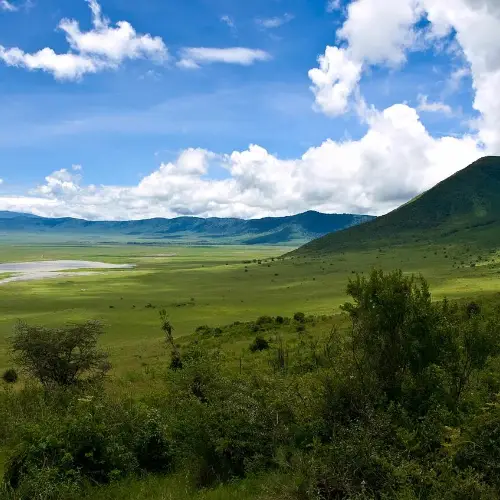
Mount Meru is the main landmark and you feel it in the air and the light. Ngurdoto Crater adds a steep, forested bowl that many call a mini Ngorongoro. The Momela Lakes bring open views and changing colors, sometimes dotted with flamingos. On clear days, Kilimanjaro can appear in the distance, making drives feel bigger than the park’s size itself.
Gentle Wildlife

Gentle Wildlife

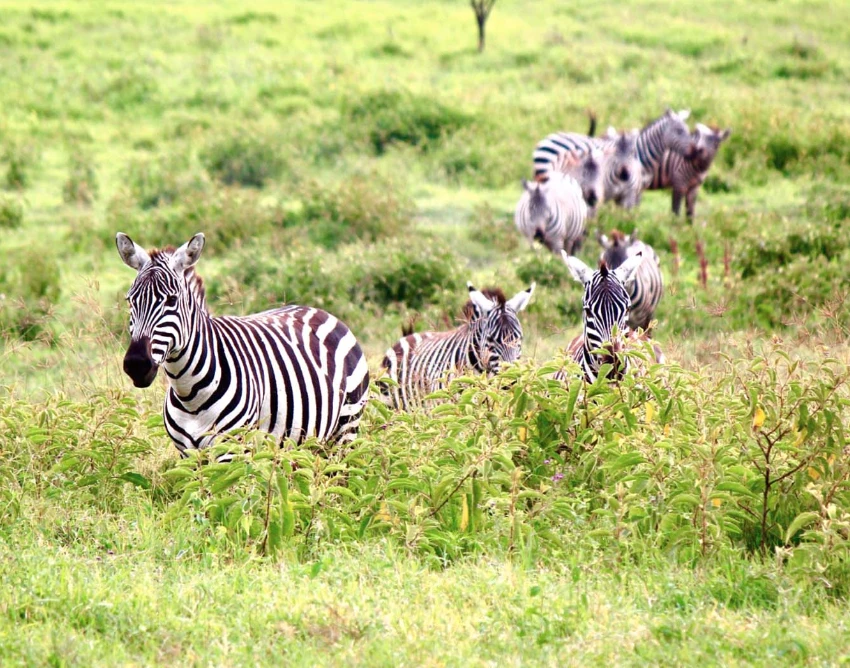
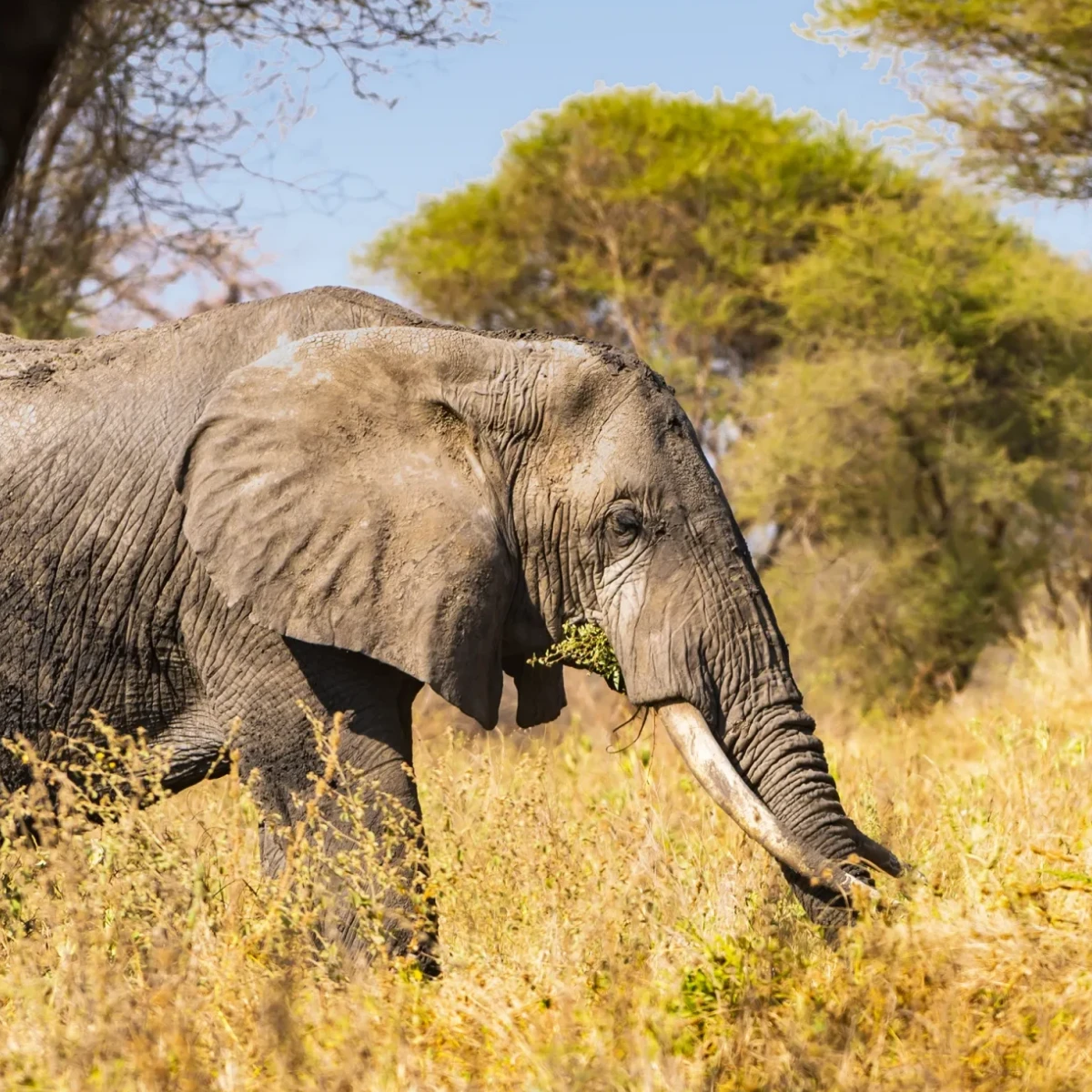
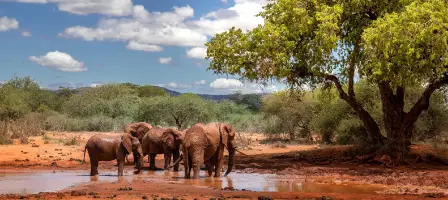
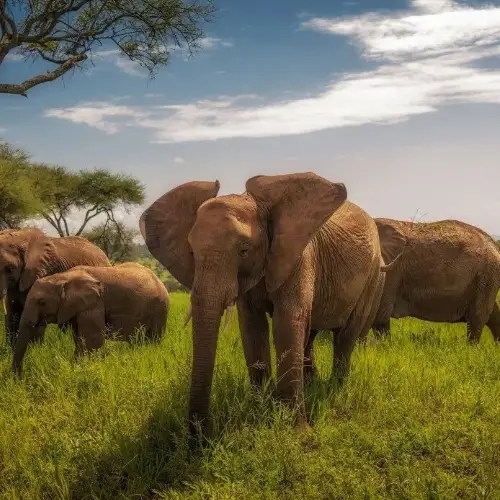
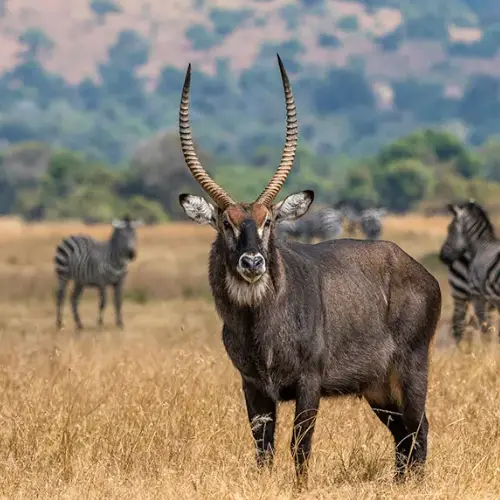
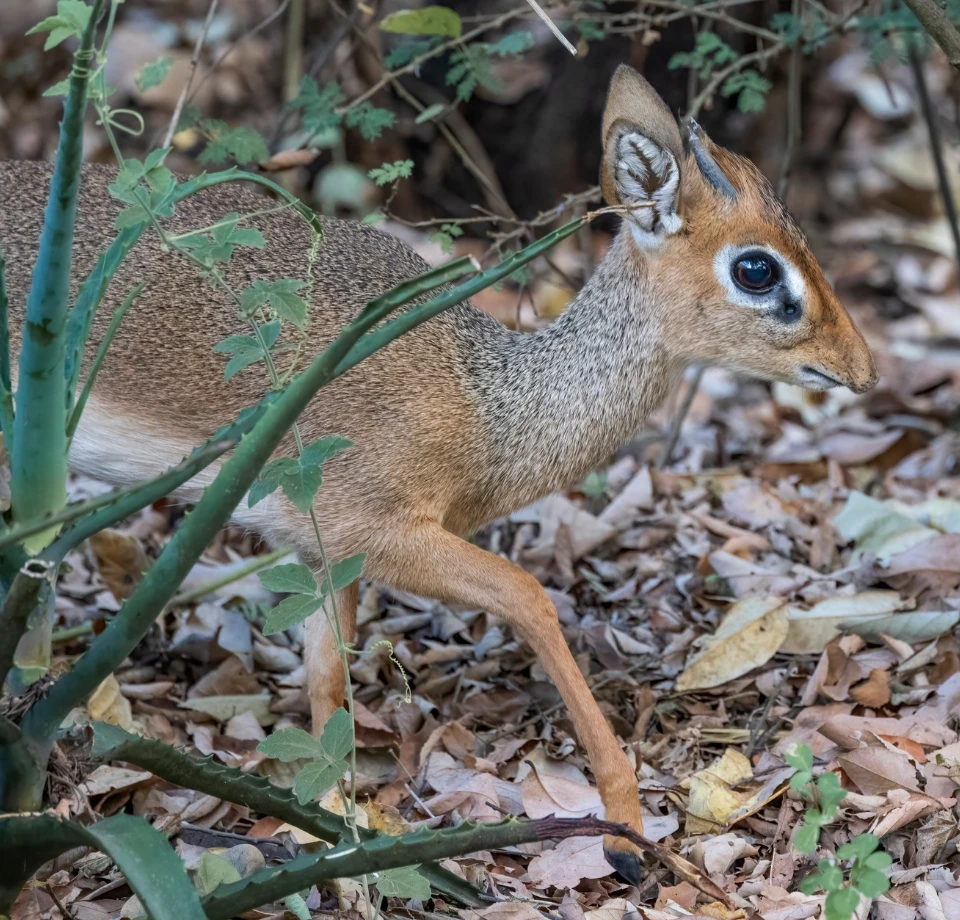
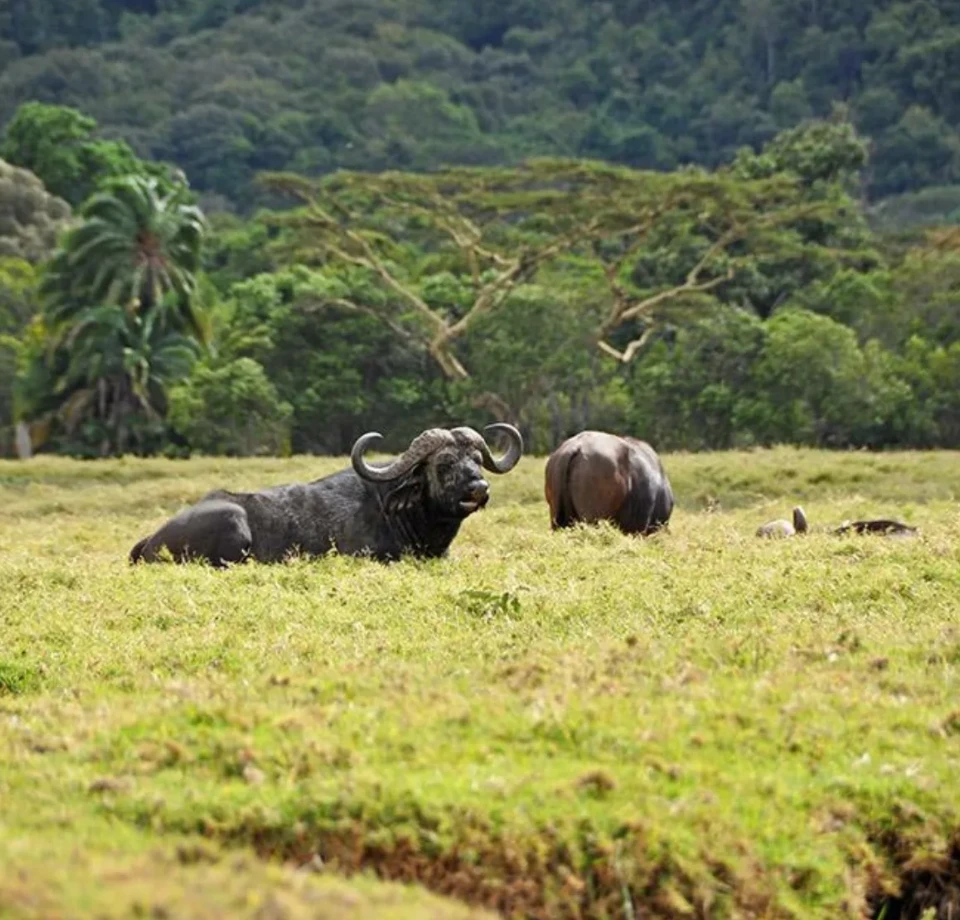
Wildlife is best around the Momela Lakes, where buffalo, giraffes, waterbuck and dik-dik are often seen. Forest sightings are fewer, but bushbuck and the shy Harvey’s red duiker are possible and elephants appear occasionally. The park’s flagship animal is the Kilimanjaro colobus monkey. Birding is a highlight, with forest specials and waterbirds near the lakes. After rain, food is plentiful.

Tanzania Weather

Mild Days, Cold

Arusha National Park stays mild, with many days sitting around 18–23°C. Early mornings can feel cold, especially in the dry season from June to October, so warm layers matter on game drives. The wet season runs November to May, with short rains and longer rains. March to May can be very wet and Mount Meru creates extra clouds and showers.

Momela Lakes

Small and Compact Park

The Momela Lakes are the easy star: shallow water, changing colors and regular birdlife. Ngurdoto Crater is a strong second, with steep forest walls and a deep, quiet floor. Mount Meru dominates almost every viewpoint and makes photos feel dramatic without trying. If time allows, a short hike toward Meru Crater adds a different angle than a vehicle loop today.

Arusha National Park

Quick and Easy Access

Arusha National Park is about a 45-minute drive from Arusha, so logistics are simple. Most visitors fly into Kilimanjaro Airport (JRO) and transfer to Arusha, or connect via Dar es Salaam to Arusha Airport (ARK). Operators handle pickups and permits. This makes Arusha Day Tours and Tanzania Safari Tours routes easy to combine without losing a full day to travel.

When to Go to Arusha National Park

Best wildlife months are June to October; best mountain views are December to February, with greener scenery November to May.

  • Best
  • Good
  • Mixed

January has clear skies more often, so Mount Meru looks sharp and Kilimanjaro sometimes shows in the distance. Days are mild and the forest stays green enough for good photography. Wildlife is steady around Momela. It’s ideal for a Safari In Tanzania that starts gently, without long drives, very smoothly.

February stays clear and comfortable, with good views and warm afternoons. Wildlife remains low-key but reliable: giraffe and buffalo around Momela, monkeys in the forest. Birding continues well. If you’re planning hikes, this month feels stable. It also fits neatly as a quick park stop between Arusha and Karatu, too.

March begins the long-rain pattern. Showers can build in the afternoon, and Meru carries more clouds. The upside is fresh green color and fewer vehicles. Birdlife stays active and walks can still work between storms. Roads stay manageable most mornings. For value-focused Tanzania Safari Packages, March can lower lodge costs.

April is the wettest stretch. Trails can be muddy and views may be grey. Wildlife is still there, but you work harder in thick cover. This month suits travelers who don’t mind rain and prefer quiet roads. If you climb Meru, expect slippery sections and colder evenings on the mountain.

May starts and improves as it goes. The forest looks rich and waterfalls and streams feel alive. Roads dry out bit by bit and views return. It’s a good shoulder month for Safaris To Tanzania when you want space but don’t want wet-season hassle. Birding remains strong by the lakes.

June brings the dry season shift. Mornings are colder, skies are clearer and game drives feel easier. Wildlife around Momela is more visible as grass thins. This is a good time for walking safaris and for pairing Arusha with a longer northern circuit. Pack warm layers for dawn starts, still.

July is crisp and clear, with excellent visibility on Meru and often light on the Momela Lakes. It’s peak comfort for walking and short hikes. Wildlife is consistent rather than dramatic. Many people add it as an acclimatization step before bigger climbs, or as a day inside Tanzania Safari Tours.

August stays dry and cool in the mornings. Birding remains strong and flamingos can appear depending on lake conditions. The park can be busier, but it never feels crowded like larger destinations. It’s a reliable month for a visit, especially if you want scenery and activities more than predator action.

September warms slightly but stays dry. Clear skies keep views open and wildlife remains easy around Momela. Walking safaris feel comfortable and the forest is less humid. If you want a quick add-on before Serengeti, an A Day Trip in Arusha National Park works well now with early starts, often.

October is the end of the dry season. Days get warmer and afternoons can feel dusty in open areas. Wildlife viewing stays steady, with buffalo and giraffe common. It’s still good for hikes, though temperatures climb. October is practical for short schedules that need a close park near town, nearby.

November brings short rains and a greener look. Afternoon showers are common, but it rarely rains all day. Birding improves with migrants and the park feels fresh. If you want scenery and softer pricing, Arusha Safaris in November can be a smart move, especially mid-month. It suits Arusha Day Tours.

December often gives clear windows between showers and mountain views can be excellent again. The forest is lush and flamingos may decorate the Momela Lakes. Wildlife remains modest but pleasant. It’s a good month for first-timers who want an easy start, plus good photos, before heading deeper into the circuit.

Arusha Travel FAQs

Yes. It’s close to town and works perfectly for Arusha Day Tours with a half-day game drive plus one activity.

Expect giraffes and buffalo around Momela, plus monkeys in the forest. It’s a gentle Tanzania Safari Experience, not a predator-heavy park.

No. Flamingos depend on water levels and food. Some days you’ll see many; other days none.

Yes. Many travelers use Meru as a warm-up before Kilimanjaro, then continue on Tanzania Safari Tours northward.

Use it as a first or last day, especially if you want variety before bigger parks on Safaris In Tanzania.

Arusha Park Experiences

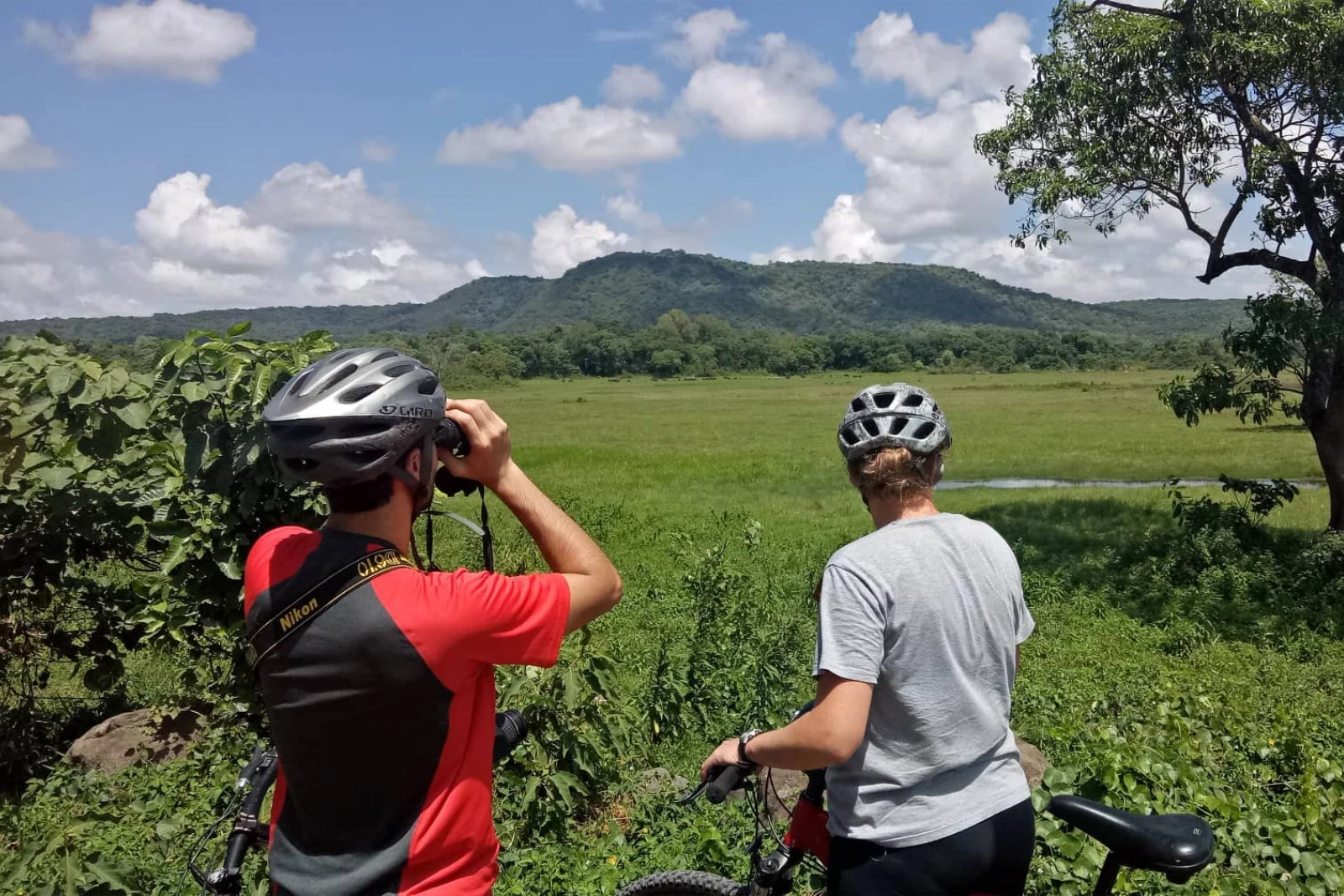
Arusha is visited for a range of activities, not just driving. You can mix a short game drive with a ranger-led walk, then end at the lakes for birds and photos. Canoeing is calm and safe on designated routes. Hikers can choose a half-day climb toward Meru Crater or commit to the full Mount Meru trek. It’s ideal for Arusha Safari Tours today.

Talk to a Safari Specialist Today

and design your travel plans.

Call +254 723 619669

OR

Enquire Now
  • Lawrence

  • Margaret

  • Mugambi

Our Safari Experts

Safaris You Can Book

Browse all our safari options designed around realistic travel days, trusted guides, and comfortable stays across East Africa.

Experience the Spirit of Tanzania

Journey through iconic parks, abundant wildlife, scenic mountains, and sunlit beaches throughout Tanzania unforgettable adventures.

Get Started On Your Trip

You can contact us anytime, and we’ll support your
planning from early ideas to final details.

Get in touch

What Travellers Say

Real feedback from guests who have traveled with SnowyTop Safaris LTD across East Africa.

Local Team Insight

Our guides and planners work in Kenya and nearby parks year-round. You get route advice that matches road conditions, seasons and lodge standards, not generic online suggestions for your dates.

Clear Trip Planning

We keep planning simple: quick replies, clear inclusions, and realistic drive times. If something won’t fit, we say so early and suggest a better option without pushing upgrades or extras.

Support Throughout Travel

From airport pickup to your last game drive, we stay reachable. You get help with permits, timing and small changes, so the trip keeps moving smoothly even when plans shift.