

Akagera National Park

Savannah Lakes of Akagera

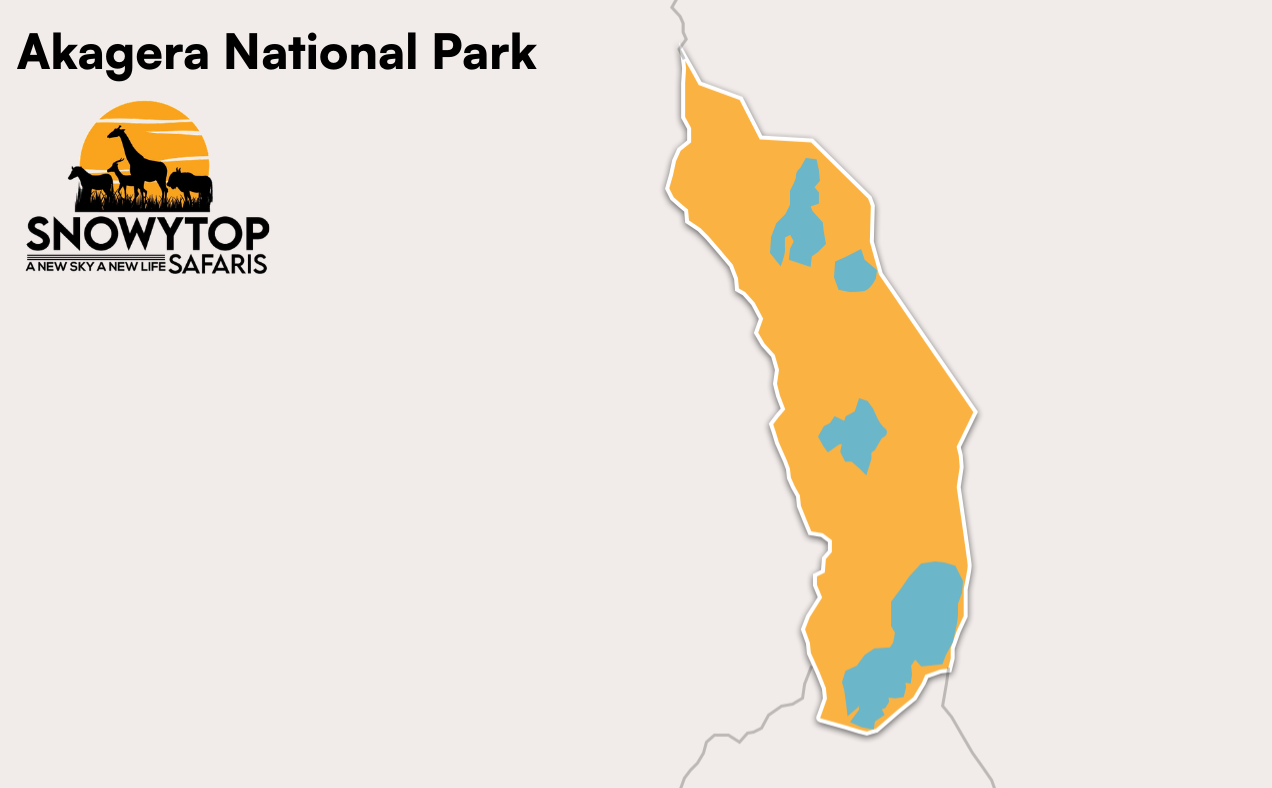
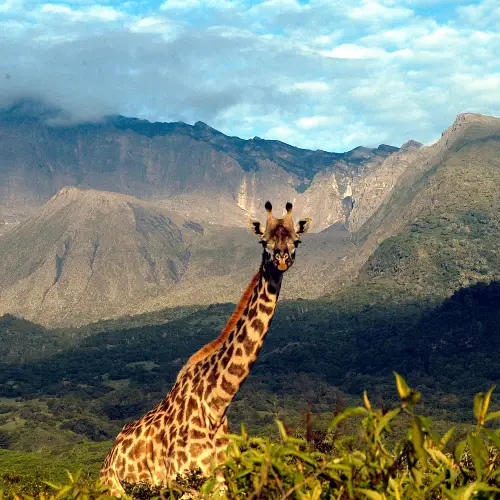
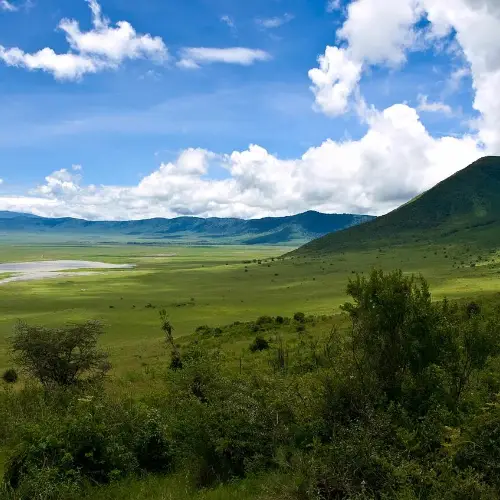
Akagera National Park is Rwanda’s only true savannah reserve, set in the country’s warm, low-lying east. It’s a compact mix of open plains, acacia woodland, papyrus swamps, and lake edges that can feel like three parks in one drive. Low hills and mountains keep sitting on the horizon.

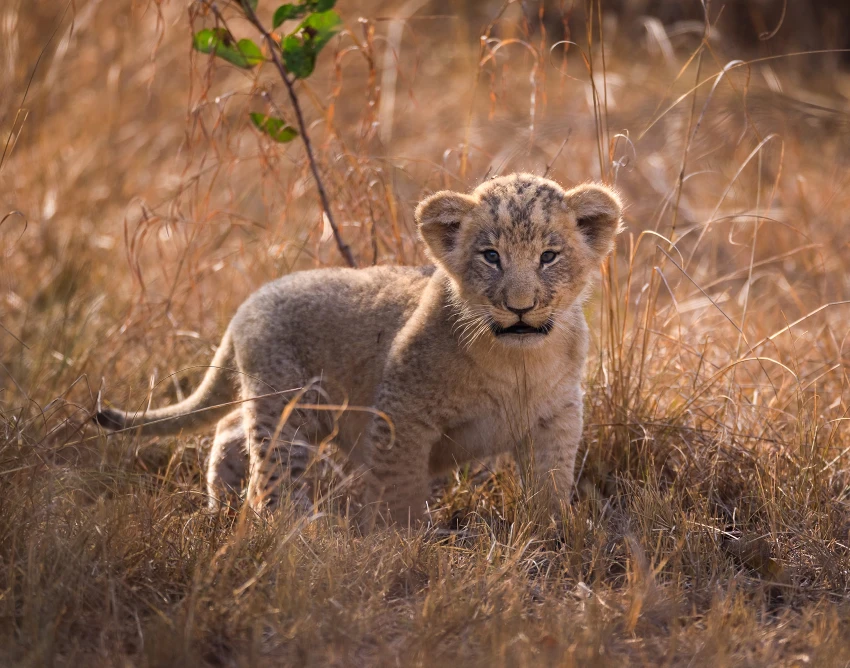
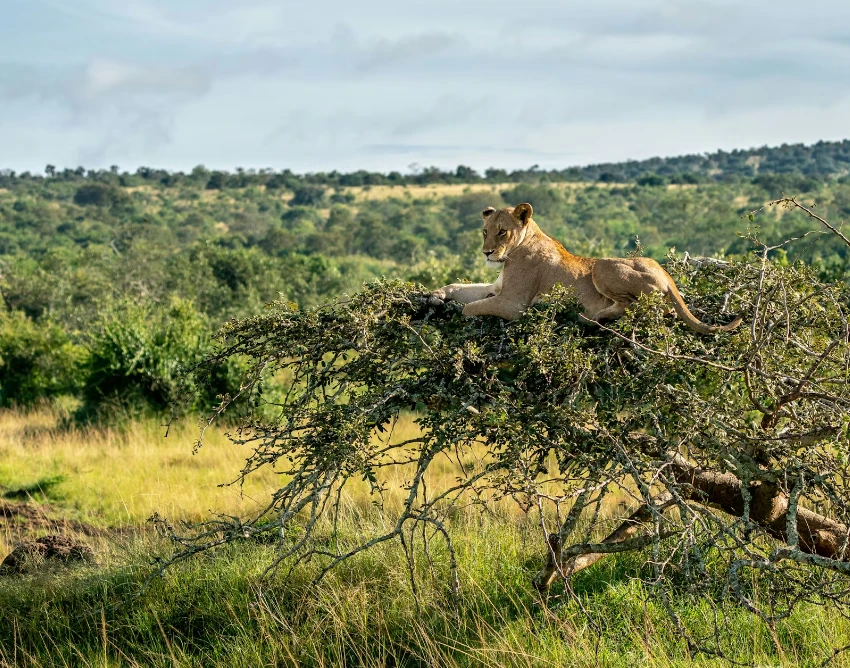
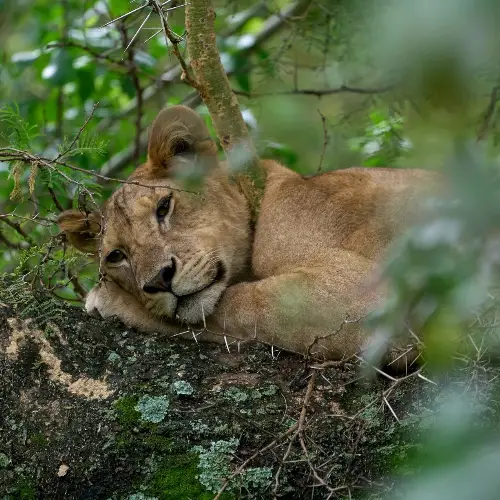
Since stronger protection and wildlife rebuilding, the park has changed fast. Lions and rhinos were brought back, and you now have a real shot at a Big Five safari in Rwanda, even if sightings still depend on luck, timing, and patience.

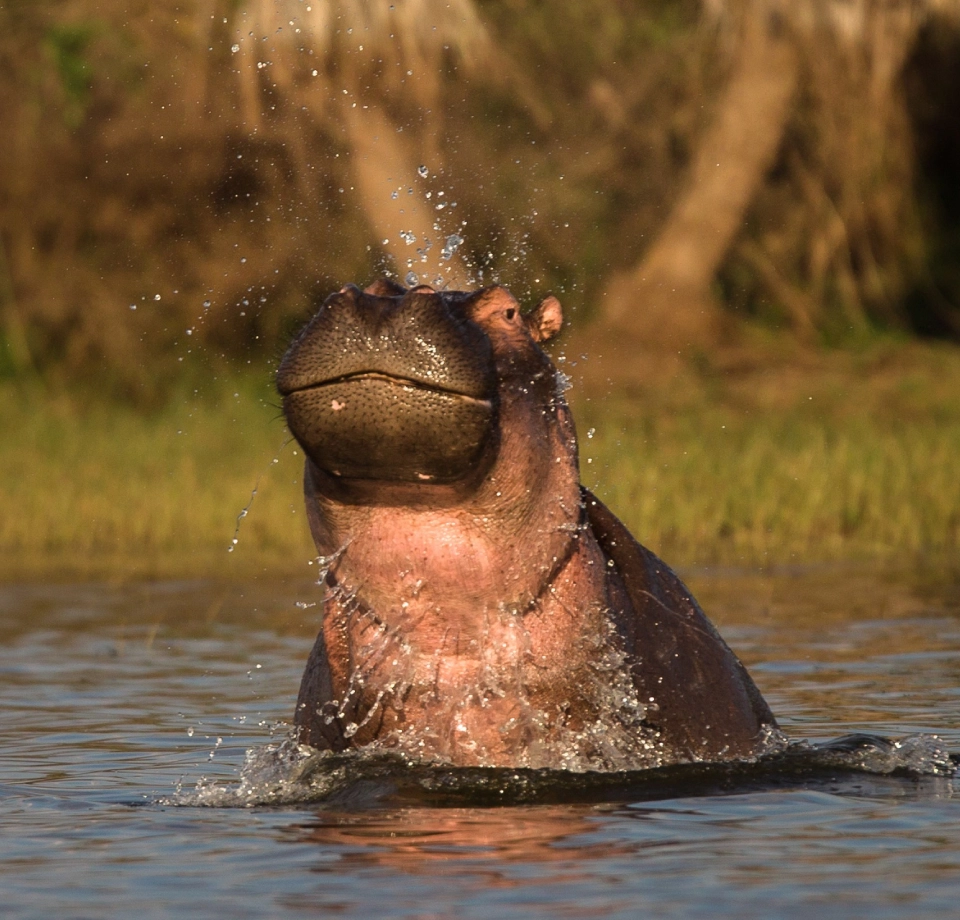
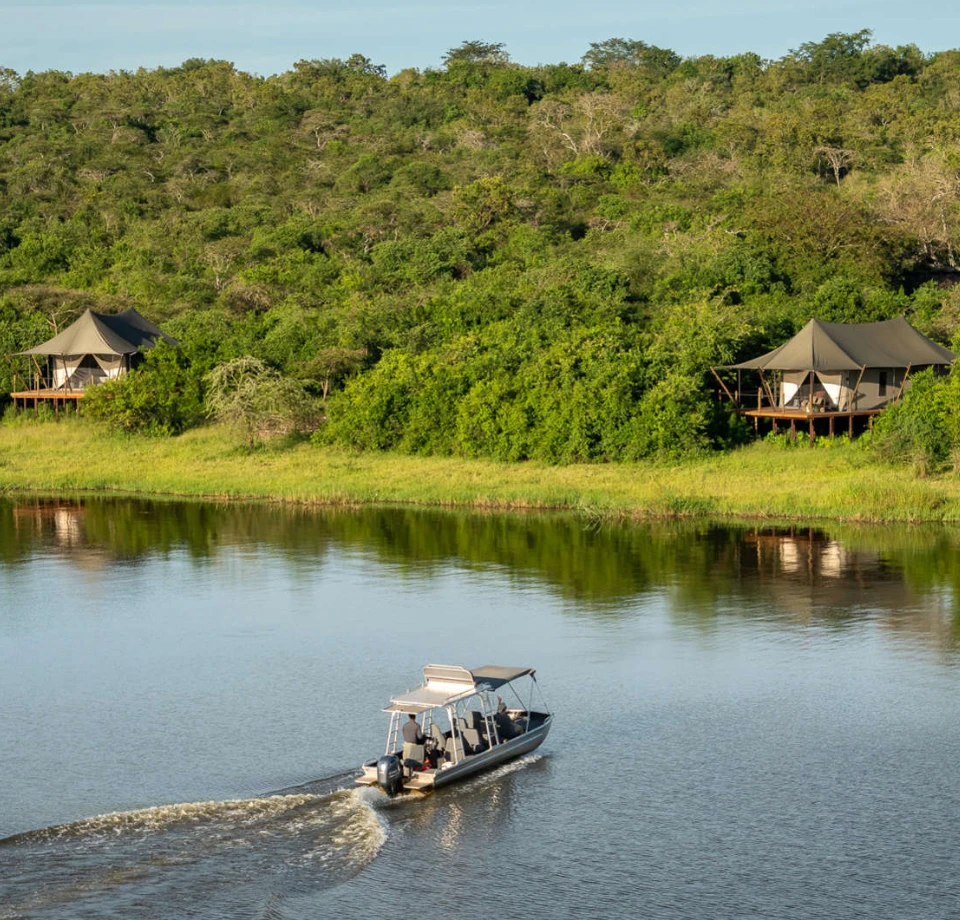
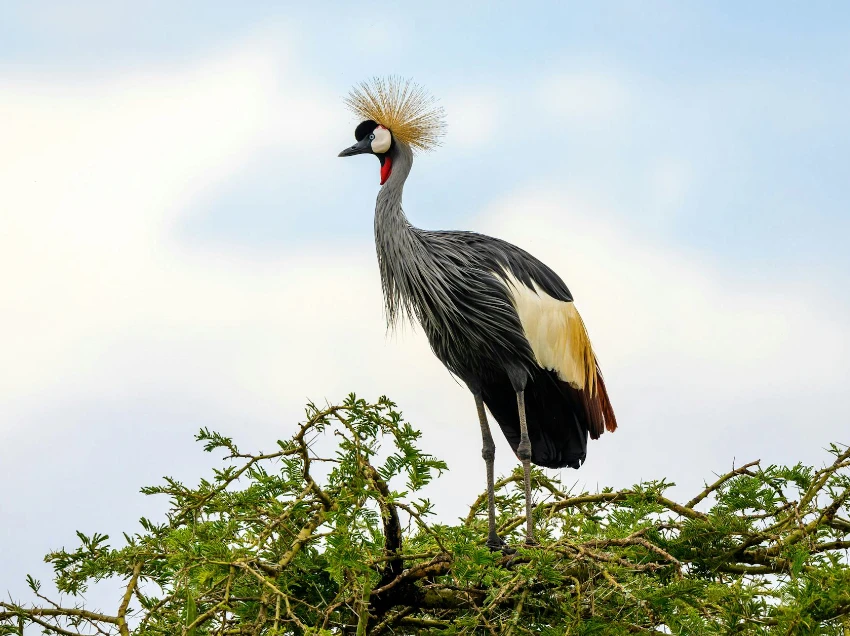
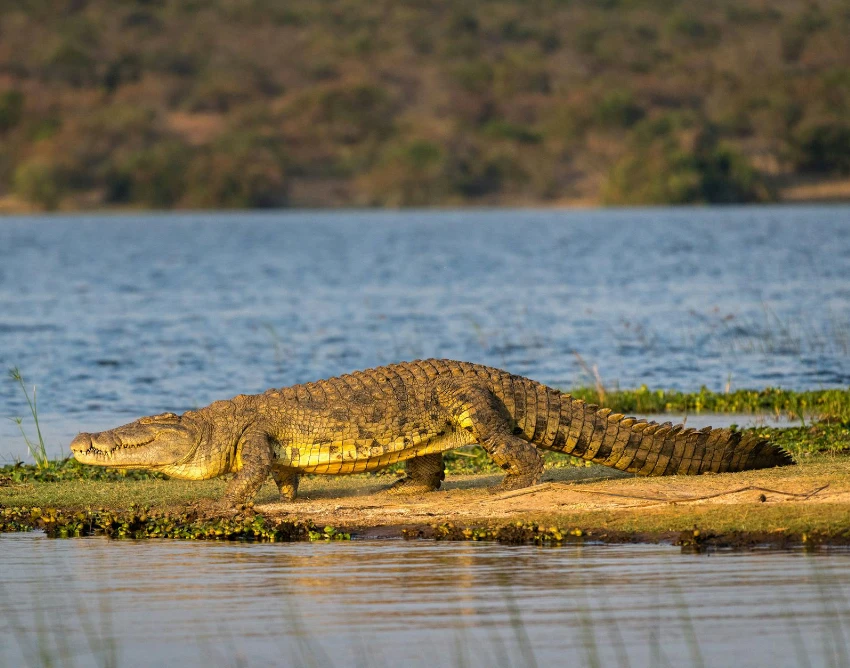
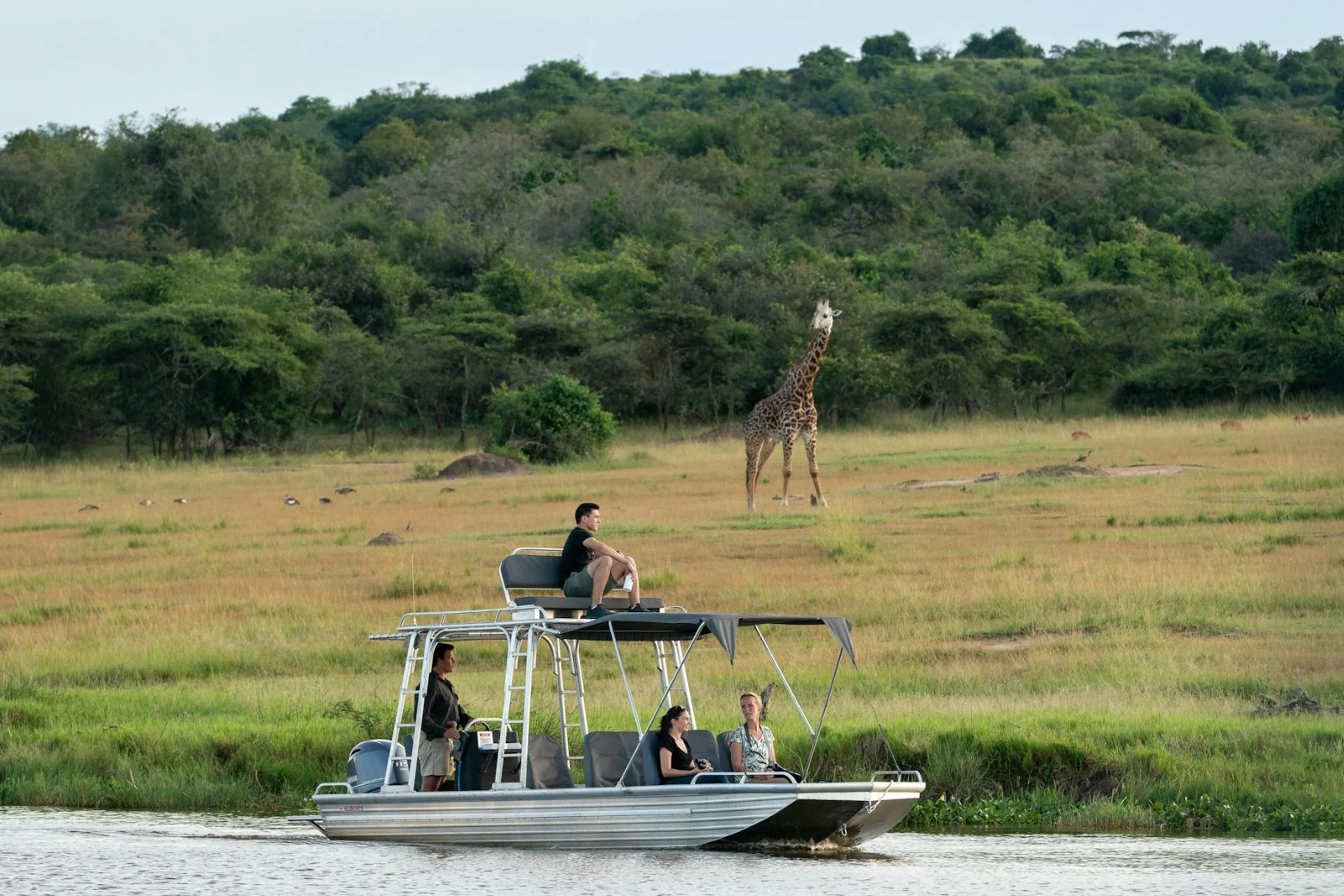
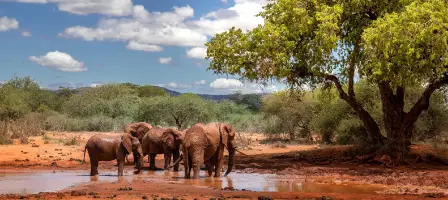
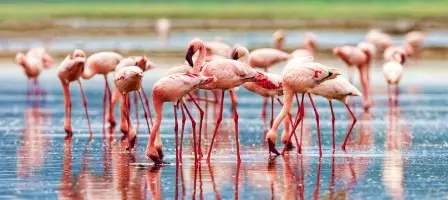
What makes Akagera different is the water. A string of lakes and wetlands fed by the Akagera River pulls animals in, especially when the bush dries out. Add a boat ride on Lake Ihema, and your Rwanda safari experience suddenly includes hippos, crocs, and a lot of birds at close range. It’s not the busiest safari, and that’s part of it.

Get Started

Life-Enriching Travel

Designed Just for You

  • Trips curated by the world’s top destination experts
  • Concierge-level service leading up to and during your trip
  • Unique, exclusive experiences and insider access


500+ Verified Traveler Reviews

Snowytop Safaris LTD

Why Visit
Akagera National Park

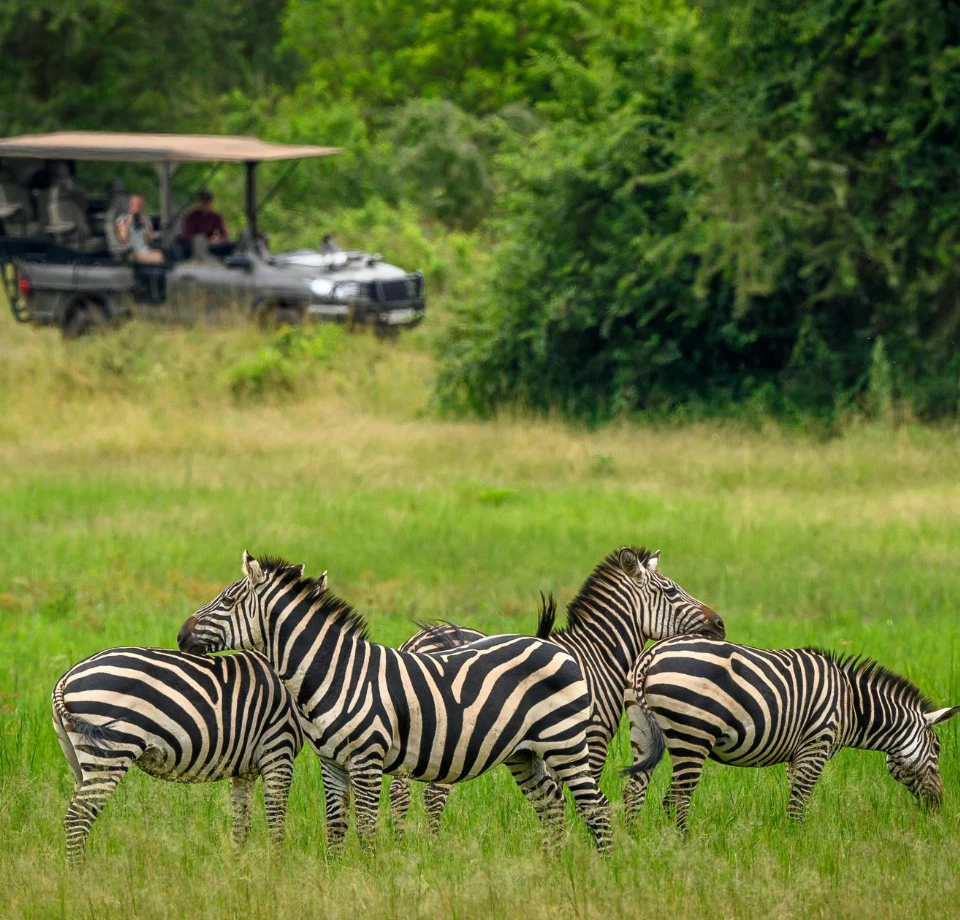
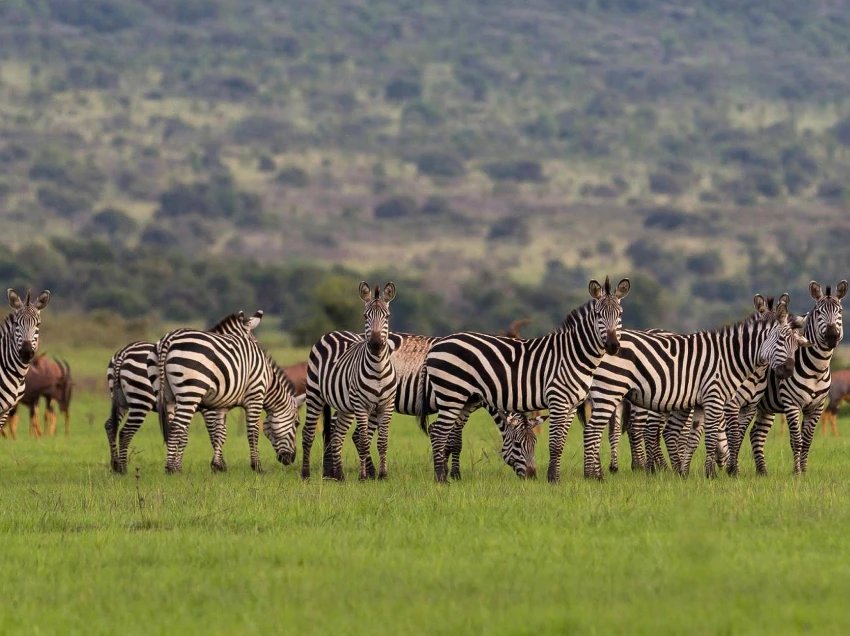
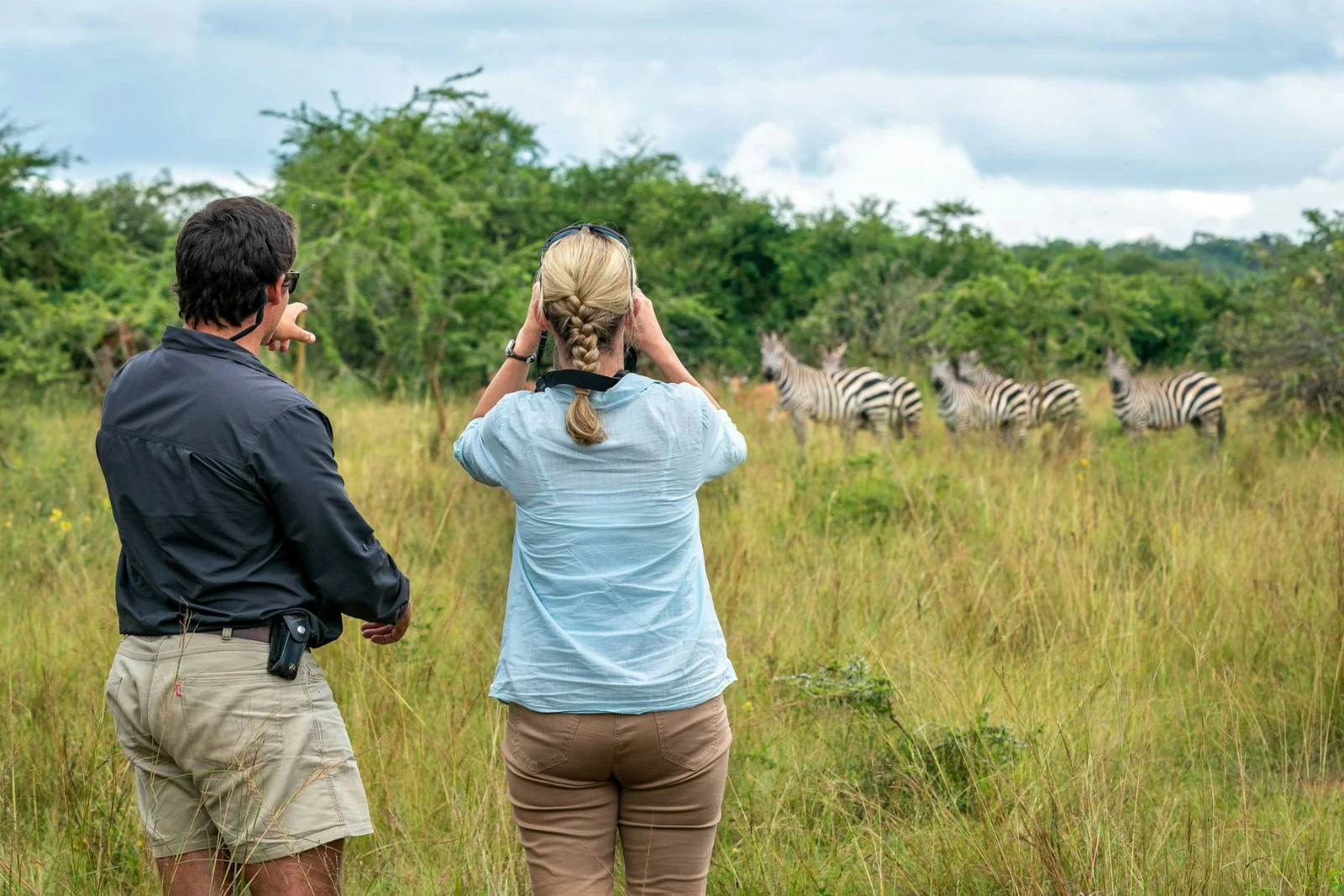
Come to Akagera for a variety packed into a manageable area: lakeside game viewing, solid herds of buffalo, and a growing predator story. Day drives can deliver zebra, giraffe, topi, and impala, while a boat trip adds hippos, crocodiles, and waterbirds without dust in your teeth. Guided night drives raise your chances for leopard and other nocturnal surprises. If you want Rwanda safari tours that pair well with gorillas or forests, Akagera fits neatly into the same itinerary from Kigali easily.

Akagera National Park

Akagera at a Glance

Quick facts on scenery, wildlife, weather, highlights, activities, and easy routes to reach the park.

Lakes, Plains, Hills

Lakes, Plains, Hills

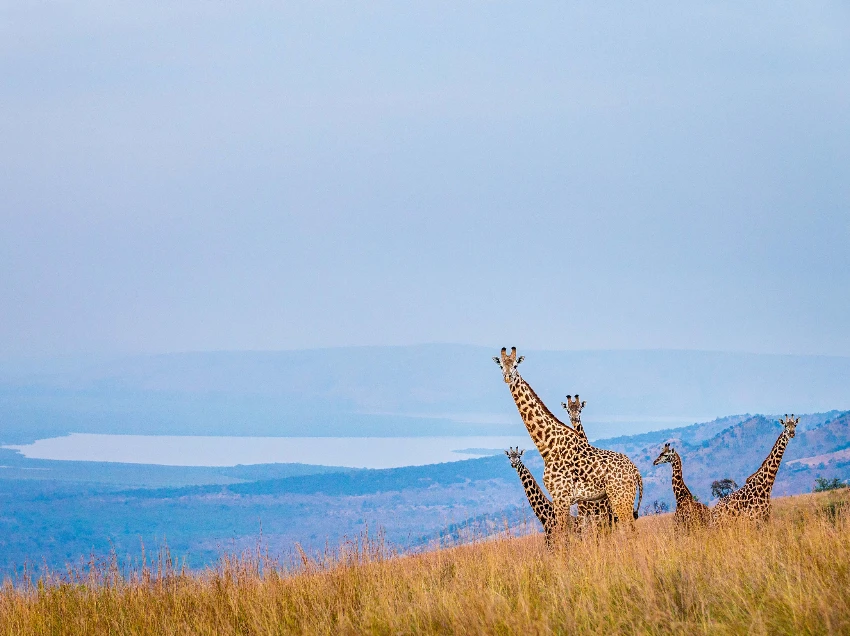
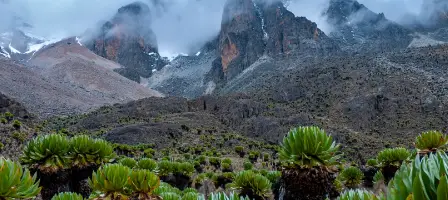
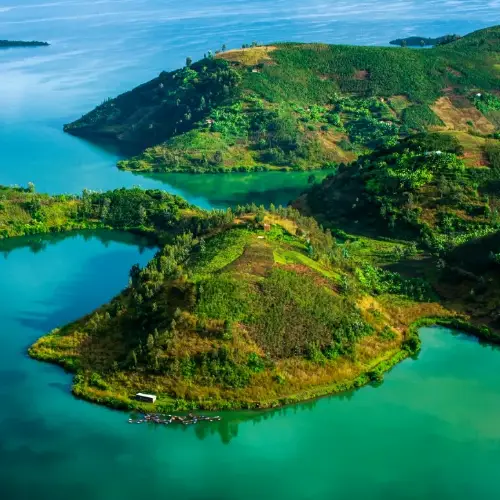
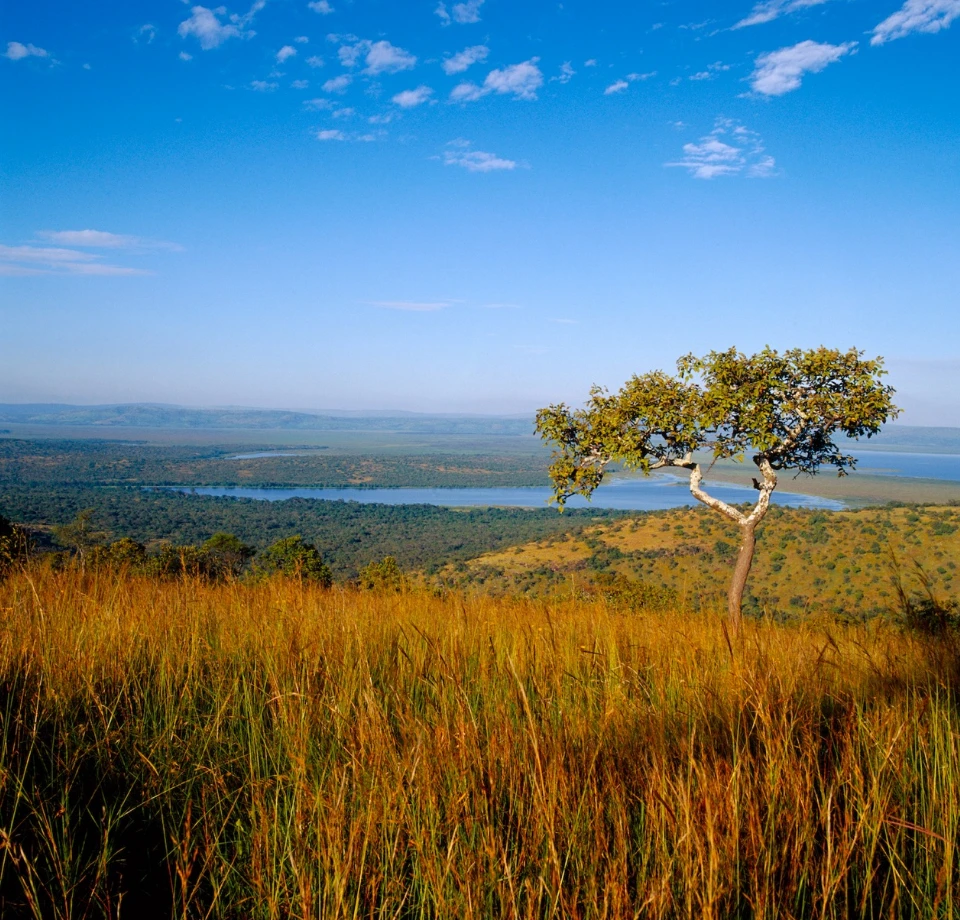
Akagera feels like a small map of East Africa. You drive past forest-fringed lakes and papyrus swamps, then climb onto open savannah with acacia woodland and termite mounds. The Akagera River system keeps the landscape green along the edges, while the interior can look dry in season. Mountains sit as a backdrop, and the vegetation changes quickly and quietly between corners.
Big Game, Birds

Big Game, Birds

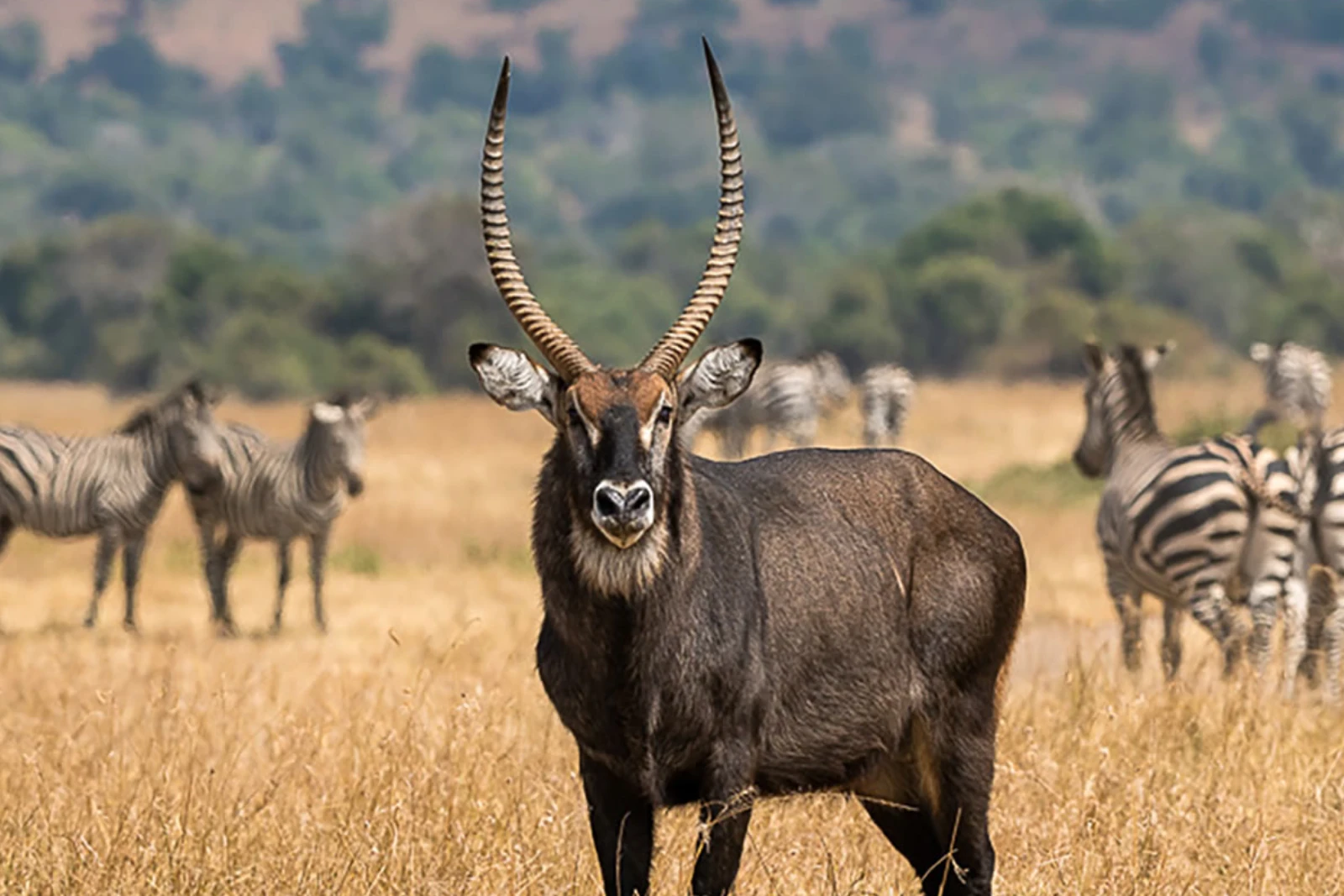
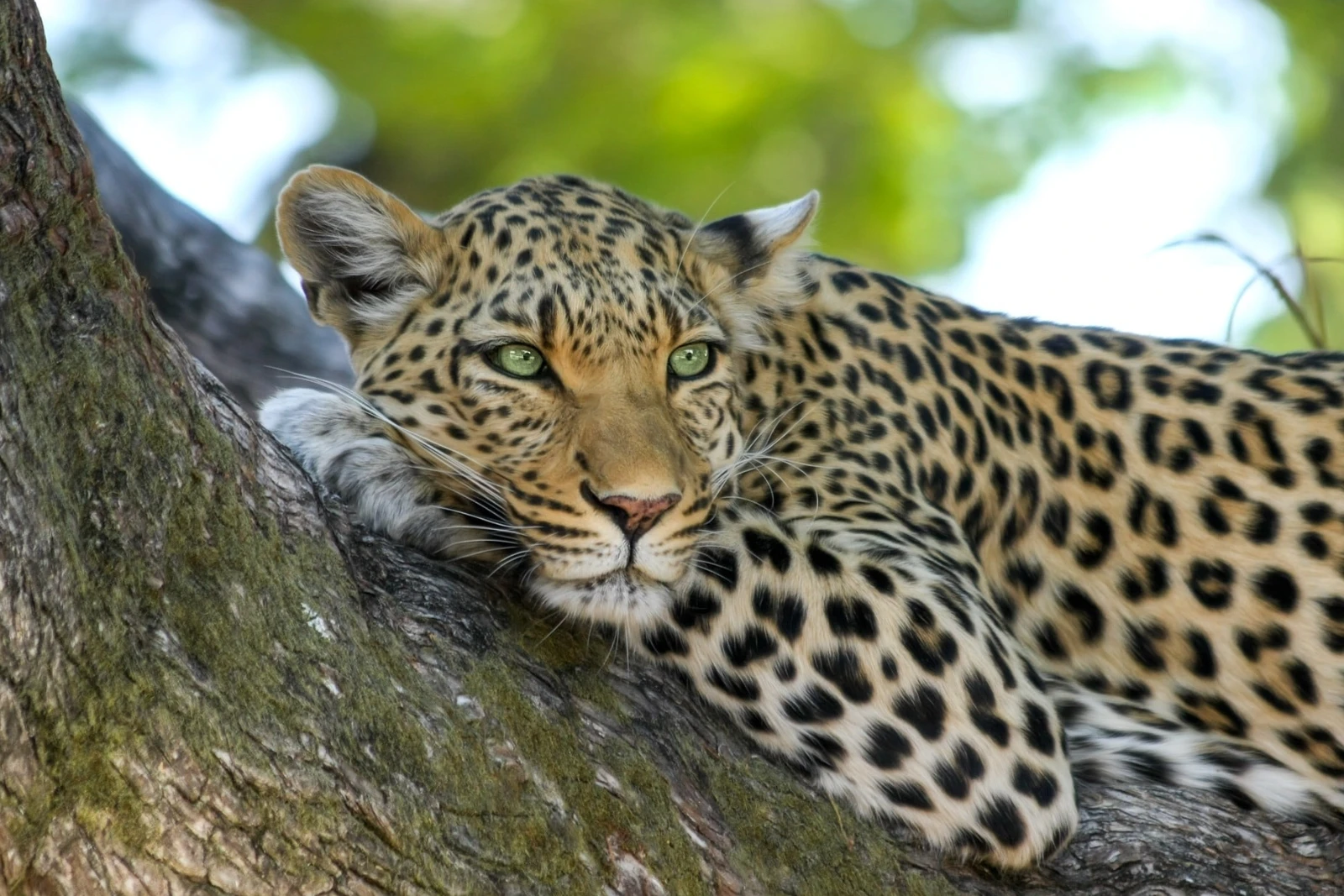
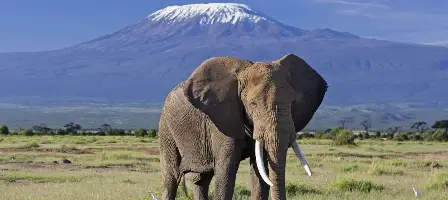
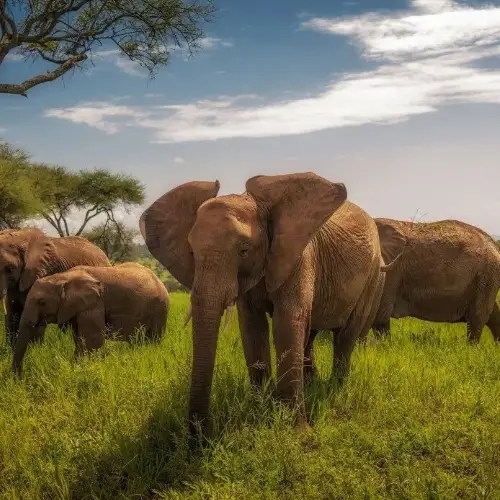
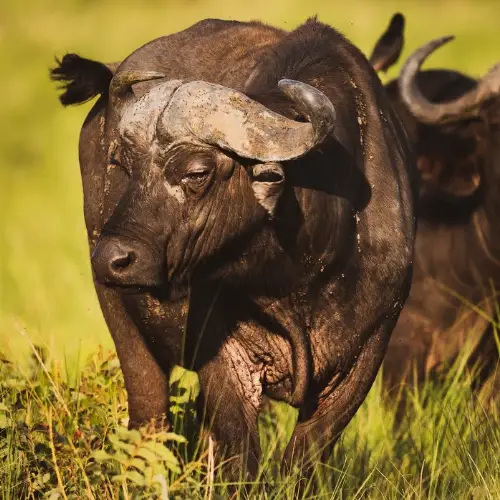
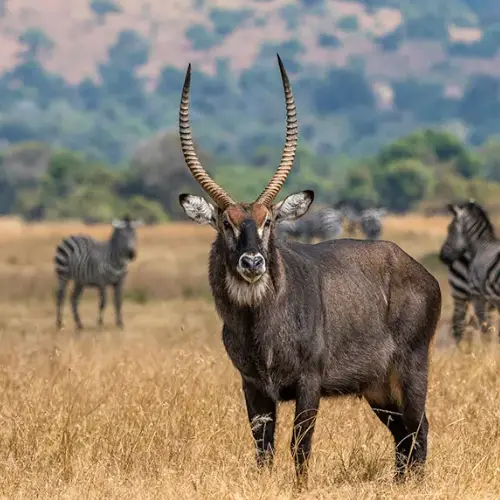
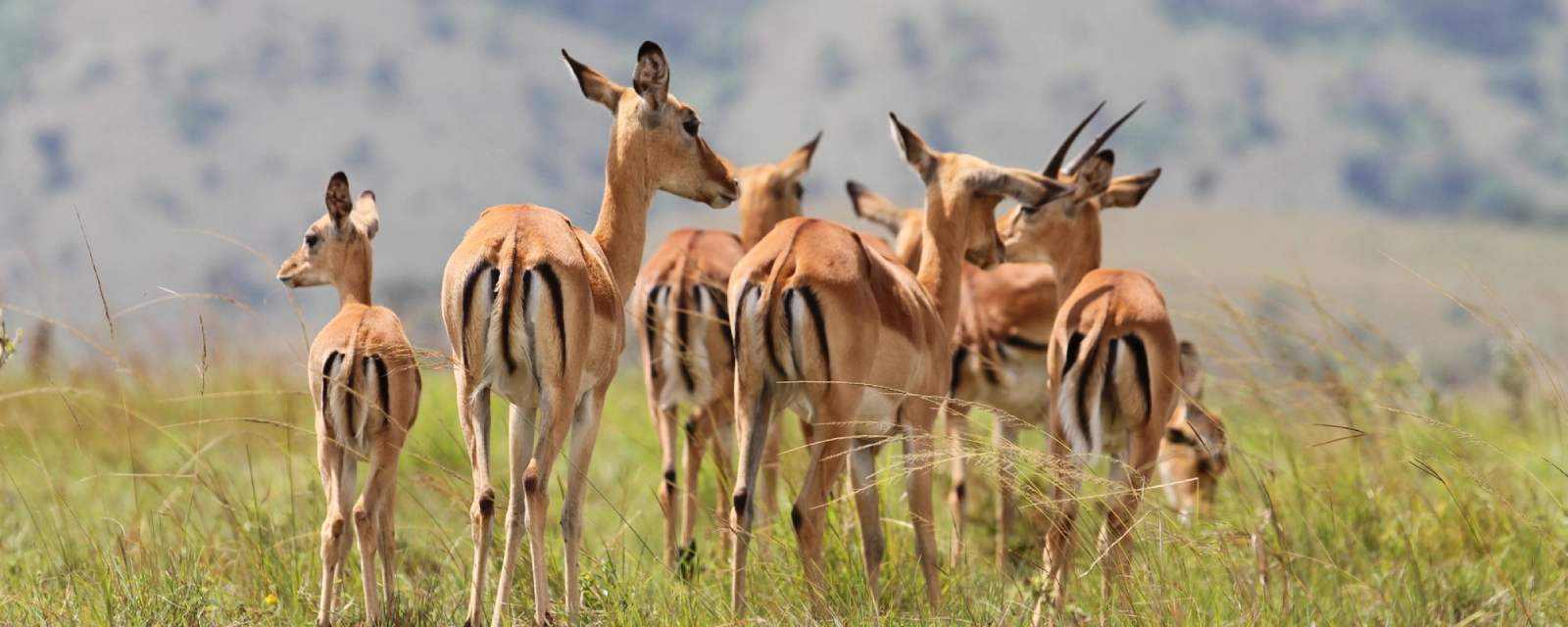
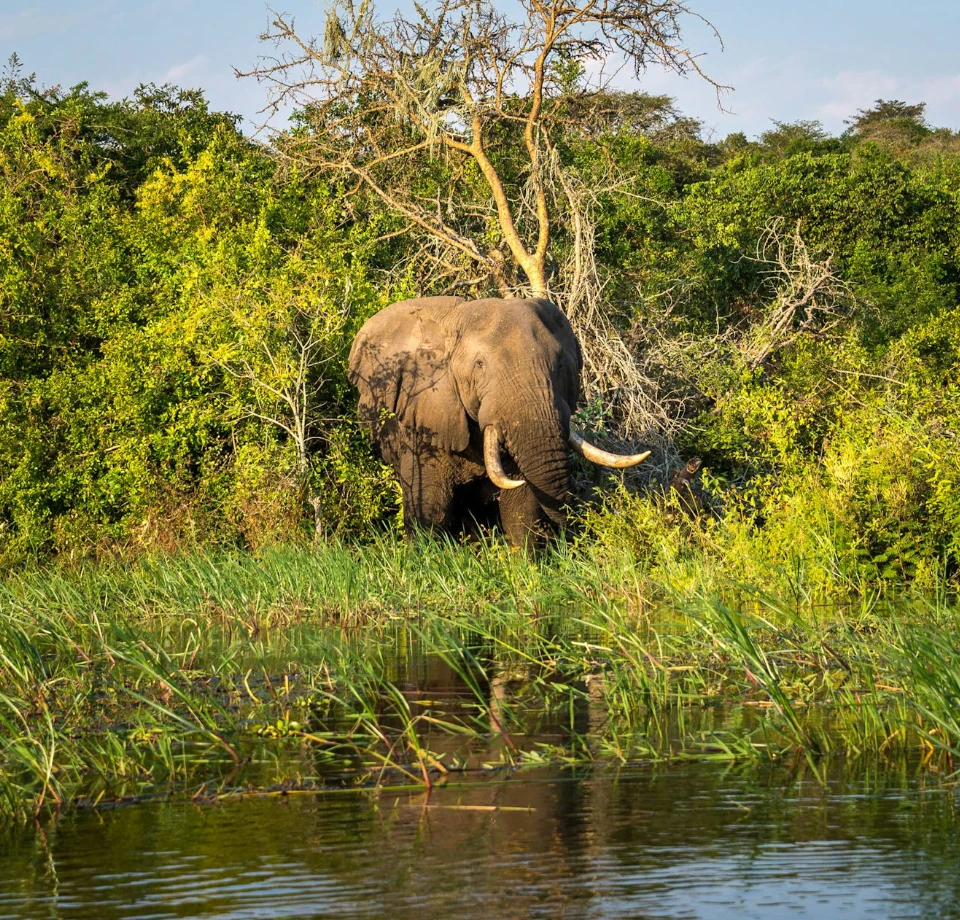
Buffalo are reliable, and elephants show up along the lakeshores. With lion and rhino back in the system, a Rwanda wildlife safari here can include the full Big Five, though leopard is usually the hardest and most likely on night drives. Plains animals are plentiful: zebra, Masai giraffe, impala, topi, and waterbuck. Lake Ihema is excellent for waterbirds and crocs.

Warm Days, Cool

Warm Days, Cool

Akagera sits near the equator, so temperatures stay steady and the nights can feel noticeably cooler than daytime drives. The main Dry season runs from June to September, and there’s a drier spell from mid-December to mid-February. Rain falls in the wetter months and can green up the park quickly. Pack a light jacket for early starts. Dust is common later.

Water, Wildlife, Views

Water, Wildlife, Views

Lake Ihema is the headline, especially on a boat trip when hippos surface close, and birds stack up on islands. Crater-like hills and lookout points such as Mutumba give wide views over the plains. The park’s fence and conservation work are also part of the story, and some visitors choose behind-the-scenes tours to see how protection is actually done daily.

Easy Kigali Access

Easy Kigali Access

Most travellers reach Akagera by road from Kigali. The park lies about 110km east of the city, and the drive is usually roughly 2½ hours, keeping in mind Rwanda’s national speed limit of 60km/h. Many visitors come as part of Rwanda safari packages with a driver-guide and a 4x4. There are no scheduled domestic flights, but charter helicopters are possible.

When to Go to Akagera

Best wildlife viewing is June to September and mid-December to mid-February, when animals stay near water and vegetation stays lower.

  • Best
  • Good
  • Mixed

Warm, dry, and good for early game drives. Plains visibility is decent and animals keep using the lakes. It can feel hot by late morning, so start before sunrise and plan a lunch break. Night drives are comfortable. This month works well for Rwanda safari holidays with short travel windows.

Similar to January, with a dry spell and wildlife around Lake Ihema. Midday heat can build, but mornings and late afternoons are rewarding for buffalo, elephant, and plains game. If you’re chasing rhino tracks or lions, ask guides to focus on open savannah loops. Great for a Safari in Rwanda.

Rains may begin in short bursts that freshen the grass and soften light for photos. Animals can spread out, so the lakes still matter but you may drive more to connect sightings. Roads can get slick after storms. Birdlife stays very active. Good for Rwanda birdwatching tours and relaxed pacing.

This is a wetter stretch. The park looks greener, and the air can feel after rain, but some tracks become muddy and hard to drive. Wildlife viewing is possible, just less predictable than dry months. Bring waterproof layers and patience. If you like quieter parks, April suits private Rwanda safaris.

Rain can linger, but breaks in the weather give beautiful skies and a fresh look around the lakes. Animals may be more scattered, yet boat trips remain strong for hippos, crocodiles, and waterbirds. Expect muddy sections on drives. Pair May with forest parks if your Rwanda safari itinerary is flexible.

Dry season starts, and Akagera settles into that classic ‘easier spotting’ rhythm. Vegetation thins, animals spend more time near water, and wide views open up across the savannah. Early drives feel comfortable. This is prime time for Rwanda safaris that focus on game viewing, plus a Lake Ihema boat ride.

July is dry, so game drives run smoothly and the bush stays short. You’ll find buffalo and elephants close to water, and lion sightings improve on the open plains. Nights can feel cool in the vehicle, so pack a layer. Strong month for Rwanda safari packages that include night drives.

Still in the Dry season, with good visibility and animals leaning on the lakes. Boat trips are excellent now, with hippo pods and busy bird islands. Daytime temperatures stay pleasant, but mornings can be chilly. If you’re comparing parks for a Rwanda wildlife safari, Akagera is at its easiest month.

Dry conditions hold, though the air can start to shift toward rains. Wildlife viewing remains strong, and the landscape feels open for scanning. If you want to mix activities, do a quiet morning drive, then a boat ride for birds and crocs. Great for Rwanda safari trips before peak rains.

October can be wetter, which looks beautiful but makes wildlife more spread out. Expect afternoon showers most days and muddy patches, especially on tracks. Birding stays rewarding, and the lakes still anchor sightings. If you’re planning Rwanda safari tours with flexible timing, keep drives shorter and leave room for weather.

November is in the wetter season, so the park feels lush often. Wildlife viewing takes more effort, but you can still do drives between showers, and the boat remains a safe bet. Migratory birds are around, which helps for Birding safaris in Rwanda. Bring waterproof shoes and keep expectations realistic.

December starts mixed, then trends drier into the period. When the dry spell hits, animals return to the lakes and sightings improve. It’s also a busy time for travel, so book early if you want lodge options. Nice month for Luxury Rwanda safaris with short drives and a boat outing.

Quick Akagera FAQs

Yes, it’s a Big Five safari Rwanda destination after lion and rhino reintroductions. But sightings can still be hit-or-miss, especially leopard, which is more likely on a guided night drive.

A Lake Ihema trip. Boat safaris Rwanda style are calm, close, and wildlife-heavy: hippos everywhere, crocodiles on the banks, and birds stacked on islands.

Absolutely. If you’re a first-timer planning Rwanda safari trips, Akagera is one of the easiest parks logistically because it’s close to Kigali and the circuit is straightforward.

Self-drive is possible with a sturdy 4x4, but guided safaris in Rwanda add a lot—tracking skill, radio updates, and better decisions on where to spend your limited hours.

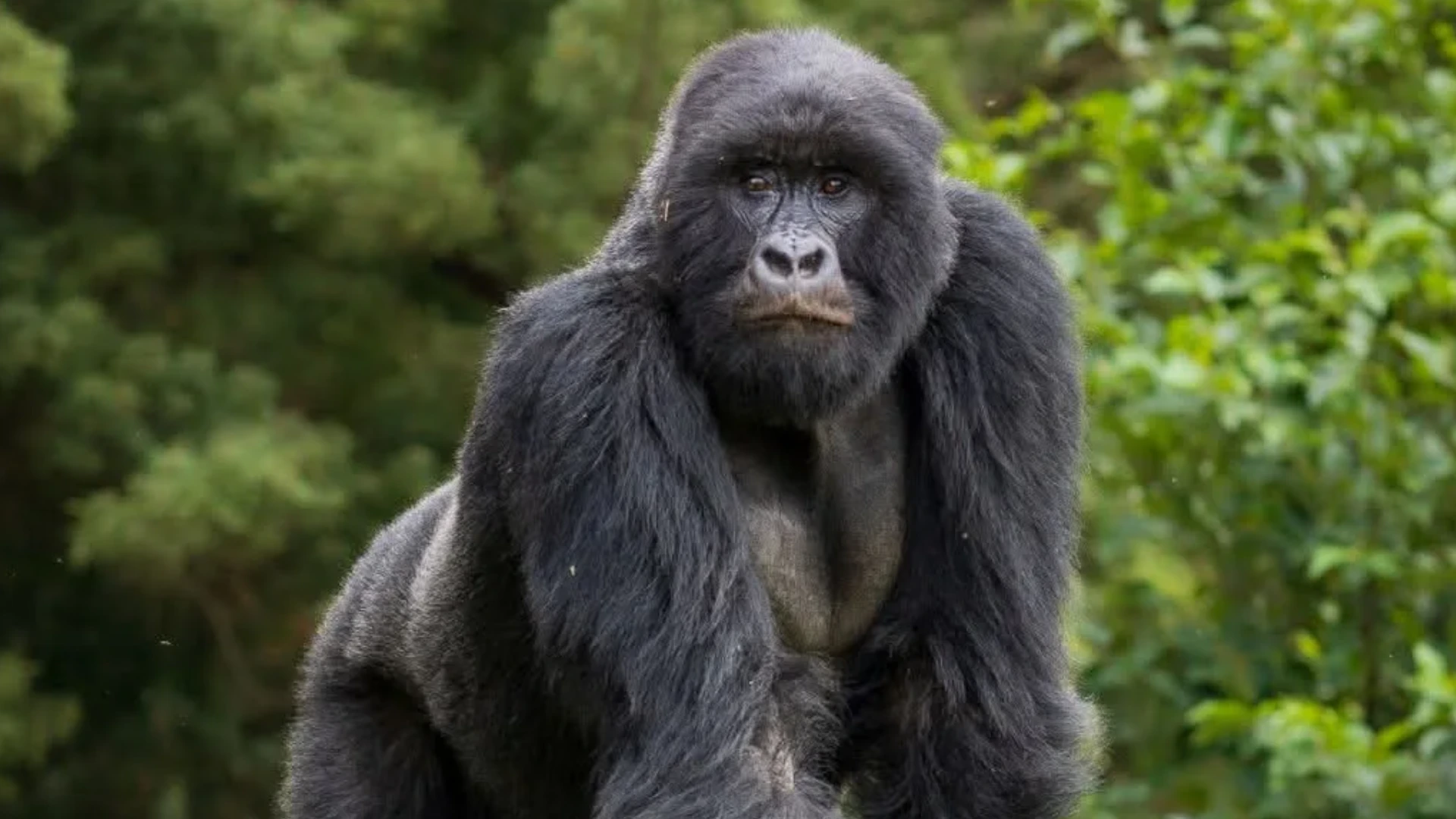
Very well. Many people combine savannah time with Rwanda gorilla trekking in Volcanoes National Park, so the trip doesn’t feel like one long theme.

Akagera Safari Experiences

Akagera delivers a traditional savannah safari shaped by water, open plains, and a slower rhythm. Wildlife viewing unfolds naturally along lakes and grasslands rather than dense circuits. Activities are well spaced and easy to combine, allowing time for observation rather than constant movement. This balance makes the park suitable for relaxed exploration and well-paced Rwanda safari trips.

Talk to a Safari Specialist Today

and design your travel plans.

Call +254 723 619669

OR

Enquire Now
  • Lawrence

  • Margaret

  • Mugambi

Our Safari Experts

Safaris You Can Book

Browse all our safari options designed around realistic travel days, trusted guides, and comfortable stays across East Africa.

Explore Wild and Welcoming Rwanda

Discover conservation success, rich traditions, and stunning scenery in Africa’s rising destination.

Get Started On Your Trip

You can contact us anytime, and we’ll support your
planning from early ideas to final details.

Get in touch

What Travellers Say

Real feedback from guests who have traveled with SnowyTop Safaris LTD across East Africa.

Local Team Insight

Our guides and planners work in Kenya and nearby parks year-round. You get route advice that matches road conditions, seasons and lodge standards, not generic online suggestions for your dates.

Clear Trip Planning

We keep planning simple: quick replies, clear inclusions, and realistic drive times. If something won’t fit, we say so early and suggest a better option without pushing upgrades or extras.

Support Throughout Travel

From airport pickup to your last game drive, we stay reachable. You get help with permits, timing and small changes, so the trip keeps moving smoothly even when plans shift.