













 Trips curated by the world’s top destination experts
 Concierge-level service leading up to and during your trip
 Unique, exclusive experiences and insider
access
Unique, exclusive experiences and insider
access

Quick Answers for Your Kenya Safari
There are no guarantees on safari. Animals move freely. That is the reality. But planning well improves your chances.
Helpful approaches include
- Trusting experienced guides who track movement daily
- Sharing your wildlife interests early
- Choosing parks known for certain species
- Staying flexible and patient
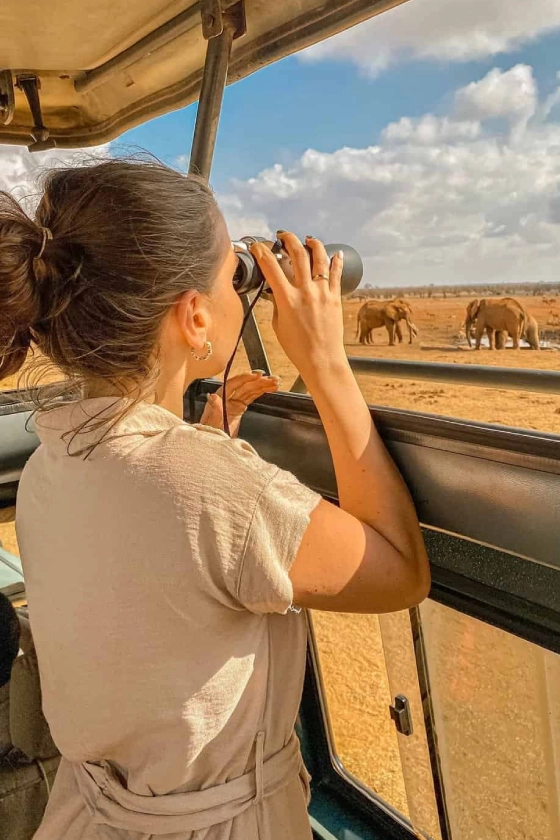
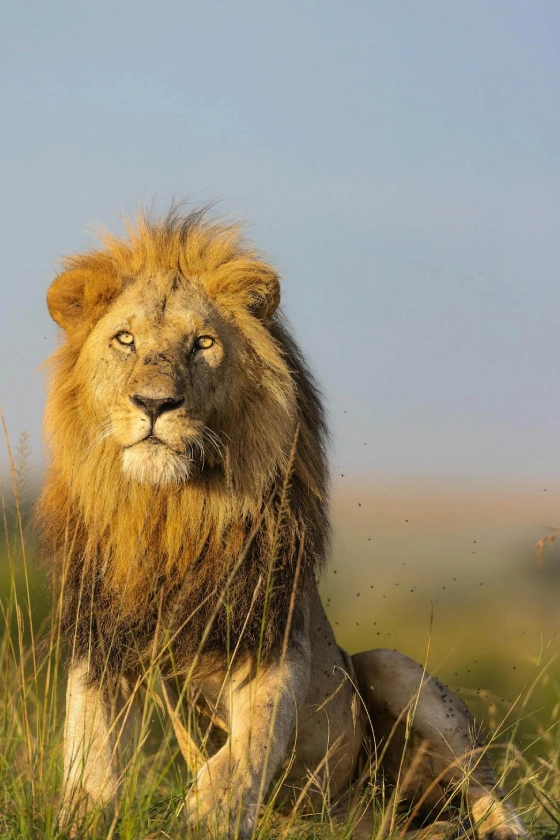
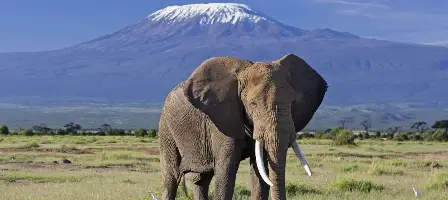
Amboseli is known for elephants. The Maasai Mara offers strong chances for big cats. And smaller sightings matter too. Watching birds, tracks and behavior adds meaning. East Africa safari animals reveal themselves when you stop chasing lists.
Accommodation style shapes how your safari feels. Camps and lodges both offer comfort, but their atmospheres differ.
Lodges are permanent buildings with solid walls and larger shared spaces. They often include pools and wider facilities.
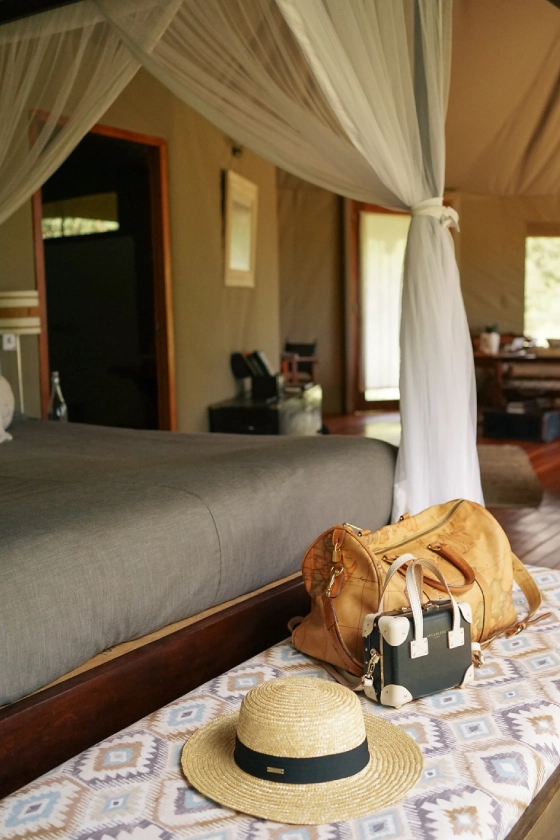
Tented camps feel closer to the bush. Canvas walls, wooden decks and fewer guests create a quieter environment.
Mobile camps move seasonally, especially during the Great Migration. They place you close to wildlife movement.
Your choice depends on your travel style. A good Kenya safari Consultant helps match accommodation to expectations rather than trends.
Food on safari is carefully prepared and safe. Lodges understand dietary needs and hydration is taken seriously.
You can expect
- Freshly cooked meals daily
- Filtered or bottled drinking water
- Vegetarian and allergy-friendly options
- Familiar dishes with local touches
Trying Kenyan staples like ugali or nyama choma adds depth, but no one is pushed outside comfort zones. Kenya Safari Foods balances familiarity and local flavor.
Kenya uses the Kenyan shilling, but safari travel often relies on US dollars.
Key points
- US dollars are widely accepted in lodges
- Small bills work best for tips
- Credit cards are accepted in most camps
- Shillings help for small town purchases
Most travelers on Kenya safari tours rarely need to exchange currency once in the bush.
Tipping is customary but never forced. It reflects appreciation rather than obligation.
General guidance includes
- Guides receive daily tips per guest
- Lodge staff share a communal tip box
- Cash is preferred
- Amounts vary by service and satisfaction
Your Kenya travel planner usually provides clear guidance before arrival.
Power in Kenya is reliable in cities and managed carefully in remote camps.
Important notes
- Voltage is 240V
- Plug type matches UK style
- Camps may switch generators off overnight
- Charging times are scheduled
Bring a travel adaptor. Avoid high-power devices. Kenya travel essentials include planning around limited electricity in the bush.
Most international travelers arrive in Nairobi. From there, journeys branch out.
Travel options include
- Light aircraft flights to remote parks
- Road travel in Four Wheel Drive vehicles
- Coastal flights for beach extensions
Luggage limits apply on small planes. Soft bags are required. Safari in Kenya often combines flying and driving to balance the experience.
Kenya is safe for tourists when traveling with reputable operators. Safari areas are secure and well-managed.
Safety practices include
- Guided travel throughout
- Secure lodge locations
- Clear wildlife rules
- Urban awareness in cities
Listening to guides matters. Kenya safari planning prioritizes guest safety at every stage.
Health preparation is simple but important.
Before travel
- Consult a doctor or travel clinic
- Discuss malaria prevention
- Carry vaccination records
- Pack personal medication
On safari, clean water and first aid kits are standard. Wildlife Safari in Kenya is well supported medically when planned correctly.
Packing light makes travel easier.
Essentials include
- Soft duffel bag
- Neutral clothing
- Layers for cool mornings
- Sun protection
- Binoculars and camera
Laundry is available at most camps. Focus on comfort rather than options. Kenya travel tips always favor simplicity.