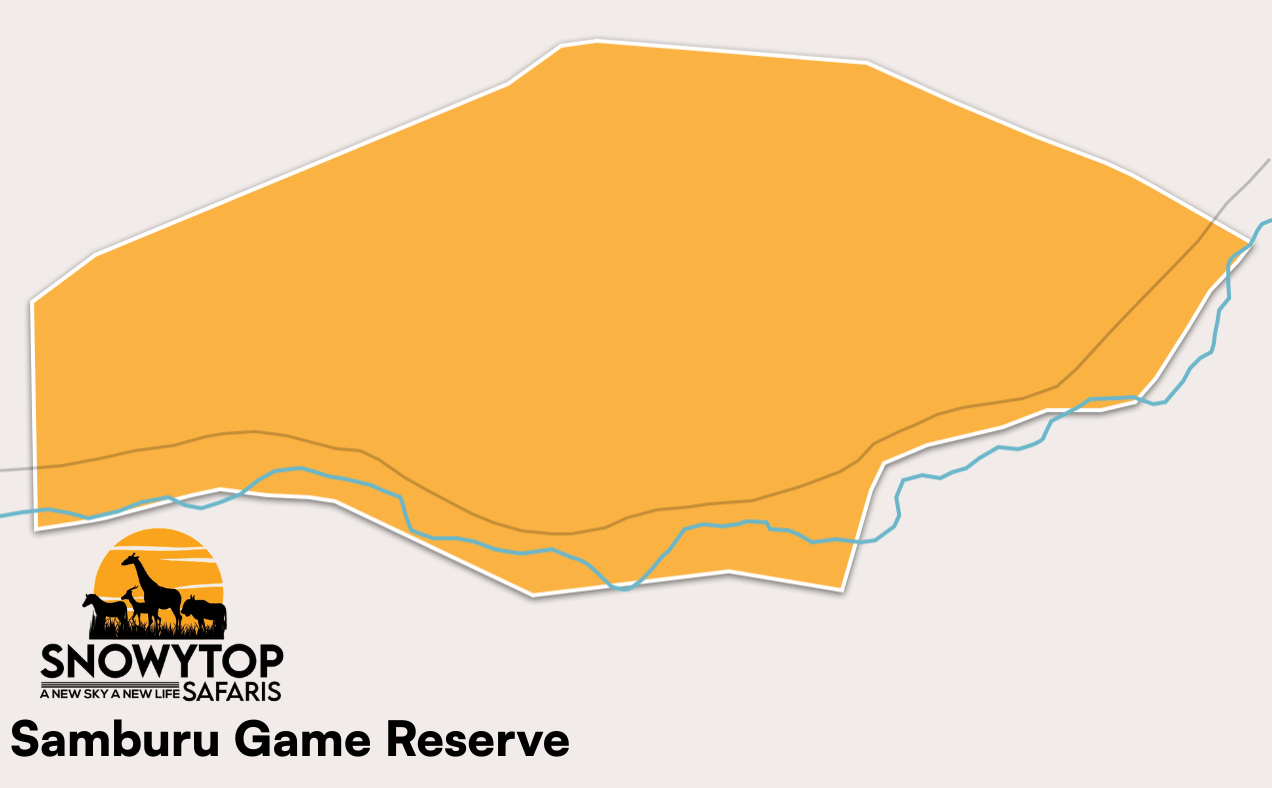


Samburu Game Reserve

Northern Kenya’s River Reserve

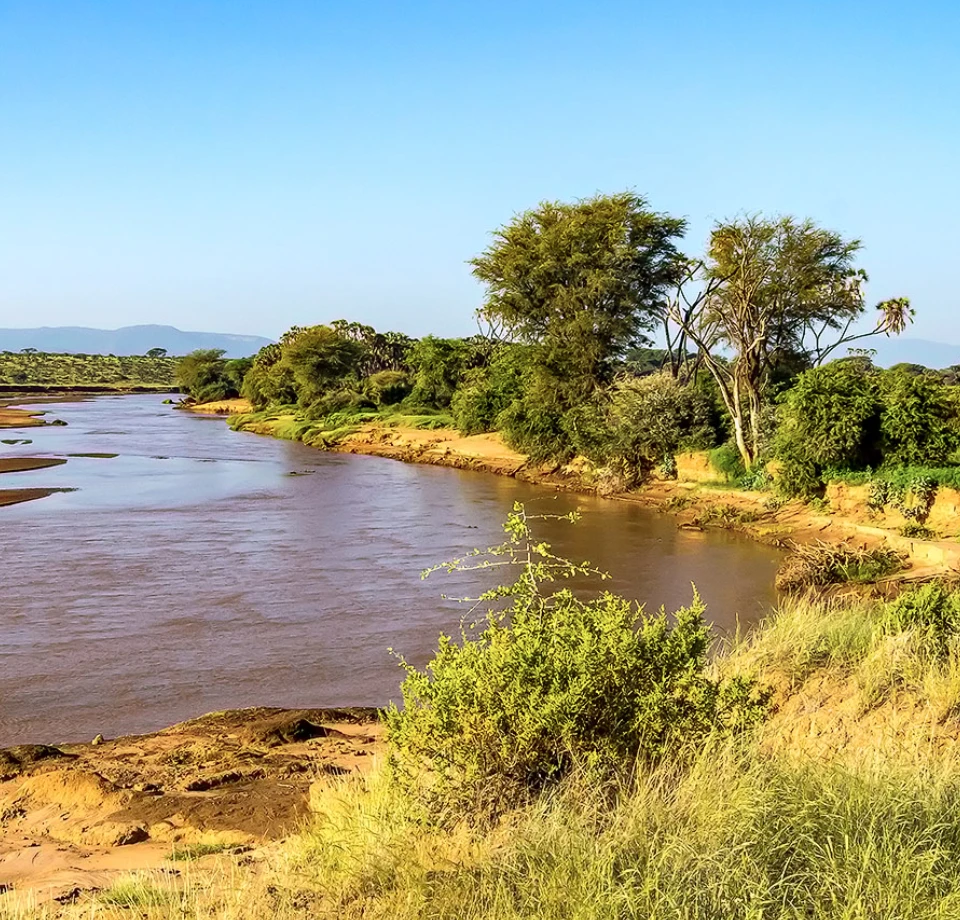
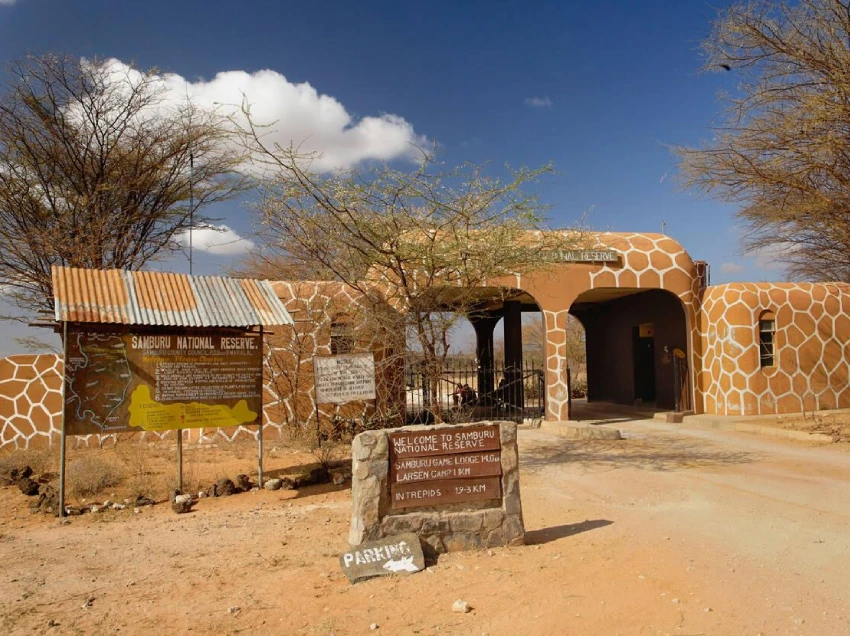
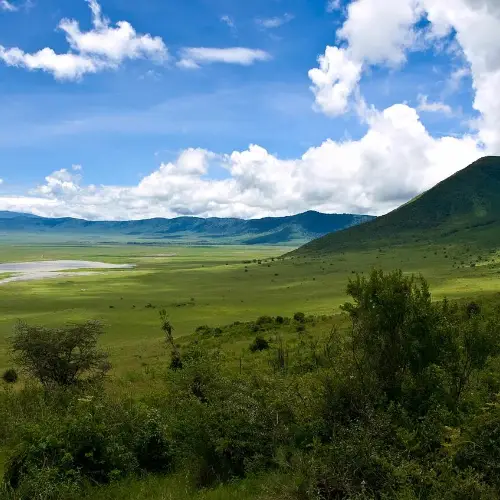
Samburu National Reserve sits in Kenya’s north, where the land looks dry and barren. Then the Ewaso Nyiro River appears—green shade, cool banks, and tracks pressed into sand. The reserve is compact, so drives feel efficient, not endless. You start noticing small things: dust on leaves and wind off the hills most days.

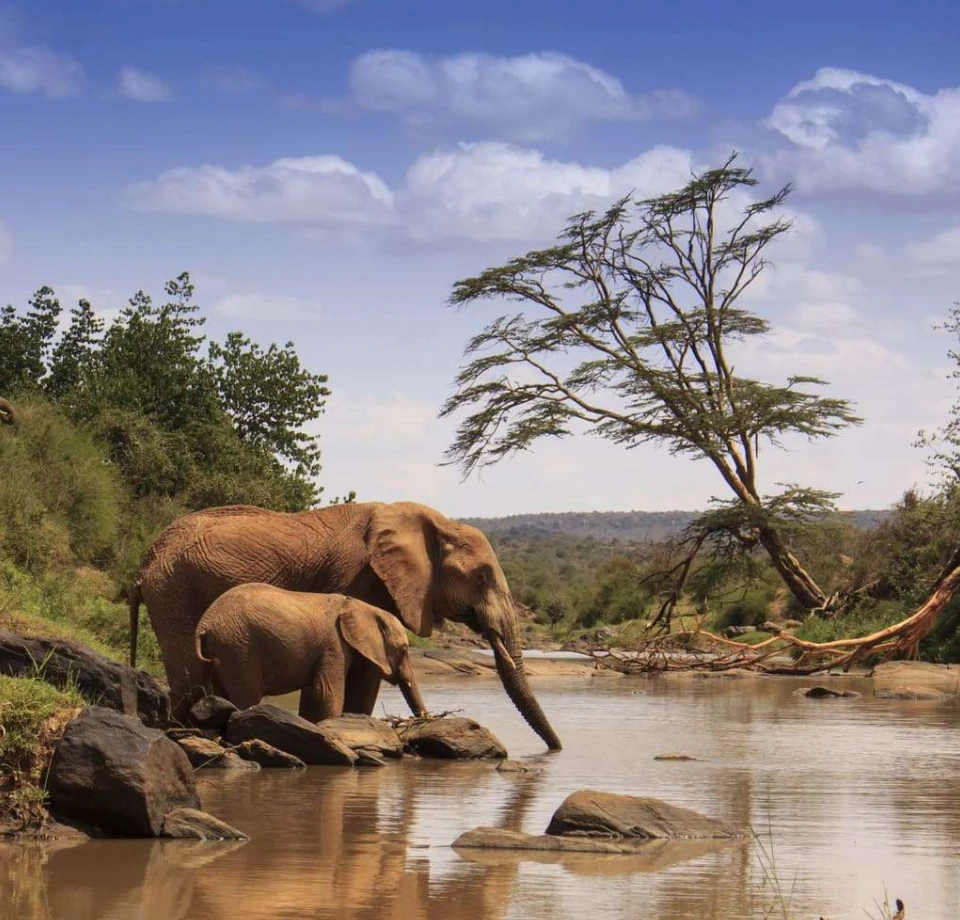
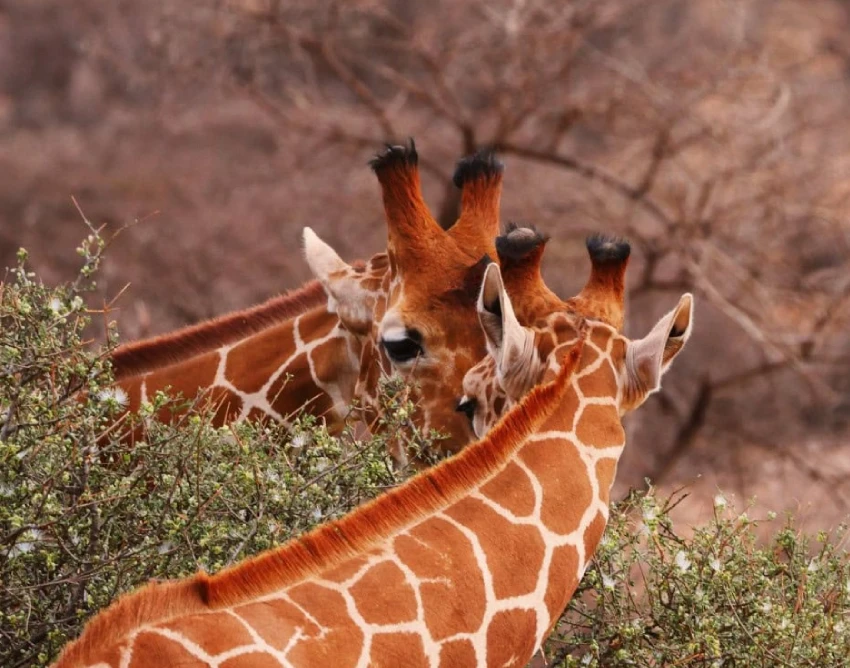
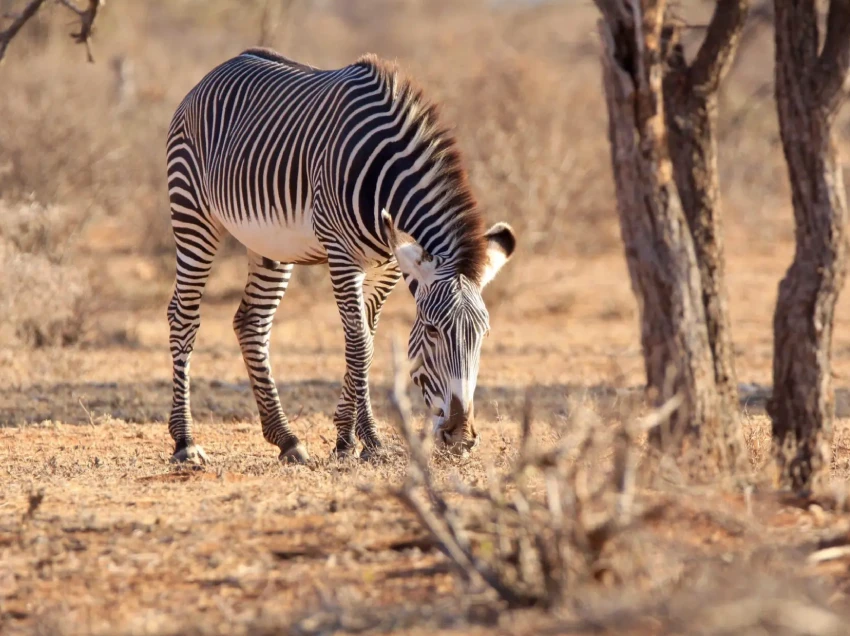
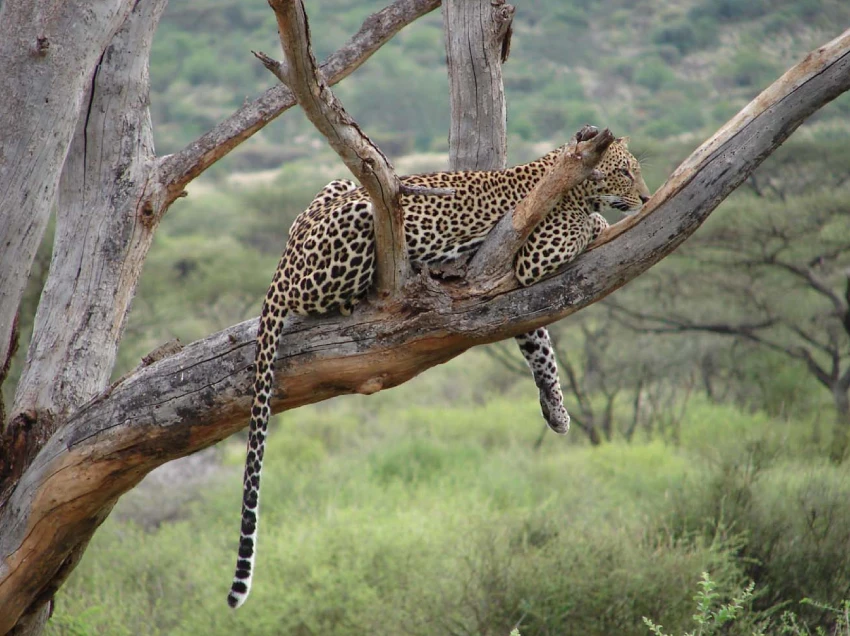
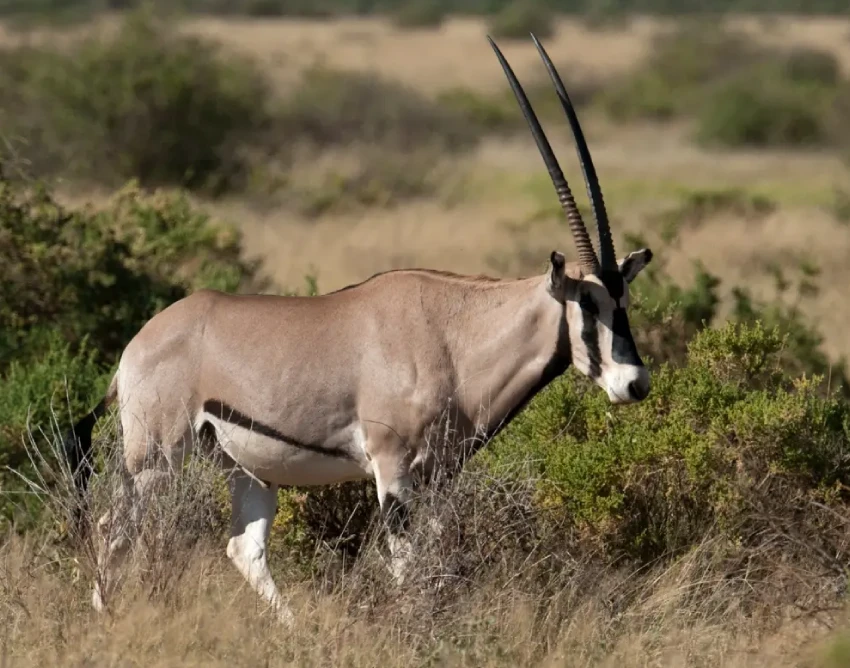
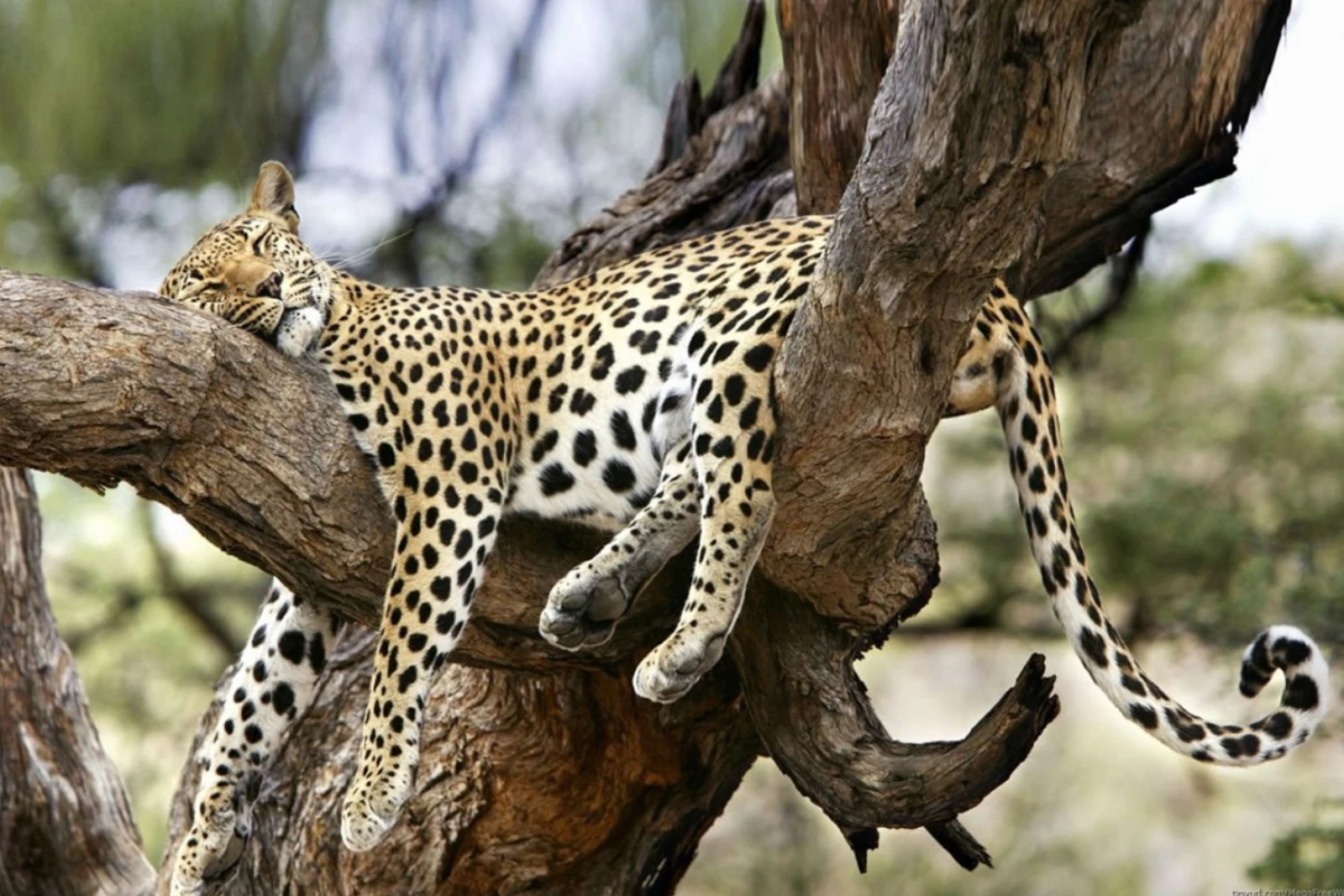
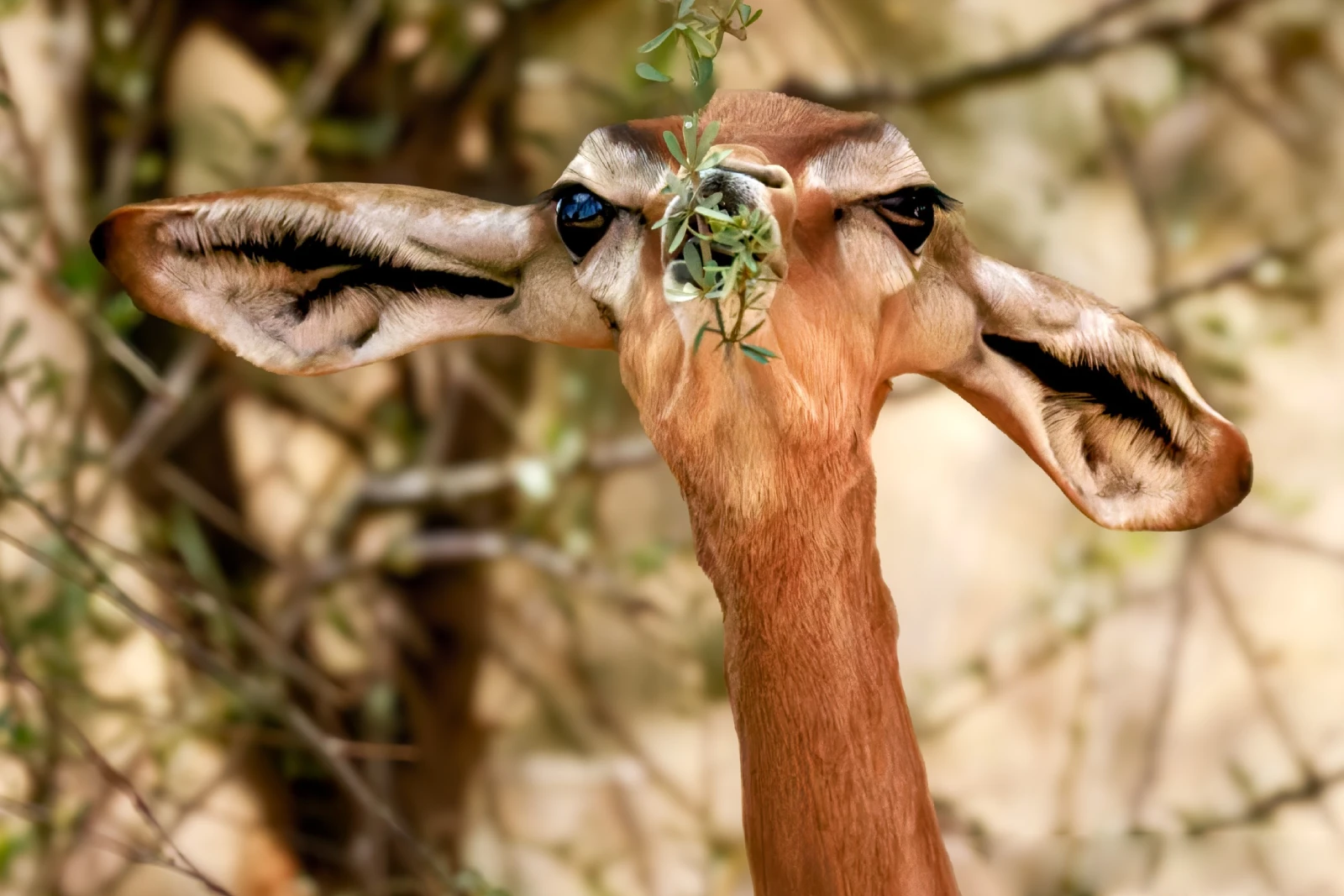
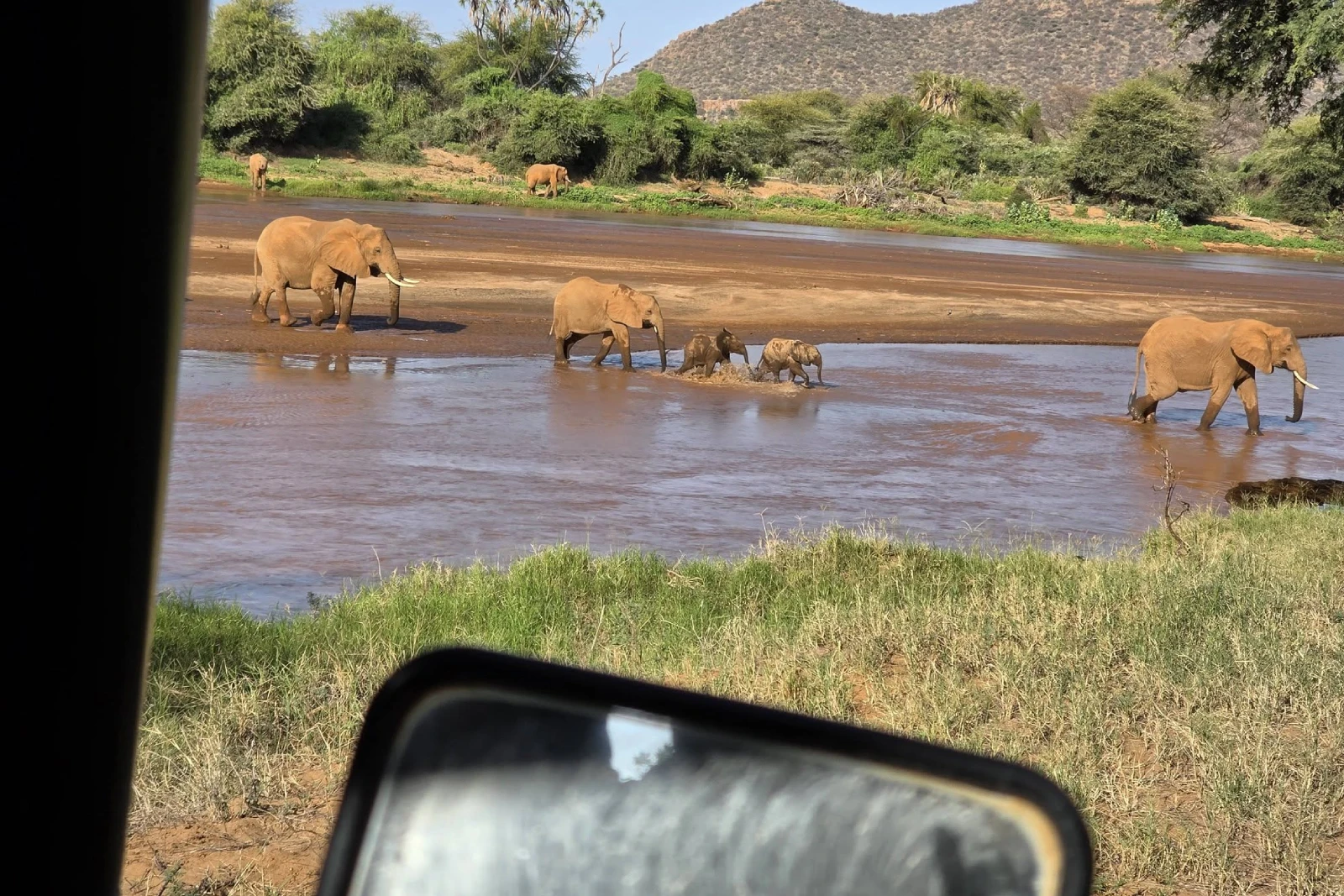
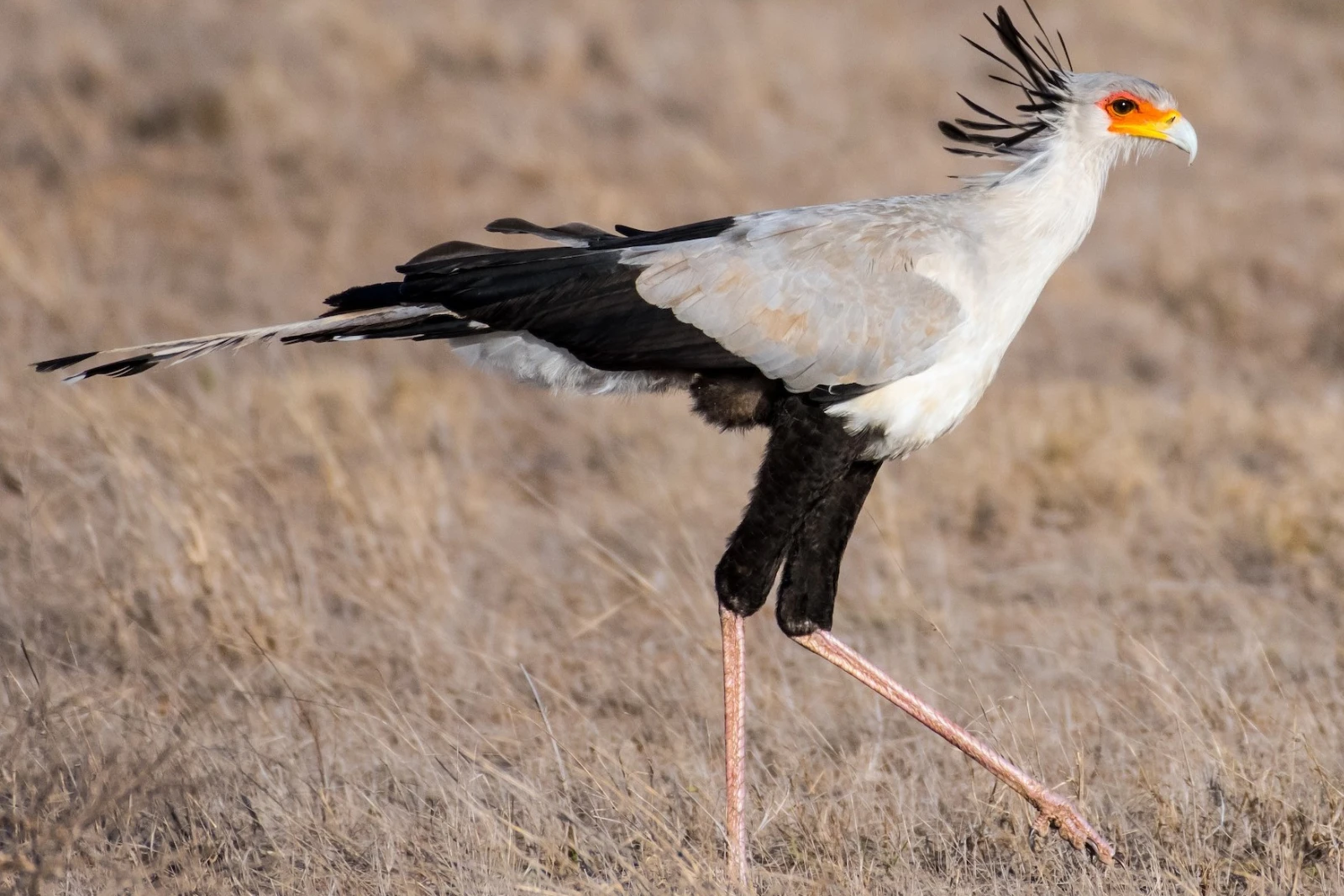
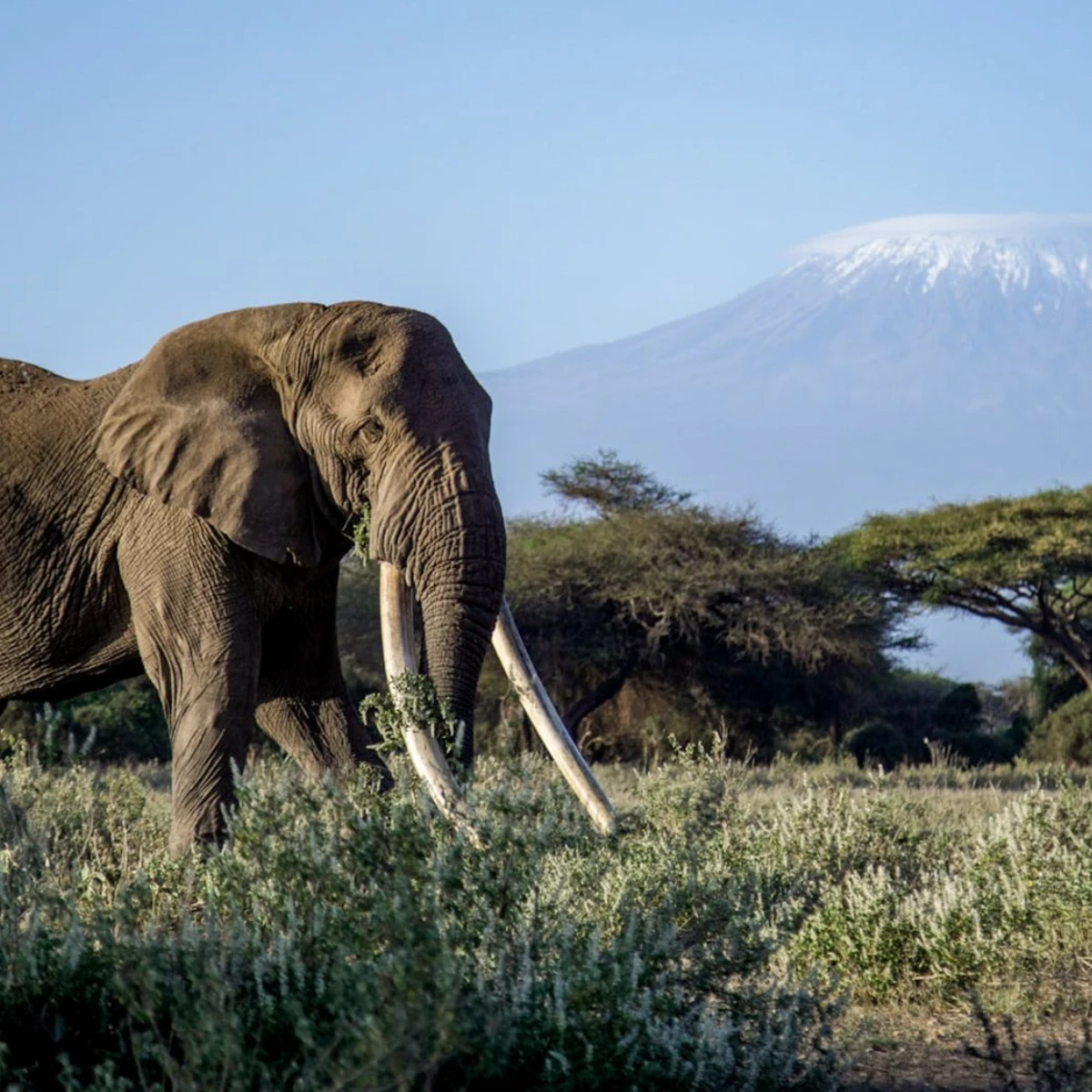
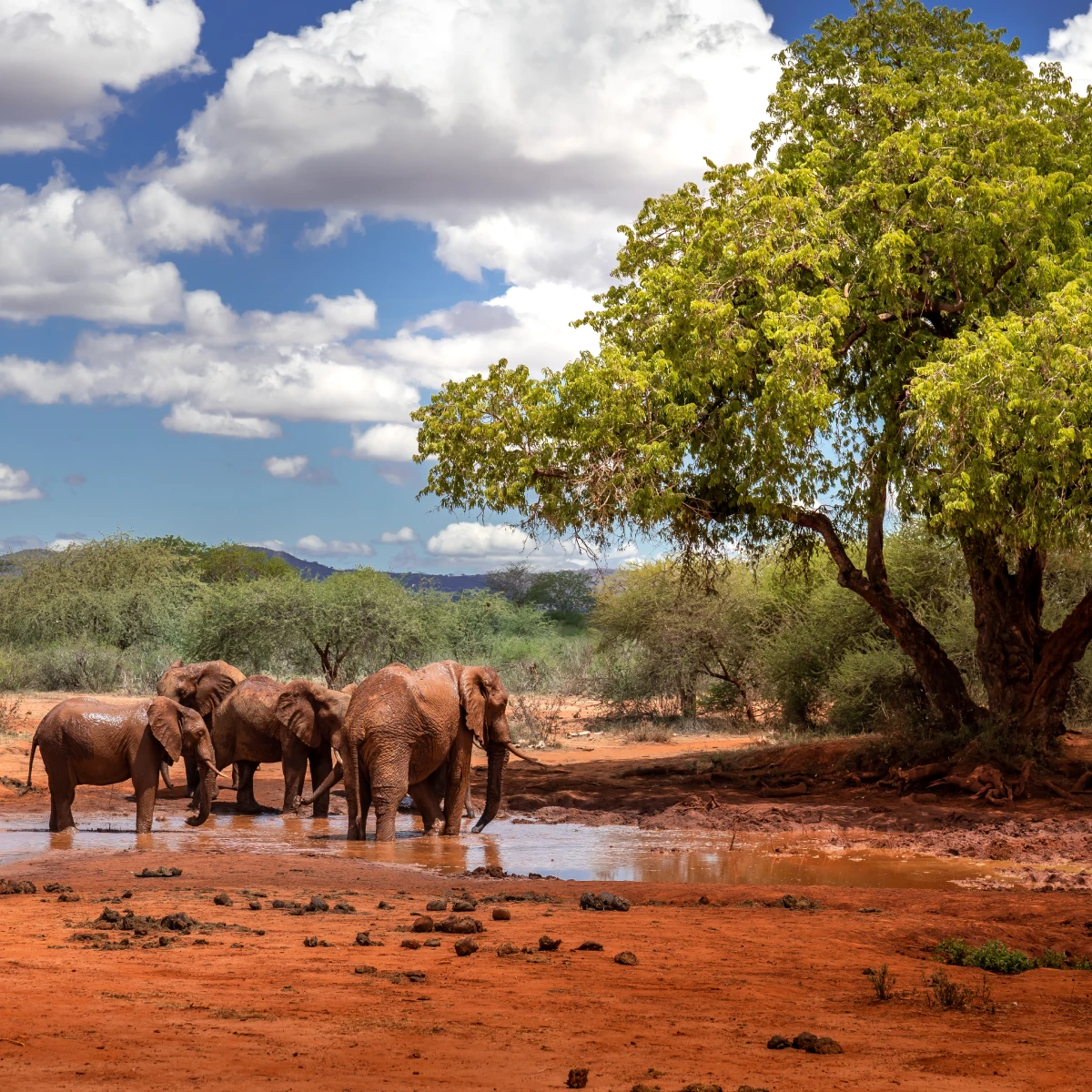
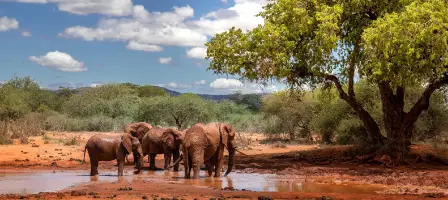
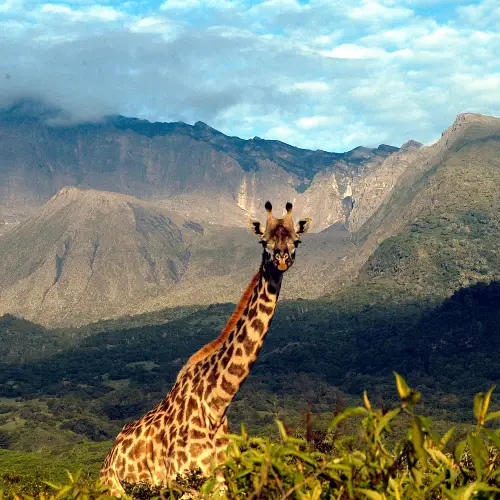
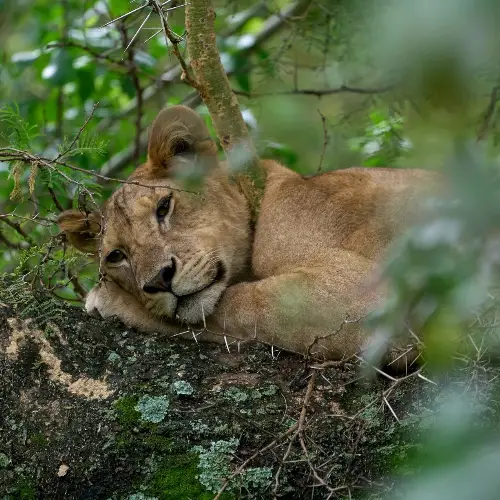
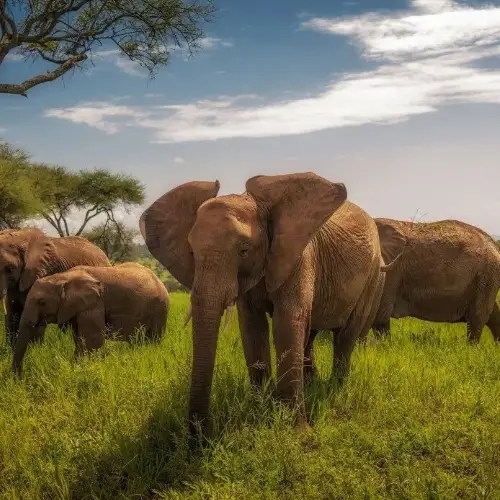
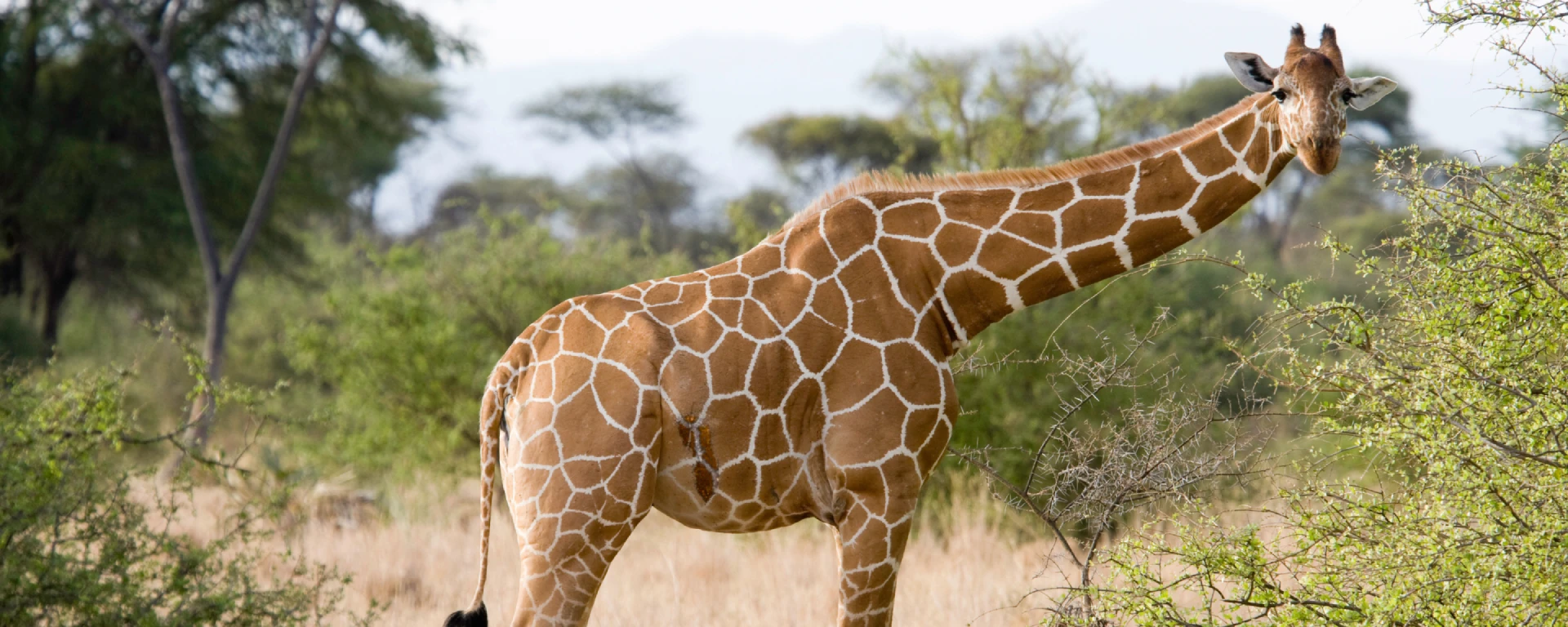
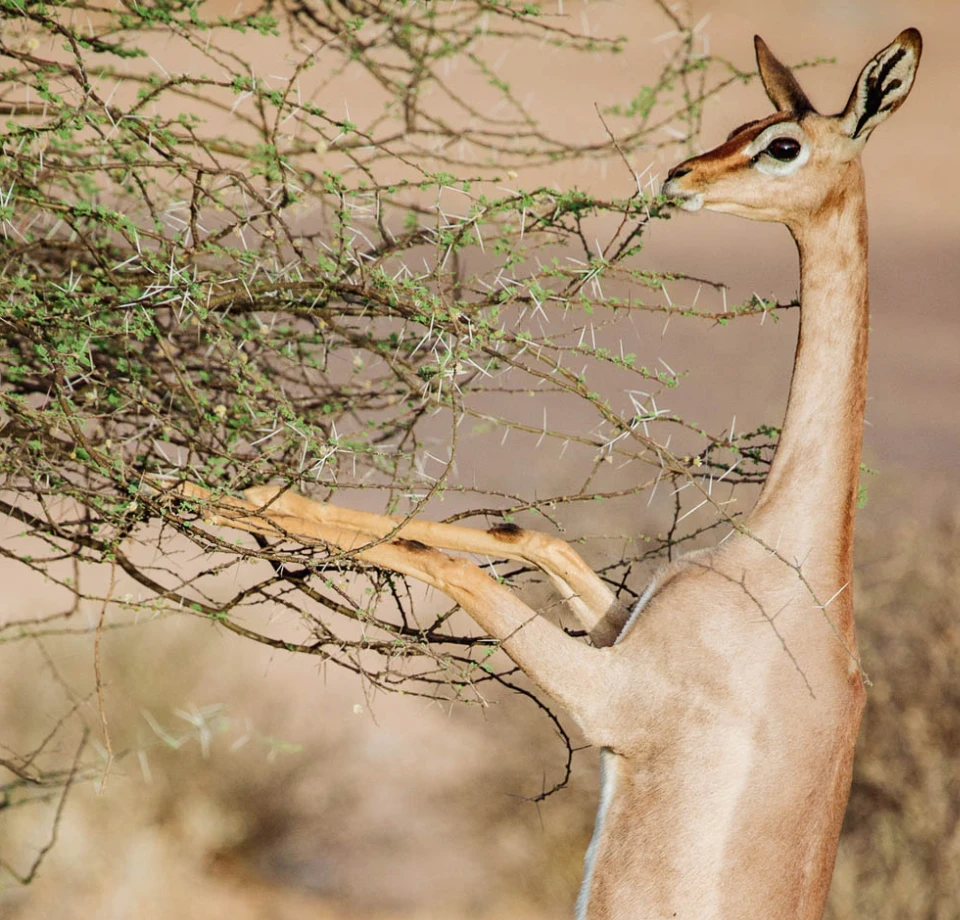
Wildlife is strong, with four of the Big Five present; the rhino is the missing one. Elephants cross often, and leopards are seen more here than in many places, especially along river trees. The “Samburu Five” stand out: Grevy’s zebra, reticulated giraffe, Beisa oryx, Somali ostrich, and the long-necked gerenuk. Lesser kudu can appear too.

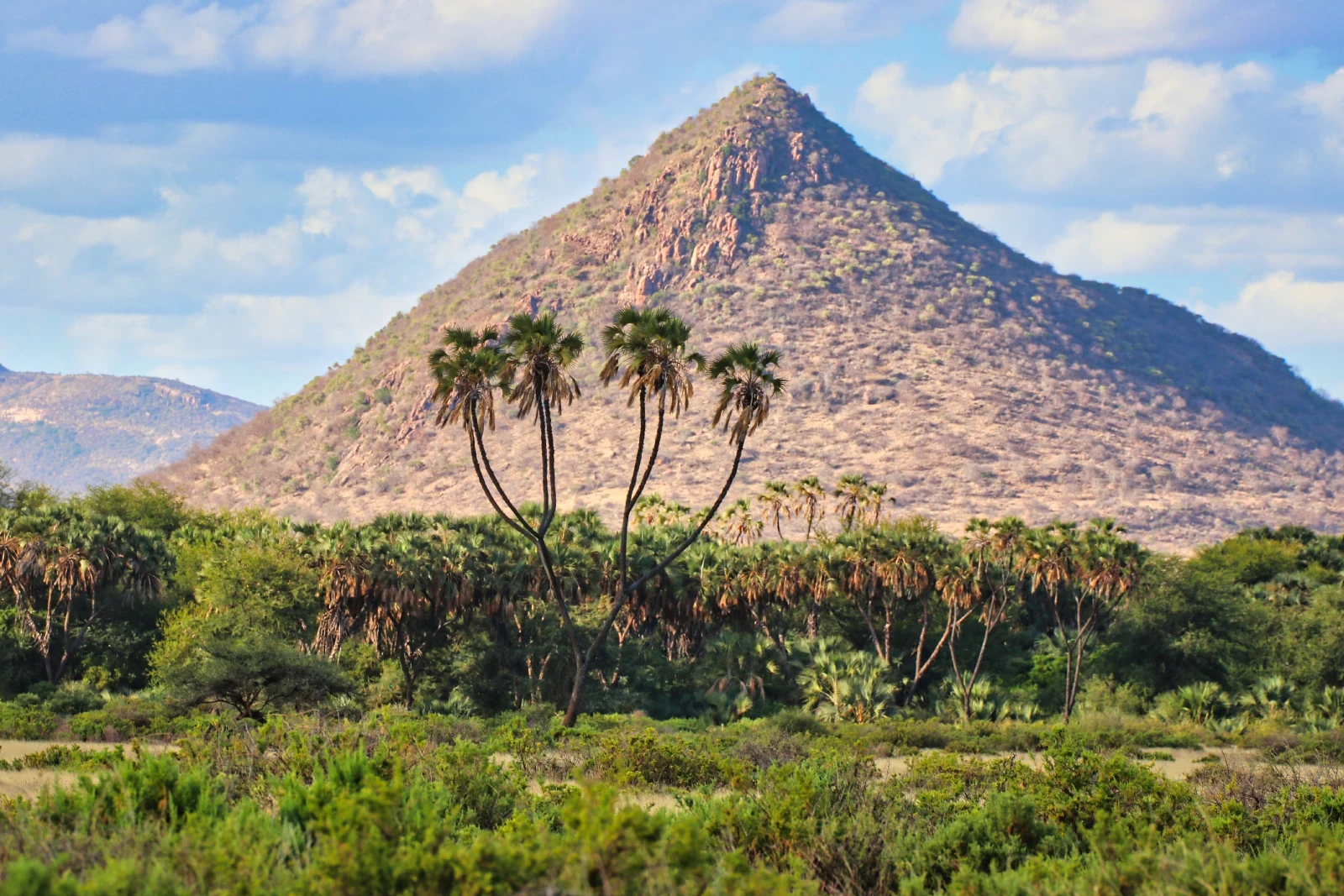
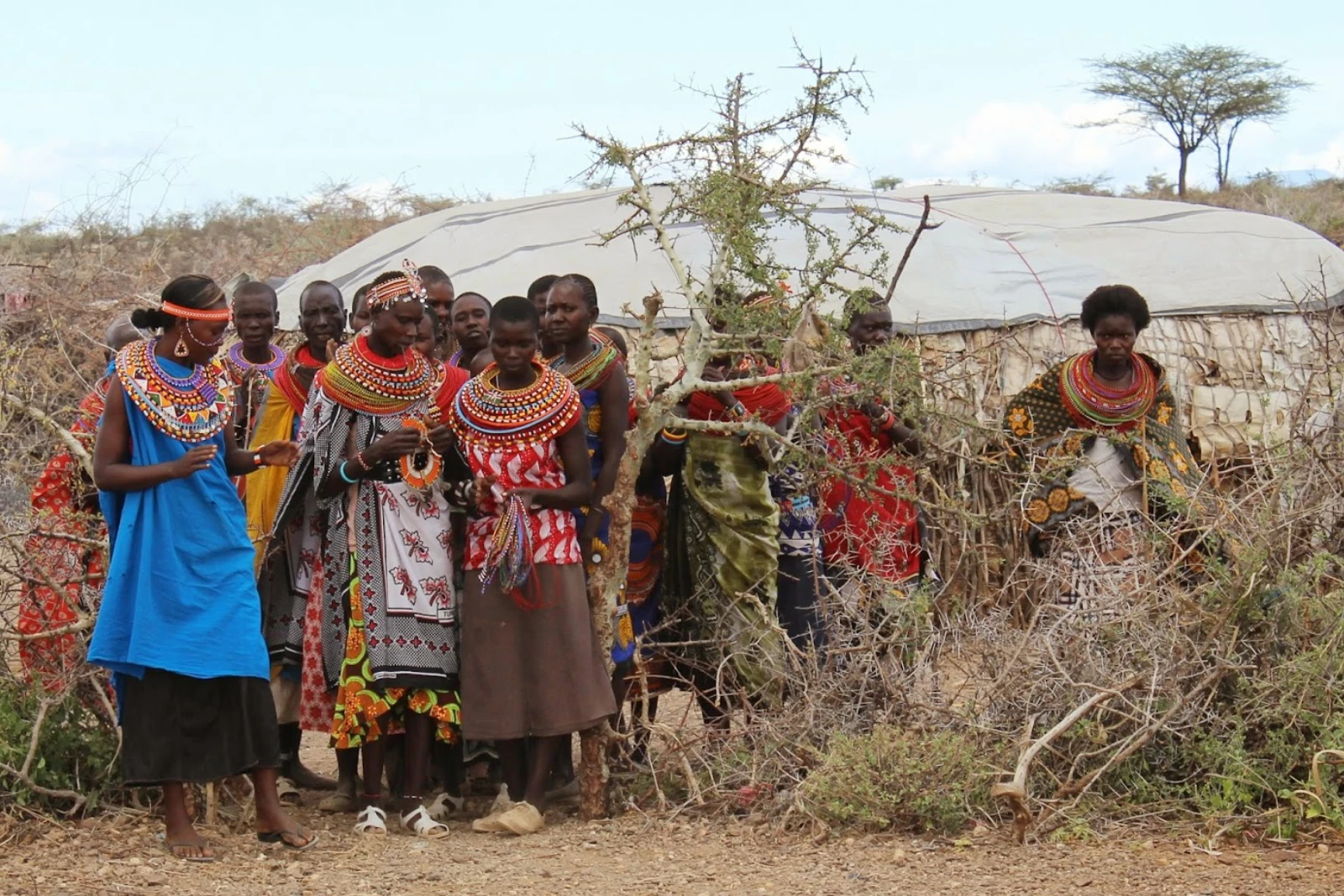
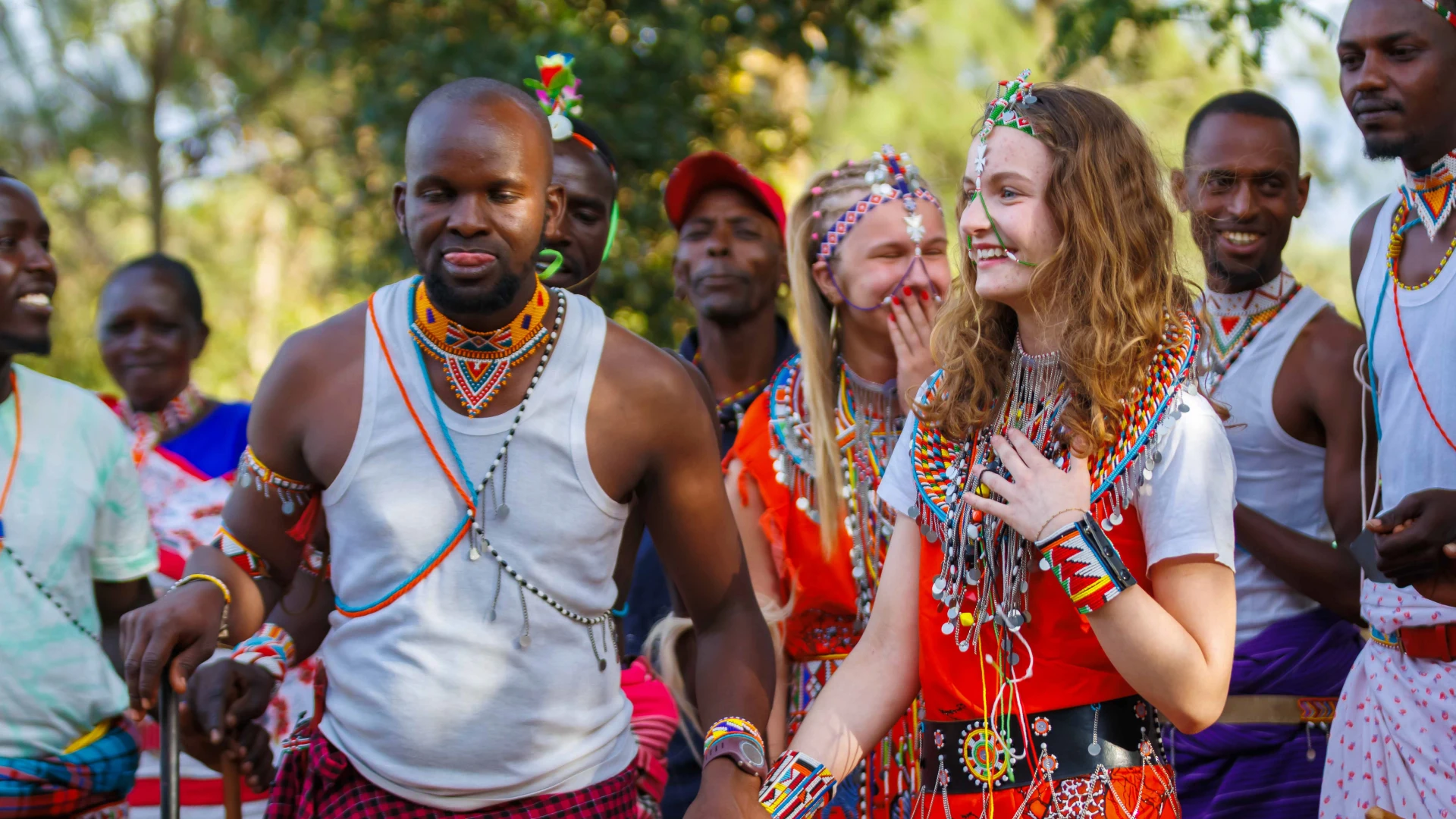
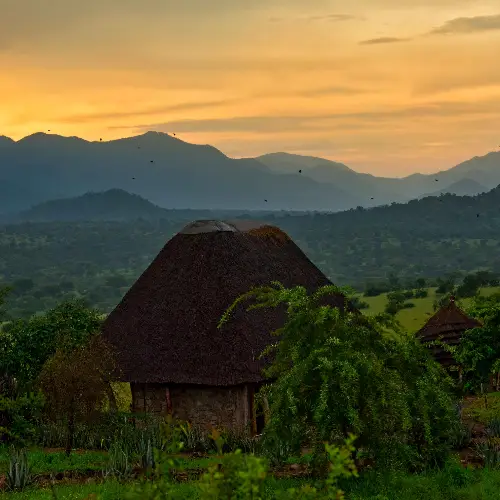
Scenery keeps it interesting—termite mounds, dry acacia scrub, and barren mountains holding the horizon. Koitogor Hill helps you get your bearings. You’re also in Samburu country, so culture sits close to the safari. Done right, Kenya safari tours here feel personal and sharp.

Get Started

Life-Enriching Travel

Designed Just for You

  • Trips curated by the world’s top destination experts
  • Concierge-level service leading up to and during your trip
  • Unique, exclusive experiences and insider access


500+ Verified Traveler Reviews

Snowytop Safaris LTD

Why visit
Samburu Game Reserve

Samburu is for travellers who like contrast: dry hills, then a living river, all in one drive. It’s also one of the better places in Kenya to spot a leopard without spending days hoping. The reserve is small enough to cover properly in two or three nights, yet different enough to feel distinct from the south. And if you want culture, Samburu community visits are close and real. Road access from Nairobi is doable too, and flights often help with tight schedules.

Samburu

Understanding Samburu at a Glance

Quick details on scenery, wildlife, climate, activities, and routes, so plans stay simple for everyone.

Arid River Contrast

Arid River Contrast

Samburu is framed by bare, rocky hills, but the river corridor is surprisingly green. Along the Ewaso Nyiro, you get taller trees and cooler shade, then it quickly shifts to dry acacia scrub and semi-arid savannah. Termite mounds rise everywhere, and Koitogor Hill sits near the middle as a reference point when you’re driving. The light changes fast after rain.
Leopard Rich Habitat

Leopard Rich Habitat

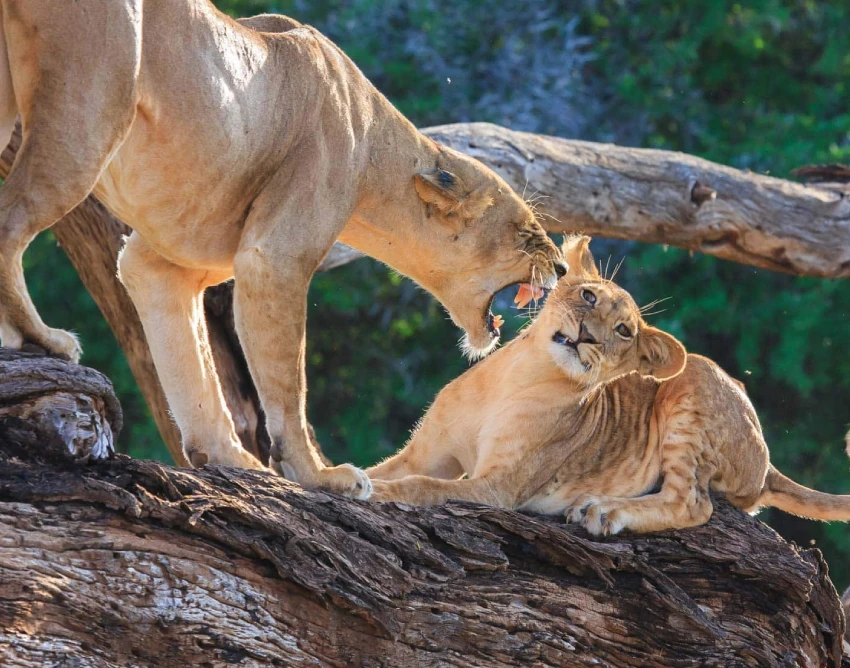
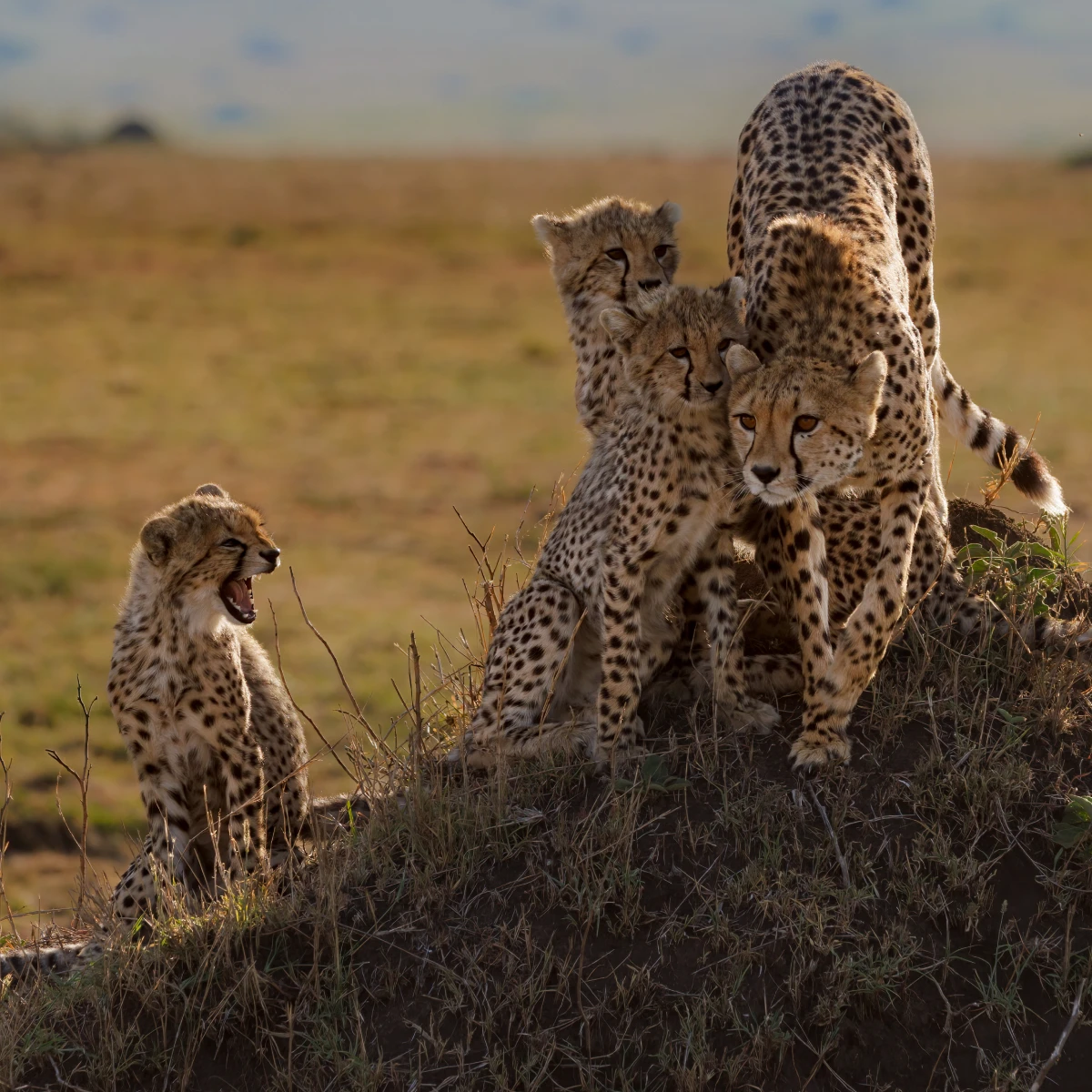
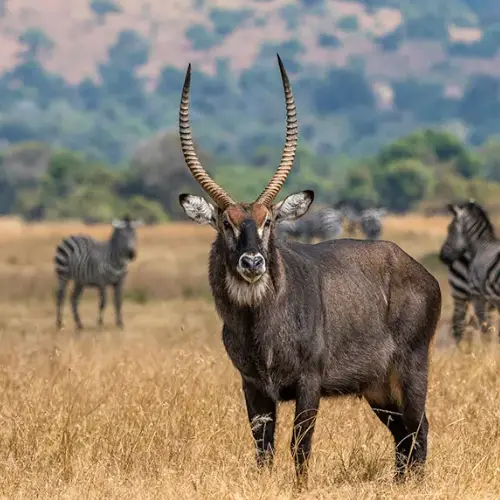
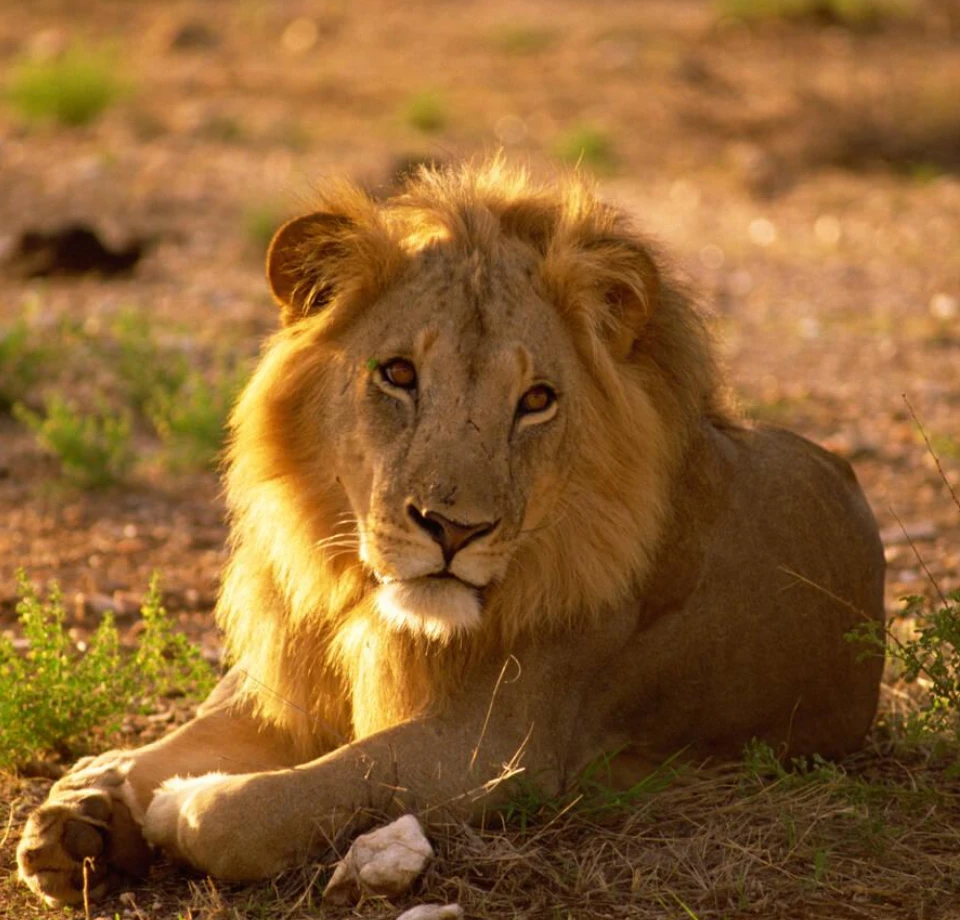
Four of the Big Five occur here; the rhino is absent, and elephants are regular. Leopards are a standout, often seen in the riverine trees. Lions and cheetahs are possible, plus plenty of antelope, including greater and lesser kudu. The famous Samburu Five adds variety. Birdlife is rich for a dry area, making Kenya wildlife watching feel full.

Kenya Weather

Hot Semi Arid

Samburu runs hot in the day, with daytime temperatures often around 32°C, but nights cool down to roughly 17°C. Early morning drives can feel chilly in an open vehicle, so pack a warm layer. The main dry season is June to September. Rains are limited overall, but April and November can be noticeably wetter. Then the roads may slow.

River Focused Viewing

River Focused Viewing

The Ewaso Nyiro River is the main attraction because it concentrates animals and creates a better leopard habitat. Look for tracks in the sand and listen for alarm calls in the trees. Koitogor Hill and the open plains help with orientation. Many visitors also enjoy a community stop nearby.

Samburu Game Reserve

Northern Kenya Access

Most travellers enter Kenya via Nairobi’s Jomo Kenyatta International Airport. Samburu is about 355km north of Nairobi, and a self-drive trip typically takes 6 to 8 hours, depending on road conditions and stops. Flying is another option, especially if you’re short on time. Driving times are estimates, so leave a buffer for delays. Some itineraries link Samburu with Buffalo Springs National Reserve nearby.

When to Go to Samburu

Best viewing is June–September and January–February; avoid rain in April and November when the grass grows, and the roads soften.

  • Best
  • Good
  • Mixed

January is hot and mostly dry. Vegetation is thin, so wildlife is easier to pick out, especially along the river. Leopards often use the bigger trees for cover, and elephants cross between water points. Mornings can feel surprisingly cool in an open vehicle, so pack a light jacket.

February stays dry and very warm, which pushes animals toward remaining shade and river edges. It’s a strong month for the Samburu Five because visibility is clean and drives are easy. If you’re comparing Kenya safari packages, this period usually rewards shorter stays with high sighting rates and clear skies.

March begins to hint at the wetter stretch. The landscape picks up a little green, and animals spread out slightly, though the river still anchors action. Birdlife becomes more noticeable, especially around thicker gallery forest. Roads are generally fine, but a sudden shower can slow a loop for an hour.

April is one of the wetter months,s and that changes the feel of the reserve. Grass grows, birds get louder, and wildlife can be harder to spot. When rain hits, some tracks become sticky and slow. If you travel now, plan fewer kilometres per drive and focus on riverine areas.

May usually settles after the heavier rain, though the reserve can still look freshly washed. There’s more cover for animals, so guides rely on tracks, alarm calls, and patience near the river. Birding stays rewarding, and the air feels cooler in the evenings. It’s a good month for quieter camps.

June brings the dry season properly, and the reserve becomes easier to read again. Vegetation thins, road conditions improve, and animals concentrate closer to reliable water. It’s a strong time for leopard drives along the river. Many Kenya guided tours start favouring Samburu now because sightings tighten up.

July stays dry, warm in the day, and cooler at dawn. Dust hangs in the air, so light can look hazy, but visibility for wildlife remains good because grasses are low. Elephants and antelopes gather near river access points. If you like drives, this month makes planning simple and consistent.

August continues the dry run. Leopard sightings can be excellent because cats keep to the riverine shade and use the same crossing points. The Samburu Five are easier to tick off in this period, especially Grevy’s zebra and gerenuk. Nights can feel cool in camp, so pack a light fleece.

September is still dry, but it can feel slightly less busy than mid-season peaks elsewhere. Wildlife stays concentrated near water, and drives remain comfortable for longer hours. This is a month if you’re trying to Book Kenya safari plans with availability and strong sightings, without pushing into the wetter period.

October sits on the edge of the wetter season. Some days stay dry and dusty, others bring quick showers that cool the afternoon. Wildlife is still present, but you may need to work a little harder away from the river. Birdlife begins lifting again, and the reserve looks less stark.

November is a rainy month, so the grass can grow fast, and animals spread out. Sightings still happen, but the “easy” moments are fewer, and drives can be slower after showers. Birding improves. If you’re pairing wildlife with visits, Kenya cultural tours can fit well now because schedules feel less crowded.

December brings mixed weather—sunny stretches, then short rain. The river stays central for wildlife, and the greener look is a nice change after months of dust. Bird species are active, and photography gets softer light. It’s a good month for shorter stays, especially if you’re continuing to the coast.

Samburu FAQ Quick Guide

It’s the desert feel plus river life and the Samburu Five you rarely see elsewhere in Kenya.

Two to three nights is usually enough for strong sightings and relaxed pacing in many Kenya tour packages.

Not guaranteed, but riverine habitat here gives some of Kenya’s better chances, especially at dawn.

Days are hot, nights cool down. Start early, rest midday, and keep water handy.

Yes—shorter drive loops help, and patient wildlife time works well for Kenya family vacations.

Samburu Safari Experiences

Samburu activities are simple on paper, but they reward patience. You drive the river loops slowly, then cut into open scrub for the Samburu Five. Stops matter here—watching a leopard shift in shade can take ten minutes, and that’s fine. Add a village visit if it fits. These Kenyan adventure activities feel grounded, not flashy. And stay with you.

Talk to a Safari Specialist Today

and design your travel plans.

Call +254 723 619669

OR

Enquire Now
  • Lawrence

  • Margaret

  • Mugambi

Our Safari Experts

Safaris You Can Book

Browse all our safari options designed around realistic travel days, trusted guides, and comfortable stays across East Africa.

Explore Iconic Kenya

Witness abundant wildlife, diverse scenery, cultural heritage, and warm hospitality throughout remarkable Kenya.

Get Started On Your Trip

You can contact us anytime, and we’ll support your
planning from early ideas to final details.

Get in touch

What Travellers Say

Real feedback from guests who have traveled with SnowyTop Safaris LTD across East Africa.

Local Team Insight

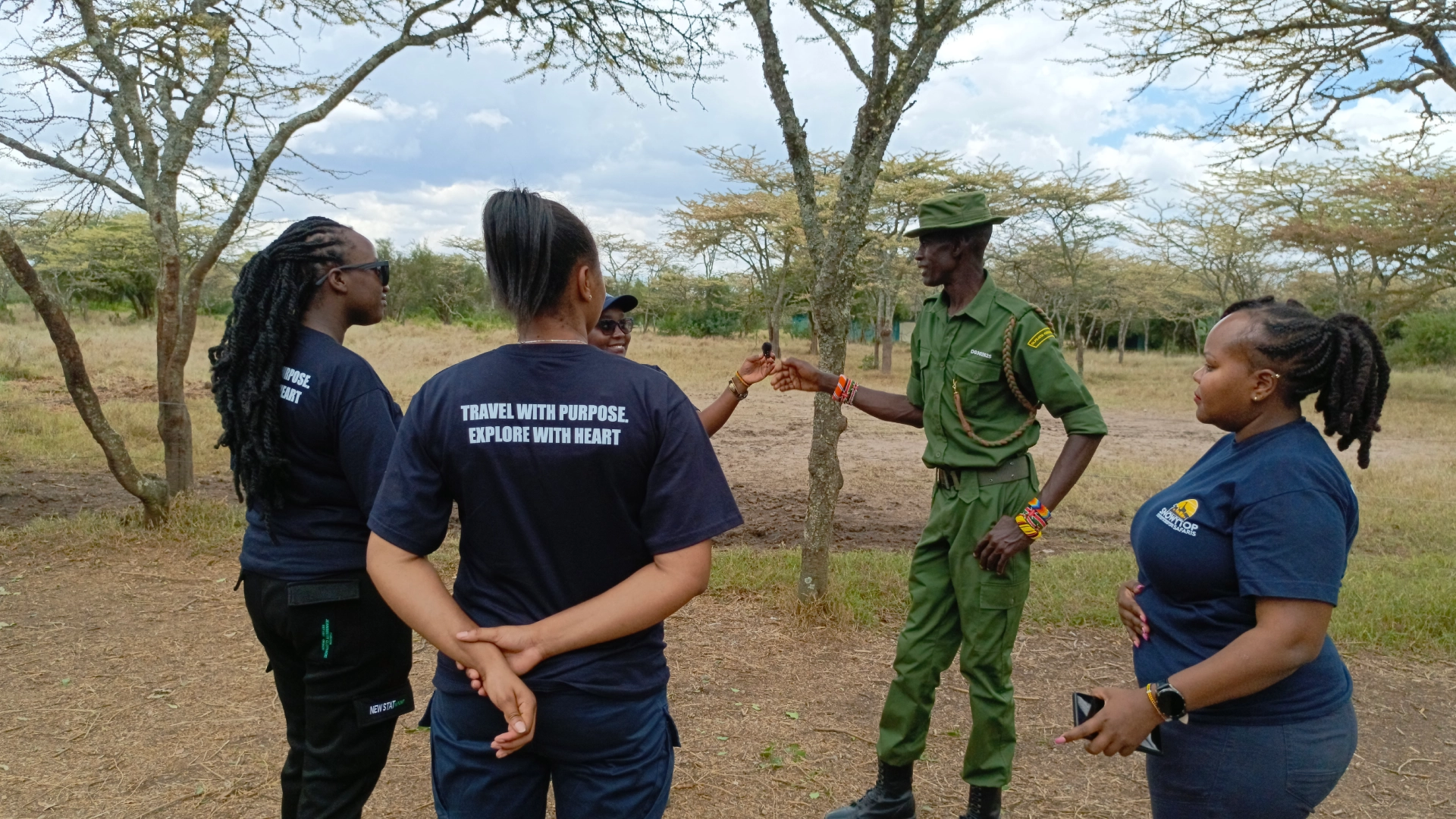
Our guides and planners work in Kenya and nearby parks year-round. You get route advice that matches road conditions, seasons and lodge standards, not generic online suggestions for your dates.

Clear Trip Planning

We keep planning simple: quick replies, clear inclusions, and realistic drive times. If something won’t fit, we say so early and suggest a better option without pushing upgrades or extras.

Support Throughout Travel

From airport pickup to your last game drive, we stay reachable. You get help with permits, timing and small changes, so the trip keeps moving smoothly even when plans shift.