

Lake Nakuru National Park

Birdlife and Rhino Territory

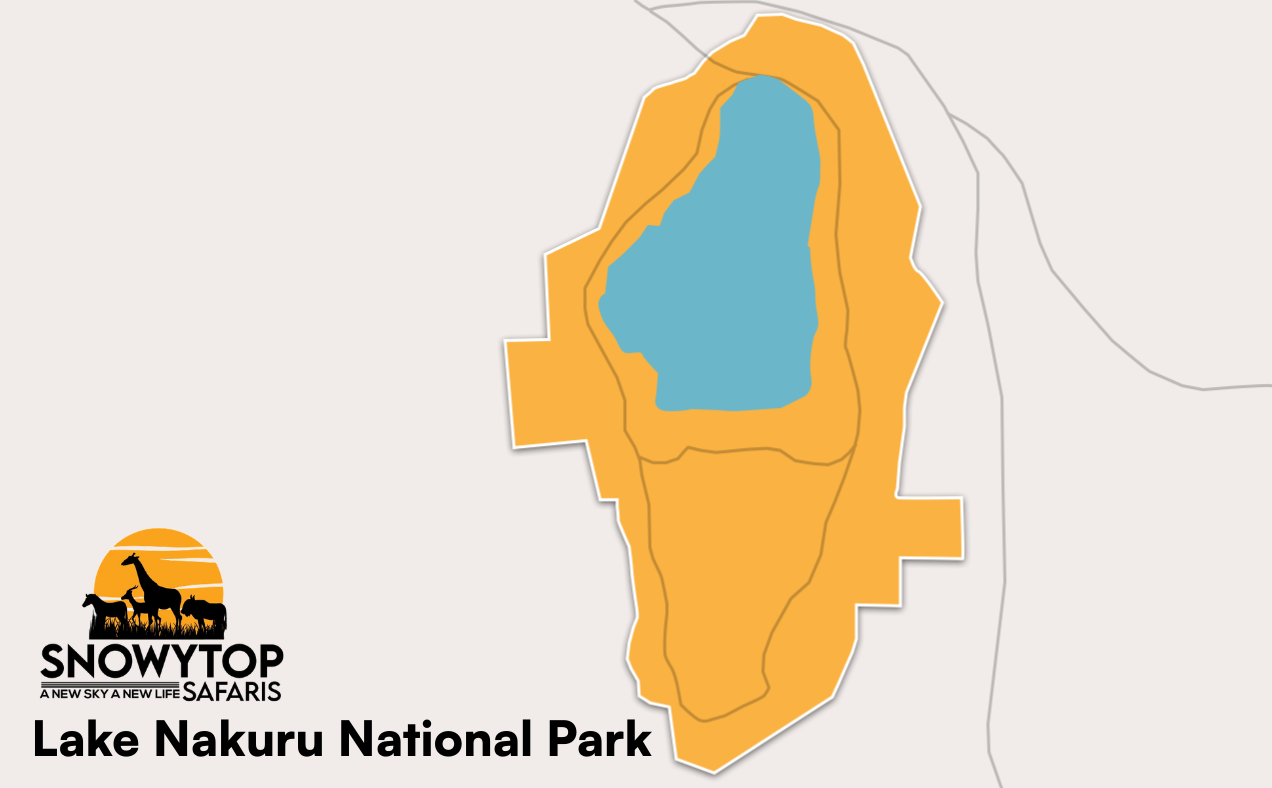
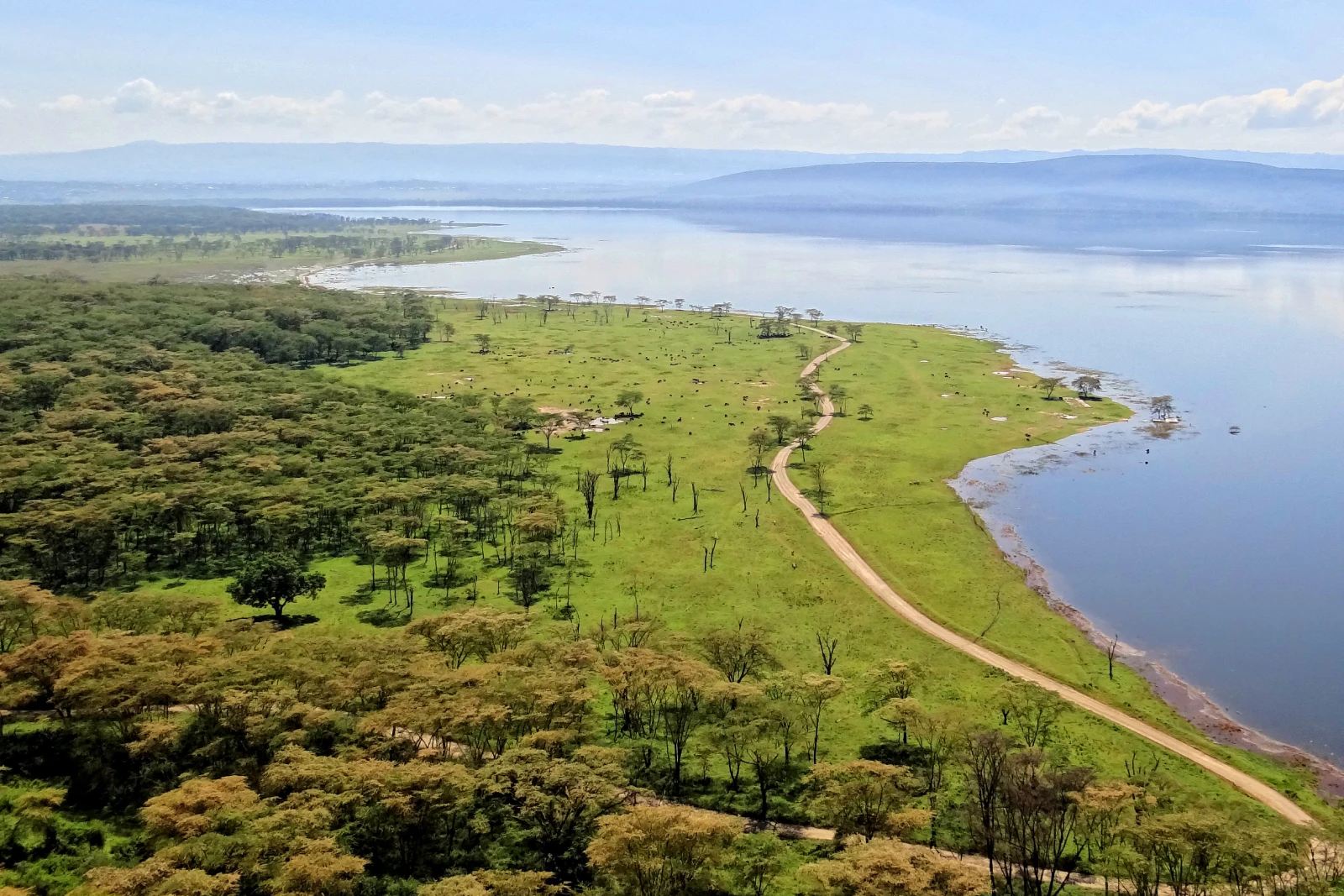
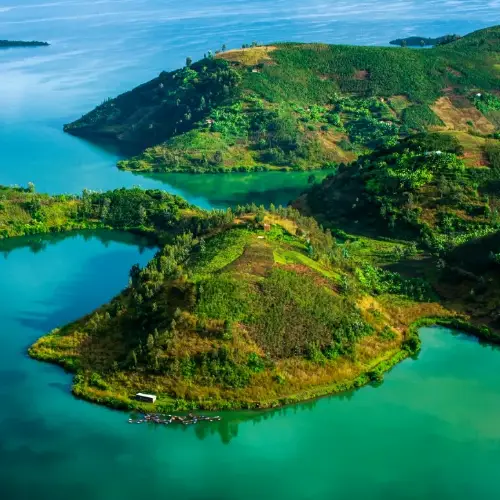
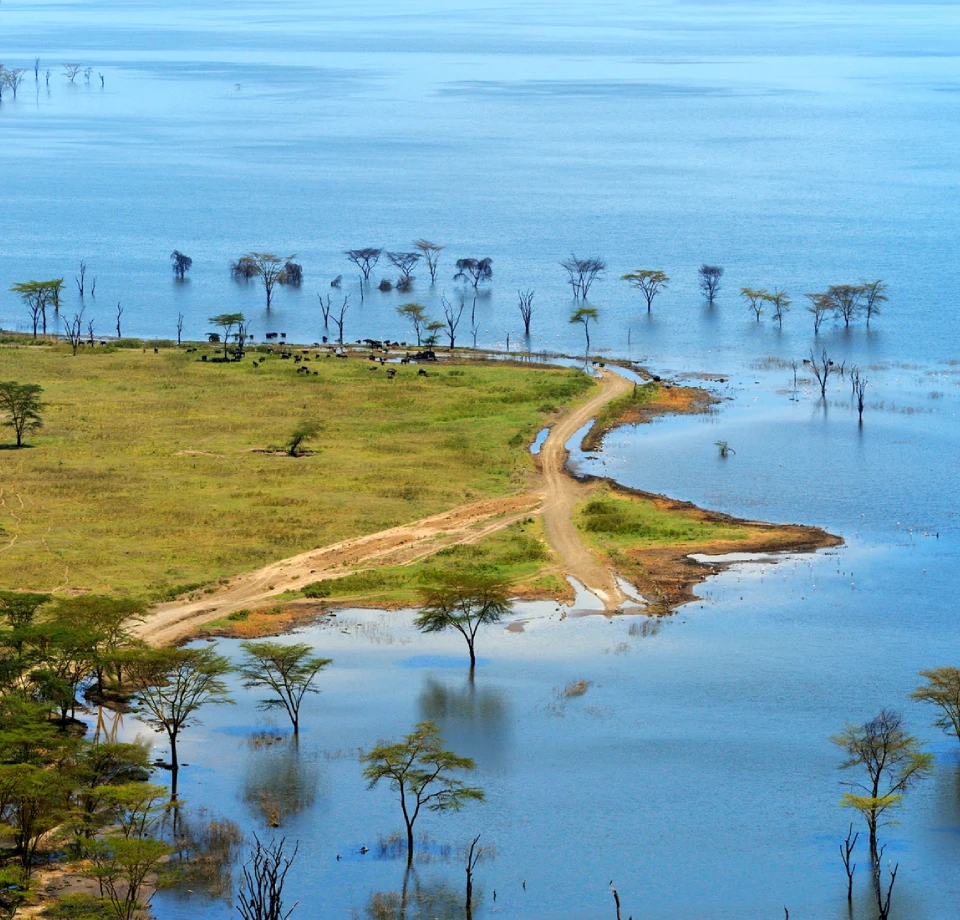
Lake Nakuru National Park sits right beside Nakuru, so the drive-in is easy and the day starts quickly. The park wraps around a shallow lake, and the shoreline doesn’t stay put. Water levels have risen and fallen hard in recent years, changing what you can access.

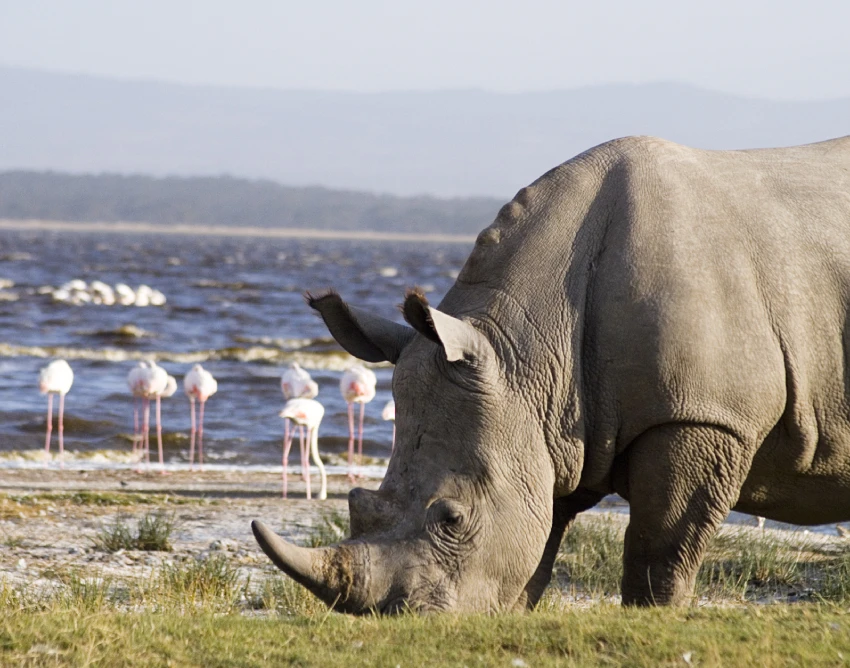
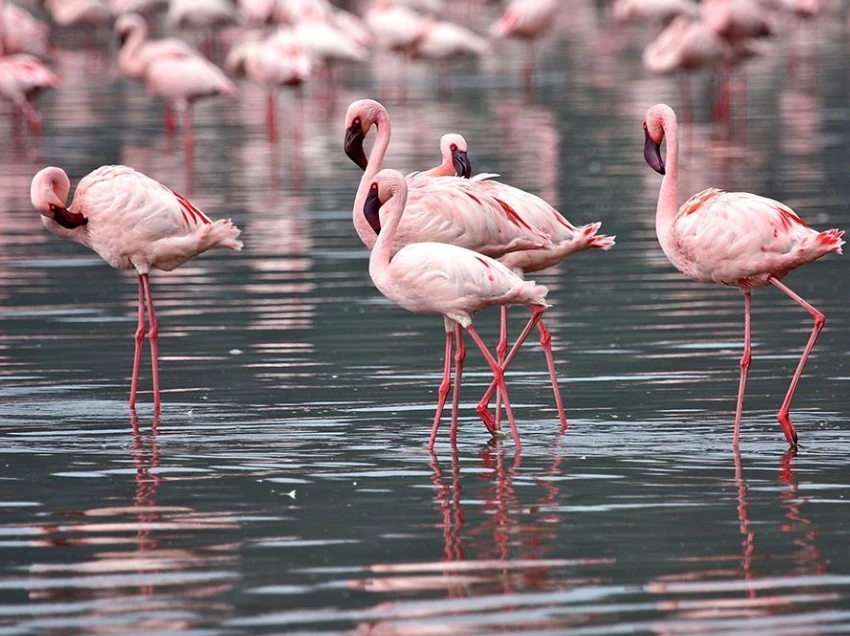
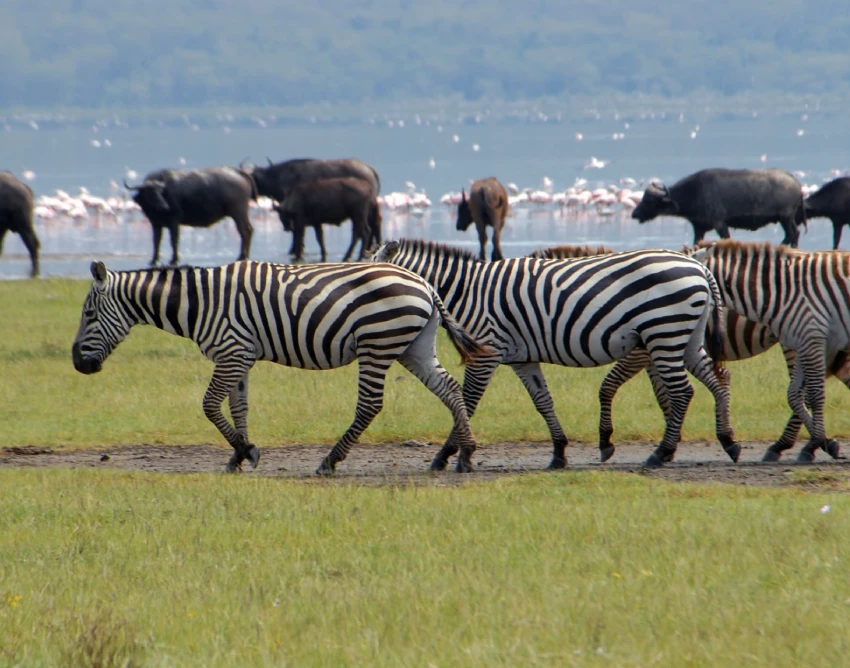
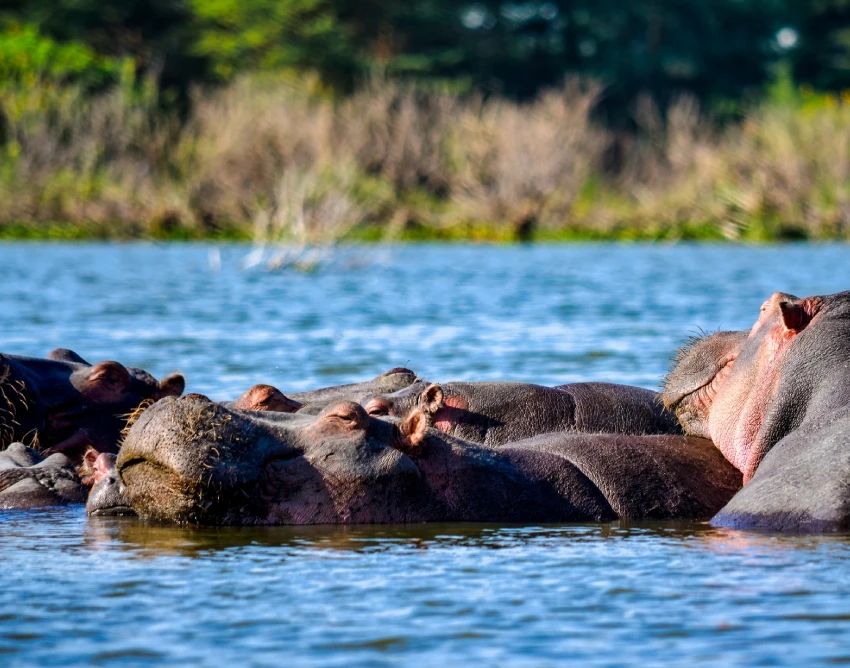
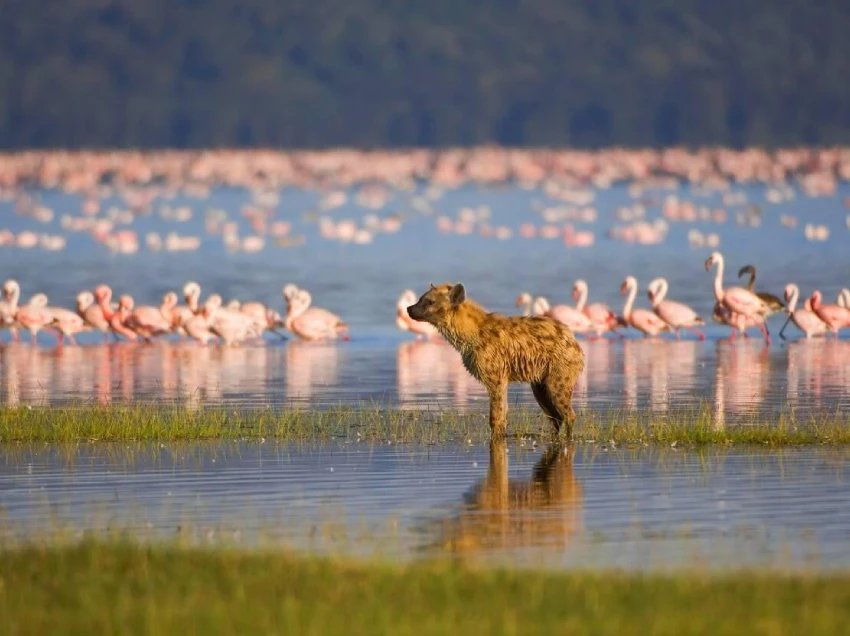
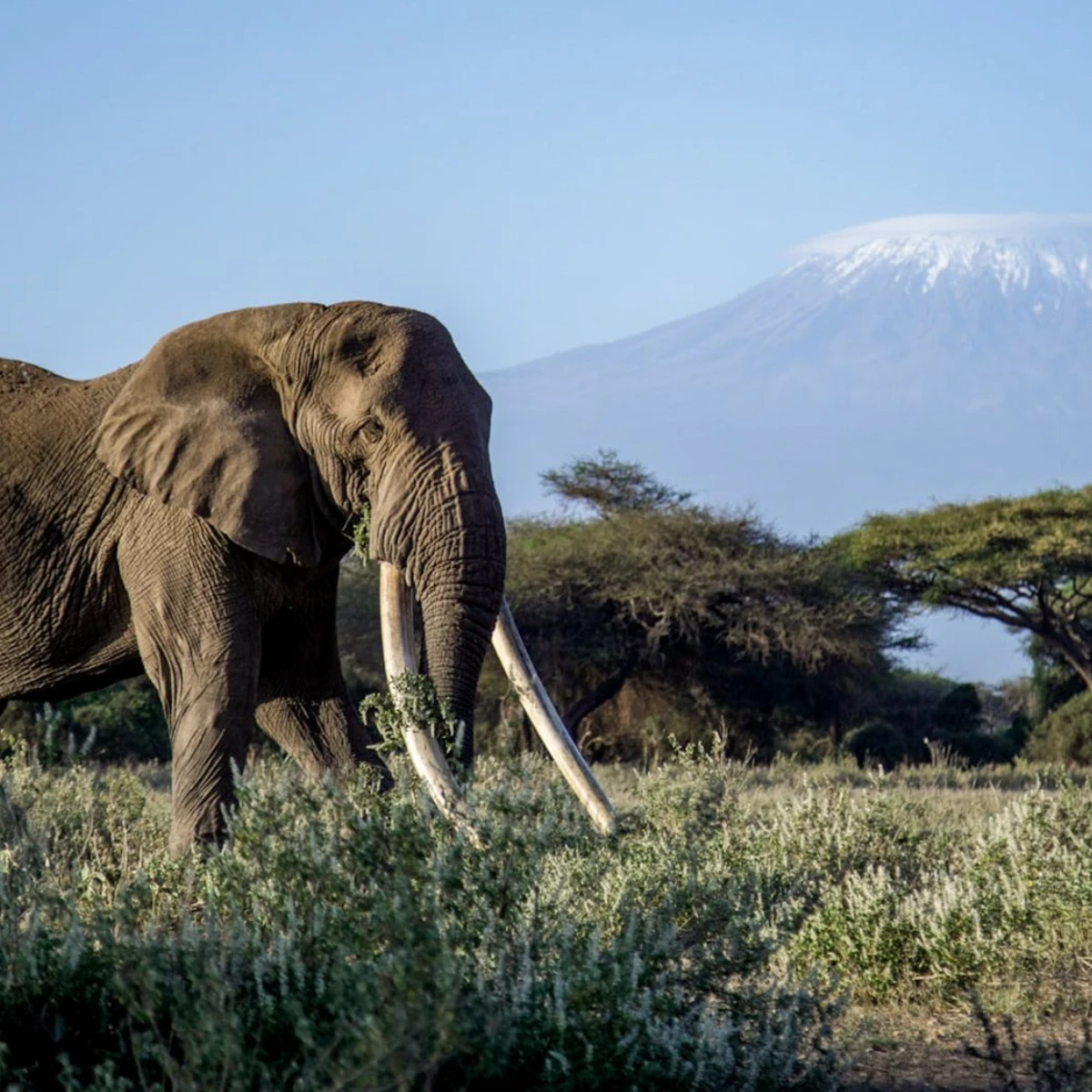
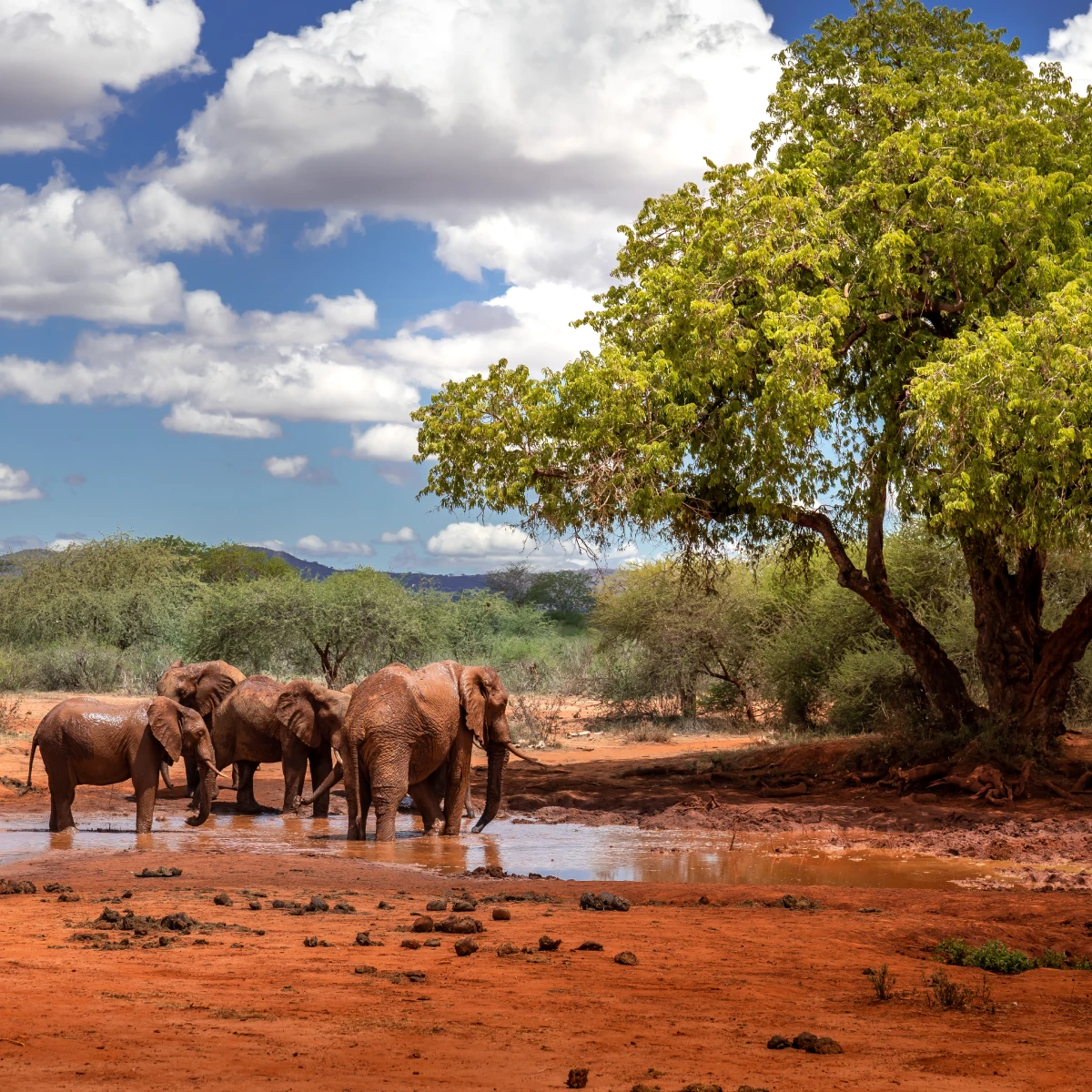
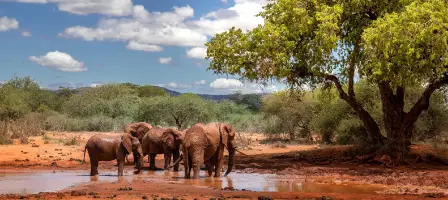
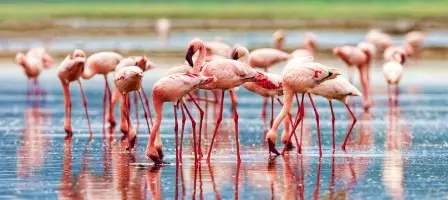
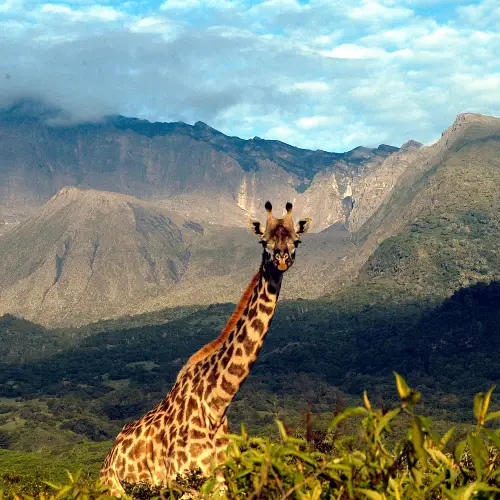
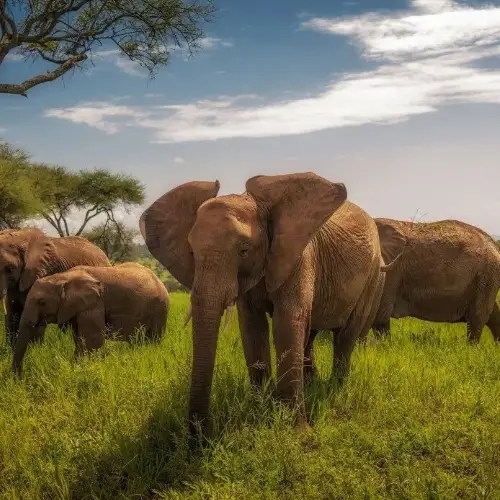
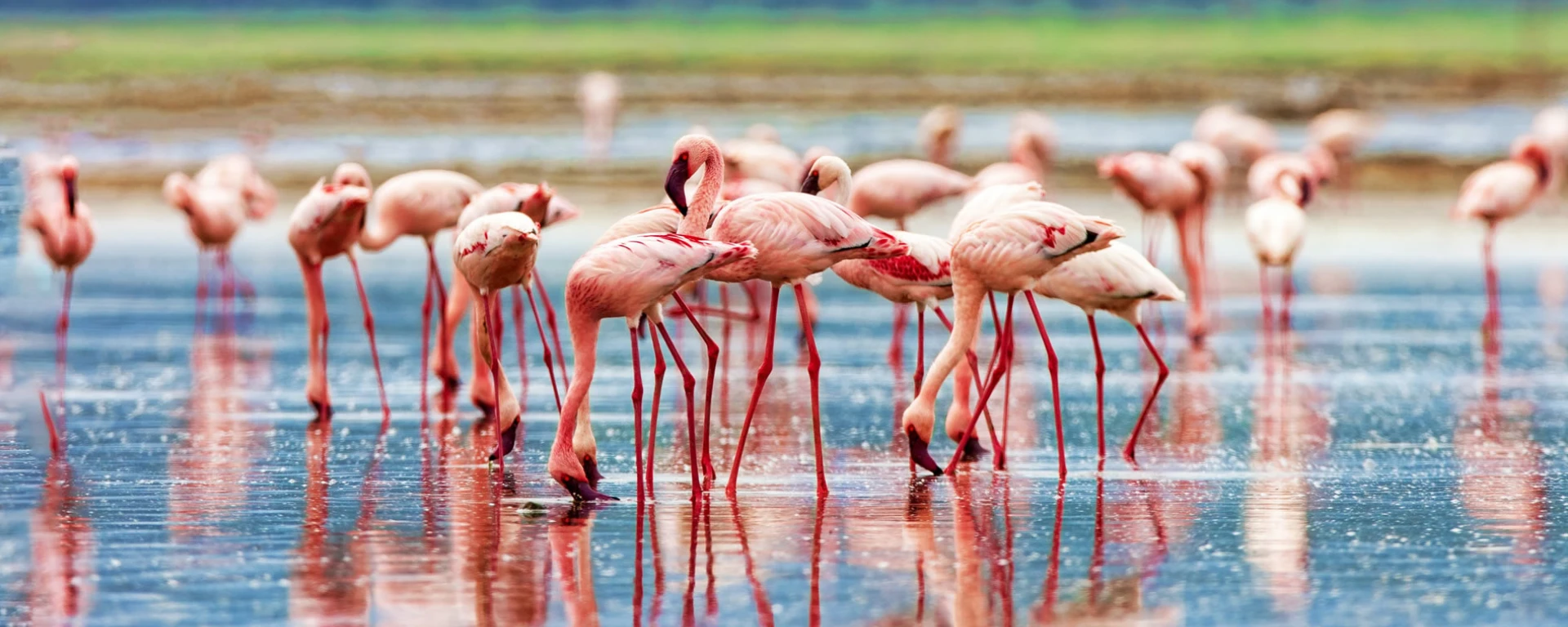
That lake shift affects birds first—flamingos can be many, then suddenly few—and it can force track changes too. Even so, wildlife viewing stays straightforward. Elephants are the one big absence, but buffalo, hippo, giraffe, and plenty of antelope keep things busy. For many Kenya safari tours, this is the rhino stop.

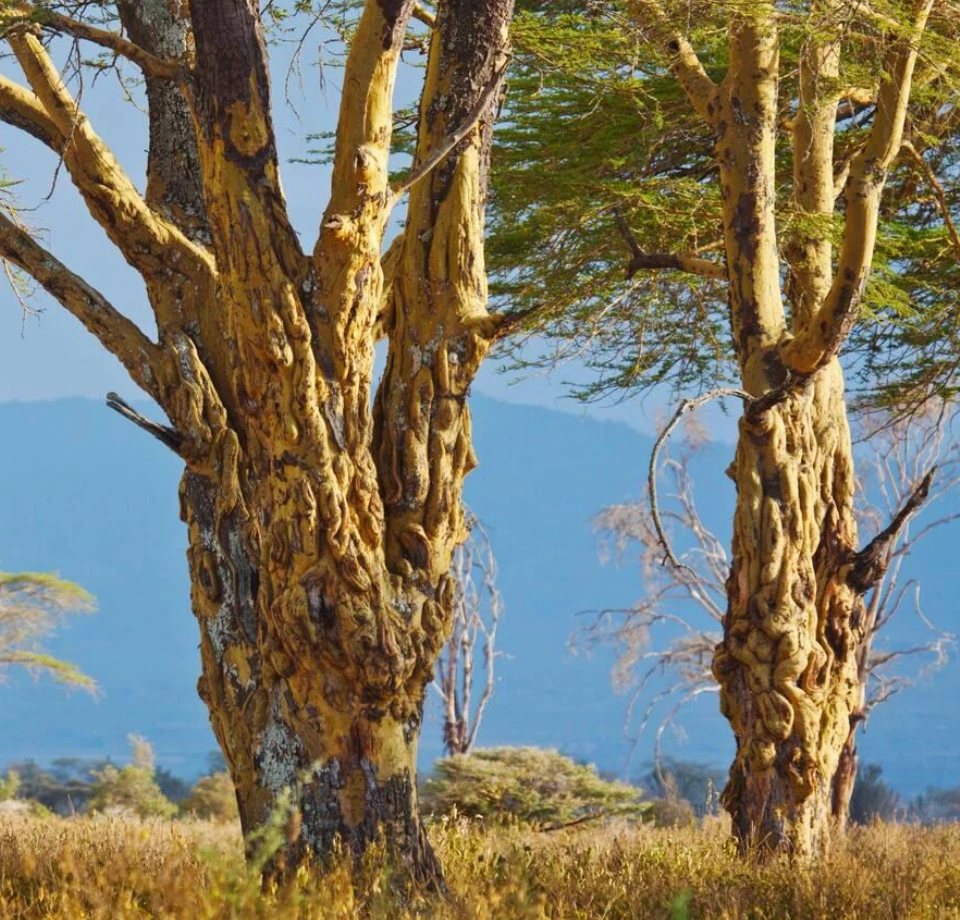
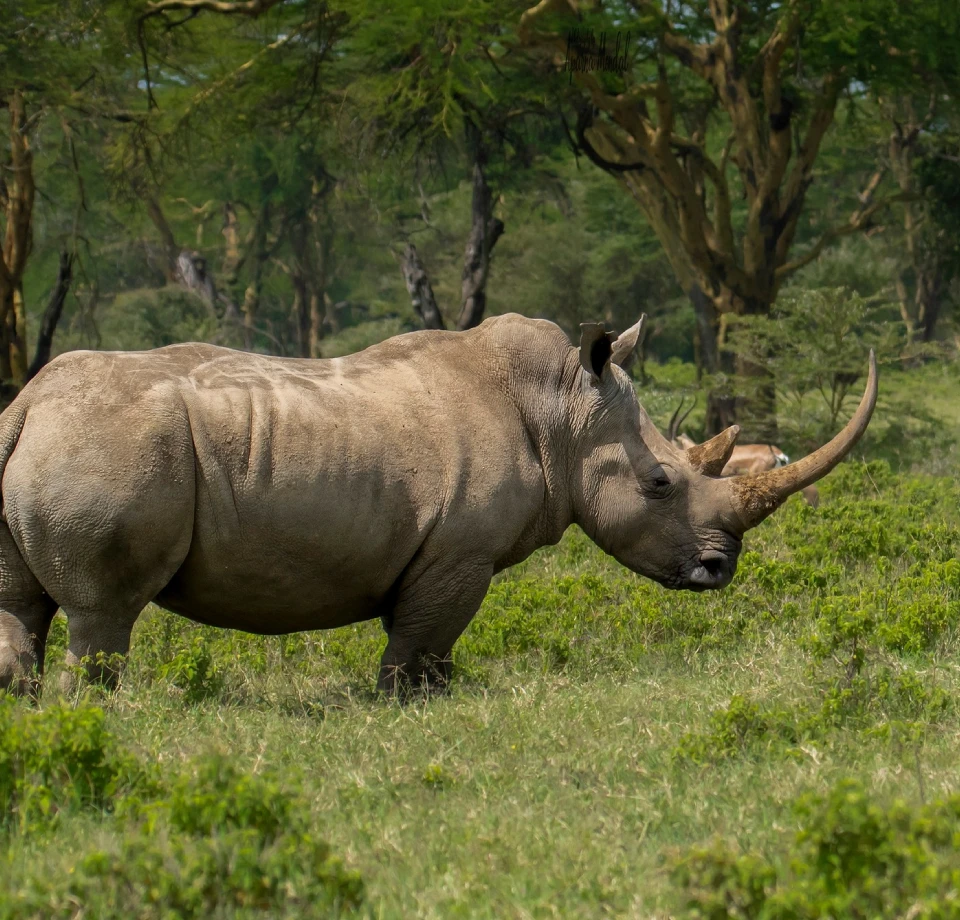
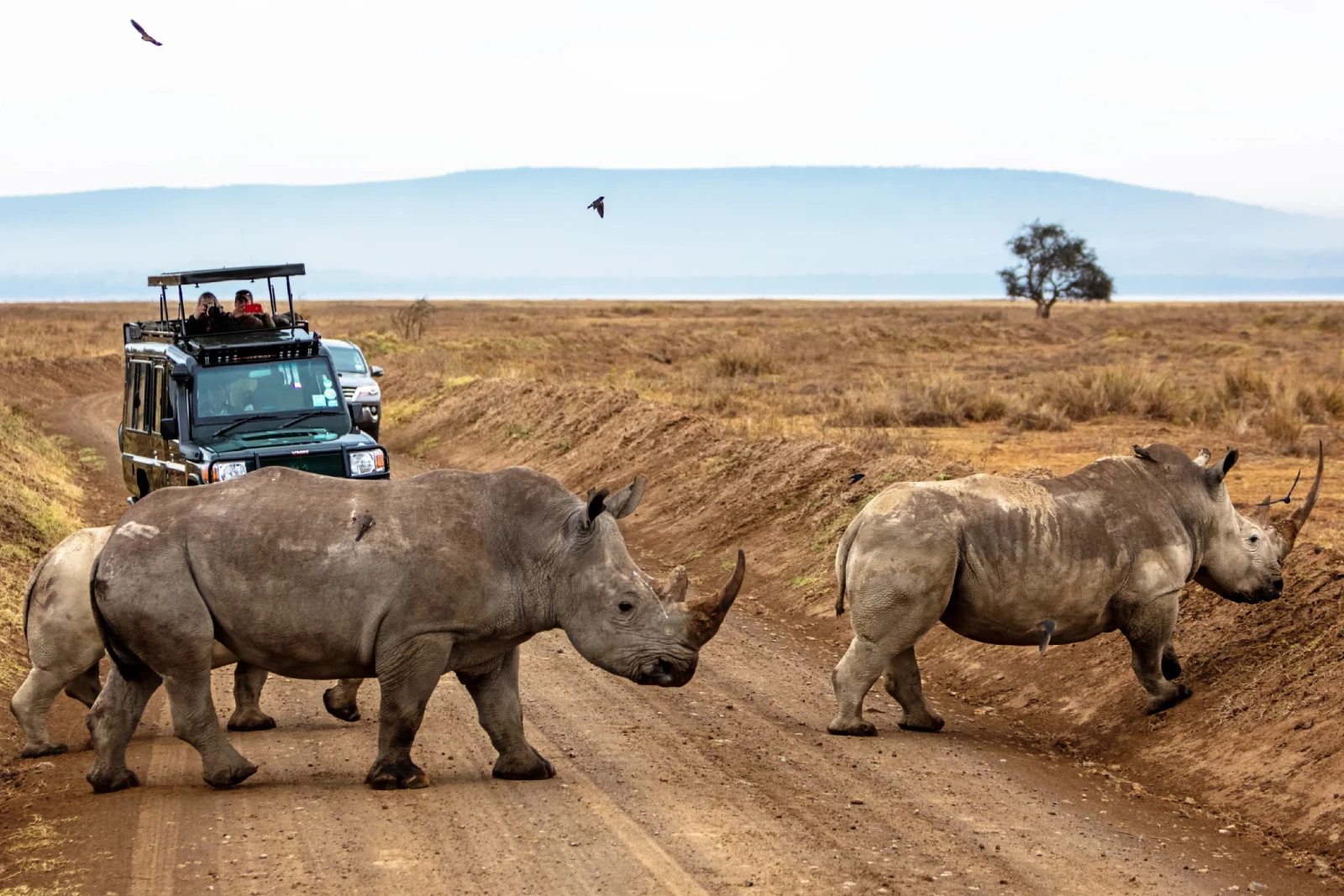
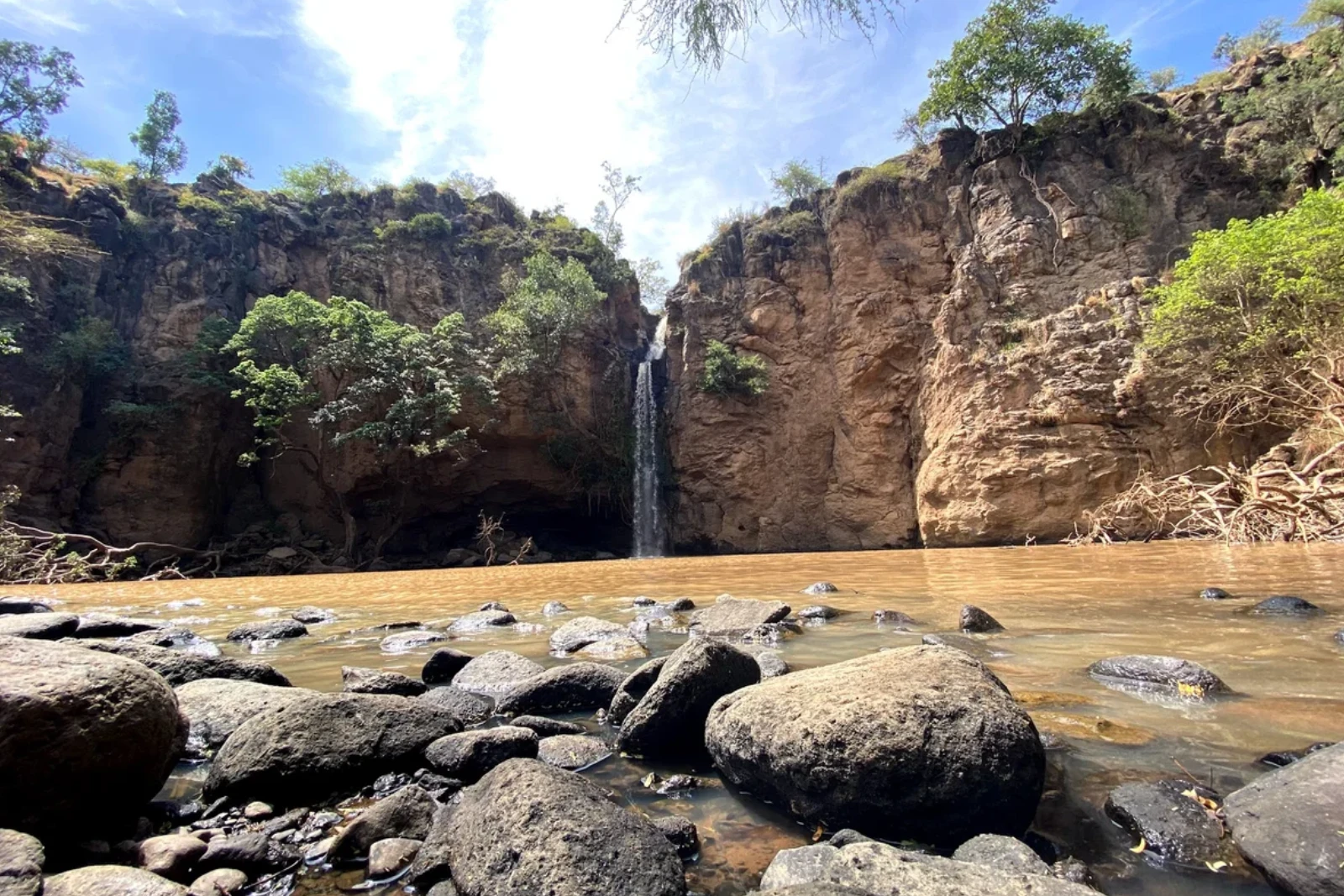
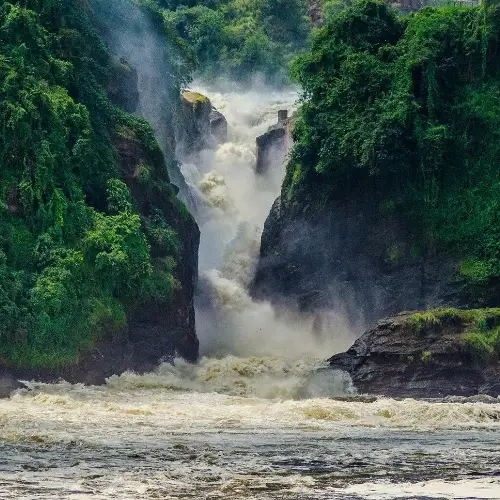
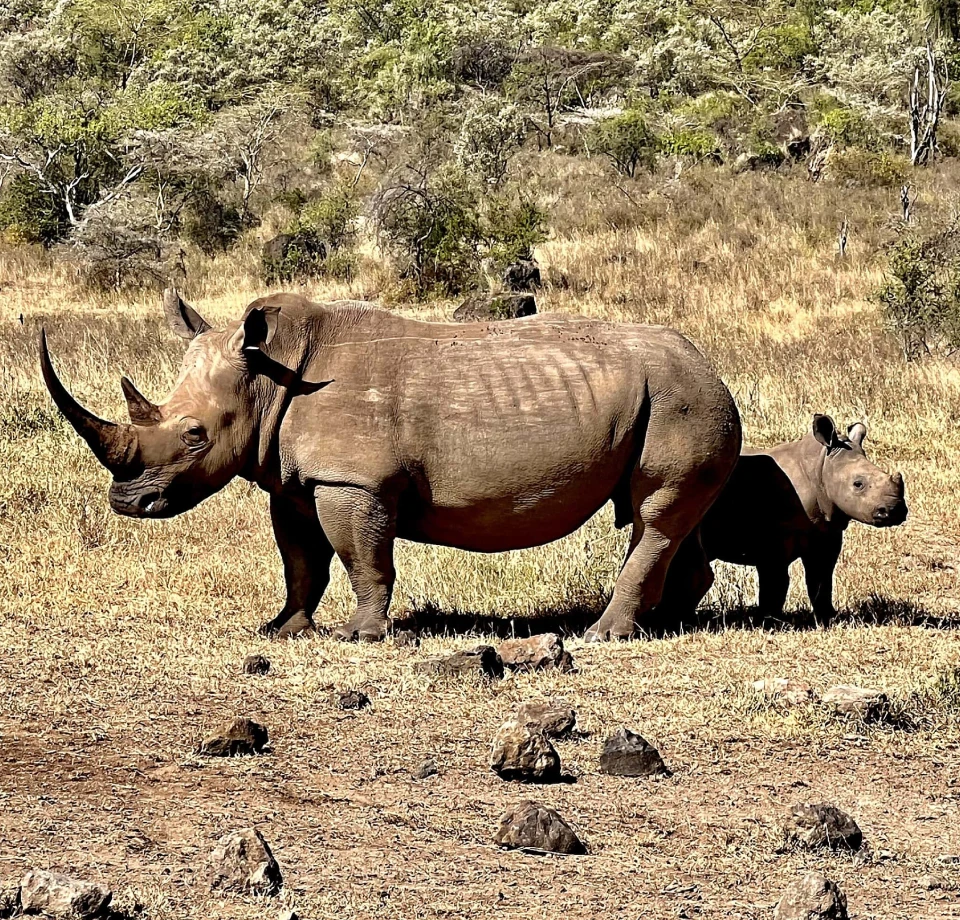
Rhinos are the headline: black and white live here, and white rhinos are often easiest along the western lakeshore. The backdrop is an escarpment and yellow fever trees. Stop at Out of Africa Lookout, then swing south for Makalia Falls.

Get Started

Life-Enriching Travel

Designed Just for You

  • Trips curated by the world’s top destination experts
  • Concierge-level service leading up to and during your trip
  • Unique, exclusive experiences and insider access


500+ Verified Traveler Reviews

Snowytop Safaris LTD

Why Visit
Lake Nakuru National Park

Lake Nakuru is a strong choice when time is tight, but you still want serious sightings. The park is fenced, so animals don’t drift far when rains arrive, and you can cover different habitats in a single drive. Rhino viewing is usually the easiest in Kenya, and birdlife stays busy even when flamingos are low. Add the lookout views, a quick stop at Makalia Falls, and you get a full day that feels complete for Kenya wildlife without rushing anyone.

Lake Nakuru National Park

Understanding Lake Nakuru at a Glance

Five tabs to help you match roads, birds, rhino viewing, and timing to your style.

Yellow fever trees

Escarpment Lake Basin

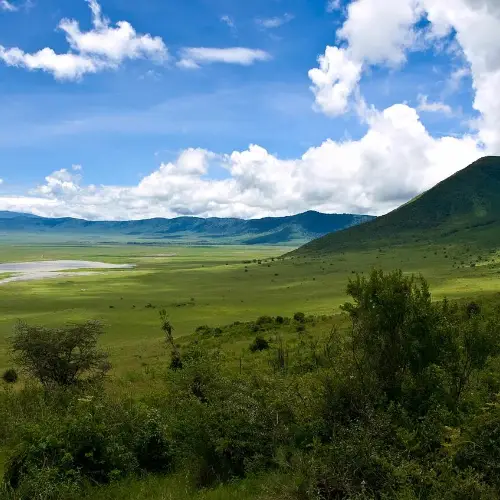
For a small park, the setting is dramatic. The lake sits under the Rift escarpment, with yellow fever trees and patches of acacia around the shore. Mist can hang over the water at sunrise, then lift fast once the sun warms the valley. From the lookout, you see the whole basin at once, like a natural amphitheatre after cold nights.
Rhino Stronghold

Rhino Stronghold Habitat

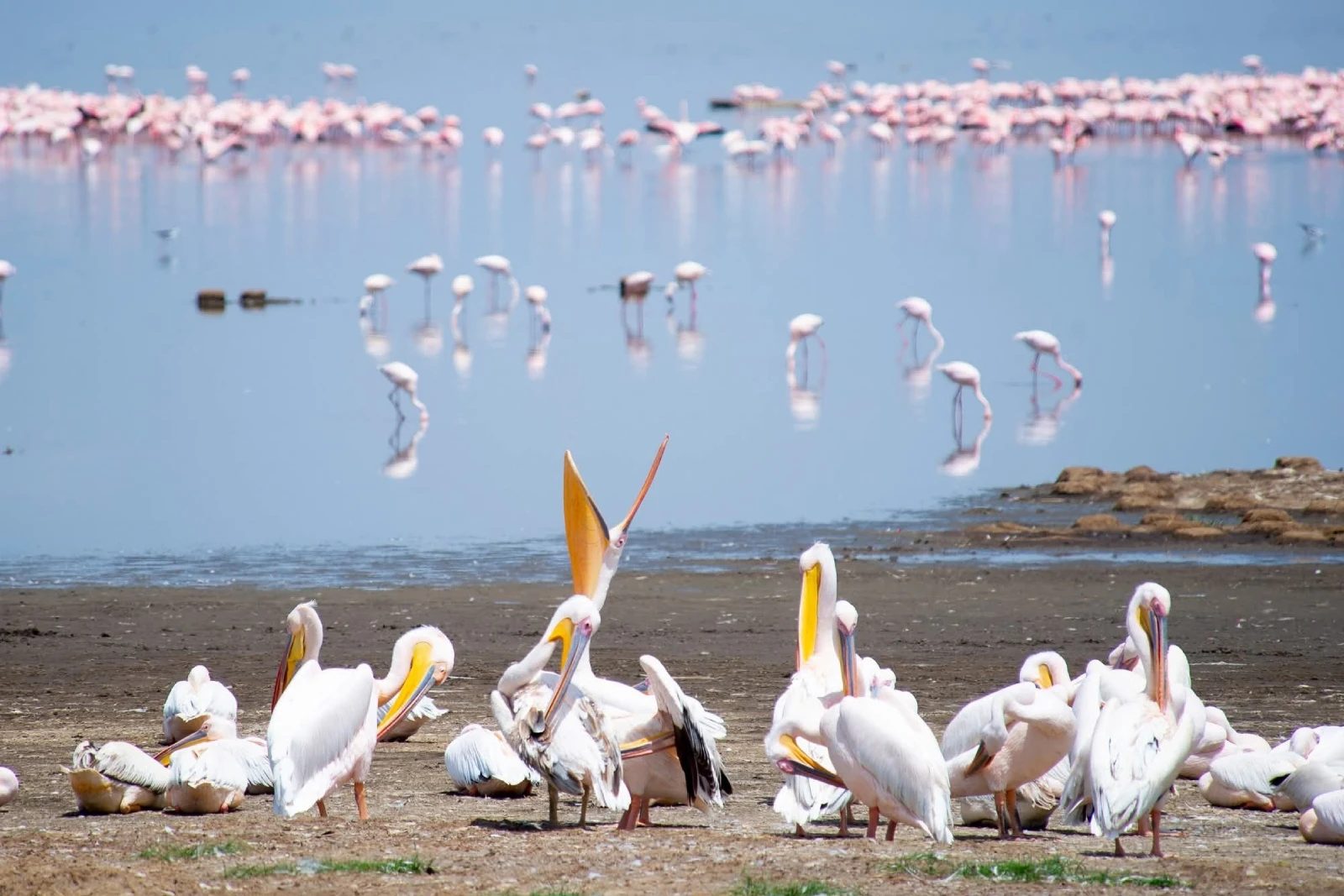
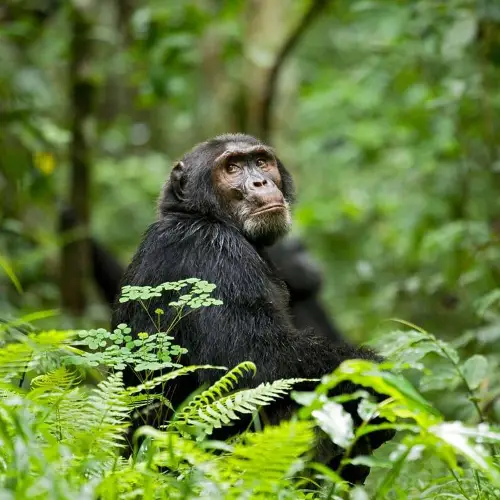
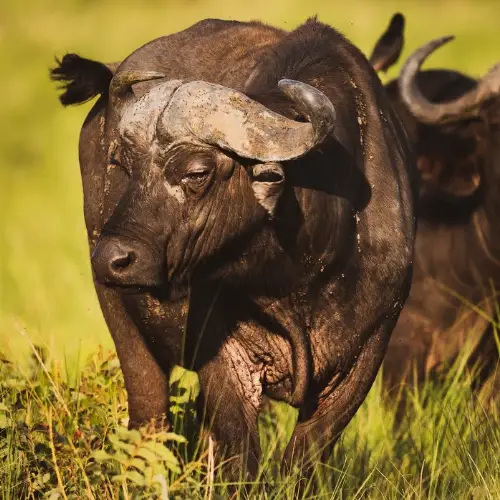
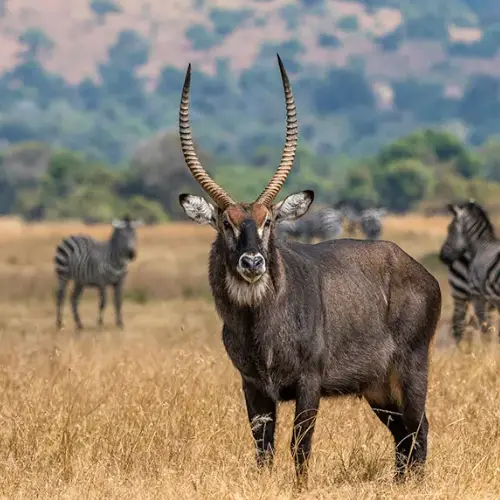
Rhinos are the reason many people come. Both black and white rhinos live here, and white rhinos are often visible grazing near the western shore and causeway. Elephants are absent, but buffalo, hippo, Rothschild’s giraffe, and plenty of antelope fill the gaps. Birding is strong with pelicans, storks, raptors, and sometimes big flamingo numbers on Kenya wildlife safaris most years.

Kenya Weather

Cool Rift Conditions

Nakuru rarely feels scorching because altitude cools the air, especially before breakfast. Daytime temperatures often sit in the mid to high twenties Celsius, then drop at night. The drier stretch is usually June to February. March to May brings the wetter spell, with April often the dampest, which can slow drives and soften some tracks. Pack a fleece for dawn.

Lake Nakuru Wildlife

Lake Rhino Viewpoints

The lake itself is the centrepiece, even when flamingos don’t show up in big numbers. Rhino Point often has pelicans and storks roosting close by. Out of Africa fans like the viewpoint for that wide, airborne feel. Near Makalia Falls, watch for a nesting colony of white-fronted bee-eaters in the sandy bank.

Lake Nakuru City

Easy Rift Access

The main gates are close to Nakuru town, so you can reach the park quickly from Nairobi on the main highway through the Rift Valley. Many travellers visit as a one-night add-on between Lake Naivasha and the Maasai Mara. Because distances are short, it fits neatly into Kenya tour packages without burning a whole travel day with very little stress.

When to Go to Lake Nakuru

The best months are June to February for dry roads, steady rhino viewing, and reliable birds around the lake most days.

  • Best
  • Good
  • Mixed

January is warm, mostly dry, and good for long drives without worrying about soggy tracks. Early mornings can still feel cool. White rhino are often easy to find on the western side, and birdlife stays active along the shore. Works well inside Kenya safari packages before crowds build on weekends.

February stays on the drier side and visibility is usually clear around the lake edge. Heat rises by midday, so the best sightings often come early. Rhino and buffalo keep grazing close to open areas, and raptors cruise above the escarpment. Plan a relaxed pace and water breaks for comfort.

March signals the wetter spell starting, so showers become more likely and some roads can get slick. The park fencing means animals don’t vanish, but driving may slow down. Birding can improve as water spreads into edges and marshy pockets. Carry a light rain jacket and protect cameras in vehicles.

April is often the wettest month, and that can turn a simple loop into a careful, slow drive. Misty mornings look great, but expect mud in low sections and occasional detours. Wildlife is still present and close, just harder to photograph cleanly. A patient Kenya wildlife month with fewer day-trippers.

May can still feel damp, especially early in the month, but it often starts drying toward the end. Grass grows higher, and birds get busy around the water’s edge. Rhino viewing remains steady because they use open patches and regular routes. If you dislike crowds, May is a quiet option.

June is a clean reset. Roads firm up, mornings are crisp, and game drives feel easier to plan. The lake shore becomes more accessible again, and sightings around rhino areas are usually consistent. Pack warm layers for the first drive, then you’ll be comfortable by late morning.

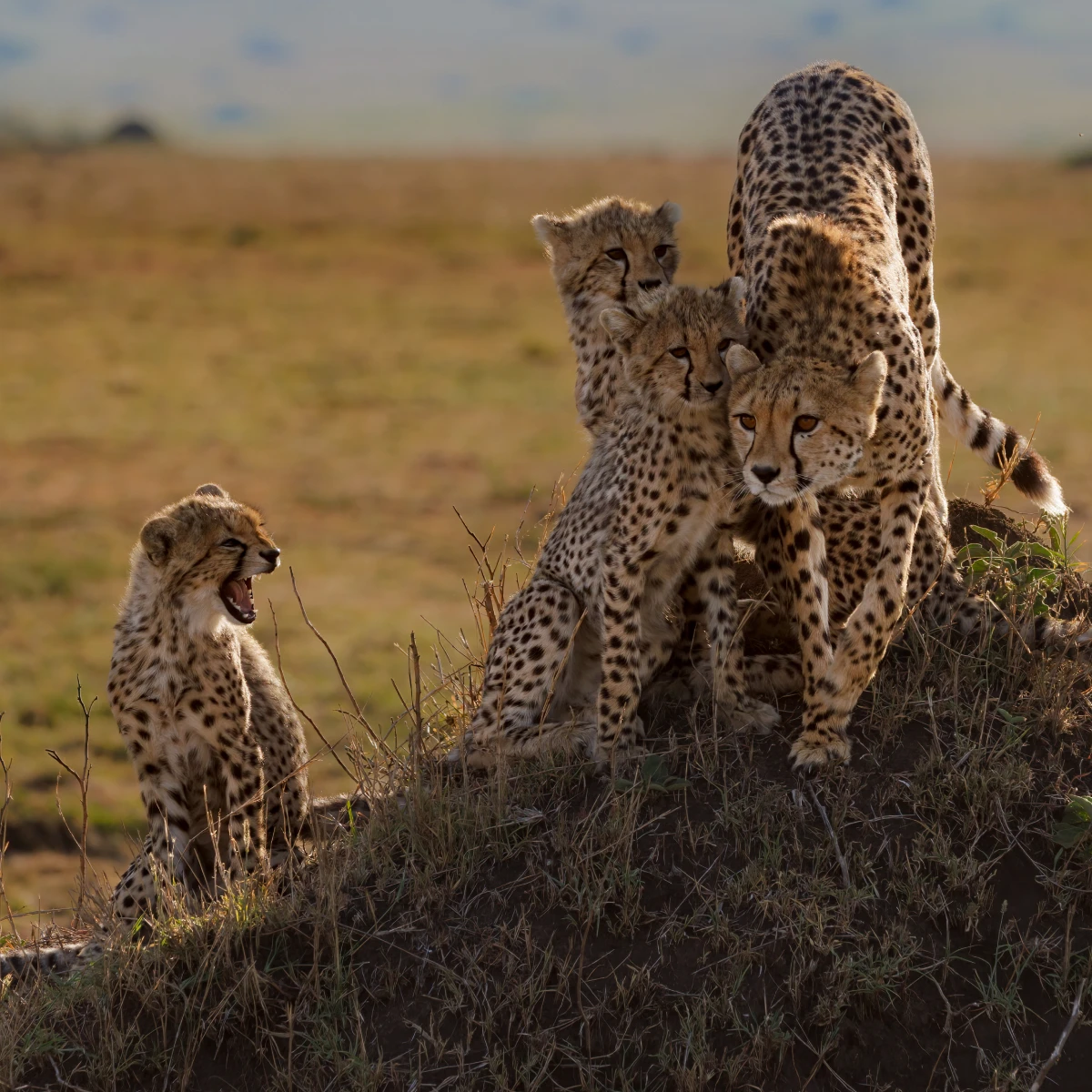
July is dry and popular, so you may share sightings, especially near the western shore and main tracks. The upside is predictable driving and good visibility for cats if you’re lucky. Start early, pause at viewpoints, and let the day breathe. Many Kenya guided tours now also go through Nakuru.

August stays dry and is excellent for first-time visitors who want straightforward wildlife watching. White rhinos are often visible in open grass, buffalo herds move in tight groups, and hippos hold their water spots. Flamingo numbers vary year to year, so treat them as a bonus. Bring binoculars for the pelicans.

September feels similar to August but with a calmer pace as peak travel eases. Light is good for photography in the first hours, and the escarpment backdrop stays clear more often. You can spend time with rhino without rushing between areas. It’s also a nice month to add Naivasha nearby.

October is a shoulder month where the weather can flip. Many days stay dry, then a short shower appears and disappears. Because the park is fenced, wildlife viewing remains decent even as green returns. If you like flexible plans, October suits Kenya travel itineraries that mix lakes, Mara, and Nakuru well.

November can bring showers and softer ground, so expect a few slower sections on drives. The lake edge looks greener, and bird activity can spike, especially around roosting areas. Flamingos may still be hit-or-miss. If you’re combining parks, keep Nakuru as a shorter stop and move on when roads worsen.

December is busy with holiday travel, and you’ll notice more vehicles near popular viewpoints. The weather is mixed: some clear mornings, some short rains. Wildlife stays easy to find, and birding remains a reason to visit. If you’re planning Kenya family vacations, book lodges early and start drives at first light.

Quick Lake Nakuru Travel FAQs

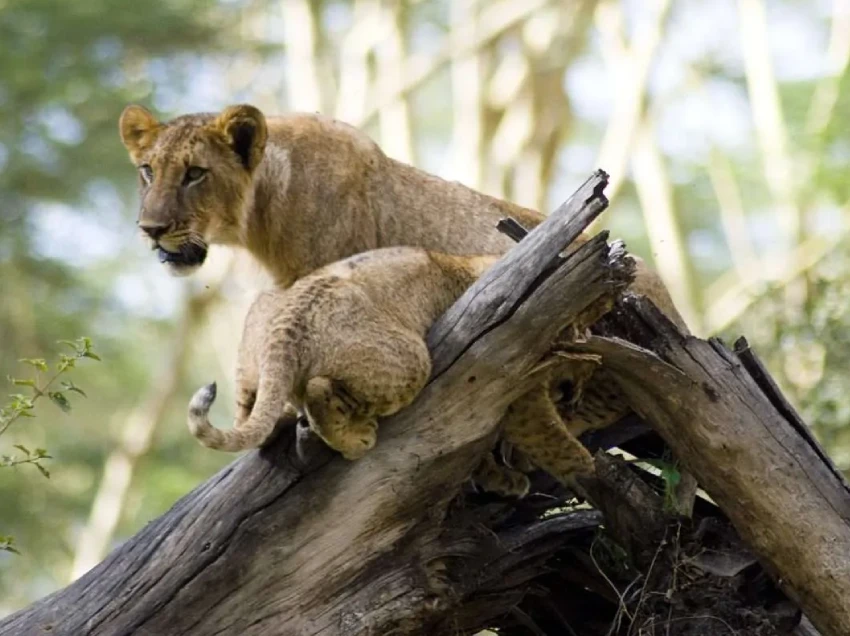
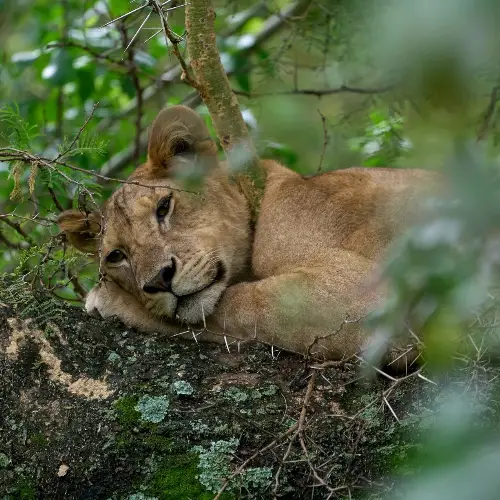
Almost. You can see lion, leopard (with luck), buffalo, and rhino—but elephants are not in the park. That’s why many Kenya safari packages pair Nakuru with elephant parks.

No. Numbers rise and fall with water conditions and food availability. Think of flamingos as a bonus and plan for pelicans, storks, and raptors instead—great for Kenya wildlife safaris.

Yes, especially from Nairobi or Naivasha. Because the gate is close to town, it fits well into many Kenya travel itineraries without a long transfer.

Layers. Mornings can feel chilly, then warm up fast. A light jacket plus something breathable works, especially if you’re doing early starts on Kenya guided tours.

One full day is usually enough for rhino and birding. If you want slower pacing and more photography time, add a night at nearby Kenya safari lodges.

Lake Nakuru Safari Experiences

Lake Nakuru is about quick, close moments rather than endless driving. You can watch rhino feed in open grass, track pelicans along the shore, then climb to a viewpoint for the whole Rift bowl. It suits short stays, couples, and small groups who want variety in a single day, especially for those coming from nearby Kenya safari lodges, and still get a good night's sleep.

Talk to a Safari Specialist Today

and design your travel plans.

Call +254 723 619669

OR

Enquire Now
  • Lawrence

  • Margaret

  • Mugambi

Our Safari Experts

Safaris You Can Book

Browse all our safari options designed around realistic travel days, trusted guides, and comfortable stays across East Africa.

Explore Iconic Kenya

Witness abundant wildlife, diverse scenery, cultural heritage, and warm hospitality throughout remarkable Kenya.

Get Started On Your Trip

You can contact us anytime, and we’ll support your
planning from early ideas to final details.

Get in touch

What Travellers Say

Real feedback from guests who have traveled with SnowyTop Safaris LTD across East Africa.

Local Team Insight

Our guides and planners work in Kenya and nearby parks year-round. You get route advice that matches road conditions, seasons and lodge standards, not generic online suggestions for your dates.

Clear Trip Planning

We keep planning simple: quick replies, clear inclusions, and realistic drive times. If something won’t fit, we say so early and suggest a better option without pushing upgrades or extras.

Support Throughout Travel

From airport pickup to your last game drive, we stay reachable. You get help with permits, timing and small changes, so the trip keeps moving smoothly even when plans shift.