

Mount Kenya National Park

Kenya’s High Mountain Wilderness

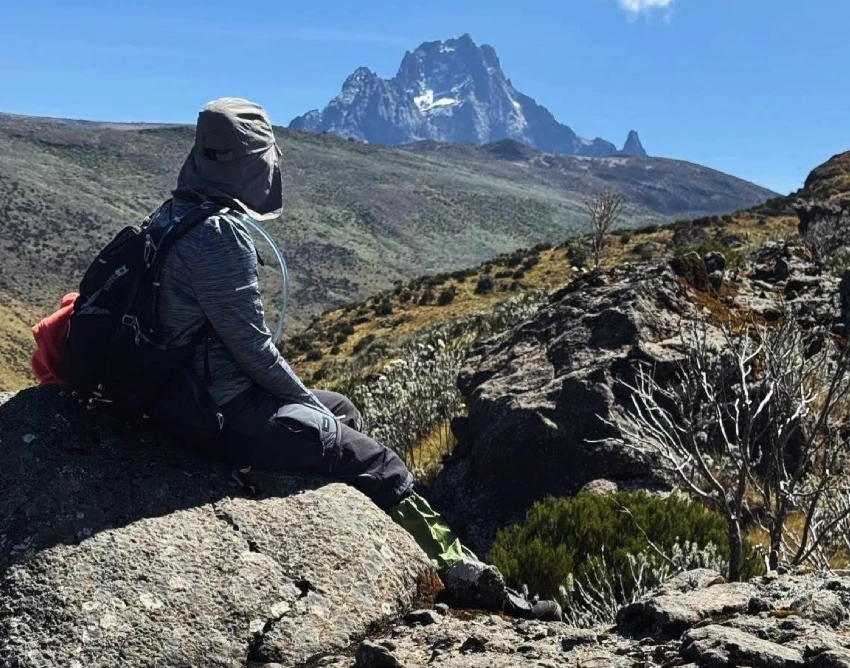
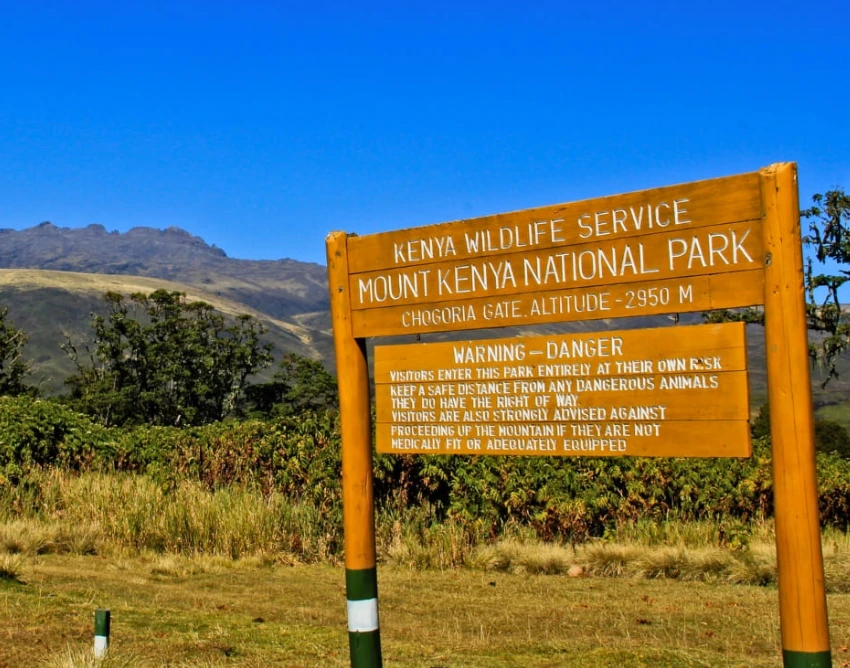
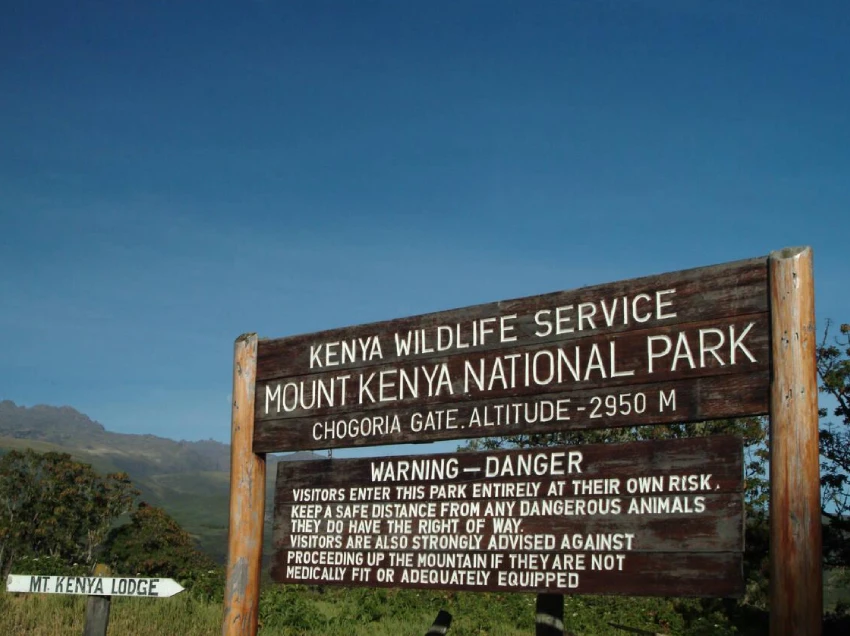
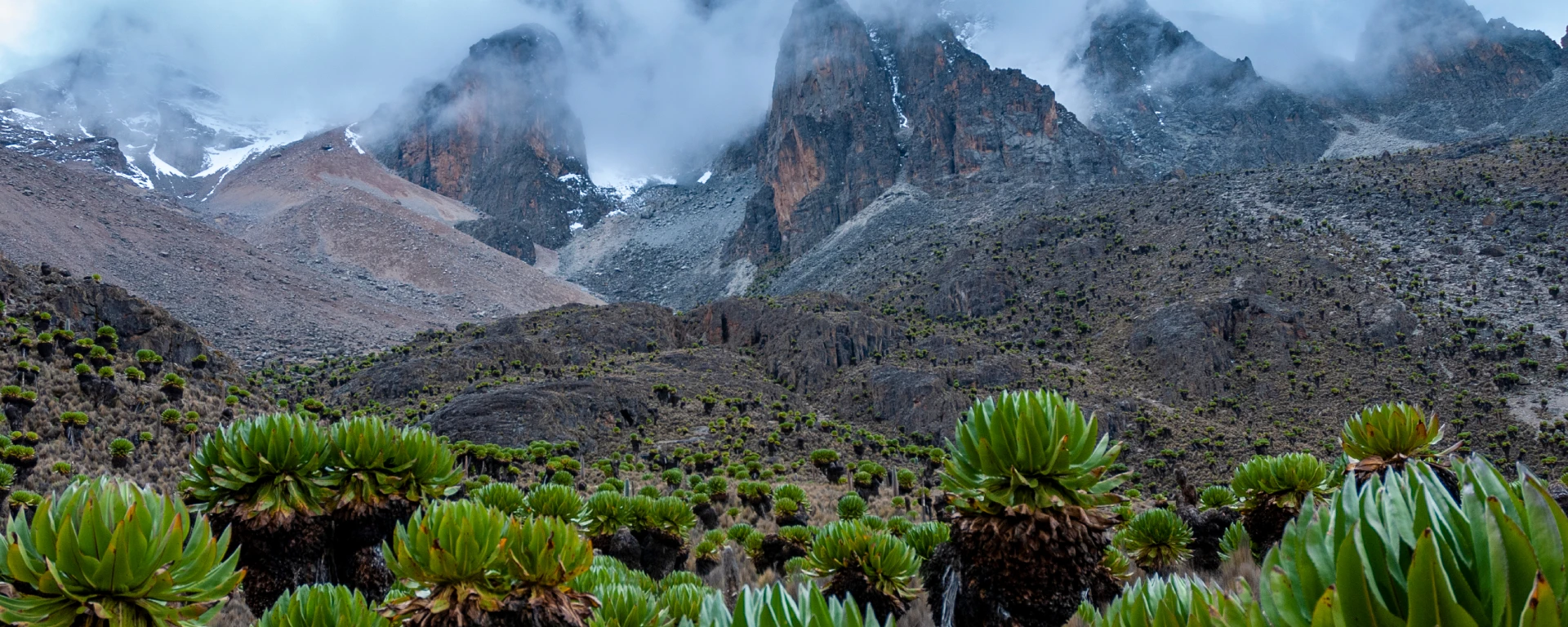
Mount Kenya National Park sits in central Kenya, and the whole place is built around one fact: Mount Kenya rises to 5,199m, the second-highest in Africa. People don’t just “visit” it. They plan around it. Forest gives way to afro-alpine zones, rivers begin here, and you feel the temperature drop as you climb. It’s one of the strongest Kenya tourist attractions for travellers who want altitude, not savannah.

This mountain is also cultural ground. The Kikuyu people have long viewed Mount Kenya as sacred, tied to Ngai, and older traditions even pointed homes toward the mountain. That kind of detail changes how you look at it; it stops being a backdrop and starts feeling like a presence, especially on quiet mornings.

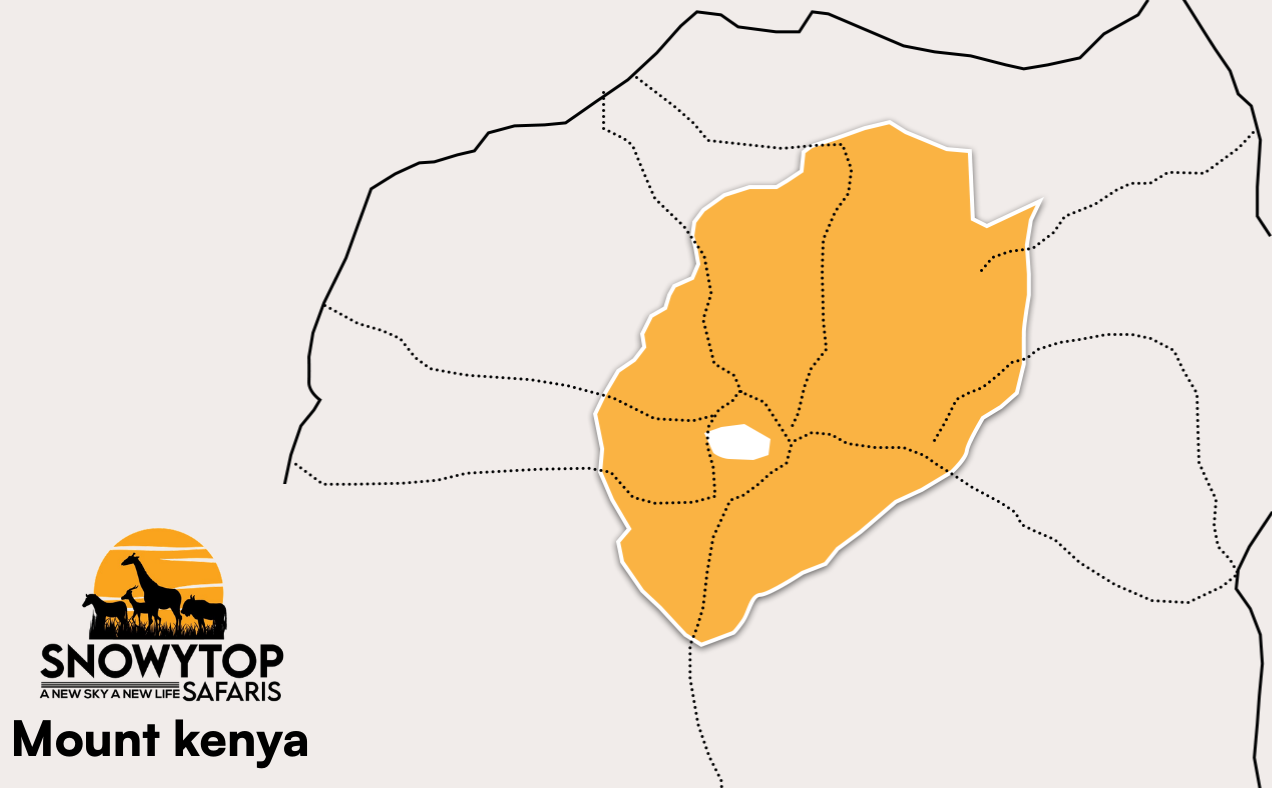
The national park was set up in 1978, and the park, plus the surrounding forest reserve, became a UNESCO World Heritage Site in 1997. Within about 715 km², you get forest, slopes, alpine rivers, and harsh high ground. For Kenya travel itineraries, it can be a full trek or a short scenic detour.

Get Started

Life-Enriching Travel

Designed Just for You

  • Trips curated by the world’s top destination experts
  • Concierge-level service leading up to and during your trip
  • Unique, exclusive experiences and insider access


500+ Verified Traveler Reviews

Snowytop Safaris LTD

Why visit
Mount Kenya National Park

Mount Kenya gives you a different kind of Kenya day. You can do a serious 4–5-day trek, or just spend a day on the lower slopes where forests feel cool and alive. It’s also a rare place where “wildlife” and “hiking” happen in the same frame—elephants and buffalo use the forests, while higher up you’re thinking about weather and breathing. If you want variety beyond classic Kenya safari tours,this park is an easy way to switch the rhythm.

Mount Kenya

Understanding Mount Kenya at a Glance

A simple snapshot of what you’ll actually see and how to plan it without overthinking.

Alpine Mountain Landscapes

Alpine Mountain Landscapes

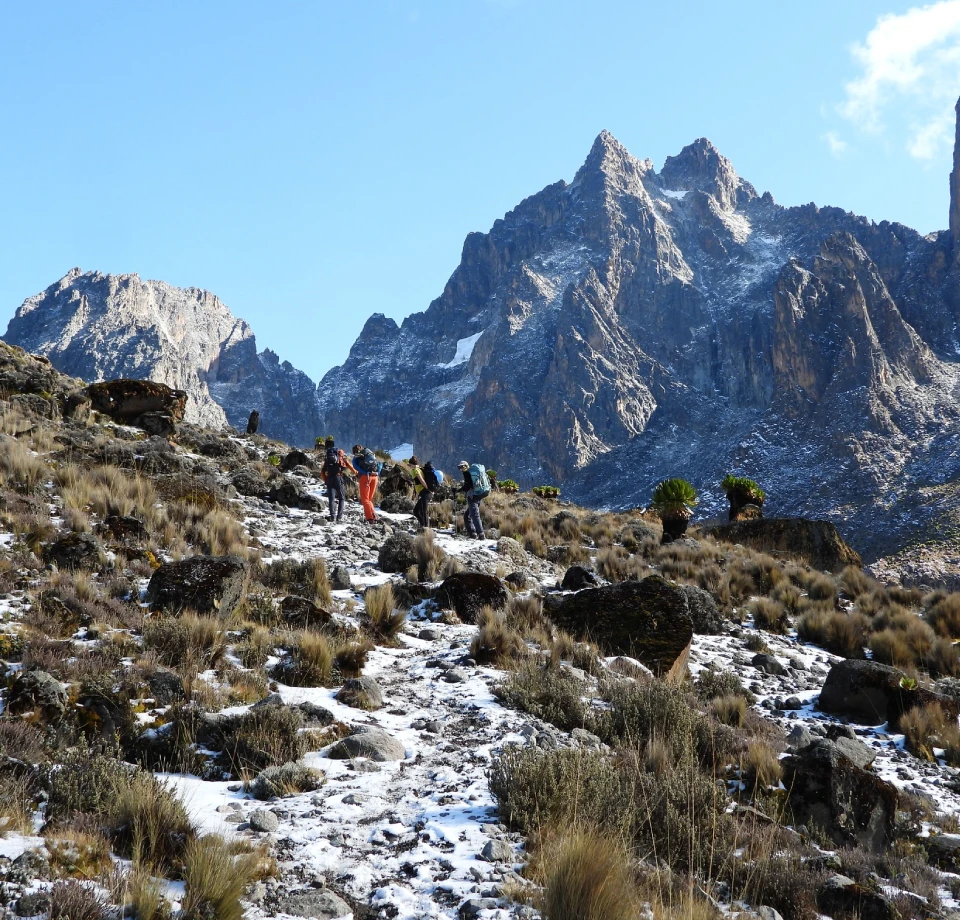
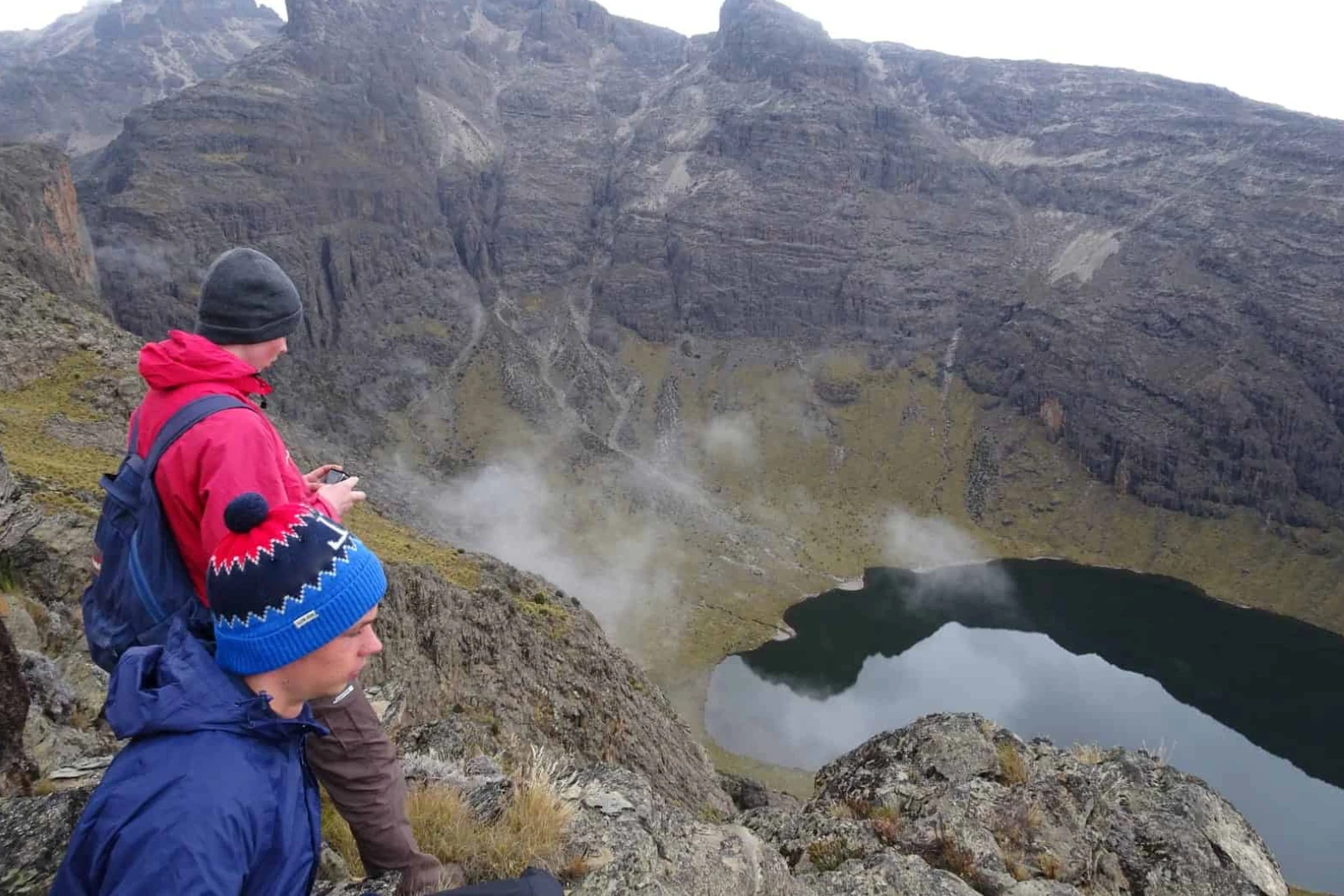
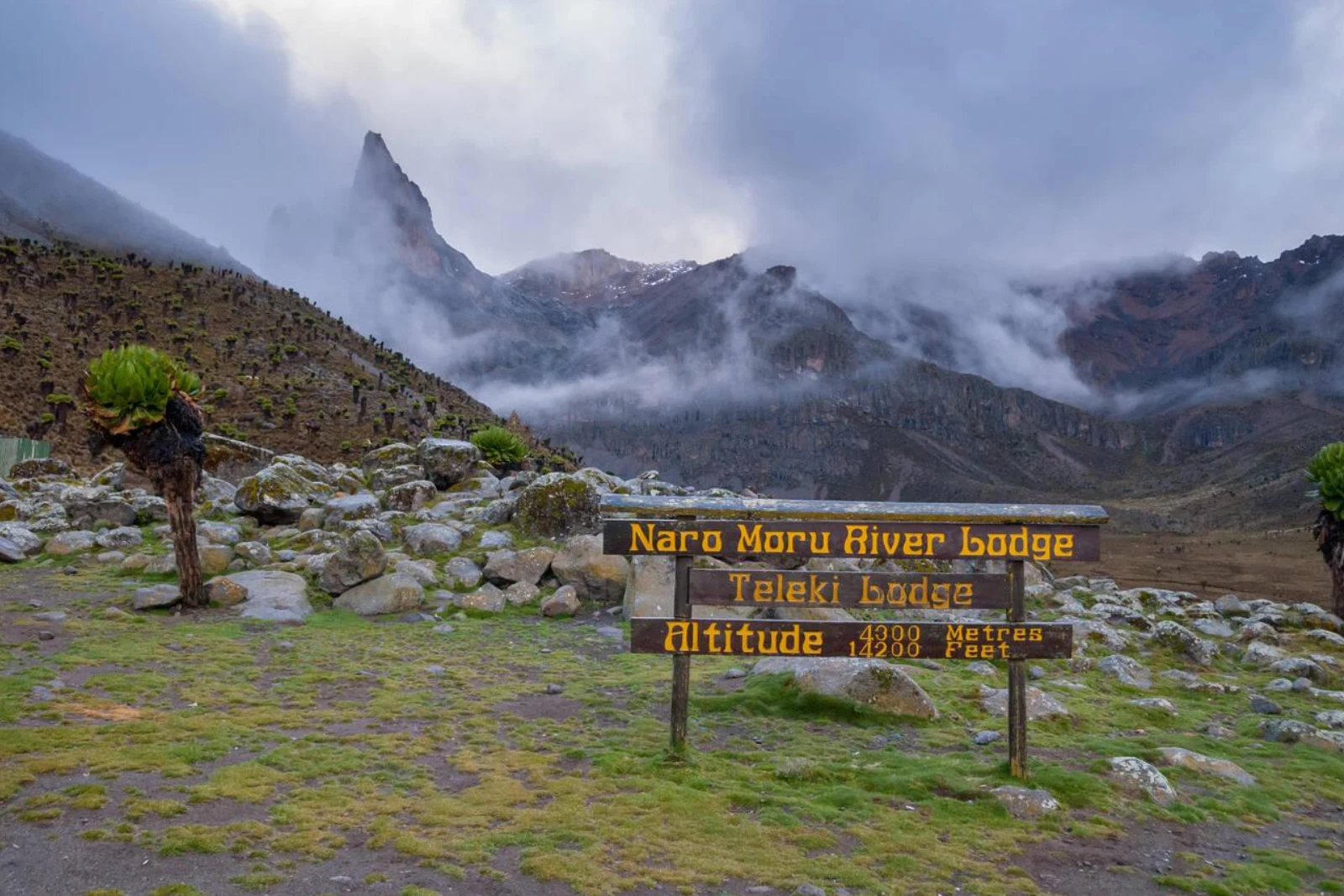
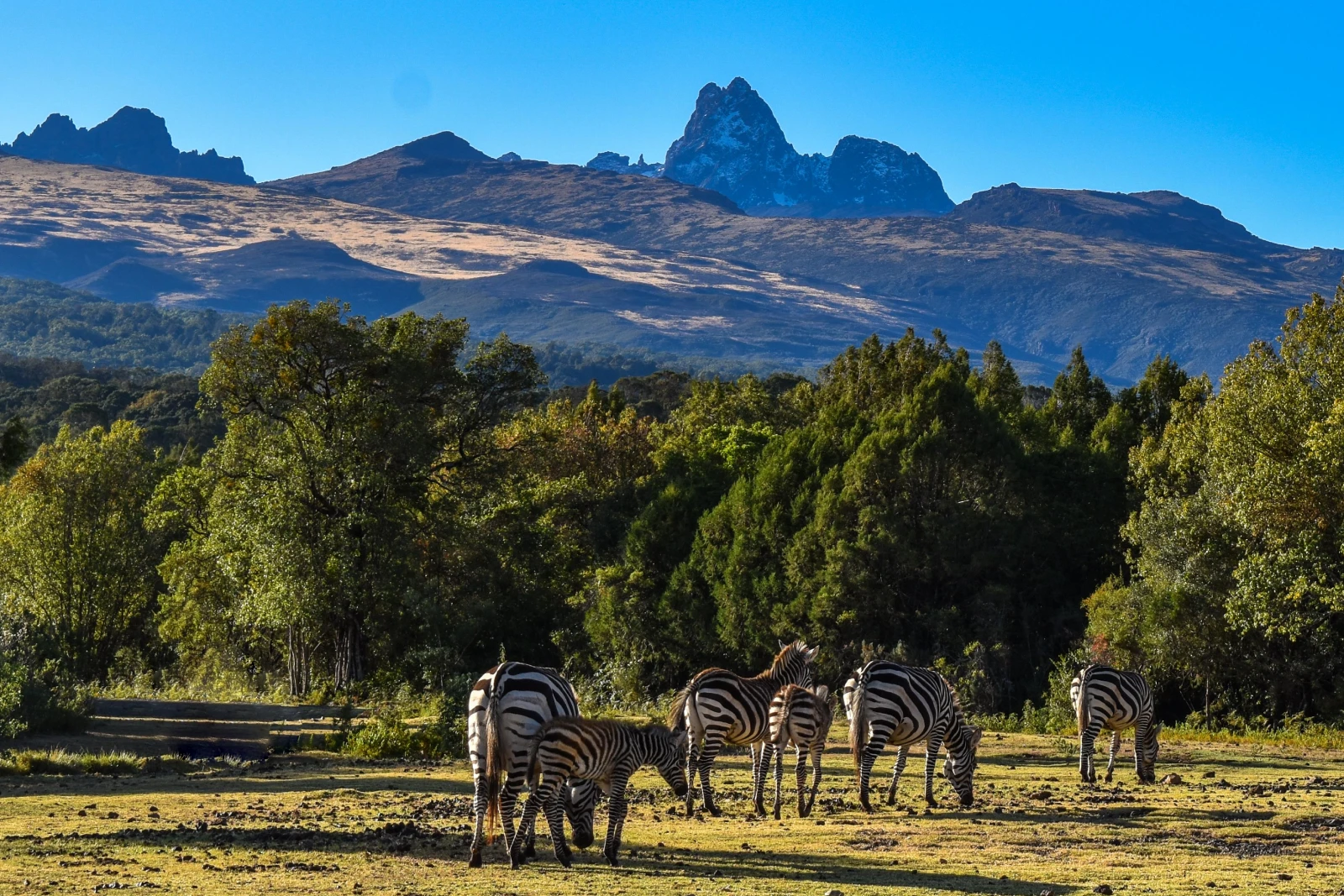
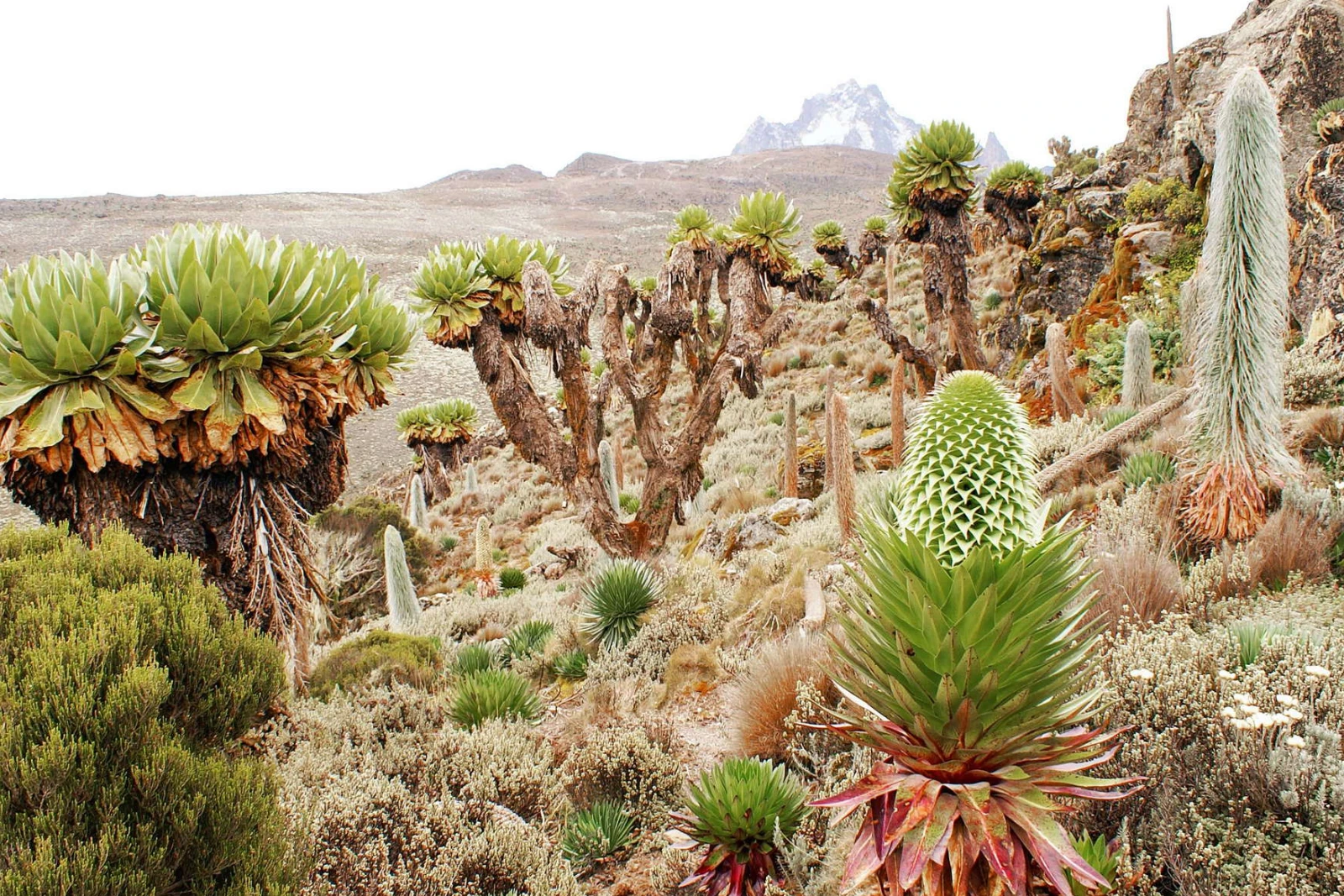
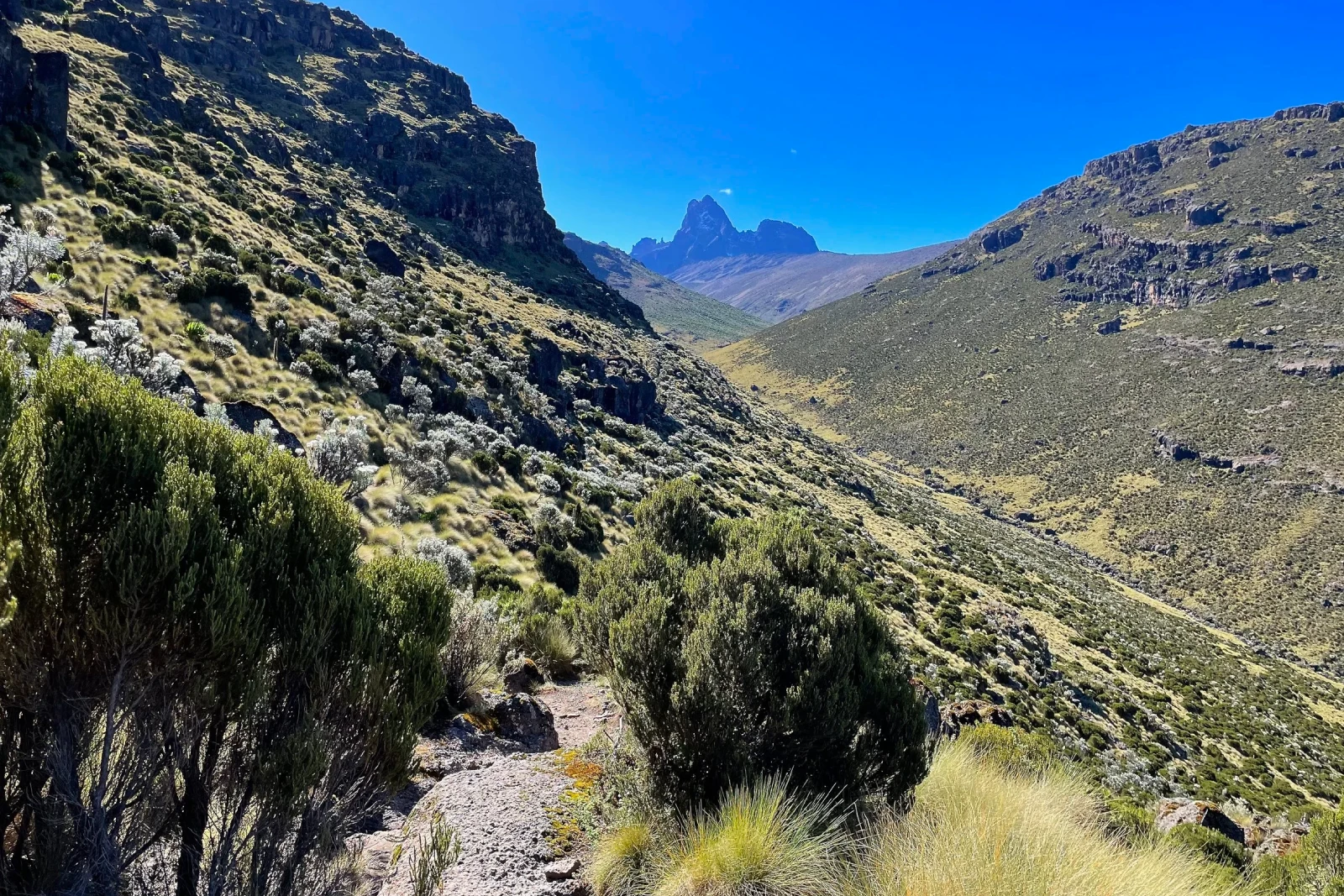
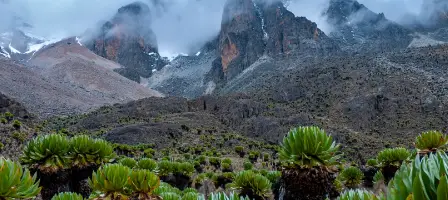
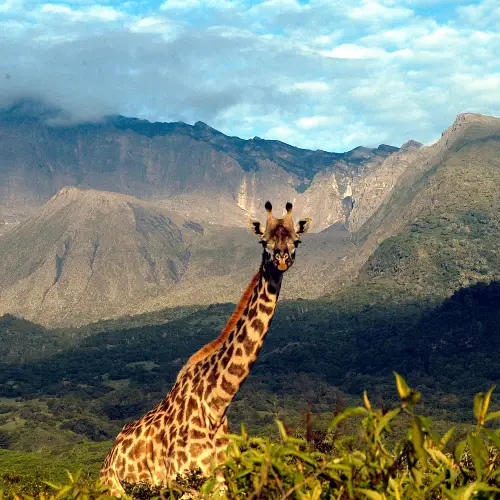
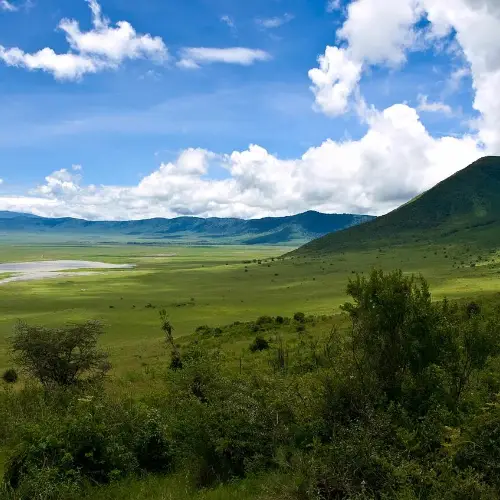
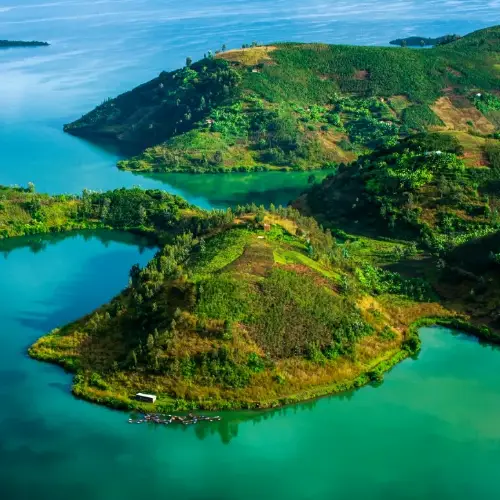
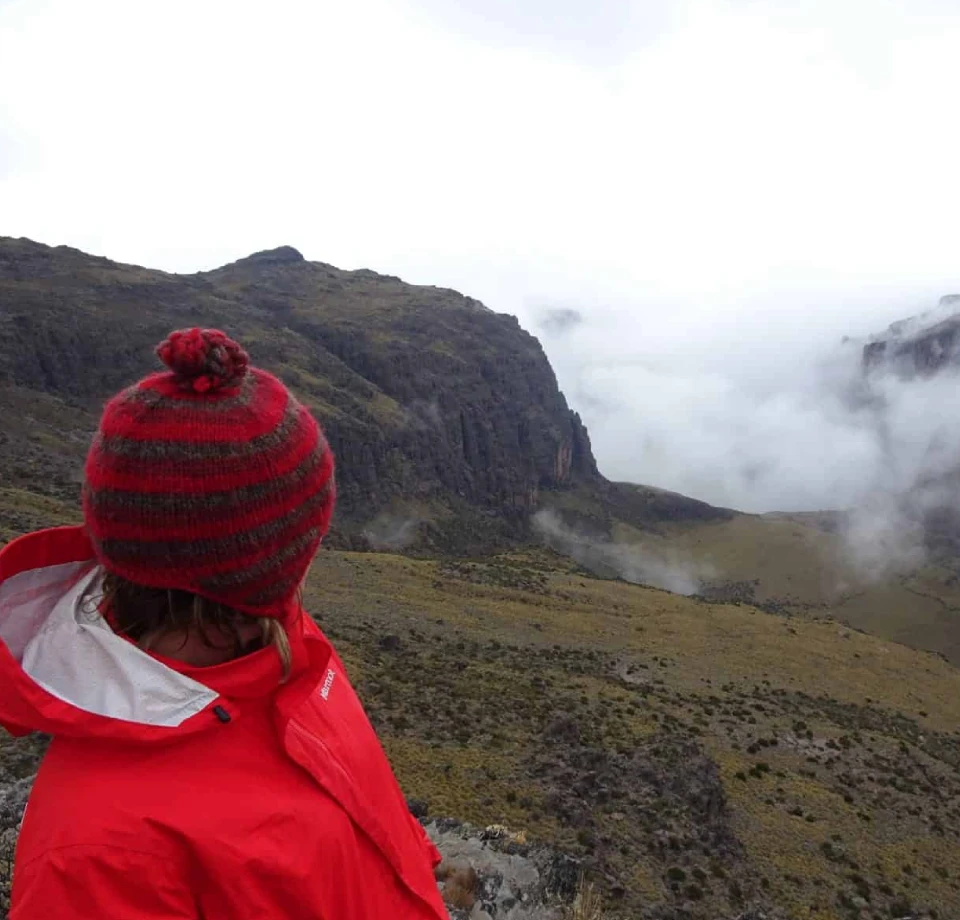
The park climbs through thick montane forest into open moorland and afro-alpine terrain. Lower areas feel green and damp, with clear streams and giant trees. Higher elevations become sparser and colder, with tough plants adapted to wind and frost. On clear days, peaks cut sharp lines above the clouds. This is one of the most dramatic landscapes in Kenya's national parks.
Highland Forest Species

Highland Forest Species

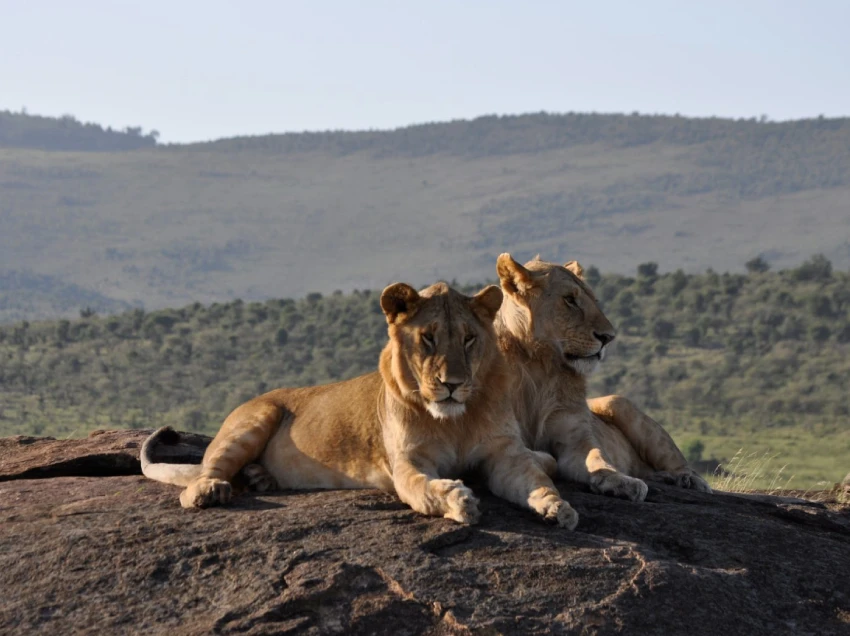
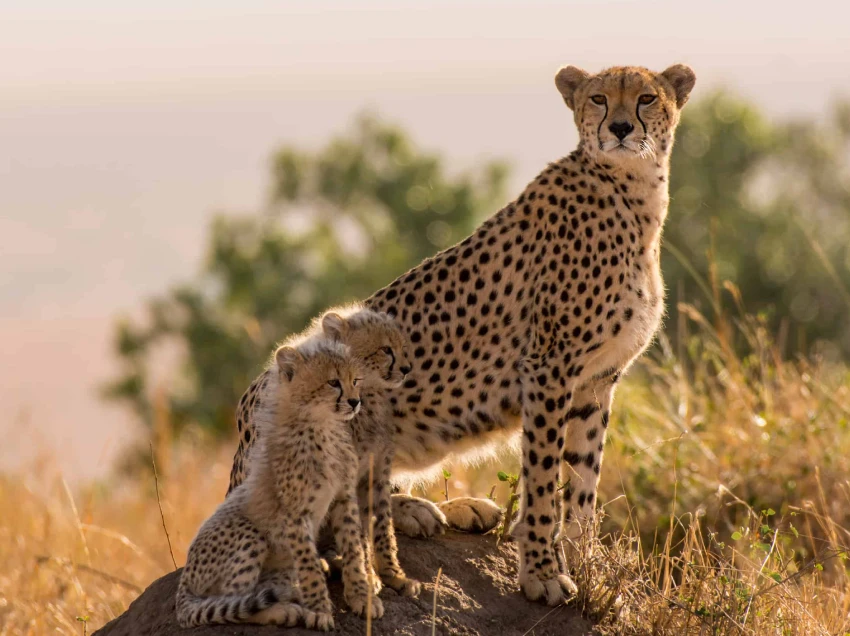
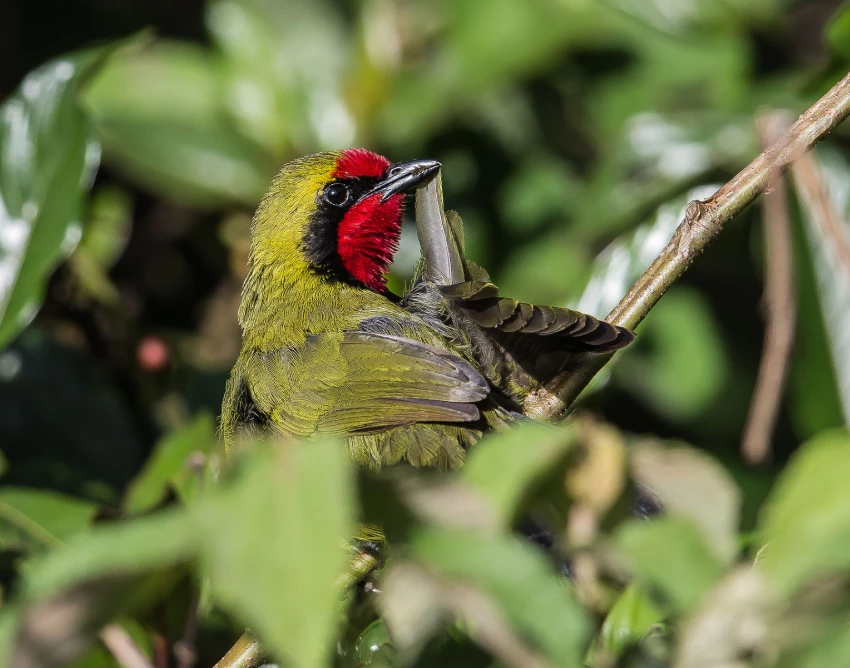
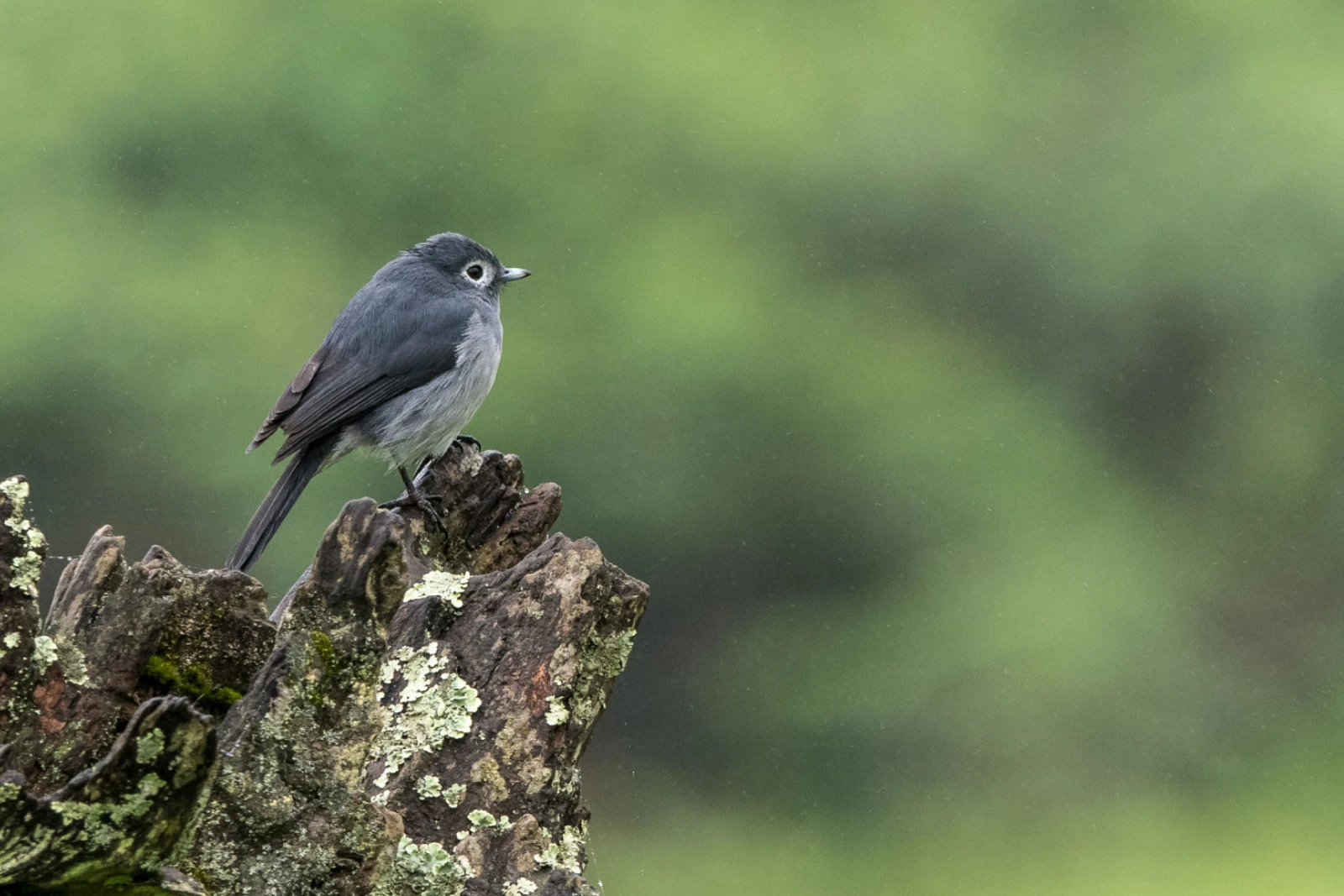
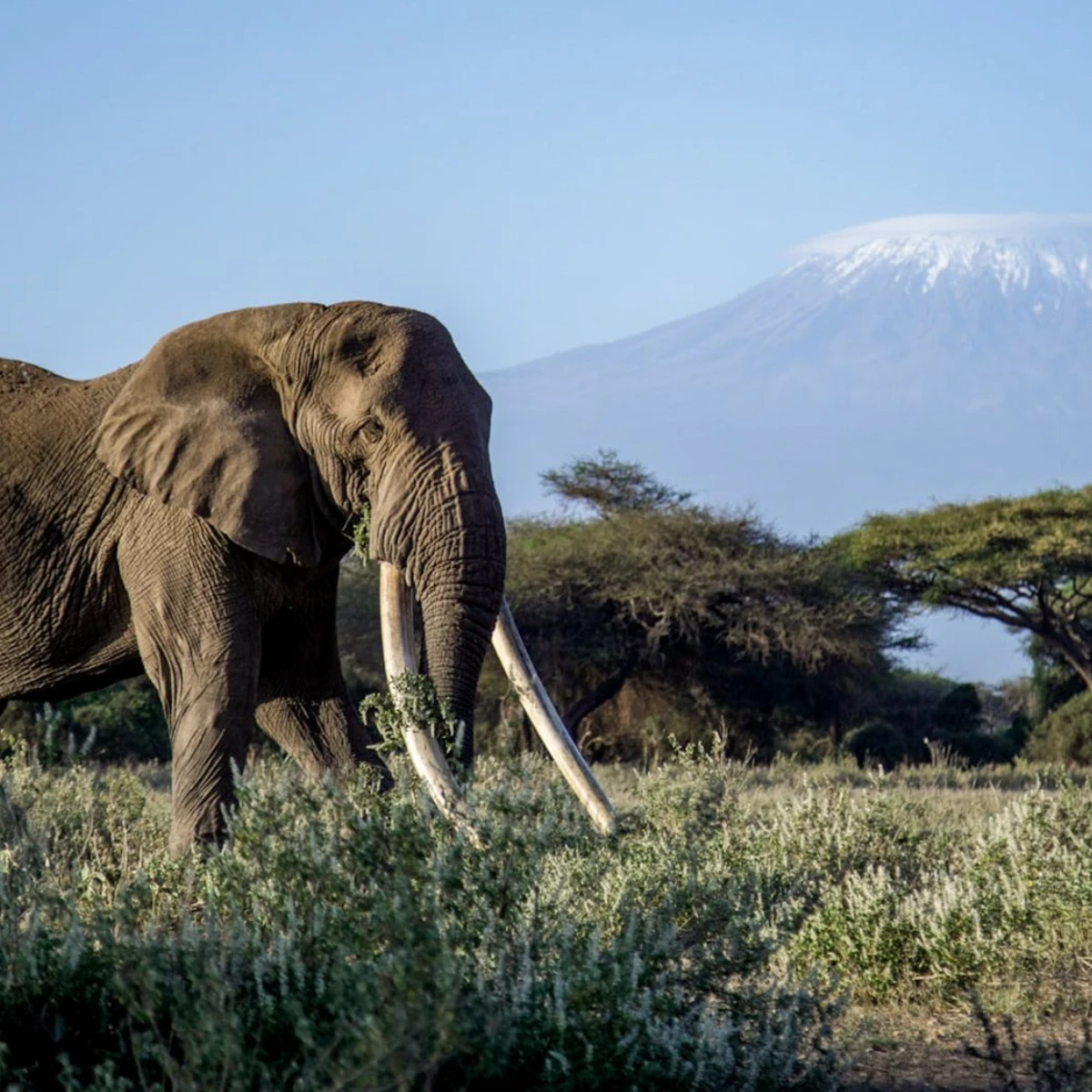
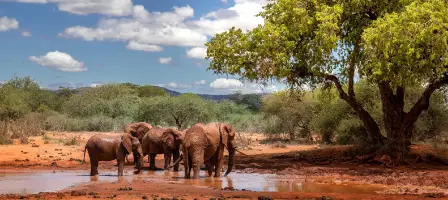
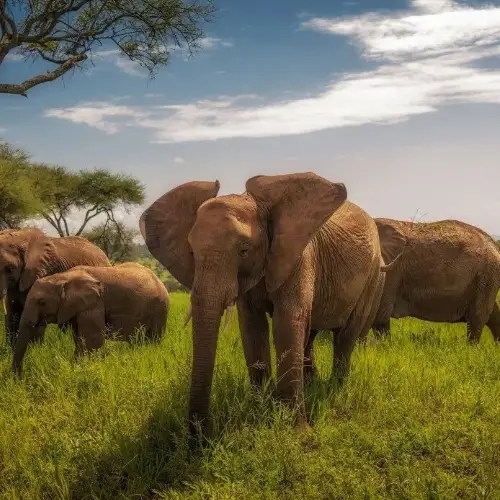
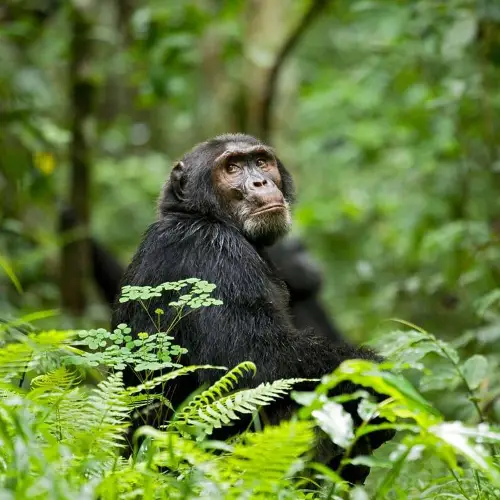
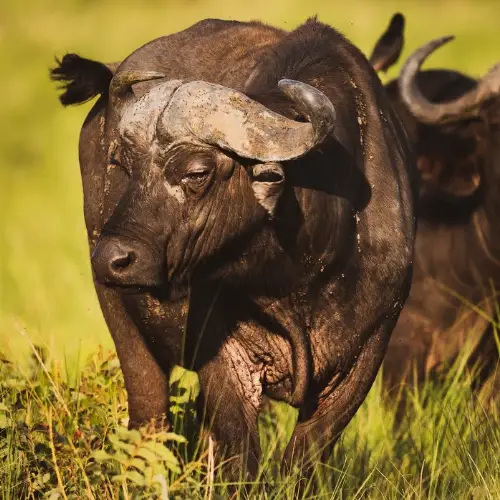
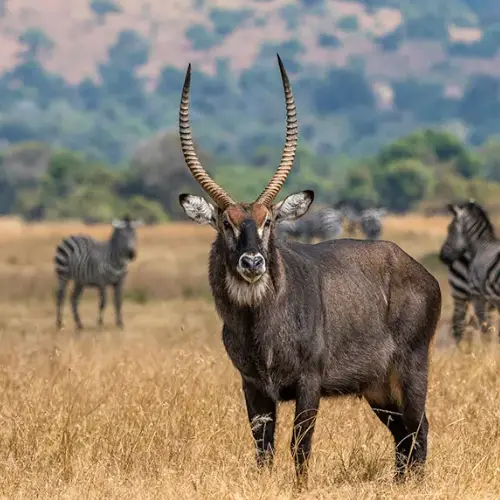
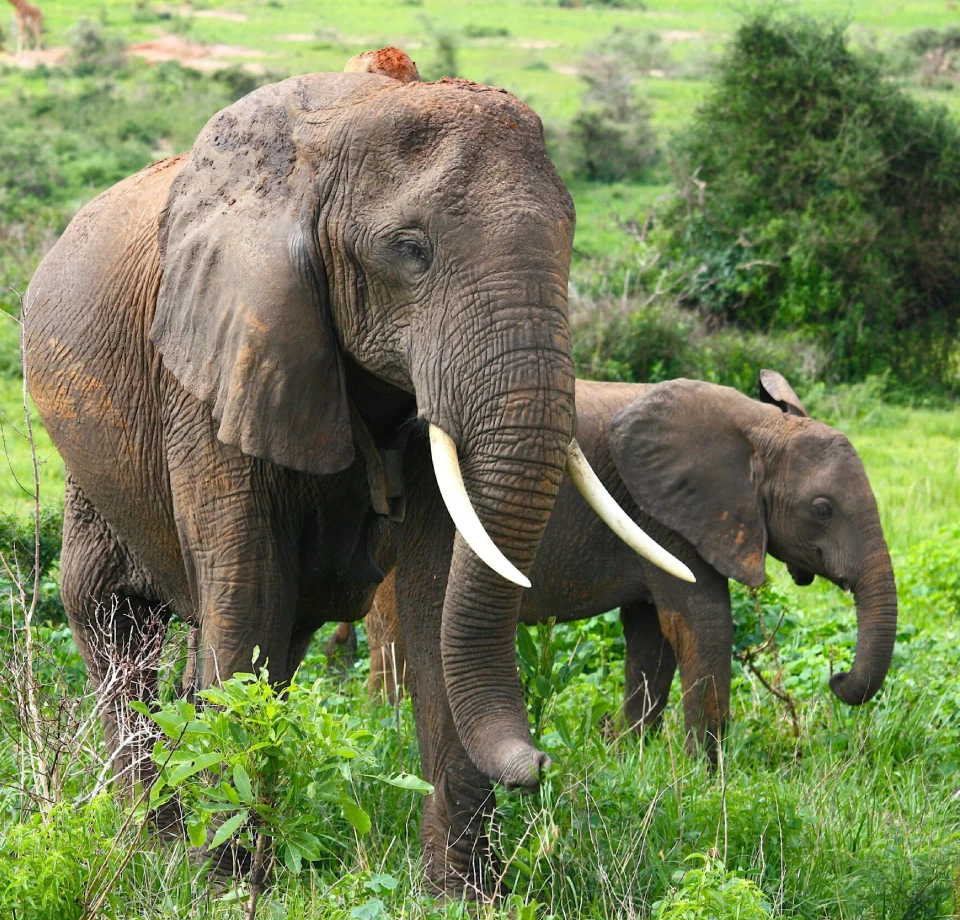
Wildlife lives mainly in the forest belt. Elephants and Cape buffalo move through quietly, and leopards are present, though not easy to spot. Several antelope species use the slopes, and you’ll often see black-and-white colobus monkeys in the trees. Some animals are built for altitude, like the Mount Kenya hyrax and common duiker. Birdlife is strong—over 130 species, including sunbirds and bearded vultures. For Kenya wildlife, it’s a forest story.

Kenya Weather

Altitude Driven Weather

Weather changes fast with height. Lower slopes can be mild, but nights at camps feel genuinely cold. Dry seasons are usually June to October and January to March, and that’s when trails are safest and views are clearest. Wet months bring slippery paths and cloudy peaks. Pack layers even if Nairobi feels warm. This is outdoor planning, not guesswork.

Mountain Water Systems

Mountain Water Systems

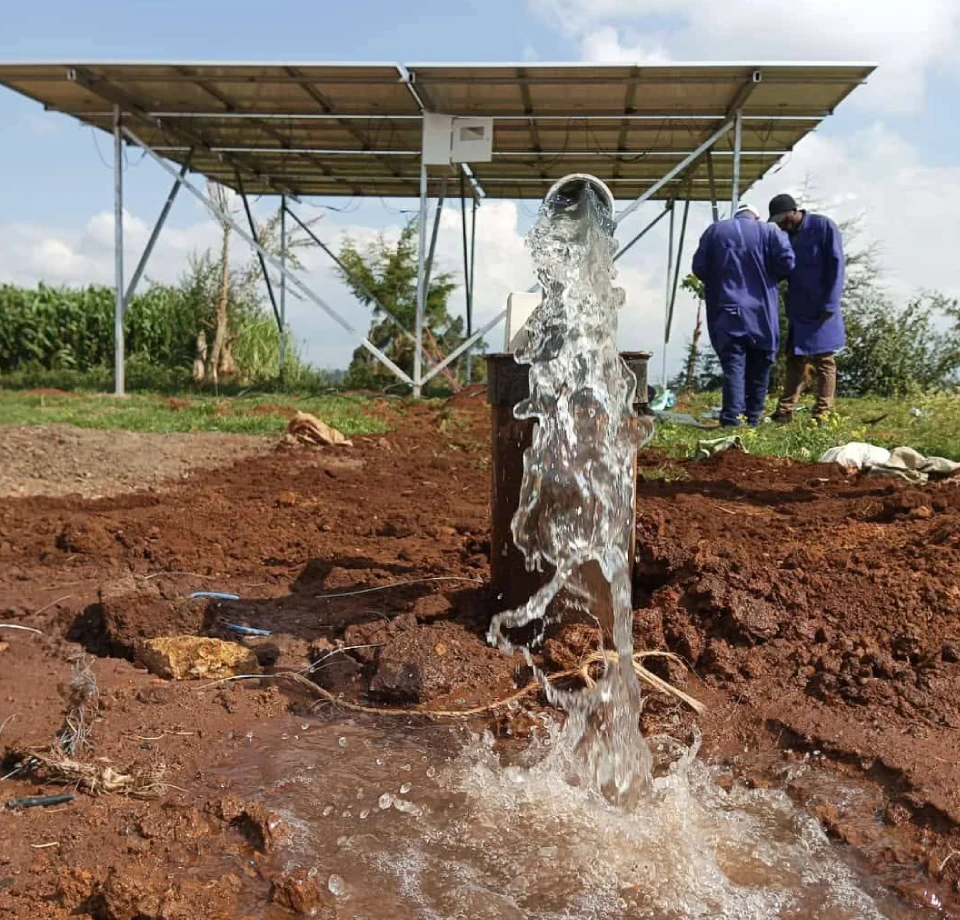
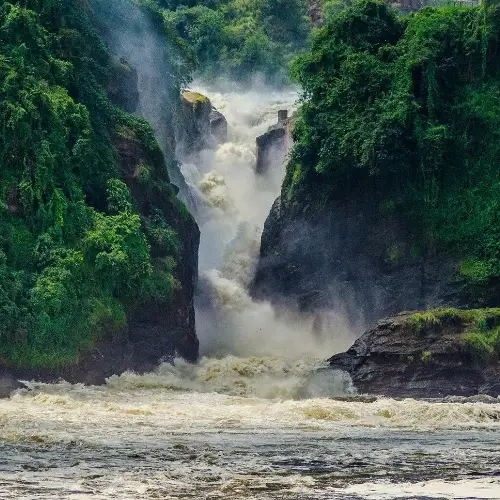
Mount Kenya’s peaks are the visual magnet, but the quieter attraction is what the mountain does for Kenya. It acts as a major drainage basin, feeding rivers and water systems beyond the park. Along the way, you’ll pass alpine streams, moorland plants, and big-view ridgelines. The park’s mix of ecosystems is why it earned a UNESCO listing as a forest reserve. It’s a different kind of Kenya adventure activities day.

Mount Kenya National Park

Nairobi Mountain Access

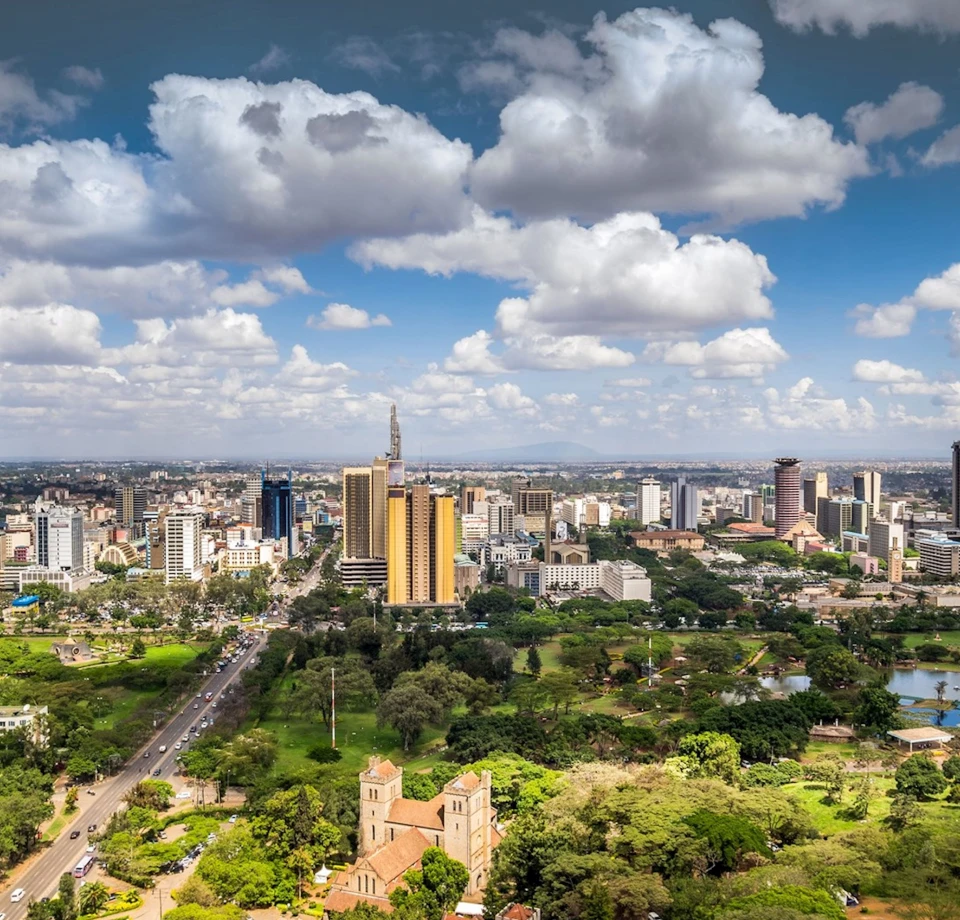
Most trips start from Nairobi. By road, the park is about 175 km northeast of Nairobi on major routes to the mountain. There are also flights from Wilson Airport to Nanyuki Airfield, roughly 35 minutes, which cuts travel time a lot. Many travellers still prefer a driver because it keeps the whole plan smoother. This fits well into Kenya guided tours.

When to Go to Mount Kenya

The best trekking months are June to October and January to March, when trails are drier, and visibility is better.

  • Best
  • Good
  • Mixed

January is a popular climbing window because trails are usually dry and mornings are clear. Lower forest walks feel fresh, while higher camps get cold at night. Start early for summit attempts because clouds can build later. For Kenya safari packages that mix parks and trekking, January fits smoothly between big drives.

February stays dry for many weeks and can feel warmer on lower slopes. Higher up, the cold still bites at night, so layers matter. Views are often strong, which helps on long ridge sections. If you’re planning Point Lenana, stick to steady pacing and hydration.  All in all, a good month for Kenya Adventure Tours.

March is a shoulder period. Some days stay clear, others bring early hints of wetter weather. If you want fewer people on the trail, March can work, but you need flexibility. Pack for mixed conditions and expect a few cloudy mornings. Shorter hikes remain enjoyable. This timing suits the Kenya travel guide style planning.

April is generally wet, and trails can turn slick, especially on steeper sections near camps. Peaks hide in cloud more often, and cold rain is a morale test. Unless you’re experienced and prepared for messy conditions, April isn’t ideal for summits. Forest walks can still be beautiful, but keep plans conservative on Kenya hiking trails.

May can still be wet early on, then begin drying toward the end depending on the year. Trails improve slowly, and the mountain feels quieter. If you’re not chasing a summit, this can be a calm time for lower-slope walks and forest wildlife watching. For Kenya family vacations, keep altitude days short and comfortable.

June is a reliable start to the main dry season. Paths firm up, mornings are clearer, and summit chances improve. Nights at camp stay cold, so warm gear is non-negotiable. This is a strong month for a full trek or a two-day hike.

July is crisp and popular. Expect clear mornings, cold nights, and busy trails on classic routes. The advantage is predictability: fewer rain interruptions and better footing. If you’re doing Point Lenana, plan an early summit push and slow descent.

August stays dry and is good for multi-day trekking. The mountain air feels thin above camp, and that’s where honest pacing matters. Don’t rush acclimatization just to “save time.” Views are often sharp, and the afro-alpine zone looks its best. For travellers seeking Kenya tourist attractions beyond safaris, August is ideal.

September remains dry but can feel slightly warmer on the lower slopes. Treks are still comfortable, and summit success remains high with proper acclimatization. Forest wildlife is more active in cooler hours, so start walks early. If you prefer fewer crowds than July and August, September is a smart choice.

October is the tail end of the dry season. You can still get clear summit mornings, but the weather becomes less predictable toward the end of the month. If you’re trekking, build an extra buffer day. Lower slope visits stay enjoyable even with light showers.

November is often wetter, with cloud and rain affecting higher routes. Trails can be slippery and visibility drops. If you still visit, focus on forest walks and cultural context rather than summits. It’s also a good month to pair with drier parks elsewhere. For Kenya cultural tours, this mountain stop adds meaning without pushing altitude goals.

December begins trending drier in many years, especially toward the holidays. You can get good views early in the day, with afternoon cloud later. It’s a comfortable time for shorter hikes and scenic days on the slopes. If you’re blending trekking with comfort stays, this month can work with Kenya luxury resorts nearby.

Mount Kenya Travel FAQs

Point Lenana is the common goal because it’s non-technical and achievable on guided Kenya adventure tours.

Yes. The recommended ascent is at least three nights. Rushing increases altitude issues, even for fit hikers.

Yes, mainly in the forest belt—elephants, buffalo, antelope, and colobus monkeys. It’s a different side of Kenya wildlife.

Lower slope walks can work for Kenya family vacations, but high camps and summit pushes suit older, fitter travellers.

About 175 km by road, or a short flight to Nanyuki then a transfer. It’s easy to add to Kenya travel itineraries.

Mount Kenya Safari Experiences

Mount Kenya experiences come in two moods. One is the trek: early starts, cold fingers at camp, careful pacing, and that summit push when your breath feels loud in your own ears. The other is the forest: monkeys in trees, wet earth smell after rain, and the sense that bigger animals are nearby even when you don’t see them. It’s a clean, real alternative to Kenya wildlife safaris on open plains.

Talk to a Safari Specialist Today

and design your travel plans.

Call +254 723 619669

OR

Enquire Now
  • Lawrence

  • Margaret

  • Mugambi

Our Safari Experts

Safaris You Can Book

Browse all our safari options designed around realistic travel days, trusted guides, and comfortable stays across East Africa.

Explore Iconic Kenya

Witness abundant wildlife, diverse scenery, cultural heritage, and warm hospitality throughout remarkable Kenya.

Get Started On Your Trip

You can contact us anytime, and we’ll support your
planning from early ideas to final details.

Get in touch

What Travellers Say

Real feedback from guests who have traveled with SnowyTop Safaris LTD across East Africa.

Local Team Insight

Our guides and planners work in Kenya and nearby parks year-round. You get route advice that matches road conditions, seasons and lodge standards, not generic online suggestions for your dates.

Clear Trip Planning

We keep planning simple: quick replies, clear inclusions, and realistic drive times. If something won’t fit, we say so early and suggest a better option without pushing upgrades or extras.

Support Throughout Travel

From airport pickup to your last game drive, we stay reachable. You get help with permits, timing and small changes, so the trip keeps moving smoothly even when plans shift.