










 Trips curated by the world’s top destination experts
 Concierge-level service leading up to and during your trip
 Unique, exclusive experiences and insider
access
Unique, exclusive experiences and insider
access

You’ll need:
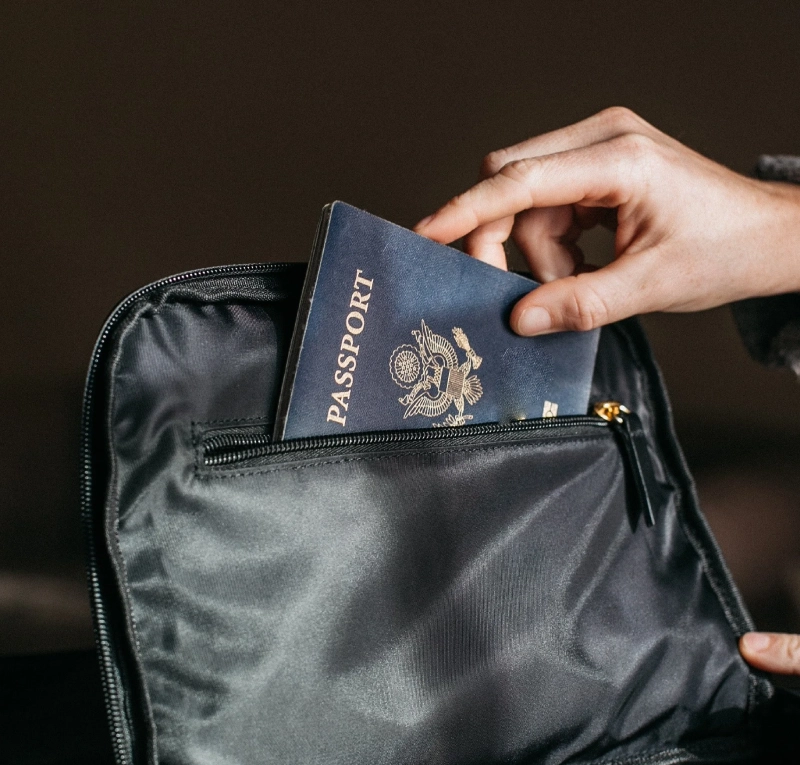
- Passport and visa
- Travel insurance documents
- Vaccination certificates if required
- Copies of important documents
- Emergency contact details
- Lodge and transfer confirmations
Digital backups help, but keep paper copies too. Networks can be unreliable in remote safari regions.
This step supports smooth planning for your Kenya safari and helps avoid unnecessary delays before you even reach the bush.
What Not to Bring on a Safari
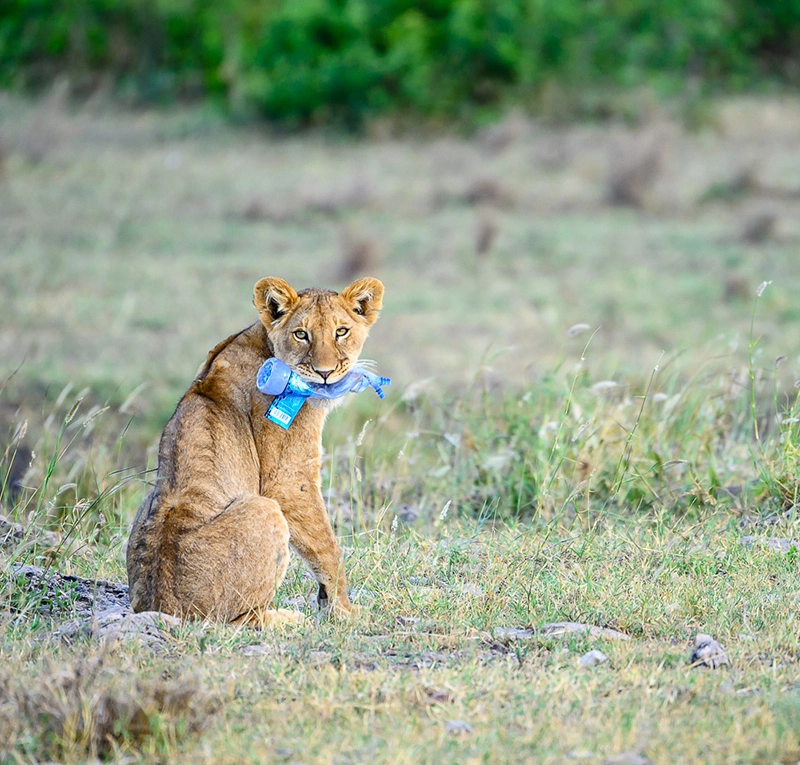
Kenya takes conservation seriously. Single-use plastics are banned, especially in parks. Leave them behind.
Avoid packing:
- Plastic bags and bottles
- Disposable cutlery or straws
- Heavy suitcases
- Excess clothing “just in case.”
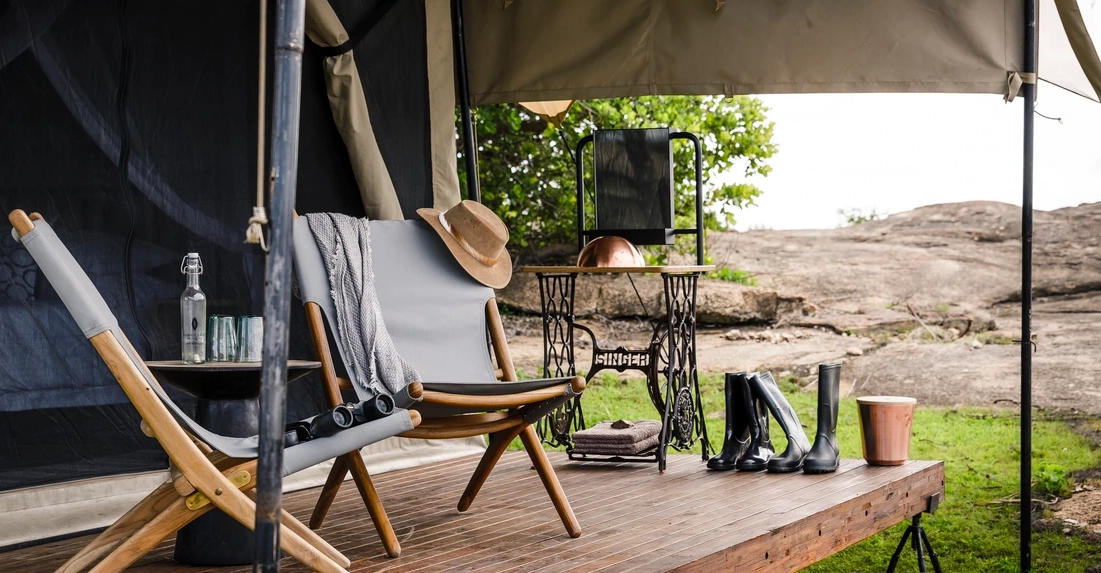
Pack light. Trust the process. Most camps handle laundry. Most days repeat a rhythm. And carrying less lets you focus on what matters—wildlife, landscapes and those quiet moments that make a Kenya Wild Safari feel real.
A thoughtful Kenya Safari Packing List isn’t about perfection. It’s about feeling ready without feeling weighed down. And that’s exactly how a safari should begin.
Speak with our team and plan a Kenya Safari that feels calm, well thought out and genuinely comfortable, from the first conversation to the final morning in the bush.