


 Trips curated by the world’s top destination experts
 Concierge-level service leading up to and during your trip
 Unique, exclusive experiences and insider
access
Unique, exclusive experiences and insider
access

Uganda Travel FAQs
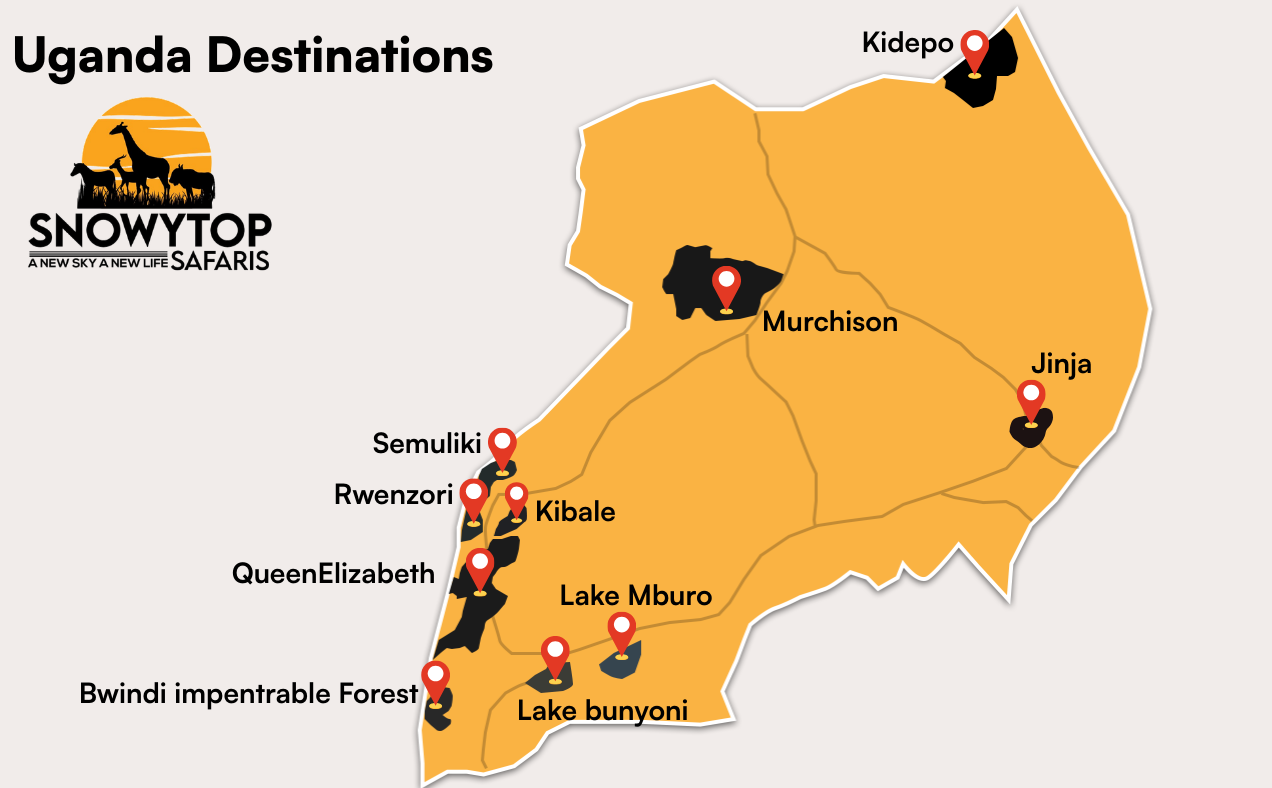
The most reliable months are June to August and December to February. Trails are drier, roads are easier and primate tracking is more manageable. Rain can still appear without warning, especially in forest areas, but these periods usually offer better overall conditions for travel and wildlife activities.
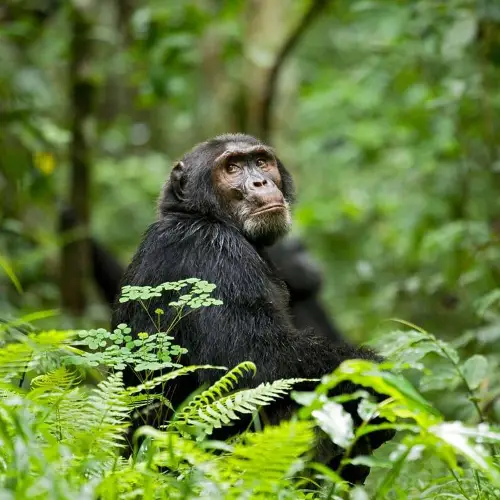
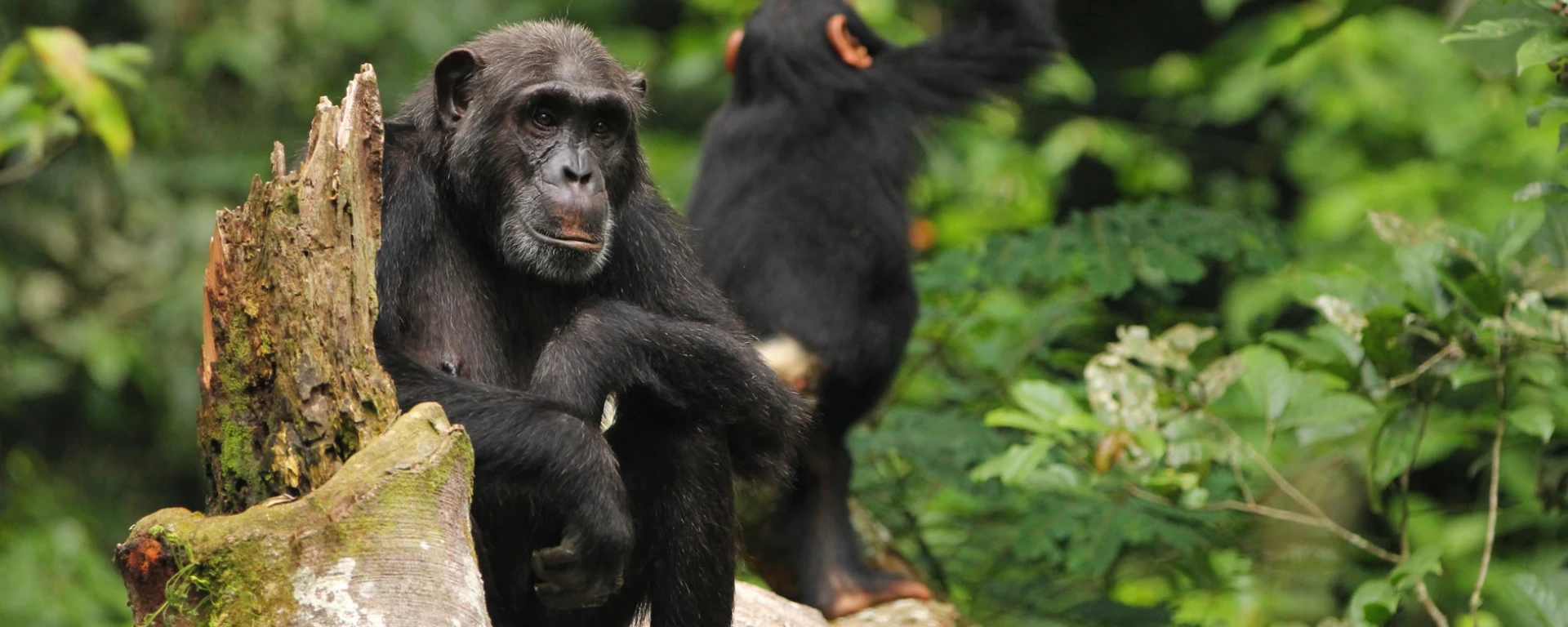
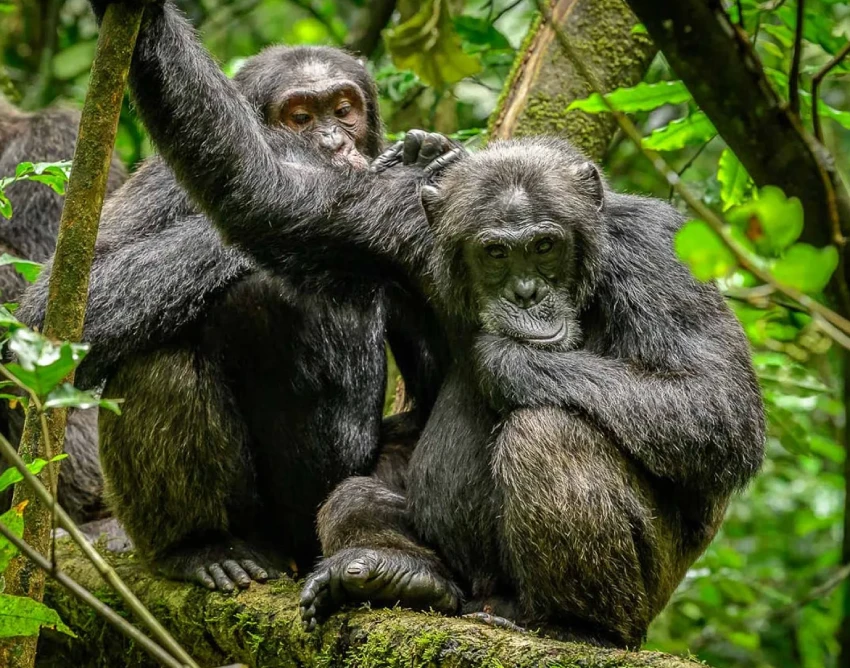
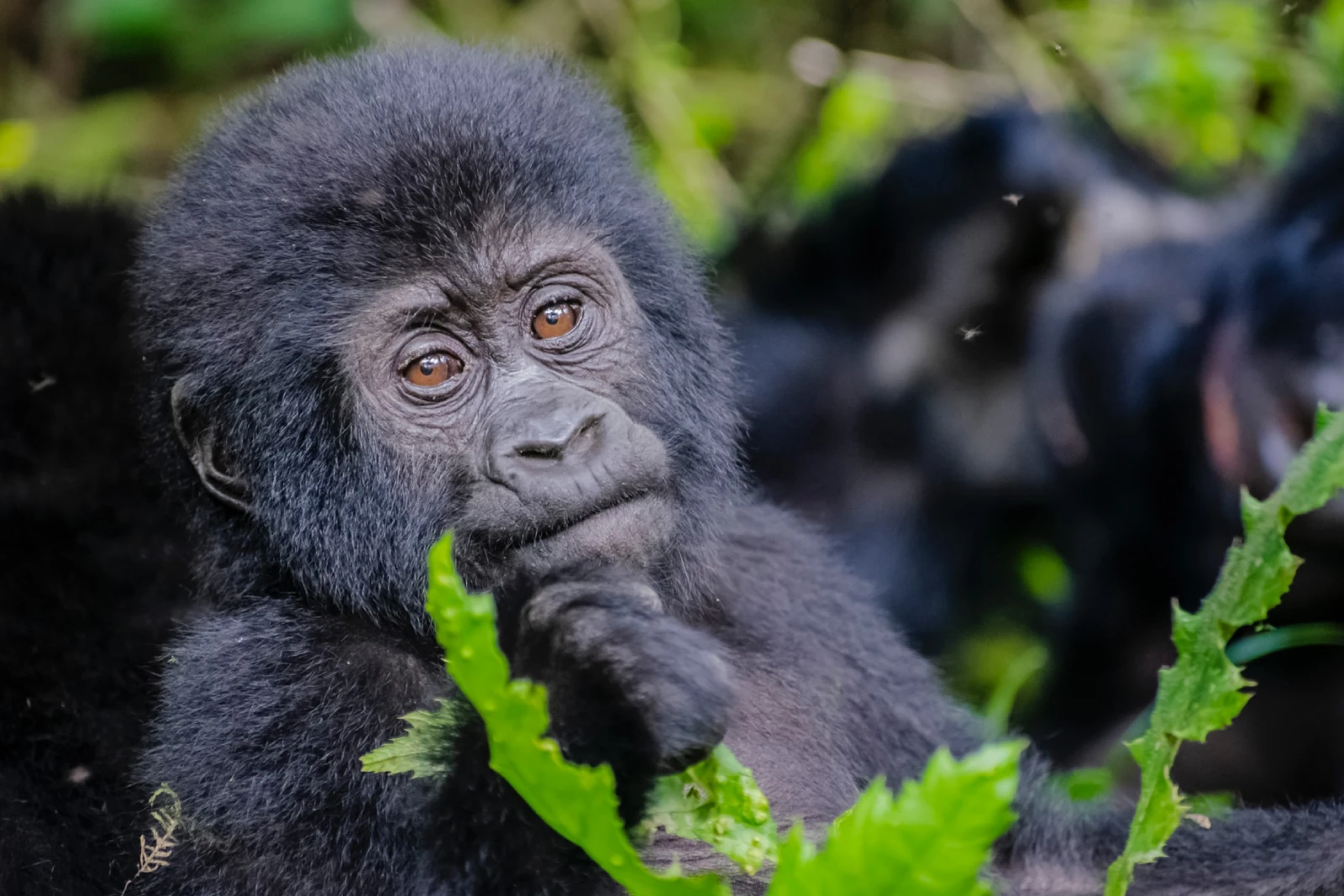
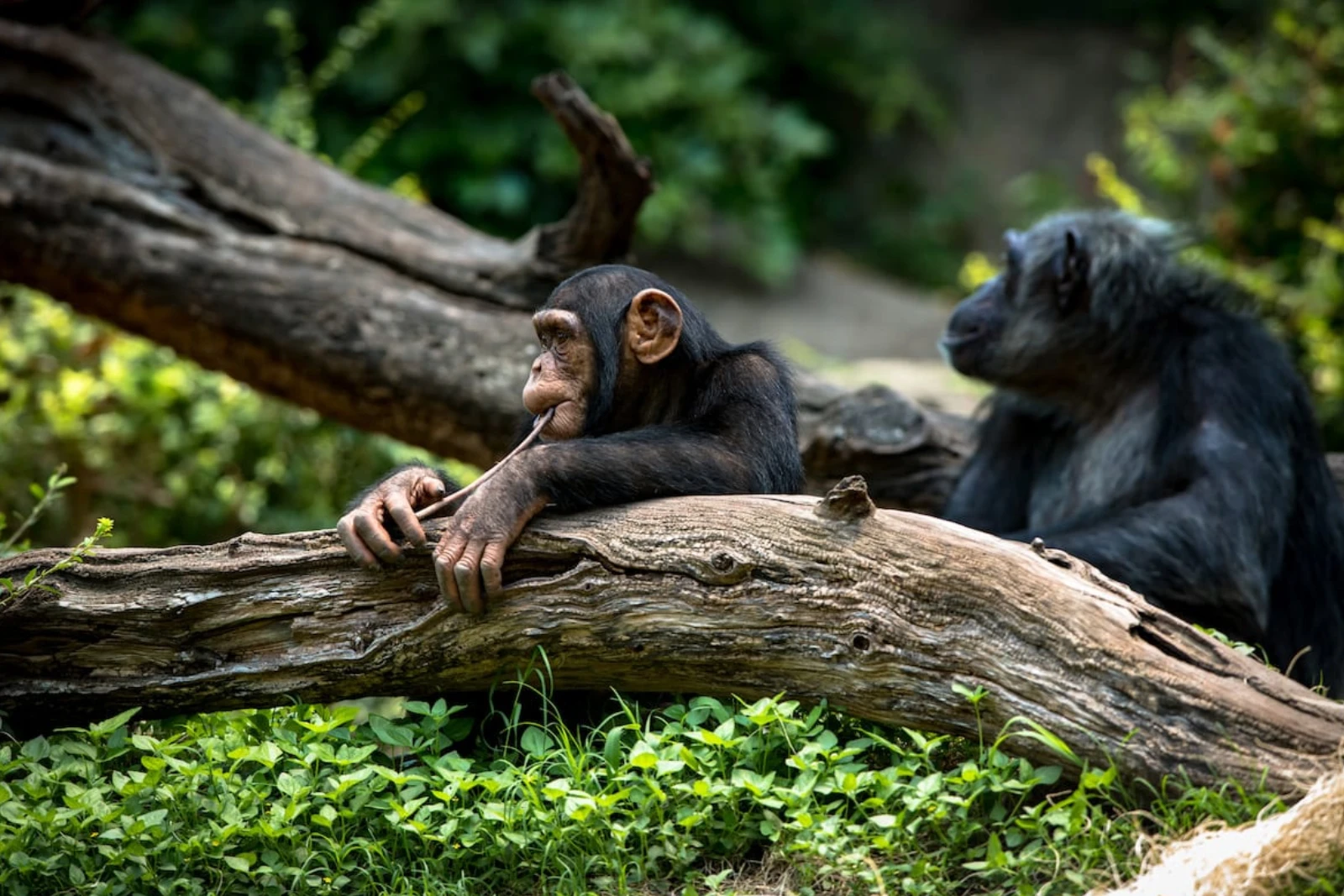
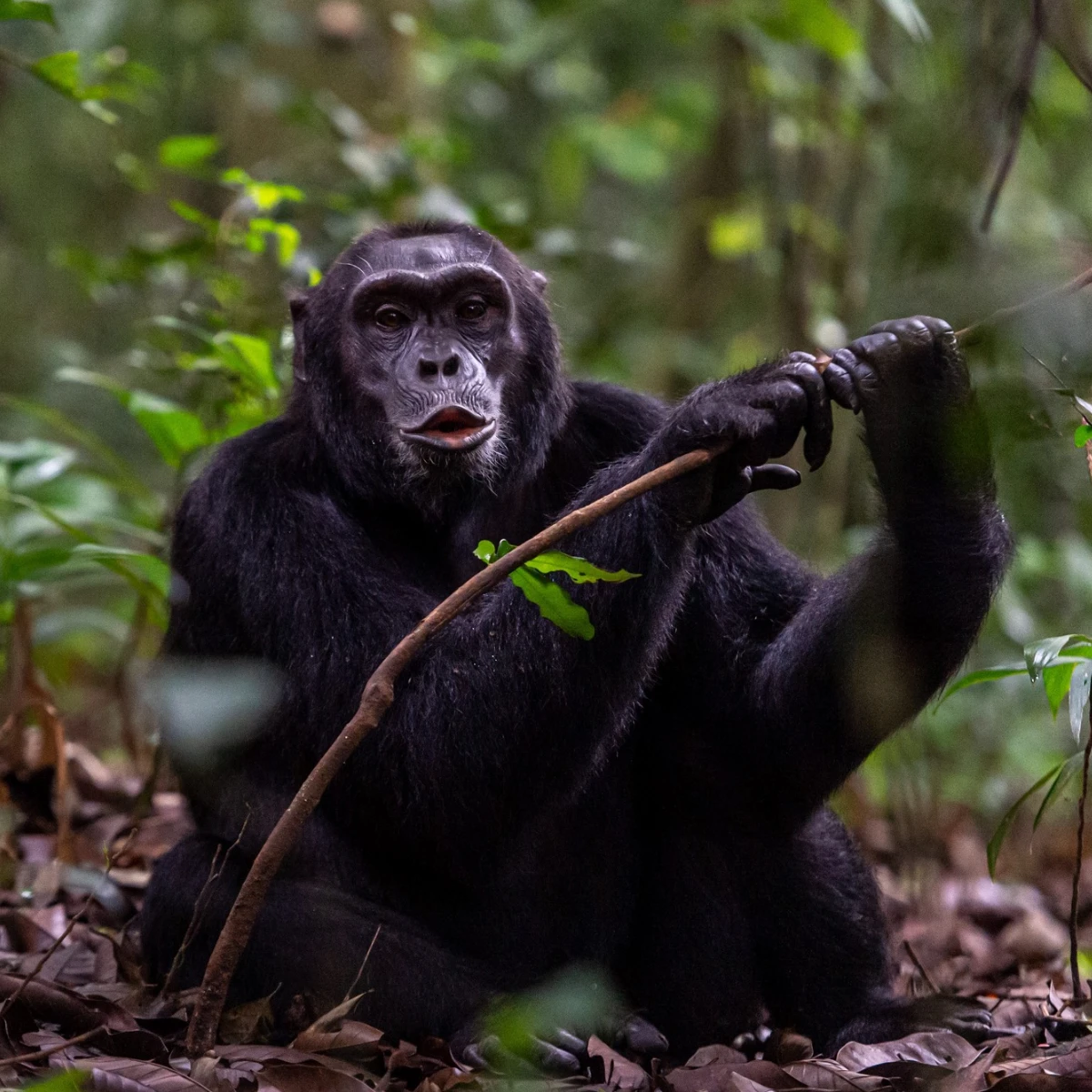
Eight to twelve days works well. That allows time for chimp tracking, at least one savannah park and gorilla trekking without compressing drives. Shorter trips are possible, but they often feel rushed once road time is factored in.
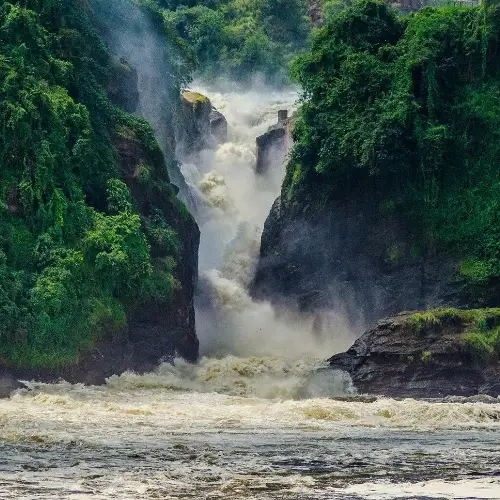
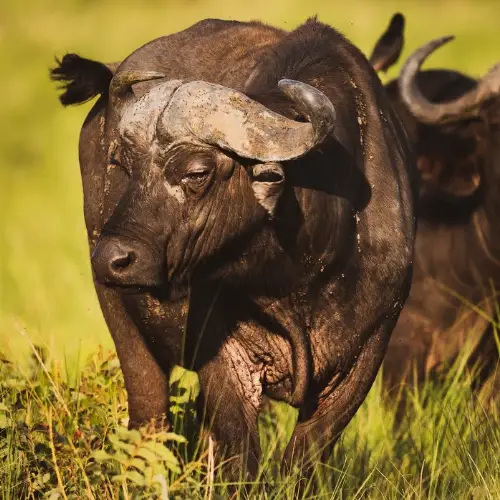
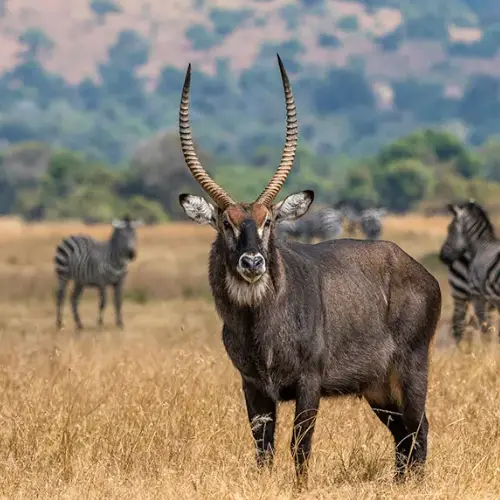
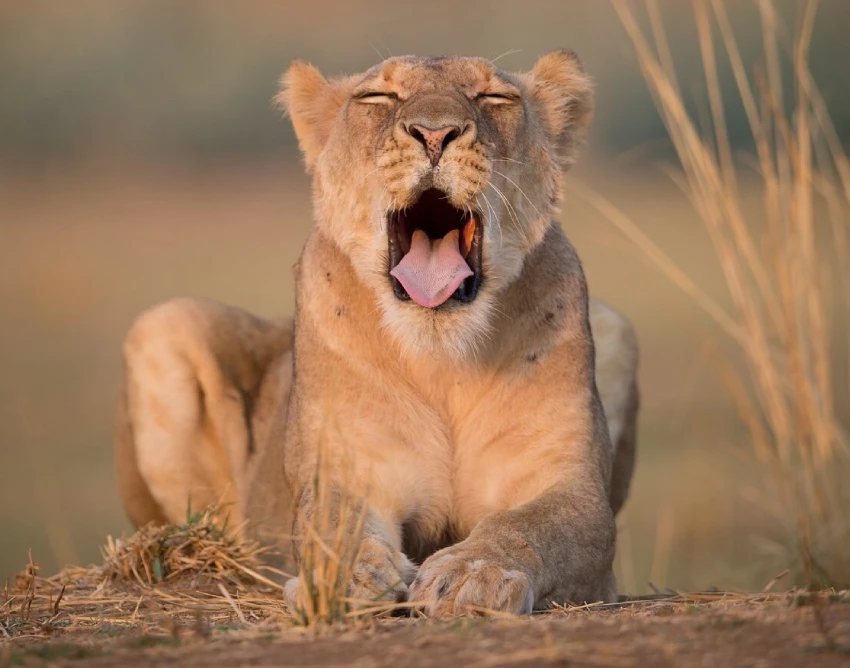
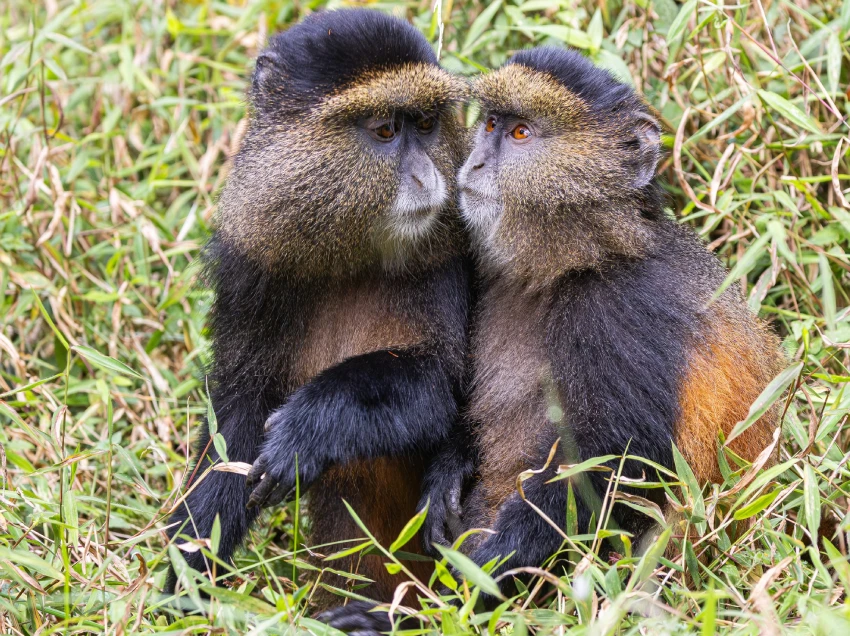
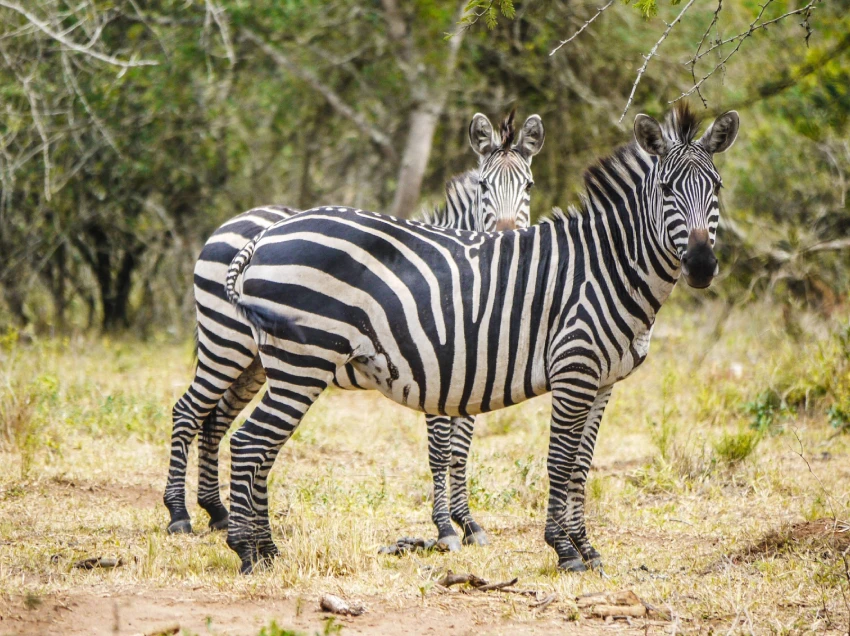
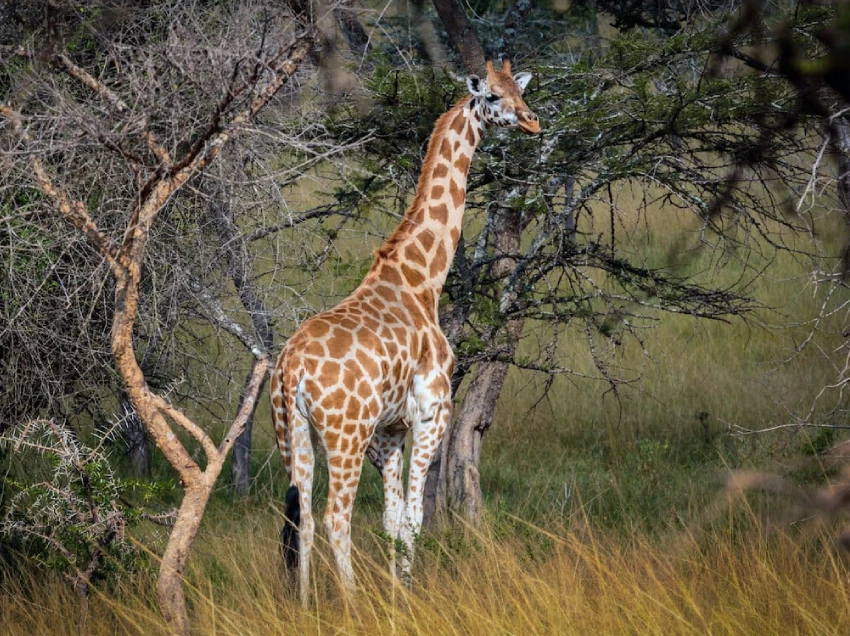
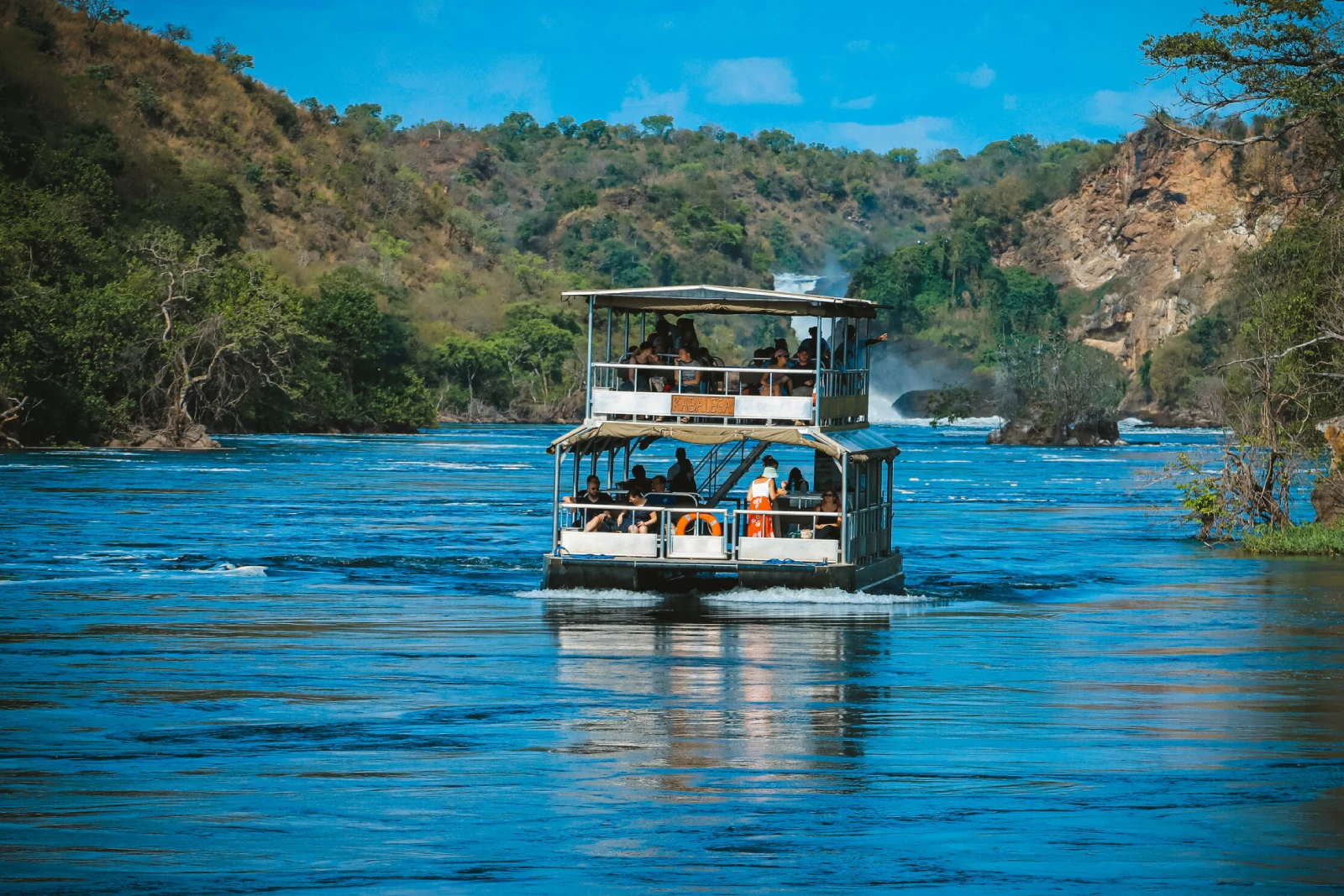
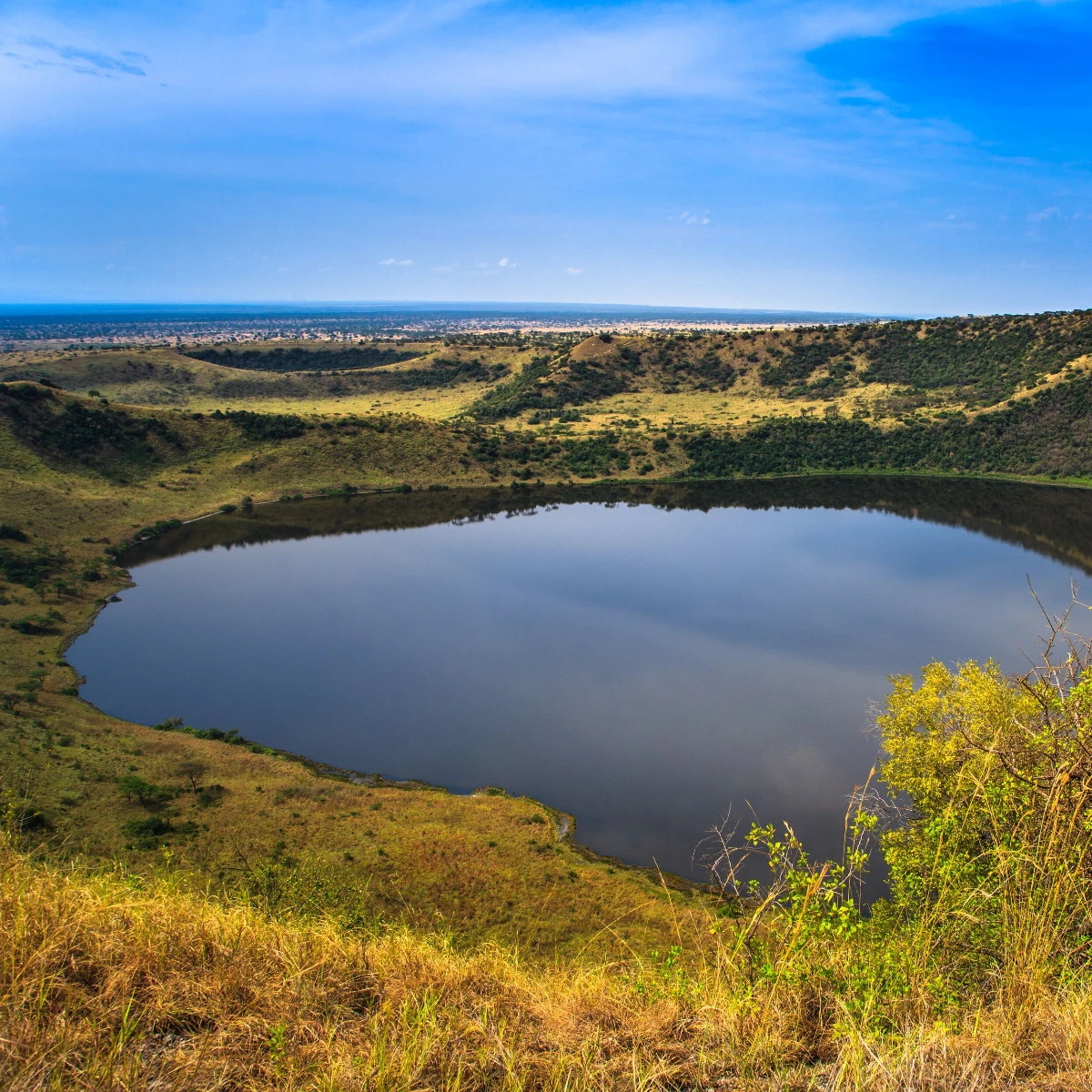
No. Gorilla trekking is a major highlight, but Uganda also offers strong big-game viewing, especially in Queen Elizabeth and Murchison Falls. Boat safaris and birdlife add depth. Many travellers choose Uganda because it combines primates and classic wildlife in one country.
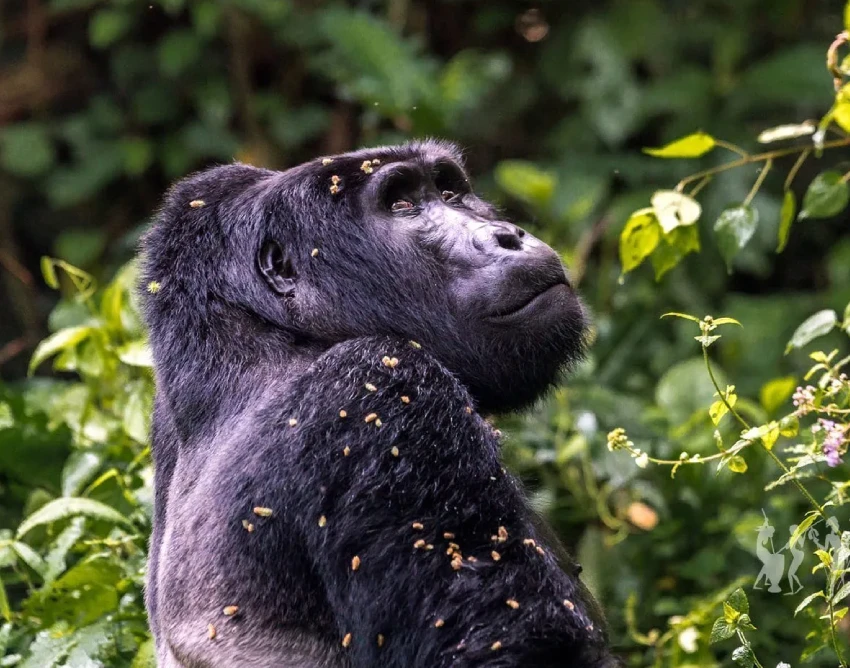
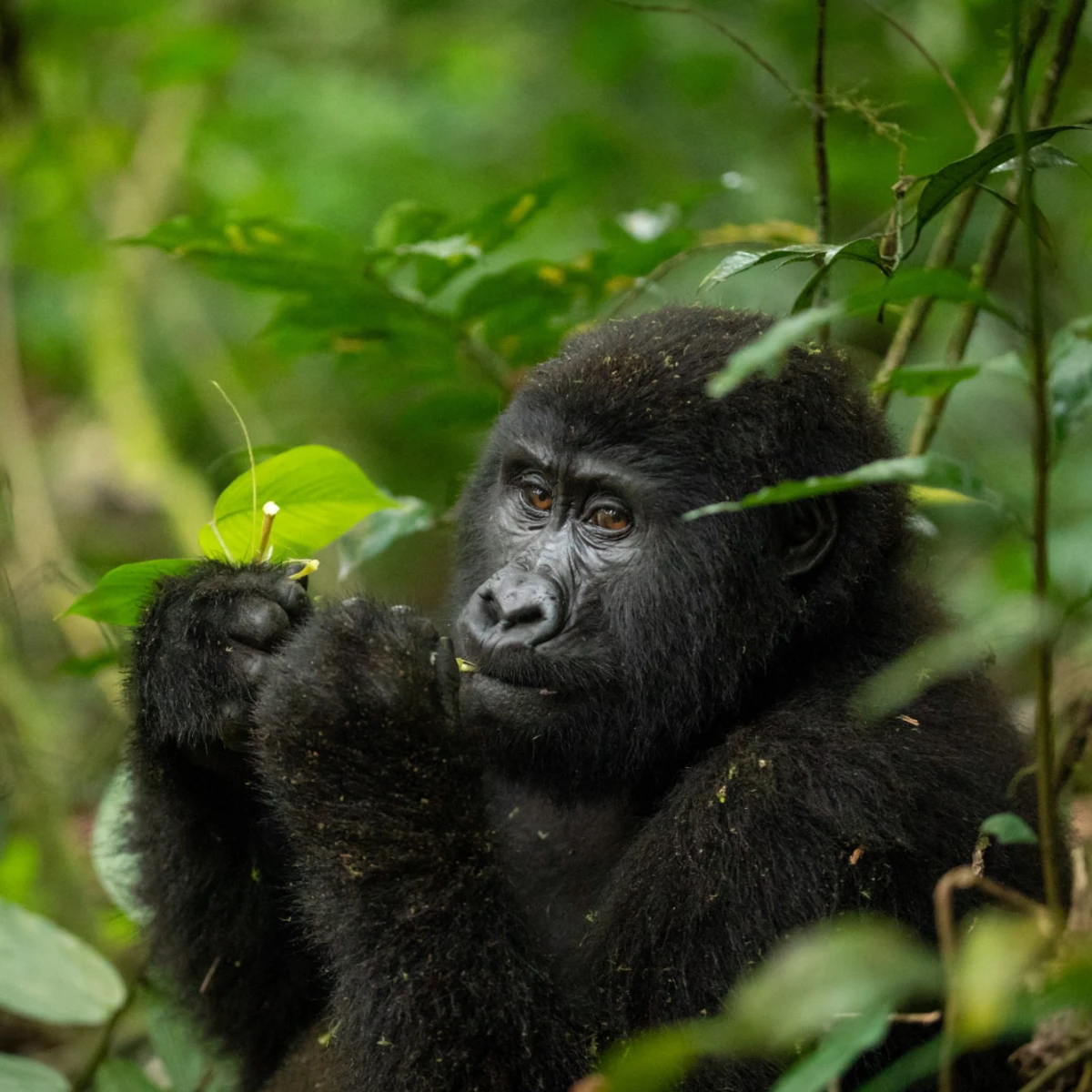
Yes. Gorilla permits are limited and should be secured early, particularly during peak months. Chimpanzee permits are also required, though availability is usually better. Permit dates often determine the shape of the entire itinerary.
Expect long but scenic drives, friendly interactions and a slower rhythm outside major towns. Lodges are generally comfortable rather than flashy. Good planning makes a big difference, especially when coordinating permits, road distances and rest days.