

Tsavo West National Park

Red Dust, Black Lava

Tsavo West National Park can feel like a debate with the landscape. One minute it’s soil and scrub, the next it’s an oasis you didn’t expect. The park is big and it doesn’t hand you animals on a plate, so pacing matters. Expect constant sightings and you’ll get irritated.

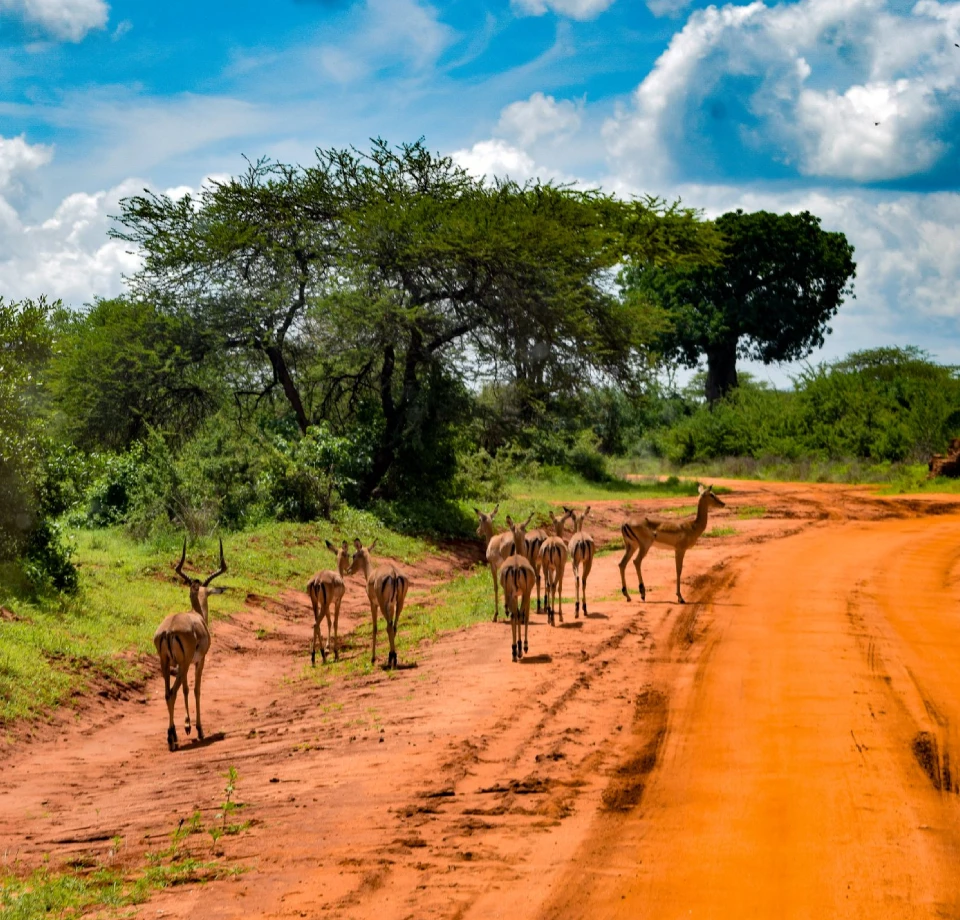
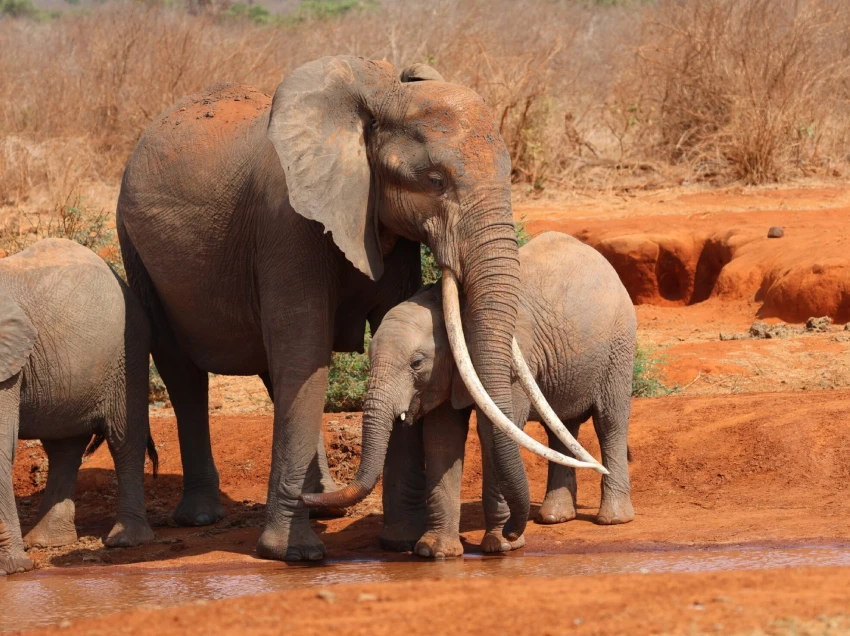
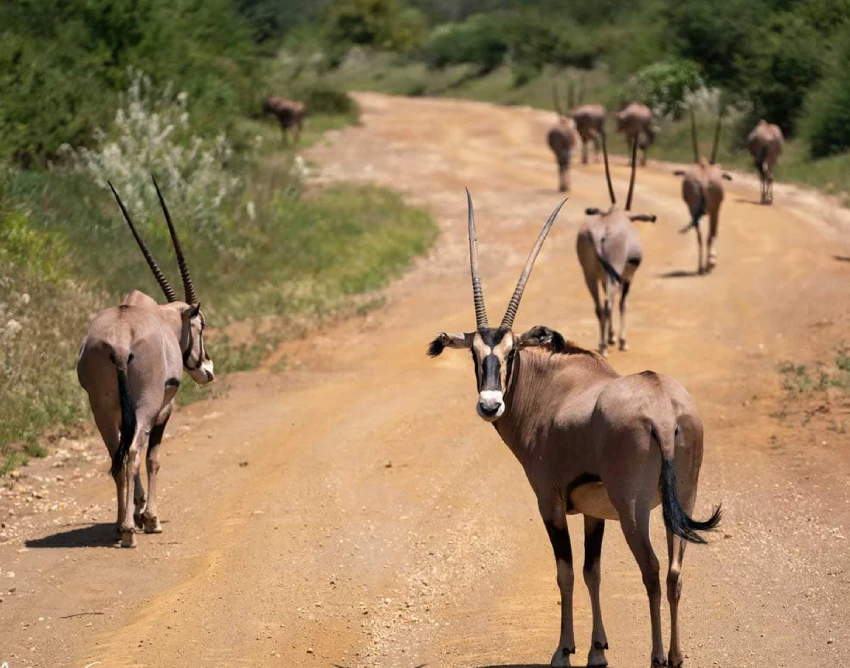
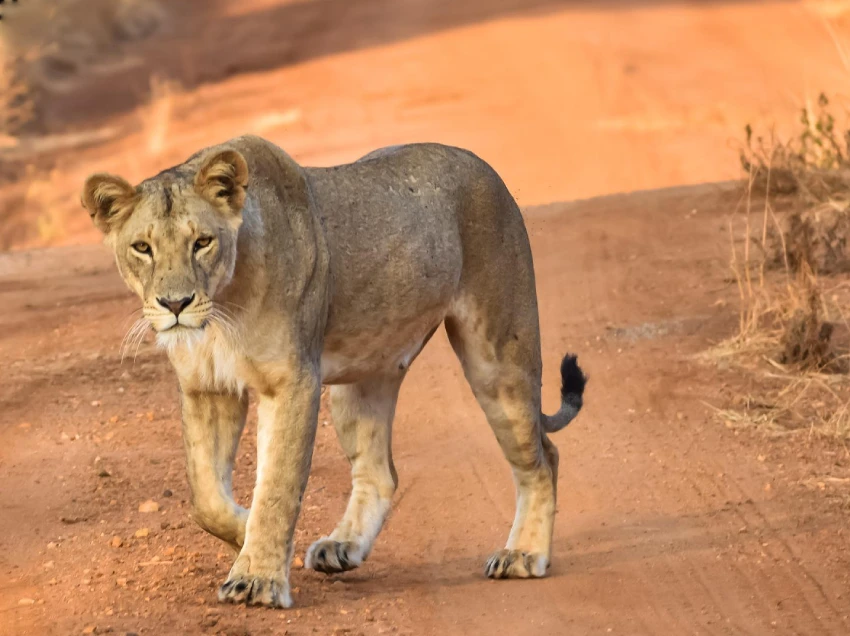
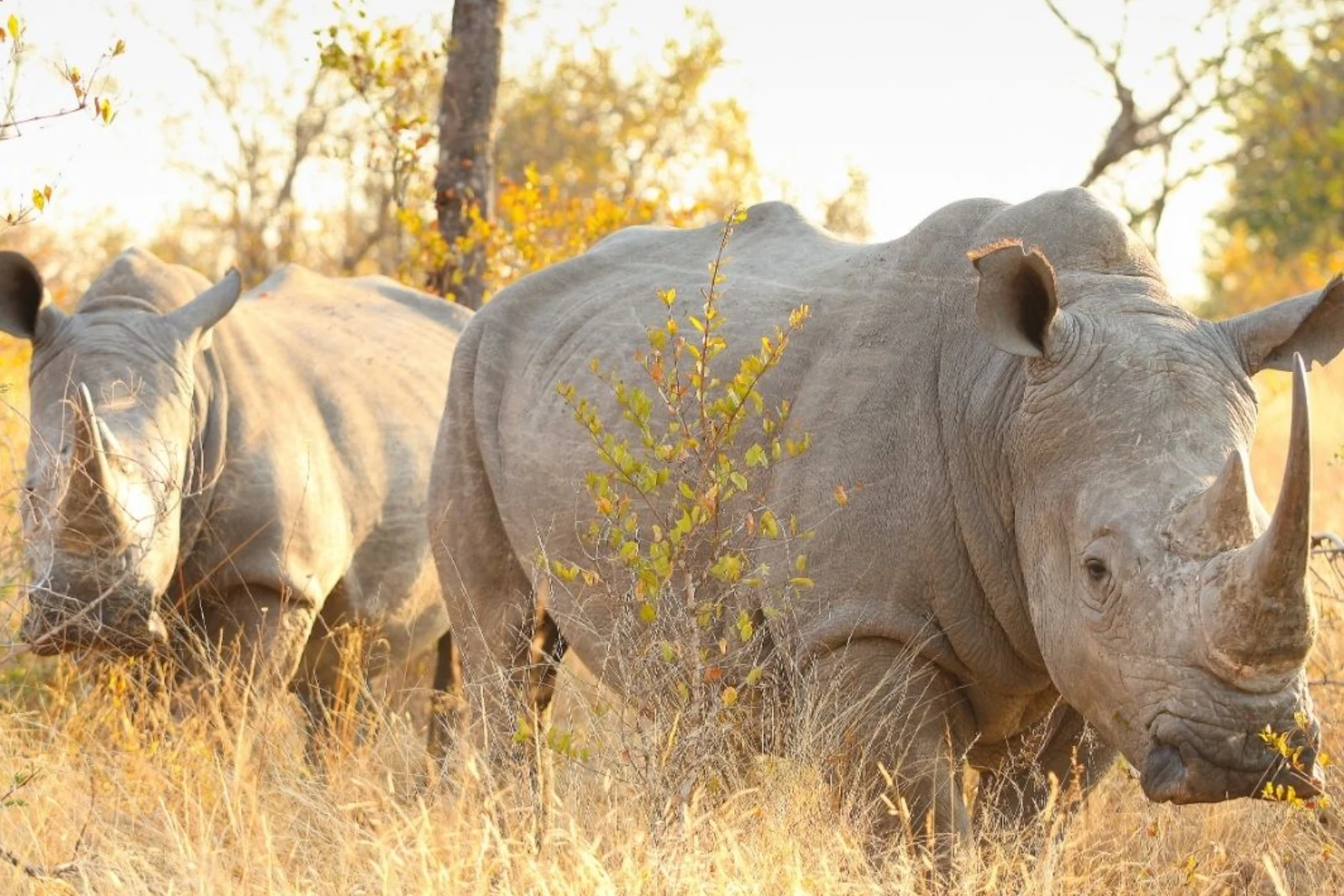
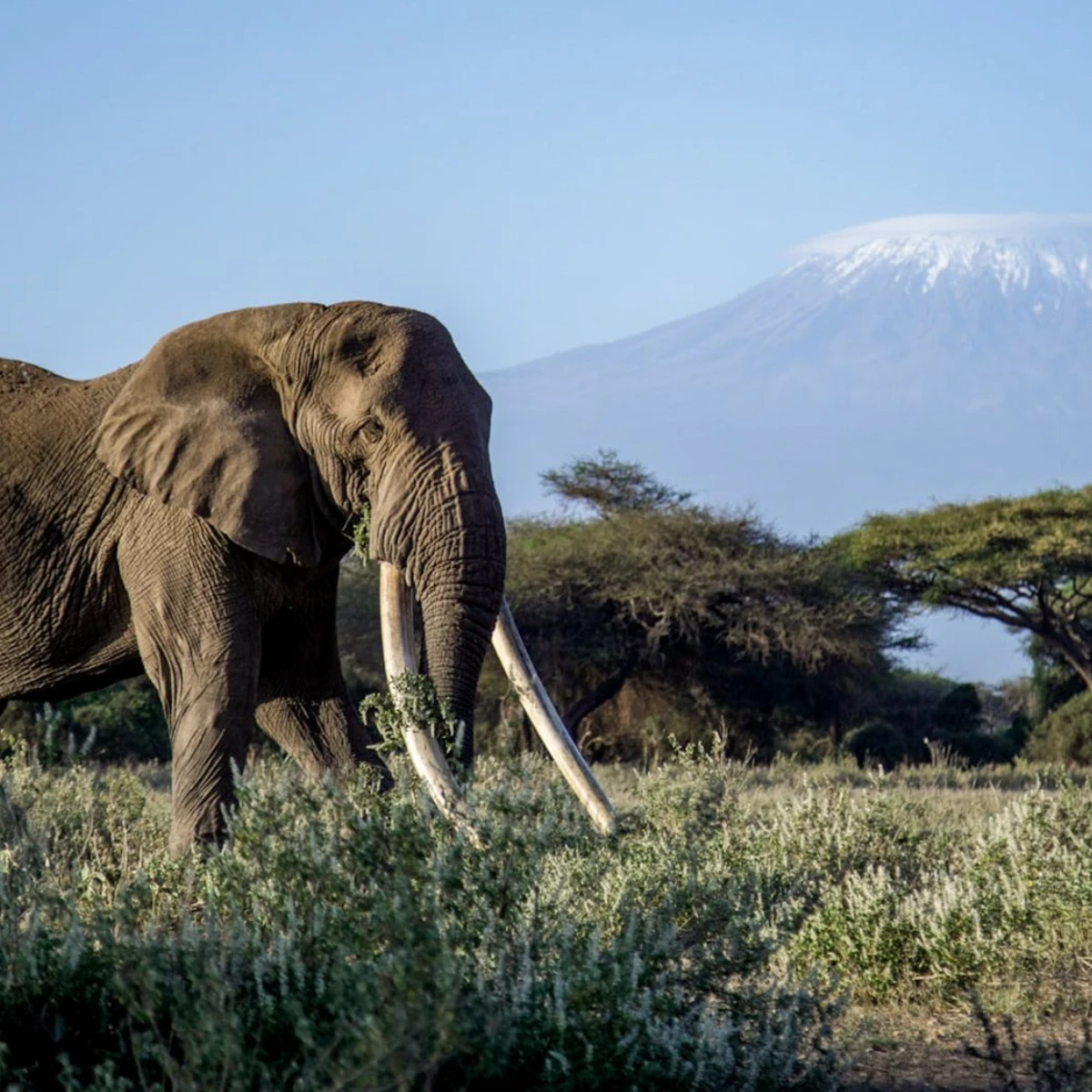
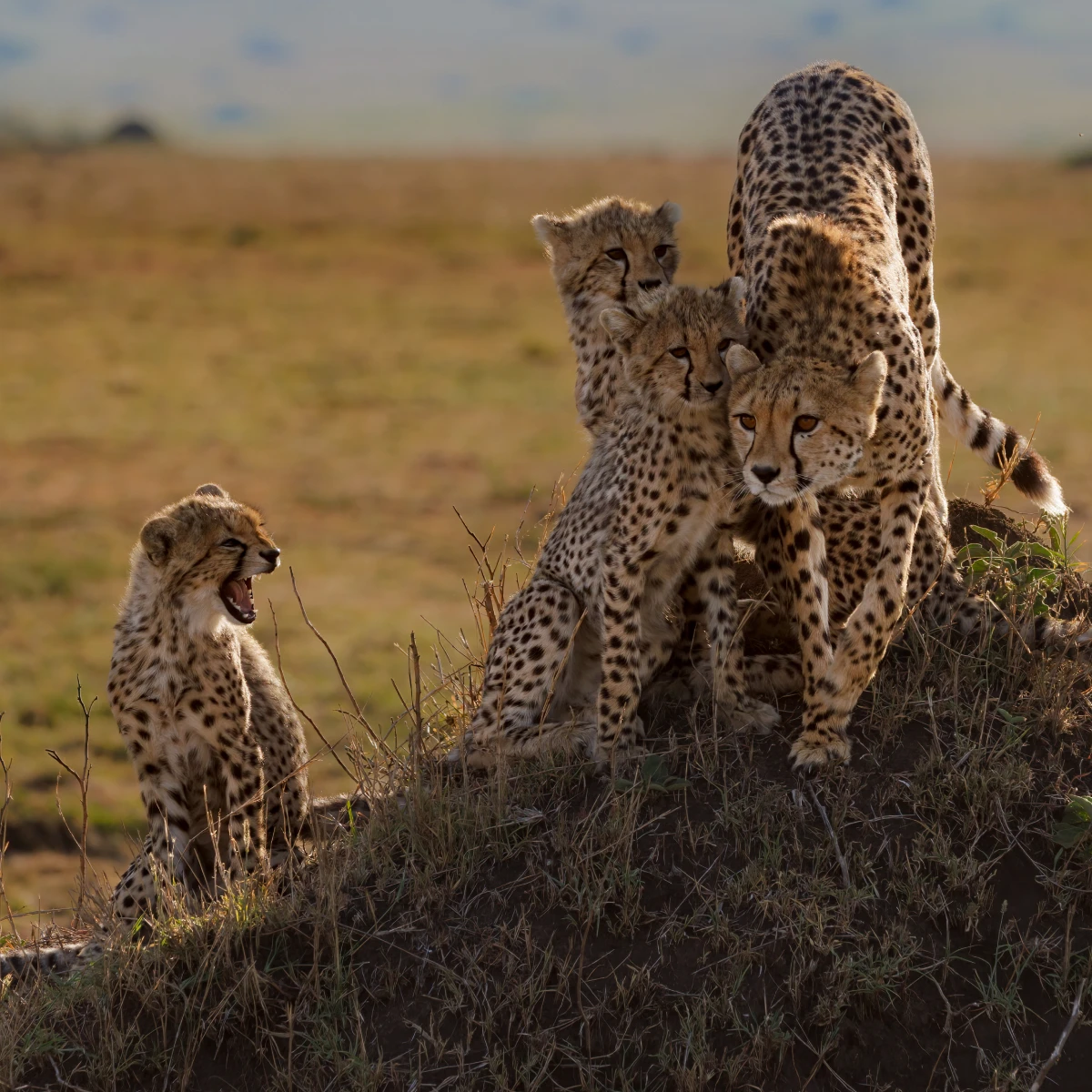
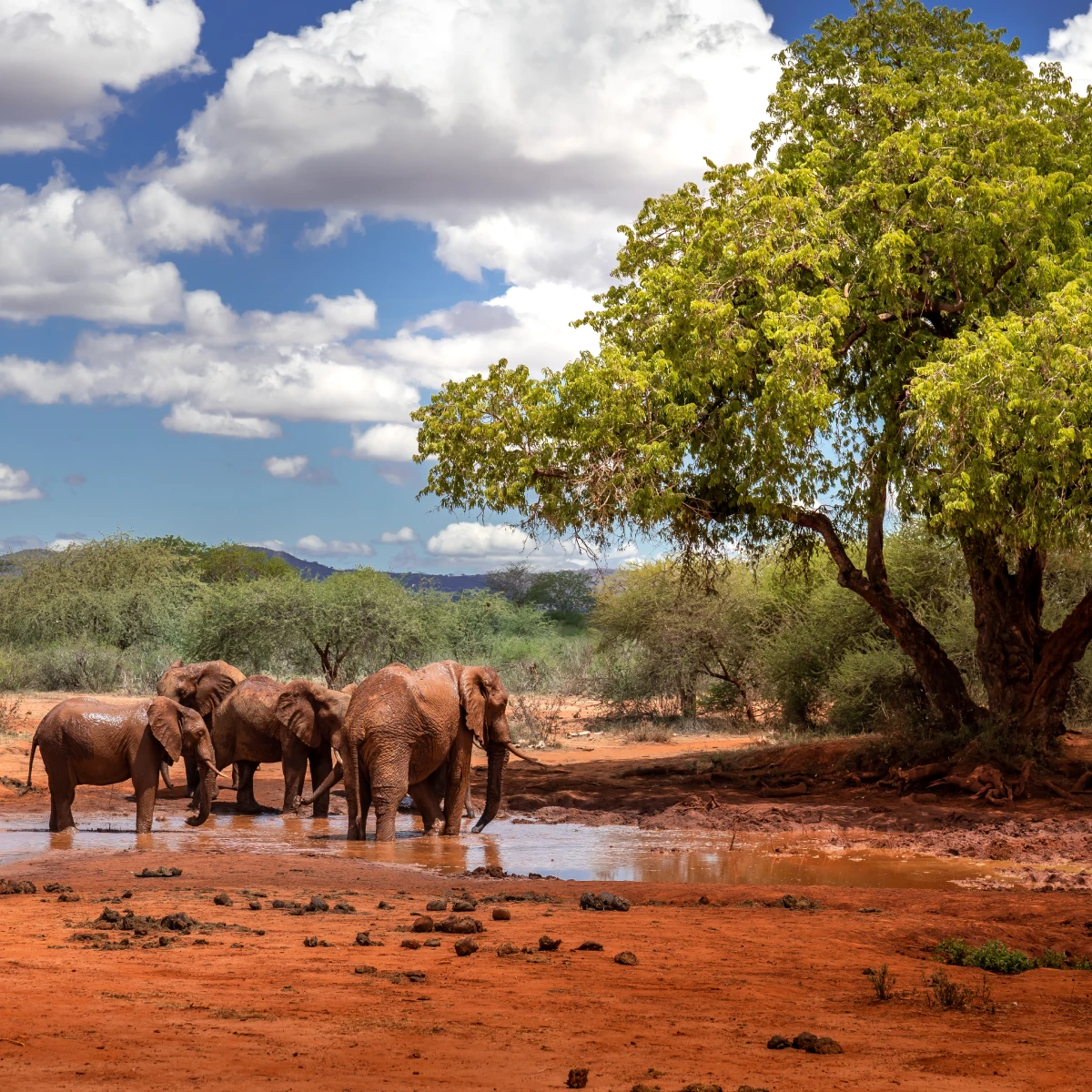
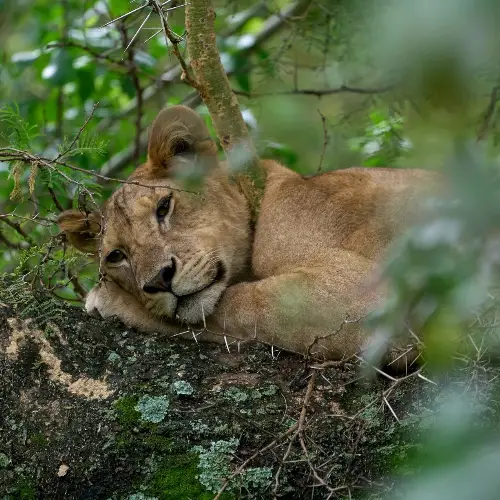
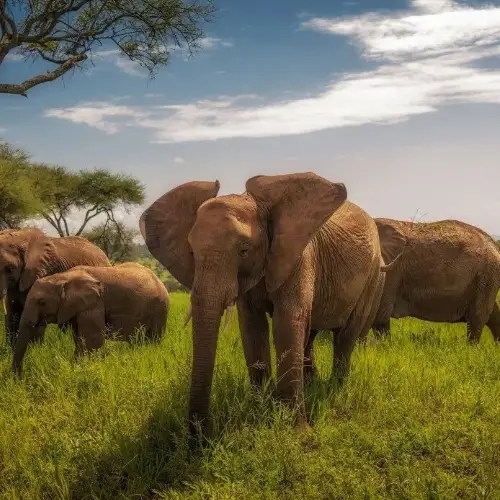
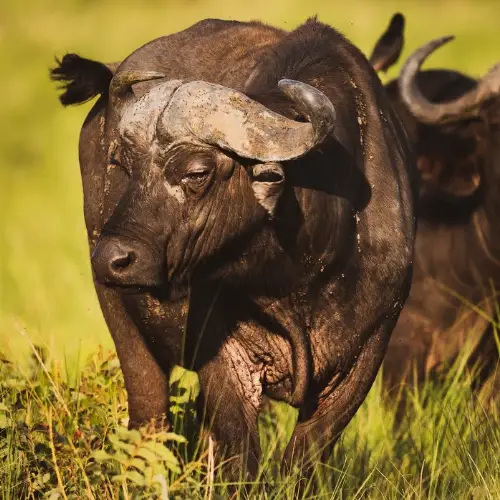
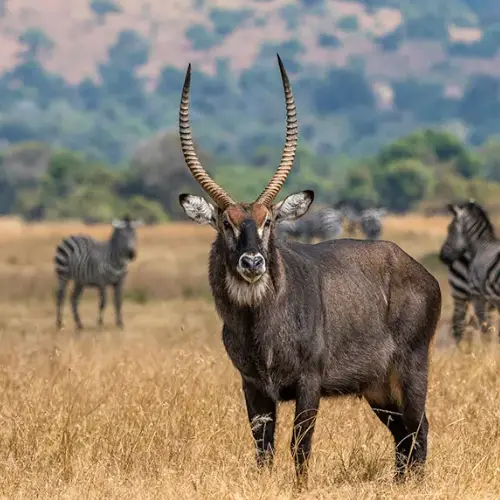
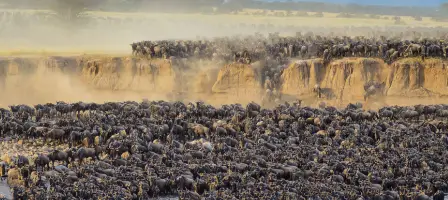
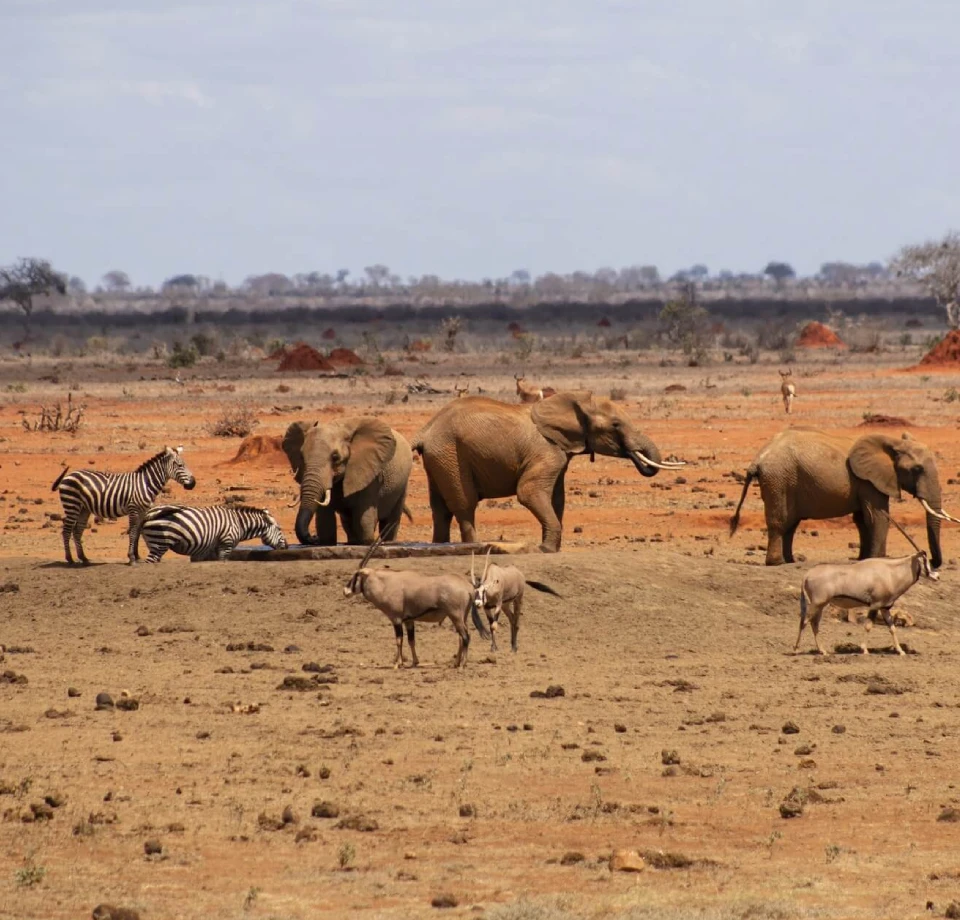
Wildlife is here, just spread out. Elephants gather at waterholes, buffalo move in groups and lions and leopards are possible with patience. The Ngulia Rhino Sanctuary boosts your chances of seeing black rhinos, especially from the viewing platform. You also get dry-country specials like lesser kudu and fringe-eared oryx, which is why Kenya wildlife safari fans rate this park.

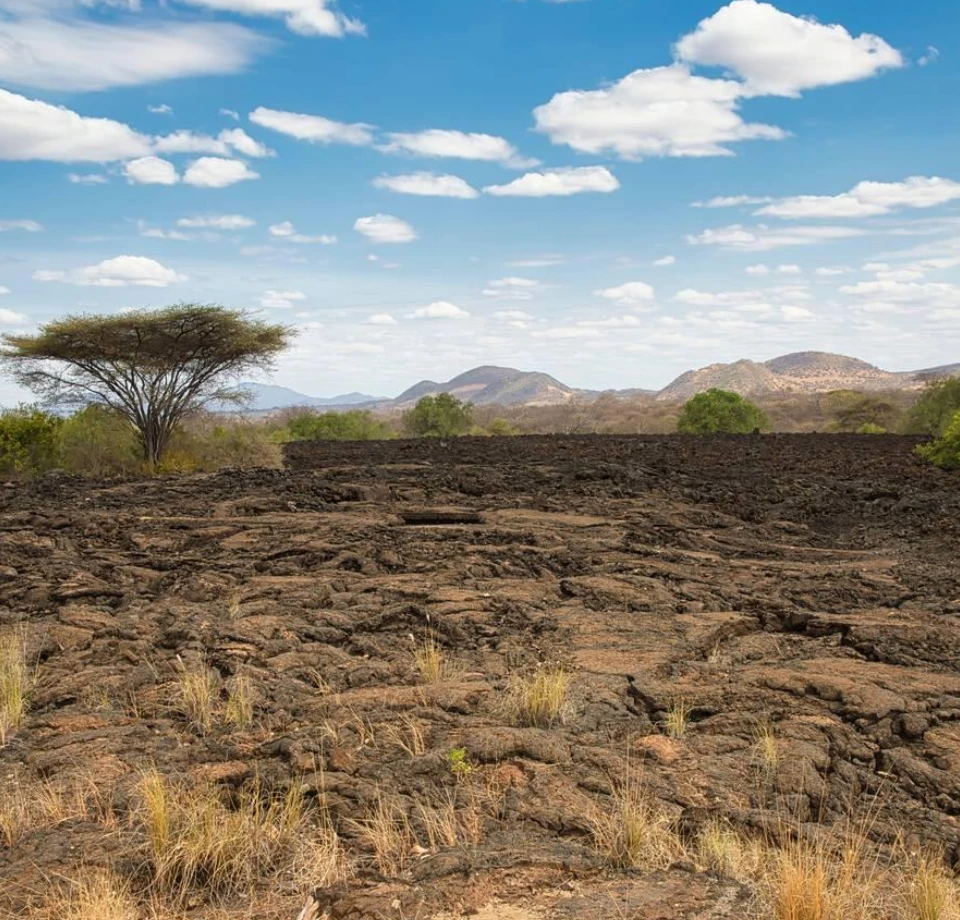
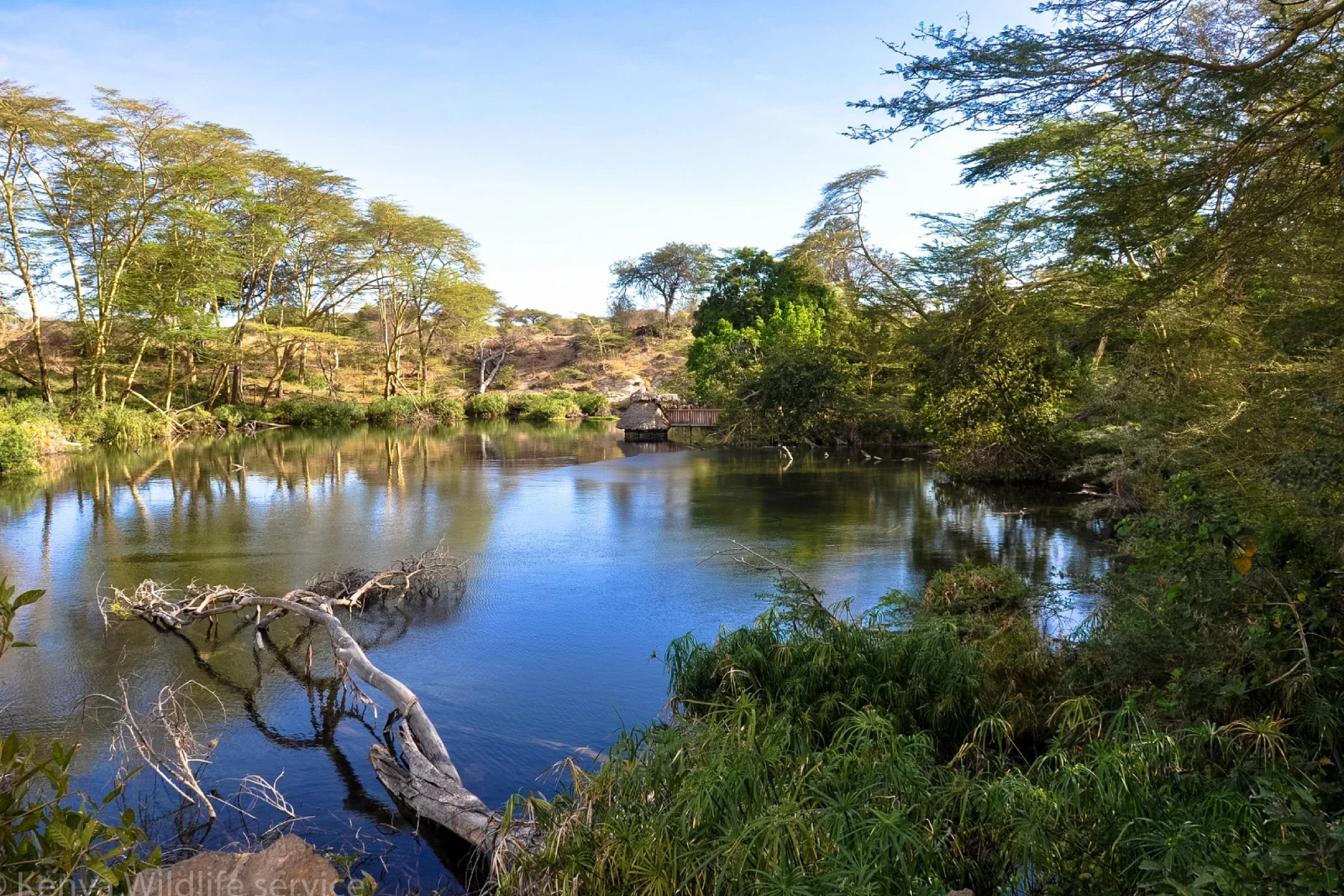
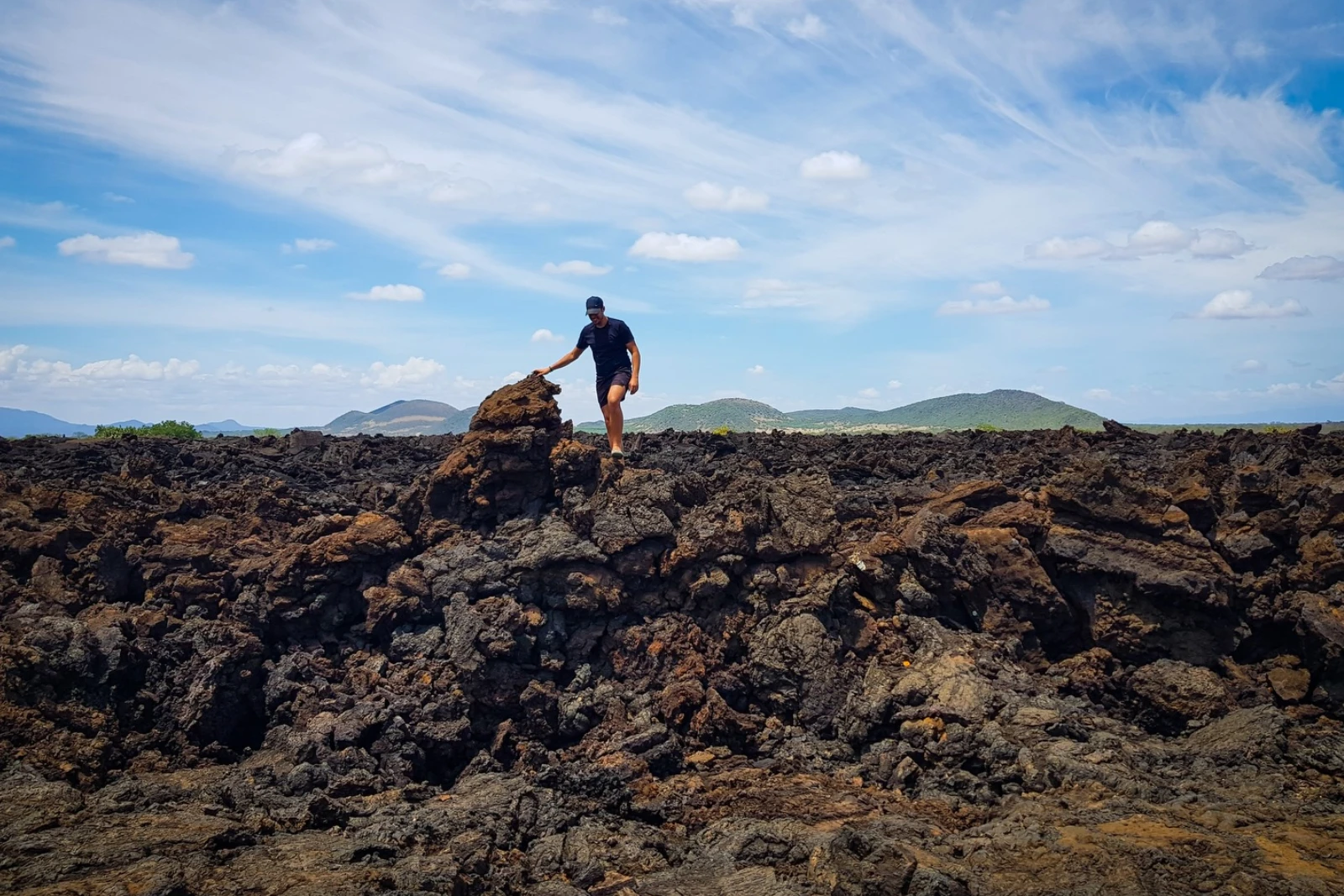
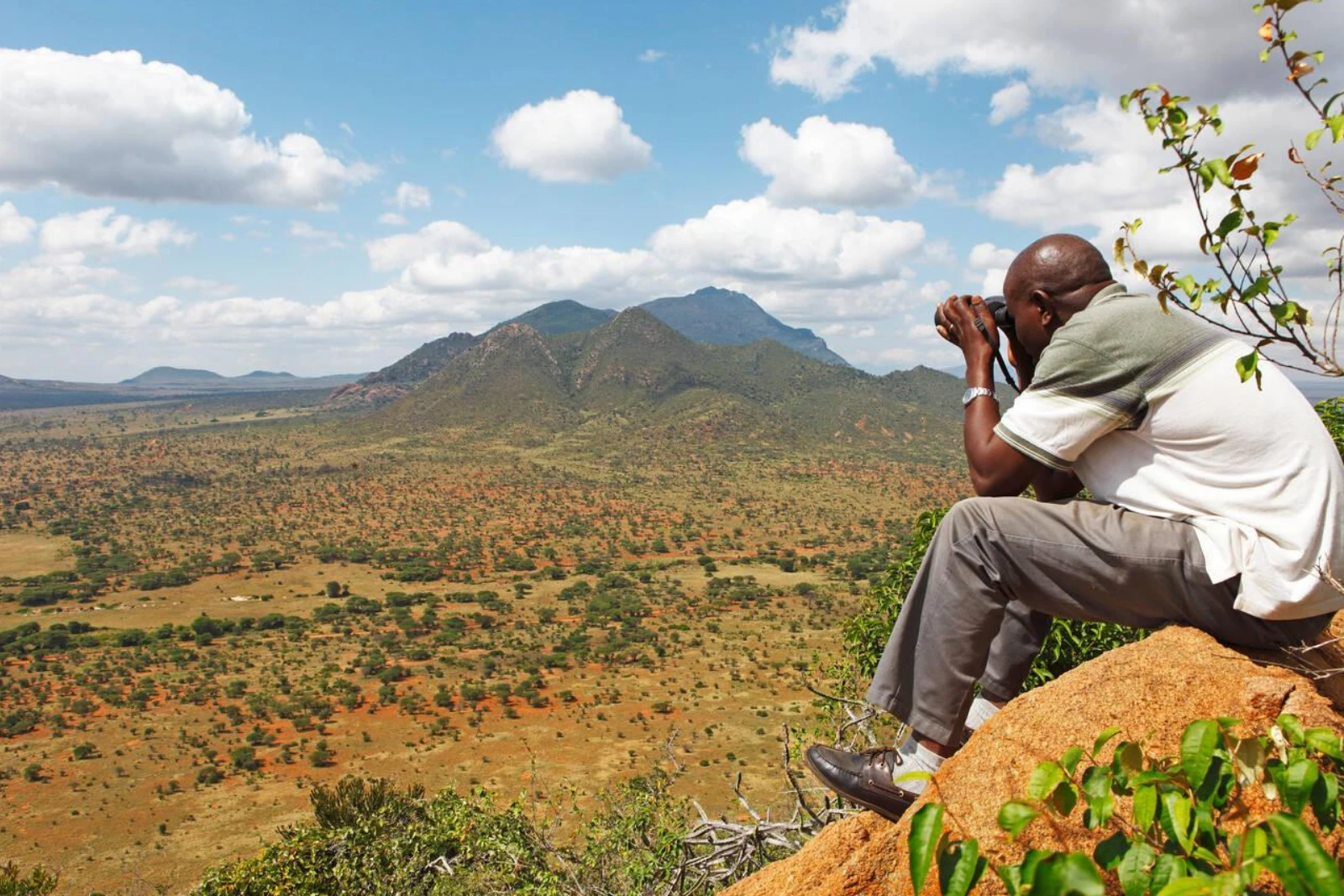
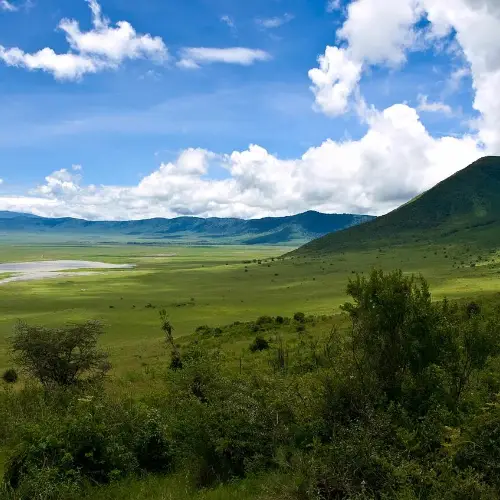
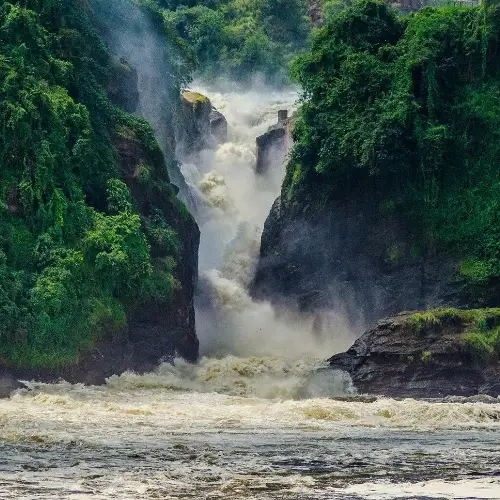
Scenery is the hook. Shetani Lava Flow, volcanic hills and the Ngulia Hills create a rugged landscape, while Mzima Springs cuts through it, offering water, hippos and cool shade in the heat. That contrast is Tsavo West—one of the most distinctive Kenyan tourist attractions for travelers who want wilderness.

Get Started

Life-Enriching Travel

Designed Just for You

  • Trips curated by the world’s top destination experts
  • Concierge-level service leading up to and during your trip
  • Unique, exclusive experiences and insider access


500+ Verified Traveler Reviews

Snowytop Safaris LTD

Why visit
Tsavo West National Park

Tsavo West suits travelers who like scenery as much as sightings. You can walk at Mzima Springs on a short trail, watch hippos from the underwater window, and stretch your legs at Chaimu Crater. The Shetani lava flows add a “Tsavo” stop between drives. Birders also have depth here, especially around Ngulia Hills in migration season. And the Ngulia Rhino Sanctuary platform gives a shot at the black rhino. It pairs with Tsavo East National Park or the coast on Kenya safari tours.

Tsavo West

Understanding Tsavo West at a Glance

Use this snapshot to match scenery, wildlife, weather, activities and routes today.

Volcanic Rugged Landscapes

Volcanic Rugged Landscapes

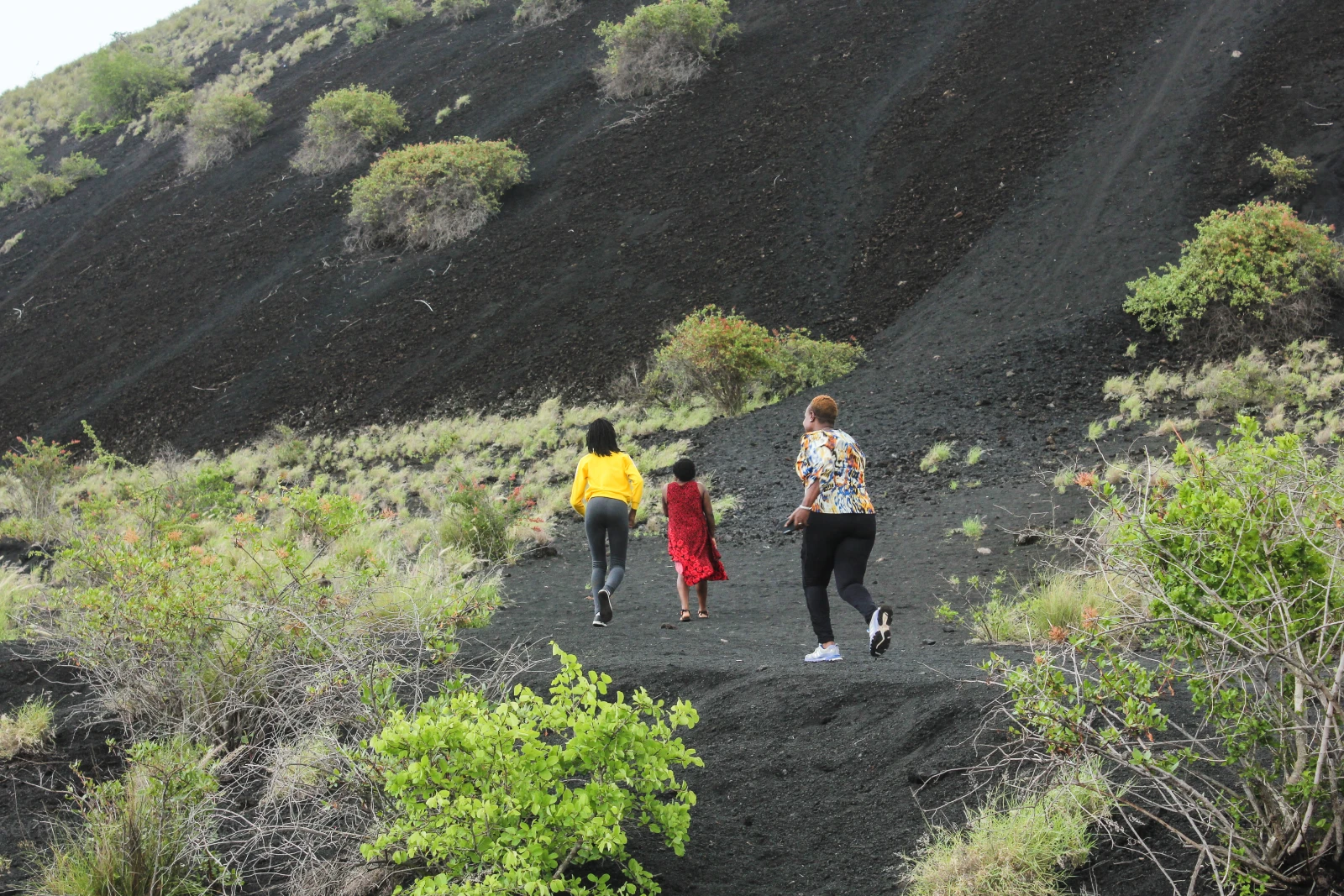
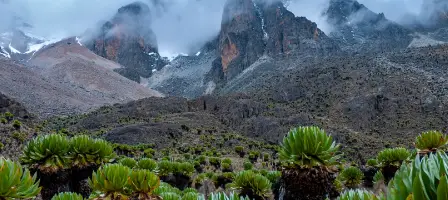
Tsavo West is rugged and volcanic. Black soil and red dust stain tracks, then jagged hills rise like a spine through the park. You’ll drive past rocky outcrops, Chaimu Crater and the raw Shetani lava flows. Woodlands thicken in places, but wide arid stretches dominate. Mzima Springs flips the mood: green fever trees, water and cool shade in the heat.
Dispersed Big Five

Dispersed Big Five

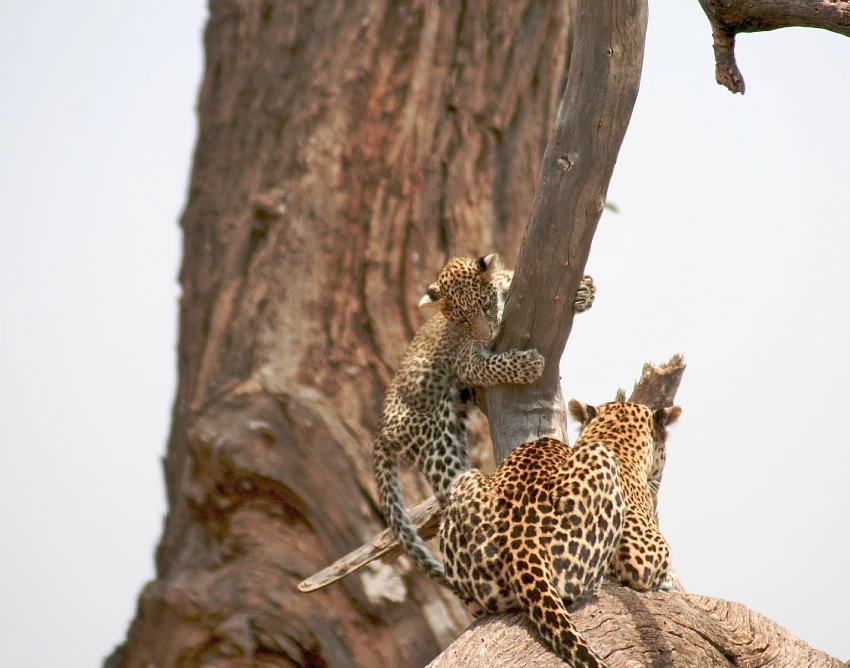
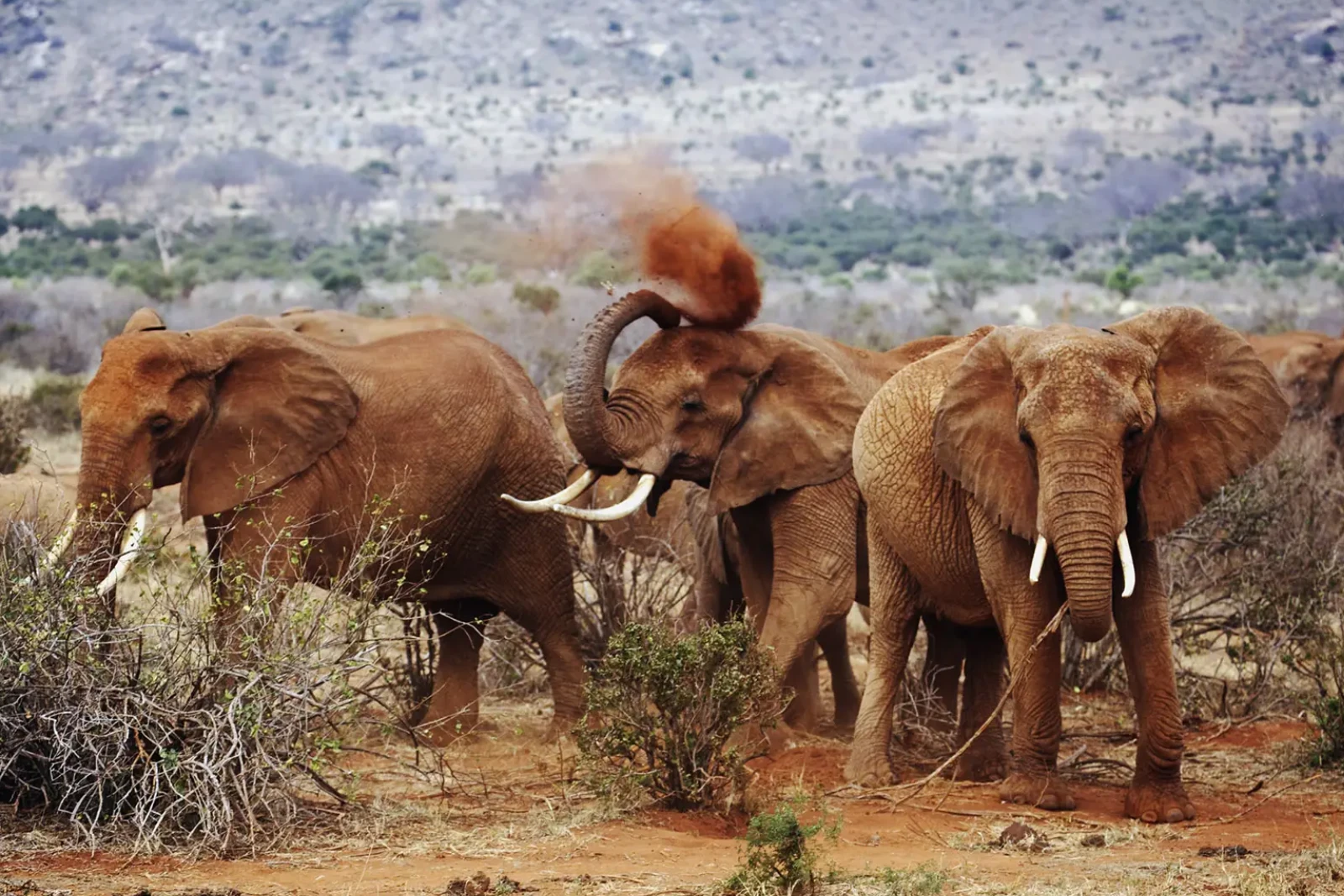
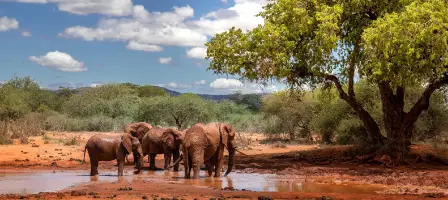
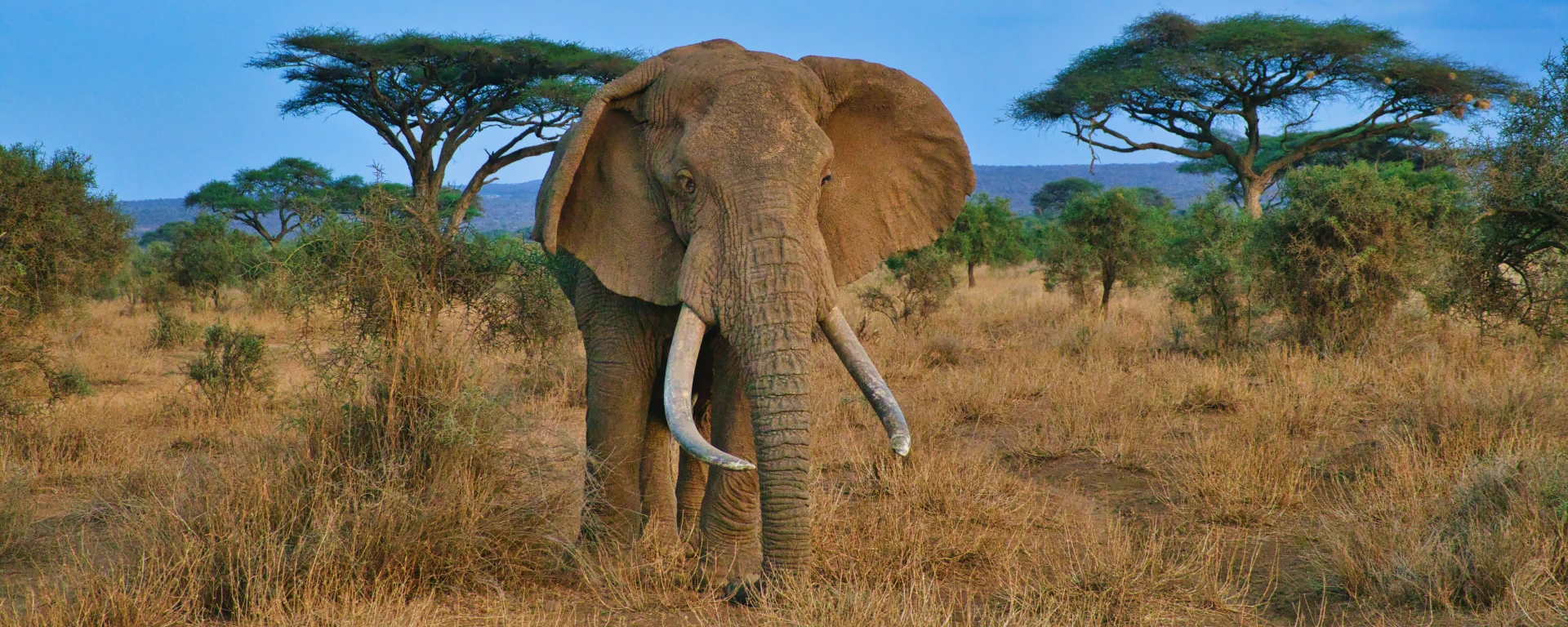
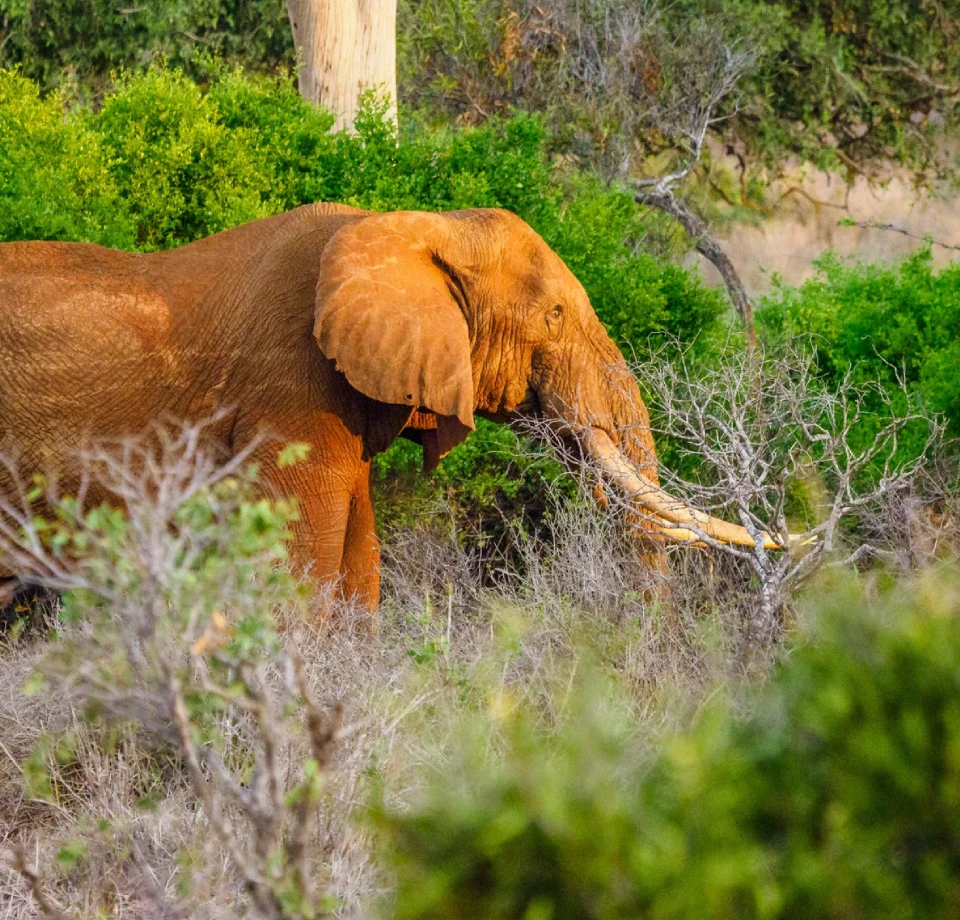
For Kenya wildlife fans, the Big Five are present, but densities are lower than in busier parks, so sightings can take time. Elephants often arrive coated in red dust and buffalo herds appear in main areas. Leopard and lion are possible. Ngulia Rhino Sanctuary is the best bet for black rhino. Birding is strong, with 500+ species and migration activity here.

Hot Dry Conditions

Hot Dry Conditions

Tsavo West is hot and dry by day, but nights cool down to surprise you on early drives. The dry season runs from June to October with skies and minimal rain. Short rains and long rains fall from November to May, often as afternoon showers. Higher ground in the park feels cooler, so the lodge location can change how comfortable you feel.

Springs Lava Landscapes

Springs Lava Landscapes

Mzima Springs is the headline: clear pools, hippos, and a shaded walk through fever trees, plus an underwater viewing point. The Shetani lava flows and nearby Chaimu Crater demonstrate the volcanic nature of the landscape. Ngulia Hills add viewpoints and migration bird migration ringing in November. Farther south, Lake Jipe feels calmer and greener than the core park for a different pause.

Central Coastal Access

Central Coastal Access

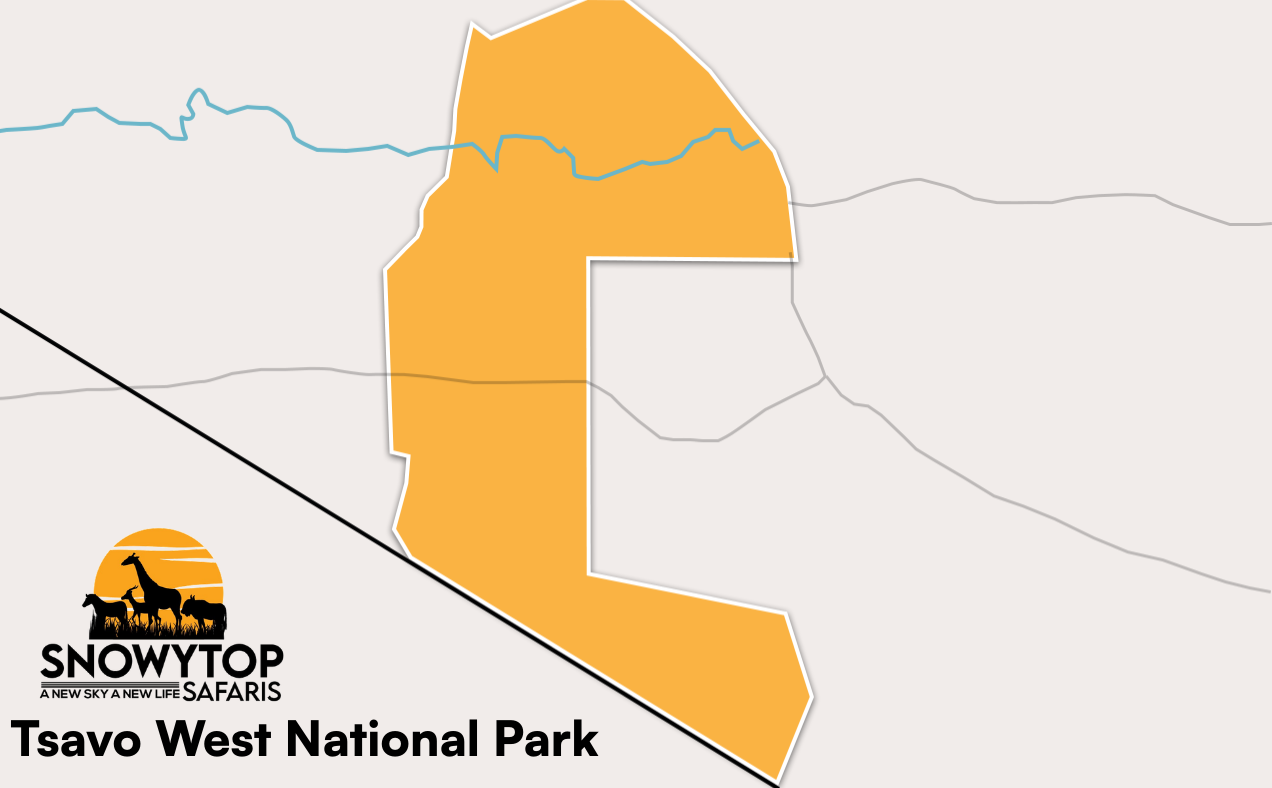
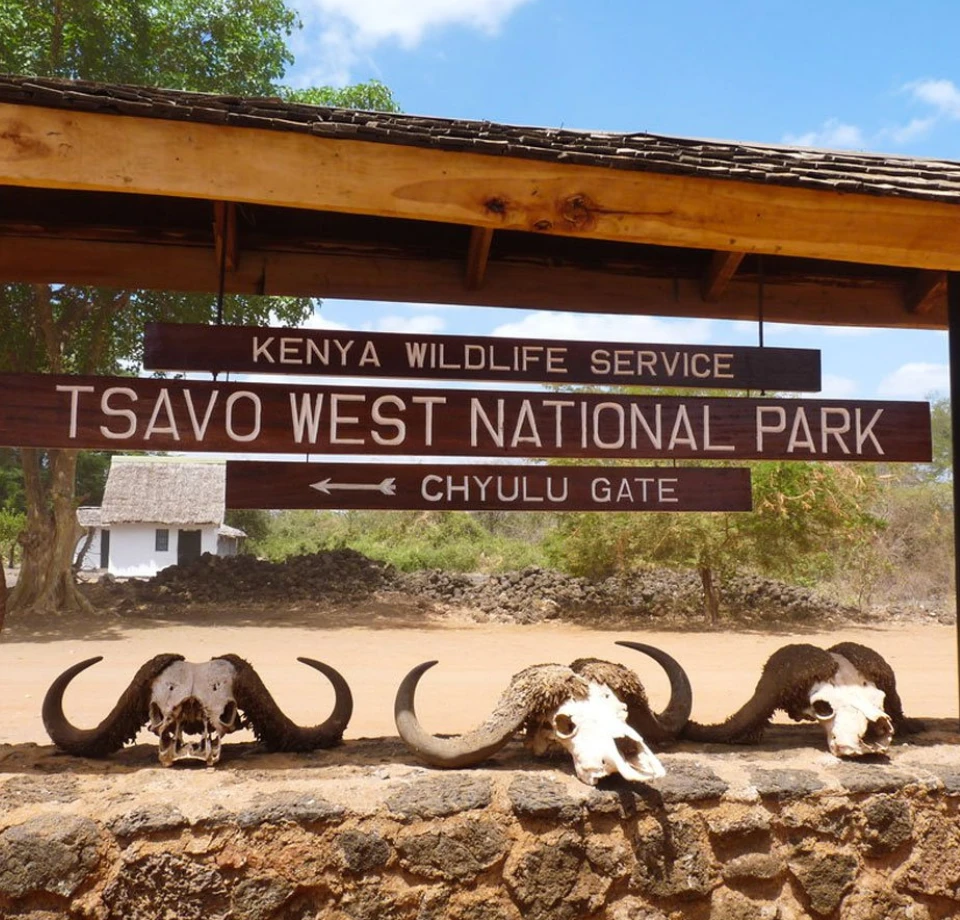
Most visitors arrive via Jomo Kenyatta International Airport or Moi International Airport. Tsavo West sits in Kenya, with Mtito Andei Gate about 232km from Nairobi and 210km from Mombasa, roughly a 4–6 hours’ drive each way. One train stops at Mtito Andei station, then you arrange transfers. It pairs well with Amboseli National Park or Tsavo East in Kenya travel itineraries.

When to Go to Tsavo West

The best months are June to October and January to February for wildlife; November to May is greener with birds too.

  • Best
  • Good
  • Mixed

January is hot and dry, and animals start leaning on rivers and waterholes. Early mornings feel cooler than you expect. Elephant and buffalo tracks show clearly daily on dusty roads. If you’re choosing Kenya safari packages, this month usually gives dependable driving conditions and fair odds for cats near shade.

February keeps the heat up, but visibility stays good because vegetation is thin. You may need more patience at sightings, because wildlife densities are lower here than in famous parks. Still, water points pull animals in. Plan longer, slower drives, then rest midday; that rhythm fits Tsavo West for photos.

March begins edging toward the long rains. Some afternoons bring quick showers, and the air smells after the dust settles. Wildlife can spread out a little, but Mzima Springs stays active and is worth your time. If you want fewer vehicles, March often feels calmer without feeling empty.

April is one of the wetter peaks. Tracks can get slick, grass grows fast, and animals don’t have to cluster around water. That can make sightings slower, but the park looks greener and cooler. Birdlife improves. Build your days around short bursts: a drive, a rain break, then another drive.

May still carries some rain, but it usually eases compared to April. The landscape stays fresh, and you’ll notice more shade in the woodlands. Wildlife viewing can be mixed, yet Mzima Springs and river lines keep producing. If you like quieter lodges and softer light, May is a good bet.

June marks the return of the dry season. Roads firm up, visibility improves, and animals begin focusing on dependable water again. Expect bright days and cooler mornings, especially in higher areas near the Ngulia Hills. For Kenya wildlife watchers, this is when Tsavo West starts feeling truly predictable, most days at last.

July is dry and comfortable for long drives. Wildlife concentrates around waterholes, so you can plan routes instead of chasing luck. Elephants are common and you may catch lions in the cooler hours. Dust can haze the distance, which photographers either love or hate. Pack a warm layer for dawn.

August stays firmly dry. The park feels open, the roads behave, and animals keep returning to the same water sources. If you’re hoping to see a rhino, factor time for Ngulia Sanctuary rather than trying to rush it. Many people Book Kenya safari trips now, so secure camps early in advance.

September remains dry, but the heat begins creeping in afternoons. Wildlife viewing is strong because the grass stays low, and water points matter. This is a month to slow down at Mzima Springs and let the place sink in, not just tick sightings. If you’re pairing parks, drive times stay reliable.

October sits in the shoulder period. Some days stay dry, others bring short showers that settle dust and cool the evening. Animals can spread a bit, so guides lean on experience and chatter. If you’re comparing Kenya tour packages, October can offer value while keeping road access. Expect warmer nights.

November is part of the wet season, and it can be beautiful if you’re okay with changeable afternoons. Green returns, birds get bus,y and the Ngulia Hills become known for ringing projects. Wildlife is around, but it may take longer because water is everywhere. Pack a rain layer and patience.

December mixes sun with quick showers. The park feels fresher, and the scenery can steal attention. It’s also a solid time for birding, with migrants around and water drawing activity at springs. Wildlife viewing is possible, but expect it to be less concentrated than mid-year. Pairing with the coast is easy.

Tsavo West Travel FAQs

Yes, if you want variety and don’t need constant sightings like the busiest Kenya national parks.

Focus on the Ngulia Rhino Sanctuary area and give it time; quick passes usually don’t work.

Only in specific places like Mzima Springs and Chaimu Crater—short, controlled walks, not long Kenya hiking trails.

Tsavo East, Amboseli, or a coast add-on for Kenya beaches and downtime.

Options range from simple to high-end Kenya safari lodges; location matters more than fancy extras here.

Tsavo West Safari Experiences

Tsavo West experiences aren’t about chasing a checklist. They’re about moving through volcanic country, stopping when the land changes and giving wildlife time to appear. Some moments are active—long drives, dust, heat. Others are quiet—standing at springs, watching water ripple, listening for birds. If you like variety, Kenya adventure tours are a good fit. And patience is part of the deal.

Talk to a Safari Specialist Today

and design your travel plans.

Call +254 723 619669

OR

Enquire Now
  • Lawrence

  • Margaret

  • Mugambi

Our Safari Experts

Safaris You Can Book

Browse all our safari options designed around realistic travel days, trusted guides, and comfortable stays across East Africa.

Explore Iconic Kenya

Witness abundant wildlife, diverse scenery, cultural heritage, and warm hospitality throughout remarkable Kenya.

Get Started On Your Trip

You can contact us anytime, and we’ll support your
planning from early ideas to final details.

Get in touch

What Travellers Say

Real feedback from guests who have traveled with SnowyTop Safaris LTD across East Africa.

Local Team Insight

Our guides and planners work in Kenya and nearby parks year-round. You get route advice that matches road conditions, seasons and lodge standards, not generic online suggestions for your dates.

Clear Trip Planning

We keep planning simple: quick replies, clear inclusions, and realistic drive times. If something won’t fit, we say so early and suggest a better option without pushing upgrades or extras.

Support Throughout Travel

From airport pickup to your last game drive, we stay reachable. You get help with permits, timing and small changes, so the trip keeps moving smoothly even when plans shift.