Lake Kivu

Rwanda’s Quiet Lakeside Escape

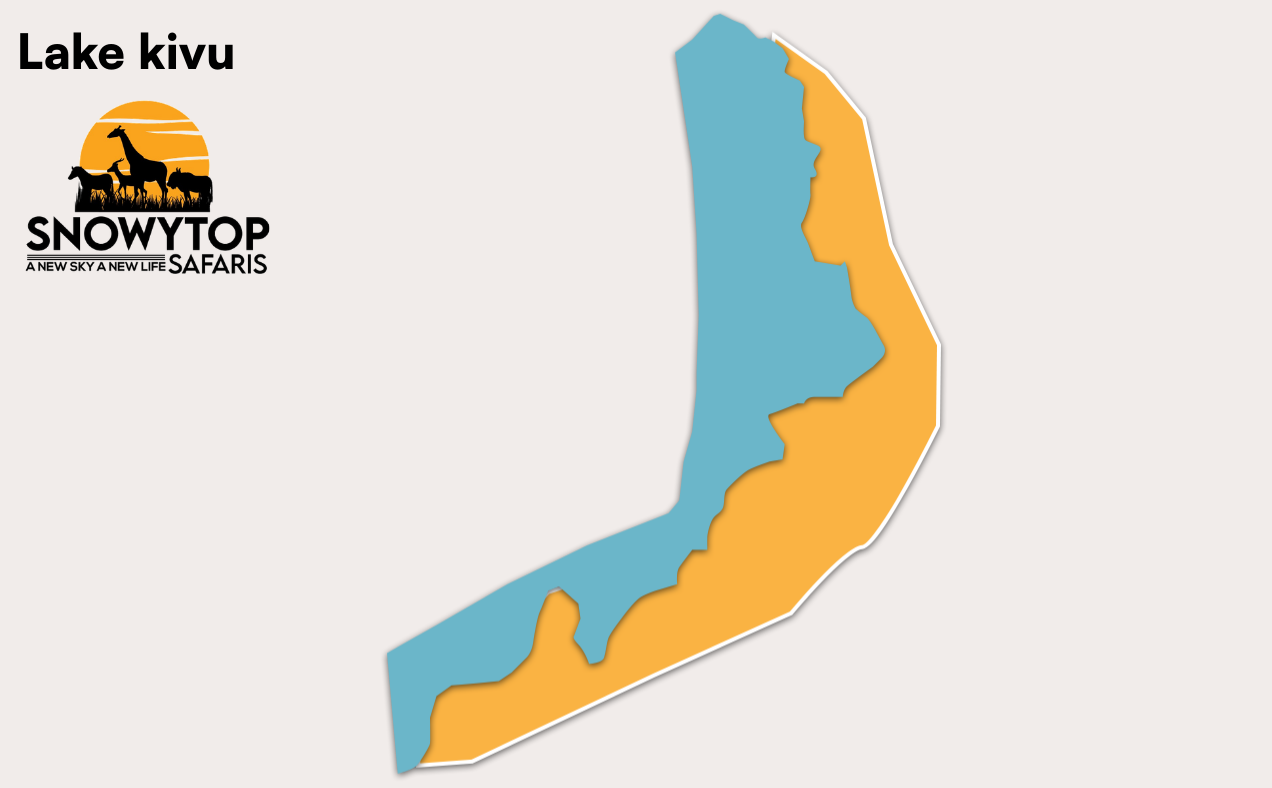
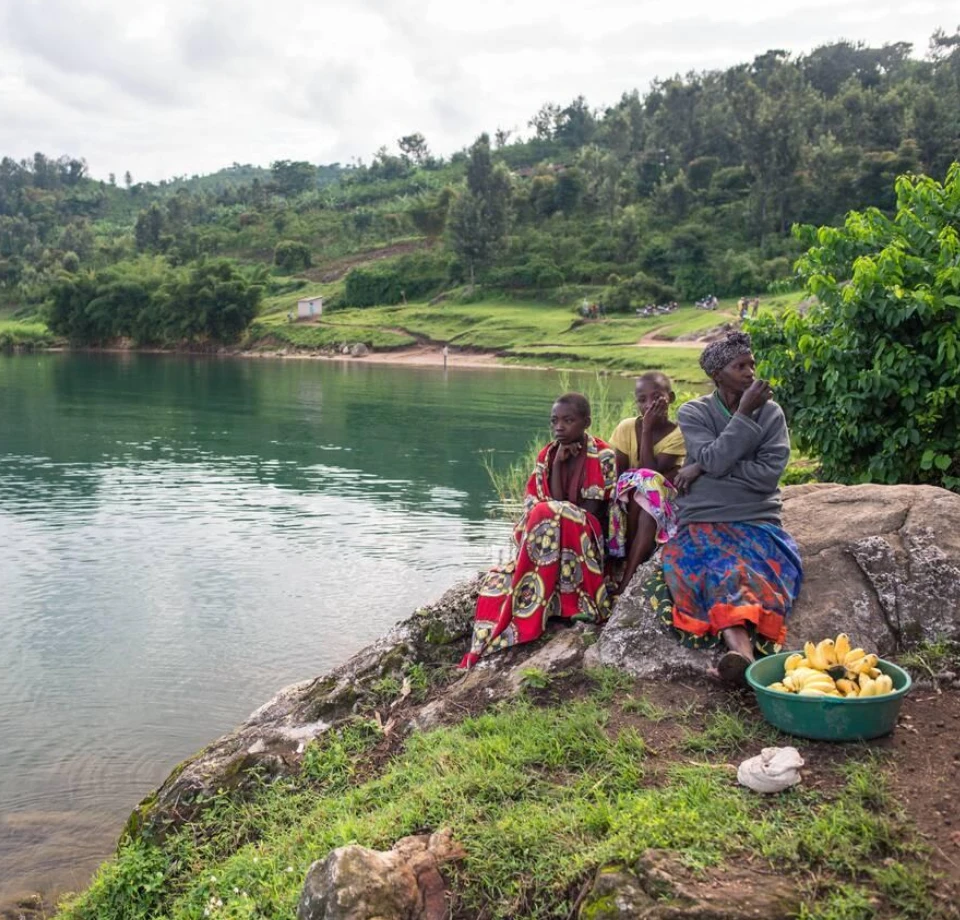
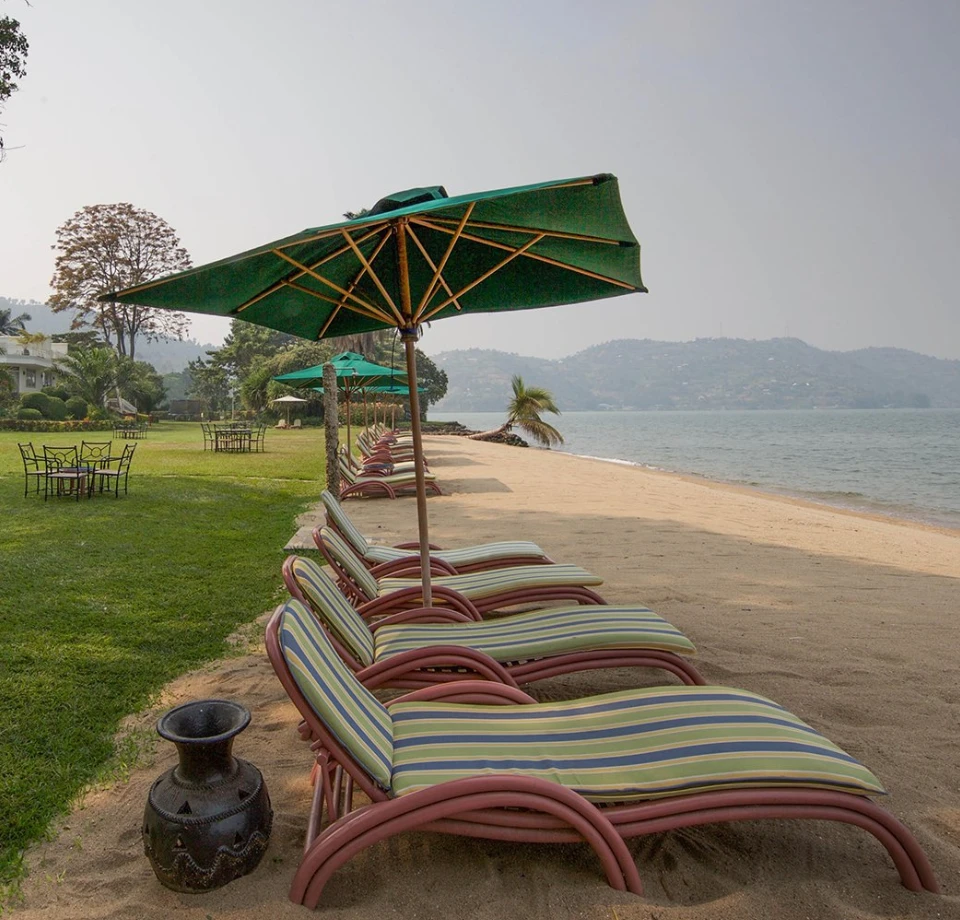
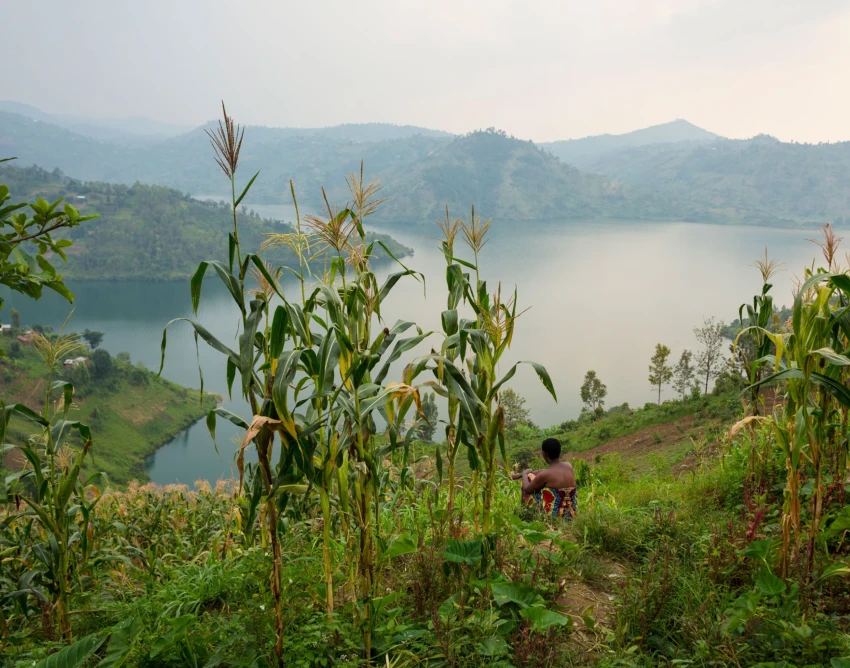
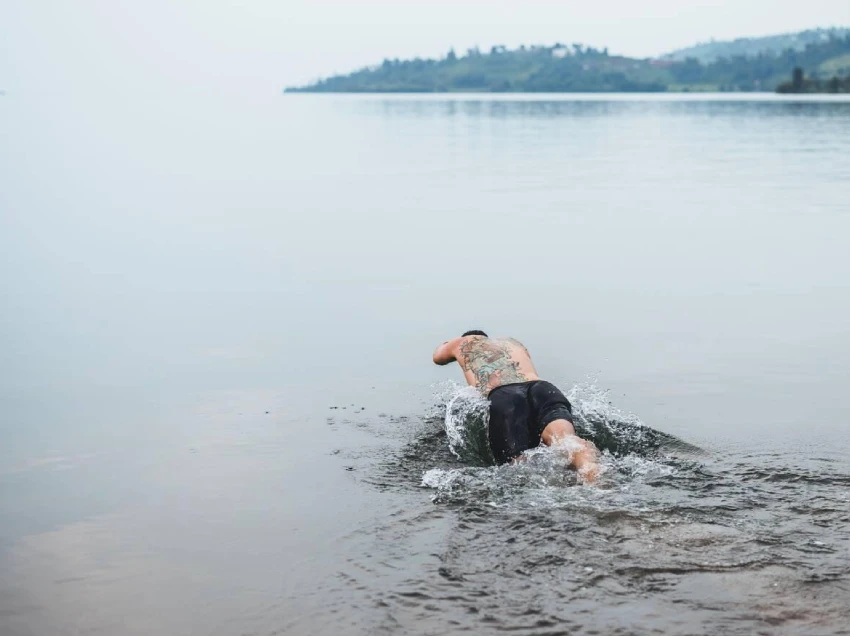
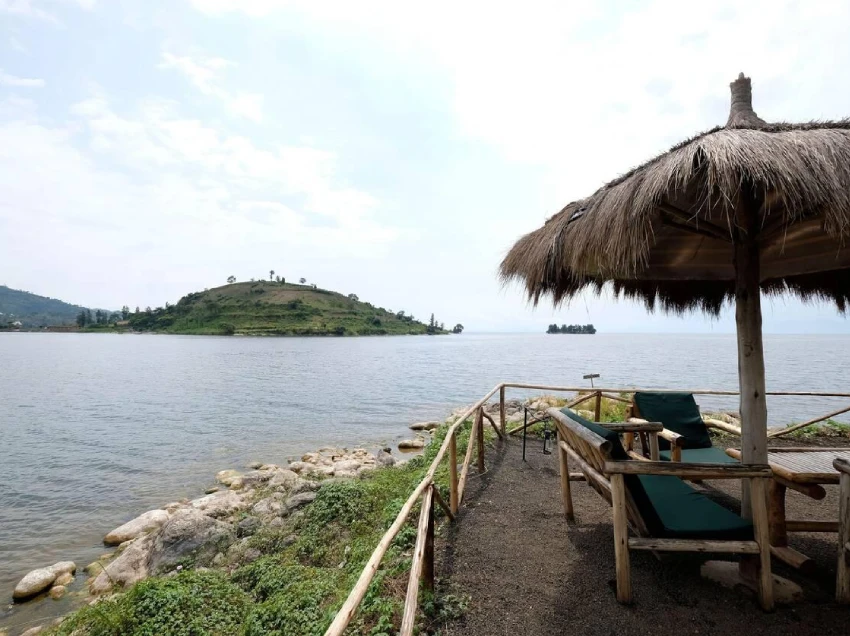
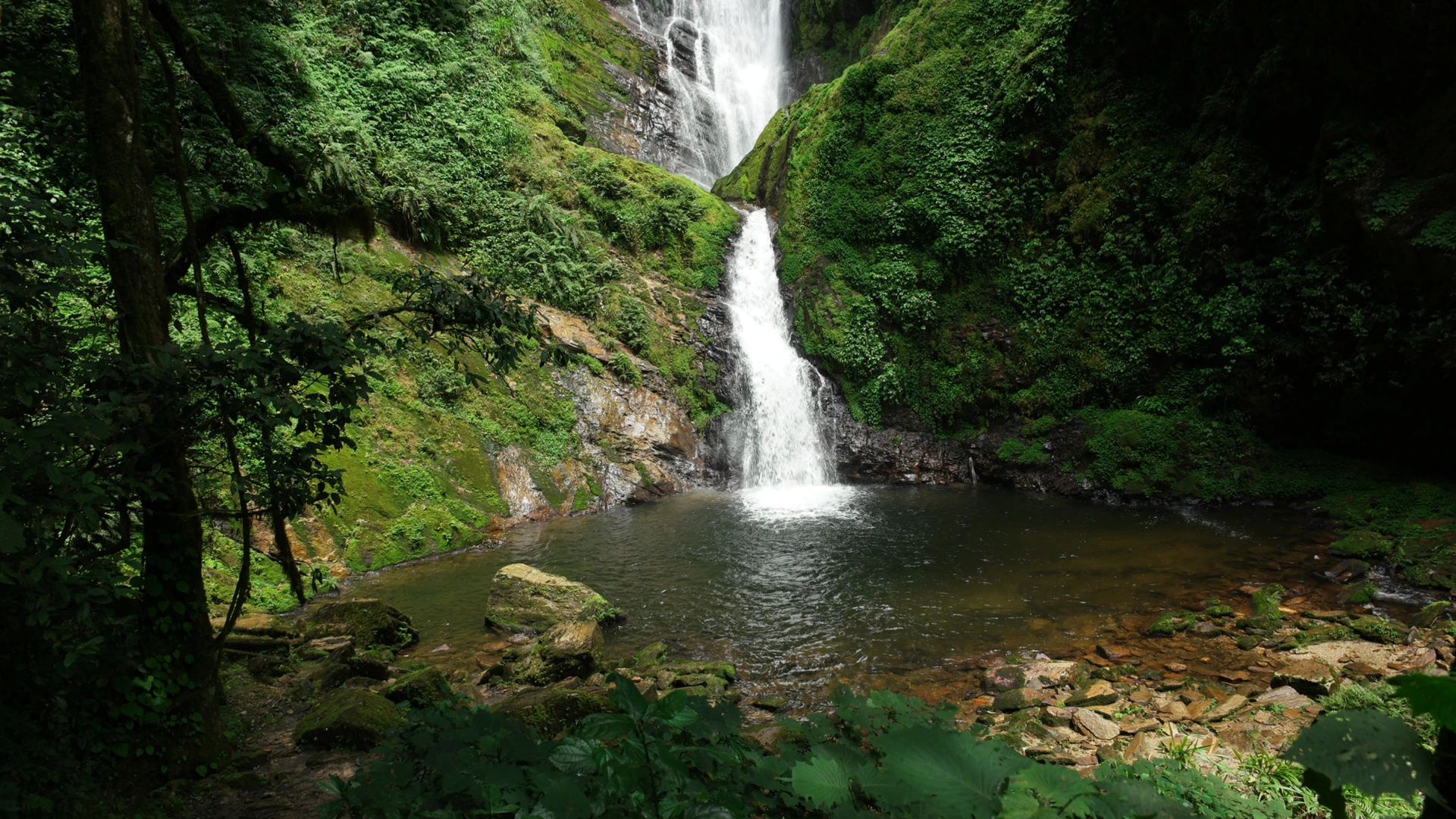
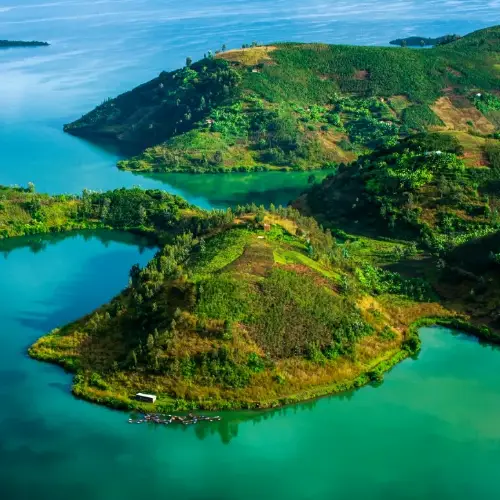
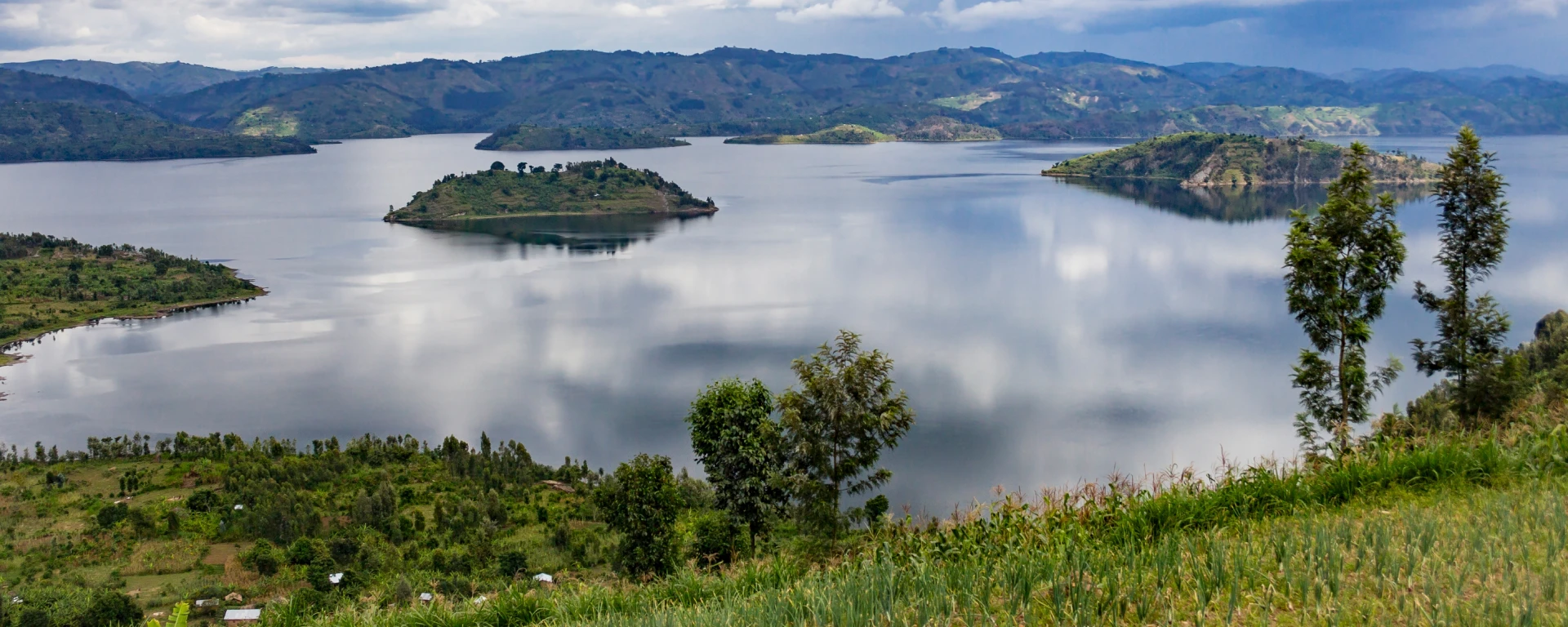
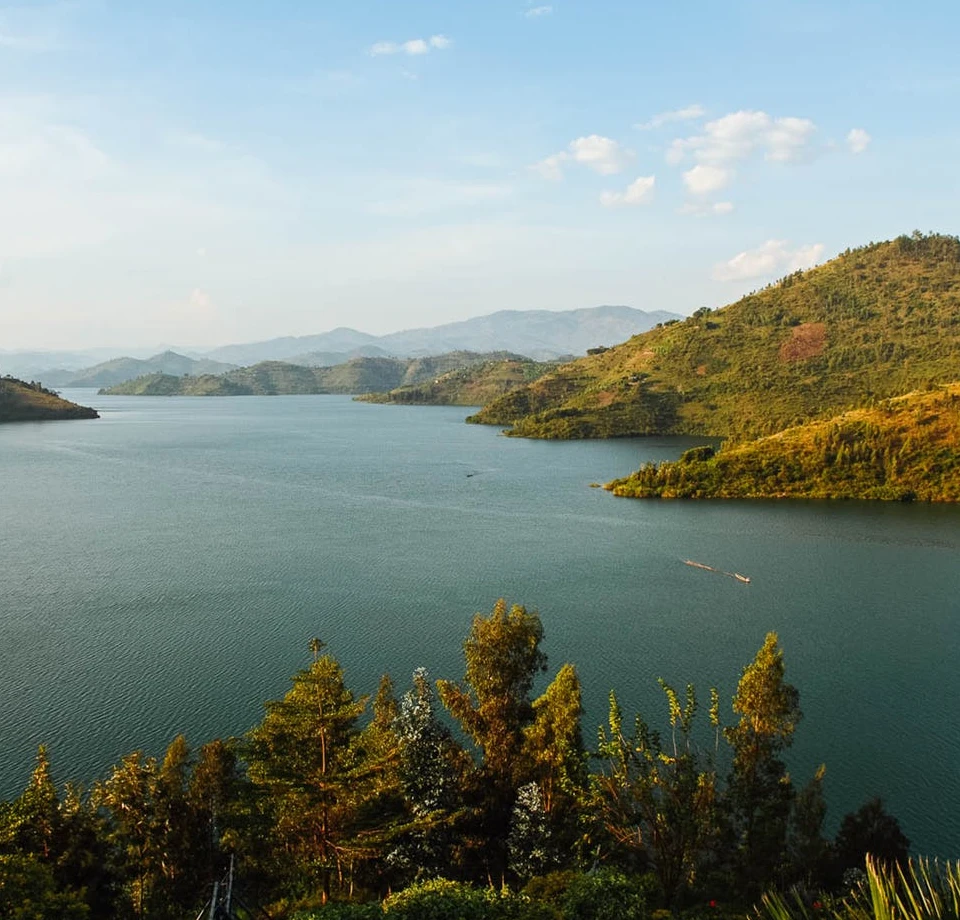
Lake Kivu runs along Rwanda’s western border with the DRC, and it’s one of those places that makes your schedule slow down in a good way. Mornings can be misty, afternoons are bright, and the water stays calm enough for swimming in many spots. The setting is classic Rwanda—green hills, terraced farms, and small fishing boats moving quietly across the lake.

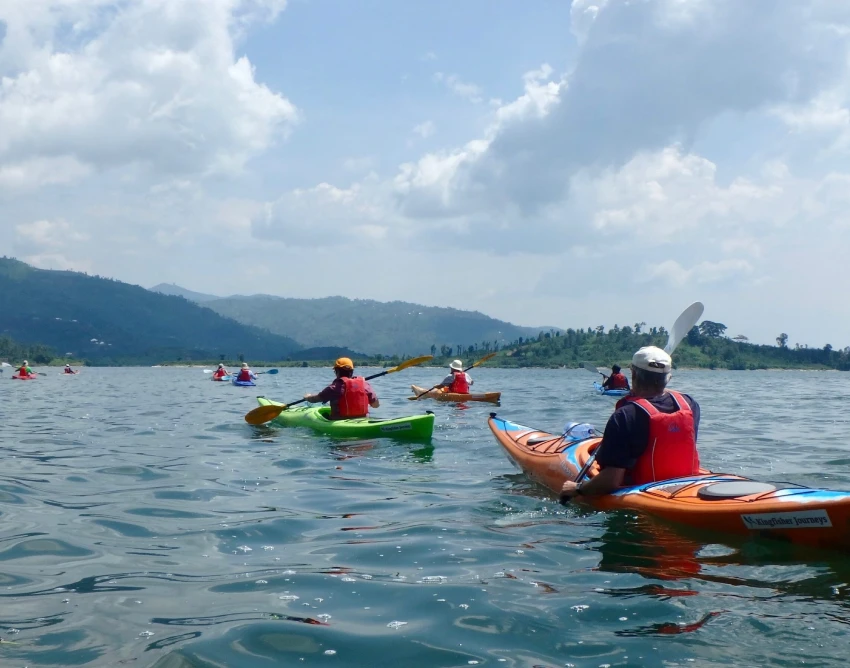
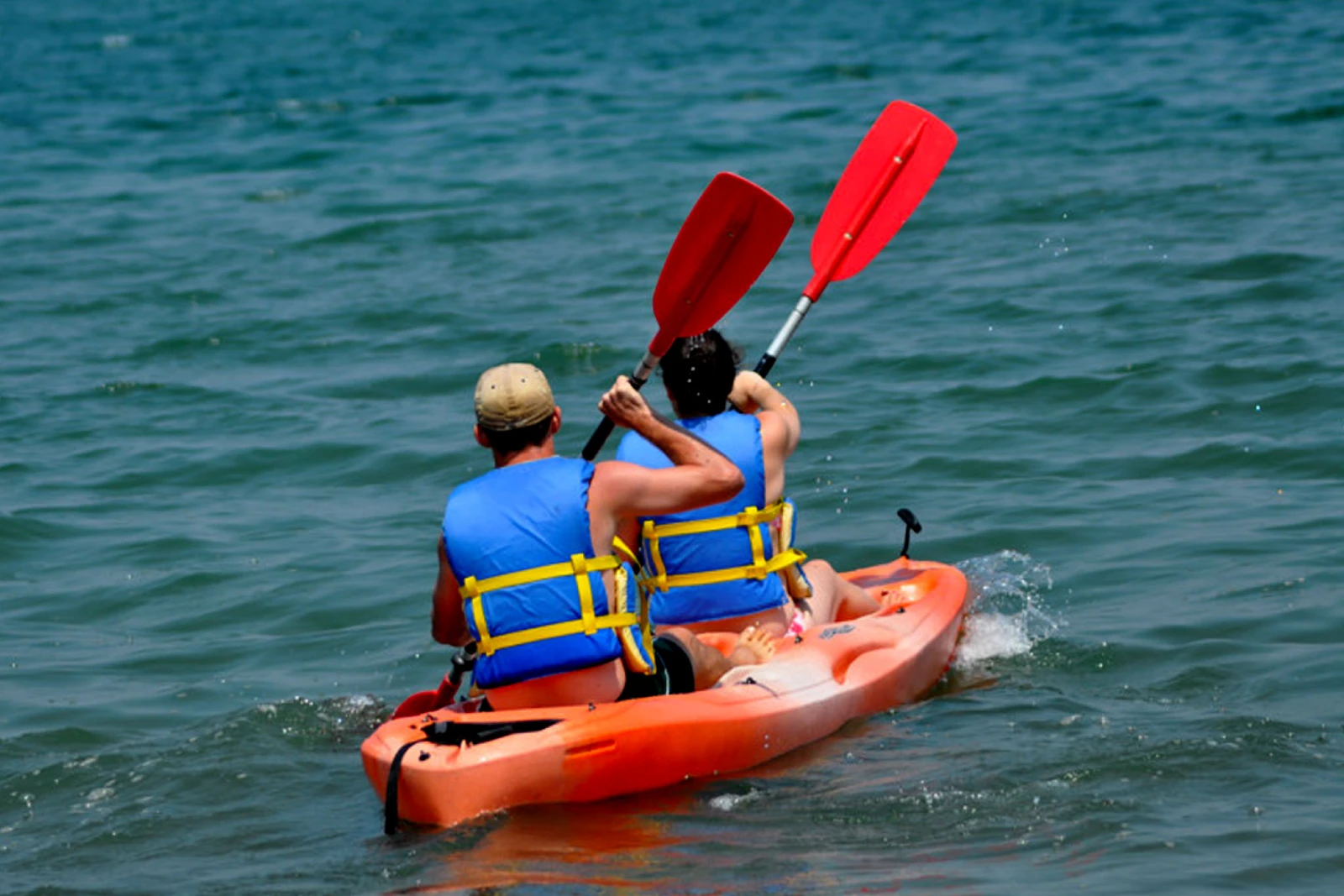
It’s also unusually safe for an African lake. No hippos, no crocodiles, and the water sits around a comfortable 24°C most of the year. People come here to kayak, take boat trips to small islands, walk sections of the Congo Nile Trail, and just recover after busy park days. Many travellers add it to Rwanda safaris as their “breathing space” stop.

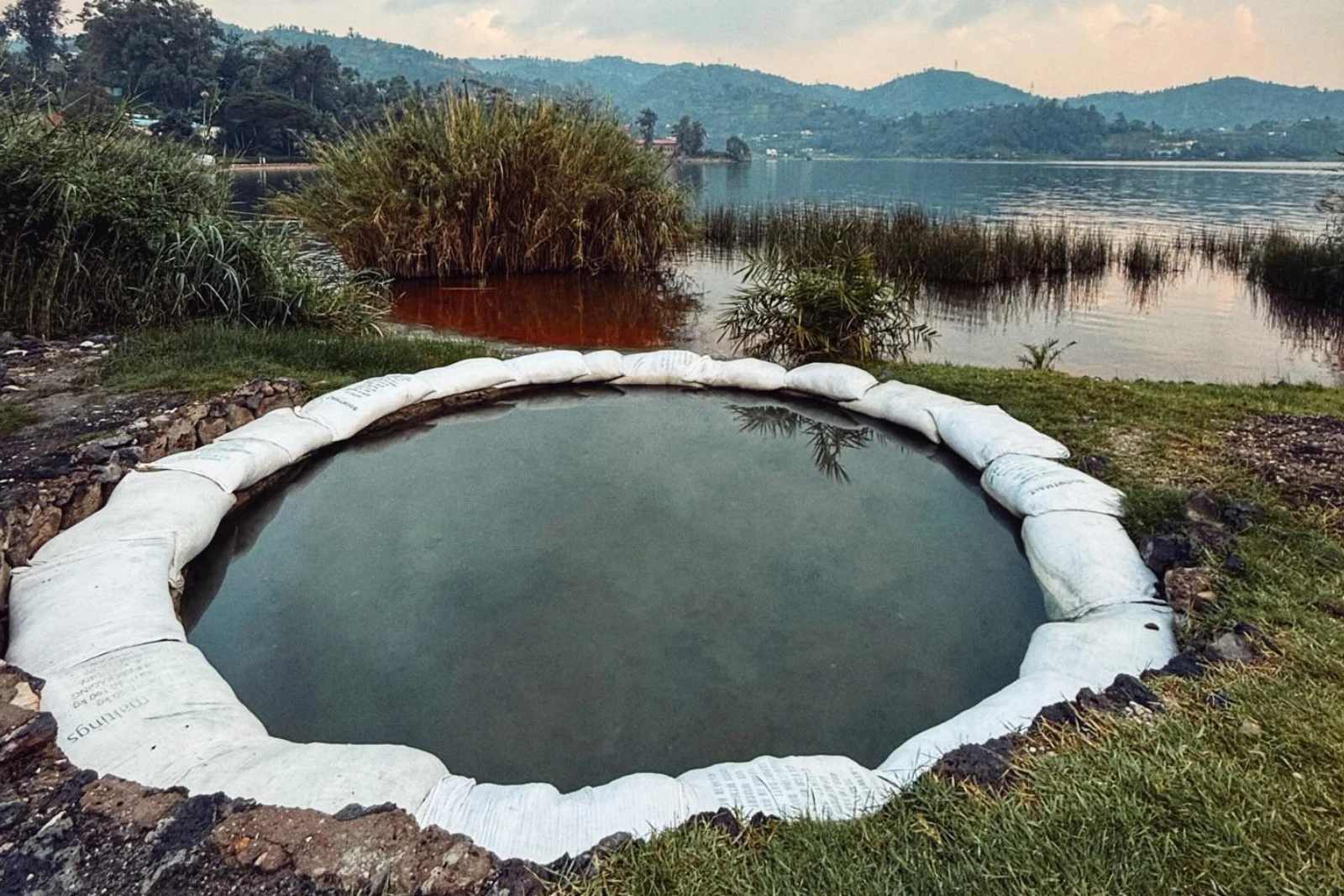
And there’s a fascinating science angle too. Lake Kivu sits in the Albertine Rift and holds large deposits of methane and carbon dioxide deep below the surface. Rwanda has turned part of that into a controlled energy source through projects like KivuWatt. For visitors, it mostly means one thing: the lake is monitored carefully, and your time on the water remains focused on simple, normal activities.

Get Started

Life-Enriching Travel

Designed Just for You

  • Trips curated by the world’s top destination experts
  • Concierge-level service leading up to and during your trip
  • Unique, exclusive experiences and insider access


500+ Verified Traveler Reviews

Snowytop Safaris LTD

Why visit
Lake Kivu

Lake Kivu fits neatly into a smart Rwanda travel guide plan because it gives you variety without long detours. You can pair it with Volcanoes National Park for gorillas, or Nyungwe for chimps, then come here to rest your legs and still feel like you’re doing something. The lake towns are easy to move between, the food is straightforward, and the days don’t feel packed. It also helps balance the cost of a Rwanda safari if you want a calm, scenic stop that doesn’t require expensive permits.

Lake Kivu

Lake Kivu at a Glance

Quick details to choose the right lakeside town, plan activities, and connect it with the rest of your Rwanda safari itinerary.

Hills And Islands

Hills And Islands

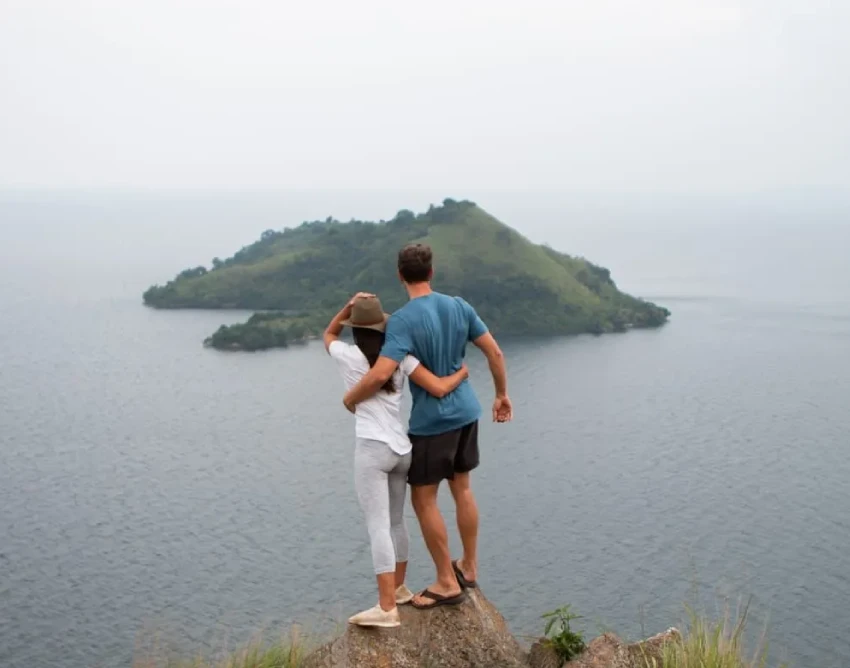
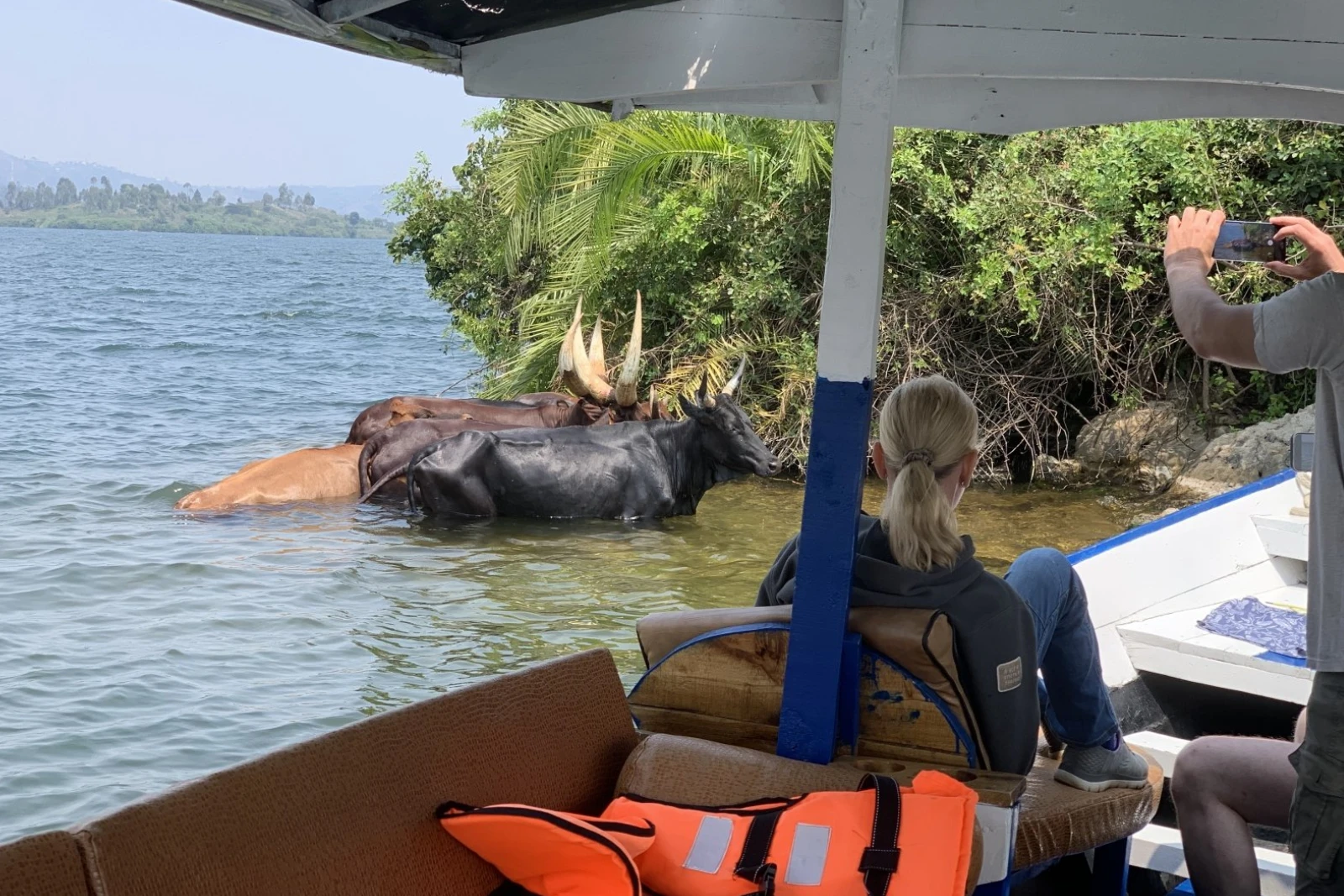
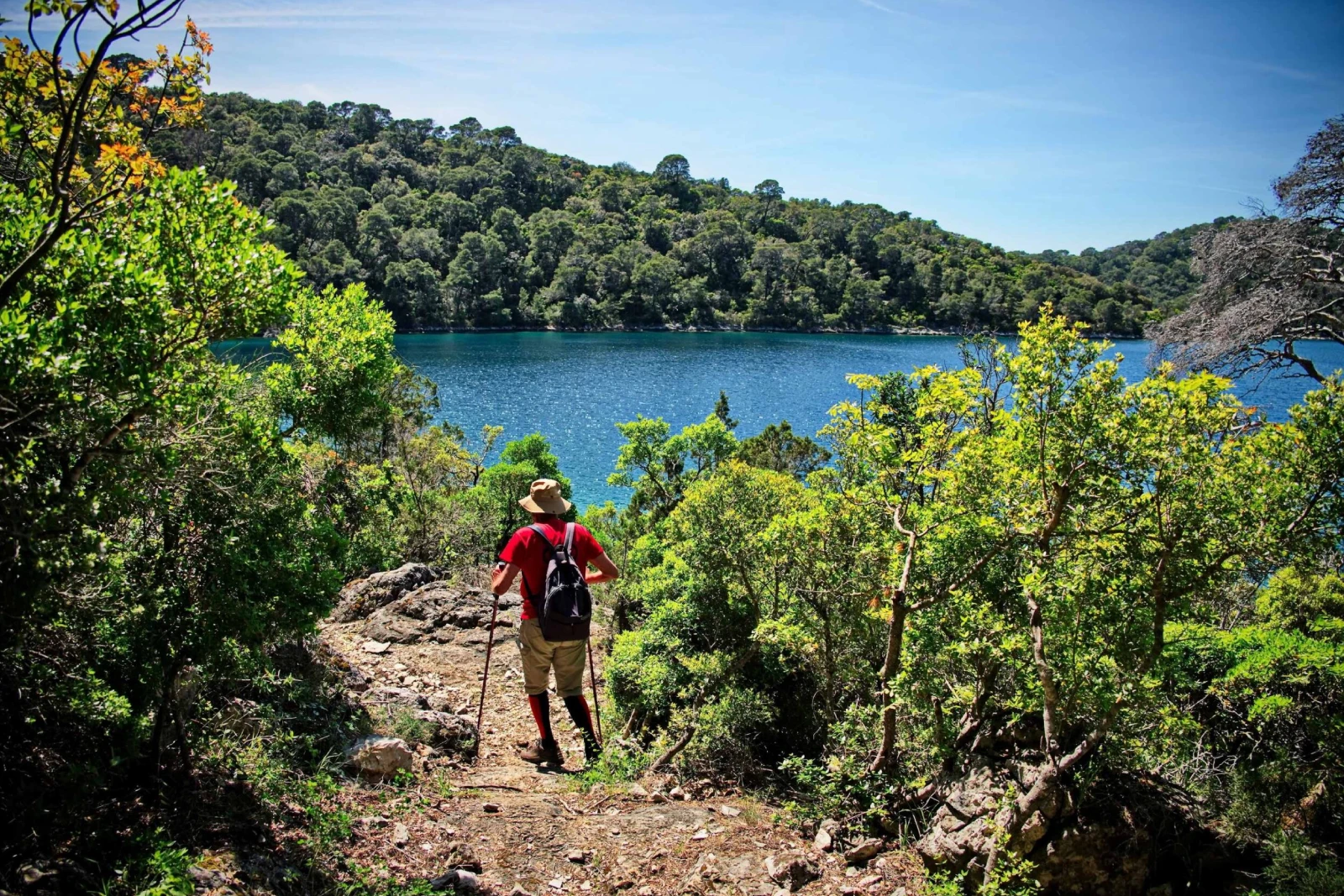
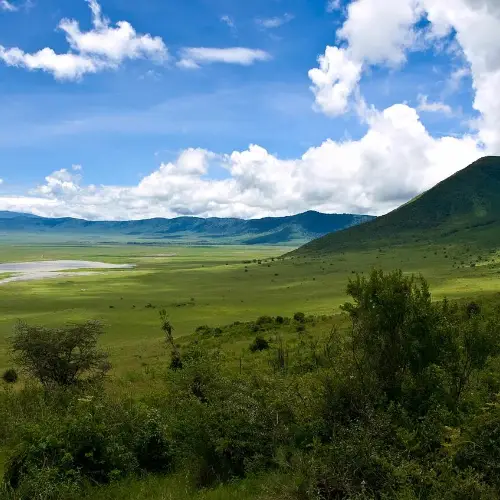
Lake Kivu is big and curved, with green slopes dropping into clear blue water. The views change by town: Rubavu feels open and social, Karongi feels layered with islands and coves, and Rusizi feels quieter and more rural. On boat rides, you’ll pass small fishing canoes, terraced farms on the hills, and pockets of forest. Sunsets can be strong here, but mornings often feel softer.
Lakeside Birdlife Focus

Lakeside Birdlife Focus

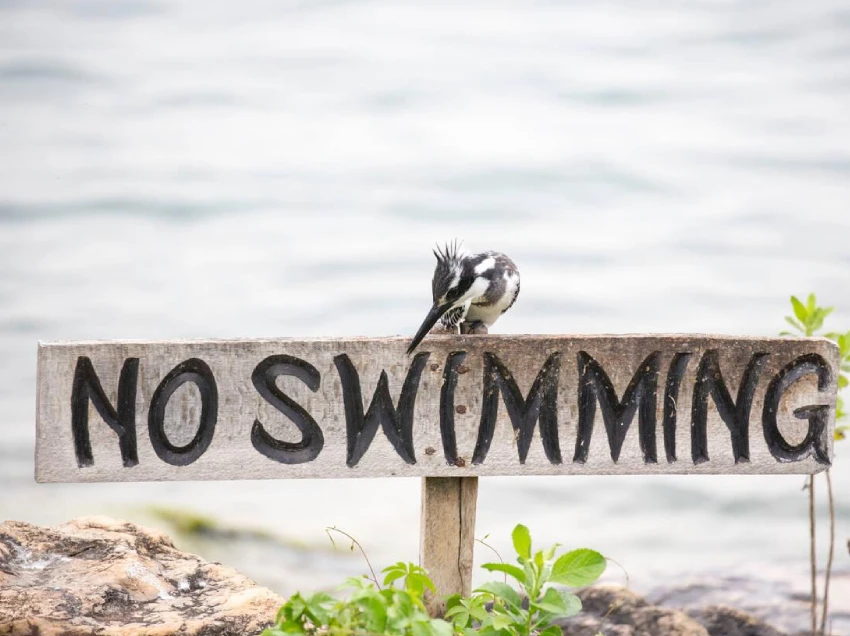
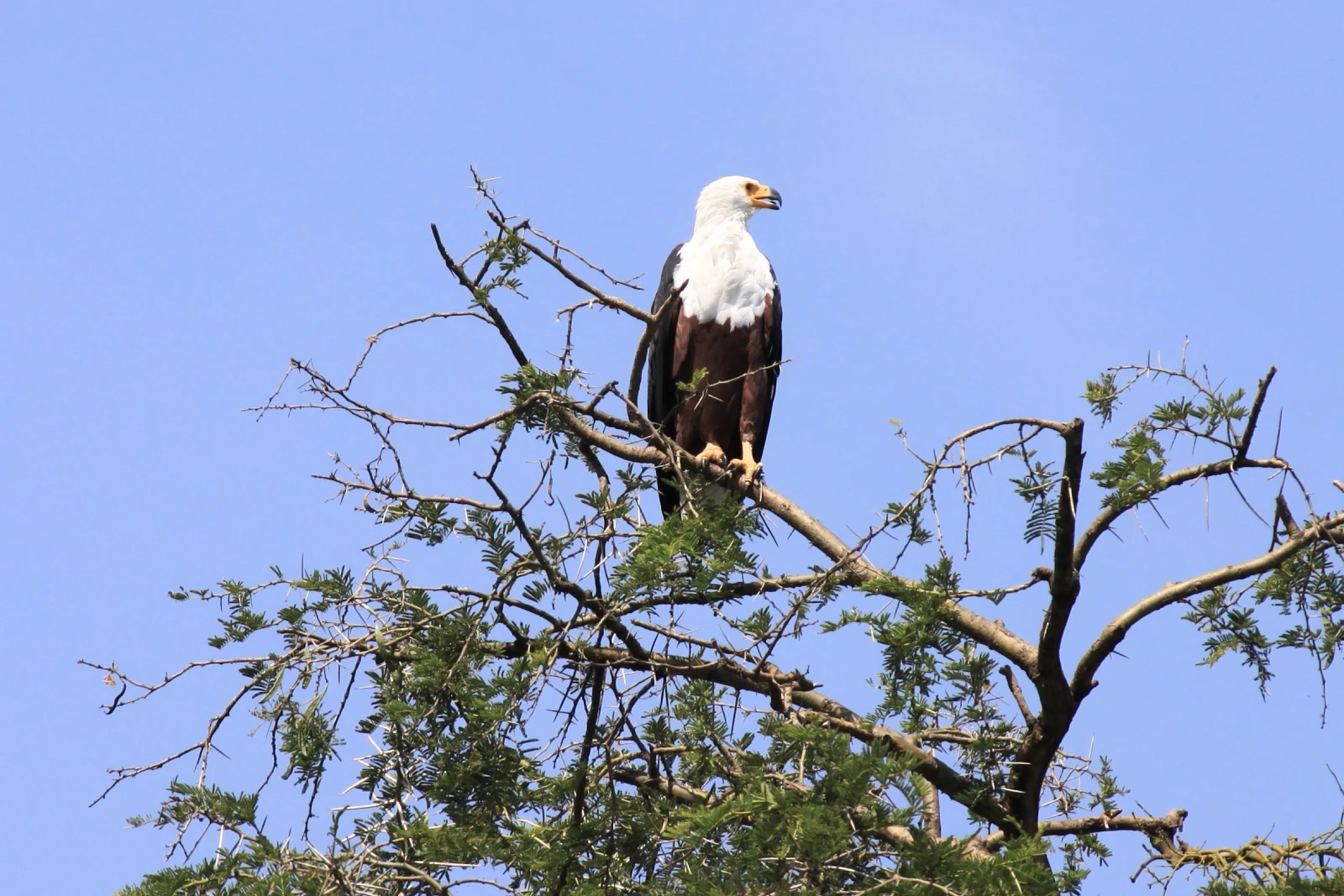
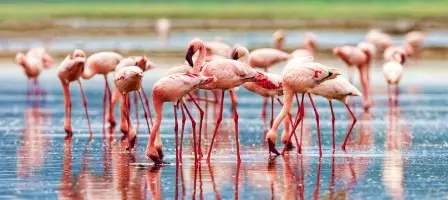
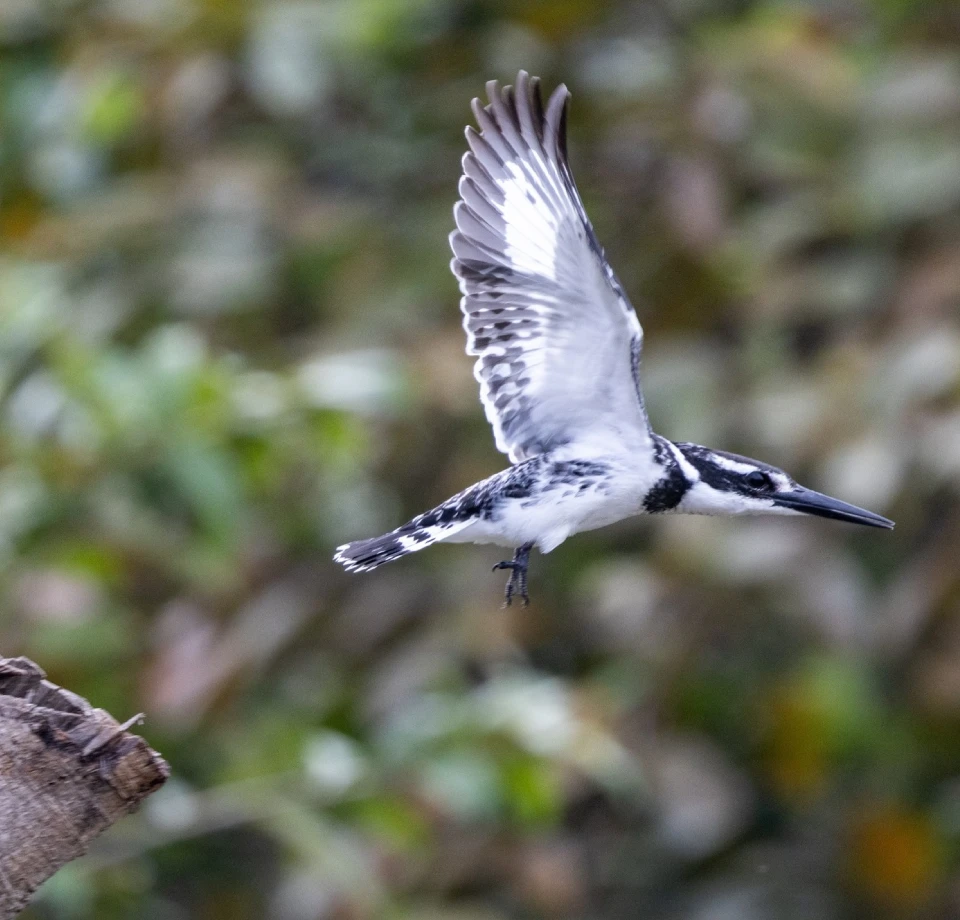
This is not a big game destination, but birdlife is a real highlight. You can spot African fish eagles, kingfishers, sunbirds, cormorants, and pelicans around calmer bays. Otters show up sometimes near fish-rich edges if you’re lucky and patient. For serious birders, combine Lake Kivu with nearby forest and wetlands for Birding safaris in Rwanda that feel varied, not repetitive.

Warm Lakeside Climate

Warm Lakeside Climate

Lake Kivu is generally warmer than Rwanda’s highlands, with pleasant days and cooler evenings. Dry seasons—roughly June to mid-September and mid-December to February—make hiking, biking, and kayaking easier. In wetter months you can still enjoy the lake, but expect short downpours that can slow road travel. Pack a light rain jacket and sandals that handle wet ground.

Lake Town Highlights

Lake Town Highlights

Rubavu (Gisenyi) has the busiest waterfront and the easiest access if you’re linking to Volcanoes. Karongi (Kibuye) is known for island scenery and calm water sports. Rusizi (Cyangugu) is closer to Nyungwe and tends to feel less developed and quieter. Popular stops include Napoleon Island for fruit bats, Peace Island for a simple boat day, and stretches of the Congo Nile Trail. Many people include this on Rwanda safari trips to break up long driving days.

Well Connected Roads

Well Connected Roads

Most travellers reach Lake Kivu by road from Kigali, Volcanoes National Park, or Nyungwe Forest. Rubavu is the usual pick after gorilla trekking because the transfer is straightforward. Karongi works well as a midpoint stop if you’re moving between north and south. Rusizi is practical if you’re pairing the lake with Nyungwe. Your lodge can help plan transfers, especially if you’re doing Guided safaris in Rwanda with a private vehicle.

When to Go to Lake Kivu

The best months are June to mid-September and mid-December to February for clear skies, smooth water, and easy trail time.

  • Best
  • Good
  • Mixed

January is warm and comfortable around the lake, with a mix of sun and short showers. Water activities stay easy because winds are usually manageable. It’s a good time to combine Volcanoes and the lake without weather stress. If you’re planning Rwanda safari packages, January works well for a balanced itinerary that includes rest days.

February is one of the cleanest months for lake views and outdoor time. Kayaking and boat trips run smoothly, and the Congo Nile Trail sections feel less muddy. It’s also a nice recovery stop after Rwanda gorilla trekking, since the lake’s pace is slow and the evenings are calm without feeling sleepy.

March starts leaning wetter, especially later in the month. You can still enjoy the lake, but plan activities earlier in the day and expect rain bursts. Road travel may take longer, so don’t stack tight check-in times. For travellers watching Rwanda safari cost, March can be a good value period for lakeside lodging.

April is typically wetter and more unpredictable. The upside is fewer visitors, greener hills, and quiet towns. Boat trips still happen, but your lodge may adjust times around storms. If you’re pairing the lake with forests, April can suit Primate safaris in Rwanda when you prefer softer travel crowds.

May begins to improve as rains ease. Trails start drying, and views become clearer again. It’s a strong time for cycling sections of the Congo Nile Trail without peak-season traffic. If you’re choosing between Rwanda safari lodges and lake stays, May often gives you more availability and better room options.

June is a reliable start to the dry season. Expect crisp mornings, clear lake horizons, and good conditions for kayaking and swimming. This month fits neatly into the Best time to visit Rwanda window for travellers who want easy logistics and consistent weather between regions.

July is peak season, and Lake Kivu becomes a popular add-on after gorilla trekking. Weather is dry, water stays calm, and boat days feel effortless. Because demand rises, book early if you want specific properties or rooms. It’s a great pairing for Luxury Rwanda safaris that need a restful finish.

August remains dry and steady, with excellent visibility across the lake and strong sunset light. The Congo Nile Trail is at its easiest, and water activities run daily. If your plan includes multiple regions, this is one of the simplest months to move around on a Safari in Rwanda schedule without weather delays.

September is still dry, though you may feel the season starting to shift toward the end of the month. It’s a great time for quieter lake mornings and longer cycling days. For travellers building Rwanda safari tours, September works well because you can link parks and the lake with minimal disruption.

<p>September is still dry, though you may feel the season starting to shift toward the end of the month. It&rsquo;s a great time for quieter lake mornings and longer cycling days. For travellers building <strong>Rwanda safari tours</strong>, September works well because you can link parks and the lake with minimal disruption.</p>

November brings more regular short rains. The lake stays pleasant, but travel times can stretch on wet roads. It’s still a good month for relaxed stays, coffee tours, and slower boat outings when the weather opens up. If you plan well, you can still Book Rwanda safari connections without peak-season price pressure.

December can be lively, especially around holidays, but it’s also a great lake month when the dry season settles in mid-month. Water time feels easy, and the views are clear. It’s a popular period to pair gorillas, Kigali, and Lake Kivu into one clean route for Rwanda safari holidays.

Lake Kivu Travel FAQs

designated areas near lodges, and follow local advice. Many people add it after the Rwanda wildlife safari days because it feels relaxed and safe.

Rubavu is best for easy access to Volcanoes. Karongi is best for islands and kayaking. Rusizi is best if you’re combining with Nyungwe. Your choice depends on your Rwanda safari itinerary flow and driving distances.

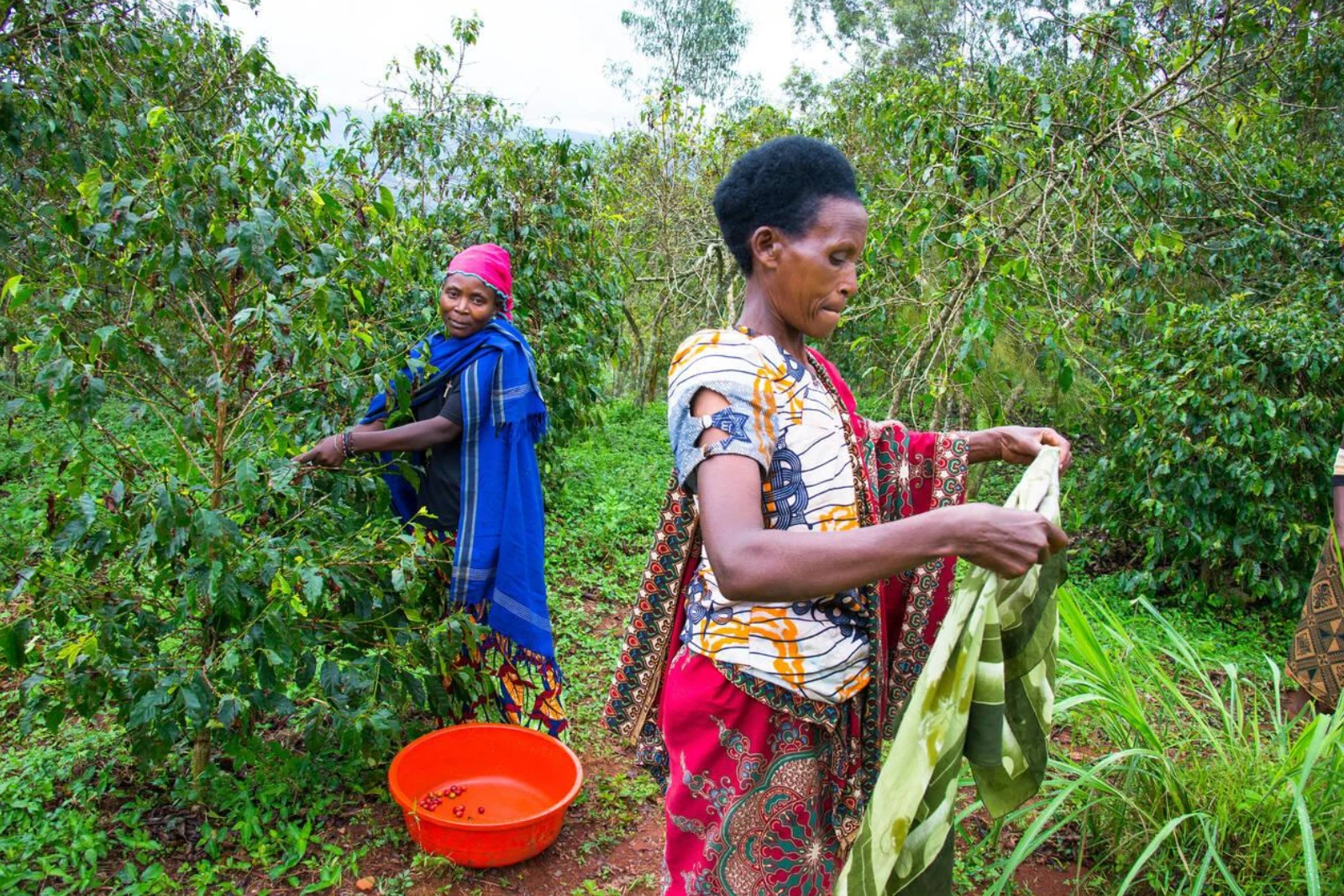
Kayaking, boat trips, island hikes, Congo Nile Trail walks or cycling, coffee tours, and swimming. If you like birds, add a morning session for Rwanda birdwatching tours along quieter bays.

The gases are trapped deep below the surface, and the lake is monitored. Energy projects extract methane in controlled ways. For visitors, day-to-day activities remain normal, including Boat safaris Rwanda style cruises on calm water.

Two nights gives you a proper reset. Three nights lets you do a boat day plus a trail section without rushing. It also balances a busy schedule of parks and Rwanda safari camps.

Lake Kivu Experiences

Lake Kivu works best when you treat it like a real stop, not a filler night. It’s where you swim, paddle, walk, eat fish by the water, and catch up on sleep after early safari starts. Many travellers feel their trip becomes more complete once they add this lake rhythm to their Rwanda safari experience.

Talk to a Safari Specialist Today

and design your travel plans.

Call +254 723 619669

OR

Enquire Now
  • Lawrence

  • Margaret

  • Mugambi

Our Safari Experts

Safaris You Can Book

Browse all our safari options designed around realistic travel days, trusted guides, and comfortable stays across East Africa.

Explore Wild and Welcoming Rwanda

Discover conservation success, rich traditions, and stunning scenery in Africa’s rising destination.

Get Started On Your Trip

You can contact us anytime, and we’ll support your
planning from early ideas to final details.

Get in touch

What Travellers Say

Real feedback from guests who have traveled with SnowyTop Safaris LTD across East Africa.

Local Team Insight

Our guides and planners work in Kenya and nearby parks year-round. You get route advice that matches road conditions, seasons and lodge standards, not generic online suggestions for your dates.

Clear Trip Planning

We keep planning simple: quick replies, clear inclusions, and realistic drive times. If something won’t fit, we say so early and suggest a better option without pushing upgrades or extras.

Support Throughout Travel

From airport pickup to your last game drive, we stay reachable. You get help with permits, timing and small changes, so the trip keeps moving smoothly even when plans shift.