

Serengeti National Park

Serengeti National Park Overview

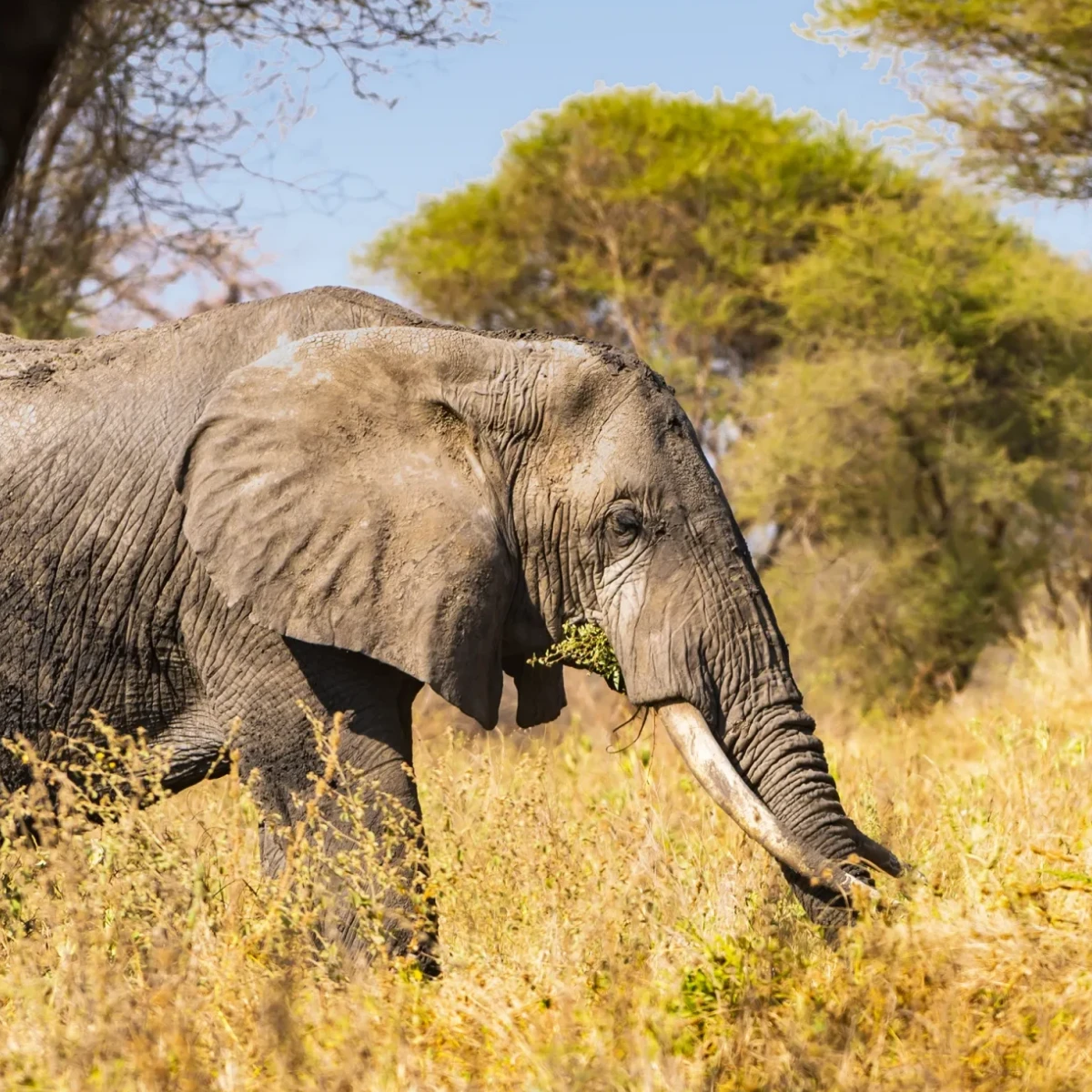
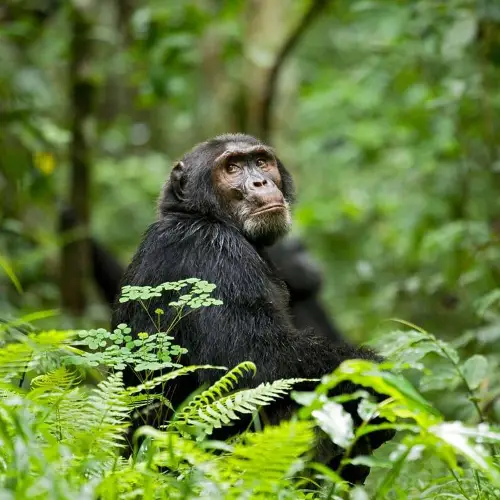
Serengeti National Park is Tanzania’s most famous wildlife area, built on huge open plains, rocky kopjes, and long river lines. It sits within the wider Serengeti–Mara ecosystem, so animals still move across space instead of stopping at fences. That freedom is a big reason many travelers choose a Tanzania Safari here. Expect long drives, changing light, and wildlife that behaves naturally daily.

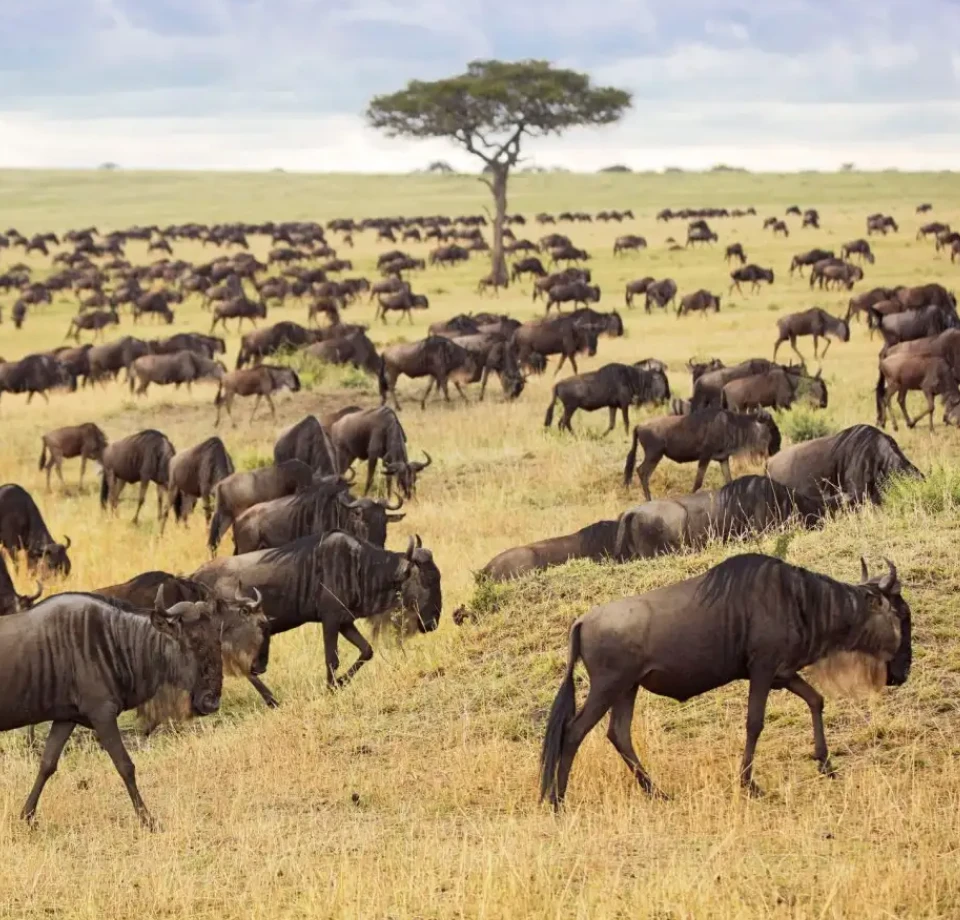
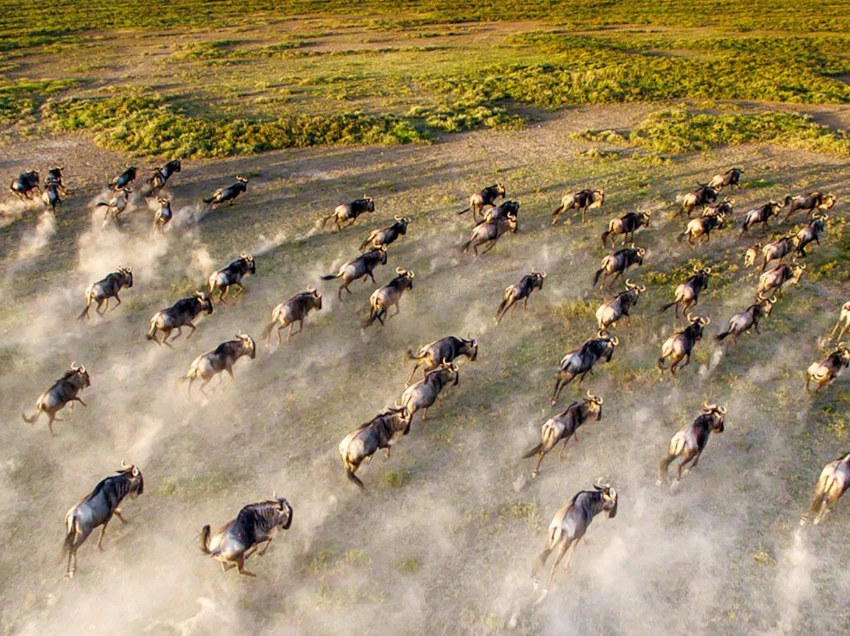
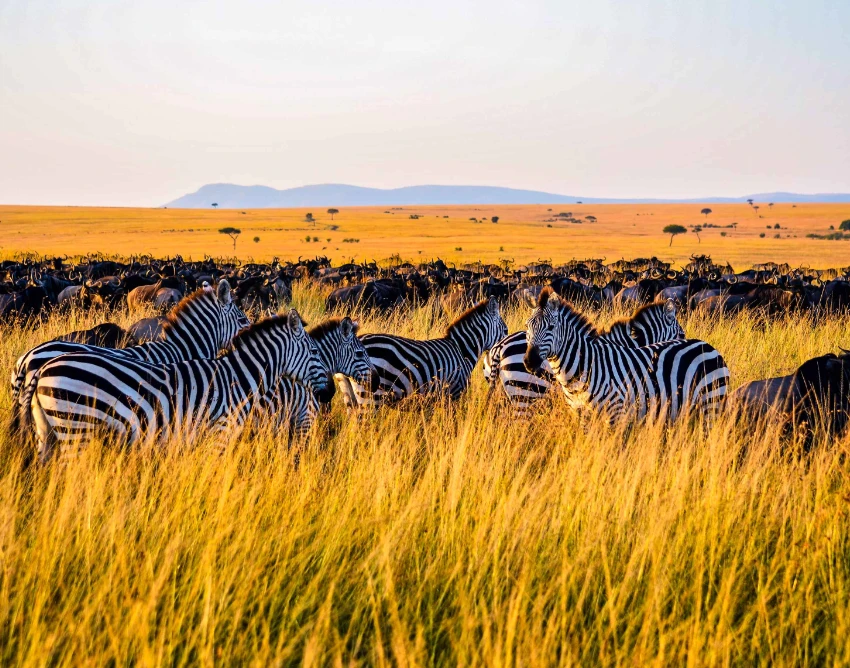
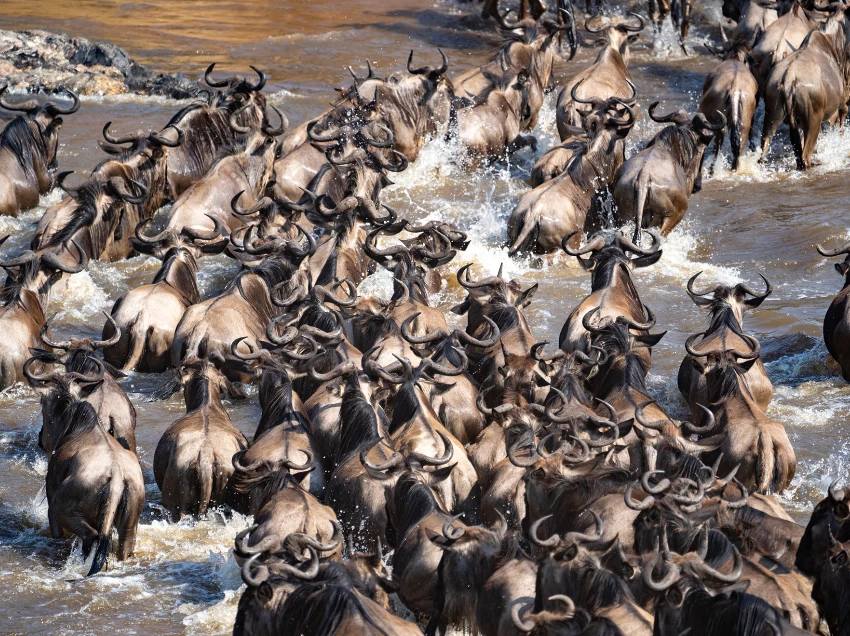
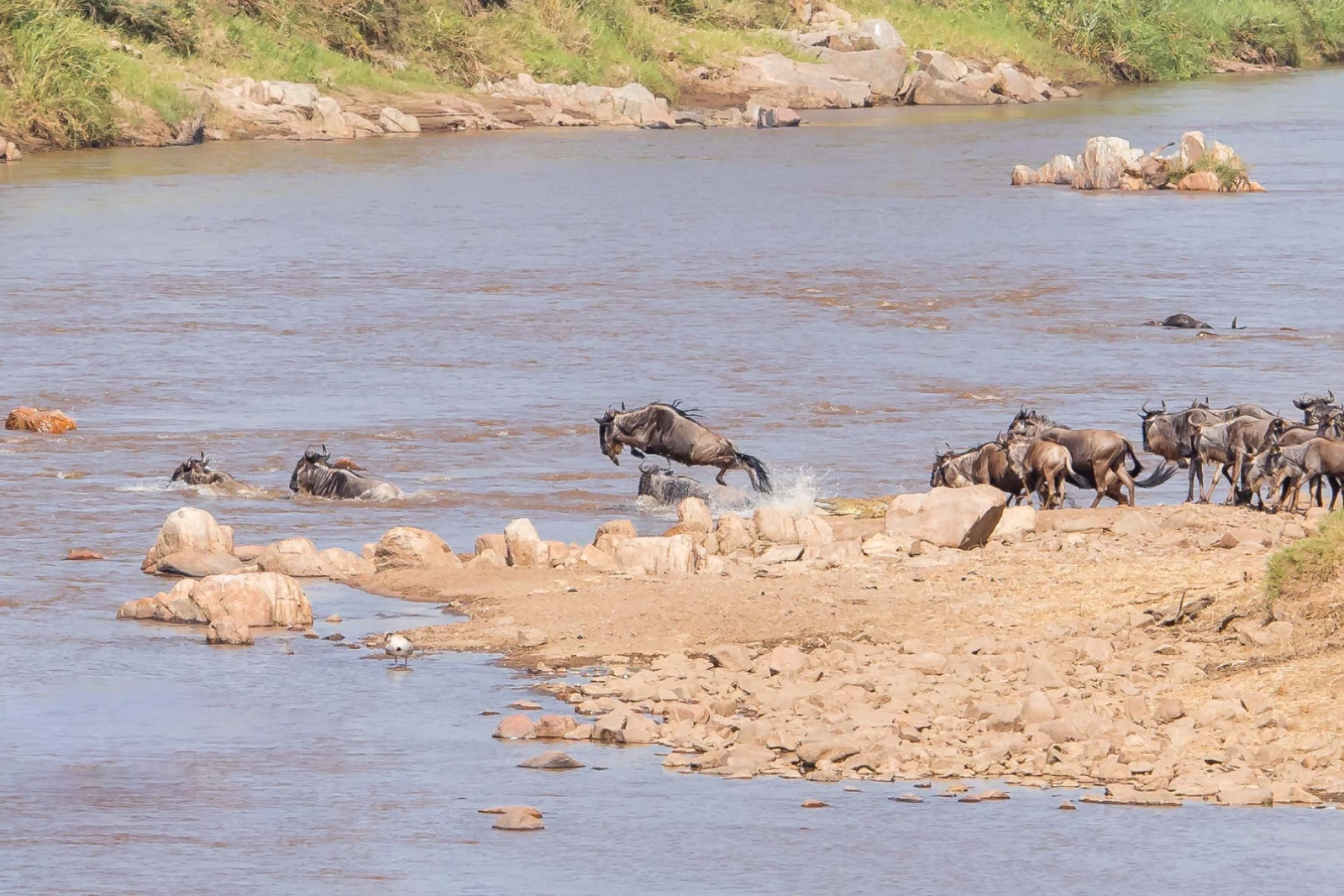
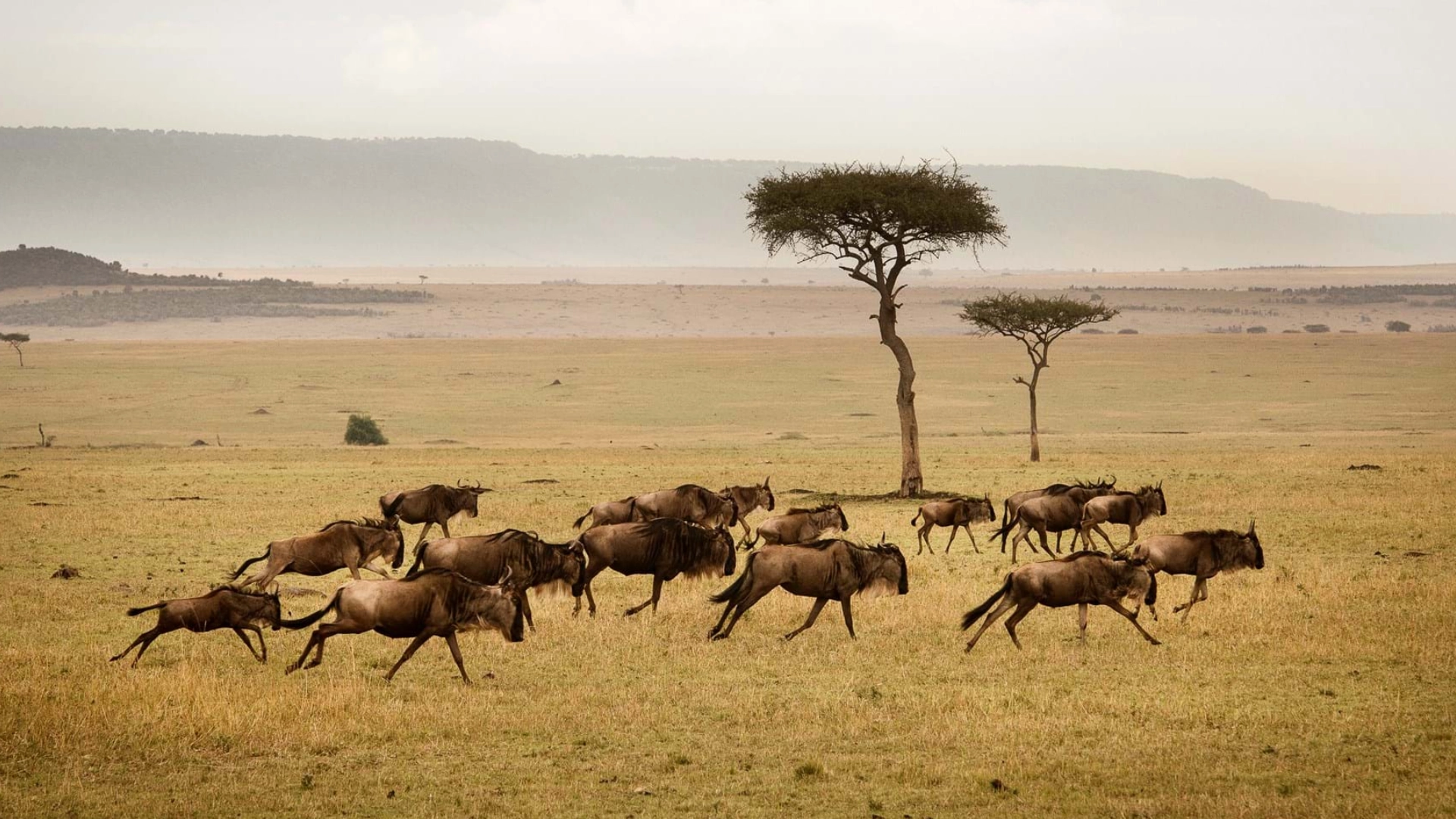
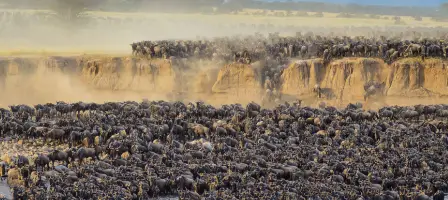
Most visitors come for the Great Migration, when wildebeest, zebra, and gazelle track fresh grass and water in a seasonal loop. Timing matters, but even on quieter days, you can still find strong predator activity, big herds, and classic savannah scenes that define a Serengeti Safari.

The park also carries deep human history, with nearby sites linked to early hominins, and living cultures around its borders. For planners comparing Safaris in Tanzania, Serengeti National Park remains the place where scale, wildlife variety, and year-round game viewing come together.

Get Started

Life-Enriching Travel

Designed Just for You

  • Trips curated by the world’s top destination experts
  • Concierge-level service leading up to and during your trip
  • Unique, exclusive experiences and insider access


500+ Verified Traveler Reviews

Snowytop Safaris LTD

Why Visit
Serengeti National Park

Serengeti works when you want a safari that feels straightforward to plan and strong on results. Roads reach different regions, so guides can adjust quickly when conditions shift. The open terrain helps with visibility, especially for big cats. Birdlife is also excellent, with hundreds of recorded species and good viewing after the rains. If you want a park that supports classic game drives, longer stays, and add-ons like balloons, Tanzania Safaris, including the Serengeti, fit well.

Serengeti National Park

Understanding Serengeti at A Glance

Quick notes on landscapes, wildlife, weather, key sights, and travel routes.

Wide Open Landscapes

Wide Open Landscapes

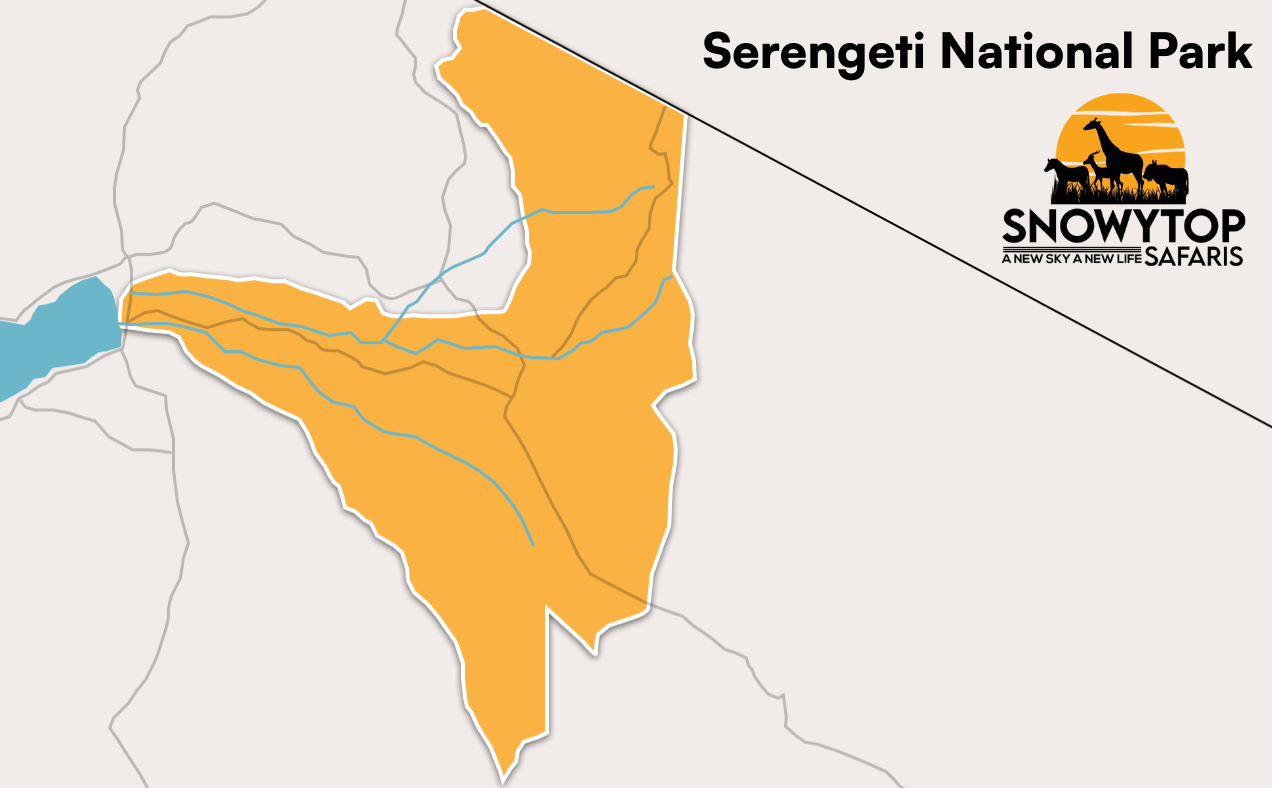
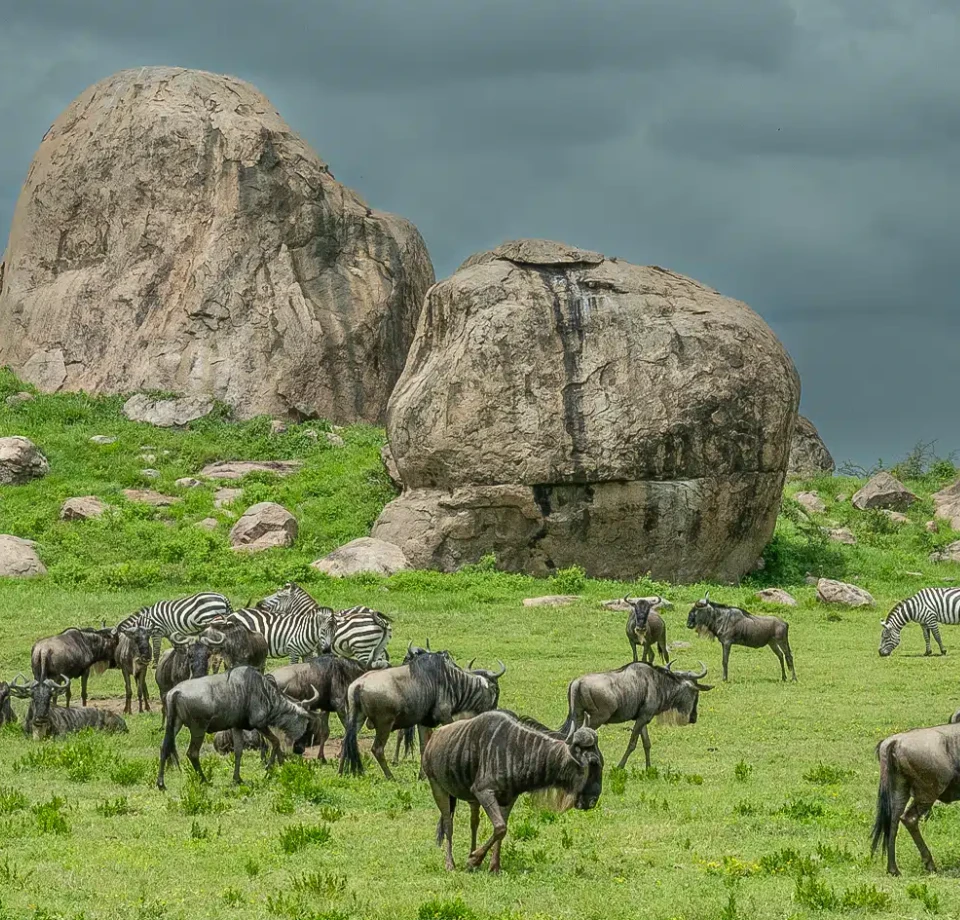
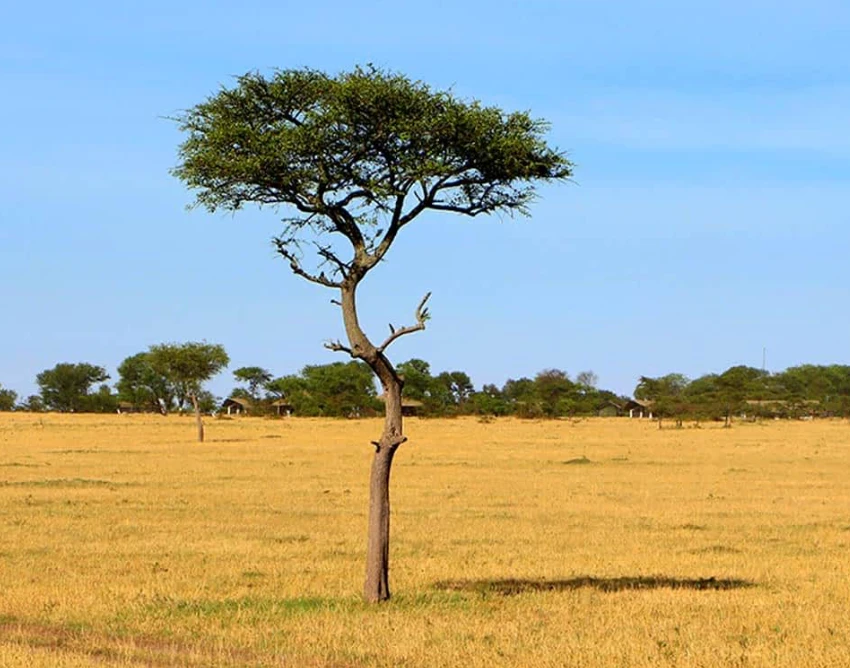
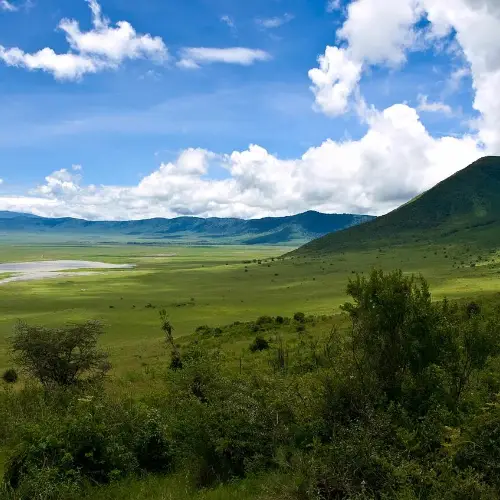
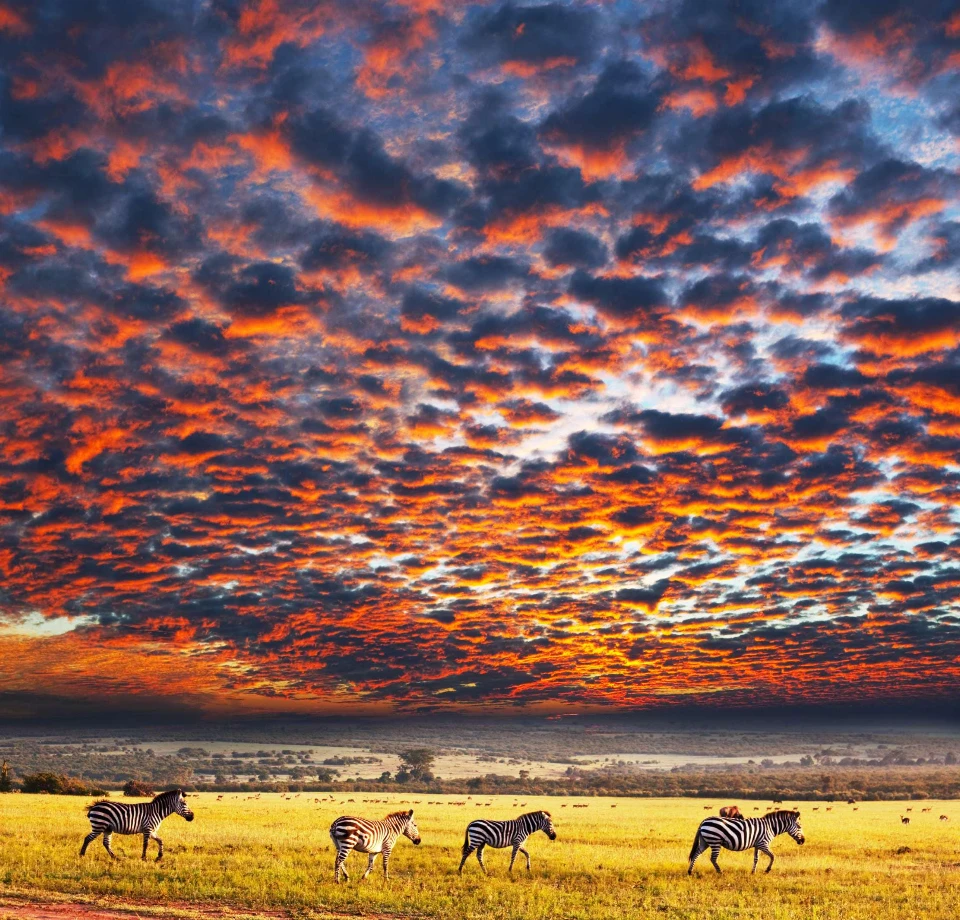
Big skies and open grasslands dominate, especially in the south and central plains. Kopjes rise from the ground and become lookouts for lions and raptors. In the west, the Grumeti and Mbalageti Rivers add riverine forest and shaded crossings. Far north, the Mara River cuts through greener country, setting the stage for migration drama and strong wildlife concentrations in season.
Exceptional Species Diversity

Exceptional Species Diversity

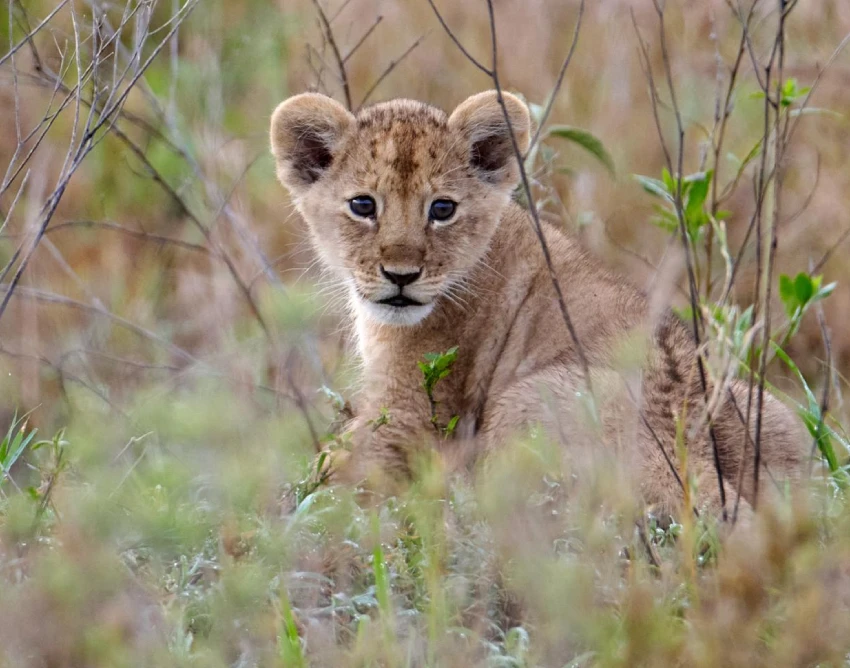
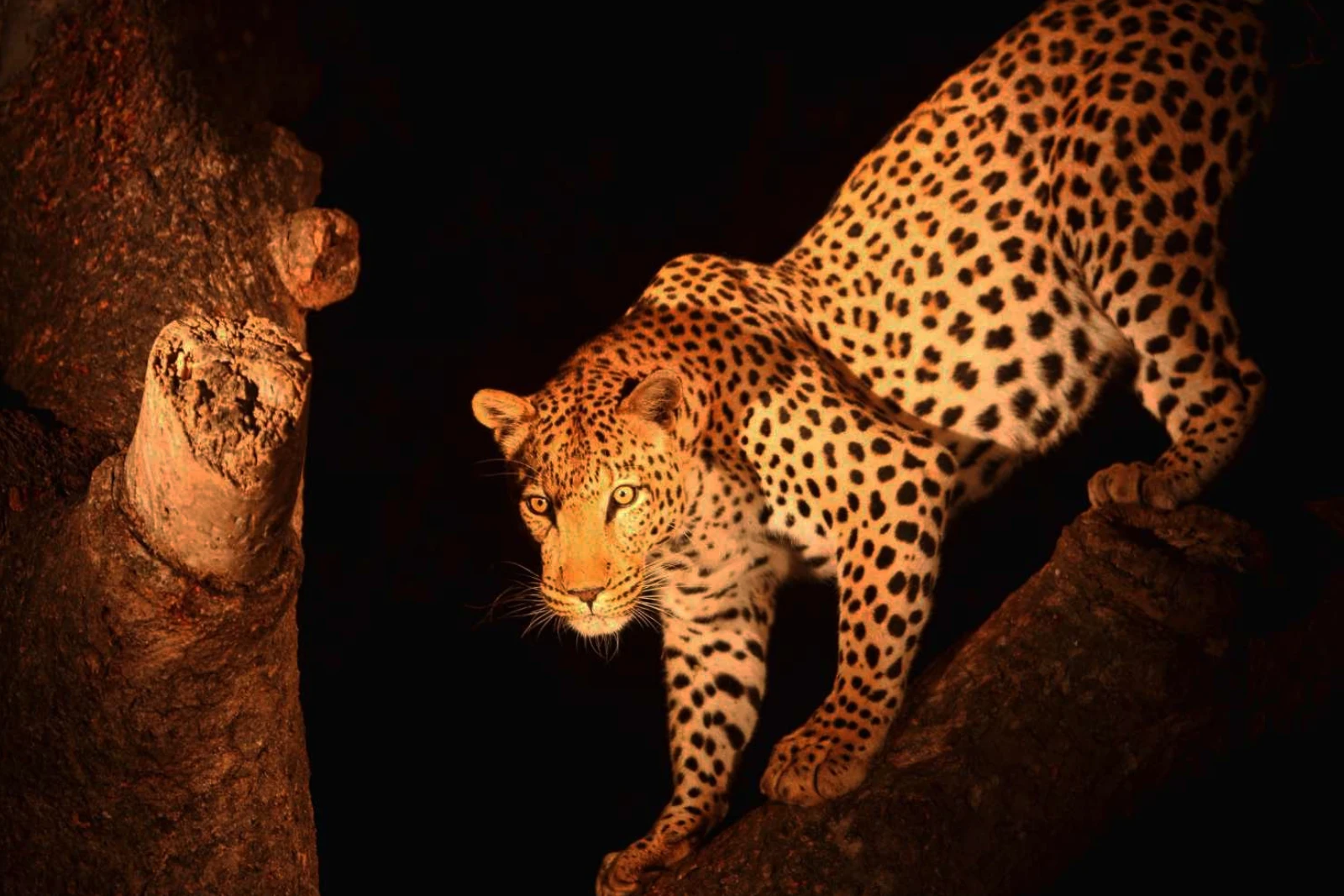
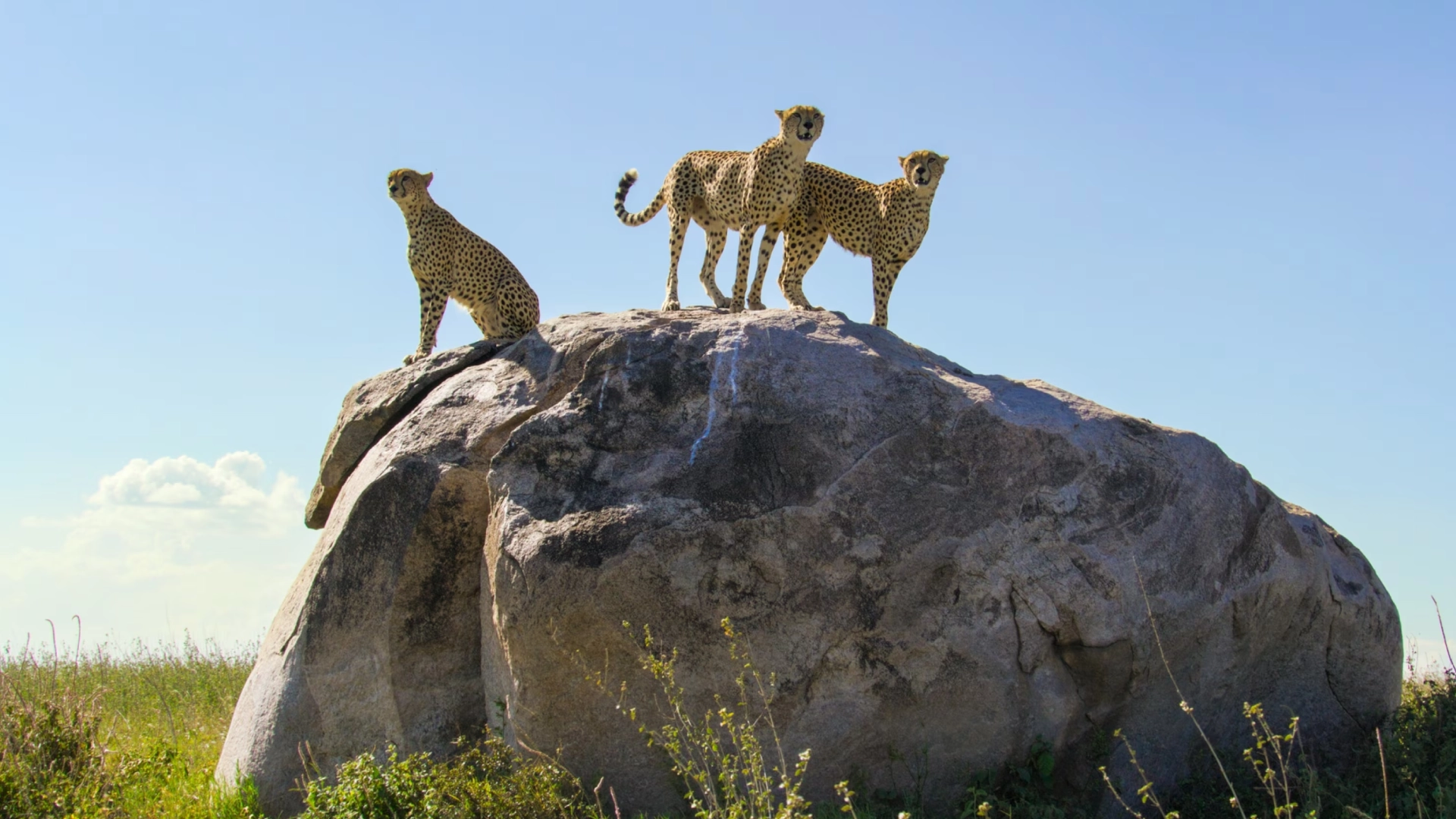
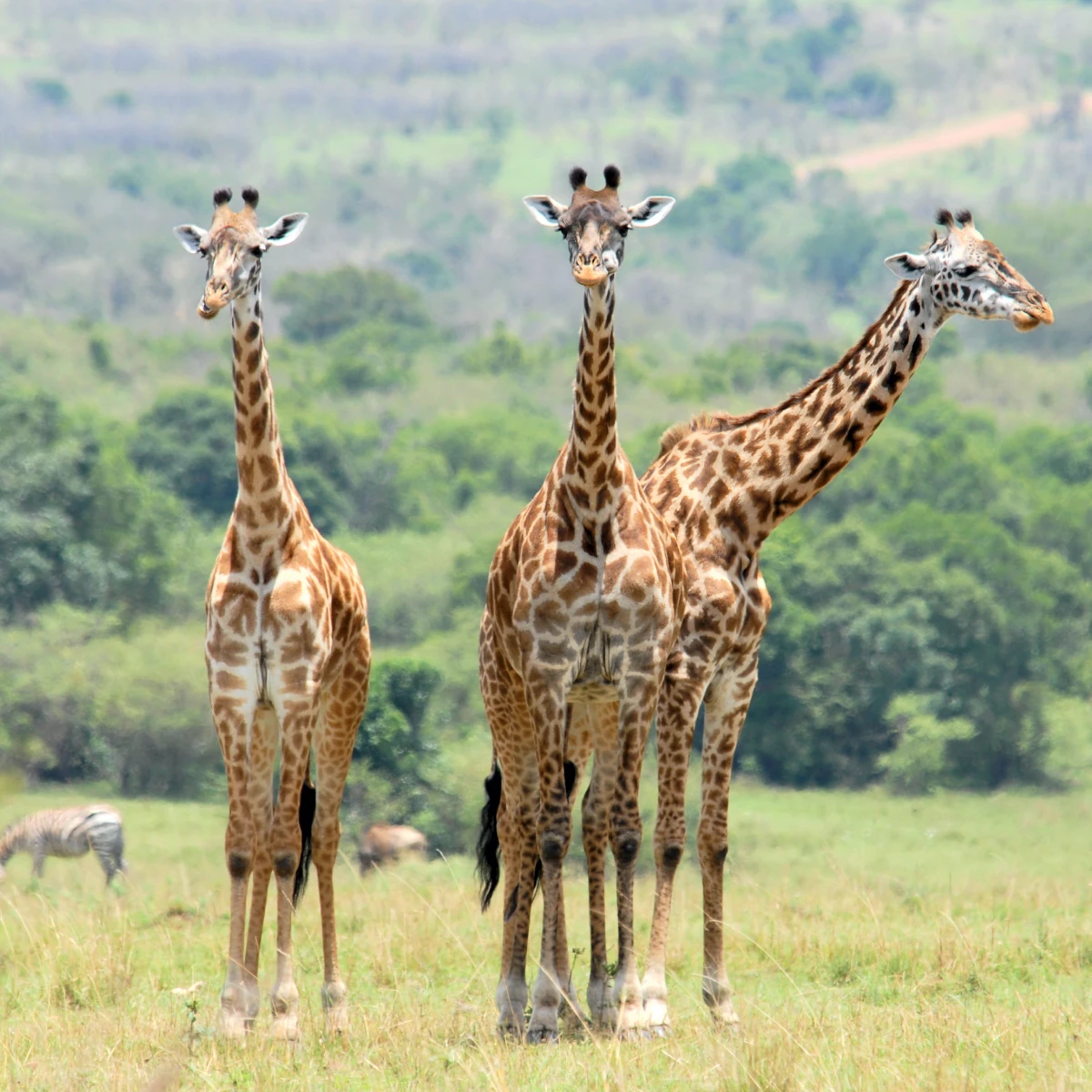
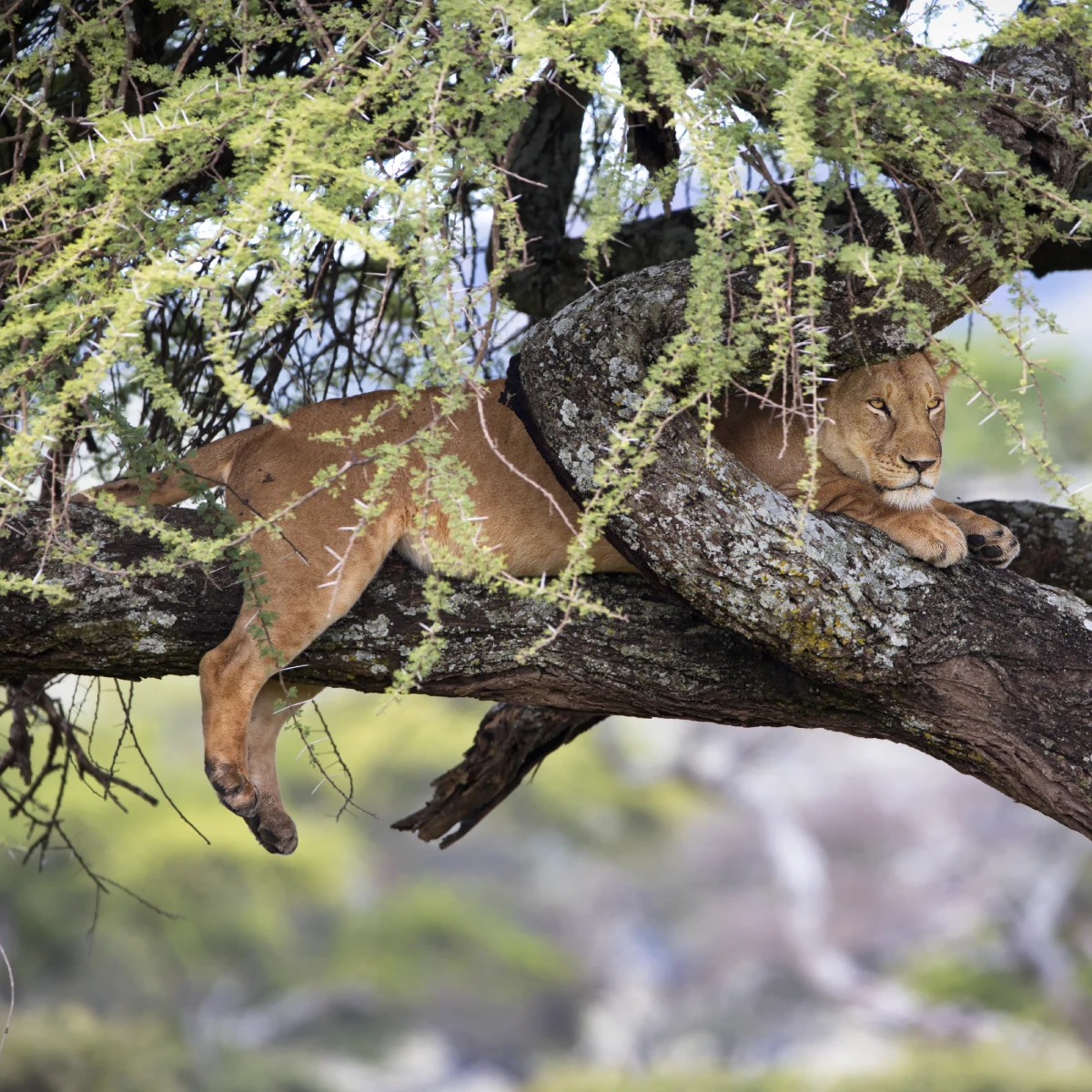
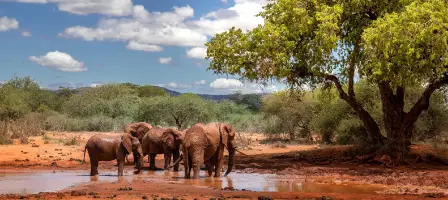
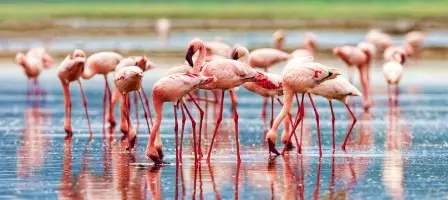
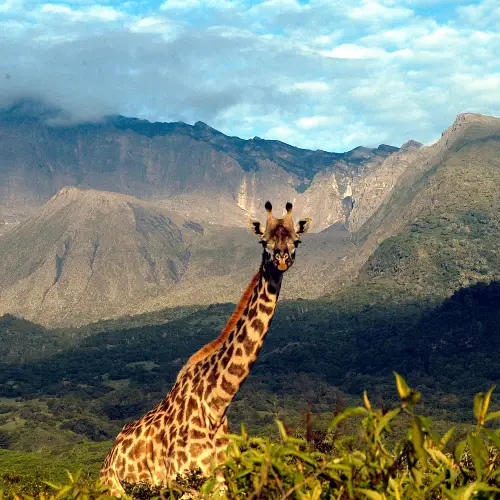
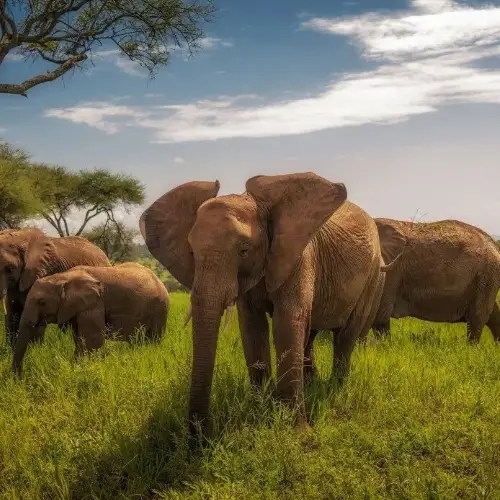
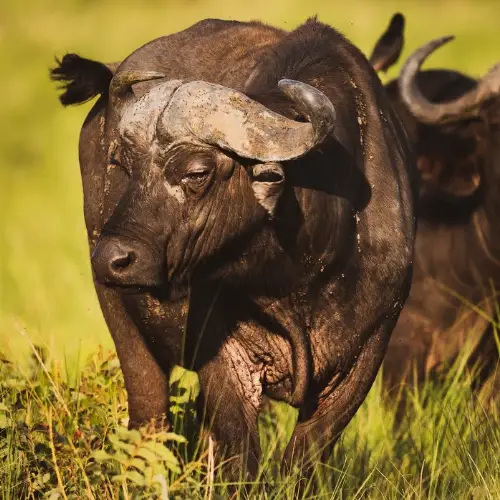
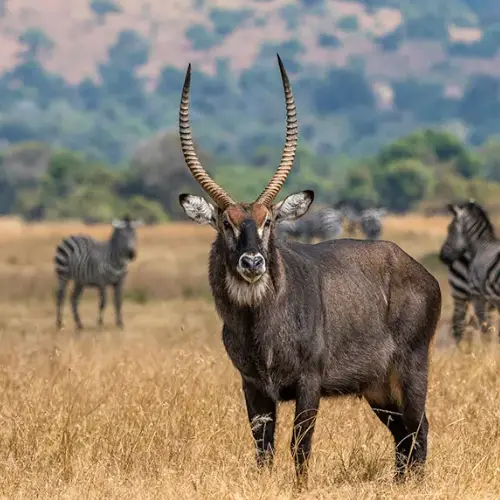
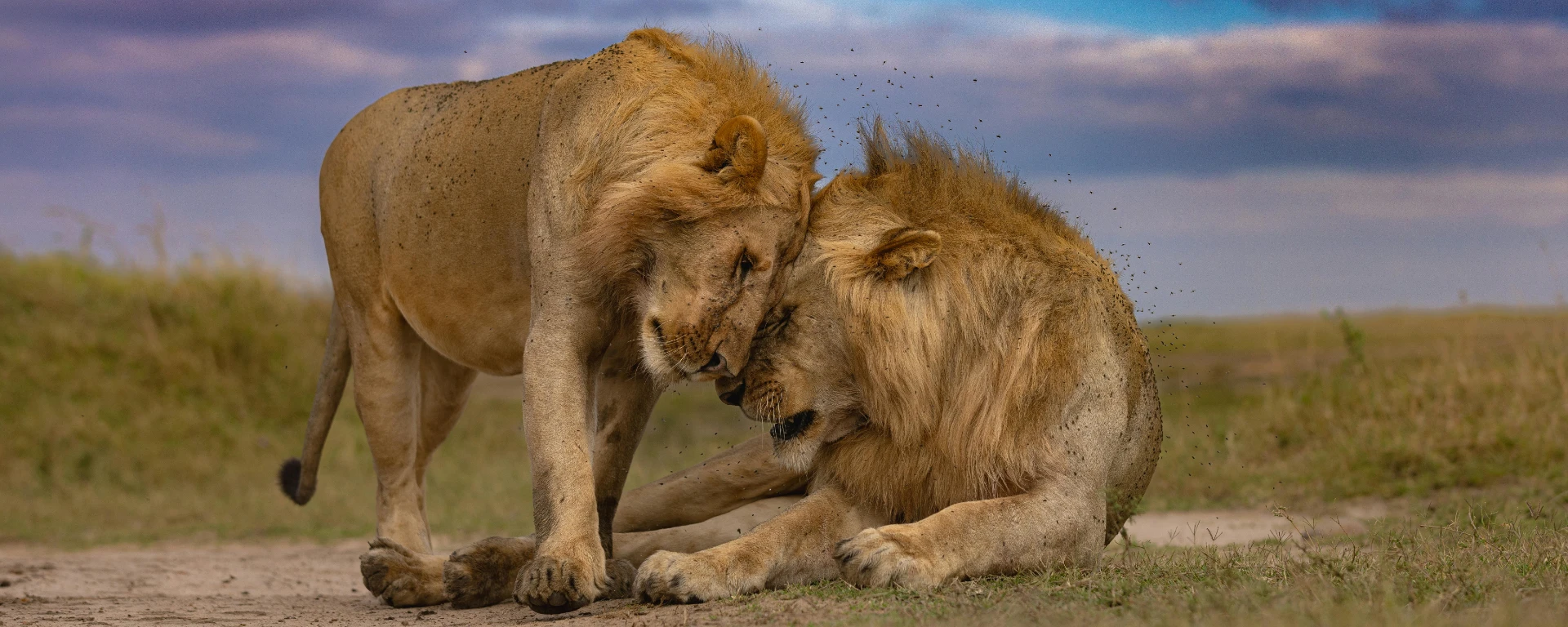
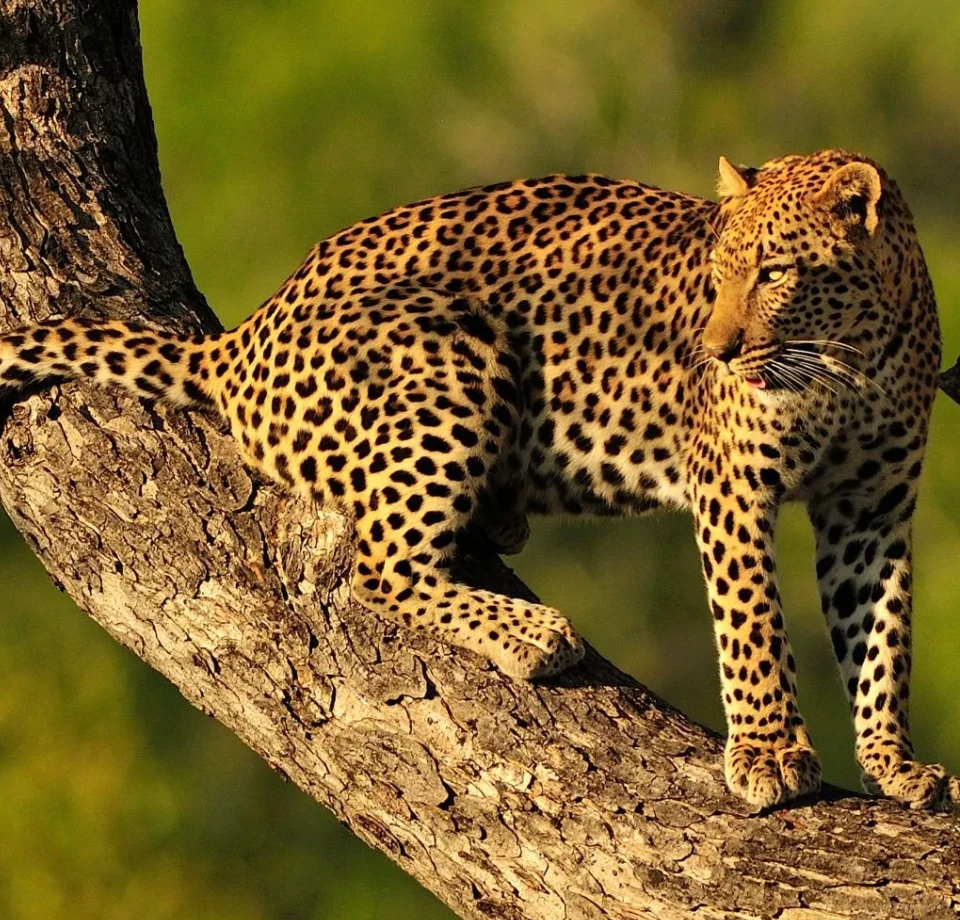
Serengeti holds huge wildlife numbers, from lion, cheetah, leopard, and hyena to elephant, buffalo, giraffe, and many antelope species. Black rhino exists but is rarely seen. The Grumeti and Mara Rivers support hippos and large crocodiles. Birding is serious here too: over 500 species, with migratory peaks from November to April. Around Seronera, several endemics are regularly spotted by guides.

Seasonal Comfort Changes

Seasonal Comfort Changes

Daytime temperatures are usually comfortable, often around the high 20s °C, but mornings and nights can feel cold on open vehicles. The dry season (June to October) brings clear skies and easier tracking, with little rain. The wet season (November to May) turns the park greener; March and April are the wettest months. Pack a warm layer for sunrise drives.

Migration Predator Strongholds

Migration Predator Strongholds

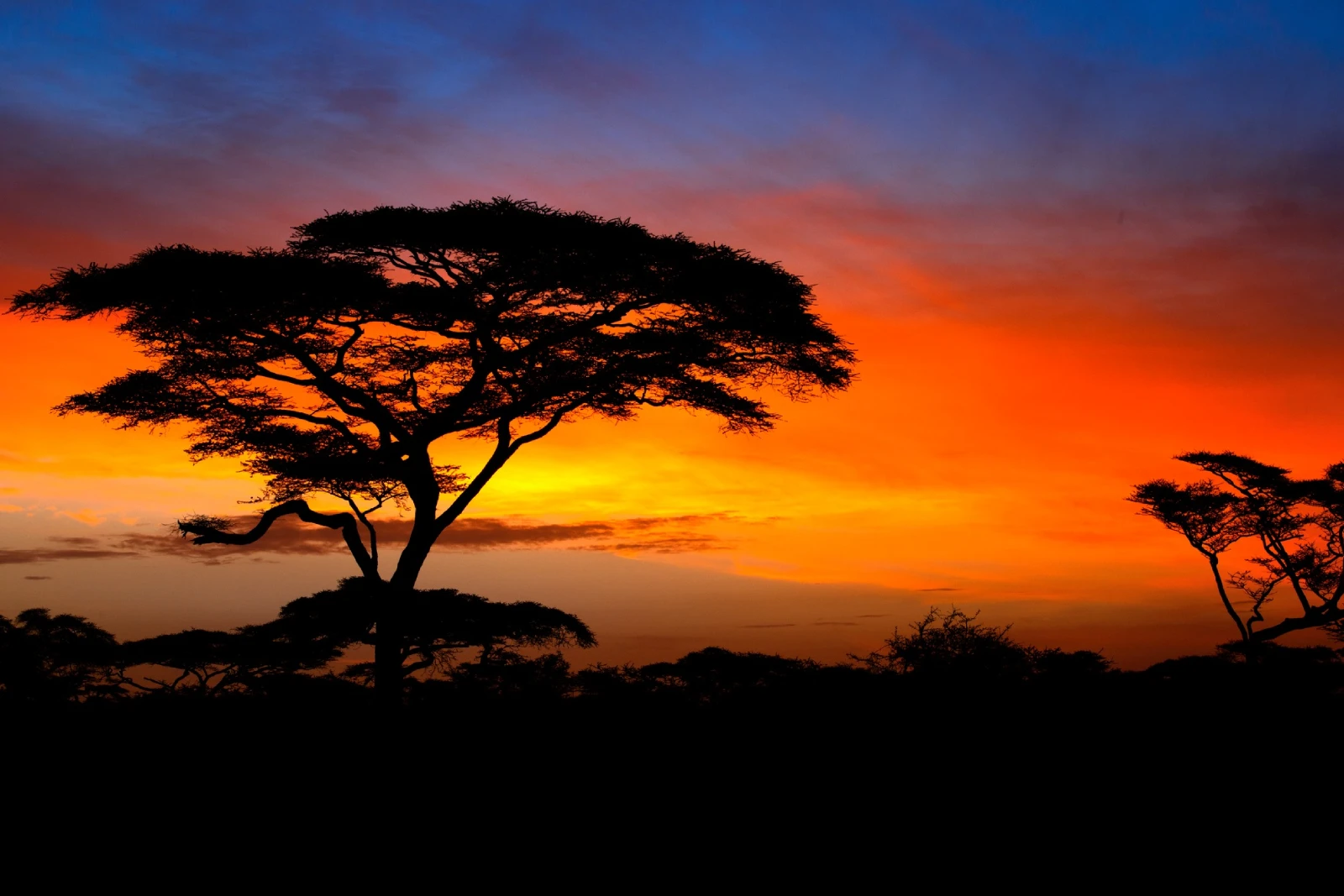
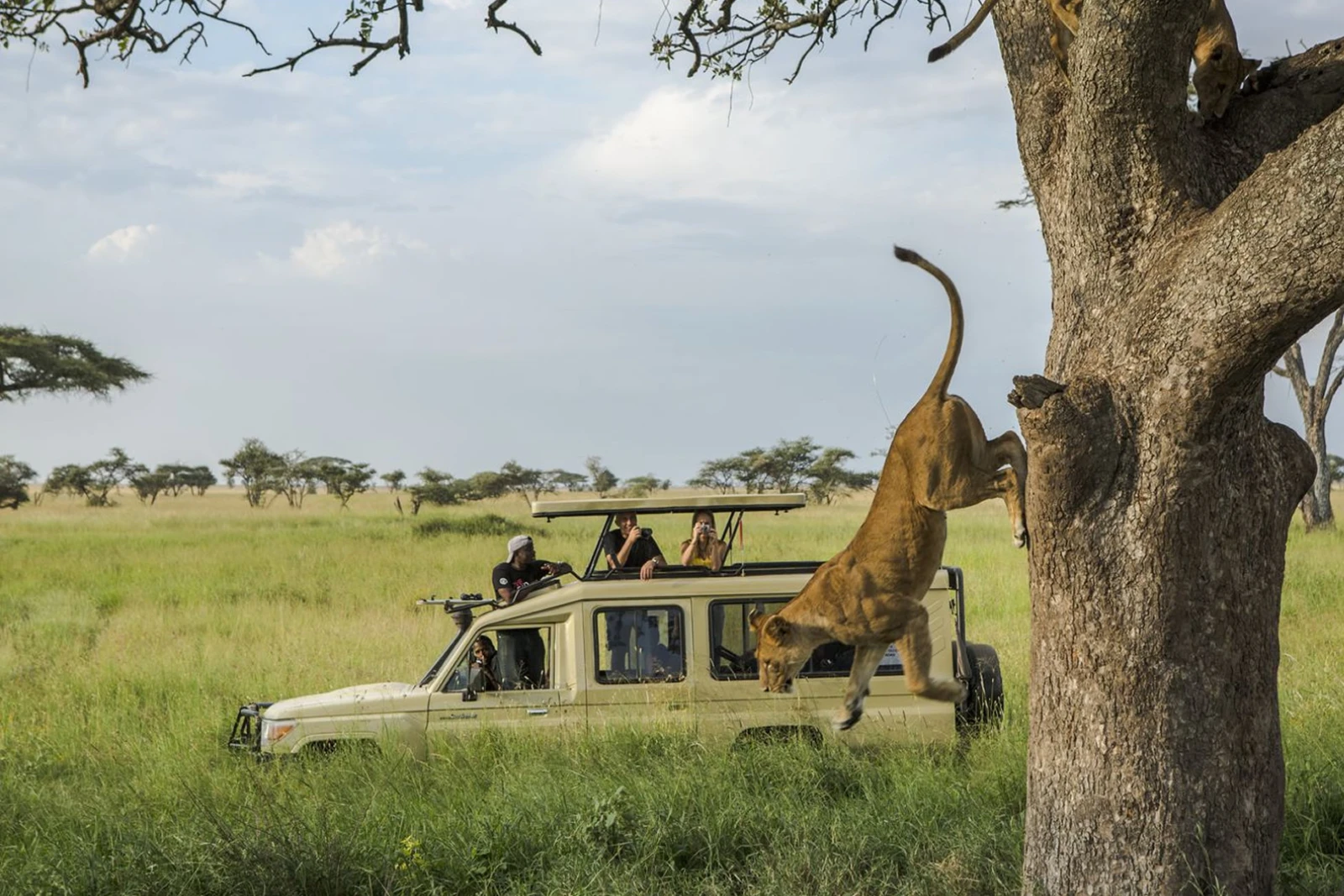
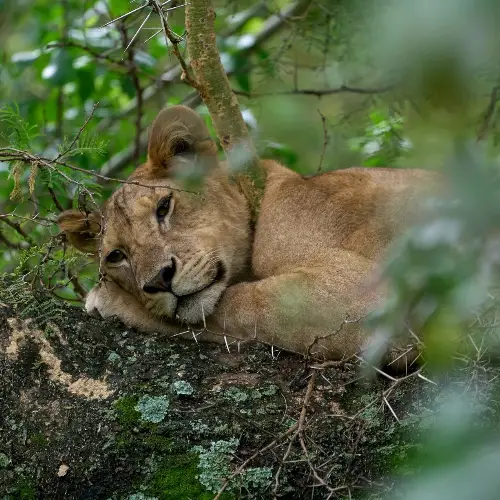
Serengeti’s headline attraction is the Great Migration, but the park also has reliable year-round predator viewing. Kopjes near the southeast and central areas often hold lions, while riverbanks draw hippos and crocodiles. The Seronera region is known for strong game density and access. Northern river sections become major drawcards during crossing periods. Skies can be dramatic after storms, especially afternoons.

Flexible Travel Options

Flexible Travel Options

Most Safari Tour in Tanzania itineraries start from Arusha. International access is usually via Kilimanjaro International Airport, then a road transfer or a scheduled flight to a Serengeti airstrip. Driving from Arusha takes a full day and passes through Ngorongoro, which many travelers combine with an overnight stop. Flying saves hours and reduces road fatigue. Both options suit tight schedules.

When to go to Serengeti

The Best time to visit the Serengeti is January to March and June to October for reliable wildlife viewing and easier travel conditions.

  • Best
  • Good
  • Mixed

January is warm and greener, with herds often in the south. Expect excellent newborn sightings late month, plus busy predator territories. Roads are usually fine, though short showers happen. For a Serengeti Safari Tour, this is a strong time for photography, especially in Ndutu and nearby plains and calmer mornings.

February is peak calving season in the southern plains, so action can be fast and sometimes messy. Big cats and hyenas stay close to the herds. Days are clear more often than not, with brief rain possible. Many travelers rate this month as the best Serengeti Safari value for predator viewing.

March begins the shift toward the western side as grasses change. Humidity rises, and late-month rain can make some tracks slower, not impossible. Sightings remain strong around Seronera, where resident wildlife does not leave with the herds. If you’re watching Serengeti Safari Cost, March can bring better rates at camps.

April is the heart of the long rains. Expect greener scenery, fewer vehicles, and occasional road challenges in black cotton soil areas. Wildlife viewing is still worthwhile, especially in central zones with all-year animals. For travelers planning Safaris to Tanzania with flexibility, April rewards patience and lower lodge prices overall.

May stays wet early, then starts drying toward month-end. Vegetation is tall, so guides rely more on tracks, calls, and experience to find cats. Crowds are low and skies can clear suddenly after rain. This month suits travelers who want Tanzania Safari Packages with quieter camps and good bargains too.

June marks the start of the dry season. Grass thins out, water sources matter more, and sightings get easier across open areas. The migration usually pushes toward the west and north, depending on rainfall. Temperatures feel cooler in the mornings. For a classic Tanzania Safari Experience, June is a dependable pick.

July is dry and popular. The western corridor and northern routes become more important as herds move, and river activity increases. Expect strong predator viewing near resident territories, plus sighting areas around Seronera. If you want Best Safari Tours in Tanzania timing with stable weather, July is hard to beat.

August focuses attention on the north, where the Mara River can deliver crossings, sometimes quick, sometimes delayed. Conditions are dry, visibility is strong, and vehicles can cluster at points. Guides who know alternative routes help a lot. For many Serengeti National Park Tours, August is the month clients request first.

September stays dry, with steady game viewing and daytime temperatures. Migration herds may still be in the north, while central areas continue producing lions, leopards, and hyenas around water. Crowds begin to ease slightly after school holidays. For travelers booking a Serengeti Vacation, September balances wildlife and travel comfort well.

October is dry season. Dust increases on some tracks, and waterholes become magnets for wildlife. The migration may start turning south, though timing varies each year. Birdlife remains active, and predator sightings stay strong in central regions. For a flexible Safari Serengeti plan, October offers good viewing without peak-season intensity.

November brings rains, usually as storms rather than washouts. The landscape starts greening, and the migration begins moving back toward the south and east. This shoulder period can feel quieter on roads and at camps. If you want Tanzania Safari Tour Packages with fewer vehicles, November is a good pick.

December is warmer, with greener plains returning and herds spreading out as fresh grazing improves. Rains may continue, but they often arrive in bursts and pass. Holiday travel increases prices and occupancy, especially in popular lodges. For travelers planning Serengeti Trips with timing, book early and keep driving times realistic.

Serengeti Travel Questions

It’s famous for the Great Migration and strong predator populations, a big reason it’s seen as the Best Safari in Tanzania.

Three to five nights give you time to cover regions properly on a Serengeti Safari Tour.

Yes, visibility is strong and wildlife density is high, making it ideal for a first Tanzania Safari Experience.

Yes. Many Tanzania Safari Tour Packages use flights from Arusha to park airstrips.

No. Resident wildlife stays year-round, so Serengeti National Park delivers strong sightings even without a migration focus.

Serengeti Safari Experiences

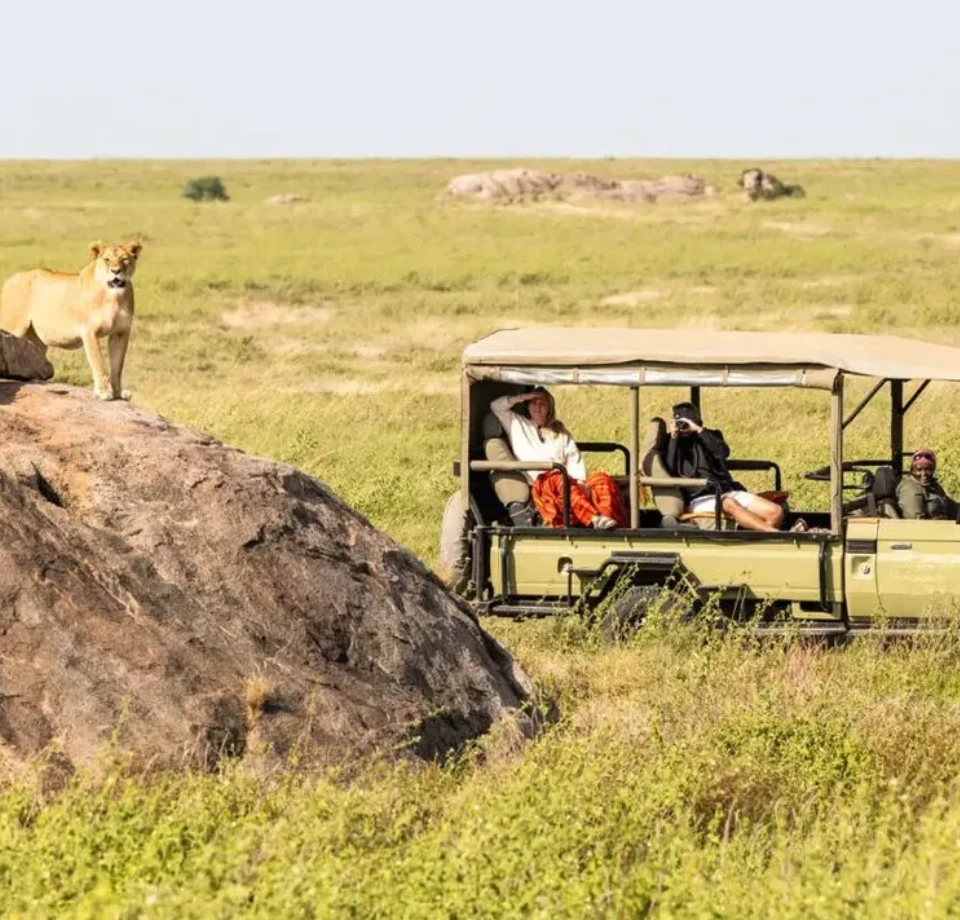
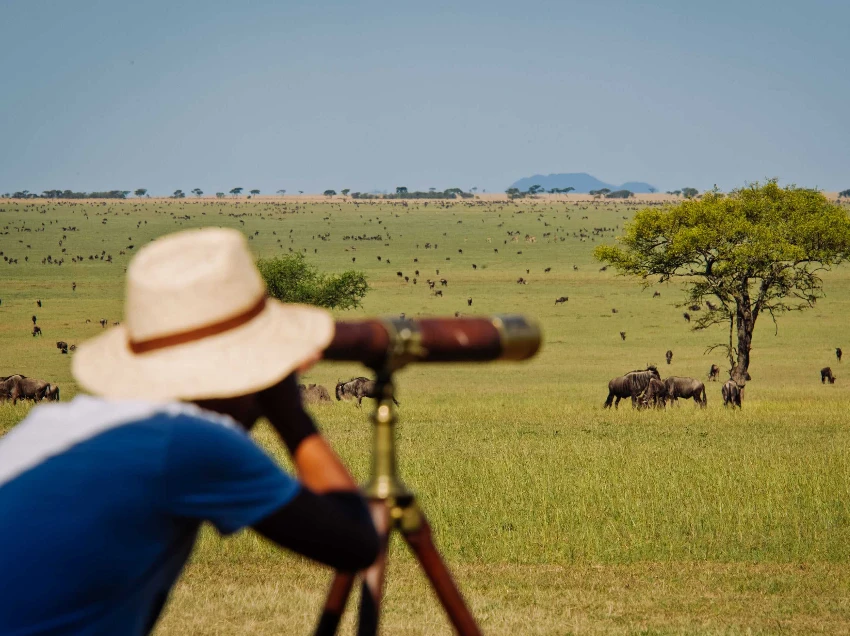
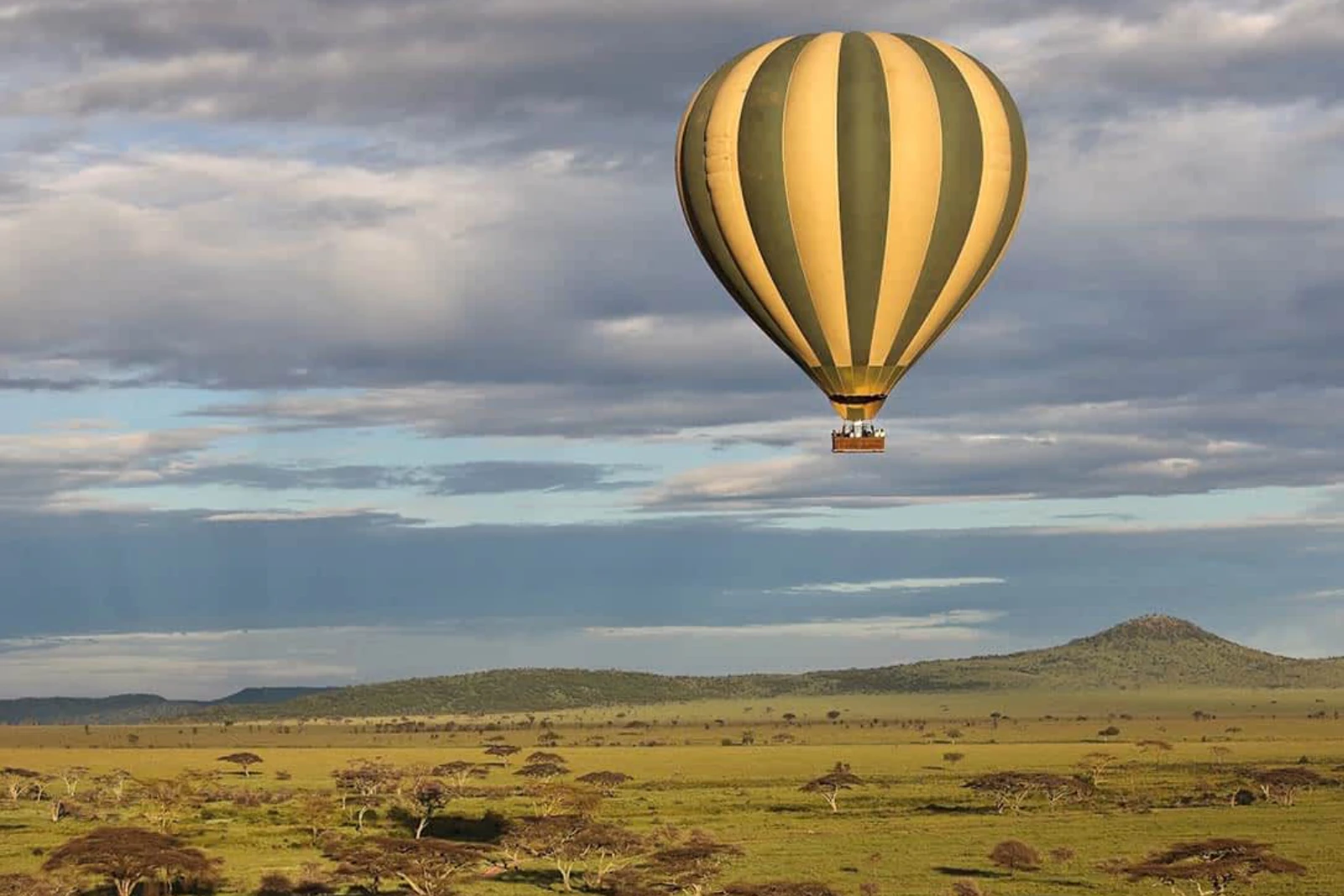
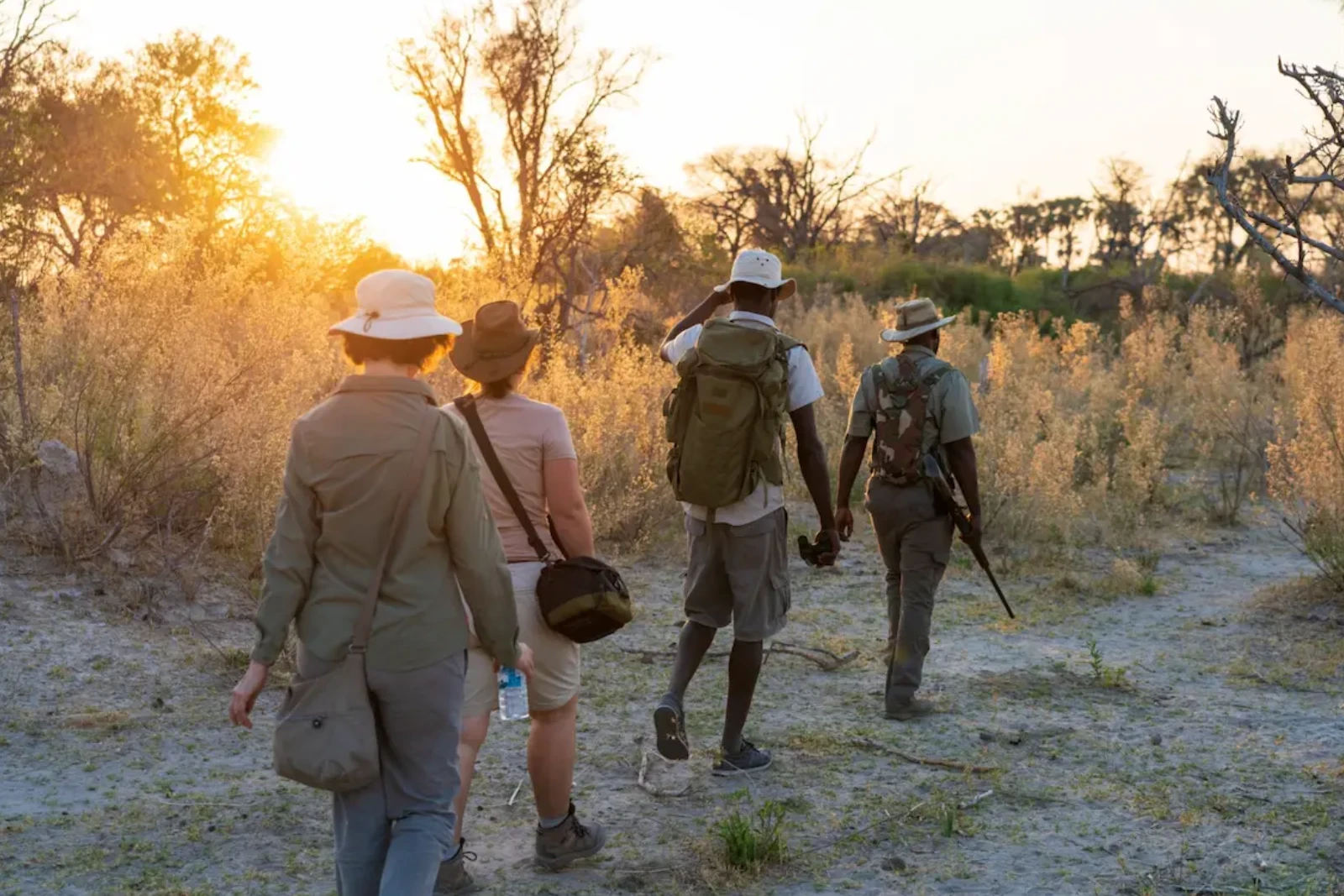
Serengeti activities are built around time on the tracks. You can do two drives a day, or go full-day with a picnic to reach quieter corners. Some camps allow walking in the allowed areas and night drives by special arrangement. A balloon flight is the big splurge, giving a wide view of Serengeti National Park before a bush breakfast at first light.

Talk to a Safari Specialist Today

and design your travel plans.

Call +254 723 619669

OR

Enquire Now
  • Lawrence

  • Margaret

  • Mugambi

Our Safari Experts

Safaris You Can Book

Browse all our safari options designed around realistic travel days, trusted guides, and comfortable stays across East Africa.

Experience the Spirit of Tanzania

Journey through iconic parks, abundant wildlife, scenic mountains, and sunlit beaches throughout Tanzania unforgettable adventures.

Get Started On Your Trip

You can contact us anytime, and we’ll support your
planning from early ideas to final details.

Get in touch

What Travellers Say

Real feedback from guests who have traveled with SnowyTop Safaris LTD across East Africa.

Local Team Insight

Our guides and planners work in Kenya and nearby parks year-round. You get route advice that matches road conditions, seasons and lodge standards, not generic online suggestions for your dates.

Clear Trip Planning

We keep planning simple: quick replies, clear inclusions, and realistic drive times. If something won’t fit, we say so early and suggest a better option without pushing upgrades or extras.

Support Throughout Travel

From airport pickup to your last game drive, we stay reachable. You get help with permits, timing and small changes, so the trip keeps moving smoothly even when plans shift.