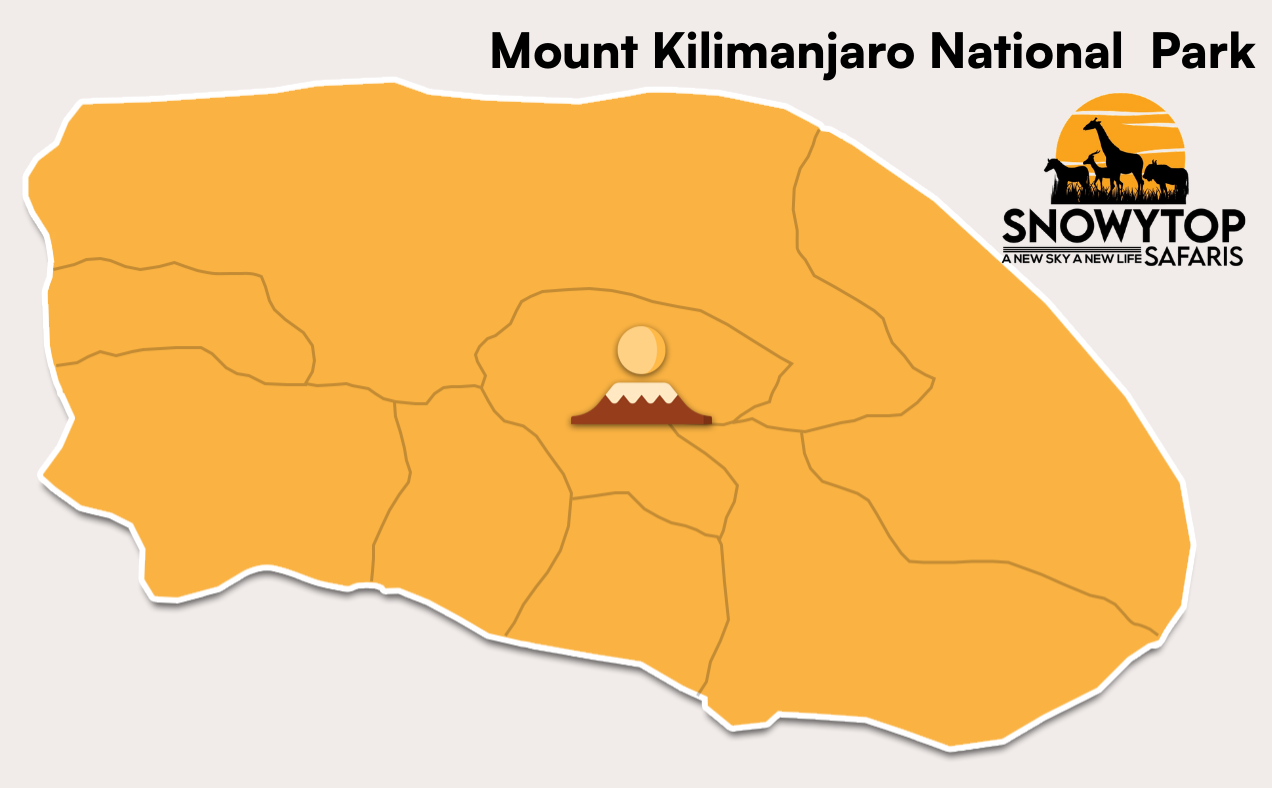

Kilimanjaro National Park

Africa’s Highest Mountain Park

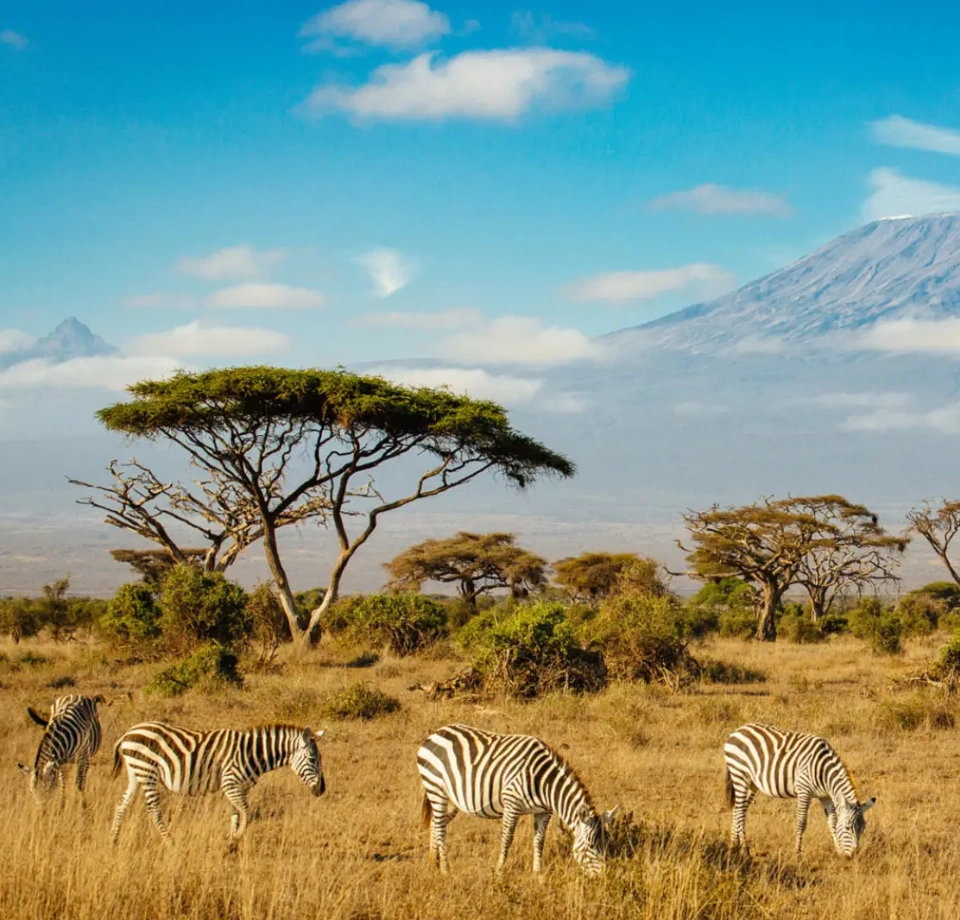
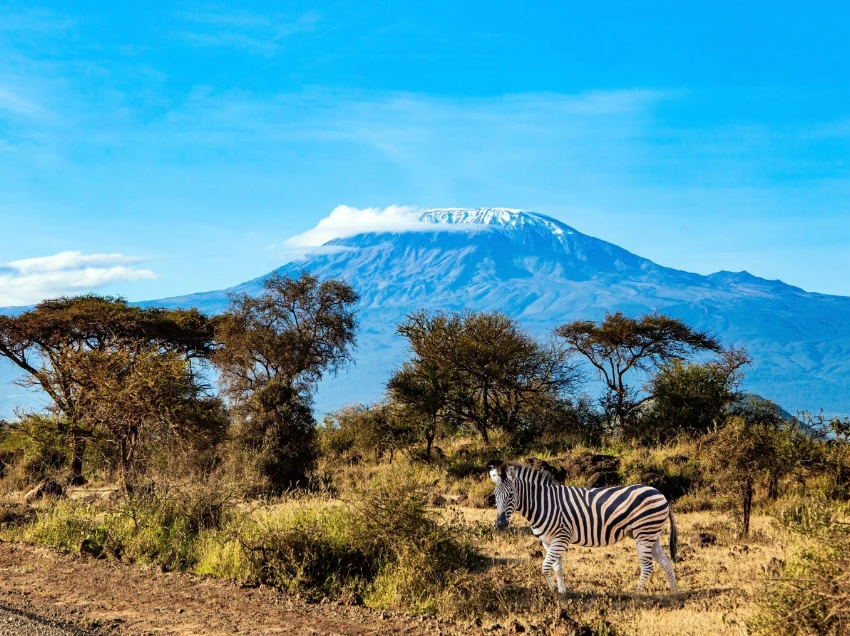
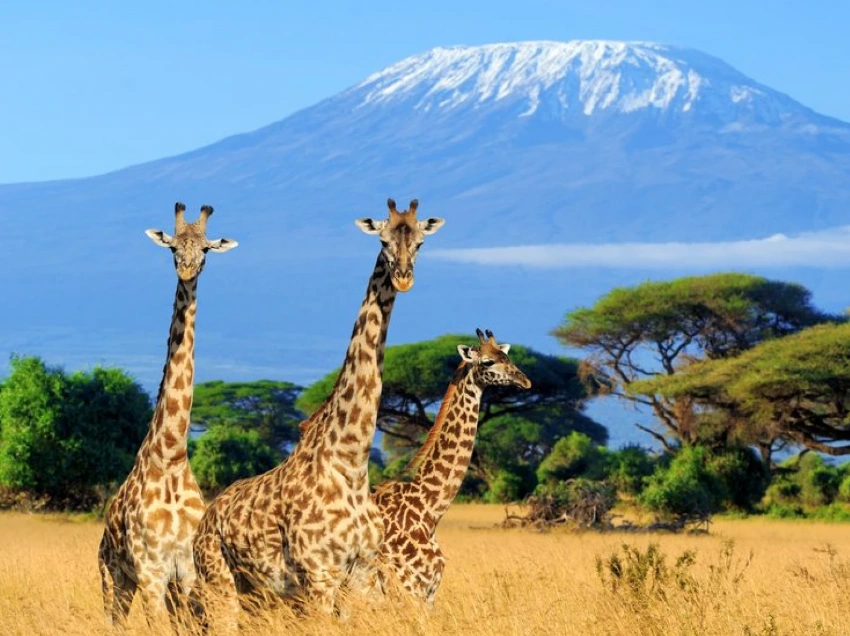
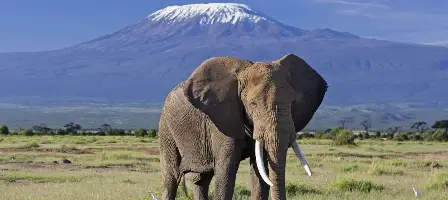
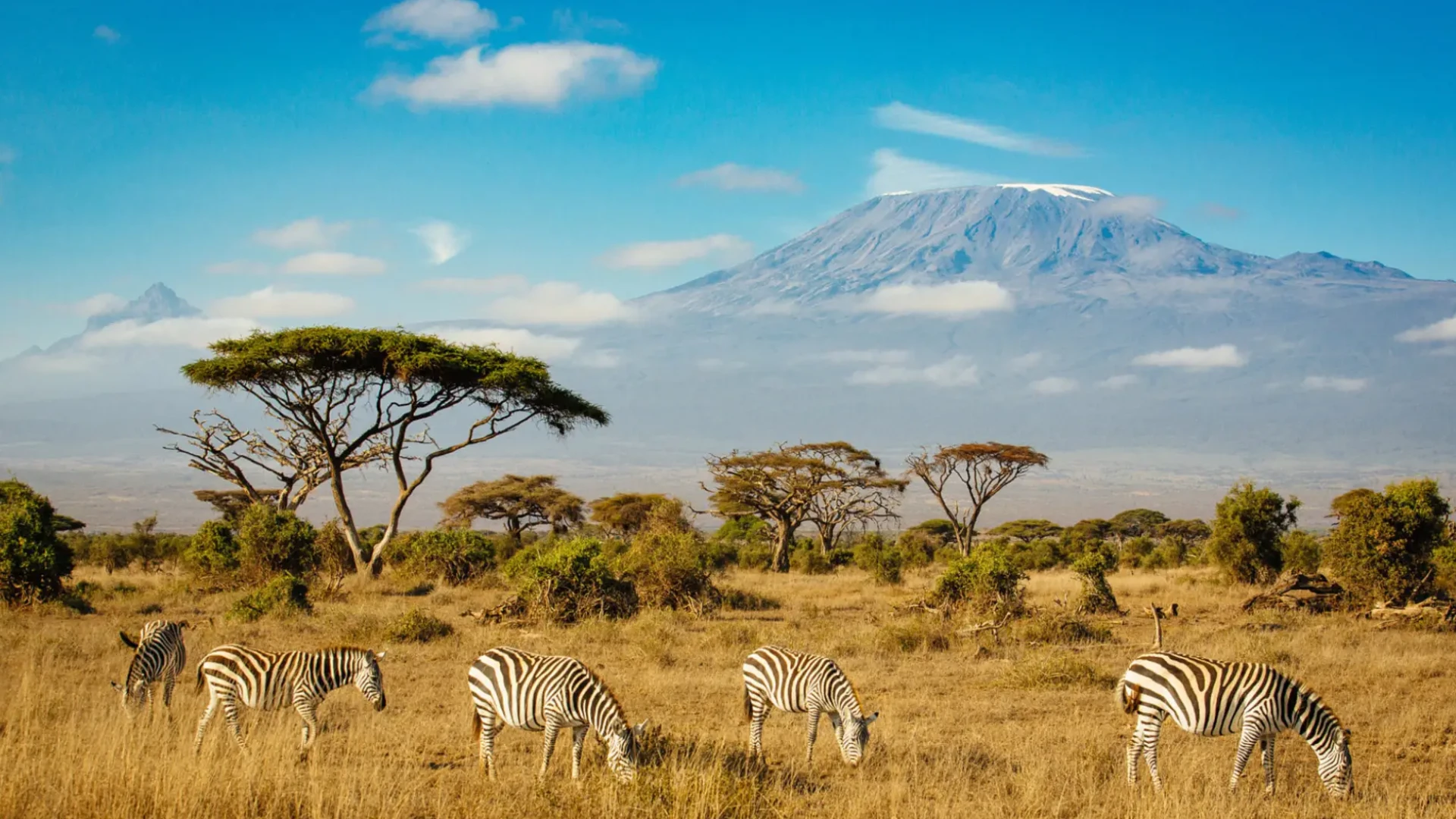
Kilimanjaro National Park wraps itself around Africa’s highest mountain, rising above towns and farmland near Moshi. Mount Kilimanjaro dominates the park with three volcanic cones—Kibo, Mawenzi and Shira—visible from far across northern Tanzania. Many travelers first meet this idea while planning a Tanzania Safari, before they even look at routes or gates.

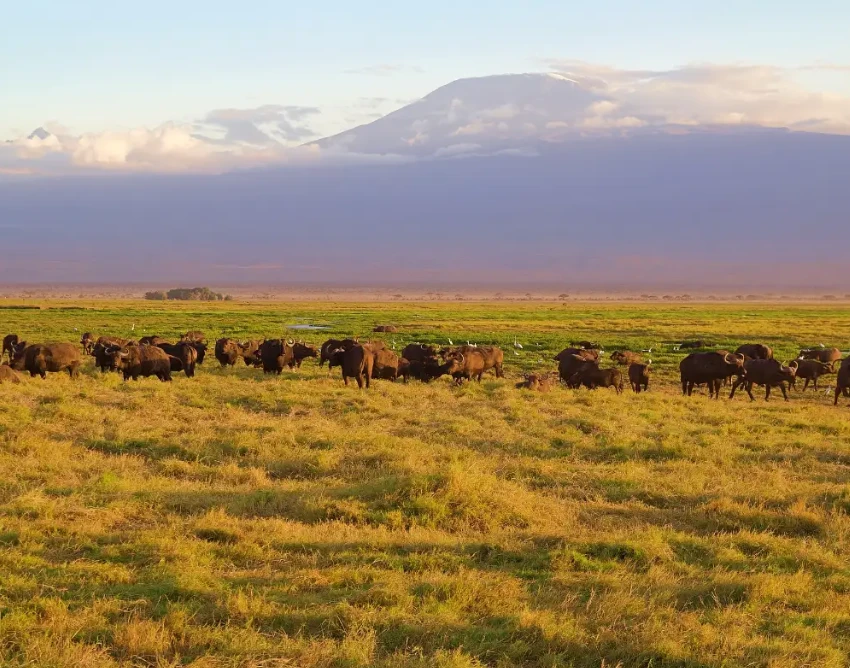
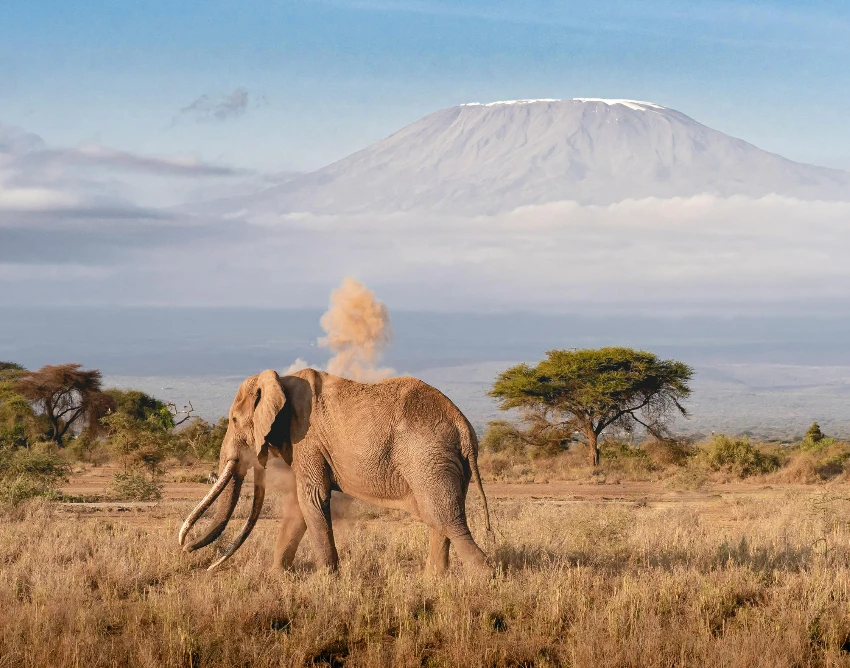
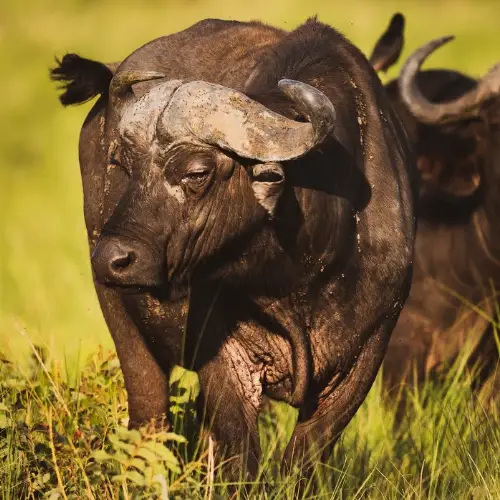
What makes the park unusual is its altitude. Farmland slips into thick montane forest, then heath and moorland, then alpine desert and finally ice and rock close to the summit. Wildlife stays mainly below the tree line. Elephants, buffalo, monkeys and antelope move through forest corridors, which feels quieter than typical Safaris In Tanzania.

Kilimanjaro National Park is easy to reach from Moshi and Arusha. Some visitors come for short walks and viewpoints, while others start longer treks. Access is controlled and trails follow clear zones. Either way, it adds cooler air and ecological variety to Tanzania Safari Tours.

Get Started

Life-Enriching Travel

Designed Just for You

  • Trips curated by the world’s top destination experts
  • Concierge-level service leading up to and during your trip
  • Unique, exclusive experiences and insider access


500+ Verified Traveler Reviews

Snowytop Safaris LTD

Why Visit
Kilimanjaro National Park

Kilimanjaro National Park works for travellers who want landscapes and altitude more than big herds. You can walk in the lower forest, watch birds and see how vegetation changes fast with height. Wildlife is there, just not in huge numbers. For many routes, this park is a calm opener to your Mount Kilimanjaro Climbing Tours, especially when time is tight around Moshi. It suits families who prefer gentle activity. Photographers like the mountain light after rain in the mornings.

Kilimanjaro National Park

Kilimanjaro National Park at a Glance

Quick facts to help you match scenery, wildlife, weather and travel logistics with confidence.

Layers Of Landscape

Layers Of Landscape

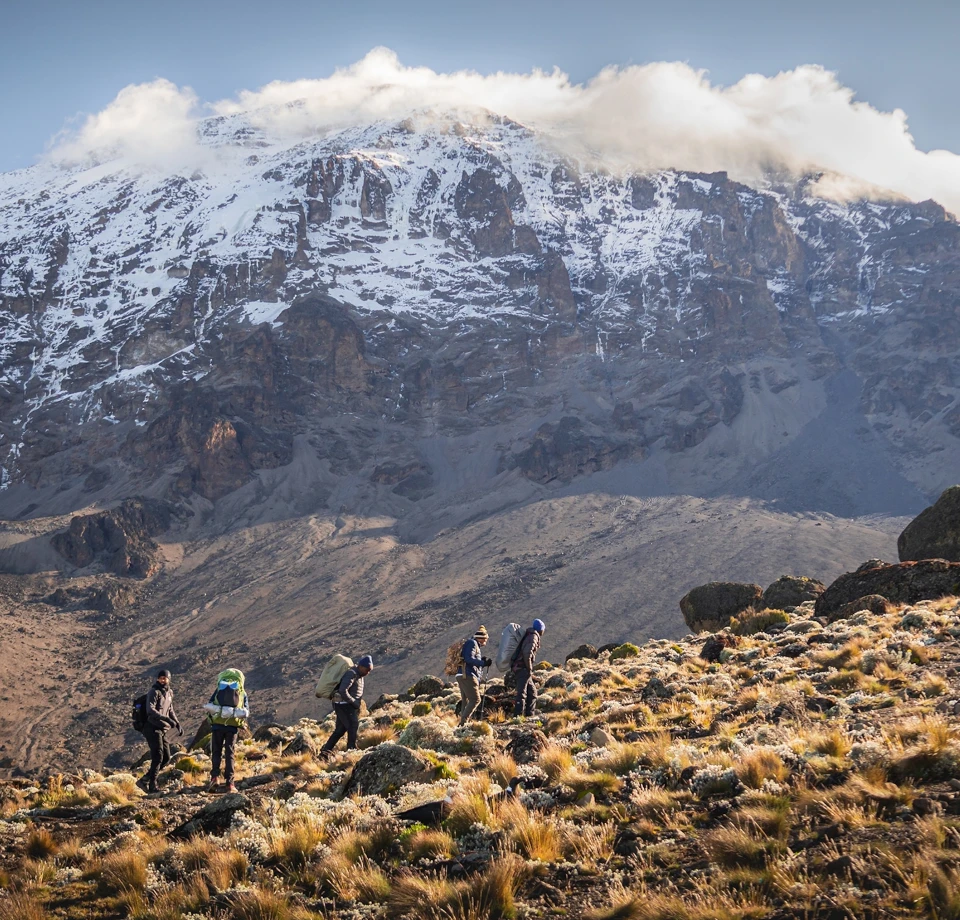
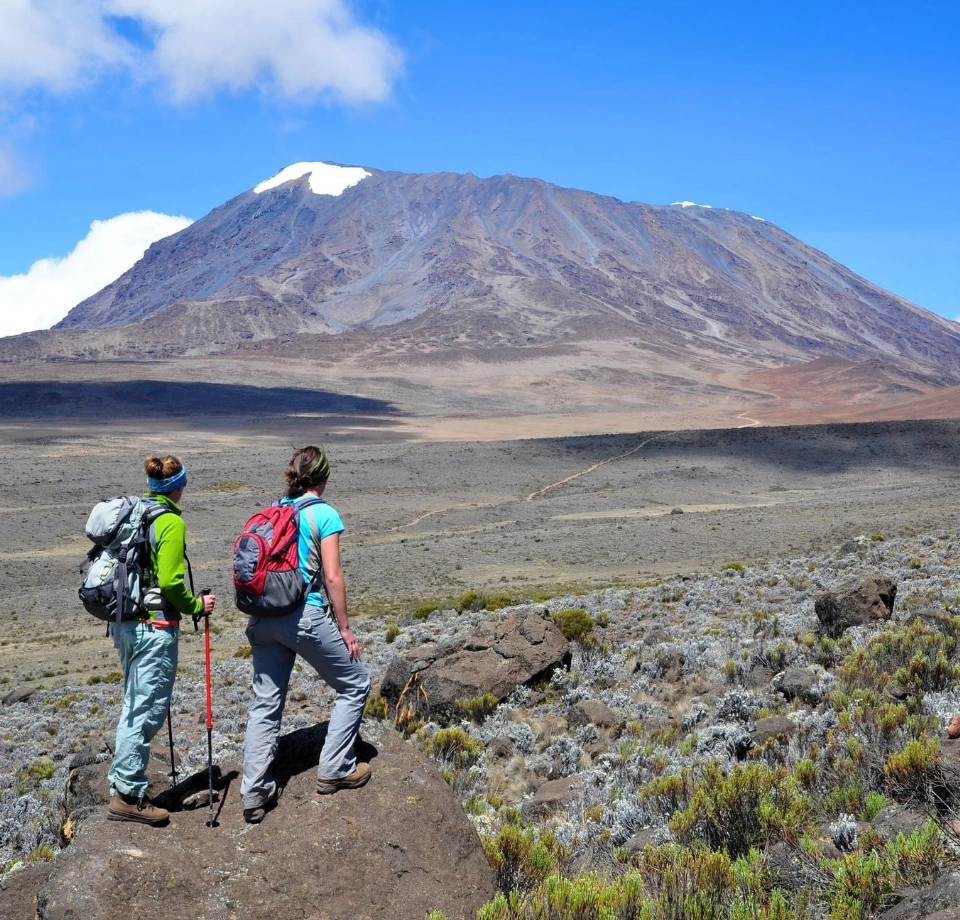
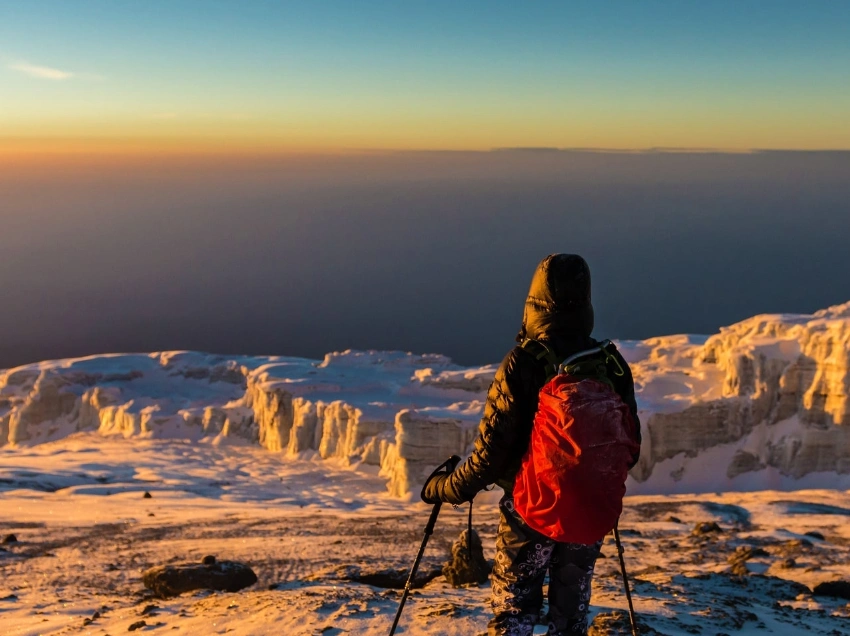
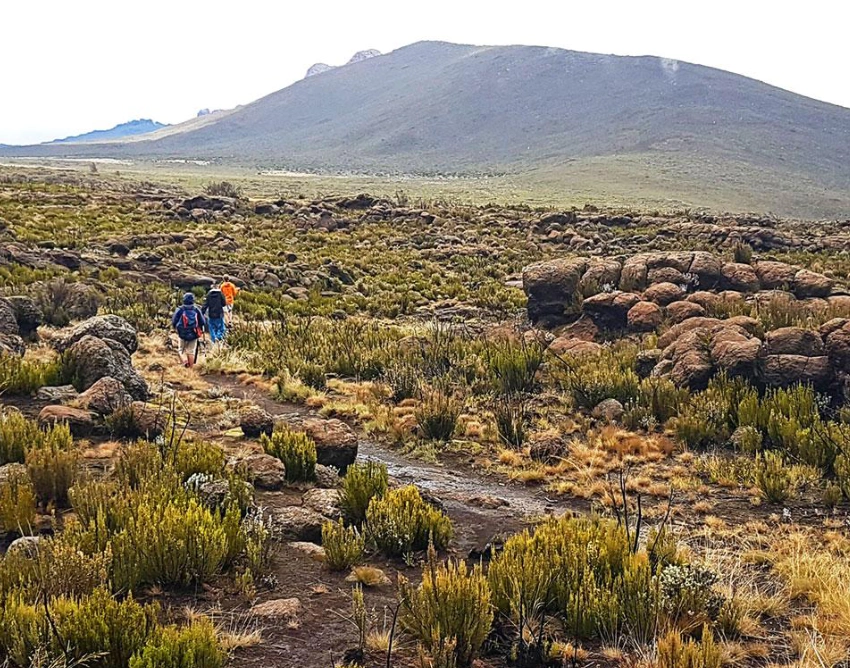
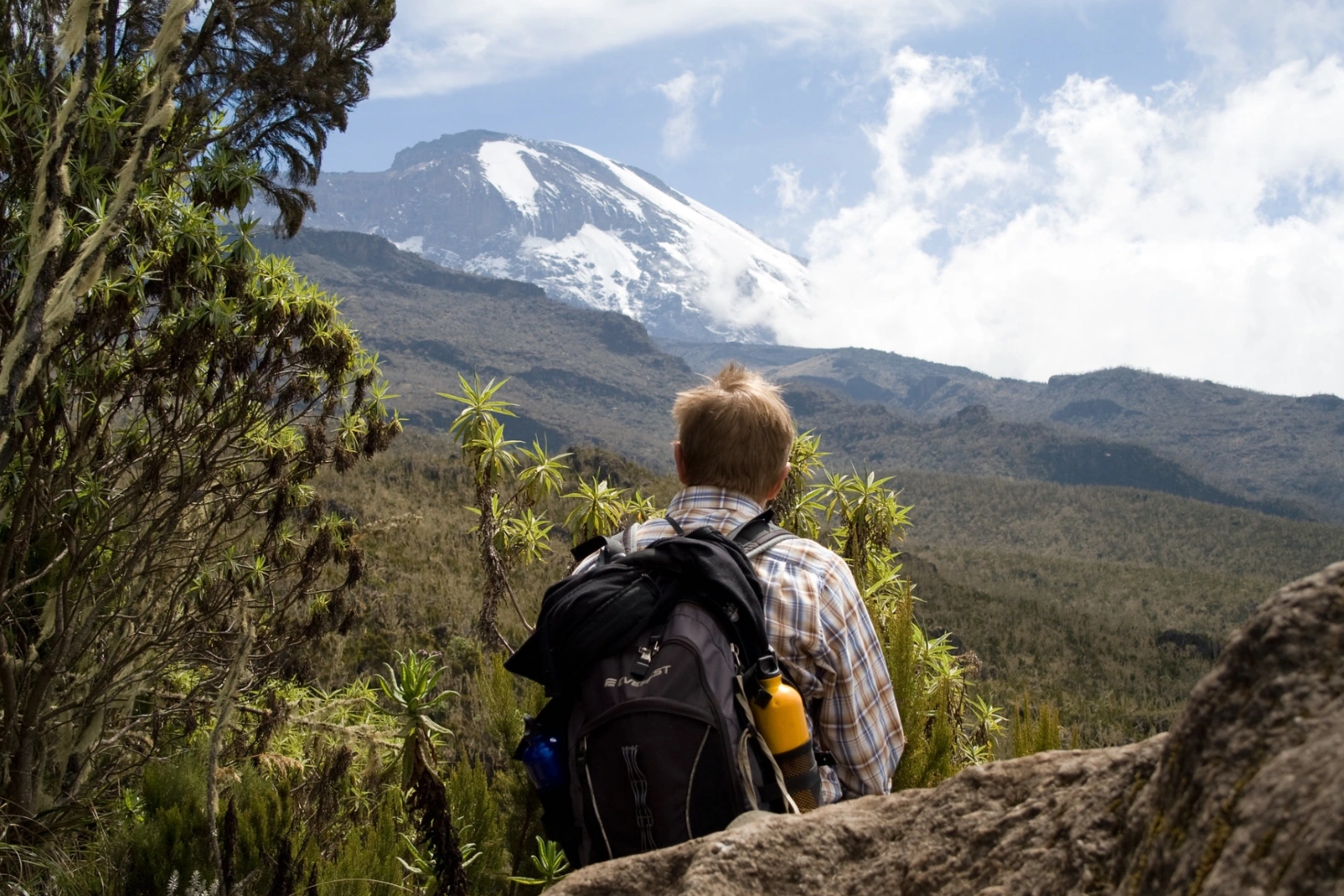
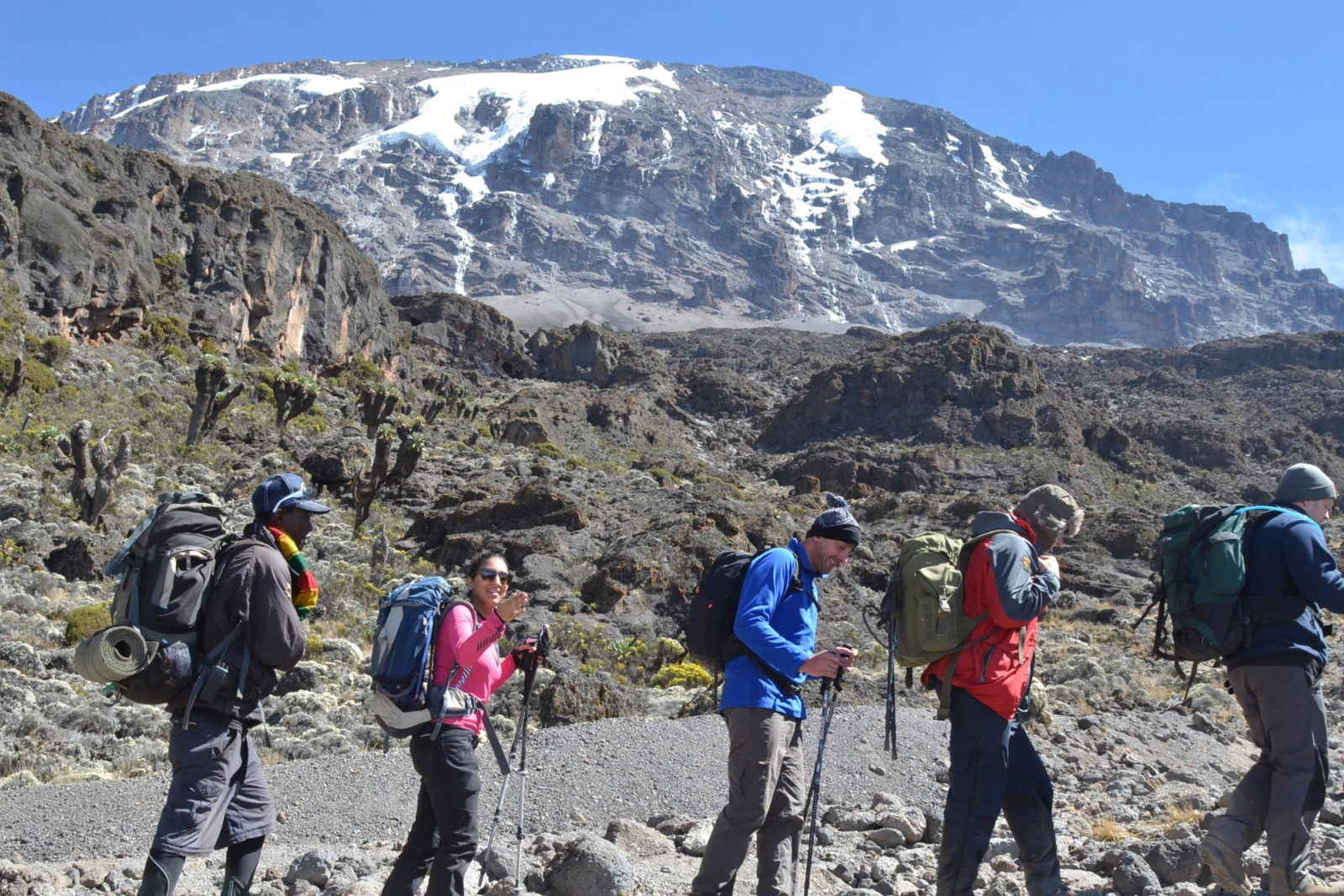
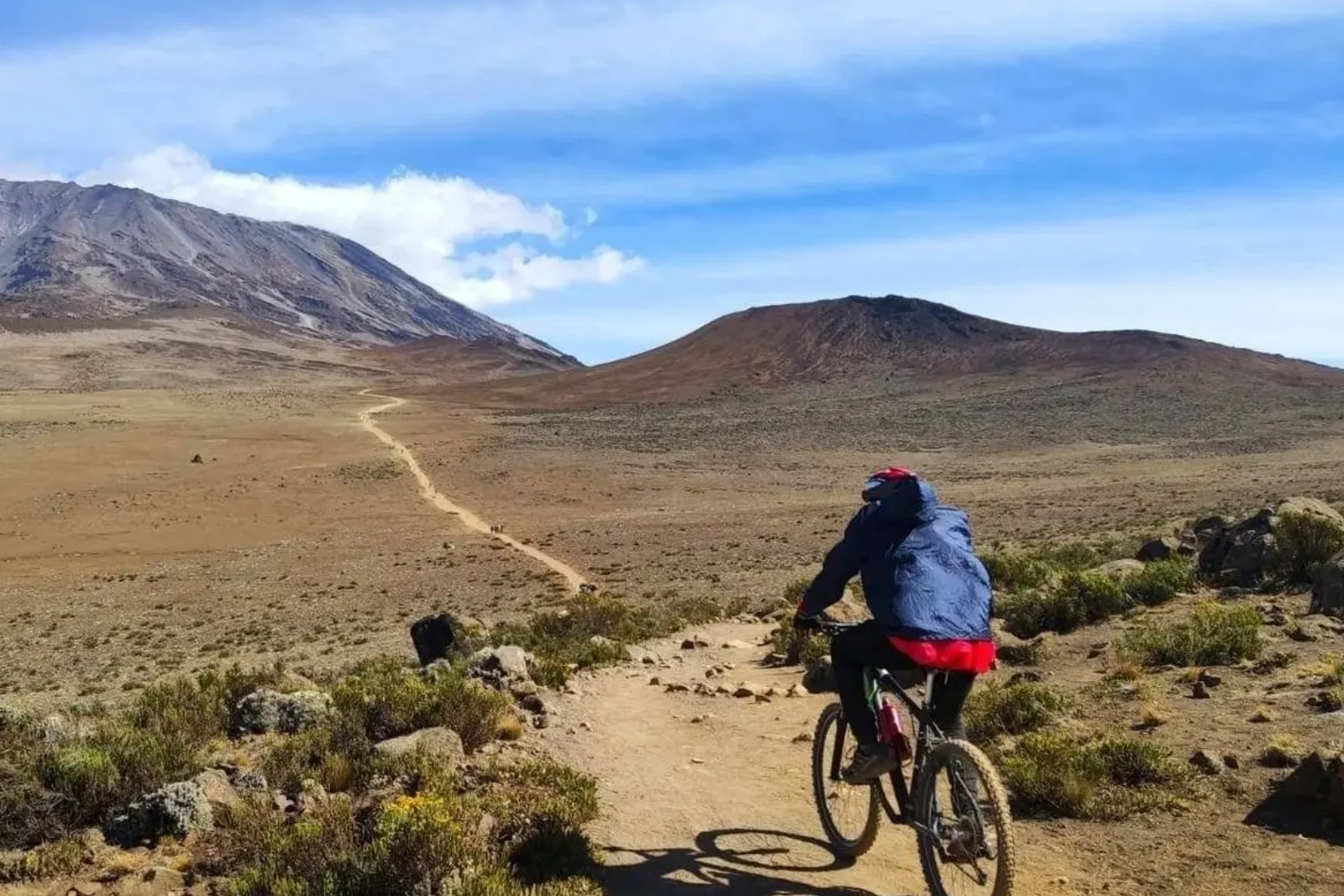
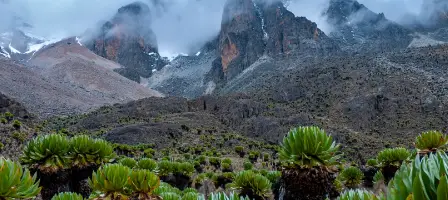
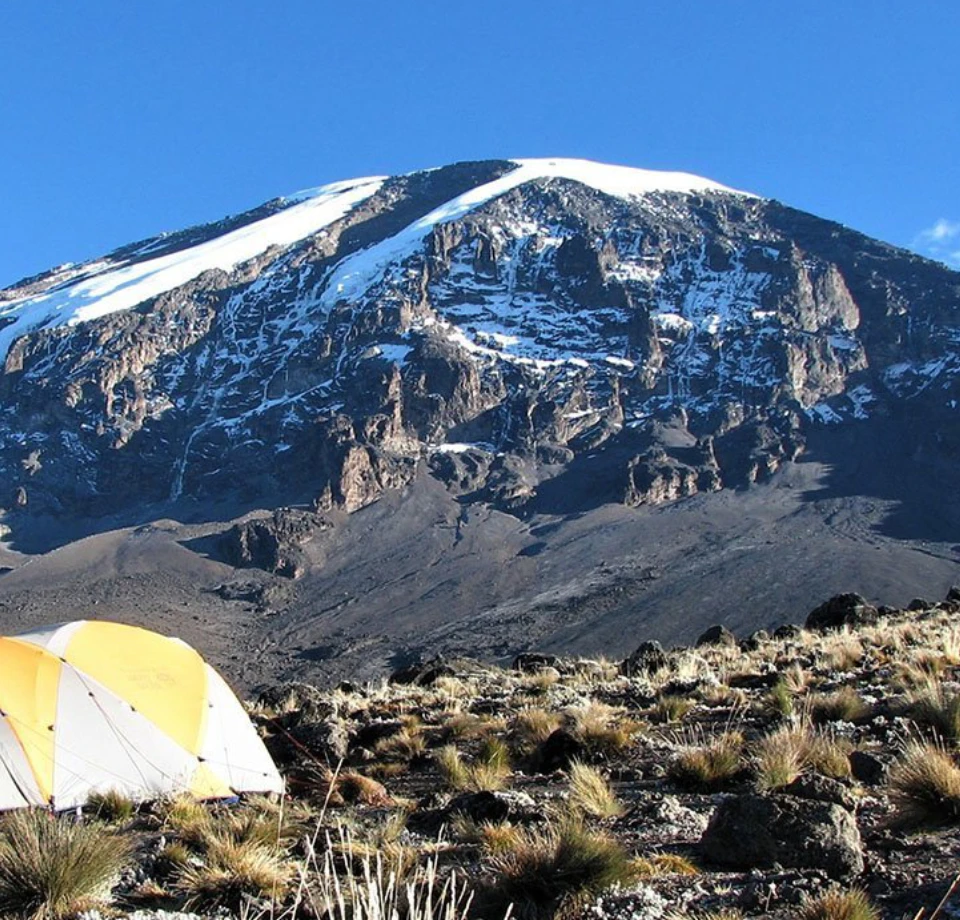
Kilimanjaro’s beauty comes in layers. The lower slopes are deep green, with tall forest and damp air. As you gain height, trees thin into heath and moorland, then open alpine desert with volcanic rock underfoot. On clear days, you’ll see Mawenzi’s jagged shape and the broad Shira Plateau. The summit ice sits far above, often visible from below at sunrise.
Forest Life First

Forest Life First

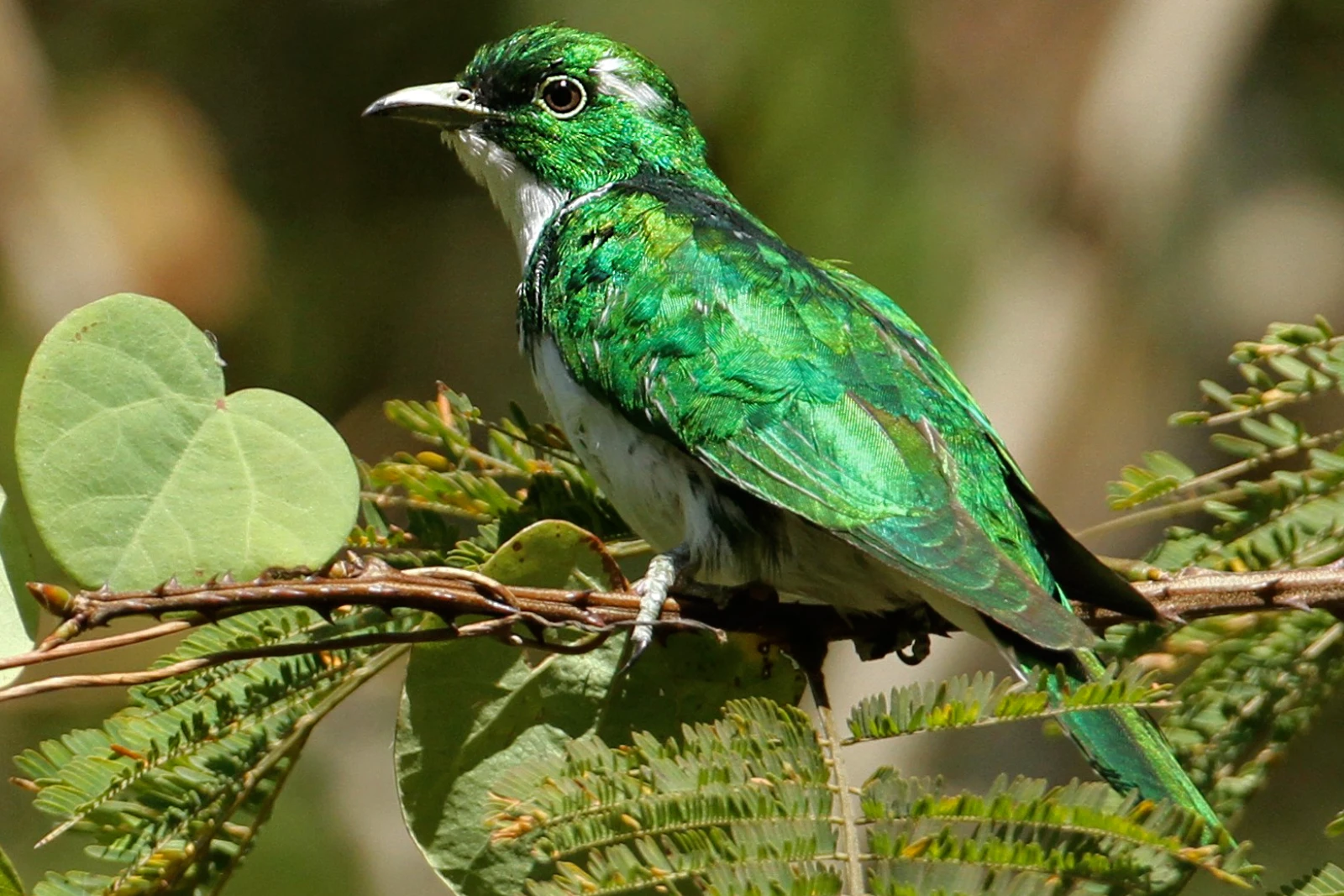
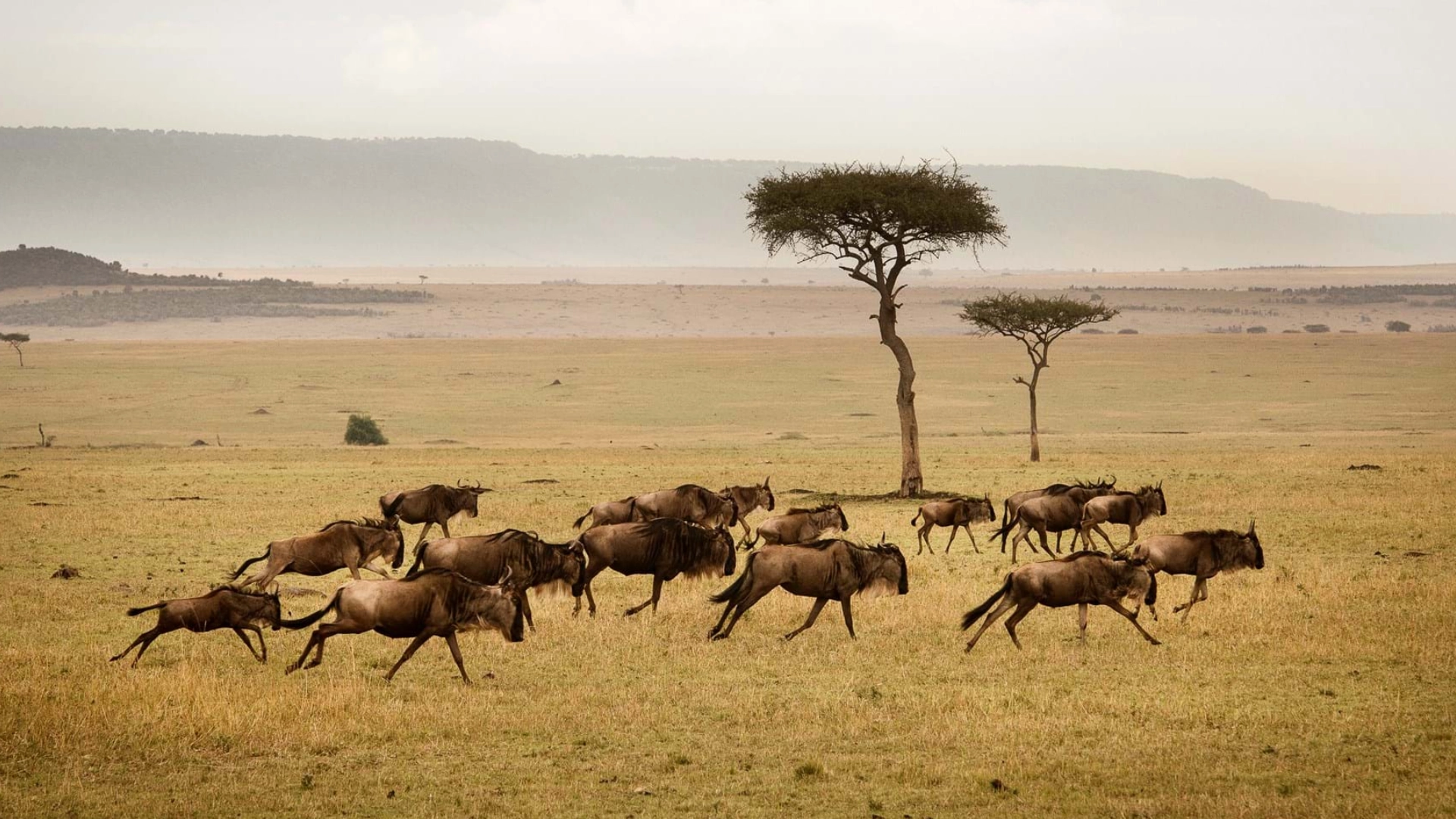
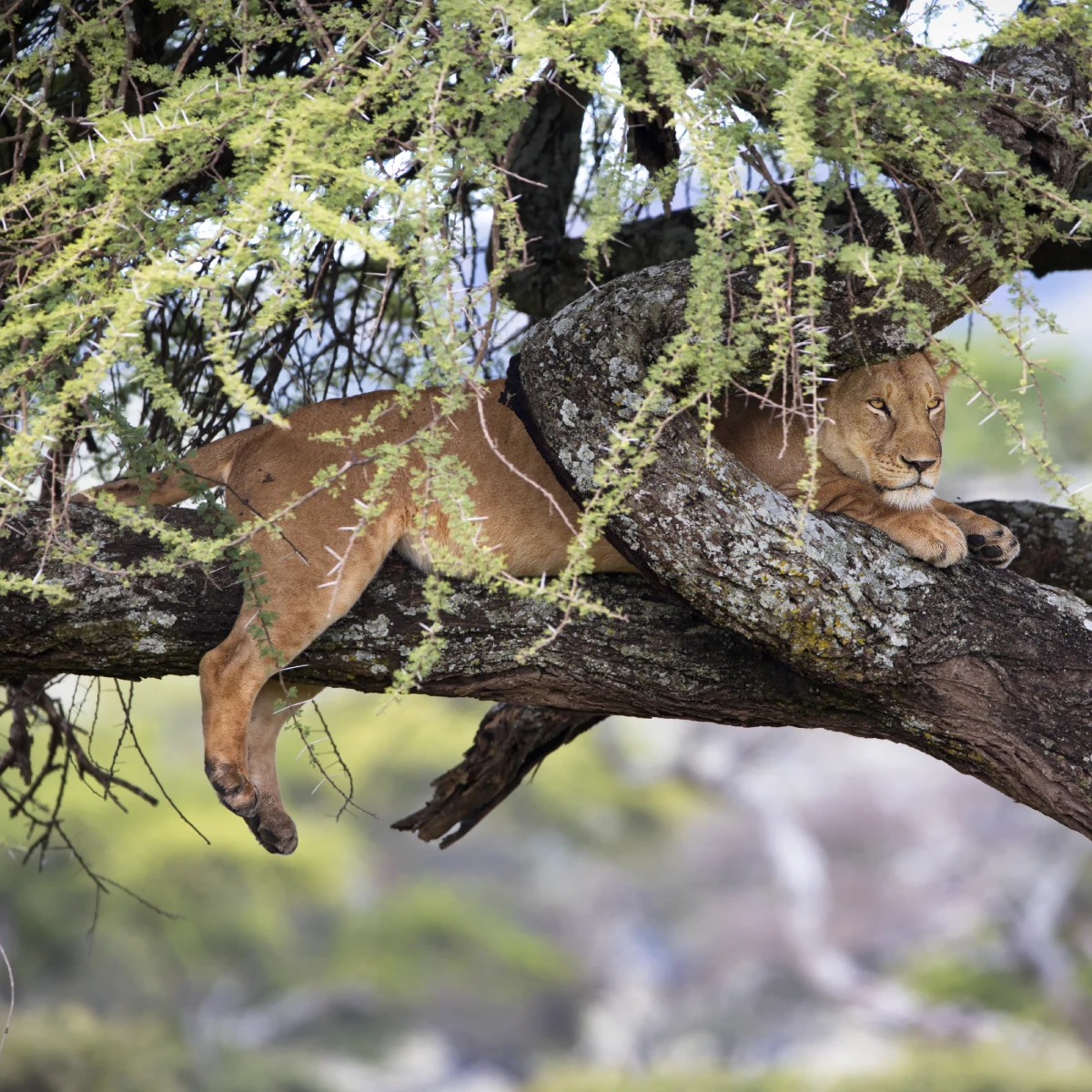
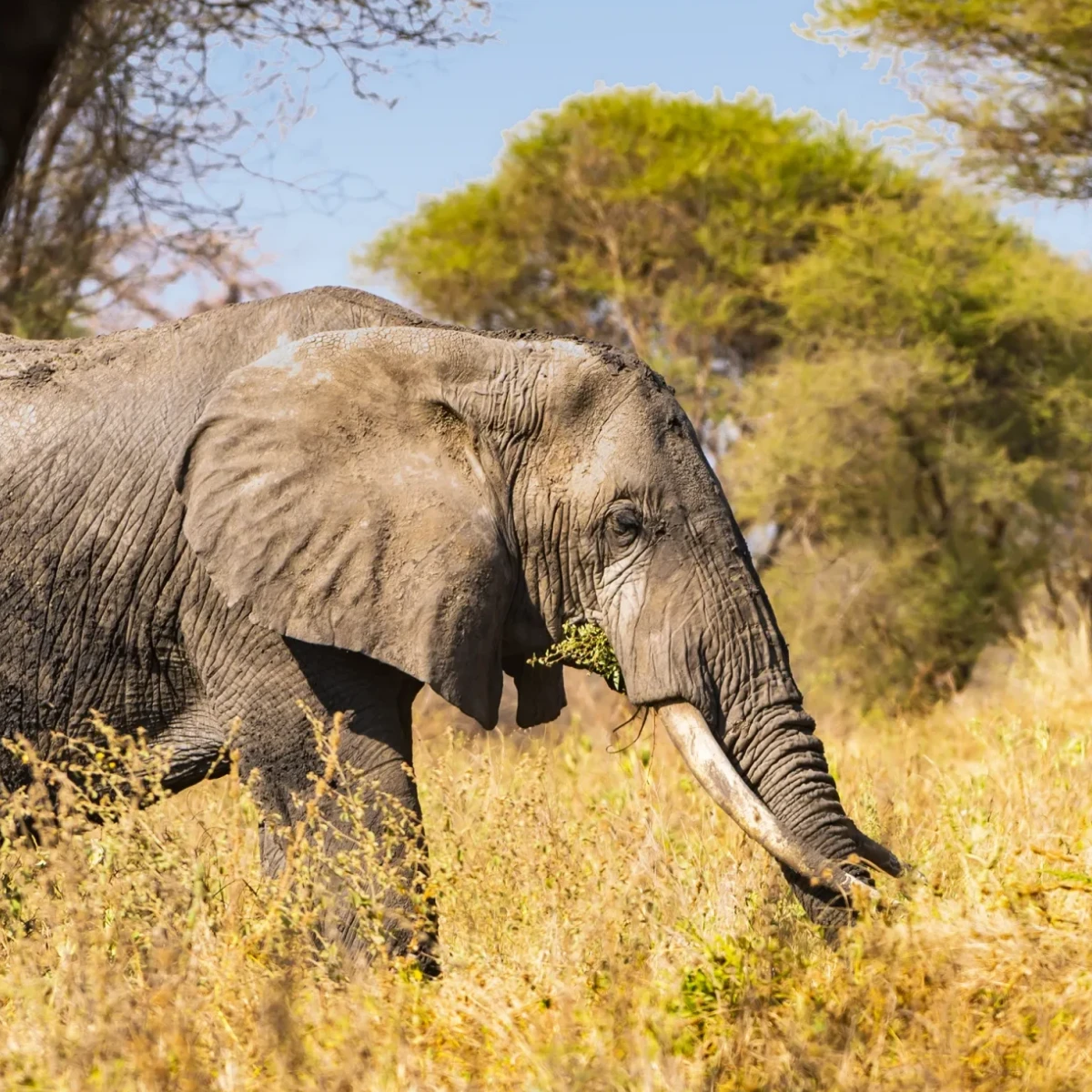
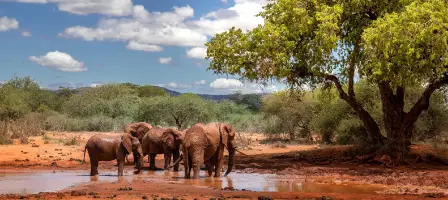
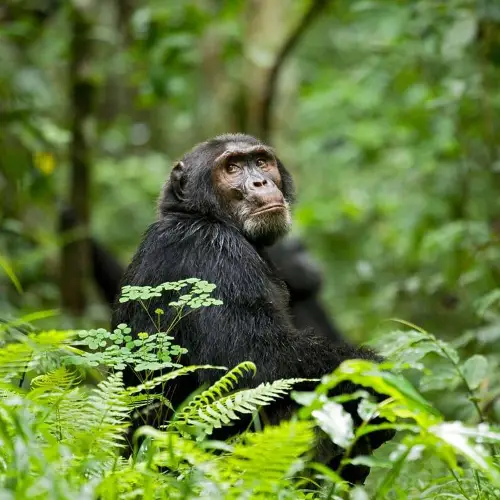
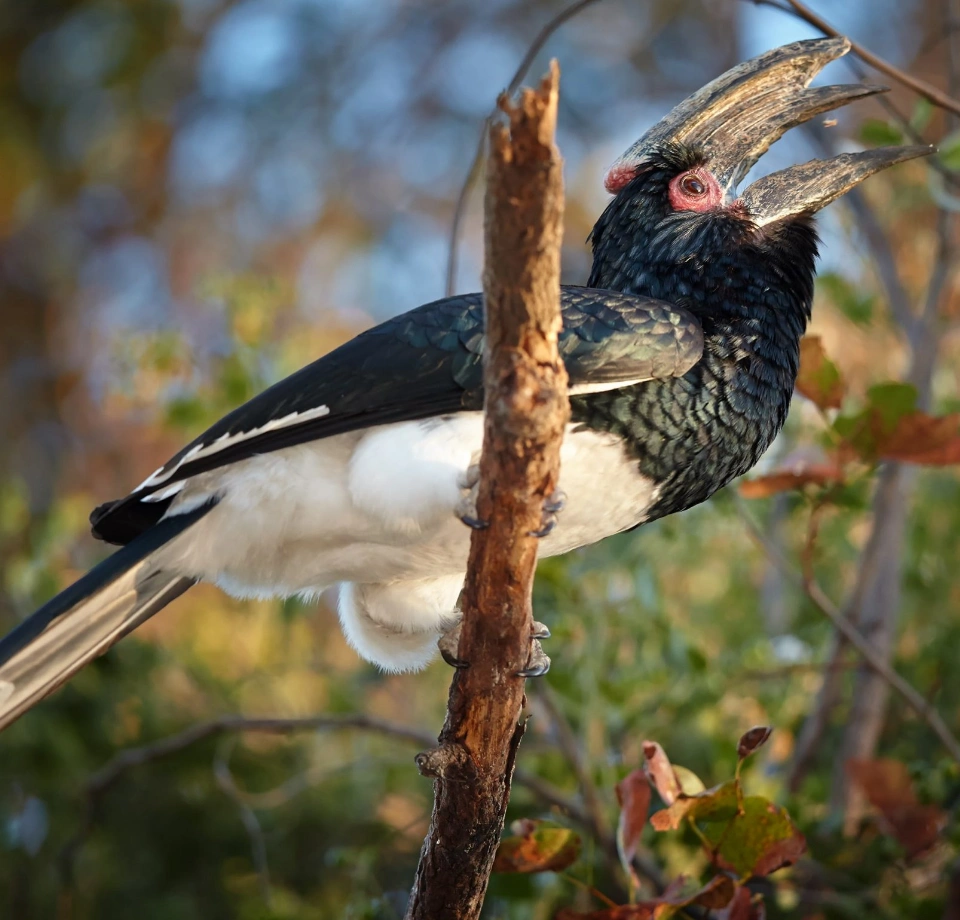
Wildlife here is mostly forest-based. You may spot blue monkeys, black-and-white colobus, bushbuck and duiker on quiet sections of trail. Elephants and buffalo sometimes move through corridors between rivers, but sightings are not guaranteed. Birding is a strong reason to visit, with forest species and raptors overhead. It’s a different Tanzania Safari Experience than the plains. Bring binoculars, walk slowly.

Altitude Sets Rules

Altitude Sets Rules

Temperatures and rain change with altitude. Lower areas are mild, often around 18–27°C in the day, while nights higher up can feel close to freezing. The long rains usually fall from March to May and short rains from November to December. June to October is the driest, clearest period. Mornings can be cold even in dry months, so layers matter.

More Than Summit

More Than Summit

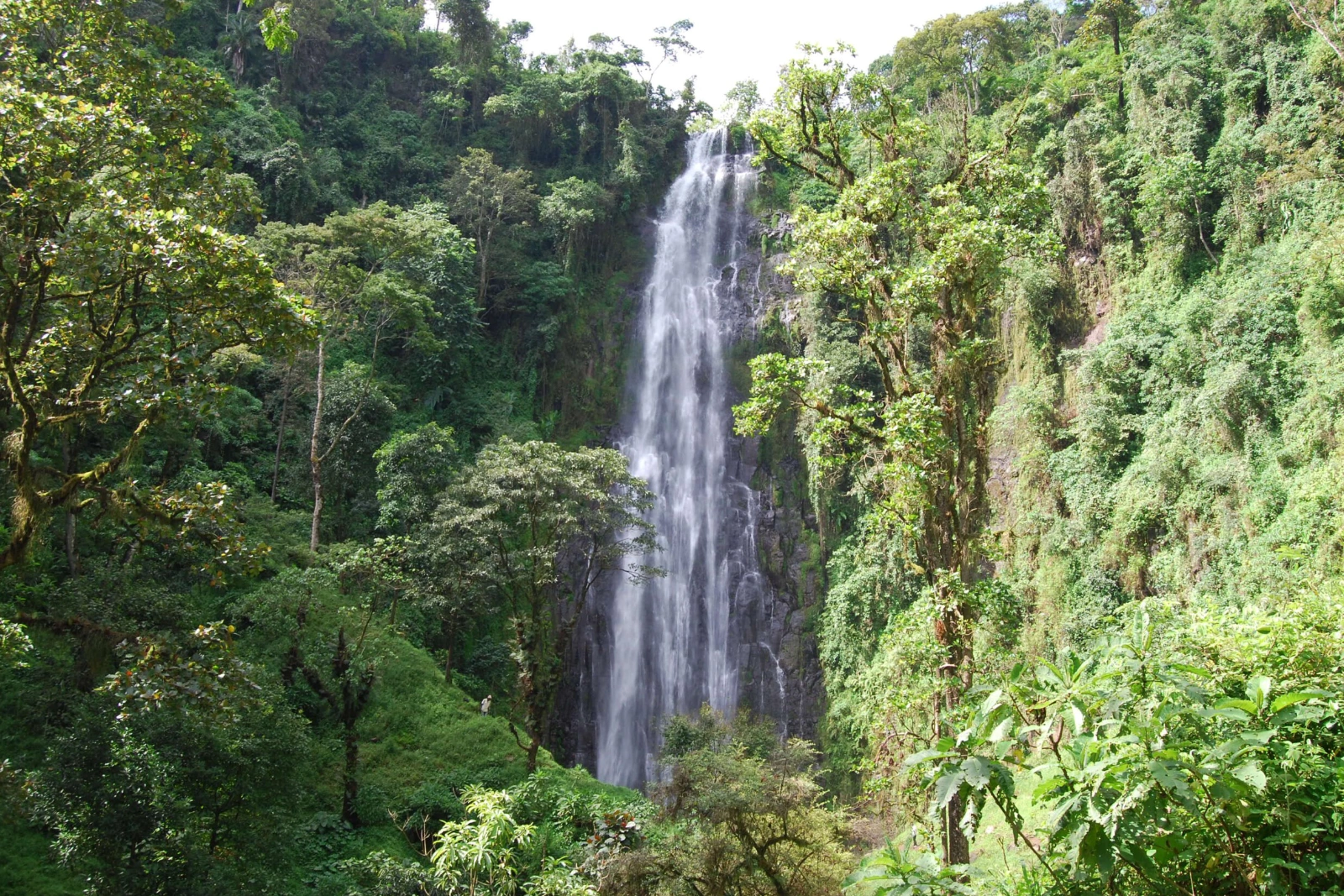
The headline attraction is the mountain itself, but the park’s variety is the real draw. Forest trails, waterfall routes and viewpoints deliver strong scenery without long distances. On some itineraries, day walks reach the Shira Plateau edge for wide-open views. If you want a short Mount Kilimanjaro Hike without summit pressure, rangers can guide safer, lower-altitude routes from approved gates.

Easy Northern Access

Easy Northern Access

Most trips start from Arusha or Moshi. Flying into Kilimanjaro International Airport (JRO) is the simplest option, followed by a road transfer to the park gates. From Arusha, the drive is usually about 2–3 hours, depending on traffic and gate choice. Many operators bundle this smoothly into a Safari Tour In Tanzania, especially when combining northern parks with one hotel night.

When to Visit Kilimanjaro

The best conditions are June to October and January to February, with clearer skies, drier trails and stable temperatures for walking.

  • Best
  • Good
  • Mixed

January is usually warm on the lower slopes, with decent visibility between clouds. Forest walks are comfortable and birding stays active. Higher zones remain cold. If your plan includes Tanzania Safari Packages, January works well because road travel is steady and park access is straightforward from Moshi and Arusha too.

February stays fairly dry and clear, so mountain views are often sharp in the mornings. The forest belt feels alive, even if wildlife sightings are quiet and brief. It’s a solid month for short hikes, photography and gentle acclimatization days before moving on to other northern destinations without weather stress.

March starts leaning into the long rains. You may get bright mornings and wet afternoons, especially in the forest zone. Trails can be slick, but the greenery returns fast. If you’re booking Best Kilimanjaro Tours, plan for flexible timing and expect more clouds around the mountain and fewer people around.

April is the wettest period for this area. Expect regular rain, heavier cloudscloud, and muddier forest tracks. Views can disappear quickly, then return for an hour, then fade again. It’s still possible to visit, but activities often stay lower and shorter, with patience needed for weather gaps during most days.

May begins to dry out, but the landscape stays fresh and green. Forest walks improve as trails firm up, and birds remain active after the rains. Visibility is mixed, yet often better than April. If you want quieter travel, Kilimanjaro National Park in May feels calm and unhurried for photos.

June marks the shift into the dry season. Skies clear more often, the air feels cooler and the mountain’s outline becomes easier to see. Morning walks can be chilly, but conditions are stable. It’s a good time for longer day hikes and for combining the park with Arusha routes smoothly.

July is dry and cool, with strong visibility on many days. Early mornings can feel cold at the gates, so layers help. Forest wildlife is still subtle, but birds and scenery carry the day. This is a peak month for Kilimanjaro Climbing Tours, so book transport and lodging early now.

August stays reliably dry. The mountain is often visible from Moshi and walking conditions remain firm. Visitor numbers are higher, yet the park still feels manageable because activities are spread by route and elevation. It’s a practical month for families who want short hikes and clear photography conditions most mornings.

September remains dry and warms slightly. Visibility is still good and the forest trails are comfortable for longer walks. It’s a strong month to place Kilimanjaro near the start or end of a Tanzania Safari, especially if you want scenery that feels completely different from the plains parks in person.

October is generally warm and still fairly dry, though haze can increase. Morning views are often best. Forest walks remain pleasant and the chance of short showers begins to rise later in the month. It’s a flexible time for travelers who want good conditions without the busiest season pressure too.

November brings the short rains. Showers are often brief and the mountain can appear and vanish across the day. The forest becomes greener and birdlife picks up. Crowds drop, which helps. If you’re building Tanzania Safari Tours around northern parks, November can be cost-friendly with smart timing for many travelers.

December mixes clearer spells with passing rain, especially early in the month. By late December, conditions often improve and travel feels smoother. The park works well as a scenic add-on near holiday travel, but accommodation can fill quickly around Moshi. Pack layers for cool mornings and changing clouds at the gates.

Kilimanjaro Park Travel FAQs

No. Many visitors do short walks, birding and viewpoints as part of a Tanzania Safari route, without committing to summit plans.

Mostly forest species: monkeys, antelope and sometimes elephants or buffalo in corridors. It’s not the densest Best Safari Tours in Tanzania stop for big game.

Yes. Rangers guide half-day and day hikes on lower routes, which fit well into a Tanzania Holiday Package schedule.

No. Park rules require guides for mountain routes. Climbing Kilimanjaro Solo is not permitted.

It adds altitude, forest scenery and active walking days alongside classic Tanzania Safari Tours in Serengeti and Ngorongoro.

Top Ways To Explore

Kilimanjaro National Park experiences are about walking, learning and seeing how a mountain creates its own worlds. Most visits focus on the forest and lower slopes, where guides can explain plants, birds and animal signs. You can keep it easy with short walks or choose longer hikes to viewpoints. It fits into a Tanzania Safari Experience without adding heavy driving.

Talk to a Safari Specialist Today

and design your travel plans.

Call +254 723 619669

OR

Enquire Now
  • Lawrence

  • Margaret

  • Mugambi

Our Safari Experts

Safaris You Can Book

Browse all our safari options designed around realistic travel days, trusted guides, and comfortable stays across East Africa.

Experience the Spirit of Tanzania

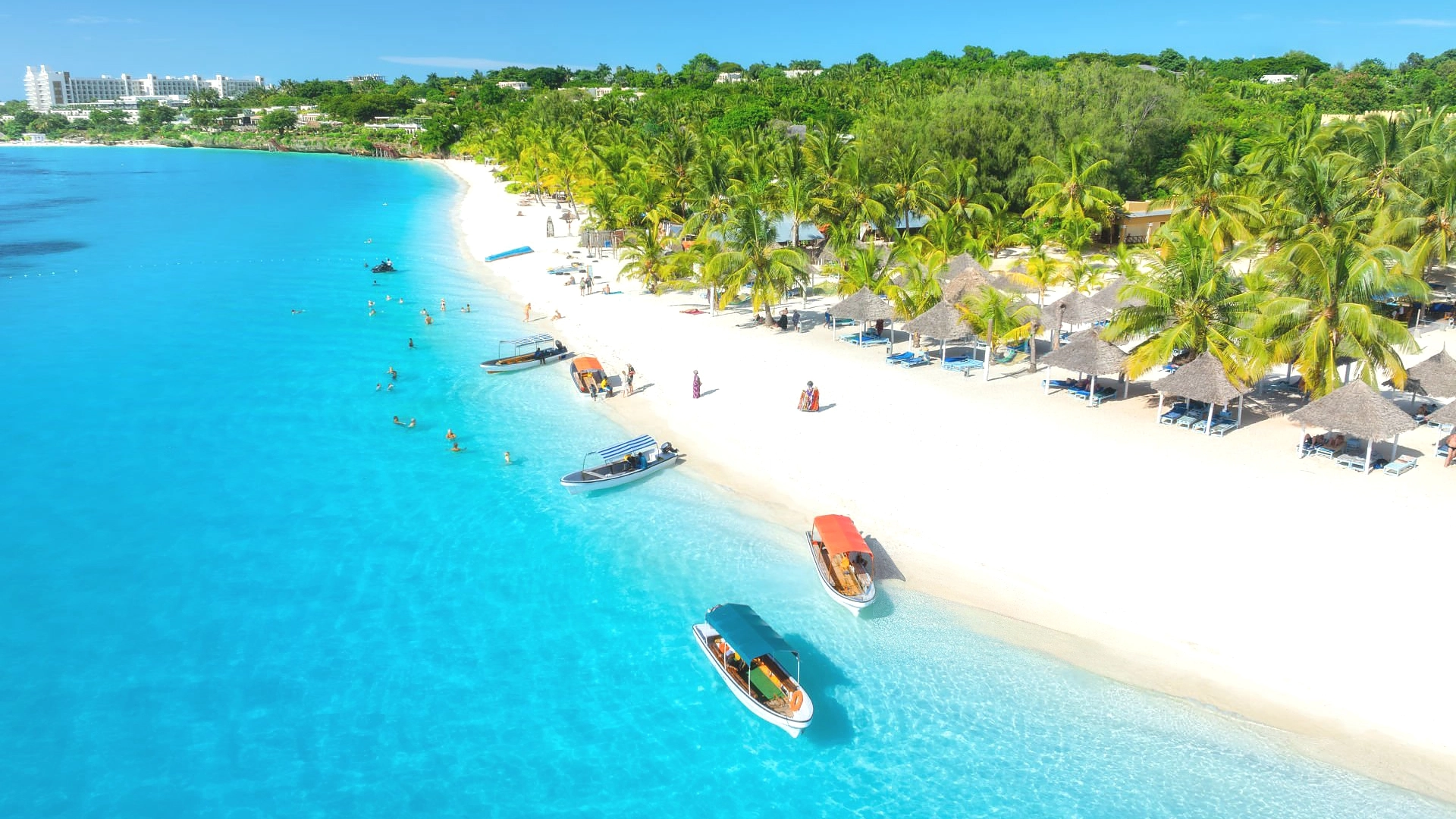
Journey through iconic parks, abundant wildlife, scenic mountains, and sunlit beaches throughout Tanzania unforgettable adventures.

Get Started On Your Trip

You can contact us anytime, and we’ll support your
planning from early ideas to final details.

Get in touch

What Travellers Say

Real feedback from guests who have traveled with SnowyTop Safaris LTD across East Africa.

Local Team Insight

Our guides and planners work in Kenya and nearby parks year-round. You get route advice that matches road conditions, seasons and lodge standards, not generic online suggestions for your dates.

Clear Trip Planning

We keep planning simple: quick replies, clear inclusions, and realistic drive times. If something won’t fit, we say so early and suggest a better option without pushing upgrades or extras.

Support Throughout Travel

From airport pickup to your last game drive, we stay reachable. You get help with permits, timing and small changes, so the trip keeps moving smoothly even when plans shift.