

Bwindi Impenetrable National Park

Gorilla Forest within Steep Ridges

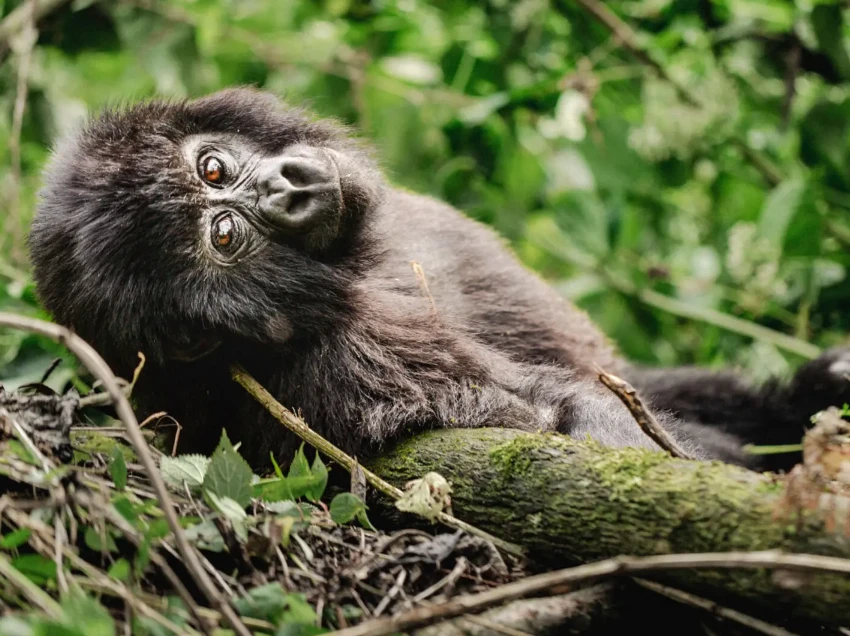
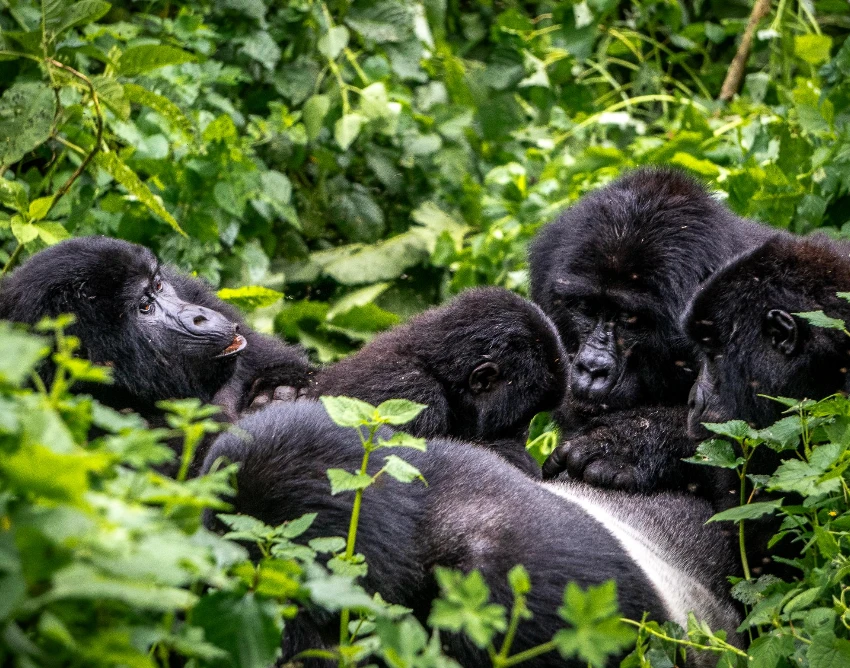
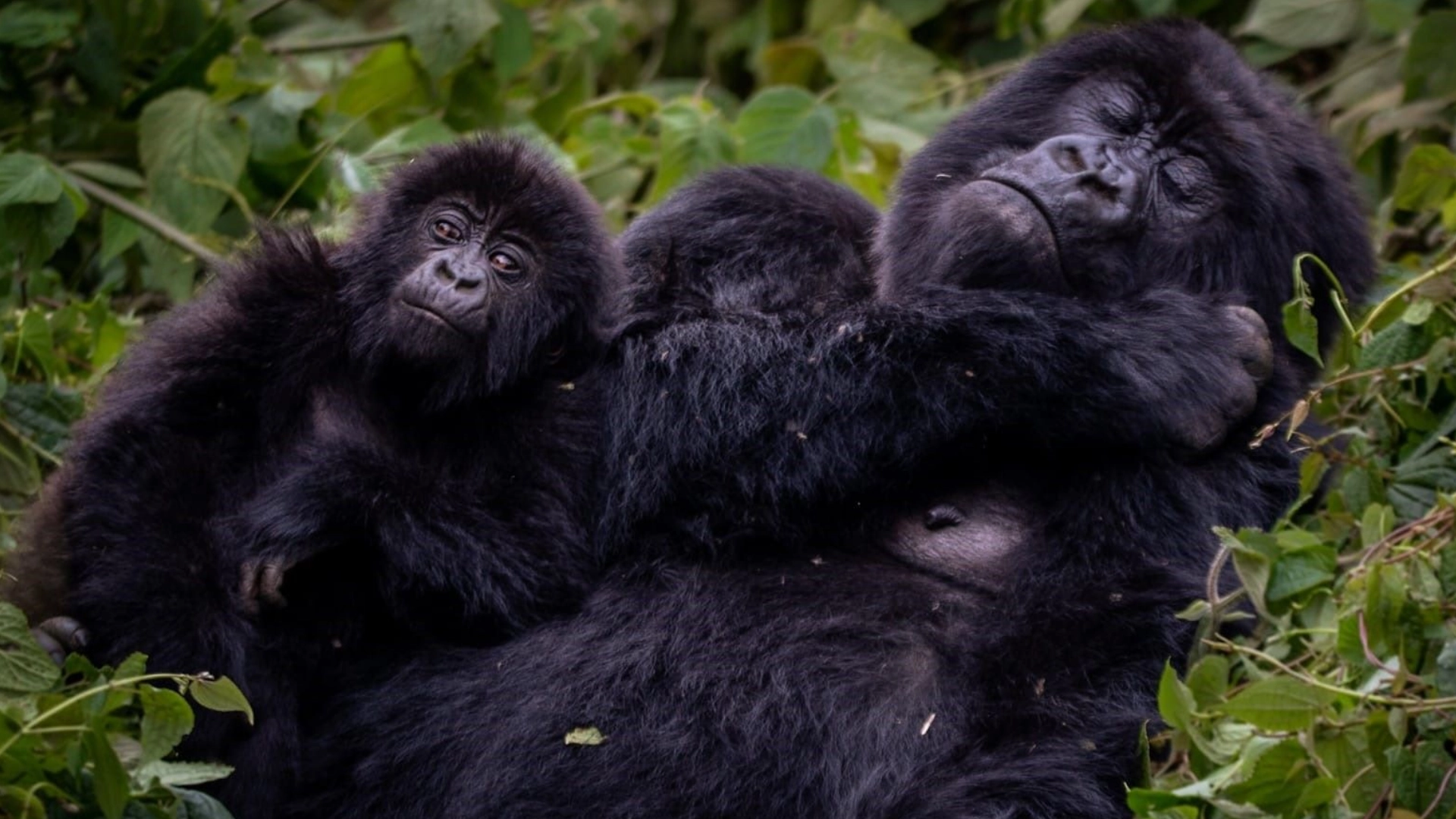
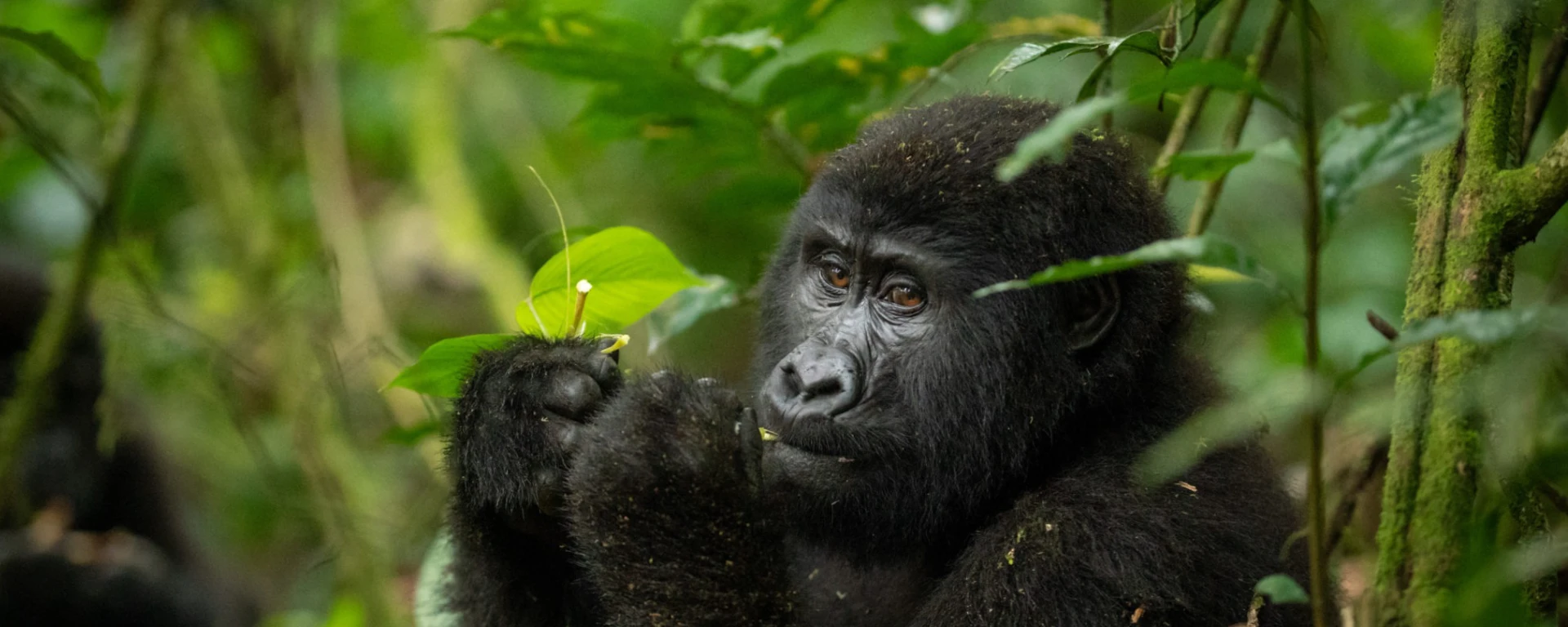
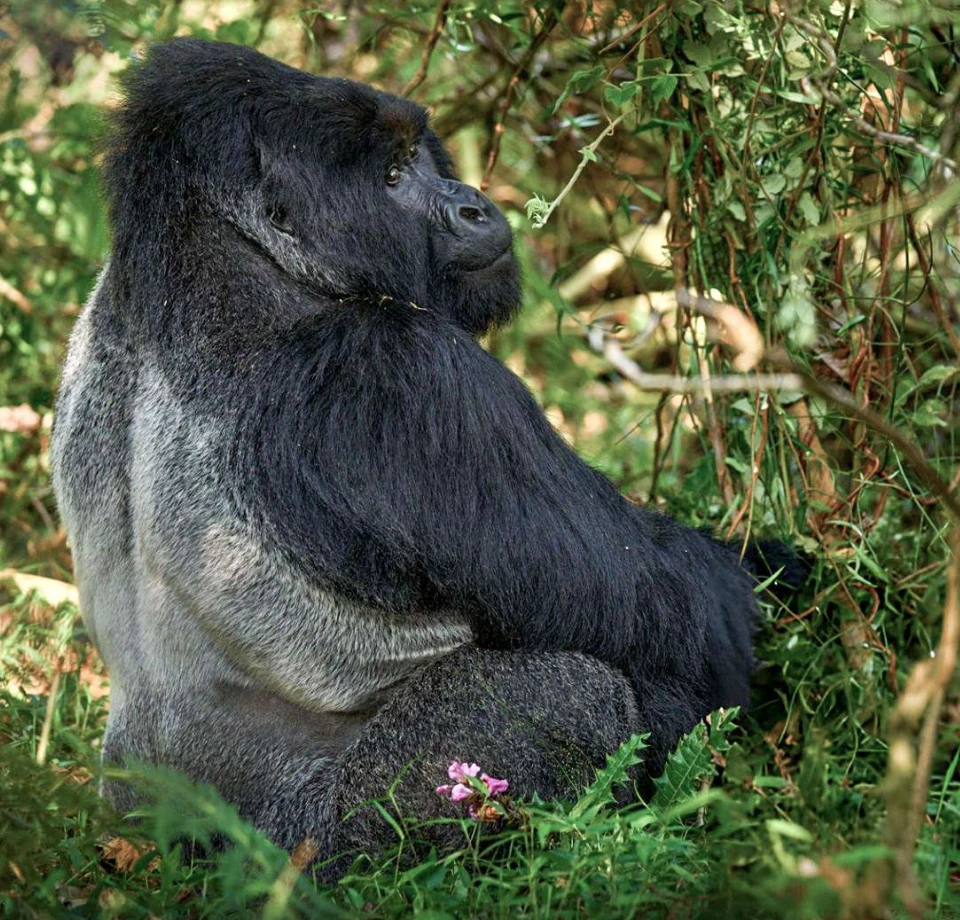
Bwindi Impenetrable National Park is Uganda’s headline act for gorillas. This is a UNESCO World Heritage Site and home to about 460 mountain gorillas—roughly 43% of the world’s population. Approximately 300 gorillas, spread across more than 25 family groups, are habituated to tourism, making this park central to many Uganda safaris.

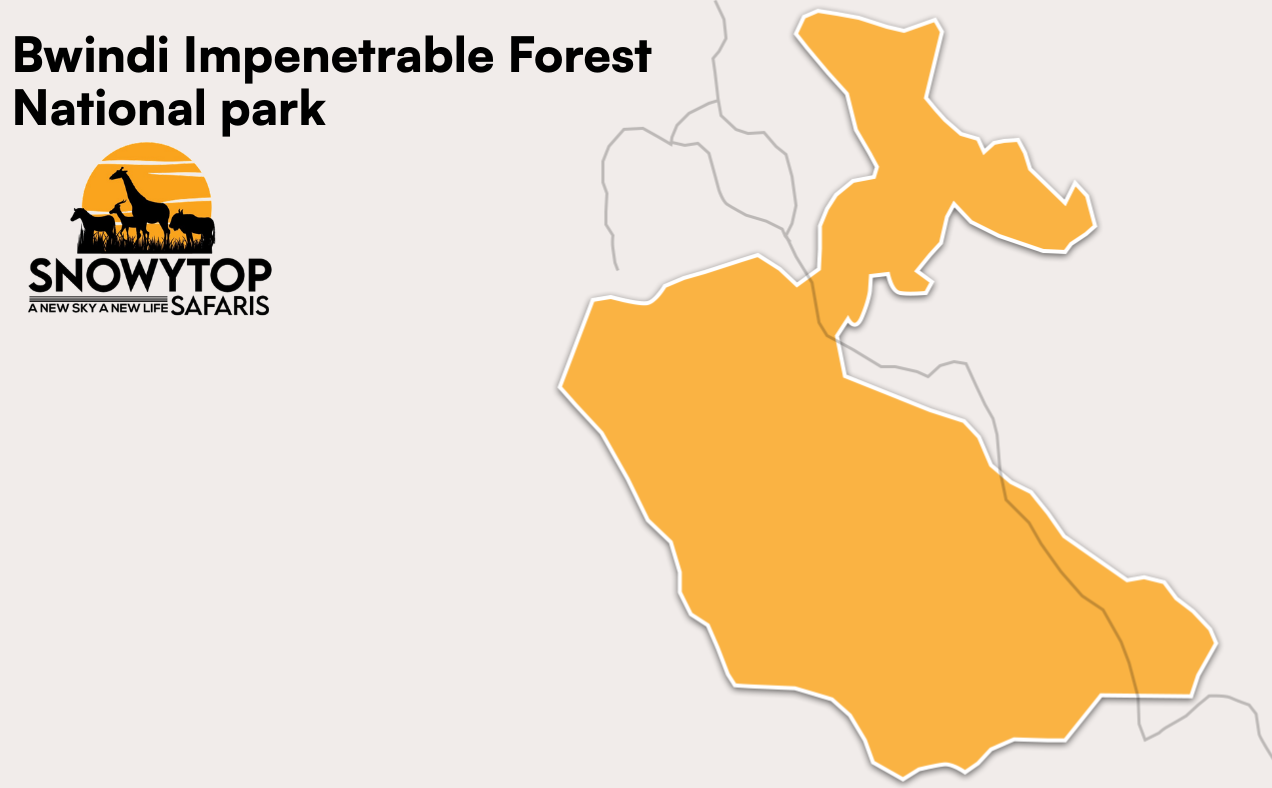
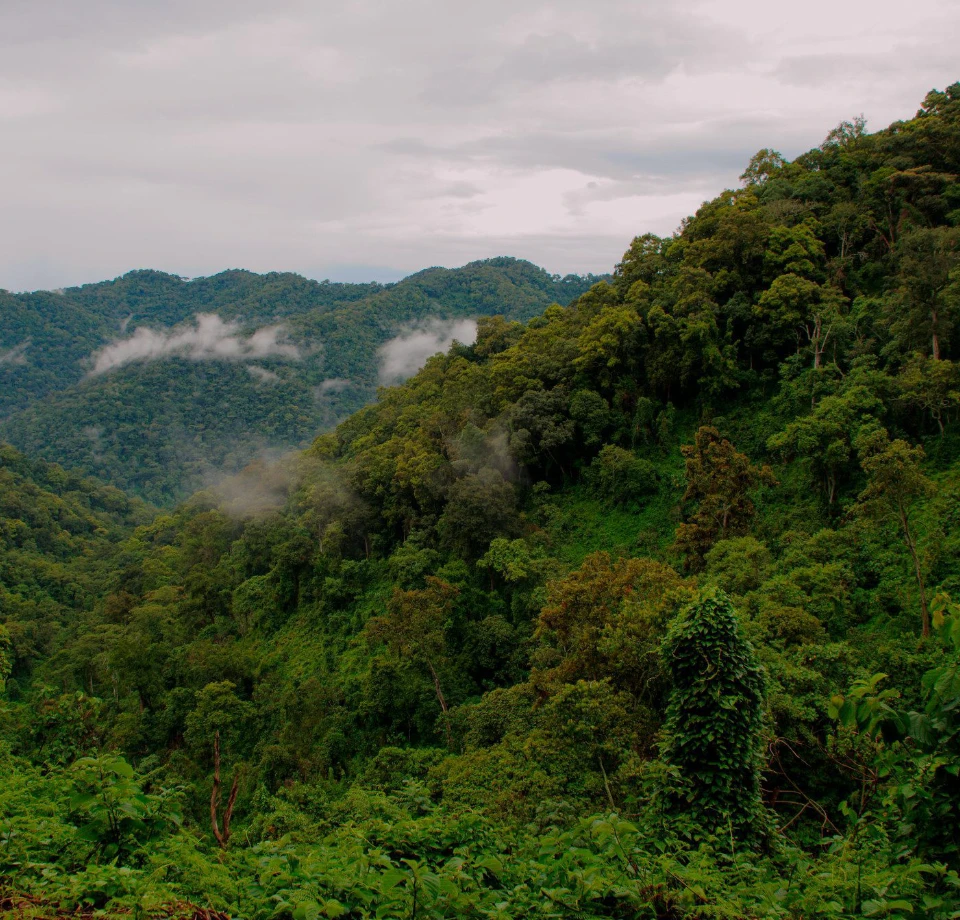
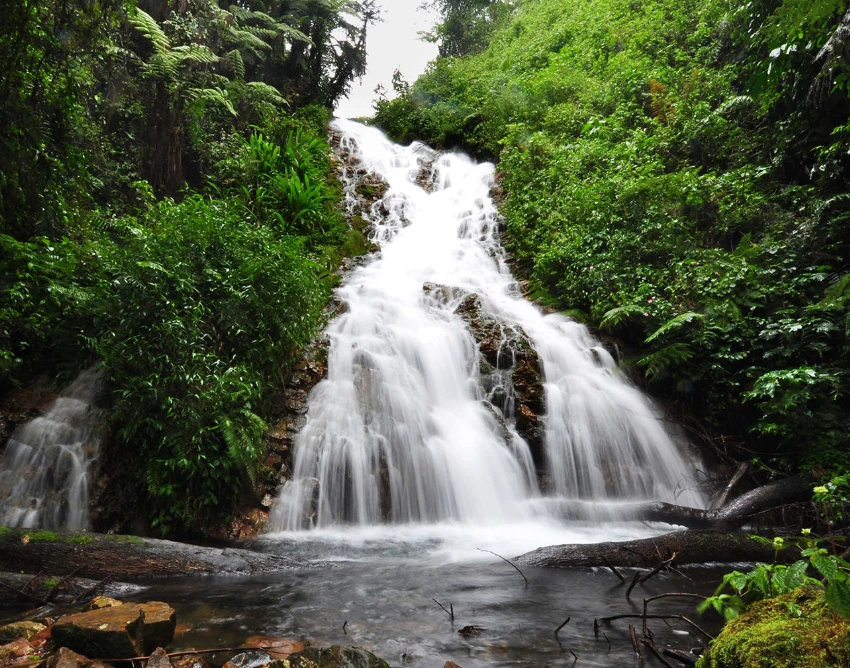
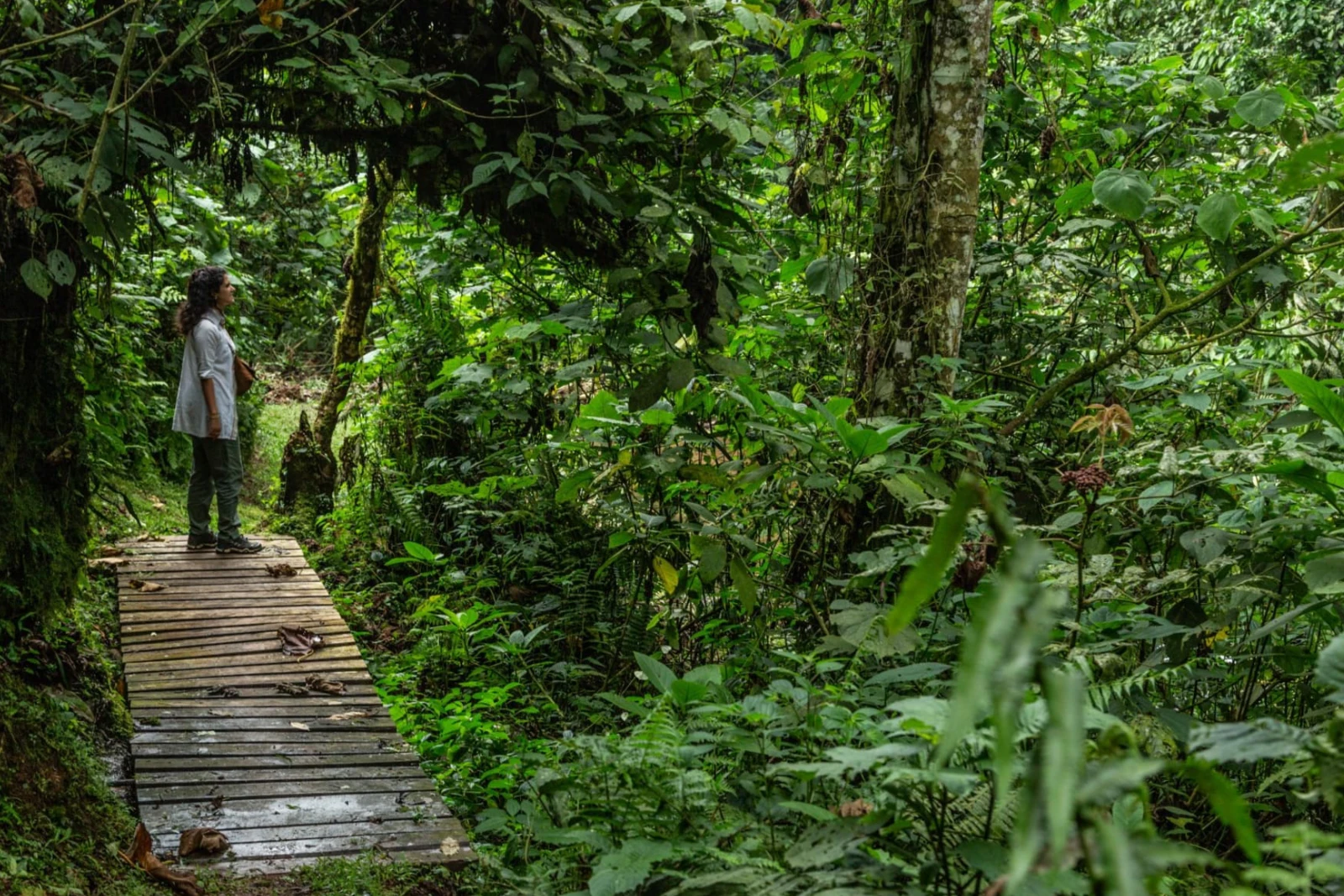
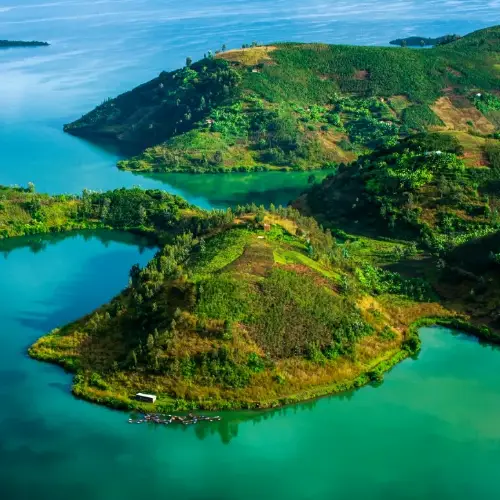
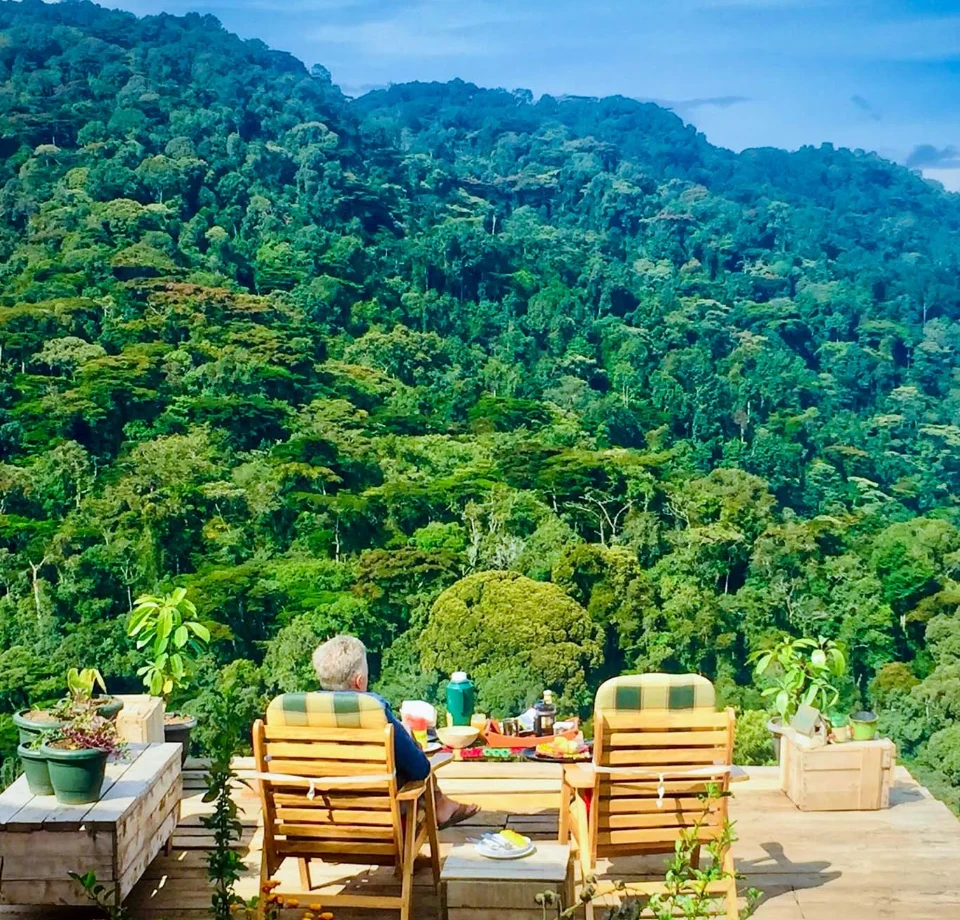
Bwindi is a maze of steep ridges and river valleys covered in dense rainforest. It sits on the edge of the Albertine Rift Valley and spans a wide altitude range, so you get a mix of montane and lowland rainforest in one protected area. It’s also one of East Africa’s oldest forests, and that age shows in the biodiversity—plants, birds, butterflies, and small forest.

Most people arrive with one goal: Gorilla trekking in Uganda. But Bwindi is more than “just gorillas.” Even a casual walk around the trekking hubs can turn into monkey sightings, rare birds, and those small details that keep you alert.

Get Started

Life-Enriching Travel

Designed Just for You

  • Trips curated by the world’s top destination experts
  • Concierge-level service leading up to and during your trip
  • Unique, exclusive experiences and insider access


500+ Verified Traveler Reviews

Snowytop Safaris LTD

Why Visit
Bwindi Impenetrable

Bwindi gives you one of the most meaningful wildlife encounters in Africa, with strict permit control and experienced trackers guiding each trek. Gorilla trekking runs daily from four hubs, so you can plan routes that fit your time and comfort level. And if you care about birds, Bwindi is a serious destination, with 23 Albertine Rift endemics among roughly 350 recorded species. For travelers planning Uganda safari packages, this park is the primary anchor that shapes the entire trip.

Bwindi Impenetrable National Park

Bwindi Impenetrable at a Glance

Practical details to plan your Uganda safari experience in Bwindi with clear expectations.

Rainforest and Valleys

Rainforest and Valleys

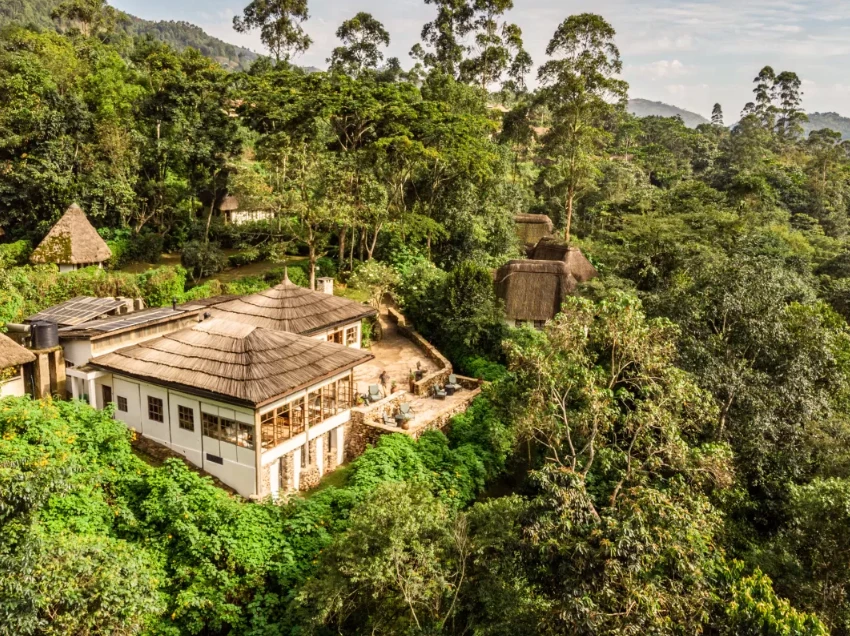
Bwindi protects steep ridges and deep river valleys under dense rainforest. Because the park spans different elevations, you move through montane forest and lower-lying rainforest zones on the same trip. The forest feels old—thick trunks, tangled understory, and a constant dampness in the air. It’s not a “wide views” park; it’s a close-up park.
Gorillas Lead the List

Gorillas Lead the List

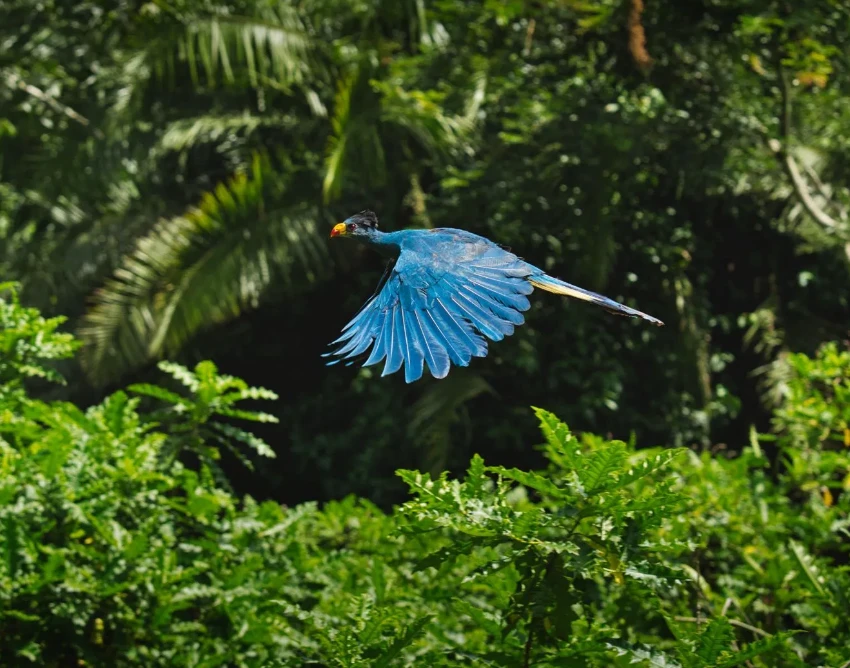
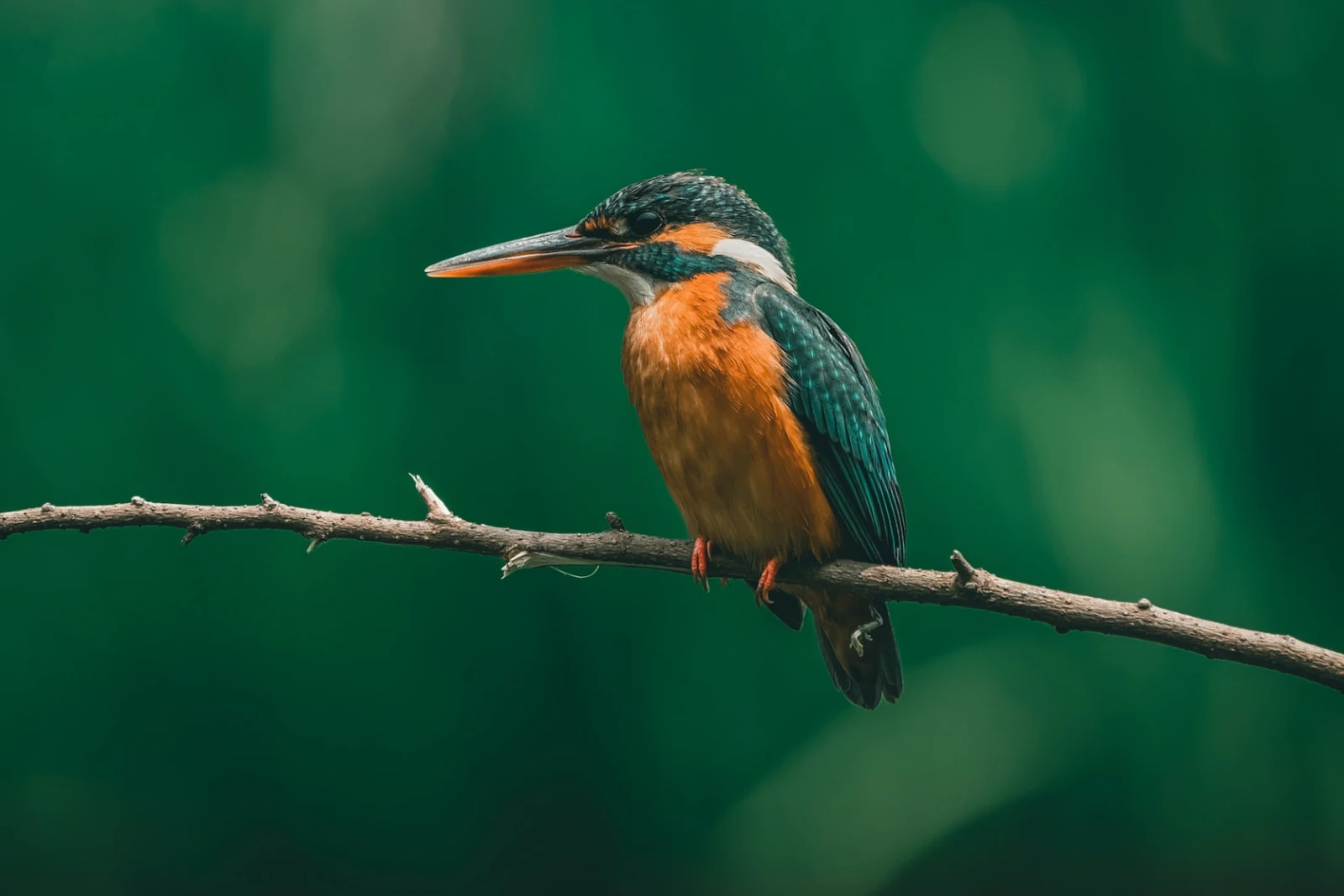
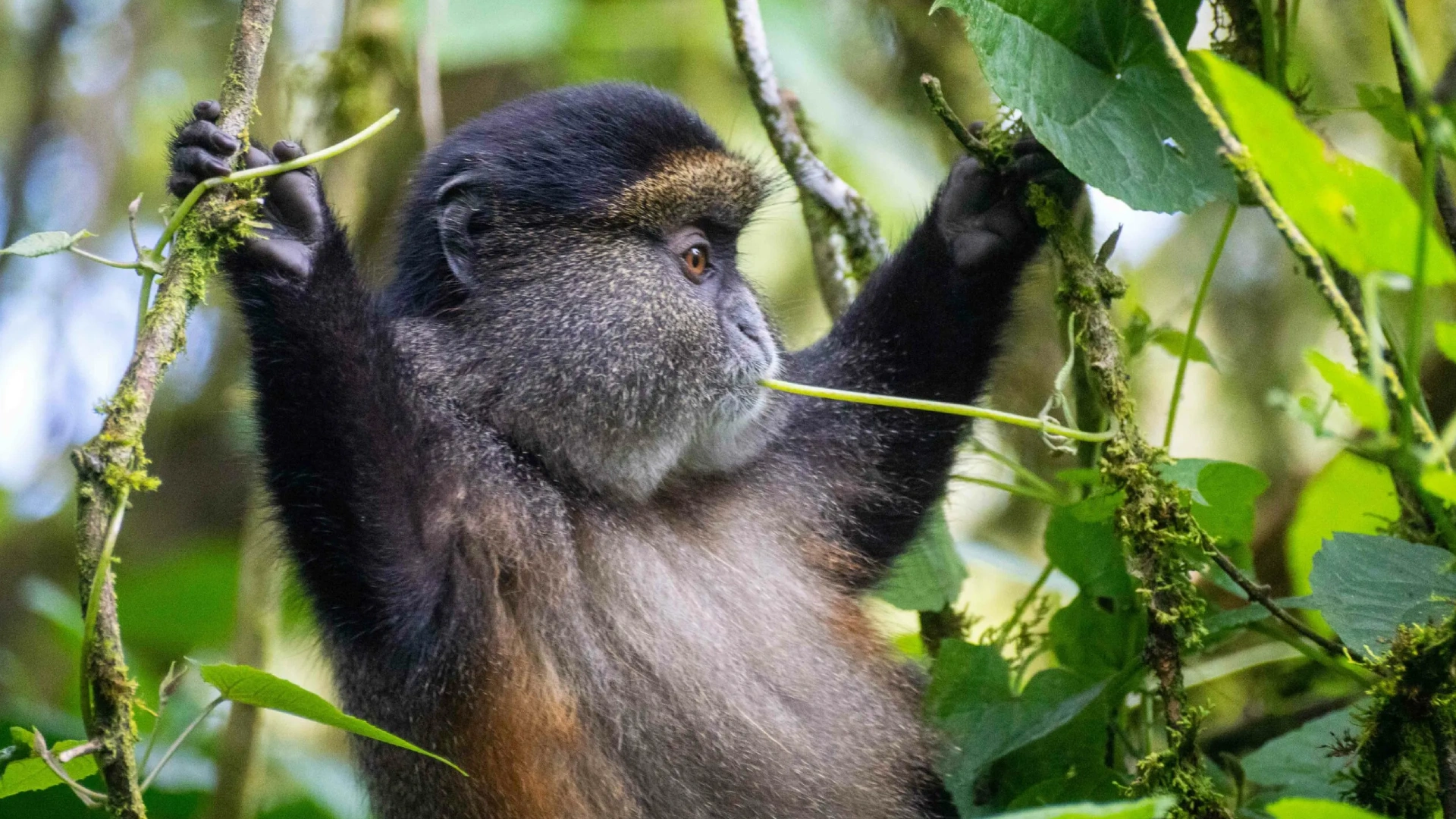
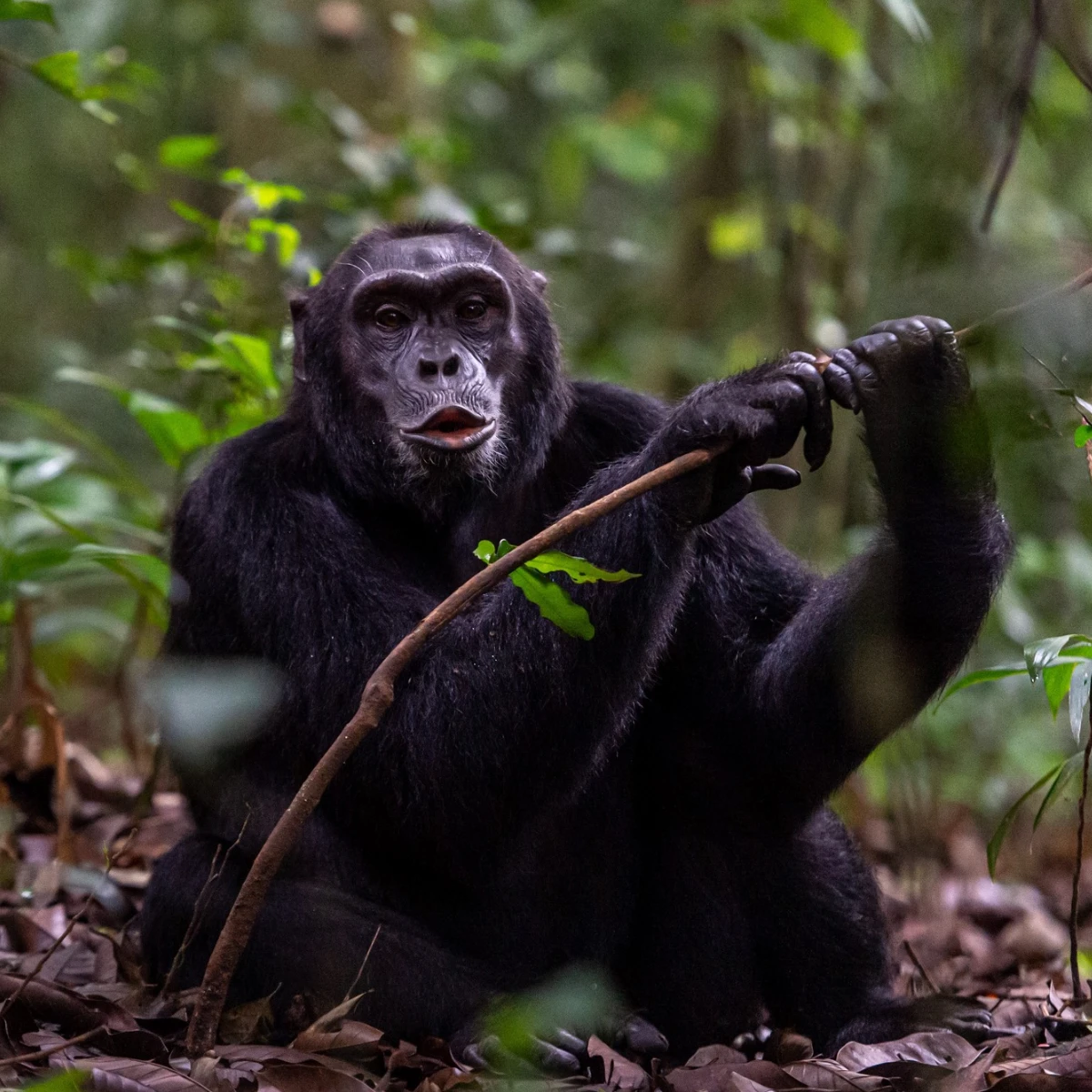
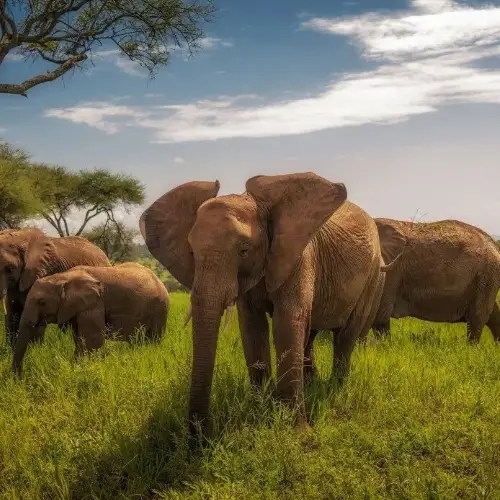
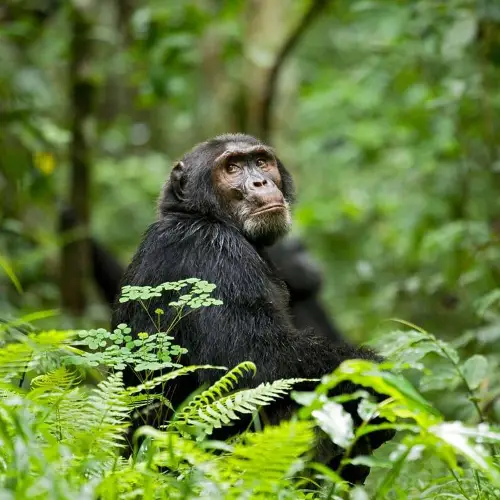
Bwindi supports mountain gorilla, plus at least 10 primate species, including chimpanzee (unhabituated), olive baboon, black-and-white colobus, red-tailed monkey, and L’Hoest’s monkey. The only Big Five representative is a secretive elephant population believed to be mostly forest elephants, and they’re rarely seen. Bushbuck and forest duikers are more realistic sightings. Birdlife is a major draw—about 350 species, including 23 Albertine Rift endemics.

Mild and Often Wet

Mild and Often Wet

Bwindi has a mild but wet climate, with daytime temperatures around 22°C and nights dropping to about 12°C. Rain can happen any month, so waterproof layers and solid hiking shoes are non-negotiable. The wettest periods are usually March to May and September to November, when trails get slick, and trekking feels tougher. If you’re comparing the best time to visit Uganda for gorillas, rainfall is the main thing to watch.

Trekking Hubs and Endemics

Trekking Hubs and Endemics

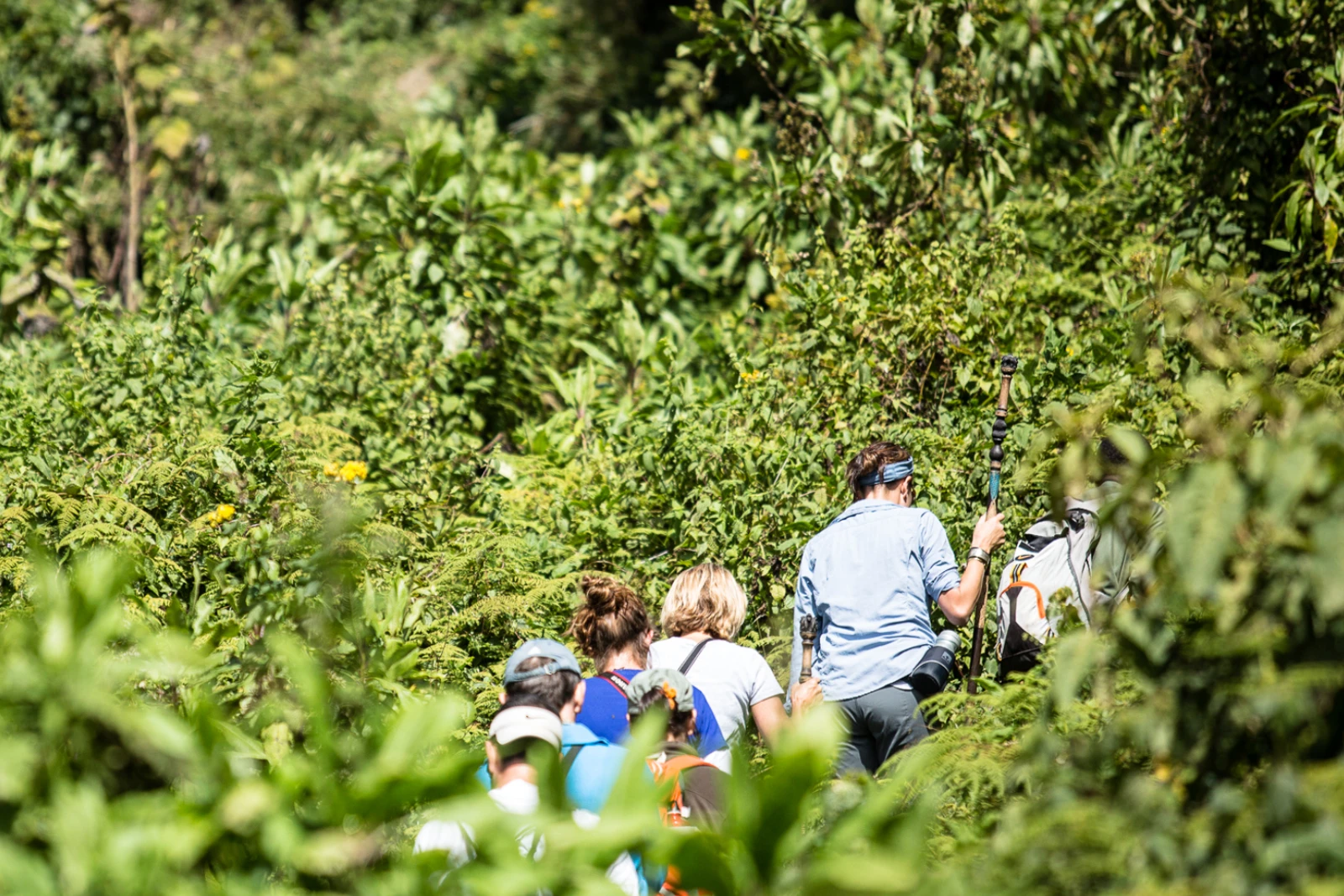
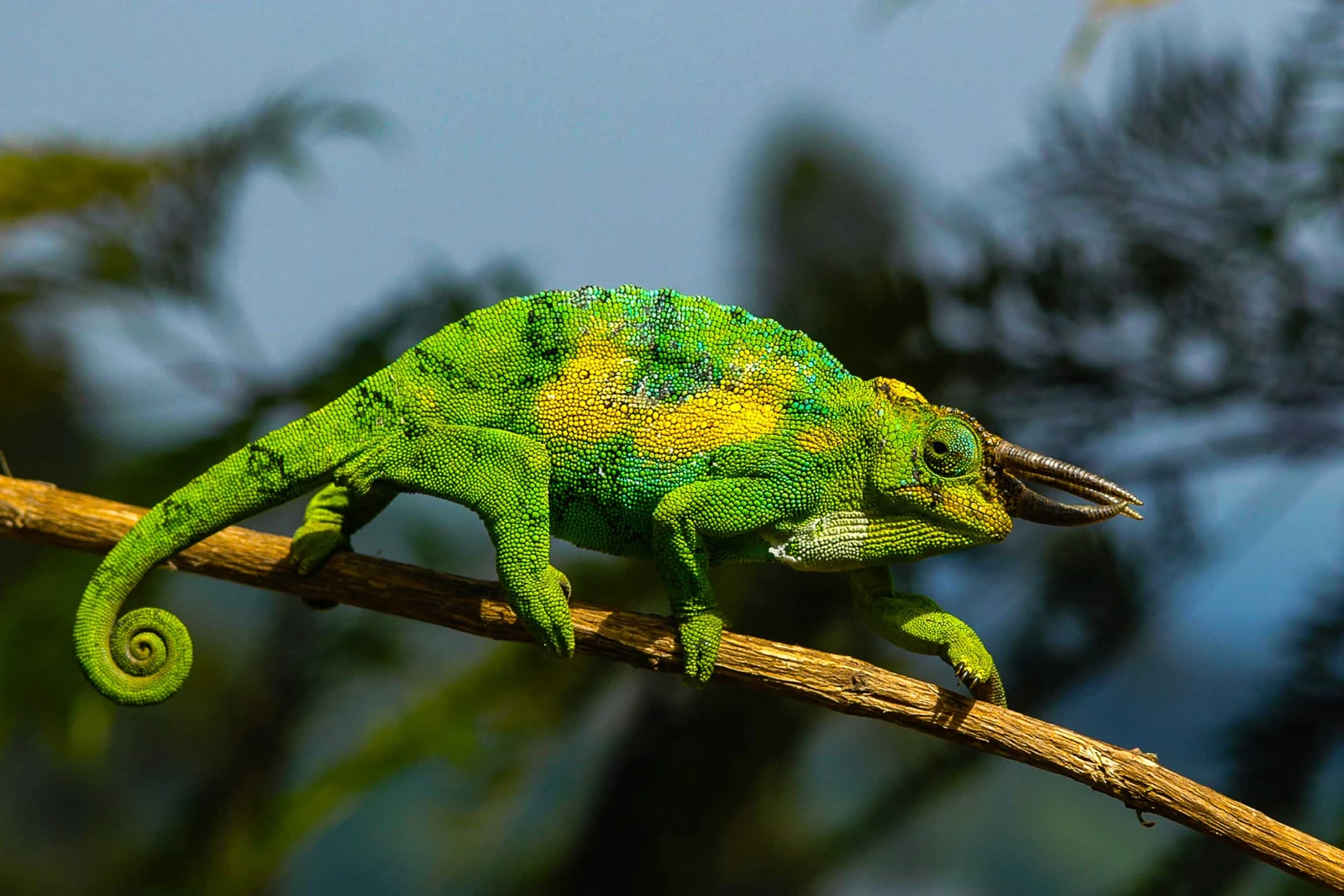
The main attraction is daily gorilla trekking at 8 am from four hubs: Buhoma, Ruhija, Rushaga, and Nkuringo. Each hub has its own feel and access points, and they’re several hours apart by road. Beyond gorillas, Bwindi’s specialties include Albertine Rift endemics like the Rwenzori three-horned chameleon and rare forest birds that bring serious birdwatchers back again. Strong add-on for Uganda wildlife tours that want depth, not just big animals.

Four Hubs, Long Drives

Four Hubs, Long Drives

Bwindi’s hubs are spread out: Buhoma (northwest), Ruhija (east), Rushaga, and Nkuringo (southwest). Buhoma is about 2–3 hours from Ishasha in Queen Elizabeth National Park, which is why that link is so common in western routes. From Entebbe or Kampala by road, expect at least 10 hours, and during rainy seasons, a 4WD is necessary for some trailheads. Flights can connect from Entebbe or Kajjansi to Kihihi or Kisoro, then a road transfer to your hub.

When to Go to Bwindi

The best months for gorilla trekking are June to August and December to February, when the trails are relatively drier and less slippery.

  • Best
  • Good
  • Mixed

January is one of the better months for trekking because rainfall is lower and trails are less slippery than in the peak wet season. Gorillas are still tracked daily, but the overall walk feels more manageable, especially on steeper routes. Permits are in demand, so book early. Strong month for Uganda gorilla trekking.

February stays in the drier window and is another solid choice for trekking comfort and clearer photography conditions. You still need rain gear because Bwindi can surprise you any day, but long downpours are less common. Expect busy hubs and higher demand for permits. Good time to plan a Bwindi gorilla safari.

March starts the wetter season. Treks still run, but trails can get muddy, and steep descents feel harder on knees. Mist can roll in quickly, which affects photos and visibility. If your schedule is fixed, it’s still doable—just pack properly and accept slower hiking. Fits flexible Uganda safari itinerary plans.

April is often one of the wettest months. The forest is lush, but trekking can be physically demanding because trails turn slick and rain can be steady. Gorilla sightings remain strong, yet the comfort level drops. If you don’t mind mud and want fewer crowds, April can work. Useful for Uganda safari cost savings sometimes.

May can still be wet, though it often feels like a transition month. Treks remain possible, and gorilla sightings are usually excellent, but expect damp trails and leeches in some areas. If you choose May, focus on good boots and gloves. Great for travelers who prefer quieter Uganda safari tours without peak crowds.

June is one of the best months for gorilla trekking. Rainfall drops, trails are easier, and the overall experience feels smoother—especially for photographers and first-timers. It’s also a busy period, so permits and lodges can sell out. Great time to pair Bwindi with Queen Elizabeth.

July continues the dry-season advantage. Trekking conditions are generally better, with fewer slippery sections and more sunshine between clouds. Wildlife viewing and photos tend to be easier, though you still need rain protection. Because it’s peak season, you’ll want permits locked in well ahead.

August stays in the drier stretch and is another reliable month for trekking comfort. The forest still feels damp, but walking is easier than in wet months. This is peak travel season, so expect more visitors around the hubs. For a smoother experience, choose early booking and a good pace.

September begins the second wetter period. Trails get slick again and trekking can feel heavier, especially after overnight rain. Gorilla sightings remain strong, but you’ll work harder for them. The forest looks fresh and green, and crowds are usually lower than peak months. Good for travelers who want quieter Guided safaris in Uganda.

October is typically wet, and trekking can be challenging because mud builds quickly on steep paths. If you come now, plan for extra time, strong rain gear, and slower walking. The upside is fewer tourists and a more private feel in the forest. Still a solid month for committed Uganda safari experience seekers.

November continues the wet season for many areas, so trail conditions can be unpredictable. Misty mornings are common, and rain can arrive without warning. Gorilla treks still run daily, and sightings remain strong, but comfort is not the selling point. If you’re mixing parks, keep road travel buffers.

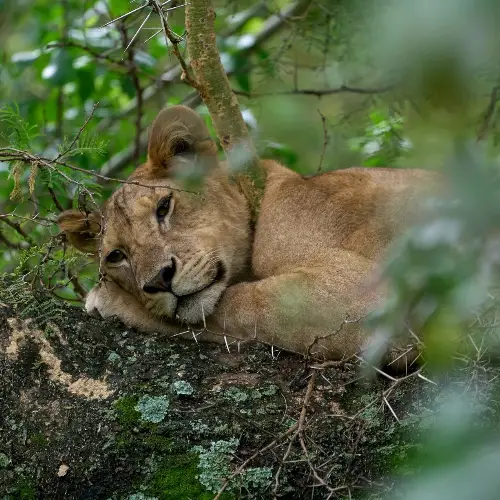
December shifts into a drier, more popular travel window, especially later in the month. Trekking conditions improve, and photography can be easier with more consistent light. It’s also a high-demand time, so permits and lodges need early booking. Great month to combine Bwindi with Ishasha tree-climbing lions.

Bwindi Forest Travel FAQs

About 460 mountain gorillas live in Bwindi, and around two-thirds are in habituated groups that visitors can track. That’s a key reason Bwindi Impenetrable National Park is Uganda’s main gorilla destination.

Yes, especially for June–August and December–February. Permits are limited per day, and the best lodges fill up quickly. Planning early helps keep your Uganda safari trips smooth.

It depends on your route and lodge. Buhoma links well with Ishasha in Queen Elizabeth; Rushaga and Nkuringo suit the southwest routing. Ruhija sits to the east. Hubs are hours apart, so don’t assume you can switch easily.

No. You can see other primates, forest birds, butterflies, and rare endemics. Birders come for Albertine Rift specials, and the forest walks add depth.

It can be, depending on where the gorilla family is that day. Trails are steep and can be muddy. A good attitude and proper gear matter more than being super fit. This is why many people choose guided safaris in Uganda with experienced support.

Ways to Experience Bwindi

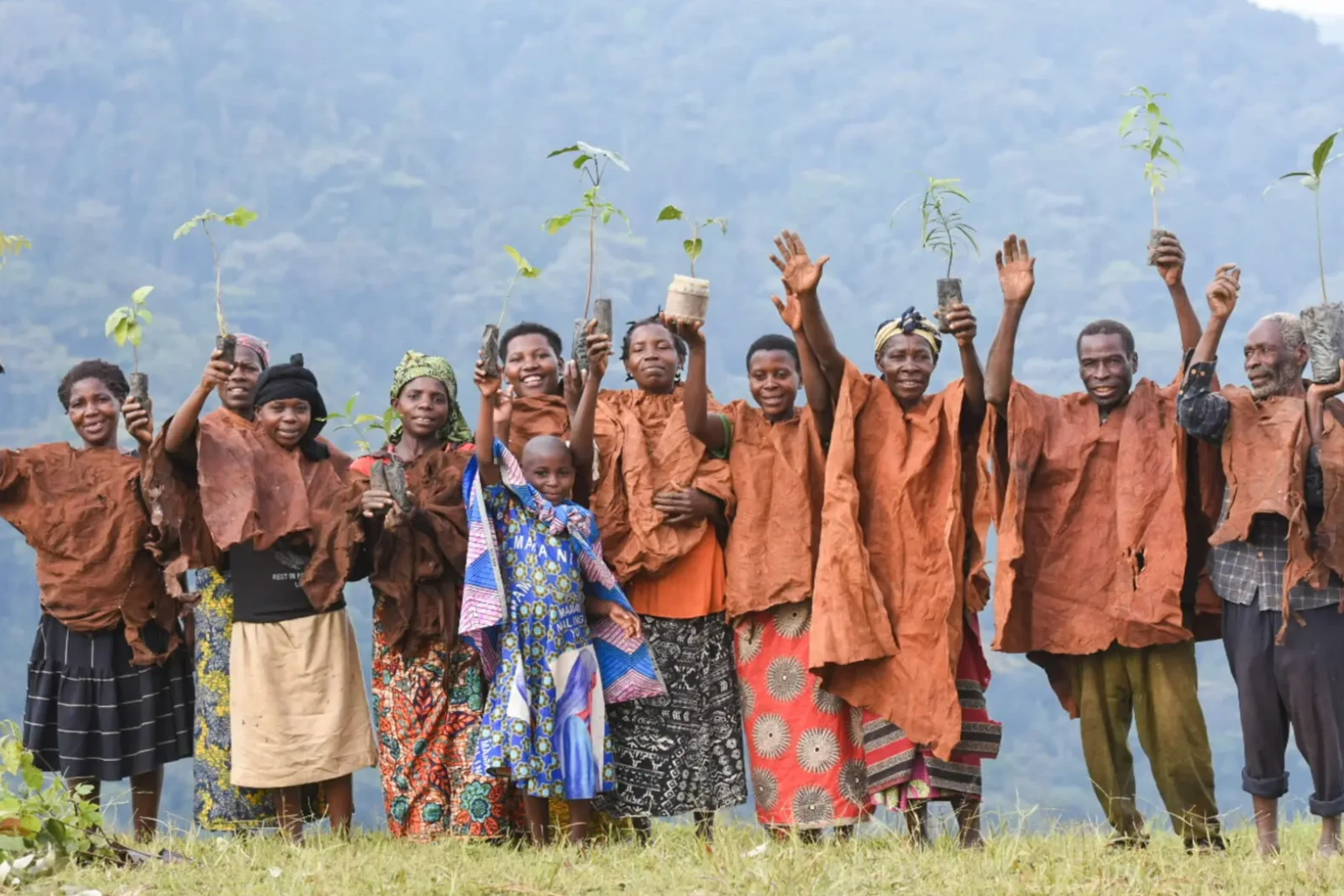
Bwindi days revolve around one big morning, then a softer time afterward. Gorilla trekking is intense and emotional in a quiet way—your body is working, your mind is trying to stay calm, and then suddenly you’re close to a family group, and everything slows down. After that, lighter forest walks, birding, or community visits make sense.

Talk to a Safari Specialist Today

and design your travel plans.

Call +254 723 619669

OR

Enquire Now
  • Lawrence

  • Margaret

  • Mugambi

Our Safari Experts

Safaris You Can Book

Browse all our safari options designed around realistic travel days, trusted guides, and comfortable stays across East Africa.

Uganda’s Natural Wonders Await

Explore diverse landscapes, vibrant cultures, primate safaris, and serene lakes in unforgettable journeys.

Get Started On Your Trip

You can contact us anytime, and we’ll support your
planning from early ideas to final details.

Get in touch

What Travellers Say

Real feedback from guests who have traveled with SnowyTop Safaris LTD across East Africa.

Local Team Insight

Our guides and planners work in Kenya and nearby parks year-round. You get route advice that matches road conditions, seasons and lodge standards, not generic online suggestions for your dates.

Clear Trip Planning

We keep planning simple: quick replies, clear inclusions, and realistic drive times. If something won’t fit, we say so early and suggest a better option without pushing upgrades or extras.

Support Throughout Travel

From airport pickup to your last game drive, we stay reachable. You get help with permits, timing and small changes, so the trip keeps moving smoothly even when plans shift.